
Digital Nomad Property Investment in Mexico 2026
Digital nomads buying Mexico property, best locations, visa rules, remote work infrastructure, and investment strategies for 2026.
By Mexico Invest Editorial · Updated July 9, 2026 · 14 min read
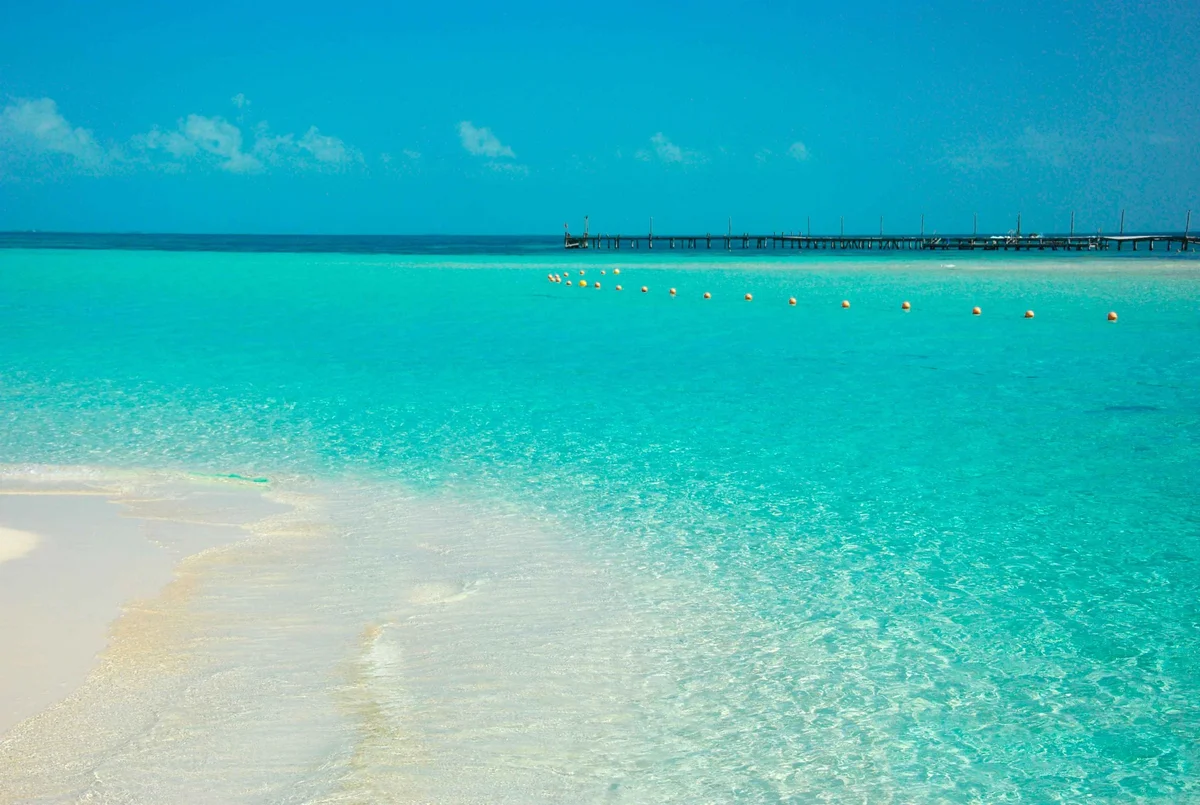
TL;DR: Mexico offers digital nomads property investment opportunities with reliable internet and favorable tax structures. Select coastal and colonial markets have shown historical annual appreciation in the 5-12% range, though past performance does not predict future results. Top locations include Playa del Carmen ($250K average entry), Merida ($200K), and Mexico City ($300K). Temporary Resident visa allows 4-year stays with property ownership through fideicomiso.
The rise of remote work has transformed Mexico into a premier destination for digital nomads seeking to combine location independence with property investment. With over 50,000 US digital nomads living in Mexico as of 2026, the country offers exceptional infrastructure, favorable investment conditions, and significant lifestyle benefits for remote professionals.
This comprehensive guide explores how digital nomads can successfully invest in Mexican real estate while maintaining their location-independent lifestyle, covering legal requirements, best locations, remote work infrastructure, and strategic investment approaches.
Why nomads buy rather than rent in Mexico
The case for buying rests on three things a long-term renter does not get: a fixed housing cost in a market where nomad demand is pushing rents up, an asset priced in dollars in a peso economy, and rental income from the months you are elsewhere. Mexico adds infrastructure the alternatives lack, fibre in every major nomad city, US time zones so client calls happen in working hours, and 180-day tourist entry that suits a life spent partly elsewhere. The national buying framework applies unchanged; what differs is that you are underwriting a property you will occupy for part of the year and rent for the rest.
Remote Work Infrastructure Excellence
Mexico has invested heavily in digital infrastructure, making it ideal for remote professionals:
Internet Connectivity Statistics 2026:
- Fiber optic coverage: 85% of urban areas
- Average speeds: 50-200 Mbps in major cities
- 5G coverage: Available in 40+ cities
- Coworking spaces: 2,000+ nationwide
- Internet cost: $30-$80/month for high-speed plans
Digital Infrastructure by City:
| Location | Average Speed | Reliability | Monthly Cost | Coworking Spaces |
|---|---|---|---|---|
| Mexico City | 150 Mbps | 99.2% | $45 | 400+ |
| Playa del Carmen | 100 Mbps | 97.8% | $55 | 80+ |
| Mérida | 120 Mbps | 98.5% | $40 | 60+ |
| Puerto Vallarta | 80 Mbps | 96.5% | $50 | 45+ |
| Guadalajara | 140 Mbps | 98.8% | $35 | 120+ |
Financial Advantages for Nomads
Cost of Living Comparison (vs US remote work hubs):
| Expense Category | Austin, TX | Mexico City | Playa del Carmen | Savings |
|---|---|---|---|---|
| Housing | $2,200/month | $800/month | $1,000/month | 55-64% |
| Food & dining | $800/month | $300/month | $400/month | 50-62% |
| Transportation | $400/month | $100/month | $150/month | 62-75% |
| Coworking space | $300/month | $120/month | $150/month | 50-60% |
| Healthcare | $500/month | $150/month | $180/month | 64-70% |
| Total Monthly | $4,200 | $1,470 | $1,880 | 55-65% |
Investment Appreciation Potential
Historical Property Appreciation (2021-2026):
- Playa del Carmen: +45% (driven by nomad influx)
- Mexico City Roma Norte: +38% (gentrification + nomads)
- Mérida Centro: +42% (tech hub development)
- Puerto Vallarta: +35% (stable tourist + nomad demand)
- Guadalajara Americana: +40% (tech industry growth)
Tax Benefits for Property-Owning Nomads
Mexican Tax Advantages:
- No tax on worldwide income for non-residents
- Capital gains exemption for primary residence
- Property taxes: 0.1-0.3% annually (vs 1-2% in US)
- No inheritance tax for direct beneficiaries
- Foreign Earned Income Exclusion available for US nomads

The five markets nomads actually buy in
Five cities carry almost all foreign nomad purchases, and they split cleanly between coastal rental plays and urban value plays. Playa del Carmen offers the strongest short-term rental yields at roughly 4.4% net and the shortest walk to a beach; Mexico City and Guadalajara offer direct title outside the restricted zone, deeper long-term tenant demand and no trust fee; Mérida sits between them on price, though it is inside the coastal band and takes a trust like Playa; Puerto Vallarta balances coastal life against a mature resident economy. Pick on whether the property is primarily income or primarily home, the two point to different cities.
Playa del Carmen - Caribbean Digital Hub
Average Property Price: $250,000 (condos), $400,000 (houses)
Playa del Carmen has emerged as Latin America’s premier digital nomad destination, combining beach lifestyle with excellent infrastructure.
Why Nomads Invest Here:
- Largest nomad community in Mexico (8,000+ residents)
- 80+ coworking spaces and cafes
- Direct flights to 25+ international cities
- Year-round tropical climate
- Strong rental demand from nomads and tourists
Neighborhood Investment Analysis:
| Area | Average Price | ROI Potential | Nomad Appeal | Investment Risk |
|---|---|---|---|---|
| Centro (5th Ave) | $300k-$500k | 8-12% | Very High | Medium |
| Playacar | $400k-$800k | 6-9% | High | Low |
| Constituyentes | $200k-$350k | 10-15% | Medium | Medium-High |
| Colosio | $150k-$250k | 12-18% | Growing | High |
Digital Infrastructure:
- Fiber internet: 100-300 Mbps available citywide
- Backup generators standard in new developments
- 24/7 coworking spaces with international community
- Strong cellular coverage (Telcel, AT&T, Movistar)
Investment Considerations:
- High rental demand but seasonal fluctuations
- Hurricane risk (June-November) affects insurance costs
- Rapid development causing infrastructure strain
- Currency appreciation benefits US dollar earners
Mexico City - Tech Capital Investment
Average Property Price: $300,000 (Roma Norte), $200,000 (other areas)
Mexico City offers the most sophisticated nomad ecosystem with unparalleled cultural and professional opportunities.
Prime Nomad Investment Areas:
Roma Norte - Premium Nomad District
- Price range: $250,000-$500,000
- ROI: 6-10% annually
- Nomad density: Extremely high
- Amenities: 100+ coworking spaces, international restaurants
- Infrastructure: Excellent internet, walkable, metro access
Condesa - Established Expat Area
- Price range: $200,000-$400,000
- ROI: 7-11% annually
- Character: Tree-lined streets, Art Deco architecture
- Lifestyle: Parks, cafes, vibrant nightlife
- Investment outlook: Stable, long-term appreciation
Doctores - Emerging Area
- Price range: $150,000-$250,000
- ROI: 12-18% annually
- Gentrification stage: Early (high upside potential)
- Risk level: Medium-high
- Nomad adoption: Growing rapidly
Business and Networking Advantages:
- 400+ coworking spaces and business centers
- Major startup ecosystem (500+ tech companies)
- Regular nomad meetups and networking events
- Access to Mexican business opportunities
- International business hub
Mérida - Emerging Tech Hub
Average Property Price: $200,000 (Centro), $300,000 (northern areas)
Mérida is rapidly becoming Mexico’s answer to Austin, Texas, attracting tech nomads with its safety, culture, and growing infrastructure.
Investment Opportunities by Area:
Centro Histórico - Colonial Charm
- Price range: $150,000-$350,000
- Property type: Colonial homes, modern condos
- Appreciation: 8-12% annually
- Nomad appeal: High (cultural immersion)
- Renovation potential: Significant
García Ginerés - Modern Professional Area
- Price range: $250,000-$450,000
- Property type: Mid-century modern homes
- Target market: High-earning nomads
- ROI: 6-9% annually
- Infrastructure: Excellent
Montejo - Upscale Corridor
- Price range: $300,000-$600,000
- Investment grade: Premium
- Rental potential: Limited but high-value
- Long-term outlook: Strong appreciation
Why Nomads Choose Mérida:
- Lowest crime rates in Mexico
- Growing tech industry and startup scene
- 40 minutes from beautiful beaches
- Rich Mayan culture and language learning
- Excellent healthcare system
- Year-round spring-like weather
Puerto Vallarta - Balanced Lifestyle Investment
Average Property Price: $350,000-$500,000
Puerto Vallarta offers nomads a balanced investment approach combining beach lifestyle with established infrastructure.
Nomad-Focused Investment Areas:
Zona Romántica - Beach Nomad Hub
- Price range: $300,000-$600,000
- Walkability: Excellent
- Internet: Reliable 80-150 Mbps
- Community: Established expat/nomad networks
- Rental yield: 8-12% (seasonal variation)
Versalles - Residential Value
- Price range: $250,000-$400,000
- Target: Long-term nomad residents
- Infrastructure: Growing rapidly
- Appreciation: 7-10% annually
- Investment risk: Low-medium
Centro - Authentic Mexican Experience
- Price range: $200,000-$350,000
- Cultural immersion: High
- Gentrification potential: Significant
- Nomad adoption: Growing
- ROI potential: 10-15%
Guadalajara - Silicon Valley of Mexico
Average Property Price: $280,000 (Americana), $200,000 (other areas)
Guadalajara’s tech industry boom makes it increasingly attractive for nomads in tech and software development.
Tech Nomad Investment Zones:
Americana/Providencia - Tech Professional Hub
- Price range: $250,000-$450,000
- Tech company density: Very high
- Coworking spaces: 120+ options
- Rental demand: Strong from tech workers
- Investment outlook: Excellent long-term growth
Chapultepec - Cultural Quarter
- Price range: $200,000-$350,000
- Character: Arts district, trendy restaurants
- Nomad appeal: High creative community
- Appreciation: 8-12% annually
- Walkability: Excellent
Visa, ownership structure and tax
Owning property in Mexico grants no immigration right whatsoever; there is no golden visa, and a purchase does not shorten any residency path. Nomads living there most of the year need a temporary resident visa with income or savings thresholds set by INM; those genuinely moving between countries operate on 180-day tourist entries, which INM scrutinises increasingly for people who obviously live there. Ownership structure follows location rather than status: a fideicomiso inside the restricted zone, direct title outside it.
Visa Requirements for Property-Owning Nomads
Temporary Resident Visa (Residente Temporal)
- Duration: 1 year, renewable up to 4 years total
- Income requirement: $3,700-$4,300 USD monthly income or $70,000-$75,000 savings
- Benefits: Can own property, work remotely for foreign companies
- Renewal: Annual process, can be done in Mexico
- Path to permanent residency after 4 years
Permanent Resident Visa (Residente Permanente)
- Income requirement: $5,400+ USD monthly or $135,000+ savings
- Benefits: Indefinite stay, full property rights, can work for Mexican companies
- Application: Directly or after 4 years temporary residence
- Investment consideration: Easier property management and rental business
Property Ownership Structures for Nomads
Fideicomiso (Bank Trust) - Most Common
For properties in restricted zones (most desirable nomad locations):
Advantages for Nomads:
- Legal ownership with full property rights
- Can rent property while traveling
- Simplified inheritance process
- Bank handles property tax compliance
- Clear documentation for international tax filing
Process for Nomads:
- Establish Mexican tax ID (RFC)
- Choose Mexican bank for trust
- Property purchase through notario público
- Annual trust fee: $450-$800
- Renewable 50-year terms
Mexican Corporation - For Investment Portfolios
Better for nomads planning multiple properties or rental businesses:
Benefits:
- Own multiple properties under one entity
- Potential tax advantages for rental income
- Professional property management structure
- Easier to sell business vs individual properties
Considerations:
- More complex setup and compliance
- Annual corporate filings required
- Higher setup costs ($3,000-$5,000)
- Need Mexican corporate attorney
Tax Planning for Nomad Property Investors
US Tax Obligations for American Nomads:
Foreign Earned Income Exclusion (FEIE):
- Exclude up to $120,000 of foreign earned income (2026 limit)
- Must meet physical presence test (330 days outside US)
- Rental income does NOT qualify for FEIE
- Property ownership doesn’t affect eligibility
Foreign Tax Credit:
- Credit Mexican taxes paid against US tax liability
- Applies to rental income from Mexican property
- Prevents double taxation
- Requires proper documentation
FBAR and Form 8938 Reporting:
- Report Mexican bank accounts over $10,000 (FBAR)
- Report foreign assets over $50,000 (Form 8938)
- Includes property owned through fideicomiso
- Penalties severe for non-compliance
Mexican Tax Obligations:
Property Taxes (Predial):
- Annual rate: 0.1-0.3% of cadastral value
- Much lower than US property taxes
- Often handled by fideicomiso bank
- Deductible on US tax return
Rental Income Tax:
- 25-35% for non-residents without RFC
- 18-30% for residents with proper documentation
- Monthly advance payments required
- Professional management recommended
Capital Gains Tax:
- Up to 35% for non-residents
- Primary residence exemption available
- Inflation adjustment reduces effective rate
- US Foreign Tax Credit applies
Infrastructure that actually decides the purchase
For a nomad the building’s connectivity is a specification, not an amenity, and it is the one thing no listing verifies honestly. Test the actual speed in the actual unit during working hours before you commit, confirm whether the building has fibre or shared coax, and check whether a backup power source keeps the router alive through an outage, on both coasts storm outages are routine. Coworking density within walking distance matters second, and Mexico’s alignment with US time zones matters third and is the reason this market beats Southeast Asia for anyone with American clients.
Connectivity is the one specification a nomad buyer cannot compromise on and it varies by building rather than by city. Fibre availability, a second redundant line, and backup power during storm season decide whether you can work from the unit and whether a remote-worker tenant will renew. Tulum’s newer zones can carry a $300 to $900 HOA alongside intermittent water pressure and a single competent contractor for the whole building, while Mérida at roughly $165,000 and Mexico City offer city-grade infrastructure at lower tickets. Ask for a speed test from the actual unit, not the building brochure.
Internet Connectivity Deep Dive
Fiber Optic Coverage by City (2026):
| City | Fiber Coverage | Avg Speed | Backup Options | Power Stability |
|---|---|---|---|---|
| Mexico City | 95% | 150 Mbps | Multiple ISPs | 99.5% |
| Guadalajara | 90% | 140 Mbps | Good redundancy | 99.2% |
| Mérida | 85% | 120 Mbps | Growing options | 98.8% |
| Playa del Carmen | 80% | 100 Mbps | Limited backup | 97.5% |
| Puerto Vallarta | 75% | 80 Mbps | Hotel/cafe backup | 96.8% |
Internet Service Providers (ISPs):
Totalplay - Premium Option
- Speeds: 20-500 Mbps
- Coverage: Major cities and suburbs
- Monthly cost: $35-$120
- Reliability: Excellent
- Customer service: English available
Telmex - Most Coverage
- Speeds: 10-200 Mbps
- Coverage: Nationwide including rural areas
- Monthly cost: $25-$80
- Reliability: Good to excellent
- Market share: Largest in Mexico
Izzi (Televisa) - Good Alternative
- Speeds: 20-300 Mbps
- Coverage: Urban and suburban areas
- Monthly cost: $30-$90
- Bundle options: TV and phone included
- Reliability: Very good
Starlink - Rural and Backup
- Speeds: 50-200 Mbps
- Coverage: Nationwide including remote areas
- Monthly cost: $80-$110
- Setup: $600 equipment cost
- Best for: Rural properties, backup connection
Coworking and Professional Spaces
Mexico City Coworking Ecosystem:
Premium Spaces (for client meetings):
- WeWork: Multiple locations, $300-$500/month
- Centraal: High-end, networking focused, $250-$400/month
- LOFFT: Creative spaces, $200-$350/month
Value Options:
- Homework: Multiple locations, $150-$250/month
- IOS Offices: Professional focus, $180-$300/month
- Local independent spaces: $100-$200/month
Playa del Carmen Nomad Spaces:
Nomad-Focused Coworking:
- Dojo Bali: $120/month, strong community
- Selina: $150/month, includes accommodation options
- Pangea: $100/month, local nomad favorite
- Outsite: $200/month, international network
Time Zone Advantages
Strategic Time Zone Benefits:
Central Time Zone Alignment:
- Perfect overlap with US Central/Eastern business hours
- 6 hours ahead of Pacific Time (good for East Coast clients)
- 1-2 hours behind Eastern Time (extended work day possible)
- Ideal for US client services and meetings
Global Client Management:
- Morning: Asia-Pacific clients (evening their time)
- Midday: US East Coast peak hours
- Afternoon: US West Coast business hours
- Evening: European early morning catch-up
Four ways nomads structure the investment
The four strategies below trade personal use against yield along a straight line. Pure buy-and-hold with a long-term tenant yields least and demands nothing of you. Short-term rental yields most and requires the full permit and management stack; see Airbnb investment in Mexico for what that involves. House hacking, living in part of a property and renting the rest, is the version that suits a nomad who is present half the year. Fix-and-flip is the outlier: it demands local contractors and presence, which is precisely what a nomad lifestyle removes.
Buy-and-Hold Rental Strategy
Target Properties for Nomads:
1-2 Bedroom Condos in Nomad Hubs
- Price range: $200,000-$400,000
- Target tenants: Other digital nomads, remote workers
- Rental yield: 8-15% annually
- Management: Professional Airbnb management companies
- Occupancy: 70-85% average
Rental Rate Analysis (Monthly):
| Location | 1BR Condo | 2BR Condo | Annual Yield | Occupancy Rate |
|---|---|---|---|---|
| Playa del Carmen | $800-$1,200 | $1,200-$1,800 | 10-15% | 75-85% |
| Mexico City (Roma) | $900-$1,400 | $1,400-$2,200 | 8-12% | 80-90% |
| Mérida Centro | $600-$900 | $900-$1,400 | 9-14% | 70-80% |
| Puerto Vallarta | $700-$1,100 | $1,100-$1,700 | 8-13% | 70-85% |
House Hacking for Nomads
Multi-Unit Investment Strategy:
Purchase 2-4 unit properties, live in one unit while renting others:
Benefits:
- Offset mortgage payments with rental income
- Build equity while maintaining nomad lifestyle
- Tax advantages of owner-occupied property
- Establish local residency for better financing
Best Markets for House Hacking:
- Mérida: Large colonial homes divisible into units
- Mexico City: Apartments with separate entrances
- Guadalajara: Duplexes and small apartment buildings
- Puerto Vallarta: Properties with casitas (guest houses)
Short-Term Rental Investment
Airbnb Strategy for Nomads:
Advantages:
- Higher yield potential than long-term rentals
- Flexibility to use property personally
- Quick market feedback on property appeal
- Seasonal rate optimization
Challenges:
- Higher management intensity
- Regulatory restrictions in some areas
- Seasonal demand fluctuations
- Need for local property management
Airbnb Performance by Market (2026):
| Location | Avg Daily Rate | Occupancy | Annual Revenue | Management Cost |
|---|---|---|---|---|
| Playa del Carmen | $85-$150 | 65-75% | $18,000-$35,000 | 15-25% |
| Tulum | $120-$220 | 60-70% | $25,000-$45,000 | 20-30% |
| Puerto Vallarta | $75-$130 | 60-75% | $16,000-$30,000 | 15-20% |
| Mexico City | $60-$110 | 70-80% | $15,000-$28,000 | 12-18% |
Fix-and-Flip for Nomads
Renovation Investment Strategy:
Purchase undervalued properties, renovate, and sell for profit:
Best Markets:
- Mérida Centro: Colonial homes with renovation potential
- Mexico City: Apartments in gentrifying neighborhoods
- Guadalajara: Properties near tech company expansions
- Puerto Vallarta: Older condos with ocean proximity
Typical Fix-and-Flip Numbers:
| Market | Purchase Price | Renovation | Sale Price | Profit | Timeline |
|---|---|---|---|---|---|
| Mérida Colonial | $150k | $50k | $280k | $80k | 6-9 months |
| CDMX Doctores | $120k | $40k | $220k | $60k | 4-6 months |
| PV Centro | $200k | $60k | $350k | $90k | 6-8 months |
Challenges for Nomads:
- Requires local presence during renovation
- Need reliable contractor relationships
- Permitting and inspection management
- Currency and material cost fluctuations
Smart Home Integration for Nomads
Remote Property Management Technology:
Security Systems:
- Ring/Nest: Video doorbells and cameras ($200-$500)
- ADT Mexico: Professional monitoring ($40-$80/month)
- Smart locks: Keyless entry for rental guests ($150-$300)
Utility Management:
- Smart thermostats: Climate control while away ($150-$250)
- Water leak detectors: Prevent damage ($50-$150 each)
- Smart lighting: Security and energy efficiency ($25-$100 per room)
Internet Backup Solutions:
- Dual ISP setup: Primary + backup internet ($50-$100 extra/month)
- LTE backup: Cellular internet backup ($30-$60/month)
- UPS systems: Power backup for equipment ($100-$500)
Co-living Investment Opportunities
Nomad Co-living Development:
Market Demand:
- 25-30% of nomads prefer co-living arrangements
- Average stay: 3-6 months
- Premium pricing: 30-50% above standard rental
- Lower vacancy rates due to community aspect
Investment Requirements:
- Properties with 4+ bedrooms
- Common areas and workspaces
- High-speed internet infrastructure
- Professional management essential
Successful Co-living Models:
| Location | Property Type | Investment | Monthly Revenue | ROI |
|---|---|---|---|---|
| Playa del Carmen | 6BR house | $400k | $4,500-$6,000 | 12-16% |
| Mexico City | 8-unit building | $600k | $6,000-$8,500 | 10-14% |
| Mérida | Colonial mansion | $350k | $3,500-$5,000 | 10-15% |
Financing, currency and crypto
Mexican mortgage rates for non-residents run 9-14%, above what the property yields, so nomad purchases here are overwhelmingly cash or home-country equity; see the non-resident mortgage guide for what banks will and will not do. Currency is the more interesting exposure: earning dollars and holding a dollar-priced asset in a peso economy means your costs float and your income does not, which is favourable when the peso weakens and uncomfortable when it strengthens.
International Financing Solutions
Cross-Border Lenders:
Specialized Mexico Mortgage Companies:
- Global Mortgage: US-based, Mexico properties
- Finance of America: Cross-border specialists
- My Mortgage Abroad: International property financing
Typical Terms:
- Down payment: 25-40%
- Interest rates: 7-10% USD loans
- Loan terms: 15-30 years
- Income verification: More flexible for nomads
- Debt-to-income: Up to 45%
Requirements for Nomads:
- 2+ years of nomad income history
- US credit score 650+
- Demonstrable income stability
- Mexican property appraisal
- International income documentation
Alternative Financing Strategies
HELOC Strategy:
- Use US property equity for Mexican purchase
- Interest rates: 4-7% typically
- Interest-only payments available
- No foreign property restrictions
- Maintain US banking relationships
Portfolio Lending:
- Banks that keep loans in-house
- More flexible underwriting
- Relationship-based lending
- Higher down payments required
- Better for experienced investors
Seller Financing:
- Direct financing from property seller
- Flexible terms negotiable
- Faster closing process
- May include furniture/equipment
- Good for unique properties
Cryptocurrency and Digital Assets
Crypto-Friendly Transaction Options:
Bitcoin Real Estate Transactions:
- Growing acceptance in luxury markets
- Faster international transfers
- Reduced currency conversion costs
- Popular in Tulum and Playa del Carmen
- Legal framework still developing
Stablecoin Solutions:
- USDC/USDT for price stability
- Faster than traditional wire transfers
- Lower fees for international transactions
- Growing acceptance among tech-savvy sellers
- Regulatory compliance considerations
Currency Risk Mitigation
USD-MXN Exchange Rate Management:
Hedging Strategies:
- Forward contracts: Lock in exchange rates for future purchases
- Currency ETFs: Hedge through financial instruments
- Peso income streams: Generate peso rental income
- Diversified currency exposure: Balance USD debts with peso assets
Historical Exchange Rate Impact:
- 2020: 25 MXN per USD (peso weakness, good for USD buyers)
- 2022: 20 MXN per USD (peso strengthening)
- 2024: 17 MXN per USD (continued strength)
- 2026: 18-19 MXN per USD (stabilization)
Managing a property you are not in
Remote management is the entire operational problem of nomad ownership, and it does not solve itself with an app. Somebody local has to handle turnovers, receive deliveries, meet trades and respond when the air conditioning fails at 9pm; see property management costs in the Riviera Maya for realistic fees. Insurance and liability cover for paying guests is separate from a standard policy, and hurricane exposure on both coasts needs a plan that works while you are on another continent.
Property Management While Traveling
Professional Management Solutions:
Full-Service Property Management:
- Monthly fee: 8-15% of rental income
- Services: Marketing, guest communication, cleaning, maintenance
- Technology: 24/7 monitoring, automated systems
- Local presence: On-call for emergencies
Recommended Management Companies:
| Location | Company | Services | Monthly Fee | Technology |
|---|---|---|---|---|
| Playa del Carmen | HostDash | Full Airbnb mgmt | 12-15% | Advanced |
| Mexico City | ByHours | Professional rental | 10-12% | Good |
| Mérida | Yucatan Homes | Local expertise | 8-12% | Basic |
| Puerto Vallarta | PV Rentals | Tourism focus | 10-15% | Good |
DIY Management Tools:
- Airbnb Plus: Premium listing status
- Guesty: Multi-platform management software
- PriceLabs: Dynamic pricing optimization
- August Home: Smart lock management
- Nest: Remote security monitoring
Insurance and Legal Protection
Property Insurance for Nomads:
Required Coverage:
- Fire and natural disasters
- Theft and vandalism
- Liability for rental guests
- Loss of rental income
- Currency in property safe
Annual Insurance Costs:
- Basic coverage: 0.3-0.5% of property value
- Comprehensive: 0.5-0.8% of property value
- Airbnb endorsement: Additional 10-20%
- Liability umbrella: $200-$500/year
Legal Protection Strategies:
- Mexican LLC formation: Limit personal liability
- US umbrella insurance: Additional liability coverage
- Professional legal review: Annual contract updates
- Compliance monitoring: Tax and regulatory changes
Natural Disaster and Climate Risks
Regional Risk Assessment:
Hurricane Risk (Coastal Areas):
- Season: June-November
- High-risk areas: Cancún, Playa del Carmen, Tulum
- Medium risk: Puerto Vallarta, Mazatlán
- Insurance: Separate hurricane coverage required
- Mitigation: Storm shutters, elevated construction
Earthquake Risk (Pacific Coast):
- Moderate risk in Puerto Vallarta, Acapulco
- Building codes updated post-1985
- Insurance: Earthquake riders available
- New construction generally well-designed
Flooding Risk:
- Rainy season: June-October
- Urban flooding in some Mexico City areas
- Coastal flooding during storms
- Drainage improvements ongoing
Exit planning
Selling from abroad is routine but slow, and the preparation happens during the hold rather than at the end: a documented CFDI cost basis, a clean operating record, and an RFC registered years before you need it. ISR is withheld at the Mexican closing, 25% of the gross price or 35% of documented gain, and US owners then reconcile against their own return, where a 1031 exchange generally does not apply to foreign property. Plan the exit before the entry.
Property Sale Optimization
Best Time to Sell:
- Market timing: Mexico property cycles typically 5-7 years
- Season timing: January-April peak buying season
- Personal timing: After holding 2+ years for tax benefits
- Currency timing: Strong peso periods favor peso-denominated sales
Sale Preparation:
- Professional staging for nomad target market
- High-quality photography emphasizing remote work features
- Documentation of rental income history
- Technology and smart home feature highlighting
- International marketing through nomad networks
1031 Exchange Considerations
Like-Kind Exchange Limitations:
- US 1031 exchanges don’t apply to foreign property
- Cannot defer gains from Mexican property sale
- Must pay US capital gains on Mexican property profits
- Foreign Tax Credit available for Mexican capital gains tax paid
Alternative Tax Strategies:
- Primary residence exemption if lived in property 2+ years
- Installment sale to spread tax burden over time
- Opportunity Zone investment with US sale proceeds
- Retirement account property investment (limited options)
Portfolio Transitions
From Active to Passive Investment:
REIT Conversion Strategy:
- Sell individual properties
- Invest in Mexican REITs (FIBRAs)
- Maintain Mexico exposure with less management
- Better liquidity for nomad lifestyle
Property Management Company Investment:
- Sell properties to management companies
- Retain minority ownership stake
- Convert to passive income stream
- Maintain market exposure with reduced involvement
Where the market goes next
Three forces will shape nomad property in Mexico over the next few years and only one favours buyers. Infrastructure keeps improving, which raises the number of viable cities. Nomad demand keeps rising, which raises rents and prices in the established ones. And regulation keeps tightening, municipal short-term rental registration is now enforced in Quintana Roo and spreading, so any thesis that depends on informal nightly rental is a thesis with an expiry date.
Emerging Nomad Destinations
Second-Tier Cities with Growth Potential:
Oaxaca City:
- Price range: $120,000-$250,000
- Growth drivers: Cultural tourism, nomad discovery
- Infrastructure: Improving rapidly
- Risk level: Medium-high
Querétaro:
- Price range: $180,000-$350,000
- Growth drivers: Aerospace industry, proximity to Mexico City
- Infrastructure: Excellent
- Risk level: Low-medium
- Investment outlook: Steady growth
San Luis Potosí:
- Price range: $100,000-$200,000
- Growth drivers: Manufacturing growth, university town
- Infrastructure: Good and improving
- Risk level: Medium
- Potential: High if nomad adoption occurs
Technology Infrastructure Development
5G Network Expansion:
- Current coverage: 40+ cities
- 2027 target: 100+ cities
- Impact: Faster speeds, better reliability for nomads
- Investment opportunity: Properties in early 5G areas
Starlink Adoption:
- Rural area connectivity improvement
- Backup internet solution normalization
- Opens previously inaccessible areas for nomads
- Investment opportunity: Rural/coastal properties
Regulatory Evolution
Digital Nomad Visa Program:
-
Proposed: Specific visa category for nomads
-
Benefits: Longer stays, simplified taxation
-
Impact: Increased nomad property investment
Remote Work Tax Incentives:
- Potential: Tax breaks for nomad-serving businesses
- Target: Coworking spaces, coliving properties
- Investment opportunity: Commercial nomad real estate
A realistic six-month timeline
Six months from first research to keys is realistic and three is not, because the trust permit alone takes weeks. The sequence below front-loads the part nomads skip: two months of actually living in the shortlisted cities on a working schedule, not a holiday one. Legal and tax setup follows, then a 45-90 day acquisition; see the step-by-step purchase process for what happens in each week of that final stage.
Phase 1: Market Research and Planning (Months 1-2)
Step 1: Define Investment Strategy
- Investment budget and financing approach
- Target ROI and timeline
- Rental vs appreciation focus
- Active vs passive management preference
Step 2: Location Selection
- Visit 2-3 target cities for 2-4 weeks each
- Test internet connectivity and coworking spaces
- Experience local nomad community
- Assess daily living costs and lifestyle fit
Step 3: Build Professional Network
- Connect with local real estate agents familiar with nomads
- Find attorney specializing in foreign property ownership
- Establish relationships with property managers
- Join local nomad and expat communities
Phase 2: Legal and Financial Setup (Months 2-3)
Step 1: Visa and Tax Planning
- Apply for appropriate Mexican visa
- Consult with international tax attorney
- Establish Mexican tax ID (RFC)
- Set up currency exchange and banking solutions
Step 2: Financing Arrangement
- Pre-approval for international mortgage or HELOC
- Establish Mexican bank relationships
- Currency hedging strategy if applicable
- Insurance coverage planning
Phase 3: Property Acquisition (Months 3-6)
Step 1: Property Search
- Work with qualified local agents
- Focus on nomad-appropriate properties
- Evaluate internet and infrastructure thoroughly
- Consider both resale and new construction
Step 2: Due Diligence
- Professional property inspection
- Legal title verification
- Neighborhood and market analysis
- Technology infrastructure assessment
Step 3: Purchase and Setup
- Negotiate terms and close purchase
- Establish property management systems
- Install necessary technology upgrades
- Prepare property for rental if applicable
FAQ for Digital Nomad Property Investment
Q: Can digital nomads legally own property in Mexico? A: Yes, digital nomads can own property through fideicomiso (bank trust) in restricted zones or direct ownership elsewhere. A Temporary Resident visa allows property ownership and remote work for foreign companies.
Q: What’s the minimum internet speed needed for remote work? A: Most digital nomads need 25+ Mbps for video calls, with 50+ Mbps preferred for uploading large files. Major Mexican cities offer 100-300 Mbps fiber connections.
Q: How does Mexican property investment affect US taxes? A: Rental income is taxable in both countries, but Foreign Tax Credits prevent double taxation. Property ownership doesn’t affect Foreign Earned Income Exclusion eligibility for nomad work income.
Q: What are the best areas for nomad property investment? A: Top areas include Playa del Carmen ($250k average), Mexico City Roma Norte ($300k), Mérida Centro ($200k), and Puerto Vallarta Zona Romántica ($400k).
Q: Can I manage Mexican property remotely while traveling? A: Yes, through professional property management companies (8-15% fees), smart home technology, and local caretaker relationships. Many nomads successfully manage rental properties while traveling.
Q: What financing options exist for nomad property buyers? A: Options include US HELOC against existing property, cross-border lenders specializing in Mexico, Mexican peso mortgages, and seller financing. Down payments typically range from 25-40%.
Q: How do I handle property management while traveling? A: Professional management companies handle day-to-day operations, smart home systems enable remote monitoring, and local caretakers provide on-site presence. Technology solutions minimize hands-on management needs.
Q: What are the risks of Mexican property investment for nomads? A: Main risks include currency fluctuation, natural disasters (hurricanes on coast), regulatory changes, and property management challenges. These can be mitigated through proper insurance, professional management, and diversification.
Conclusion
Mexico presents exceptional opportunities for digital nomads to combine location independence with strategic property investment. The country’s rapidly improving digital infrastructure, favorable cost structure, and growing nomad communities create ideal conditions for both lifestyle and financial success.
The key to successful nomad property investment in Mexico lies in choosing the right location based on your work requirements, understanding the legal and tax implications, and establishing robust remote management systems. Whether you’re seeking cash flow through rentals, long-term appreciation, or a combination of both, Mexico’s diverse markets offer options to match various investment strategies and risk tolerances.
Start by experiencing potential locations firsthand, building local professional relationships, and understanding the unique aspects of Mexican property ownership. With proper planning and execution, Mexican real estate can provide both a great lifestyle base and strong investment returns for location-independent professionals.
The nomad economy in Mexico is still in its early stages, presenting first-mover advantages for investors who enter the market strategically. As remote work continues to normalize globally, Mexico’s position as a premier nomad destination will likely strengthen, benefiting early property investors in this growing market.
Frequently Asked Questions
Yes. Foreign digital nomads use fideicomiso bank trusts in coastal restricted zones or direct title inland. Temporary Resident visa supports multi-year stays while you own and optionally rent the property.
Playa del Carmen, Mérida, Mexico City, and Puerto Vallarta combine fiber internet, coworking density, and liquid resale markets. Entry prices run $200K-$350K for investment-grade condos in 2026.
Property ownership does not replace immigration status. Most nomads use Temporary Resident visa (income or savings proof) or visa-free tourist stays with periodic exits until residency is approved.
It can be when you model net yield after HOA, management, and vacancy. Nomads who occupy part-year and short-term rent the balance often target 7-9% gross in Riviera Maya if purchase price is disciplined.
Confirm fiber to the unit, not just the building marketing. Target 100 Mbps symmetric or better in major cities; test backup 5G coverage for outages during hurricane season in coastal zones.
Rental income is generally reportable in your home country. US citizens file Schedule E and may need FBAR/FATCA for Mexican bank accounts. Consult a cross-border accountant before listing on Airbnb.
Get a vetted Mexico shortlist
US and Canadian buyers use this to skip the developer sales deck: tell us the budget and the market, and we come back with 3 to 5 options and the net yield maths behind each one.
Want options matched to your budget and risk profile?
Three questions, one screen. We reply within one business day.
Get a vetted Mexico shortlist