
Mexico Real Estate for Retirees: Complete 2026 Guide
Mexico retirement property guide, best areas, costs, legal requirements, healthcare, and expat infrastructure for US and Canadian retirees in 2026.
By Mexico Invest Editorial · Updated July 9, 2026 · 12 min read
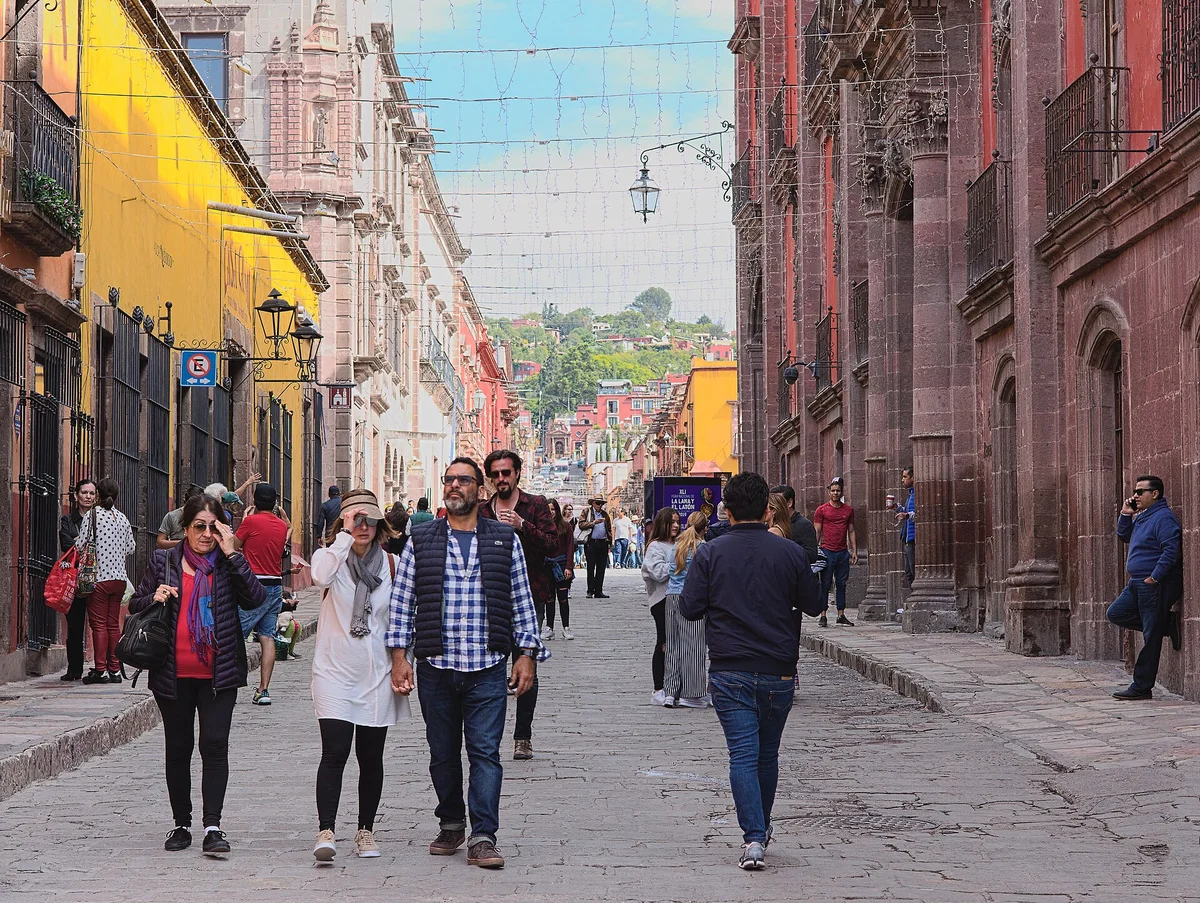
TL;DR: Mexico offers retirees affordable, high-quality properties with excellent healthcare, favorable climate, and significant cost savings. The average retirement home costs $200,000-400,000, with living expenses 40-60% lower than the US. Popular areas include Lake Chapala ($330,000 average), Puerto Vallarta, and Mérida.
Retiring to Mexico has become increasingly attractive for Americans and Canadians seeking affordable living, quality healthcare, and year-round pleasant weather. With over 1.5 million US citizens living in Mexico as of 2026, the country offers a mature expat infrastructure and established property market specifically catering to retirees.
This comprehensive guide covers everything you need to know about buying property in Mexico for retirement, from the best locations and legal requirements to healthcare considerations and cost analysis.
Why retirees choose Mexico
Three things bring North American retirees to Mexico and they compound: total living costs 40-60% below a comparable US city, private healthcare at roughly a third of US prices, and a choice of climates from temperate highland to tropical coast. On a $3,300 US monthly budget the equivalent Mexican life costs about $1,380, and the saving is concentrated in housing, healthcare and food rather than spread thinly across everything. More than 1.5 million US citizens now live in Mexico, which is why the expat infrastructure, English-speaking doctors, bilingual notarios, established communities, already exists in every market covered here.
Cost of Living Advantages
Mexico offers dramatic cost savings for retirees, with total living expenses typically 40-60% lower than comparable US cities:
| Expense Category | US Average | Mexico Average | Savings |
|---|---|---|---|
| Housing (rent/mortgage) | $1,800/month | $800/month | 55% |
| Healthcare | $400/month | $150/month | 62% |
| Food & dining | $600/month | $250/month | 58% |
| Utilities | $200/month | $80/month | 60% |
| Transportation | $300/month | $100/month | 67% |
| Total Monthly | $3,300 | $1,380 | 58% |
Healthcare Quality and Accessibility
Mexico’s healthcare system ranks among the top 40 globally, offering:
- Private healthcare costs 60-70% less than US equivalents
- Many doctors trained in the US or Europe
- Modern hospitals with international accreditation
- Prescription drugs at 20-40% of US prices
- Medical tourism hubs in major expat areas
Climate and Lifestyle Benefits
- Year-round temperate weather in highland areas (65-80°F)
- Coastal regions with tropical climate and ocean access
- Rich cultural heritage and vibrant expat communities
- English-speaking services in major retirement destinations
- Close proximity to the US (1-4 hour flights to major cities)
The four established retiree markets
Four markets hold the large majority of North American retirees, and they differ mainly on climate and price. Lake Chapala averages about $330,000 and offers a 65-80°F highland year-round with the densest expat community in the country. Puerto Vallarta runs $300,000-450,000 for a coastal condo with the best private healthcare on the Pacific. Mérida sits near $165,000, inside the coastal band on the measured test and so on the same fideicomiso as the beach markets. San Miguel de Allende trades affordability for colonial architecture and a cultural calendar. Choose on climate first: it is the variable retirees most often get wrong and cannot change afterwards.
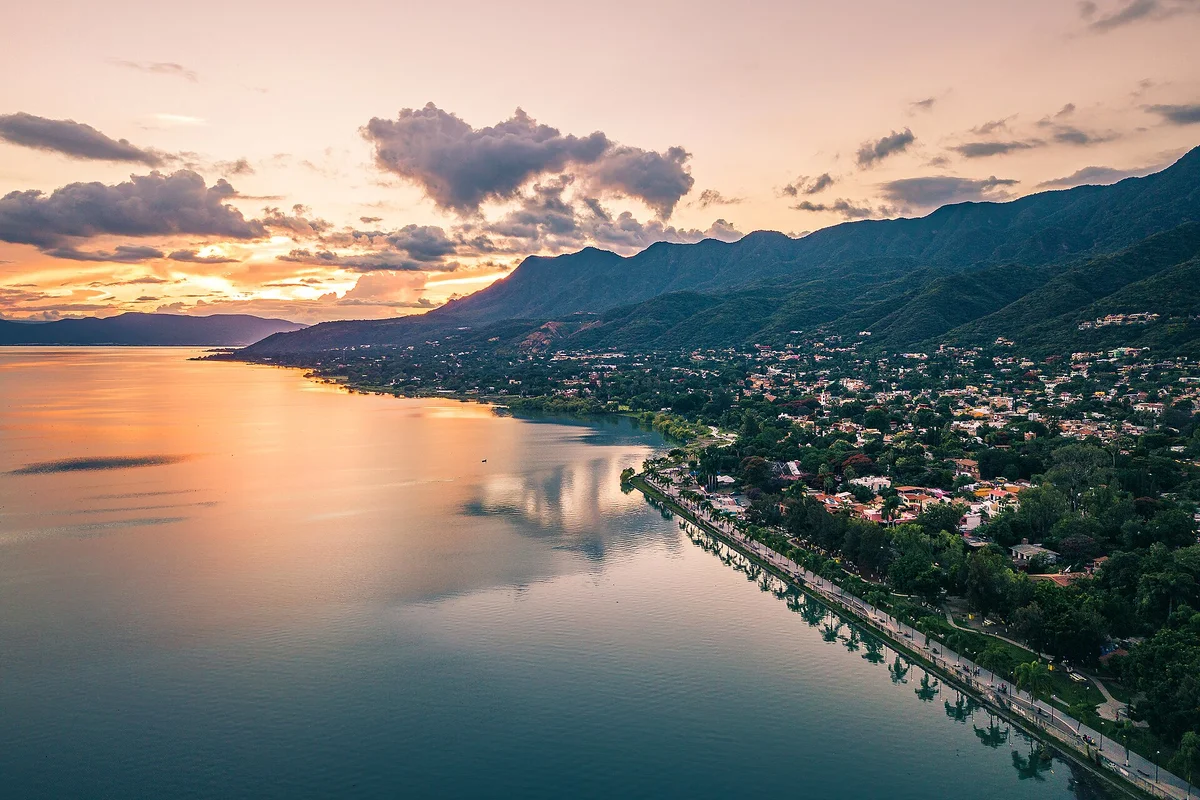
Lake Chapala and Ajijic: the retiree capital
Average Property Price: $330,000 (MXN 5.94 million)
Lake Chapala, just 30 minutes from Guadalajara, hosts the largest American expat community in Mexico with over 15,000 US and Canadian retirees.
Neighborhood Breakdown:
- Ajijic Centro: $450,000-$1 million (walkable village, restaurants)
- La Floresta: $500,000-$1.5 million (gated community, lake views)
- Riberas del Pilar: $280,000-$450,000 (established expat area)
- Jocotepec: $150,000-$250,000 (affordable option, Mexican neighborhood)
Why Retirees Choose Lake Chapala:
- Perfect year-round climate (70-80°F daily)
- Established healthcare facilities (several English-speaking clinics)
- Active social scene with 100+ clubs and organizations
- Quality restaurants and cultural activities
- Easy access to Guadalajara’s international airport
- Lower cost of living than coastal areas
Puerto Vallarta - Coastal Retirement Haven
Average Property Price: $350,000-$500,000
Puerto Vallarta offers beachfront retirement living with excellent infrastructure and the largest expat community on Mexico’s Pacific coast.
Best Areas for Retirees:
- Zona Romántica: $300,000-$600,000 (walkable, beach access)
- Marina Vallarta: $400,000-$800,000 (modern condos, golf)
- Versalles: $250,000-$400,000 (established Mexican neighborhood)
- Nuevo Vallarta: $350,000-$700,000 (resort area, newer construction)
Advantages:
- Direct flights to 40+ US cities
- International hospital (Hospital San Javier)
- Year-round activities and festivals
- Established rental market for additional income
- US-standard shopping and dining options
Mérida - Colonial Charm for Retirees
Average Property Price: $200,000-$350,000
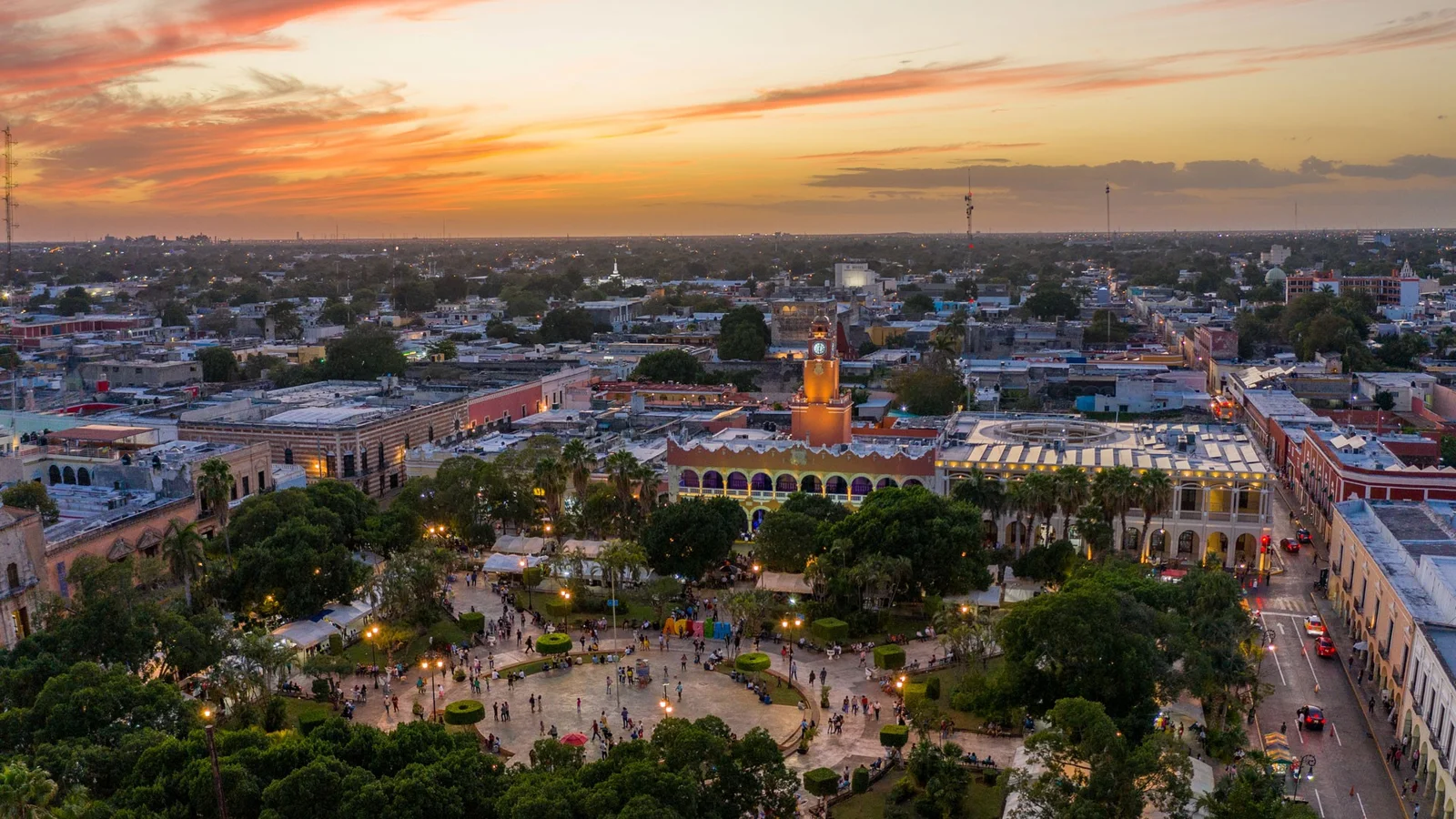
Mérida combines colonial architecture with modern amenities, attracting retirees seeking cultural immersion and affordable living.
Popular Retiree Neighborhoods:
- Centro Histórico: $180,000-$350,000 (colonial homes, walkable)
- García Ginerés: $250,000-$450,000 (mid-century modern, trendy)
- Itzimná: $300,000-$500,000 (upscale, quiet residential)
Why Retirees Love Mérida:
- Lowest crime rates in Mexico
- Rich Mayan culture and history
- Excellent public transportation
- Growing medical tourism industry
- 40 minutes from beach towns
- Vibrant arts and cultural scene
San Miguel de Allende - Cultural Hub
Average Property Price: $400,000-$700,000
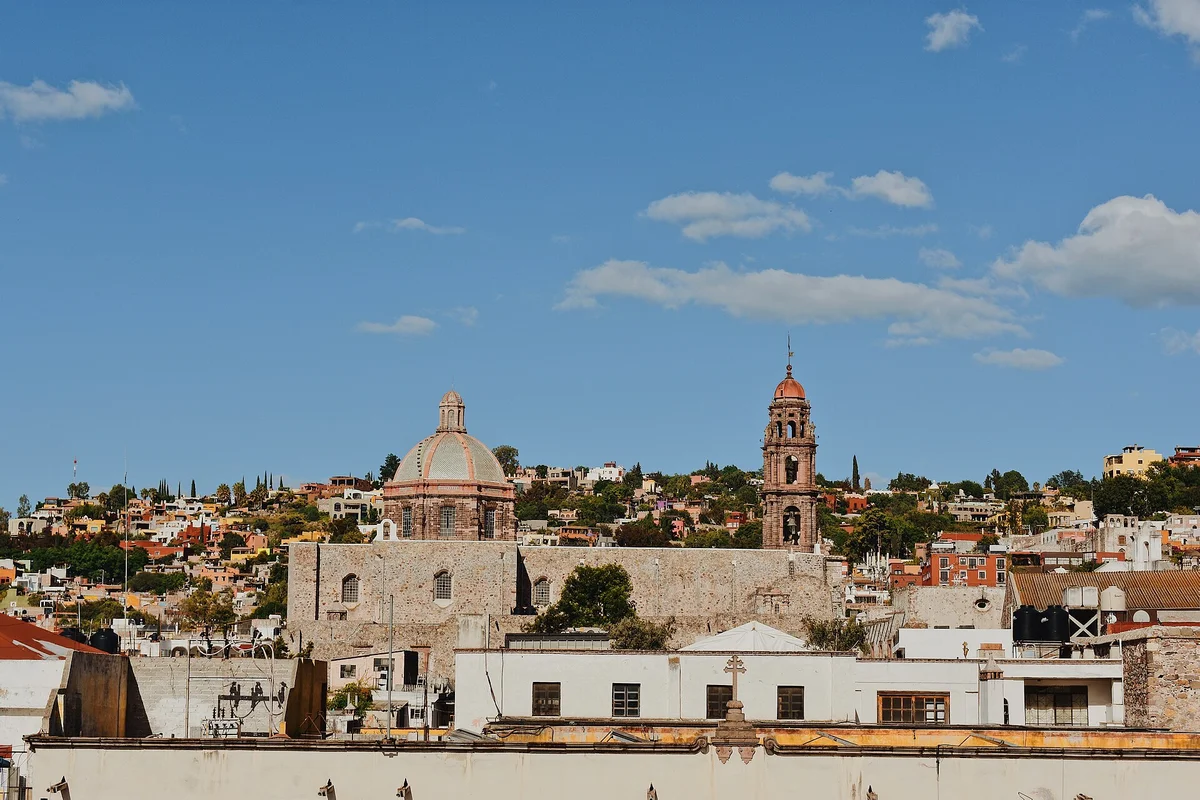
This UNESCO World Heritage city attracts culturally-minded retirees seeking arts, architecture, and sophisticated expat community.
Considerations for Retirees:
- Higher altitude (6,200 feet) may affect some individuals
- More expensive than other Mexican destinations
- Limited direct flight access (3 hours to major airports)
- Cooler temperatures in winter months
- Excellent restaurants and cultural activities
Ownership structures and paperwork
Where you buy decides how you own. Inside the restricted zone, 50 km from any coast, 100 km from a border, a foreigner holds property through a fideicomiso costing $2,500-4,000 to constitute and $500-800 a year. Outside it, in Mérida, Lake Chapala or San Miguel de Allende, your name goes directly on the escritura with no trust and no annual fee. That is a $15,000-25,000 difference over a twenty-year retirement, and it is the single strongest financial argument for the inland markets.
Fideicomiso (Bank Trust) System
Most desirable retirement locations fall within Mexico’s restricted zone (50km from coast, 100km from borders), requiring property ownership through a fideicomiso:
How It Works:
- Mexican bank holds legal title to property
- You hold full beneficial ownership rights
- Can sell, rent, inherit, or modify property
- 50-year renewable term (renewable indefinitely)
- Annual fee: $450-$800
Benefits for Retirees:
- Simplified inheritance process
- Bank handles property tax payments
- Professional management of legal compliance
- Clear ownership documentation for US tax purposes
Direct Ownership Outside Restricted Zone
Properties outside the restricted zone (like San Miguel de Allende, Guadalajara suburbs) can be owned directly through fee simple title, offering:
- Lower annual costs (no fideicomiso fees)
- Direct control over property taxes and documentation
- Simplified sale process
- Full Mexican property rights
Required Documentation for Retirees
Personal Documents:
- Valid US passport
- Birth certificate (apostilled)
- Marriage certificate if applicable (apostilled)
- Mexican tax ID (RFC) - obtained in Mexico
Financial Requirements:
- Bank statements showing sufficient funds
- Income verification for mortgage applications
- US tax returns (if claiming foreign income exclusion)
Property types for a retirement purchase
Three formats, and the choice is really about how much maintenance you want to be responsible for at 75 rather than at 65. A condominium hands grounds, security and pool to an HOA for $100-500 a month. A single-family home gives space and privacy and makes you the maintenance department. A turnkey property costs a premium of roughly 10-15% and removes the renovation project entirely, which for a buyer relocating from abroad without local contractors is frequently worth paying.
Condominiums - Low Maintenance Living
Average Price Range: $200,000-$500,000
Condos offer retirees hassle-free property ownership with professional management:
Advantages:
- 24/7 security and concierge services
- Pool, gym, and social facilities
- Professional maintenance and landscaping
- Strong rental potential when traveling
- Resort-style amenities
Considerations:
- Monthly HOA fees: $150-$400
- Less privacy than single-family homes
- Potential for special assessments
- Limited customization options
Best Condo Markets for Retirees:
- Puerto Vallarta Marina: $350,000-$700,000
- Playa del Carmen: $250,000-$450,000
- Mazatlán: $180,000-$350,000
Single-Family Homes - Space and Privacy
Average Price Range: $250,000-$600,000
Houses provide retirees with more space, privacy, and customization options:
Benefits:
- Private pools and gardens
- Ability to modify and personalize
- Often better value per square foot
- Potential for rental income (casita/guest house)
- More authentic Mexican living experience
Maintenance Considerations:
- Higher responsibility for upkeep
- Need for reliable domestic help
- Security system requirements
- Seasonal property management when traveling
Turnkey Properties - Move-in Ready Options
Many developers now offer retirement-specific properties with:
- Fully furnished and equipped units
- Medical alert systems pre-installed
- Wheelchair accessibility features
- 24/7 concierge and healthcare coordination
- Social activities and community programs
Healthcare: the decisive variable
Medicare does not travel, so healthcare is the line that decides where a retiree can realistically live. Private Mexican care costs roughly 20-40% of US prices and the major retiree markets all have private hospitals with US- or EU-trained specialists, but complex or emergency care outside those markets means a transfer. Budget $150 a month for routine care and private insurance, verify what your condition requires before choosing a location, and treat proximity to a private hospital as a hard constraint rather than a preference.
Medical Infrastructure Near Properties
Evaluate Healthcare Access When Choosing Location:
| Location | Major Hospital | Specialties Available | Distance to US Border |
|---|---|---|---|
| Lake Chapala | Hospital Ajijic Plus | Cardiology, orthopedics | 1,200 miles |
| Puerto Vallarta | Hospital San Javier | Full service, emergency | 1,100 miles |
| Mérida | Hospital Star Médica | Cancer center, surgery | 1,000 miles |
| San Miguel de Allende | Hospital de la Fe | General medicine | 900 miles |
| Mazatlán | Hospital Sharp | Cardiology, oncology | 800 miles |
Health Insurance for Mexico Residents
Options for US Retirees:
-
Mexican IMSS (Social Security Healthcare)
- Cost: $350-$400/year
- Requirement: Temporary/Permanent resident status
- Coverage: Comprehensive, including prescriptions
-
Private Mexican Insurance
- Cost: $1,200-$2,400/year
- Coverage: Private hospitals and English-speaking doctors
- Best for: Pre-existing conditions acceptance
-
US-Mexico Cross-Border Plans
- Cost: $2,000-$4,000/year
- Coverage: Both countries
- Best for: Frequent US travel
-
Medicare Supplement Plans
- Limited coverage in Mexico
- Emergency evacuation benefits
- Prescription drug challenges
Prescription Drug Access
Mexico offers significant prescription savings:
- Most US drugs available without prescription
- Costs typically 20-40% of US prices
- Quality assurance through established pharmacies
- Easy access to specialized medications
What it actually costs to buy and hold
Budget the purchase price plus 5-10% to close, and then roughly 1.5-2% of value a year to hold. On a $300,000 property that is $15,000-30,000 at closing and $4,500-6,000 annually in HOA, predial, insurance and trust fees. The currency dimension matters more for retirees than for investors: a dollar pension against peso costs means a strong dollar raises your standard of living and a weak one lowers it, with no rental income to hedge against the move.
Total Cost of Property Acquisition
Budget for Complete Purchase (Example: $300,000 property)
| Cost Category | Amount | Percentage |
|---|---|---|
| Purchase price | $300,000 | 82% |
| Closing costs | $18,000 | 5% |
| Notary fees | $6,000 | 1.6% |
| Fideicomiso setup | $2,500 | 0.7% |
| Legal fees | $3,500 | 1% |
| Property inspection | $800 | 0.2% |
| Currency conversion | $4,200 | 1.2% |
| Total Investment | $335,000 | 91.7% |
Ongoing Annual Costs
Annual Property Expenses (Example: $300,000 property)
| Expense | Annual Cost | Monthly Cost |
|---|---|---|
| Property taxes | $400-$800 | $35-$65 |
| Fideicomiso fee | $600 | $50 |
| Property insurance | $800-$1,200 | $65-$100 |
| HOA fees (if condo) | $1,800-$4,800 | $150-$400 |
| Utilities | $1,200-$2,400 | $100-$200 |
| Maintenance/repairs | $1,500-$3,000 | $125-$250 |
| Total Annual | $6,300-$12,800 | $525-$1,065 |
Currency Exchange Considerations
Managing USD-Peso Fluctuations:
The USD-MXN exchange rate impacts both purchase price and ongoing expenses:
- 2024 Range: 16.5-18.5 pesos per dollar
- 2026 Outlook: 18-20 pesos per dollar expected
- Impact: 10% currency swing = $30,000 difference on $300,000 property
Currency Risk Management Strategies:
- Fixed-rate forward contracts for large purchases
- Peso bank accounts for local expenses
- Diversified income in both currencies
- Currency hedging through financial instruments
Financing Options for Retiree Buyers
Mexican Peso Mortgages:
- Interest rates: 8-11% annually
- Down payment: 20-30%
- Maximum term: 15-20 years
- Age limits: Must pay off by age 70-75
US Dollar Cross-Border Financing:
- Interest rates: 7-9% annually
- Down payment: 25-40%
- Lenders: International private banks
- Qualification: Based on US credit and income
Home Equity Line of Credit (HELOC):
- Most common financing method for retirees
- Use US property as collateral
- Lower interest rates than Mexican mortgages
- No foreign exchange risk on debt service
Tax in two countries
Retiring to Mexico ends no US tax obligation. US citizens file on worldwide income wherever they live; any rental income goes on Schedule E; Mexican bank accounts above $10,000 trigger FBAR reporting; and ISR is withheld when you eventually sell the property. Mexico taxes rental income and capital gains on its own account, with foreign tax credits preventing double taxation only where the Mexican filings actually exist. Engage a cross-border CPA before the move, not at the first April afterwards.
US Tax Obligations
Federal Tax Requirements:
- Report worldwide income, including Mexican rental income
- Foreign Bank Account Report (FBAR) for Mexican accounts over $10,000
- Form 8938 for foreign assets over $50,000
- Property ownership itself is not taxable income
Capital Gains Considerations:
- Mexican property sales subject to US capital gains tax
- Foreign Tax Credit available for Mexican taxes paid
- Primary residence exemption may apply ($250,000/$500,000)
Mexican Tax Obligations
Property Taxes (Predial):
- Annual rate: 0.1-0.3% of cadastral value
- Significantly lower than US property taxes
- Often included in fideicomiso management
Rental Income Tax:
- Mexican tax rate: 25-35% for non-residents
- Reduced rates possible with proper tax residency
- Professional management companies handle compliance
Capital Gains Tax (ISR):
- Rate: Up to 35% of gain for non-residents
- Exemptions available for primary residence
- Inflation adjustments reduce effective rates
Tax-Efficient Ownership Structures
Individual Ownership:
- Simplest structure for retirement homes
- Eligible for primary residence exemptions
- Straightforward inheritance planning
Mexican Corporation:
- Better for rental properties
- Potential tax advantages for large portfolios
- More complex compliance requirements
US Trust Ownership:
- Estate planning benefits
- Potential tax complications
- Requires specialized legal advice
Infrastructure: internet, transport, banking
The three services that determine whether daily life works are unevenly distributed. Fibre internet is reliable in Mérida, Lake Chapala and central Puerto Vallarta and patchy on the fringes of all three. Domestic flights and toll roads are good between major cities and thin elsewhere, which matters for family visits. Mexican banking is straightforward to open with residency and awkward without it, most retirees keep US accounts and spend by card, which is workable but carries FX cost on every transaction.
Internet and Communications
High-speed internet is crucial for retirees maintaining US connections:
Major Providers and Speeds:
- Telmex: 10-100 Mbps, $25-$50/month
- Totalplay: 20-200 Mbps, $30-$80/month
- Izzi: 20-300 Mbps, $35-$90/month
- Starlink: 50-150 Mbps, $80/month (rural areas)
Internet Quality by Location:
- Excellent: Mexico City, Guadalajara, Mérida, Puerto Vallarta
- Good: San Miguel de Allende, Lake Chapala, Playa del Carmen
- Variable: Rural coastal areas, mountain communities
Transportation Infrastructure
Airport Access from Major Retiree Destinations:
| Location | Nearest International Airport | Distance | Direct US Flights |
|---|---|---|---|
| Lake Chapala | Guadalajara (GDL) | 45 minutes | 15+ cities |
| Puerto Vallarta | Puerto Vallarta (PVR) | In city | 40+ cities |
| Mérida | Mérida (MID) | 20 minutes | 12+ cities |
| San Miguel de Allende | Bajío (BJX) | 2 hours | 8+ cities |
| Mazatlán | Mazatlán (MZT) | 30 minutes | 25+ cities |
Ground Transportation:
- Excellent bus system connecting major cities
- Affordable taxi and ride-sharing services
- Car rental widely available
- Many retirees import US vehicles
Banking and Financial Services
US Bank Access:
- Citibanamex (Citibank affiliate) - US account integration
- HSBC Mexico - International banking services
- Scotiabank - Canadian banking connections
- US credit/debit cards widely accepted
ATM Network:
- Abundant ATMs in expat areas
- International withdrawal fees: $3-$5 per transaction
- Daily limits: $300-$600 equivalent
- Peso cash still preferred for many transactions
Safety and security in practice
Security in Mexico is neighbourhood-specific rather than national, and the established retiree markets have crime profiles closer to a mid-sized US city than to the national headline figures. What actually protects retirees is ordinary: choosing a neighbourhood on local advice rather than price, using vetted service providers, gated or monitored housing where the community expects it, and a hurricane or emergency plan on the coasts. Treat the national statistic as noise and the local one as the answer.
Crime Statistics in Retiree Areas
2026 Safety Rankings (US State Department):
| Location | Safety Level | Specific Considerations |
|---|---|---|
| Mérida | Excellent | Lowest crime rate in Mexico |
| Lake Chapala | Very Good | Occasional petty theft |
| San Miguel de Allende | Very Good | Tourist-focused policing |
| Puerto Vallarta | Good | Hotel zone very safe, outskirts variable |
| Playa del Carmen | Good | Tourist police presence |
Property Security Measures
Standard Security Features for Retiree Properties:
- Gated communities with 24/7 guards
- Individual property alarm systems
- Security cameras and monitoring
- Safe rooms or secure areas for valuables
- Established relationships with local police
Security Costs:
- Gated community fees: $50-$150/month
- Private security system: $30-$80/month
- Professional monitoring: $25-$50/month
Emergency Preparedness
Medical Emergency Planning:
- Identify nearest quality hospital
- Establish relationship with English-speaking doctor
- Medical evacuation insurance consideration
- Prescription medication supply planning
Natural Disaster Considerations:
- Hurricane risk (coastal areas): June-November
- Earthquake risk (Pacific coast): Year-round low risk
- Flooding risk (rainy season): June-October
- Emergency evacuation planning to US
Community, language and integration
The retirees who stay are the ones who build a local life, and the data on who leaves is consistent: isolation ends more Mexican retirements than money does. Established expat communities in Lake Chapala, San Miguel and Puerto Vallarta give you an English-speaking landing pad, and functional Spanish is what converts that into a life beyond it, enough to deal with a cleaner, a plumber and eventually an HOA assembly without a translator.
Expat Communities and Social Networks
Lake Chapala Society (LCS): the benchmark expat organization, thousands of US and Canadian members, dozens of interest groups, Spanish classes and volunteer programs. The depth of that infrastructure is a large part of why Chapala works for a first international retirement; the full picture is in Lake Chapala Real Estate for Americans.
Common Expat Activities:
- Book clubs and discussion groups
- Golf and tennis leagues
- Art classes and cultural tours
- Volunteer work with local charities
- Bridge, poker, and game groups
- Hiking and nature clubs
Language Considerations
Spanish Language Learning:
- Essential for deeper cultural integration
- Many services available in English in expat areas
- Spanish classes widely available
- Immersion accelerates learning process
- Professional translation services for legal matters
English-Language Services Available:
- Healthcare providers
- Legal professionals
- Real estate agents
- Banking services
- Retail and restaurants
- Home maintenance and contractors
Cultural Integration Tips
Building Local Relationships:
- Learn basic Spanish phrases
- Participate in local festivals and traditions
- Support local businesses and restaurants
- Volunteer in community projects
- Respect Mexican customs and social norms
- Develop friendships with Mexican neighbors
Snowbird and part-year strategies
Not every retiree moves permanently, and part-year ownership changes the arithmetic in two ways. Rental income from the months you are away offsets carrying costs, which turns a $6,000 annual holding cost into a much smaller one, and it puts you into the permit and tax stack that full-time residents avoid entirely. Domicile is the other half: where you are tax-resident is decided by days and intent, not by which property you own.
Snowbird Property Strategies
Many retirees prefer seasonal residence, maintaining homes in both countries:
6-Month Visitor Status:
- No visa required for US citizens
- Cannot work or establish permanent residence
- Must leave Mexico briefly every 180 days
- Perfect for winter escapes to Mexico
Property Management During Absence:
- Professional property management services
- Trusted local caretakers
- Home security monitoring
- Utility and maintenance management
- Rental income potential during absence
Seasonal Rental Markets
High Season (November-April):
- Peak demand from US/Canadian snowbirds
- Rental rates 30-50% higher than low season
- Advance bookings essential
- Property management companies handle logistics
Low Season (May-October):
- Lower rental demand and rates
- Good time for property maintenance
- Potential for long-term local renters
- Mexican vacation periods (July-August, December)
Due diligence before you commit
Retirement purchases fail on the same checks as investment purchases, with one addition: you will be living in the result. Verify the title chain and the ejido question, the HOA financials and any pending assessment, and the physical fabric of the building, then verify the things a spreadsheet does not carry, like the walk to a pharmacy, the noise on a Friday night and how far the nearest private hospital actually is.
Property-Specific Verification
Title and Legal Status:
- Clear title verification through notario público
- Property tax payment status current
- No liens, encumbrances, or legal disputes
- Proper zoning for intended use
- Construction permits and approvals
- Fideicomiso setup (if restricted zone)
Physical Property Inspection:
- Professional structural inspection
- Electrical system safety and capacity
- Plumbing and water pressure testing
- Internet and telecommunications connectivity
- Air conditioning and ventilation systems
- Pool and garden maintenance requirements
Community and Location Assessment
Neighborhood Evaluation:
- Walk through area at different times of day
- Meet other expat residents
- Test transportation options to essential services
- Evaluate noise levels and privacy
- Check proximity to medical facilities
- Assess grocery and shopping availability
Long-Term Viability:
- Local development plans and zoning changes
- Infrastructure improvement projects
- Tourism and economic stability
- Climate change and environmental factors
- Political stability and expat-friendly policies
Common mistakes, and how they present
The recurring retirement mistakes divide into three kinds. Financial: underestimating closing costs and assuming a US-level pension stretches uniformly. Legal: using the seller’s lawyer, or buying communal land marketed as private. Lifestyle: choosing a climate on a two-week winter visit and discovering the summer, or moving somewhere with no plan for the day driving becomes difficult. The first two cost money; the third costs the retirement.
Financial Missteps
Underestimating Total Costs:
- Focusing only on purchase price
- Ignoring ongoing maintenance and fees
- Miscalculating currency exchange impacts
- Inadequate emergency fund for repairs
Poor Financing Decisions:
- Taking high-interest Mexican mortgages unnecessarily
- Not exploring US-based financing options
- Inadequate currency hedging strategies
- Overleveraging retirement savings
Legal and Compliance Issues
Documentation Problems:
- Failing to obtain proper legal advice
- Not understanding fideicomiso limitations
- Inadequate estate planning for foreign property
- Tax compliance oversights
Due Diligence Shortcuts:
- Skipping professional property inspections
- Not verifying all legal documentation
- Trusting verbal agreements without written contracts
- Failing to research neighborhood thoroughly
Lifestyle Adjustment Challenges
Unrealistic Expectations:
- Expecting identical US services and standards
- Underestimating language barriers
- Not preparing for cultural differences
- Assuming immediate community integration
Location Selection Errors:
- Choosing based on vacation experience only
- Not considering long-term healthcare needs
- Ignoring seasonal weather patterns
- Overlooking transportation requirements
A realistic timeline
Plan twelve to eighteen months from first research to keys, and spend the first three of them visiting rather than searching. The sequence that works is: extended visits in two or three shortlisted markets across different seasons, then legal and tax advice on both sides of the border, then property search, then a 45-90 day closing. Compressing the visiting stage is the most common way retirees end up somewhere they later leave.
Phase 1: Research and Planning (Months 1-3)
-
Define Your Requirements:
- Budget range and financing options
- Preferred climate and lifestyle
- Healthcare needs and preferences
- Proximity to family and US connections
-
Visit Target Areas:
- Plan exploratory trips to 2-3 locations
- Stay for at least 2 weeks in each area
- Talk to current expat residents
- Experience daily life, not just tourist activities
-
Establish Professional Team:
- Bilingual real estate agent with expat experience
- Mexican attorney specializing in foreign property
- Accountant familiar with US-Mexico tax implications
- Insurance agent for property and health coverage
Phase 2: Property Selection and Purchase (Months 4-8)
-
Property Hunting:
- Work with qualified local real estate agents
- View multiple properties in person
- Consider both resale and new construction
- Evaluate rental potential if desired
-
Due Diligence Process:
- Professional property inspection
- Legal title verification
- Financial analysis and budget confirmation
- Community and neighborhood assessment
-
Purchase and Closing:
- Negotiate purchase terms and price
- Complete legal documentation with notario
- Establish fideicomiso or direct title
- Transfer funds and complete transaction
Phase 3: Property Setup and Integration (Months 9-12)
-
Property Preparation:
- Furniture and equipment installation
- Utility and service connections
- Security system setup
- Property management arrangements
-
Legal and Administrative Setup:
- Mexican tax ID (RFC) registration
- Bank account establishment
- Insurance policy activation
- Estate planning documentation
-
Community Integration:
- Join expat organizations and clubs
- Establish local service providers
- Begin Spanish language study
- Build social and professional networks
FAQ for Mexico Retirement Property
Q: Can US citizens own property in Mexico? A: Yes, US citizens can legally own property anywhere in Mexico. Properties within 50km of the coast or 100km of borders require a fideicomiso (bank trust), while inland properties can be owned directly.
Q: What’s the average cost of a retirement home in Mexico? A: Retirement properties range from $150,000-$600,000 depending on location. Lake Chapala averages $330,000, Puerto Vallarta $350,000-$500,000, and Mérida $200,000-$350,000.
Q: How much money do I need for retirement in Mexico? A: A comfortable retirement requires $2,000-$3,500 monthly including housing, healthcare, and living expenses. This is 40-60% less than equivalent US lifestyle costs.
Q: Is healthcare quality good in Mexico? A: Yes, Mexico’s healthcare system ranks in the top 40 globally. Major expat areas have excellent private hospitals and English-speaking doctors at 60-70% less cost than the US.
Q: Do I need to speak Spanish to retire in Mexico? A: While not required in major expat communities, learning Spanish greatly enhances your experience and integration. Many services are available in English, but Spanish knowledge is valuable for daily life.
Q: What are the tax implications of owning Mexican property? A: US citizens must report worldwide income to the IRS, including Mexican rental income. Mexican property taxes are very low (0.1-0.3% annually). Professional tax advice is recommended for optimal compliance.
Q: Can I get a mortgage for Mexican property? A: Yes, options include Mexican peso mortgages (8-11% interest), US cross-border financing, or using a HELOC against US property. Most retirees use cash or HELOC financing.
Q: What about safety and security in Mexico? A: Major expat retirement areas like Mérida, Lake Chapala, and San Miguel de Allende have excellent safety records. Gated communities and security systems provide additional protection.
Conclusion
Mexico offers exceptional opportunities for US and Canadian retirees seeking affordable, high-quality retirement living. With proper planning, professional guidance, and realistic expectations, retiring to Mexico can provide significant cost savings, excellent healthcare access, and a rich cultural experience.
The key to successful Mexican retirement property ownership lies in thorough research, professional legal and financial advice, and gradual integration into your chosen community. Whether you prefer the colonial charm of San Miguel de Allende, the lakeside tranquility of Chapala, or the beachfront lifestyle of Puerto Vallarta, Mexico’s diverse regions offer retirement options to suit virtually every preference and budget.
Start your research early, visit multiple locations, and build relationships with both expat and Mexican communities. With careful planning and the right property choice, your Mexican retirement can offer the lifestyle, savings, and adventure that make these years truly golden.
Frequently Asked Questions
Yes. Coastal areas use fideicomiso bank trusts; inland cities allow direct title. Thousands of American retirees own safely with proper notario closing and title insurance where available.
Budget $200K-$400K for a comfortable two-bedroom in popular retiree markets. Lake Chapala averages near $330K; Mérida and Puerto Vallarta vary by beach proximity.
Lake Chapala, Puerto Vallarta, Mérida, San Miguel de Allende, and select Riviera Maya towns each offer healthcare, expat services, and distinct climate profiles.
Medicare generally does not cover routine care in Mexico. Plan private insurance, IMSS if eligible, or self-pay with US travel coverage for emergencies.
US citizens remain worldwide income taxpayers. Rental income is reportable; property ownership may trigger FBAR/FATCA for Mexican accounts. Consult cross-border tax counsel.
Many retirees live safely in established communities by choosing neighborhoods wisely, using vetted services, and following local security guidance, same as any international move.
Get a vetted Mexico shortlist
US and Canadian buyers use this to skip the developer sales deck: tell us the budget and the market, and we come back with 3 to 5 options and the net yield maths behind each one.
Want options matched to your budget and risk profile?
Three questions, one screen. We reply within one business day.
Get a vetted Mexico shortlist