
Remote Notarization for Mexico Property Closings 2026
What foreign buyers can and cannot do remotely in Mexico. Power of attorney scope, apostille requirements, video limits, and what still requires presence.
By Mexico Invest Editorial · Updated July 9, 2026 · 11 min read
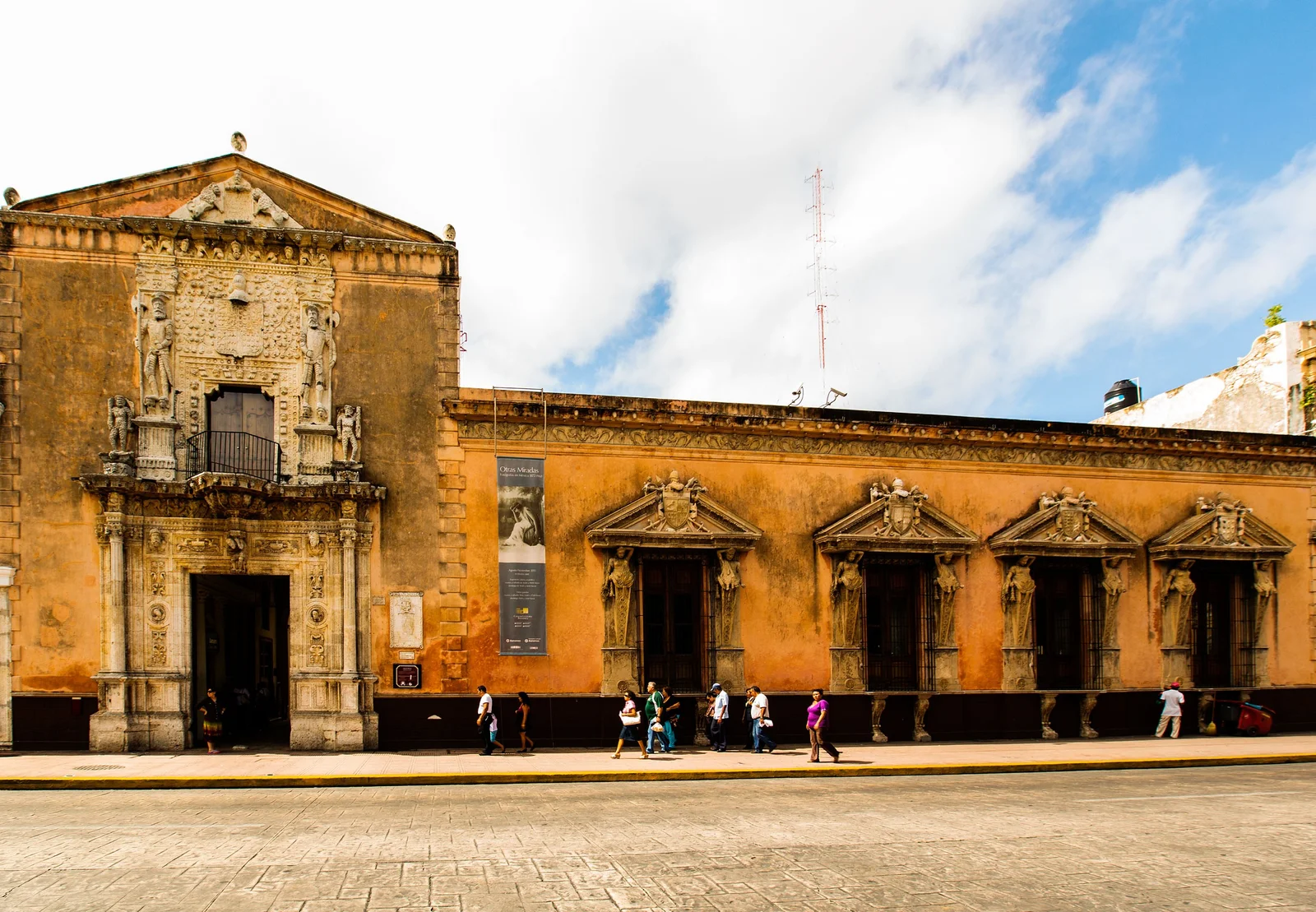
Quick answer: Mexico does not accept US remote online notarization for real property transactions. The legal tool is a poder notarial (power of attorney) executed before a Mexican consulate or apostilled from your home country. Remote purchase is routine and legal, the limits are about proper document format, not whether you can buy from abroad.
Remote property purchase in Mexico is both routine and legally supported. What confuses US and Canadian buyers is the disconnect between US-style remote online notarization (RON) platforms and Mexico’s civil-law notario system. Mexico does not accept Notarize, DocuSign Notary, or similar digital notarization platforms for real property transactions.
That does not mean you need to travel to Mexico to buy. The legal framework is different, not harder.
This guide explains exactly what remote purchase means under Mexican law, what a poder notarial can and cannot do, and how to execute a remote purchase without cutting corners.
Full remote workflow: How to Buy Mexico Property Remotely.
Why US remote online notarization does not work in Mexico
Understanding this distinction saves significant confusion. US remote online notarization (RON) allows a notary to witness document signing via video, creating a notarized document recognized across US states. Mexico’s system works differently for a structural reason.
Mexican notarios públicos are not private notaries who witness signatures. They are government-appointed legal professionals with law degrees, examination certification, and a public function that includes verifying document authenticity, calculating and collecting taxes, and maintaining official public records. A Mexican notario’s role in a property transaction is more similar to a government official than a US notary.
Because the notario is performing a regulated public function under Mexican civil law, the mechanism for remote participation is specifically defined: a power of attorney (poder notarial) executed according to one of the recognized formats.
| US approach | Mexico approach | Valid for Mexico property? |
|---|---|---|
| Remote online notarization (Notarize, DocuSign) | Not recognized | No |
| Electronic signature platforms | Not recognized | No |
| Standard US notary only (no apostille) | Not recognized | No |
| US notary plus Hague Apostille | Recognized for POA | Yes |
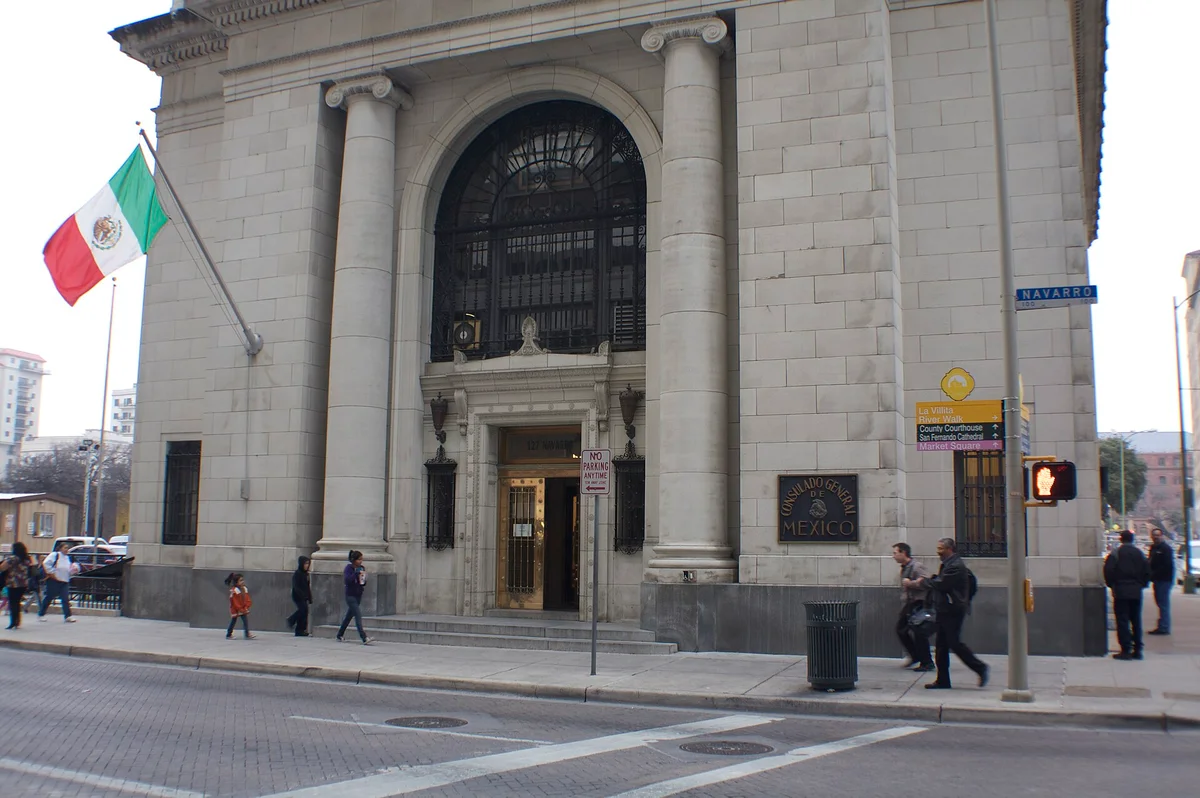
| Mexican consulate execution of POA | Fully recognized | Yes |
| POA signed before Mexican notario in Mexico | Fully recognized | Yes |
What a poder notarial is and what it covers
A poder notarial (power of attorney) is a notarized legal document authorizing a named representative to take specified actions on your behalf in Mexico. For property transactions, it is the standard legal mechanism for remote participation.
Two types of POA for property transactions
Poder notarial para actos de dominio (acts of ownership) The highest-authority POA, authorizes transferring, mortgaging, or encumbering property. Required for signing the escritura and establishing a fideicomiso on your behalf. This is the type you need for a full property purchase.
Poder notarial para actos de administración (acts of administration) Lower authority, authorizes managing property, collecting rent, signing contracts below a certain value. Appropriate for property management or ongoing administration after purchase, not for the acquisition itself.
Scope limitations that protect you
A POA for property purchase should be specifically scoped, not general. Include:
- Specific property address and legal description
- Authorized acts (execute purchase contract, sign escritura, establish fideicomiso, authorize specific wire amounts)
- Named representative (full legal name and Mexican ID or passport number)
- Transaction timeline (expires 6 months from execution unless extended)
- Substitution prohibition (your representative cannot delegate without your consent)
A broad general POA with no property specification creates unnecessary exposure. Your representative could technically exceed their intended authority without a scoped document.
How to execute a valid POA from the US or Canada
Three recognized paths exist for executing a poder notarial that Mexico will accept for property transactions. In descending order of speed: sign before a Mexican notario while you are in the country, sign at a Mexican consulate abroad, or sign before a local notary and add an apostille plus certified translation. The third is the slowest by two to three weeks and the one most buyers default to unnecessarily.
Two valid routes exist and the cheaper one is not the faster one. Signing before a US notary then obtaining a state apostille and certified Spanish translation runs 2 to 4 weeks and costs $25 to $50 for expedited apostille plus $25 to $60 a page for translation. Signing at a Mexican consulate produces a Mexican instrument directly, with no apostille and no translation, but depends on appointment availability that can itself run 2 to 6 weeks. Signing before a Mexican notario during a diligence trip costs $200 to $500 and is fastest of all.
Path 1: Mexican consulate execution (most reliable)
Schedule an appointment at the nearest Mexican consulate. Bring valid passport, the draft POA document (your Mexican attorney provides this), and consulate fee payment. The consulate Mexican official executes the POA in a format automatically valid throughout Mexico without apostille.
Processing time: 1-3 business days for the appointment, same-day or next-day document execution.
Availability varies by consulate workload. Major US cities (Los Angeles, New York, Houston, Chicago, Miami) have robust consulate capacity. Smaller cities may have limited appointment availability.
Path 2: Local notary plus Hague Apostille
Execute the POA before a licensed notary in your state. The notary witnesses your signature on the pre-drafted POA document. Then submit to your state’s apostille authority (typically Secretary of State) for the Hague Apostille certification that makes it valid internationally.
| State | Typical apostille processing | Expedited option |
|---|---|---|
| California | 10-15 business days (standard) | Same-day at Sacramento office |
| Texas | 7-10 business days | Yes, online with extra fee |
| Florida | 5-10 business days | Yes, in-person at Tallahassee |
| New York | 10-15 business days | Yes, at Albany office |
| Illinois | 7-10 business days | Available |
After apostille, courier the document to your Mexican attorney. Allow 3-5 business days for international shipping plus local delivery.
Total time from execution to attorney receipt: typically 2-4 weeks. Plan accordingly.
Path 3: Sign before a Mexican notario in Mexico
If you travel to Mexico before closing, you can sign the POA directly before a Mexican notario. This is the most straightforward option if your schedule allows a short trip.
Some buyers travel to Mexico once during the due diligence phase, to inspect the property, meet their attorney, and sign the POA, then close remotely. One trip early is more efficient than one trip at closing.
What your attorney in Mexico does with your POA
Once your attorney holds a valid poder notarial, they represent you at all formal transaction steps: Which is precisely why the poder must be limited: name the property, cap the price, restrict payments to a named account and set an expiry. A general power of attorney grants all of the above with none of the constraints.
- Signs the formal purchase contract on your behalf
- Appears at the notario for the escritura execution
- Represents you in fideicomiso bank communications
- Authorizes wire transfers per the POA scope
- Receives and reviews closing documents before your copies arrive
Your independent attorney’s role does not change whether you are present or remote. They still review title, negotiate terms, verify funds, and attend closing. The POA simply authorizes them to formally execute documents you would otherwise sign in person.
See Power of Attorney Property Mexico for full POA drafting guidance.
Practical limits of a remote purchase (operational, not legal)
While everything is legally doable remotely, several transaction elements work significantly better with some in-person involvement. The parts that genuinely need a person on the ground: the physical inspection, the neighbourhood at night, and the walk from the taxi drop to the front door. A power of attorney substitutes for your signature, not for your eyes.
Property inspection
Remote video walkthroughs are available but insufficient for investment property evaluation. Hire a local independent inspector or ask your property manager to attend in person. Structural issues, construction quality, HOA common area condition, and neighborhood context do not translate fully through video.
Cost of an independent property inspection in Riviera Maya: USD 300-600. Worth every dollar regardless of remote or in-person purchase.
Attorney consultation
Your first substantive meeting with your independent attorney is more effective in person or on a video call than by email. Establish the relationship, confirm they understand your investment objectives, and agree on scope of representation before the transaction gets complicated.
Wire transfer verification
Wire fraud targeting foreign buyers is documented and active. When closing remotely, you never meet the notario, bank officer, or escrow holder in person. That makes wire verification protocol critical:
Remote wire verification protocol:
- Establish attorney contact information before the transaction begins (phone number you confirm by calling, not from an email signature)
- Confirm wire instructions by phone call: digit by digit
- Call again the morning any large wire is sent
- Never act on wire instruction changes received only by email
- If instructions change, call the original verified number before acting
See US Wire Transfer Mexico Property for full wire safety procedures.
What the notario actually requires from remote buyers
Less than most buyers expect, and it is all obtainable in advance: a valid poder notarial in Spanish, apostilled if executed outside Mexico; identification matching the poder exactly, including second surnames and accents; the SRE permit and trust instruction; and evidence of funds. The failure mode is almost never a missing document; it is a name that does not match across three of them.
Bank KYC, not the power of attorney, is the item that most often delays a remote closing. A fideicomiso requires the trustee bank to identify you personally, passport, proof of address, source-of-funds documentation and often a video verification, and no attorney-in-fact can satisfy that on your behalf. Sequence the bank file first, the trust approval second and the notario appointment third; closings routinely slip 2 to 3 weeks when a perfectly drafted poder arrives before the bank has cleared its own checks, on a transaction already running 45 to 90 days.
The notario closing requires:
| Item | How remote buyers provide it |
|---|---|
| Buyer identification | Passport copy certified by your attorney or apostilled |
| Purchase authority | Valid poder notarial (one of three formats above) |
| Fund availability | Wire to notario trust account before closing day |
| Tax compliance | ISAI calculation confirmed with your attorney beforehand |
| Fideicomiso authorization | Included in POA scope, bank application submitted earlier |
The notario does not require your physical presence when a valid POA is presented. Your representative attends in person; you receive certified document copies electronically and by courier.
What risks should buyers plan for before they commit?
Remote purchase does not inherently increase property risk, but it does increase a specific set of operational risks that require mitigation. The specific ones: wire fraud, because every instruction arrives by email; scope failures in the poder, discovered at the signing table; and buying a unit that differs from the one you were shown. All three are procedural rather than legal, and all three have procedural fixes.
| Risk | Remote-specific exposure | Mitigation |
|---|---|---|
| Wire fraud | Higher, no in-person verification | Dual-channel wire confirmation protocol |
| POA scope creep | Possible, representative has more discretion | Scoped POA, specific property and amounts |
| Due diligence gaps | Possible, no personal property visit | Independent inspector plus video walkthrough |
| Document review delays | Higher, international couriering | Electronic copies first, originals by DHL |
| Communication delays | Higher, time zone differences | Establish expected response time agreements |
None of these risks are insurmountable. Thousands of US and Canadian buyers close remotely every year without incident. The mitigation is preparation: the right attorney, explicit wire protocols, scoped POA, and independent property inspection.
How does this comparison stack up for Mexico investors?
The first row of the table below is the one buyers get wrong in both directions. A purchase closed through a power of attorney is exactly as legally valid as one closed in person, the escritura is identical, the notario’s role is identical, and the registration is identical. What differs is everything operational: document logistics add two to three weeks, wire safety depends entirely on a protocol you established in advance rather than on being in the room, and property inspection quality drops sharply unless you pay someone independent to be your eyes. Weigh those against USD 500 to $1,500 of travel.
| Factor | Remote (POA) | In-person |
|---|---|---|
| Legal validity | Identical | Identical |
| Practical complexity | Higher (document logistics) | Lower |
| Property inspection quality | Lower (without inspector) | Higher |
| Wire safety | Higher risk without protocol | Manageable |
| Attorney relationship | Harder to establish | Easier |
| Timeline | Add 2-3 weeks for POA | Faster once in Mexico |
| Travel cost | Eliminated | USD 500-1,500 typically |
| Notario experience | Same result | Same result |
The net trade-off: remote purchase saves travel cost and time but requires 2-3 additional weeks for POA execution and apostille. In-person one-trip purchase typically closes faster and gives you better property inspection capability.
Many experienced foreign investors use a hybrid: one trip during due diligence (inspect, sign POA, meet attorney), then close remotely.
When video participation during notario closing is available
Some notarios do offer video observation, the buyer watches the closing on a video call while the POA representative handles formal participation. This is not standardized and depends entirely on the individual notario’s practice.
Do not rely on video observation as your legal participation mechanism. It is observation only. Your POA representative handles all formal steps. Ask your attorney whether your specific notario offers this as a courtesy.
Buyer scenarios for remote purchase planning
US-based buyer, first Mexico purchase: Use Mexican consulate execution for the POA, avoid apostille complexity on your first transaction. Plan 3-4 weeks from contract signing to valid POA in your attorney’s hands. Budget for an independent property inspector in Mexico (USD 400-600) since you will not be there personally.
Canadian buyer with complex schedule: Canada’s apostille process through Global Affairs Canada takes 15-30 business days by mail. Use expedited service or the consulate path. Victoria/Vancouver and Toronto consulates have reasonable appointment availability. Start POA preparation the day the purchase contract is signed.
Repeat buyer with existing attorney relationship: Your attorney already knows your requirements and has your identification on file. The POA is a standard document they draft routinely. With consulate execution, you can have a valid POA in Mexico within 1 week of deciding to purchase.
Mexico notarization law and consulate procedures change. Confirm current requirements with your Mexican attorney and the relevant consulate before executing transaction documents. This guide is educational, not legal advice.
Indicative cost and timeline benchmarks (2026)
The comparison worth pricing on this page is between a poder signed before a Mexican notario at $200 to $500 and a US apostille chain that runs 2 to 4 weeks and costs more in calendar than in money. Read the rest as stress inputs and confirm current consular and notario requirements before closing.
| Remote closing component | Typical range | Timing |
|---|---|---|
| Poder notarial at a Mexican consulate | $80-$250 USD | Appointment-dependent, book early |
| Home-country notarisation plus apostille | $150-$500 USD | 5-20 business days |
| Certified Spanish translation of the POA | $50-$150 per document | Before it reaches the notaría |
| Courier of originals to Mexico | $60-$150 USD | 3-7 days, tracked |
| Attorney acting under your POA | $1,500-$5,000 USD | Through to registration |
| Total elapsed time, documents to escritura | 30-90 days | Notaría schedule governs |
Courier times and consular appointment queues are the volatile inputs here, stress your closing timeline against the slow end of each range, then verify current availability before you commit to a date.
Buyer scenarios and decision framework
The profiles below split on one question: whether you will be in Mexico at any point before closing. A single diligence trip converts a $200 to $500 poder before a Mexican notario into the whole solution and removes 2 to 4 weeks from the calendar.
| Where you are signing | Route to a valid POA | The step that catches people |
|---|---|---|
| United States | Mexican consulate, or notary plus apostille | Consular appointments book out weeks ahead |
| Canada | Notary plus apostille since Jan 2024 | Provinces differ on which authority apostilles |
| United Kingdom | Notary public, then FCDO apostille | Solicitor certification is not the same thing |
| EU member states | Local notary plus apostille | Translation must be by a certified translator |
Walk your own remote-closing plan through these cases before waiving the trip, the savings only hold if the document chain does.
What checklist should run before you sign?
Buying remotely removes the two checks that catch most of these flags in person: seeing the property and sitting across from the notario. That makes the wire-change row the most dangerous item on the list for a remote buyer, because the verified phone number you are told to call back on is itself something you received by email. Establish the notaría’s number from an independent source at the start of the transaction and keep it. The escritura chain review matters more remotely too, since nobody on your side is physically present to notice what the documents do not say.
| Red flag | Why it matters | Action |
|---|---|---|
| Told US remote online notarisation will be accepted | It will not be, for Mexican real property | Consulate or apostille route only |
| POA drafted by the seller’s attorney | Its scope can exceed what you meant to grant | Your own attorney drafts and limits it |
| Wire instructions arriving only by email | Remote buyers cannot verify anything in person | Establish the notaría’s number independently, at the start |
| POA with no expiry or no defined property | An open-ended poder is a standing risk | Limit it to this transaction and a fixed window |
| Originals sent untracked, or only scanned | The notaría needs physical apostilled originals | Courier with tracking, and confirm receipt by phone |
| Power of attorney drafted by the seller’s side | POA scope can exceed what you intended to grant | Have your own attorney draft and limit the poder notarial |
Frequently Asked Questions
Yes. The standard mechanism is a poder notarial (power of attorney) granted to a trusted representative in Mexico, typically your independent attorney or a designated agent. Over 60% of US and Canadian buyers close without physical presence. Remote purchase is legally routine, not an exception.
No. Mexican notarios públicos are government-appointed officials performing a public function under Mexican law. They do not accept US remote online notarization platforms for real property transactions. The equivalent is executing a power of attorney before a Mexican consulate abroad or before a local notary with subsequent apostille.
A poder notarial is a notarized power of attorney granting a representative authority to act on your behalf. For property transactions, it specifies the property, permitted actions (buy, sign deed, establish fideicomiso), and term. It must be executed before a Mexican notario in Mexico, or executed abroad before a local notary and apostilled to be valid in Mexico.
Execute the POA before a notary in your state. Submit to your state's Secretary of State for Hague Apostille certification. Allow 5-15 business days for state apostille processing plus transit time. Expedited service is available in most US states for additional fees. Alternatively, use the Mexican consulate path to skip apostille entirely.
No property action absolutely requires personal presence, everything can be done via POA. However, in-person attendance is strongly recommended for property inspection and initial attorney consultation. The notario does not require buyer physical presence when a valid POA is presented.
The POA should specifically name the property (address and cadastral data), authorized actions (execute purchase contract, establish fideicomiso, sign escritura, authorize wire transfers), representative's identity, and transaction timeline. Blanket general powers of attorney are valid but create unnecessary risk, limit scope to the specific transaction.
Never act on wire instructions received only by email. Call your attorney directly using a phone number you established before the transaction began. Confirm account number digit by digit verbally. Confirm the day before and the morning of any large wire. Wire fraud targeting remote foreign buyers in Mexico is documented and active in 2026.
Some notarios permit video participation as an observer alongside your POA representative, but this varies by notario. Your POA representative handles the formal signing and participation. Video observation does not replace the POA and does not create binding participation, it is courtesy access, not a legal mechanism.


Get a vetted Mexico shortlist
US and Canadian buyers use this to skip the developer sales deck: tell us the budget and the market, and we come back with 3 to 5 options and the net yield maths behind each one.
Want options matched to your budget and risk profile?
Three questions, one screen. We reply within one business day.
Get a vetted Mexico shortlist