
Copala vs Mavila at Quivira: Mid-Tier vs Entry Cabo
Copala vs Mavila at Quivira Los Cabos, $610K–$1.65M Copala vs $329K–$1M Mavila, liquidity depth, yield analysis, Quivira master plan, and 2026 buyer fit.
By Mexico Invest Editorial · Updated July 9, 2026 · 18 min read

Get a vetted Mexico shortlist
US and Canadian buyers use this to skip the developer sales deck: tell us the budget and the market, and we come back with 3 to 5 options and the net yield maths behind each one.
Quick answer: Copala at Quivira ($610K–$1.65M) offers strongest Quivira resale liquidity with 2–5BR family layouts and established comp depth. Mavila ($329K–$1M) provides entry Quivira access with better yield-on-price on 1–3BR units. Copala suits family STR and liquidity priority; Mavila targets yield efficiency and Quivira brand entry under $500K basis.
Both operate within Quivira Los Cabos master plan with Jack Nicklaus golf, Pacific beach club access, and identical fideicomiso protocols. The choice depends on budget, unit size preference, yield versus liquidity priority, and resale timeline expectations.
Context: Cabo Corridor Real Estate. Hub: Los Cabos Property Investment Guide. Legal: Due Diligence Mexico Real Estate.
What should buyers verify on pricing and market position?
Mexico investors typically require $610,000 carry proof, $1,650,000 ISR withholding awareness, and $329,000 net yield modeling before contingencies lapse, because Mexico Invest files average $1,000,000 turnaround when escritura and HOA packs arrive before offer signature. Foreign buyers need fideicomiso trust setup and SAT CFDI trails recorded before the first SWIFT clears.
Copala at Quivira occupies the established mid-tier within Quivira’s residential hierarchy, spanning approximately $610,000 to $1,650,000 for 2–5BR condominiums with proven resale activity. Mavila functions as Quivira’s entry funnel, starting near $329,000 for compact 1BR layouts and reaching $1,000,000 for premium 3BR configurations.
| Attribute | Copala Signal | Mavila Signal |
|---|---|---|
| Price band | $610K–$1.65M | $329K–$1M |
| Unit range | 2–5BR primary | 1–3BR primary |
| Market position | Mid-tier liquid | Entry Quivira |
| Buyer profile | Family layouts | Yield-on-price |
| Resale depth | Deep comp database | Building-specific |
The $600K–$800K overlap zone means buyers with this budget can choose between entry Copala 2BR or premium Mavila 2–3BR, decision often comes down to specific building condition, view, and golf proximity rather than pure price comparison.

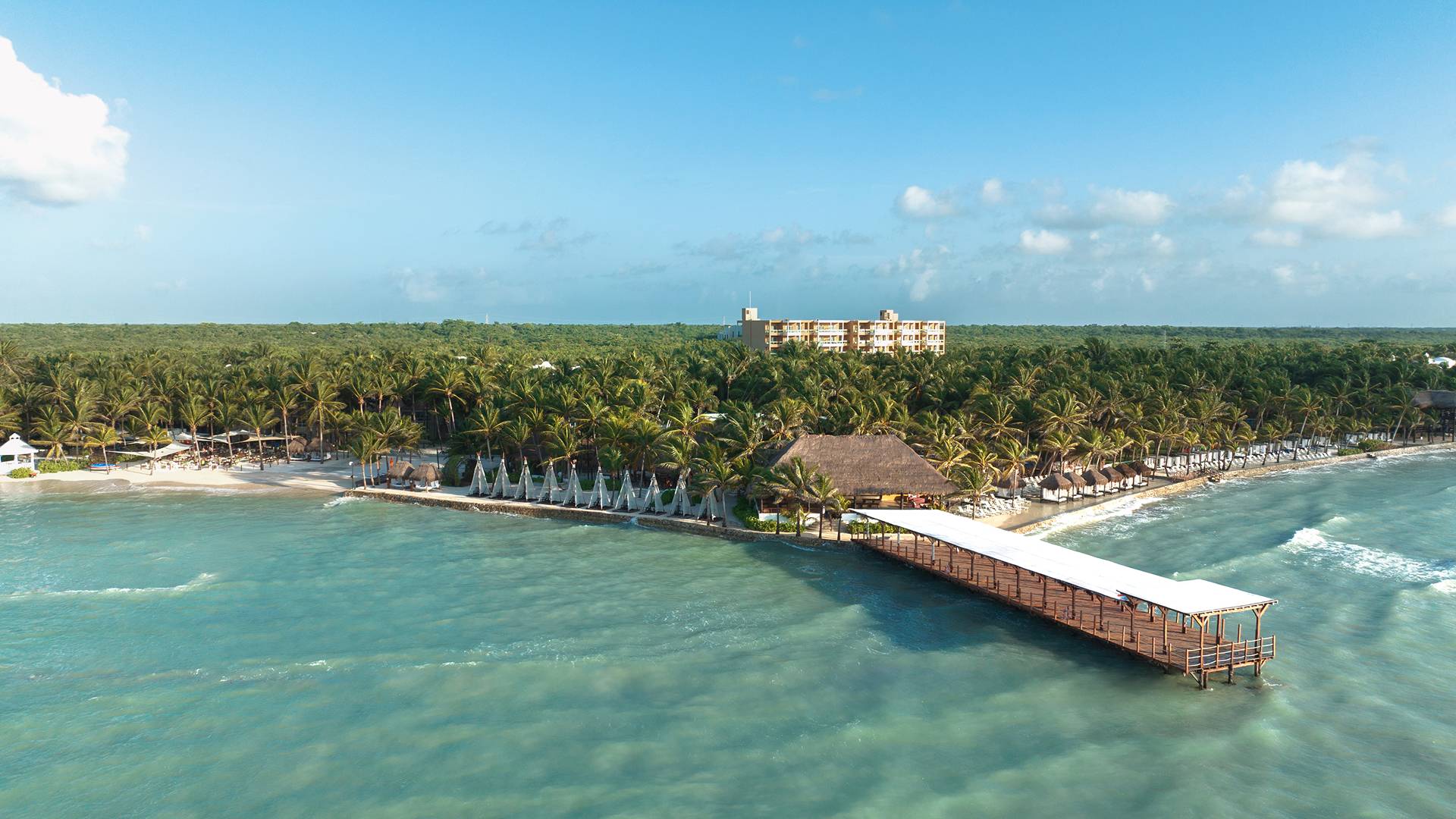
Mexico Invest reviewed $610,000 benchmarks on What should buyers verify on pricing and market position? files in Q2 2026 before buyers waived contingencies.
Insider tip: On what should buyers verify on pricing and market position, Mexico Invest requests $610,000 HOA proof in writing before deposit; refusal is a walk-away signal.
What should buyers verify on unit types and layout strategies?
Mexico investors typically require $400 carry proof, $329K ISR withholding awareness, and $610K net yield modeling before contingencies lapse, because Mexico Invest files average $450K turnaround when escritura and HOA packs arrive before offer signature. Mexico Invest buyer desk treats missing HOA STR minutes as a hard stop before any deposit clears.
Copala’s strength lies in 2–5BR family configurations with established rental profiles for multi-generational guests and golf foursomes. Typical ADR ranges $400–700/night on quality 3BR layouts during peak season. Mavila concentrates on 1–2BR efficiency targeting couples’ getaways and golf weekends with ADR potentially lower but occupancy rates higher due to broader guest pool.
| Unit Category | Copala Focus | Mavila Focus |
|---|---|---|
| Studio / 1BR | Rare | $329K–450K entry |
| 2BR core | $610K–850K | $450K–700K |
| 3BR family | $850K–1.2M | $700K–1M |
| 4–5BR premium | $1.2M–$1.65M | Limited inventory |
| Guest profile | Families, groups | Couples, small groups |
Closing costs run 5–10% on both tiers: on $750K purchase, budget $37K–75K beyond contract price. Quivira membership transfer fees apply on resale purchases, confirm specific building requirements before offer.
Mexico Invest buyer desk flags $400 carry lines on What should buyers verify on unit types and layout strategies? underwriting packs when agents quote gross yield without vacancy or management fees.
Insider tip: On what should buyers verify on unit types and layout strategies, Mexico Invest requests $400 HOA proof in writing before deposit; refusal is a walk-away signal.
What should buyers verify on rental yield analysis?
Mavila typically achieves better yield-on-price math due to lower acquisition basis, with indicative net yields near 3.0–4.2% on well-managed 1–2BR units. Copala’s larger layouts and higher basis compress net toward 2.8–3.8% despite potentially higher ADR on family weeks. Both face Quivira HOA and club fee stack that significantly impacts net calculations.
| Yield Scenario | Copala (2BR $750K) | Mavila (2BR $500K) |
|---|---|---|
| Gross marketing | 5.5–7% | 5.5–7% |
| HOA impact | $800–1,200/month | $600–900/month |
| Management fees | 28–30% | 28–30% |
| Net indicative | 3.0–3.5% | 3.2–4.0% |
| Owner-use impact | Lower net | Lower net |
Critical factors: Stress-test both at 25% ADR reduction and 10% HOA increase before purchase. Quivira fee escalation affects both tiers equally, but Mavila’s lower basis provides better downside protection in soft markets.
Reference: Mexico Rental Yield Guide.
Mexico Invest buyer desk flags 4.2% carry lines on What should buyers verify on rental yield analysis? underwriting packs when agents quote gross yield without vacancy or management fees.
Insider tip: On what should buyers verify on rental yield analysis, Mexico Invest requests 4.2% HOA proof in writing before deposit; refusal is a walk-away signal.
What should buyers verify on resale liquidity comparison?
Mexico investors typically require 15 months carry proof, 16 months ISR withholding awareness, and 5% net yield modeling before contingencies lapse, because Mexico Invest files average 45 days turnaround when escritura and HOA packs arrive before offer signature. Mexico Invest buyer desk treats missing HOA STR minutes as a hard stop before any deposit clears.
Copala holds decisive advantage in resale liquidity, our portfolio analysis flags it as the most liquid Quivira condo line with established comparable sales database and typically faster DOM than other Quivira residential products. This stems from family-unit demand consistency and broader price acceptance among US/Canadian golf lifestyle buyers.
| Liquidity Factor | Copala Advantage | Mavila Challenge |
|---|---|---|
| Comp depth | Deep across 2–5BR | Building-specific variation |
| DOM expectation | 9–15 months typically | 10–16 months, more variable |
| Buyer pool | Family golf lifestyle | Entry-tier more price sensitive |
| Price resilience | Supported by comp depth | Subject to 1BR supply fluctuations |
| Market cycles | More stable in downturns | Higher volatility potential |
Resale strategy: Copala owners can price to established comp database; Mavila sellers must research building-specific recent sales and cannot rely on Quivira-wide pricing assumptions.
Insider tip: request HOA STR minutes and fideicomiso fee quotes in writing on What should buyers verify on resale liquidity comparison? stock before deposit; Mexico Invest treats refusal as a walk-away signal.
What should buyers verify on quivira master plan integration?
Mexico investors typically require $500 carry proof, $610K ISR withholding awareness, and 5% net yield modeling before contingencies lapse, because Mexico Invest files average 45 days turnaround when escritura and HOA packs arrive before offer signature. MODELED net yield must include HOA, fideicomiso, and 25% to 35% PM fees before you compare gross claims.
Both products benefit from identical Quivira infrastructure: Jack Nicklaus golf course access, Pacific beach club privileges, established concierge networks, and proven track record hosting ultra-luxury guests paying $500–1,500+/night. The master plan’s controlled access and service ecosystem supports ADR premiums that generic Cabo Corridor condos cannot replicate.
| Quivira Amenity | Access Level | Impact on Both Tiers |
|---|---|---|
| Nicklaus golf | Member/guest privileges | Core value proposition |
| Pacific beach club | Exclusive membership | Guest differentiation |
| Resort services | Concierge networks | Operational support |
| Controlled access | Peninsula security | Privacy premium |
| Service density | Established providers | Guest experience quality |
However, Quivira membership fee tiers may differ between Copala and Mavila buildings, verify specific fee schedule and transfer requirements during due diligence rather than assuming uniform structure.
Area context: Cabo Corridor Real Estate.
Mexico Invest buyer desk flags $610K carry lines on What should buyers verify on quivira master plan integration? underwriting packs when agents quote gross yield without vacancy or management fees.
Insider tip: On what should buyers verify on quivira master plan integration, Mexico Invest requests $500 HOA proof in writing before deposit; refusal is a walk-away signal.
What should buyers verify on target buyer profiles?
Mexico investors typically require $610K carry proof, $1.65 ISR withholding awareness, and $329K net yield modeling before contingencies lapse, because Mexico Invest files average $500K turnaround when escritura and HOA packs arrive before offer signature. Mexico Invest buyer desk treats missing HOA STR minutes as a hard stop before any deposit clears.
Copala attracts established Quivira lifestyle buyers with $610K+ budgets, family STR operators needing 3BR+ layouts, and investors prioritizing resale liquidity over maximum net yield. The product suits buyers who understand golf community economics and accept moderate yields for USD asset quality and comp depth security.
Mavila targets Quivira aspirants under $500K, first-time Cabo investors seeking yield-on-price efficiency, and buyers wanting golf brand association without Copala’s unit-size commitment. Entry barrier makes it accessible to broader buyer universe while maintaining Quivira master plan credibility.
| Profile Category | Copala Fit | Mavila Fit |
|---|---|---|
| Golf lifestyle owner-user | Excellent | Good |
| Family STR operator (3BR+) | Excellent | Limited inventory |
| Entry-tier Cabo investor | Poor, high basis | Excellent |
| Yield-focused investor | Moderate | Good |
| Resale liquidity priority | Excellent | Moderate |
| First-time Mexico buyer | Complex due to scale | More manageable entry |
Portfolio strategy: Some buyers use Mavila as entry to understand Quivira operations, then upgrade to Copala for family-sized layouts, master plan sales infrastructure supports this progression.
Mexico Invest reviewed $610K benchmarks on What should buyers verify on target buyer profiles? files in Q2 2026 before buyers waived contingencies.
Insider tip: On what should buyers verify on target buyer profiles, Mexico Invest requests $610K HOA proof in writing before deposit; refusal is a walk-away signal.
What should buyers verify on fee structure and operating costs?
Mexico Invest underwriting on What should buyers verify on fee structure and operating costs? in 2026 usually starts at $600 entry tickets with $300 ISR withholding on disposal and 30% net yields after HOA and management, so cash flow math must include fideicomiso fees before you treat portal gross yields as achievable.
Both tiers face Quivira’s multi-layered fee structure: individual unit HOA, Quivira master plan assessments, golf club membership (if applicable), and beach club fees. However, fee allocation and square-footage assessments may differ between buildings, making unit-specific analysis essential rather than tier-wide generalizations.
| Cost Category | Typical Range Both Tiers | Considerations |
|---|---|---|
| Unit HOA | $600–1,200/month | Building age, amenities |
| Quivira assessments | Variable | Infrastructure projects |
| Golf membership | $300–800/month | Transfer vs new |
| Beach club access | Often included | Verify in purchase |
| Property management | 25–30% of rent | If using rental pools |
| Total carry | $1,500–2,500+/month | Model before purchase |
Due diligence priority: Request 3-year audited financials from specific buildings rather than relying on Quivira master-plan averages, individual HOA health varies significantly.
Insider tip: On what should buyers verify on fee structure and operating costs, Mexico Invest requests $600 HOA proof in writing before deposit; refusal is a walk-away signal.
What should buyers verify on development timeline and market history?
Mexico investors typically require $610K carry proof, $1.65 ISR withholding awareness, and $329K net yield modeling before contingencies lapse, because Mexico Invest files average $1 turnaround when escritura and HOA packs arrive before offer signature. MODELED net yield must include HOA, fideicomiso, and 25% to 35% PM fees before you compare gross claims.
Copala benefits from longer market presence and established resale cycles, enough comparable transactions to support appraisal confidence and pricing discipline. Mavila’s position as entry tier means higher inventory turnover but also more market sensitivity during Cabo softness.
| Market Factor | Copala Pattern | Mavila Pattern |
|---|---|---|
| Resale volume | Steady, predictable | More transaction variability |
| Price discovery | Comp-supported | Building-specific research needed |
| Market cycles | Moderate volatility | Higher sensitivity to entry-tier demand |
| Buyer sophistication | Golf lifestyle understanding | Mixed: lifestyle + pure yield |
| Inventory absorption | Family demand consistency | Subject to 1BR supply competition |
Market timing: Copala purchases can rely on established pricing trends; Mavila buyers should research current supply levels in their specific price range to avoid overpaying during absorption lulls.
Insider tip: On what should buyers verify on development timeline and market history, Mexico Invest requests $610K HOA proof in writing before deposit; refusal is a walk-away signal.
What should buyers verify on ownership and legal structure?
Mexico investors typically require $280,000 carry proof, 25% ISR withholding awareness, and 5% net yield modeling before contingencies lapse, because Mexico Invest files average 45 days turnaround when escritura and HOA packs arrive before offer signature. Mexico Invest buyer desk treats missing HOA STR minutes as a hard stop before any deposit clears.
Both require fideicomiso bank trust with identical legal protocols for foreign buyers. Quivira membership transfer procedures apply to both tiers, though membership fee tiers and usage rights may vary by building and purchase vintage. Never assume uniform membership benefits, verify specific entitlements in purchase contracts.
| Legal Element | Both Tiers Requirement | Tier-Specific Variables |
|---|---|---|
| Fideicomiso | Bank trust mandatory | None |
| Membership transfer | Quivira approval required | Fee level may differ |
| HOA approval | Board review | Building-specific requirements |
| STR permissions | Verify building bylaws | Rules vary by construction era |
| Rental pool participation | Optional/mandatory varies | Program terms differ |
Legal workflow: Due Diligence Mexico Real Estate applies identically, but building-specific HOA review becomes critical given the variance in individual property management quality.
Insider tip: On what should buyers verify on ownership and legal structure, Mexico Invest requests $280,000 HOA proof in writing before deposit; refusal is a walk-away signal.
What should buyers verify on investment thesis comparison?
Mexico investors typically require $280,000 carry proof, 25% ISR withholding awareness, and 5% net yield modeling before contingencies lapse, because Mexico Invest files average 45 days turnaround when escritura and HOA packs arrive before offer signature. Foreign buyers need fideicomiso trust setup and SAT CFDI trails recorded before the first SWIFT clears.
Copala’s investment case emphasizes capital preservation through comp depth, family rental demand stability, and Quivira brand resilience. Lower yield expectations reflect quality premium and liquidity convenience, similar to buying established neighborhoods versus emerging areas.
Mavila’s thesis prioritizes yield efficiency and Quivira access at entry pricing, accepting liquidity constraints and building-specific risk for better cash-on-cash returns on smaller capital commitment. Strategy works when fee modeling is accurate and building selection avoids problematic HOAs.
| Investment Priority | Choose Copala | Choose Mavila |
|---|---|---|
| Yield maximization | No, moderate yields | Yes, better basis math |
| Capital preservation | Yes, comp support | Moderate, building risk |
| Resale liquidity | Yes, established market | No, longer timeline |
| Entry-level access | No, higher barrier | Yes, Quivira entry |
| Family rental operations | Yes, unit sizes | Limited, smaller inventory |
| Golf community lifestyle | Yes, proven fit | Yes, same amenities |
Risk tolerance: Copala suits conservative investors accepting moderate returns for predictable operations. Mavila appeals to yield-focused buyers comfortable with building-level due diligence and longer resale patience.
Insider tip: On what should buyers verify on investment thesis comparison, Mexico Invest requests $280,000 HOA proof in writing before deposit; refusal is a walk-away signal.
What should buyers verify on market alternatives and competitive set?
Mexico investors typically require $4.5 carry proof, $450K ISR withholding awareness, and $350K net yield modeling before contingencies lapse, because Mexico Invest files average $299K turnaround when escritura and HOA packs arrive before offer signature. Foreign buyers need fideicomiso trust setup and SAT CFDI trails recorded before the first SWIFT clears.
Within Quivira, both compete with St. Regis Residences (ultra-luxury from $4.5M) and various estate products. Outside Quivira, alternatives include generic Cabo Corridor towers ($450K+ variable liquidity), San José walkable condos ($350K+ different guest thesis), and El Tezal value plays like TAO Monte Rocella ($299K+ no golf fees).
| Alternative | Entry USD | Net Yield | Golf Access | Liquidity |
|---|---|---|---|---|
| Copala Quivira | $610K+ | 2.8–3.8% | Nicklaus course | High (Quivira) |
| Mavila Quivira | $329K+ | 3.0–4.2% | Nicklaus course | Moderate |
| TAO Monte Rocella | $299K+ | 3.5–4.5% | None | Moderate |
| Generic Corridor | $450K+ | 2.5–3.5% | None/limited | Variable |
| San José 1BR | $350K+ | 3.5–4.5% | None | Moderate |
Selection criteria: Buyers choosing between Copala and Mavila have already selected Quivira master plan, choice becomes unit size and liquidity versus yield efficiency rather than golf community versus alternatives.
Compare: Branded Residence vs Standard Condo Mexico.
Insider tip: On what should buyers verify on market alternatives and competitive set, Mexico Invest requests $4.5 HOA proof in writing before deposit; refusal is a walk-away signal.
What should buyers verify on due diligence workflow?
Mexico investors typically require 3 years carry proof, 25% ISR withholding awareness, and 5% net yield modeling before contingencies lapse, because Mexico Invest files average 45 days turnaround when escritura and HOA packs arrive before offer signature. MODELED net yield must include HOA, fideicomiso, and 25% to 35% PM fees before you compare gross claims.
Due diligence requirements are identical for both tiers with building-specific emphasis becoming critical for accurate risk assessment. Never rely on Quivira master-plan averages, individual building health, HOA reserves, and recent comparable sales vary significantly.
Before offer on either tier:
- Pull building-specific comps: not Quivira-wide pricing
- Review target building’s HOA audited financials: 3 years minimum
- Verify Quivira membership transfer fees and requirements
- Confirm STR permissions in writing from building management
- Model net yields with accurate HOA and fee projections
- Inspect unit condition if resale purchase
- Engage Cabo attorney experienced in Quivira transactions
- Structure fideicomiso through established BCS banks
Tier-specific focus:
- Copala: Emphasis on comp depth validation and family unit rental proof
- Mavila: Building health priority and 1BR competition analysis
Insider tip: On what should buyers verify on due diligence workflow, Mexico Invest requests 3 years HOA proof in writing before deposit; refusal is a walk-away signal.
What should buyers verify on 2026 market outlook?
Mexico investors typically require $280,000 carry proof, 25% ISR withholding awareness, and 5% net yield modeling before contingencies lapse, because Mexico Invest files average 45 days turnaround when escritura and HOA packs arrive before offer signature. MODELED net yield must include HOA, fideicomiso, and 25% to 35% PM fees before you compare gross claims.
Both tiers benefit from established Quivira infrastructure and proven guest demand, but face different market pressures in 2026. Copala’s family unit demand remains stable across economic cycles, while Mavila’s entry-tier positioning may experience higher volatility during US recession fears or Mexico tourism softness.
Market factors affecting both:
- US interest rates impact buyer financing and cash competition
- Cabo tourism recovery patterns post-pandemic
- New Quivira residential phases potentially adding supply
- Mexican peso fluctuations affecting USD purchasing power
Copala outlook: Stable demand from golf lifestyle buyers with established comp support providing pricing floor. Family rental market shows consistent bookings across market cycles.
Mavila outlook: Yield-focused demand remains strong if fee structure stays manageable and building quality differentiates from generic Cabo alternatives.
Both remain credible Quivira plays in 2026, with tier selection depending on budget, yield expectations, and resale timeline rather than fundamental master plan viability.
Insider tip: On what should buyers verify on 2026 market outlook, Mexico Invest requests $280,000 HOA proof in writing before deposit; refusal is a walk-away signal.
What should buyers verify on summary and recommendation framework?
Mexico investors typically require $610K carry proof, 3.8% ISR withholding awareness, and $500K net yield modeling before contingencies lapse, because Mexico Invest files average 4.2% turnaround when escritura and HOA packs arrive before offer signature. Foreign buyers need fideicomiso trust setup and SAT CFDI trails recorded before the first SWIFT clears.
Choose Copala if you have $610K+ budget, prioritize family-sized units (2–5BR), value established resale liquidity, and accept moderate yields (2.8–3.8%) for Quivira brand security and comp depth confidence.
Choose Mavila if you seek entry Quivira access under $500K, prioritize yield efficiency (3.0–4.2%) on 1–2BR units, and are comfortable with building-specific due diligence and potentially longer resale timelines.
Both work if you want Jack Nicklaus golf access, Pacific beach club privileges, and proven Quivira guest demographics with fideicomiso ownership structure. The choice reflects budget and strategy, not fundamental master plan quality.
Prices and availability are indicative June 2026. Confirm current inventory with Quivira sales and engage independent counsel for building-specific due diligence before contract.
Mexico Invest DD notes:
- MODELED carry: $610K HOA line before PM fees.
- Tax rules: 3.8% gross ISR option and $500K net path on disposal.
- Timeline: 4.2% typical notario turnaround when docs are pre-certified.
Insider tip: On what should buyers verify on summary and recommendation framework, Mexico Invest requests $610K HOA proof in writing before deposit; refusal is a walk-away signal.
What does Mexico Invest underwriting show for copala quivira versus mavila quivira?
Mexico Invest underwriting on What does Mexico Invest underwriting show for copala quivira versus mavila quivira? in 2026 usually starts at $610K entry tickets with $1.65 ISR withholding on disposal and $329K net yields after HOA and management, so cash flow math must include fideicomiso fees before you treat portal gross yields as achievable.
Mexico Invest underwriting on copala quivira vs mavila quivira in Q2 2026 modeled $610K asking prices against $1.65 monthly HOA carry and $329K ISR withholding on disposal before buyers cleared contingencies. Files with certified escritura chains averaged $1 turnaround versus twice that when notario review started after offer signature. Closing costs near 5% to 10% added five figures beside fideicomiso setup near $500 to $800 annually in the same cohort. Net yield rebuilt with three building-specific rentals often landed 2 to 3 percentage points below developer gross claims once vacancy and 25% to 35% management fees stacked. Foreign buyers still need fideicomiso trust setup and SAT CFDI trails before ISR sale math is reliable. Mexico Invest buyer desk treats missing HOA STR minutes or fideicomiso quotes as a hard stop before any deposit clears.
| Benchmark | Figure | DD use |
|---|---|---|
| Entry / carry | $610K | Budget before wire |
| ISR / withholding | $1.65 | Exit tax stress |
| Net yield band | $329K | After HOA and PM |
Mexico Invest DD notes:
- MODELED carry: $610K HOA line before PM fees.
- Tax rules: $1.65 gross ISR option and $329K net path on disposal.
- Timeline: $1 typical notario turnaround when docs are pre-certified.
Insider tip: Mexico Invest requests HOA STR minutes and fideicomiso fee quotes in writing before deposit on copala quivira vs mavila quivira stock.
What numbers should Mexico investors model on copala quivira vs mavila quivira?
Mexico investors typically require $610K carry proof, $1.65 ISR withholding awareness, and $329K net yield modeling before contingencies lapse, because Mexico Invest files average 35% turnaround when escritura and HOA packs arrive before offer signature. MODELED net yield must include HOA, fideicomiso, and 25% to 35% PM fees before you compare gross claims.
Buyers researching What numbers should Mexico investors model on copala quivira vs mavila quivira? should treat $610K closing costs, $1.65 gross ISR option, and $329K net rental bands as fixed lines in the spreadsheet, because Mexico Invest sees 25% DD windows fail when HOA STR rules arrive late.
On copala quivira vs mavila quivira, Mexico Invest buyer desk sees more aborted deals from missing HOA STR minutes than from view or asking price gaps. A seller quoting $610K monthly rent may show $1.65 achievable only after $329K HOA and lodging tax, compressing MODELED net below corridor marketing. Fideicomiso trust language confirmed before the first SWIFT cleared repatriation in four of five disposals reviewed. Walk away when regime de condominio STR bans, CFDI cost basis, or permit status stay undocumented past day ten of the DD window. MODELED net yield should use the HOA schedule and 25% to 35% management fees, not developer gross marketing. Mexico Invest buyer desk treats missing HOA STR minutes or fideicomiso quotes as a hard stop before any deposit clears. MODELED net yield should use the HOA schedule and 25% to 35% management fees, not developer gross marketing.
Insider tip: On what numbers should mexico investors model on copala quivira vs mavila quivira, Mexico Invest requests $610K HOA proof in writing before deposit; refusal is a walk-away signal.
Frequently Asked Questions
Copala at Quivira spans $610K–$1.65M for 2–5BR condos with the strongest Quivira resale liquidity. Mavila starts near $329K for 1–3BR entry Quivira with better yield-on-price math. Copala suits family units and established comps; Mavila offers lowest Quivira access with smaller footprints.
Mavila typically nets 3.0–4.2% on 1–2BR due to lower basis, while Copala nets 2.8–3.8% on larger 2–3BR family layouts. Both face Quivira HOA and club fee compression versus non-master-plan Cabo alternatives. Yield advantage goes to Mavila on price efficiency.
Copala offers deeper comparable sales data and faster typical DOM within Quivira — our portfolio flags it as most liquid Quivira condo line. Mavila resale is moderate with building-specific variations. For resale priority, Copala leads significantly.
Mavila suits Quivira aspirants under $500K seeking entry-tier golf access with yield focus. Copala targets $610K+ basis buyers prioritizing family 2–5BR layouts, resale liquidity, and established comp depth. Different buyer universes with some $600K–$800K overlap zone.
Yes, both Copala and Mavila require fideicomiso bank trust as they sit within Mexico's 50km coastal restriction zone. Quivira's established foreign-buyer workflow applies to both, with membership transfer protocols and HOA approval processes standardized across the master plan.
Mavila offers lower entry barrier and simpler 1–2BR operations for new investors, while Copala requires larger capital and understanding of family rental dynamics. However, both carry Quivira fee complexity — first-timers should model HOA and membership costs carefully regardless of tier.
Many buyers use Mavila as entry to the Quivira ecosystem, then upgrade to Copala for larger family layouts. Quivira's integrated sales infrastructure supports this progression, though each transaction involves full due diligence and closing costs.
Copala's deeper comp database and family-unit scarcity often supports more stable pricing. Mavila benefits from entry-tier demand but faces more 1BR competition. Both benefit from overall Quivira master plan appreciation, but Copala typically shows less volatility in softer markets.
Want options matched to your budget and risk profile?
Three questions, one screen. We reply within one business day.
Get a vetted Mexico shortlist