
St. Regis vs Chileno Bay Residences: Marriott vs Auberge
St. Regis Residences Quivira vs Chileno Bay, $4.5M-$13.5M Marriott vs $6M-$60M+ Auberge ultra-luxury, brand positioning, yields, and 2026 Cabo comparison.
By Mexico Invest Editorial · Updated July 9, 2026 · 20 min read
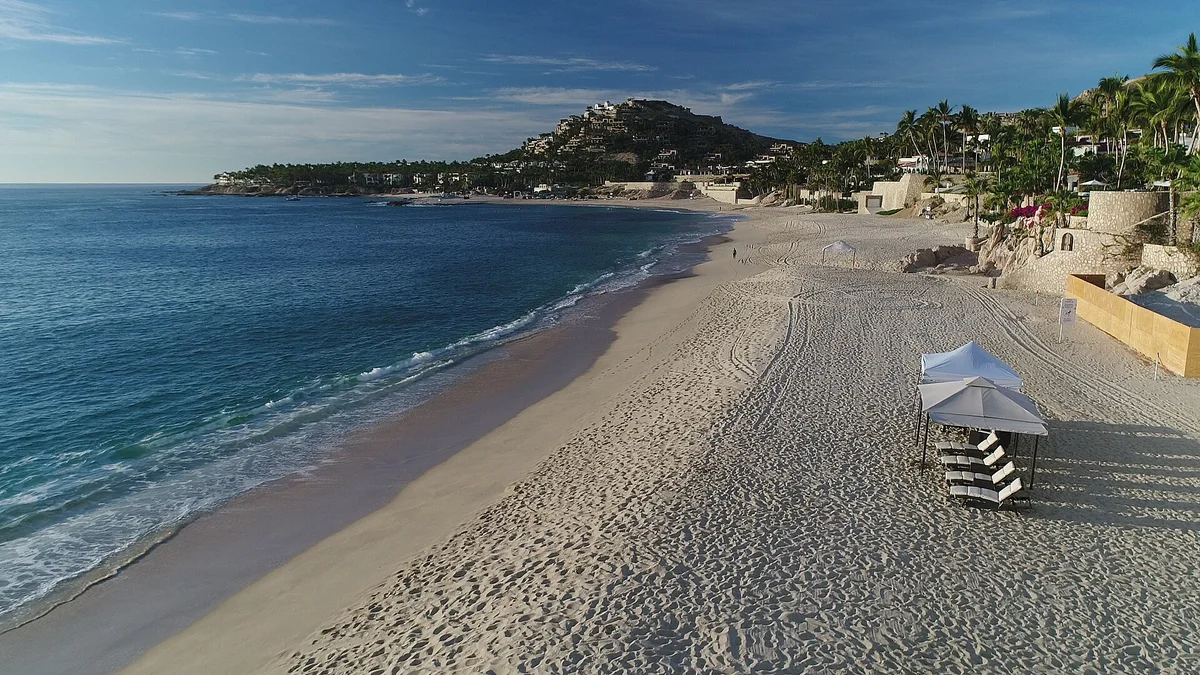
Quick answer: St. Regis Residences at Quivira ($4.5M-$13.5M) deliver Marriott International operations within Quivira master plan with Q1 2026 delivery phases. Chileno Bay Residences ($6M-$60M+) offer Auberge Resorts Collection branding with established golf-beach club integration. Both net 2.0-3.5% after program fees, brand ecosystem preference and owner-use priority drive selection over yield comparison.
Ultra-luxury branded residences in Los Cabos target capital preservation, lifestyle access, and USD asset allocation rather than cash yield optimization. Choice reflects brand loyalty, service philosophy preference, and operational complexity tolerance within proven Cabo Corridor ultra-luxury demand.
Context: Cabo Corridor Real Estate. Hub: Los Cabos Property Investment Guide. Framework: Branded Residence vs Standard Condo Mexico.
Brand positioning and operational philosophy
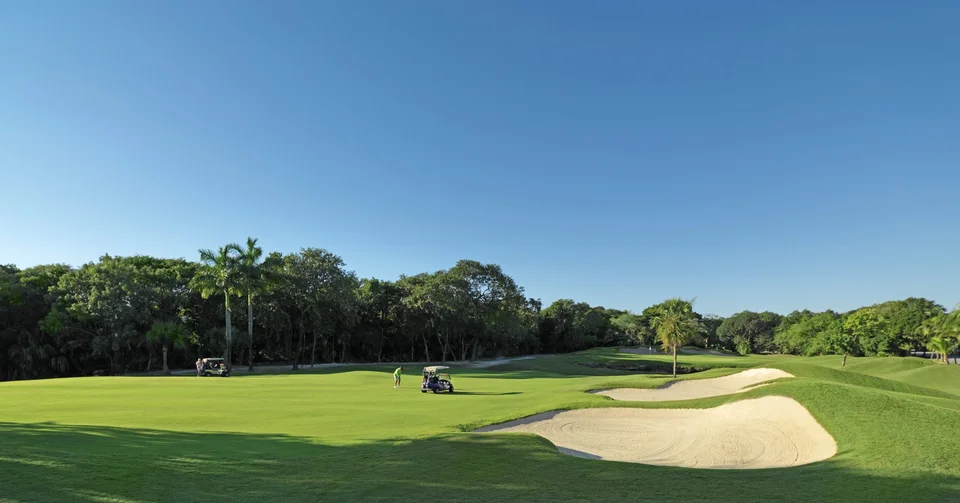
St. Regis Residences operate under Marriott International’s global hospitality ecosystem with Marriott Bonvoy integration, established branded residence protocols, and standardized service delivery across international properties. Quivira integration adds Jack Nicklaus golf, Pacific beach club access, and master plan amenity coordination.
Chileno Bay Residences feature Auberge Resorts Collection positioning emphasizing boutique ultra-luxury, personalized service delivery, design-forward aesthetics, and independent property character within Auberge’s curated portfolio. Tom Fazio golf course and private beach club provide core amenity anchors.
| Brand Element | St. Regis (Marriott) | Chileno Bay (Auberge) |
|---|---|---|
| Parent company | Marriott International | Auberge Resorts Collection |
| Global footprint | Large, standardized protocols | Boutique, curated properties |
| Service philosophy | Luxury consistency | Personalized ultra-luxury |
| Loyalty integration | Marriott Bonvoy ecosystem | Auberge portfolio access |
| Design approach | St. Regis signature standards | Property-specific character |
| Operations scale | Global systems | Boutique attention |
Buyer alignment: St. Regis suits Marriott loyalists and global brand consistency preferences. Chileno Bay appeals to boutique luxury collectors and personalized service priority buyers.
Pricing architecture and market position
St. Regis Residences span approximately $4.5 million to $13.5 million across entry branded homes through penthouse configurations, with Q1 2026 delivery phases adding newer inventory at Quivira Pacific positioning. Lower entry threshold reflects Quivira master plan economies and standardized Marriott delivery.
Program enrollment fees are the line most buyers discover late, and at this price band they are large enough to change the decision. On a $6M St. Regis residence, budgeting 5-10% for closing means $300,000 to $600,000 in ISAI, notario, registry and legal costs before the fideicomiso, and a branded-residence enrollment fee of $50,000 to $200,000 sits on top of that. Total cash at closing therefore lands between $350,000 and $800,000 on a $6M contract, or roughly 6% to 13% of price. Ask for the enrollment fee in writing during negotiation, because unlike ISAI it is set by the operator and is one of the few closing costs at this level that is genuinely negotiable.
Chileno Bay Residences range $6 million to $60 million+ encompassing branded condos through ultra-luxury estates with Pacific frontage premiums. Wider price band reflects property-specific positioning and established market presence with resale and new inventory both active.
| Pricing Tier | St. Regis Quivira | Chileno Bay |
|---|---|---|
| Entry branded | $4.5M-6M | $6M-12M |
| Mid-tier ocean | $6M-9M | $8M-20M |
| Premium estate/PH | $9M-$13.5M | $15M-$60M+ |
| Market position | Quivira integrated | Independent ultra-luxury |
| Inventory status | Q1 2026 + resale | Established + new phases |
Closing economics: Budget 5-10% beyond contract plus branded residence program enrollment fees often reaching $50K-200K+ on ultra-luxury transactions. BCS notario and fideicomiso setup mandatory for both.
Unit configurations and guest demographics
St. Regis Residences emphasize standardized luxury configurations with Marriott design protocols, integrated Quivira amenities, and guest profiles familiar with St. Regis service standards globally. Corporate retreats, golf groups, and Marriott Bonvoy members represent core demand.
Chileno Bay Residences feature property-specific layouts with Auberge design emphasis, golf-beach club integration, and ultra-HNW guests seeking boutique service density. Multi-generational families, design enthusiasts, and Auberge collectors drive occupancy patterns.
| Guest Characteristic | St. Regis Appeal | Chileno Bay Appeal |
|---|---|---|
| Corporate groups | High, Marriott ecosystem | Moderate, boutique scale |
| Golf foursomes | High, Quivira Nicklaus | High, Tom Fazio course |
| Multi-gen families | Good, standardized service | High, personalized attention |
| Design focus | Marriott standards | Auberge property character |
| Brand collectors | Marriott portfolio | Auberge portfolio |
| Service density | Global protocols | Boutique customization |
ADR patterns: Both achieve $1,500-4,000+/night on peak weeks, but Chileno Bay’s boutique positioning may command ADR premiums on ultra-luxury configurations while St. Regis benefits from Marriott booking systems and corporate demand.
Rental yields and program economics
Both properties typically net 2.0-3.5% after 30-35% program fees, ultra-luxury HOA costs exceeding $2,000/month on many configurations, and selective owner-use calendars. Cash yield optimization is rarely the primary investment thesis for $4.5M+ ultra-luxury buyers.
Stress-testing turns the published 2.0-3.5% band into something a buyer can act on. Take a $6M Chileno Bay residence at a $2,500 blended ADR and 70 booked nights: gross room revenue is $175,000, a 35% program fee removes $61,250, HOA at $3,500 a month removes $42,000, and predial, insurance, reserves and the trust fee take a further $25,000. Net cash is roughly $47,000, or 0.8% on basis. Apply the 30% ADR haircut the section recommends and gross falls to $122,500 while the fixed costs do not move, leaving about $2,000. Ultra-luxury Los Cabos rental income is a partial offset to carrying cost, not a return.
| Economic Factor | St. Regis Performance | Chileno Bay Performance |
|---|---|---|
| Program fees | 30-35% typical | 30-40% range |
| HOA costs | $2,000-4,000+/month | $2,000-5,000+/month |
| ADR potential | $1,500-3,000+ peak | $1,500-4,000+ peak |
| Occupancy patterns | Corporate + golf demand | Boutique ultra-luxury |
| Net yield range | 2.0-3.5% | 2.0-3.0% |
| Owner-use impact | Reduces rental calendar | Reduces rental calendar |
Stress testing: Model both at 30% ADR haircut and fee increases, ultra-luxury markets show high volatility during economic softness. Owner-use value often provides greater returns than annual cash yield for target demographics.
Reference: Mexico Rental Yield Guide.
Development status and delivery timeline
St. Regis Residences include Q1 2026 delivery phases carrying off-plan completion risk but earlier availability than some ultra-luxury alternatives. Marriott International backing and Quivira infrastructure support completion credibility, though independent escrow verification remains mandatory.
Chileno Bay Residences benefit from established operations with proven track record, mature HOA structures, and immediate occupancy availability on resale inventory. Newer phases may also be available but with established operational baseline providing risk reduction.
| Development Element | St. Regis Status | Chileno Bay Status |
|---|---|---|
| Completion timeline | Q1 2026 + delivered | Established + ongoing |
| Off-plan risk | Standard for new phases | Minimal on resale |
| Infrastructure maturity | Quivira established | Fully operational |
| Program operations | Marriott protocols launching | Auberge proven track record |
| Escrow requirements | Enhanced for off-plan | Standard resale |
Risk assessment: St. Regis requires delivery bond verification for Q1 2026 phases. Chileno Bay offers immediate operations but aging infrastructure in older buildings may require condition assessment.
Master plan integration and amenity access
St. Regis Residences integrate fully within Quivira master plan with Jack Nicklaus golf course access, Pacific beach club membership, coordinated concierge services, and shared infrastructure with Copala, Mavila, and estate products. Integrated fee structure but complex amenity layering.
Chileno Bay Residences operate as independent ultra-luxury community with dedicated Tom Fazio golf course, private beach club, exclusive concierge networks, and property-specific amenities without external master plan dependencies. Simpler fee structure but limited alternative amenities.
| Amenity Category | St. Regis (Quivira Integrated) | Chileno Bay (Independent) |
|---|---|---|
| Golf access | Jack Nicklaus course + shared | Tom Fazio course, exclusive |
| Beach club | Quivira Pacific membership | Private Chileno Bay club |
| Dining options | Quivira + St. Regis restaurants | Chileno Bay + external |
| Concierge density | Master plan + branded | Property-focused |
| Activity coordination | Multiple Quivira options | Chileno Bay specialization |
| Fee complexity | Multi-layered | Streamlined |
Operational preference: St. Regis offers amenity variety through Quivira integration; Chileno Bay provides exclusive access without sharing amenities across multiple residential products.
Target buyer profiles and investment thesis
St. Regis Residences attract Marriott ecosystem loyalists, corporate entertainment buyers, Quivira master plan enthusiasts, and investors prioritizing brand consistency across global properties. Q1 2026 delivery appeals to buyers accepting off-plan timeline for newer inventory positioning.
Chileno Bay Residences suit boutique luxury collectors, design-conscious ultra-HNW families, golf-beach club lifestyle buyers, and investors seeking established operations with immediate cash flow potential. Auberge portfolio experience often drives purchase decisions.
| Buyer Profile | St. Regis Preference | Chileno Bay Preference |
|---|---|---|
| Marriott brand loyalist | Excellent | Limited appeal |
| Corporate entertainment | Strong, ecosystem benefits | Moderate, boutique scale |
| Design/architecture focus | Marriott standards | Auberge property character |
| Established operations priority | Moderate, newer phases | Excellent, proven track record |
| Master plan integration | Excellent, Quivira benefits | Not applicable |
| Boutique service priority | Limited | Excellent |
Investment strategy: St. Regis suits brand ecosystem and newer inventory preferences; Chileno Bay appeals to established luxury and boutique service priority buyers.
Resale liquidity and market depth
Both operate in ultra-niche resale markets with limited buyer pools and DOM often exceeding 18-24 months. Chileno Bay benefits from longer market presence and established comparable sales database. St. Regis adds Marriott brand recognition but newer market presence means limited resale data.
| Resale Factor | St. Regis Liquidity | Chileno Bay Liquidity |
|---|---|---|
| Market maturity | Limited, newer phases | Established track record |
| Comp database | Developing | Historical transaction depth |
| Buyer recognition | Marriott global brand | Auberge ultra-luxury niche |
| DOM expectation | 18+ months estimated | 12-24 months proven |
| Brand support | Marriott resale systems | Auberge global network |
| Price volatility | Unknown, new market | Established patterns |
Exit strategy: Chileno Bay offers predictable resale process with established comps; St. Regis requires patient capital until market patterns develop through resale cycles.
Operational complexity and management
The two operators run fundamentally different models, and the difference shows up in owner experience long before it shows up in returns. St. Regis operates under Marriott International protocols: standardised service procedures, global booking distribution and Bonvoy integration, which brings reach and consistency, and, because the residences sit inside the Quivira master plan, a layered fee structure with master-plan coordination requirements on top of the brand’s own. Chileno Bay under Auberge is boutique by design, with property-specific operations, personalised service and a simpler fee structure. Neither is better in the abstract; they suit different tolerances for complexity.
Chileno Bay Residences feature Auberge boutique management with property-specific operations, personalized service delivery, and streamlined fee structures but limited global integration and property-dependent service quality variations.
| Management Element | St. Regis Complexity | Chileno Bay Approach |
|---|---|---|
| Service standards | Global Marriott protocols | Property-specific Auberge |
| Booking systems | Marriott integration | Auberge + independent |
| Fee transparency | Complex, multi-layered | Streamlined structure |
| Owner control | Limited, program standards | Moderate, boutique flexibility |
| Global integration | High, Marriott ecosystem | Limited, Auberge portfolio |
| Local customization | Limited flexibility | Property character emphasis |
Operational preference: St. Regis provides global consistency; Chileno Bay offers boutique personalization with local character emphasis.
Risk analysis and due diligence
The risk profiles here are almost inverse, which is the most useful thing to know before reading the detail. St. Regis carries the risks of a new asset: Q1 2026 delivery, programme fee escalation from a brand with room to move, Quivira master-plan assessment exposure, fee-structure opacity, and no comparable sales to anchor resale pricing until the first units trade. Chileno Bay carries the risks of an established one: building ageing, Auberge programme changes to terms already in force, hurricane exposure requiring comprehensive cover, and ultra-luxury market concentration. One set resolves with time; the other arrives with it.
Chileno Bay Residences face established property aging, Auberge program changes, hurricane exposure requiring comprehensive insurance, ultra-luxury market shifts, and boutique operator concentration risk if Auberge service quality declines.
| Risk Category | St. Regis Risks | Chileno Bay Risks |
|---|---|---|
| Completion/delivery | Q1 2026 timeline | Established completion |
| Program fee evolution | Marriott system changes | Auberge policy shifts |
| Infrastructure aging | New construction | Mature property maintenance |
| Market liquidity | Unknown resale patterns | Established but thin |
| Operator performance | Marriott system dependency | Auberge boutique concentration |
| Natural disasters | Hurricane exposure (both) | Hurricane exposure (both) |
Mitigation strategies: St. Regis requires completion bond verification and Marriott program analysis. Chileno Bay needs property condition assessment and Auberge track record review across portfolio properties.
Framework: Developer Due Diligence Mexico.
Market competition and alternative analysis
Within Cabo ultra-luxury, both compete with Diamante Ocean Club ($1.35M-$1.75M lower tier), Ritz-Carlton Reserve Puerto Los Cabos ($4.7M+ marina), Four Seasons Costa Palmas ($4M+ East Cape), and One&Only Mandarina ($7.8M-$32M Nayarit ultra-premium).
| Ultra-Luxury Alternative | Entry USD | Brand | Location Advantage | Differentiation |
|---|---|---|---|---|
| St. Regis Quivira | $4.5M+ | Marriott | Quivira master plan | Global ecosystem |
| Chileno Bay | $6M+ | Auberge | Golf-beach independent | Boutique service |
| Ritz-Carlton Reserve | $4.7M+ | Marriott | Marina Los Cabos | Alternative Marriott |
| One&Only Mandarina | $7.8M+ | Kerzner | Nayarit ultra-premium | Ultra-luxury tier |
| Four Seasons Costa Palmas | $4M+ | Four Seasons | East Cape growth | Alternative established |
Competitive positioning: St. Regis competes on Marriott ecosystem and Quivira integration; Chileno Bay differentiates through Auberge boutique and independent operations.
Cross-border tax and wealth planning
Both properties require US/Mexico tax planning with licensed counsel for ultra-HNW buyers with cross-border estate considerations, US reporting obligations (FBAR, Form 8938, Schedule E), Mexican ISR on future sale, and wealth structuring for wealth advisor coordination.
Ultra-luxury specific considerations:
- Estate planning across jurisdictions with $4.5M-$60M+ asset values
- Rental income reporting on both US and Mexican tax systems
- Capital gains optimization using 25% gross versus 35% net Mexican method
- Family trust structures for multi-generational ownership
- Offshore coordination for international wealth management
| Tax Consideration | Ultra-Luxury Complexity | Professional Requirements |
|---|---|---|
| US reporting | FBAR, 8938, Schedule E | Cross-border CPA |
| Mexican ISR | 25% gross / 35% net election | Mexican tax counsel |
| Estate planning | Cross-border structures | International estate attorney |
| Wealth optimization | cross-border wealth advisor review | Integrated wealth team |
Essential: Engage qualified cross-border counsel before contract, never rely on hotel sales team tax advice for ultra-luxury transactions.
2026 market outlook and investment thesis
Both properties benefit from Los Cabos ultra-luxury scarcity, established US buyer demand, proven Pacific Mexico appeal, and branded residence preference trends. Chileno Bay offers immediate cash flow with established operations; St. Regis provides newer inventory with Q1 2026 delivery potential.
Market trends favoring both:
- Ultra-HNW USD diversification into Mexico coastal assets
- Branded residence preference over generic ultra-luxury
- Los Cabos positioning as premier Mexico destination
- Pacific Mexico growth versus Caribbean alternatives
2026 specific factors:
- US interest rates affecting ultra-luxury financing and cash competition
- Mexico tourism recovery supporting ultra-luxury ADR sustainability
- New branded inventory potentially affecting ultra-luxury supply-demand
- US wealth cycles impacting discretionary real estate allocation
Investment recommendation: Both represent credible ultra-luxury plays with brand differentiation rather than fundamental market differences. Selection depends on brand loyalty, operational preference, and delivery timeline acceptance.
Due diligence workflow
These two branded residences fail in different ways, so the diligence splits before it converges. St. Regis is a Marriott flag inside the Quivira master plan, which means the questions are about completion guarantees for the Q1 2026 phases, the branded residence agreement’s fee structure, and how Marriott’s residential programmes have actually performed in other markets, data that exists and can be requested. Chileno Bay is Auberge-operated and further along, so the same questions get different answers. Model both at realistic owner-use assumptions rather than at full-year rental availability, because at this tier owner nights are the single largest hidden cost.
Before St. Regis Residences deposit:
- Verify Marriott International completion guarantees for Q1 2026 phases
- Review branded residence agreement and Quivira master plan fee structures
- Request Marriott branded residence performance data from other markets
- Confirm Quivira amenity access and membership requirements included
- Model net yields with realistic owner-use and program fees
- Structure US/Mexico tax optimization before closing
- Engage BCS ultra-luxury attorney with Marriott experience
Before Chileno Bay Residences purchase:
- Inspect property condition and review recent comparable sales
- Analyze Auberge program agreement and fee escalation history
- Verify Tom Fazio golf and beach club access included versus supplemental
- Request existing owner statements from Chileno Bay program
- Assess hurricane insurance adequacy and building resilience
- Review HOA reserve fund health and special assessment history
- Engage counsel per Due Diligence Mexico Real Estate
Both require: Enhanced escrow structures, completion guarantees where applicable, cross-border tax planning, and ultra-luxury insurance verification before significant deposits.
Summary and selection framework
St. Regis Residences at Quivira deliver Marriott International ecosystem benefits with Quivira master plan integration from $4.5M-$13.5M. Q1 2026 phases offer newer inventory but off-plan completion risk. Best for Marriott loyalists and global brand consistency preferences.
Chileno Bay Residences provide Auberge boutique ultra-luxury with established operations from $6M-$60M+. Independent golf-beach club positioning and immediate availability appeal to boutique service priority and proven operations requirements.
Both achieve similar net yields (2.0-3.5%) with ultra-luxury program fees and owner-use calendars. Investment thesis emphasizes capital preservation, lifestyle access, and USD diversification rather than cash yield optimization.
Selection criteria:
- Brand ecosystem preference: Marriott global vs Auberge boutique
- Delivery timeline: Q1 2026 new vs established operations
- Amenity integration: Quivira master plan vs independent luxury
- Service philosophy: Global consistency vs boutique personalization
- Budget range: $4.5M+ entry vs $6M+ entry
Both represent credible ultra-luxury Cabo positions with brand differentiation serving overlapping ultra-HNW demographics. Success depends on brand alignment and operational preference rather than fundamental investment thesis differences.
Pricing and availability are indicative June 2026. Confirm inventory, delivery timelines, and program terms with respective sales teams and independent ultra-luxury counsel before contract.
Frequently Asked Questions
St. Regis Residences at Quivira ($4.5M-$13.5M) operate under Marriott International with Quivira master plan integration. Chileno Bay Residences ($6M-$60M+) feature Auberge Resorts Collection branding with golf-beach club focus. Different brand ecosystems, price ranges, and operational approaches to ultra-luxury.
Both typically net 2.0-3.5% after program fees exceeding 30% and high HOA costs. Ultra-luxury branded residences prioritize capital preservation and lifestyle access over cash yield. Owner-use weeks further reduce rental calendar, underwrite lifestyle value alongside financial returns.
Marriott St. Regis brings global hotel ecosystem, Marriott Bonvoy integration, and established branded residence protocols. Auberge focuses on boutique ultra-luxury with personalized service and design emphasis. Different brand loyalties and service philosophies entirely.
Both operate in ultra-niche resale markets with 18-24+ month DOM typical. Chileno Bay benefits from longer market presence and Auberge global network. St. Regis at Quivira adds Q1 2026 delivery phases, newer inventory but Marriott brand recognition. Thin comp sets affect both.
Yes, both require fideicomiso bank trust on the Cabo Corridor. Ultra-luxury branded residence contracts are complex, independent attorney specializing in BCS branded transactions mandatory, not optional. Never rely on hotel sales teams for legal guidance.
St. Regis offers Marriott ecosystem benefits and Quivira golf integration. Chileno Bay provides Auberge boutique service and Tom Fazio golf course access. Both deliver ultra-luxury lifestyle, choice depends on brand preference and usage calendar flexibility.
Enhanced ultra-luxury DD: branded residence program agreements, fee escalation schedules, delivery bonds for off-plan phases, resale restrictions, owner-use calendars, and cross-border tax planning with US/Mexico counsel. Request existing owner statements from comparable programs.
Both benefit from Cabo Corridor ultra-luxury scarcity and branded residence demand. Chileno Bay has longer track record; St. Regis adds Quivira master plan association. Appreciation depends more on overall ultra-luxury market cycles than brand differentiation.
Get a vetted Mexico shortlist
US and Canadian buyers use this to skip the developer sales deck: tell us the budget and the market, and we come back with 3 to 5 options and the net yield maths behind each one.
Want options matched to your budget and risk profile?
Three questions, one screen. We reply within one business day.
Get a vetted Mexico shortlist