
American Retiree Mexico Real Estate: Tax, Healthcare Living
Guide for American retirees buying Mexico property, visas, healthcare, Social Security, tax planning, and top retirement towns 2026.
By Mexico Invest Editorial · Updated July 9, 2026 · 15 min read
Quick answer: American retirees can safely buy Mexico property using fideicomiso trusts with established expat communities in Puerto Vallarta, Lake Chapala, San Miguel de Allende, and Mérida. Plan for Medicare gaps (no Mexico coverage), Social Security continuation (direct deposit available), US tax obligations (worldwide income), and residency visas for legal long-term residence.
Mexico attracts American retirees seeking lower cost of living, year-round warm weather, established expat communities, and proximity to the US for family visits and healthcare access. However, retirement in Mexico requires careful planning for healthcare coverage, tax obligations, and legal residence status.
This guide addresses the complete framework American retirees need for Mexico property ownership and residence, including visa requirements, healthcare alternatives, Social Security and Medicare implications, tax planning, and the established retirement communities that make Mexico transitions smoother.
Why American retirees choose Mexico
American retirees choose Mexico for significantly lower cost of living (30-50% savings in many markets), year-round warm climate, established English-speaking expat communities, proximity to US for family visits and medical care, cultural richness and lifestyle variety, and real estate values offering larger homes and better amenities than comparable US retirement markets.
| Retirement advantage | Mexico benefit |
|---|---|
| Cost of living | 30-50% lower than comparable US markets |
| Climate | Year-round warmth in most target areas |
| Healthcare | Quality private care at fraction of US costs |
| Real estate value | Larger homes, better amenities per dollar |
| Expat infrastructure | Established English-speaking communities |
| Proximity to US | 2-6 hour flights for family/medical visits |
An estimated 1.5 million Americans live in Mexico, with highest concentrations in retirement-friendly areas like Puerto Vallarta (Jalisco), Lake Chapala/Ajijic (Jalisco), San Miguel de Allende (Guanajuato), Mérida (Yucatán), and select Riviera Maya communities.
Cost comparison: A comfortable retirement lifestyle costing $4,000-6,000 monthly in US coastal markets may cost $2,000-3,500 monthly in established Mexican expat communities, depending on housing choices and lifestyle preferences.
Compare broader Mexico buyer context: Mexico Property for Americans.

Top retirement destinations for Americans
Mexican retirement destinations offer different climate, cost, cultural, and healthcare profiles. Puerto Vallarta provides beach living with full expat infrastructure, Lake Chapala offers temperate highland climate with lower costs, San Miguel de Allende attracts arts-focused retirees, while Mérida serves budget-conscious retirees seeking authentic Mexican culture with growing expat presence.
Primary American retirement markets
| Location | Climate | Cost level | Expat density | Healthcare |
|---|---|---|---|---|
| Puerto Vallarta | Tropical beach | Medium-high | Very high | Excellent private |
| Lake Chapala/Ajijic | Temperate highland | Medium | Very high | Good private/public |
| San Miguel de Allende | Highland desert | Medium | High | Good private |
| Mérida | Tropical inland | Low-medium | Growing | Improving rapidly |
| Playa del Carmen | Tropical beach | High | Medium | Good private |
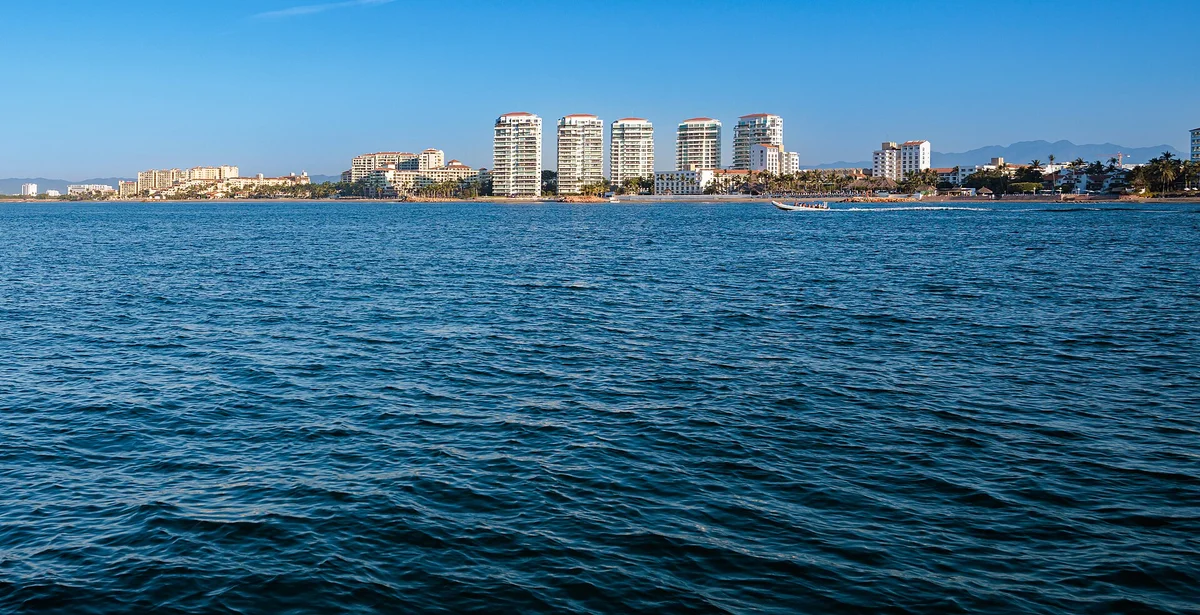
Puerto Vallarta retirement profile
Advantages: Largest American expat population, extensive English-speaking services, international airport, excellent private healthcare, established real estate market, diverse housing options from condos to hillside homes.
Considerations: Higher costs than inland alternatives, tropical humidity, tourism crowds in Zona Romántica, hurricane risk (rare but present).
Property types: Beachfront condos ($200K-600K), hillside homes ($300K-800K), gated communities, downtown walkable apartments.
Lake Chapala/Ajijic retirement profile
Advantages: Perfect year-round climate (68-78°F), lowest cost of living among major expat areas, largest concentration of American retirees outside US, extensive volunteer and social organizations, one hour from Guadalajara airport and medical facilities.
Considerations: No beach access, limited direct flights (connect through Guadalajara), smaller English-speaking business infrastructure than Puerto Vallarta.
Property types: Lakefront homes ($150K-400K), gated communities, downtown Ajijic walkable properties, hillside villas.
Legal residence options for retirees
American retirees living in Mexico long-term need legal residency status beyond tourist visas. Temporary Resident visas allow 1-4 year renewable residence with work restrictions. Permanent Resident visas provide indefinite residence rights with path to Mexican naturalization if desired.
Residency visa comparison
| Visa type | Duration | Income requirement | Benefits | Renewal |
|---|---|---|---|---|
| Tourist | 180 days | None | Property ownership OK | Border run required |
| Temporary Resident | 1-4 years | $2,700+ monthly or $108K+ assets | Legal residence, banking | Renewable 3 times |
| Permanent Resident | Indefinite | $4,500+ monthly or $180K+ assets | No renewals, work rights | None required |
Temporary Resident visa (Residente Temporal)
Income requirement: Demonstrate monthly income of approximately $2,700 USD equivalent for 6 months prior to application, or bank balances averaging $108,000 USD equivalent for 12 months.
Application process: Apply at Mexican consulate in US with financial documentation, background checks, and health requirements. Processing takes 2-8 weeks depending on consulate.
Benefits: Legal residence for up to 4 years (renewable), ability to open Mexican bank accounts, qualify for Mexican healthcare programs, import household goods duty-free.
Restrictions: Cannot work for Mexican employers (investment and property management generally allowed), must maintain financial qualification levels.
Permanent Resident visa (Residente Permanente)
Income requirement: Demonstrate monthly income of approximately $4,500 USD equivalent for 6 months, or bank balances averaging $180,000 USD equivalent for 12 months.
Conversion path: Temporary Residents can convert to Permanent Resident after 4 years, or immediately if they meet Permanent Resident financial requirements.
Benefits: Indefinite residence (no renewals), work authorization, path to Mexican naturalization after 5 years if desired, full access to Mexican social programs.
Property advantages: Permanent Residents can own land directly in some non-restricted zones, though coastal property still requires fideicomiso for all foreigners regardless of residency status.
Medicare and healthcare planning
Medicare does not cover medical services in Mexico except in very limited emergency circumstances. American retirees in Mexico must arrange alternative healthcare coverage through private insurance, Mexican social insurance programs, or self-pay arrangements with healthcare providers.
Healthcare coverage options
Private health insurance: Mexican private health insurance costs 50-70% less than comparable US coverage. International health insurance provides Mexico plus US coverage but at higher cost.
Mexican Social Security (IMSS): Temporary and Permanent Residents can voluntarily join IMSS for comprehensive healthcare coverage. Monthly premiums based on age and income, typically $300-800 monthly for retirees.
Healthcare tourism: Many American retirees use Mexico for routine care and dental work while returning to US for major procedures. Plan travel and insurance coordination carefully.
Self-pay medical care: Mexican private healthcare costs are significantly lower than US rates. Routine doctor visits $30-60, specialist consultations $60-120, prescription drugs 60-80% less than US prices.
Healthcare quality and access
| Service type | Mexico quality | Cost vs US | Availability in expat areas |
|---|---|---|---|
| Routine/primary care | Excellent | 30-40% of US cost | Widely available |
| Specialist care | Very good to excellent | 40-60% of US cost | Good in major cities |
| Emergency care | Good to very good | 20-30% of US cost | Available, language barriers possible |
| Dental care | Excellent | 25-40% of US cost | Major draw for medical tourism |
| Prescription drugs | Comparable | 20-40% of US cost | Widely available |
Language considerations: Many Mexican doctors in expat areas speak English. Medical translators available in major hospitals. Consider Spanish language learning for healthcare communication.
Medical records: Maintain complete US medical records and establish relationships with Mexican healthcare providers early in residence. Coordinate care between US and Mexican providers for ongoing conditions.
Social security and US income continuation
American retirees can receive Social Security benefits while living in Mexico through direct deposit to US or Mexican bank accounts. Benefits continue normally for Mexico residents with few restrictions. Notify Social Security Administration of address changes and foreign residence to maintain proper records.
Social Security continuation mechanics
Direct deposit: Social Security can deposit benefits directly to Mexican bank accounts using international wire transfer systems. Alternatively, maintain US bank account access for Social Security deposits.
Benefit continuation: Social Security benefits continue for Mexico residents without reduction. Mexico has favorable Social Security Administration policies compared to some other countries.
Address notification: Report Mexico address changes to Social Security Administration. Failure to report foreign residence can create benefit delivery problems but typically doesn’t affect benefit amounts.
Medicare enrollment: Americans living abroad can delay Medicare enrollment without penalty if they lack access to Medicare services. Consider Part B enrollment timing carefully for potential future US residence.
Other US retirement income
401k/IRA withdrawals: Retirement account withdrawals continue normally for Mexico residents. US tax withholding applies as usual. Consider tax planning for large withdrawals while Mexican resident.
Pension income: Most US pension systems continue payments to Mexico residents. Verify specific pension plan international payment policies and tax withholding arrangements.
Investment income: Dividends, interest, and capital gains from US investments are taxable in US regardless of Mexico residence. Foreign tax credits may apply if Mexico also taxes this income.
Tax planning: Consult cross-border tax professionals for retirement income optimization strategies considering US worldwide income taxation and potential Mexican tax obligations.
US tax obligations for Mexico retirees
American retirees living in Mexico remain subject to US worldwide income taxation regardless of residency location. Mexico residence doesn’t change US tax filing obligations, though foreign tax credits may reduce double taxation. Social Security, retirement account withdrawals, investment income, and Mexico rental income are all reportable on US tax returns.
Retirement income taxation
Social Security benefits: Partially taxable in US based on total income levels. Mexico residence doesn’t change Social Security taxation. Mexico may also tax Social Security under some circumstances, verify with tax counsel.
Retirement account withdrawals: 401k, IRA, and pension distributions are taxable at ordinary income rates regardless of Mexico residence. Required minimum distributions continue on normal schedules.
Investment income: Dividends, interest, and capital gains from US accounts are fully taxable in US. Foreign tax credits may apply if Mexico taxes same income.
Mexico property rental: Rental income from Mexican property is taxable in US on Schedule E with potential foreign tax credits for Mexican taxes paid. See detailed guidance: US Taxes Mexico Rental Property.
Foreign reporting obligations
| Requirement | Threshold | Applies to Mexico retirees |
|---|---|---|
| FBAR (FinCEN 114) | $10,000+ foreign accounts | Yes, for Mexican bank accounts |
| FATCA (Form 8938) | $50,000+ foreign assets (US residents) | Potentially for Mexican accounts |
| Foreign Earned Income Exclusion | N/A | Does not apply to retirement income |
FBAR requirements: Mexican bank accounts require FBAR reporting if aggregate foreign account balances exceed $10,000. See: FBAR Mexico Real Estate.
FATCA considerations: Mexican bank accounts may require Form 8938 reporting above thresholds. See: FATCA Mexico Property Owners.
Professional guidance: Cross-border tax planning is essential for Mexico retirees with multiple income sources and foreign accounts. Annual tax planning helps optimize US tax obligations while maintaining Mexico compliance.
Property ownership structures for retirees
American retirees use identical property ownership structures as other foreign buyers, primarily fideicomiso bank trusts in restricted coastal zones or direct title ownership in inland areas outside restricted zones. Residency status doesn’t change ownership options but may provide operational advantages.
Residency changes the day-to-day rather than the legal structure, and retirees often expect the opposite. A Temporary or Permanent Resident card does not remove the fideicomiso requirement on a coastal property, and the trust still costs $2,500 to $4,000 to establish plus $500 to $800 a year exactly as it does for a non-resident. What residency does deliver is a working Mexican bank relationship, easier CFE and predial payment, direct participation in HOA votes, and access to local professional services, real operational advantages that matter more over a twenty-year retirement than the structure does.
Fideicomiso for coastal retirement property
Standard structure: Mexican bank holds title as trustee, American retiree holds beneficial interest with use, rent, sell, and inheritance rights.
Setup costs: $2,500-4,000 USD plus annual fees of $500-800 USD regardless of retiree status.
Residency advantages: Temporary and Permanent Residents may have easier banking relationships for fideicomiso administration and property expense management.
Estate planning: Fideicomiso beneficial interests transfer through US estate planning documents (wills, trusts). Mexican probate process generally not required for US beneficiaries.
Direct title options (non-restricted zones)
Inland retirement communities: San Miguel de Allende, Lake Chapala, Querétaro, and other genuinely inland areas beyond 50 km from any coast allow direct foreign ownership with SRE permit and Calvo Clause agreement. Mérida is the common exception to that assumption, its centre measuring roughly 35 km to the Gulf and sitting inside the band.
Residency benefits: Permanent Residents may have simplified direct ownership processes in some locations, though requirements vary by state and municipality.
Estate planning simplification: Direct title ownership may simplify estate planning versus fideicomiso structures, but tax and probate implications vary by specific circumstances.
Property management considerations
Resident advantages: Mexico residents can more easily manage property maintenance, tax compliance, and local relationships versus absentee ownership.
HOA participation: Living in Mexico allows direct participation in homeowner association decisions and community governance that affects property values and lifestyle quality.
Local banking: Resident status facilitates Mexican banking relationships for property expenses, HOA fees, and local financial services.
Professional services: Access to local legal, accounting, and property management services improves with residence status and Spanish language development.
Cost of living analysis for American retirees
Mexico offers significant cost of living advantages for American retirees, with savings of 30-50% in most major expense categories compared to US retirement markets. However, costs vary dramatically by location, lifestyle choices, and healthcare needs. Budget carefully for insurance, travel, and currency fluctuation impacts.
Currency is the risk that a cost-of-living saving conceals. A retiree earning Social Security in dollars and spending pesos captures the 30% to 50% advantage while the peso is weak and loses part of it when the peso strengthens, and peso-denominated costs, HOA, predial, utilities, domestic help, private healthcare, are the majority of a retirement budget in Mexico. A move from 20 to 17 pesos to the dollar raises a $2,000 monthly budget to roughly $2,350 with no change in lifestyle. Build the budget with 20% of headroom rather than at the current rate.
Monthly budget framework by location
| Expense category | Puerto Vallarta | Lake Chapala | San Miguel | Mérida |
|---|---|---|---|---|
| Housing (rent) | $800-2,000 | $500-1,200 | $600-1,500 | $400-1,000 |
| Utilities | $100-200 | $50-150 | $75-175 | $60-120 |
| Food/dining | $400-800 | $300-600 | $350-700 | $250-500 |
| Transportation | $100-300 | $100-250 | $100-300 | $100-200 |
| Healthcare | $200-600 | $150-400 | $200-500 | $150-350 |
| Entertainment | $200-500 | $150-300 | $200-400 | $100-250 |
| Total range | $1,800-4,400 | $1,250-2,900 | $1,525-3,575 | $1,060-2,420 |
Cost comparison considerations
Housing flexibility: Rental costs vary dramatically by neighborhood, amenities, and proximity to expat communities. Many retirees find excellent value in non-tourist areas while maintaining access to English-speaking services.
Healthcare budgeting: Private health insurance and out-of-pocket medical costs are major variables. IMSS participation can reduce healthcare costs significantly for eligible residents.
Currency exposure: Daily expenses in pesos benefit from strong USD periods but create vulnerability during peso strength. Budget 10-15% currency cushion for peso-denominated expenses.
Travel costs: Regular US visits for family, healthcare, or legal obligations add $2,000-8,000 annually depending on frequency and destinations.
Lifestyle inflation: Easy access to domestic help, dining out, and leisure activities can increase expenses beyond initial budgets. Many retirees experience lifestyle improvement without proportional cost increases.
Property investment potential for retirees
Mexico retirement property can serve dual purposes as personal residence and investment asset. Rental income during extended US visits or inheritance planning can offset ownership costs, but retirees should prioritize lifestyle fit over investment returns for primary residence decisions.
Rental income potential during travel
Seasonal rental: Many American retirees spend summers in US (escaping Mexican heat/humidity) while renting properties during high tourist seasons.
Extended travel rental: Month-plus rentals to other expats or snowbirds can generate income during extended US visits for family or healthcare needs.
Property management: Local property management services facilitate rental income generation while protecting retiree properties during absence periods.
Investment performance expectations
| Market segment | Appreciation potential | Rental yield | Liquidity |
|---|---|---|---|
| Puerto Vallarta established neighborhoods | 3-6% annually | 4-8% gross | Good |
| Lake Chapala/Ajijic | 2-5% annually | 3-6% gross | Moderate |
| San Miguel de Allende | 4-7% annually | 4-7% gross | Good |
| Mérida emerging expat areas | 5-9% annually | 5-9% gross | Improving |
Conservative approach: Treat retirement property appreciation and rental income as bonuses rather than required returns. Primary focus should be lifestyle, community, and long-term residence satisfaction.
Estate planning benefits: Mexican property owned by American retirees transfers to heirs through US estate planning processes, potentially providing inheritance value and family vacation property continuation.
Community integration and expat networks
Successful American retirement in Mexico benefits significantly from integration with established expat communities while developing relationships with local Mexican residents. Most major retirement destinations offer extensive English-speaking services, social organizations, and cultural activities designed for American retirees.
Expat community resources
Social organizations: American Legion posts, Rotary clubs, book clubs, hobby groups, volunteer opportunities, and cultural societies exist in all major expat retirement areas.
Religious services: Protestant and Catholic services in English are available in Puerto Vallarta, Lake Chapala, San Miguel, and growing in Mérida and other areas.
Healthcare networks: Expat communities maintain informal networks sharing healthcare provider recommendations, medical tourism experiences, and insurance advice.
Business services: English-speaking real estate agents, attorneys, accountants, contractors, and service providers cater to American retiree communities.
Cultural integration approaches
Spanish language learning: Community colleges, private tutors, and conversation groups help American retirees develop Spanish skills for broader community integration and practical daily needs.
Local involvement: Participating in Mexican community events, supporting local businesses, and developing Mexican friendships enriches retirement experience beyond expat bubble living.
Volunteer opportunities: Teaching English, community development projects, and charitable organizations provide meaningful engagement with local Mexican communities.
Cultural sensitivity: Understanding Mexican customs, holidays, and social norms improves relationships with Mexican neighbors and service providers.
Seasonal balance: Many successful American retirees balance expat community participation with local Mexican community integration rather than choosing exclusively between them.
Long-term planning considerations
American retirees in Mexico should plan for aging in place versus eventual return to US, healthcare escalation needs, estate planning optimization, and family relationship maintenance across borders. Successful Mexico retirement requires flexibility and contingency planning for changing needs over time.
Aging in place planning
Healthcare escalation: Plan for increasing medical needs requiring specialist care, potential US medical travel, and end-of-life care preferences. Mexican healthcare quality is excellent but family proximity preferences vary.
Mobility and housing: Consider single-story housing, accessibility modifications, and proximity to medical facilities as retirement progresses. Many Mexican retirement communities offer continuing care options.
Family support systems: Evaluate long-term family visit patterns, grandchildren relationships, and potential caregiver arrangements involving both US family and Mexican local support.
Financial planning considerations
Currency diversification: Maintain both USD and peso financial resources for operational flexibility. Peso depreciation can significantly impact fixed-income retirees over time.
Estate planning optimization: Coordinate US estate planning with Mexican property ownership, potential Mexican tax obligations, and cross-border asset transfer efficiency.
Long-term care insurance: Evaluate long-term care insurance options covering both US and Mexican care options, or budget for self-pay arrangements in preferred location.
Inflation protection: Mexican inflation can impact cost of living advantages over time. Plan for 3-5% annual inflation in peso-denominated expenses.
Contingency planning
Health-driven US return: Maintain US healthcare relationships, Medicare enrollment strategies, and housing flexibility for potential health-related return to US.
Family emergency access: Budget for emergency US travel, maintain US financial accounts for urgent access, and coordinate Mexican property management during extended US stays.
Legal and financial representatives: Establish power of attorney arrangements covering both US and Mexican affairs, with representatives in both countries for emergency decision-making.
Successful Mexico retirement combines lifestyle enhancement with practical planning for changing needs and circumstances over decades of potential residence.
Who this guide is for
The retiree moving full time. Healthcare access is the binding constraint, not price: Medicare does not travel, so proximity to a private hospital with specialists in whatever you actually need decides the shortlist before climate or cost does. Lake Chapala, Puerto Vallarta and Mérida clear that bar; most beach towns do not.
The snowbird splitting the year. Domicile planning matters more than the property. Where you are tax-resident is decided by days and intent, and a US state with an aggressive residency test can follow you for years after you think you left.
The retiree buying ahead of retiring. Buying five years early means five years of carrying costs and a rental decision, which turns a lifestyle purchase into an investment whether you wanted one or not, price it accordingly.
Frequently Asked Questions
Yes. Thousands of American retirees own Mexico property via fideicomiso bank trusts in coastal areas. The legal structure is well-established with proper counsel. Focus on title verification, independent legal review, and established expat communities rather than nationality concerns.
No. Medicare generally does not cover healthcare services outside the United States. American retirees in Mexico need private health insurance, Mexican IMSS coverage (if eligible), or self-pay arrangements. Plan healthcare costs separately from US Medicare assumptions.
Yes. Americans can receive Social Security benefits while living in Mexico via direct deposit to US or Mexican banks. Benefits continue for Mexico residents except in rare circumstances. Notify Social Security Administration of address changes and foreign residence.
No special visa is required to buy property. For living in Mexico, Temporary Resident and Permanent Resident visas offer legal long-term residence. Temporary Resident requires income/asset demonstration; Permanent Resident allows indefinite residence with property ownership benefits.
Americans remain subject to US worldwide income taxation regardless of Mexico residence. Mexico property income is taxable in US. Foreign Earned Income Exclusion doesn't apply to retirement/investment income. Consult cross-border tax professionals for proper planning.
Puerto Vallarta, Lake Chapala/Ajijic, San Miguel de Allende, Mérida, and parts of Riviera Maya offer established American expat communities, healthcare infrastructure, and cultural amenities. Each serves different climate, cost, and lifestyle preferences.
Often yes for comparable lifestyle quality, but varies significantly by location. Puerto Vallarta condos may cost 40-60% less than similar US coastal markets. However, factor healthcare costs, travel expenses, and currency risks for complete comparison.
Private health insurance (Mexican or international), Mexican Social Security (IMSS) if eligible through residency, private pay medical care, and healthcare tourism for major procedures. Quality care available but requires advance planning and financial preparation.
Get a vetted Mexico shortlist
US and Canadian buyers use this to skip the developer sales deck: tell us the budget and the market, and we come back with 3 to 5 options and the net yield maths behind each one.
Want options matched to your budget and risk profile?
Three questions, one screen. We reply within one business day.
Get a vetted Mexico shortlist