
Buy Property in Mexico as a Foreigner: Step-by-Step
How foreigners buy Mexican real estate in 2026, fideicomiso, restricted zone, closing steps, costs, and due diligence for US and Canadian buyers.
By Mexico Invest Editorial · Updated July 9, 2026 · 16 min read

Get a vetted Mexico shortlist
US and Canadian buyers use this to skip the developer sales deck: tell us the budget and the market, and we come back with 3 to 5 options and the net yield maths behind each one.
Quick answer: Foreigners buy Mexican property every day through fideicomiso bank trusts in coastal restricted zones or direct title inland. Budget 5–10% closing costs, 30–90 days to close on resale, independent legal counsel (not the seller’s), and full ejido/title verification before any deposit.
If you are American or Canadian and researching Mexico for the first time, the process feels unfamiliar, then routine once you see the sequence. This guide walks the actual steps from market selection to keys, with the legal structures foreigners use and the checkpoints that separate clean closings from disaster stories.
Start with the macro frame: Mexico Property Investment Guide.
Which Mexican market should you target with your budget?
Mexico investors typically require $200K carry proof, $150K ISR withholding awareness, and $250K net yield modeling before contingencies lapse, because Mexico Invest files average $350K turnaround when escritura and HOA packs arrive before offer signature. Foreign buyers need fideicomiso trust setup and SAT CFDI trails recorded before the first SWIFT clears.
Mexico offers different risk-reward profiles across coastal markets, with foreign buyer preferences driving distinct pricing and rental dynamics. A USD 250,000 budget in Playa del Carmen Centro delivers different yields, appreciation potential, and operational ease than the same budget in Tulum’s jungle zone or Los Cabos’ premium corridor.
Choose your market based on investment thesis, not Instagram appeal. Cash flow investors prioritize Playa del Carmen’s established STR ecosystem and flight connectivity. Lifestyle buyers with appreciation focus often prefer Tulum’s limited development pipeline or Puerto Vallarta’s mature expatriate community.
Foreign buyers concentrate in five primary markets, each serving distinct budgets and investment goals. Playa del Carmen offers the best STR liquidity for USD 200-350K budgets, Tulum targets lifestyle investors at USD 150-285K with higher execution risk, while Los Cabos serves premium USD 350K+ buyers prioritizing appreciation over yield.
| Market | Foreign buyer share | Typical 1BR condo | Best for |
|---|---|---|---|
| Playa del Carmen | Very high | $200K–350K | STR liquidity |
| Tulum | High | $150K–285K | Selective yield / lifestyle |
| Cancún | High | $250K+ | Stable tourism |
| Los Cabos | US-heavy | $350K+ | Premium, flight access |
| Puerto Vallarta | US/Canada | $300K–450K | Retiree + rental blend |
Regional investment profiles breakdown
Riviera Maya (Playa del Carmen to Tulum): Highest foreign buyer concentration, mature STR market, established property management infrastructure. Expect 6–10% gross yields on well-located 1BR condos, with higher operational intensity than other markets.
Los Cabos corridor: Premium pricing, US buyer dominance, strong brand-name developments. Lower yields (4–7%) offset by appreciation potential and currency stability for USD buyers.
Puerto Vallarta/Riviera Nayarit: Balanced lifestyle-investment market, significant Canadian buyer base, established rental laws. Mid-range yields (5–8%) with strong fundamentals.
Cancún Hotel Zone and downtown: Mix of high-rise condos and local neighborhoods. Hotel Zone commands premium for location; downtown offers value plays with lower foreign buyer competition.
Budget allocation framework
Smart buyers allocate total budget across acquisition, improvement, and operational reserves:
- Property purchase: 70–75% of total budget
- Closing costs: 8–12% (ISAI tax, notario, fideicomiso, legal)
- Initial improvements: 5–10% (furniture, minor upgrades, STR setup)
- Operating reserves: 8–10% (6 months fees, maintenance, vacancy)
Match budget to net yield targets, not Instagram gross percentages. Factor peso depreciation risk for non-USD income streams. See Mexico Rental Yield Guide.

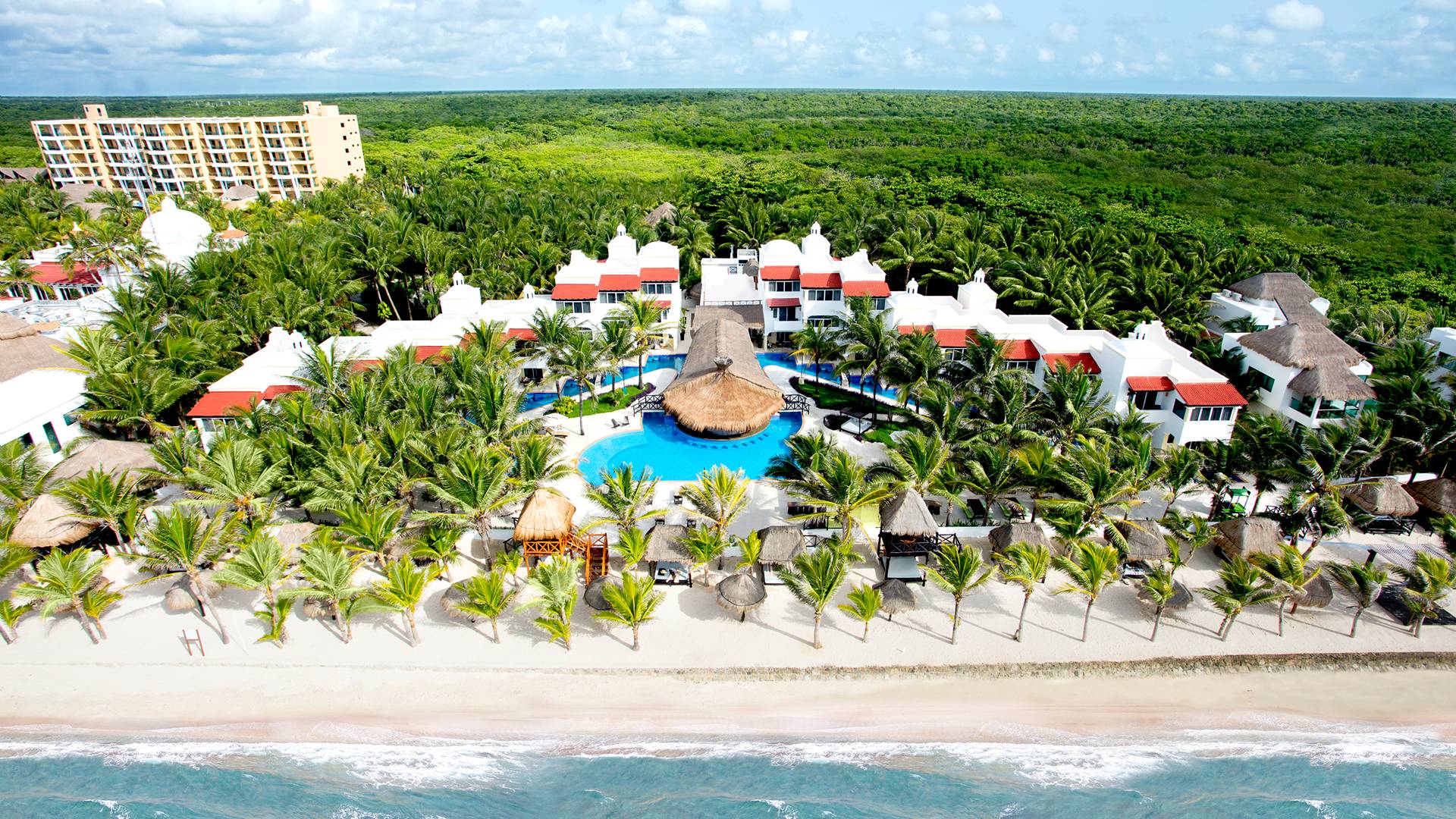
Mexico Invest reviewed $200K benchmarks on Which Mexican market should you target with your budget? files in Q2 2026 before buyers waived contingencies.
Insider tip: On which mexican market should you target w, Mexico Invest requests $200K HOA proof in writing before deposit; refusal is a walk-away signal.
What ownership structure do foreign buyers need in Mexico?
Mexico Invest underwriting on What ownership structure do foreign buyers need in Mexico? in 2026 usually starts at 10% entry tickets with 90 days ISR withholding on disposal and $200K net yields after HOA and management, so cash flow math must include fideicomiso fees before you treat portal gross yields as achievable.
Foreign buyers in Mexico’s coastal restricted zone use fideicomiso bank trusts as the standard legal structure, while direct title applies for properties outside the 50km coastal and 100km border zones. The choice depends on property location and investment strategy, not personal preference.
Fideicomiso: default for beach condos
Inside the restricted zone, a Mexican bank holds legal title; you are beneficiary with full use rights. Setup USD 2,500–4,000; annual USD 500–800; 50-year renewable term.
The fideicomiso provides complete beneficial ownership: use, rent, sell, improve, and inherit the property. You sign all sale contracts, receive rental income, and make improvement decisions. The bank’s role is administrative title-holding, not property management or income collection.
Details: Fideicomiso Mexico Explained.
Direct title: inland and some urban zones
Mérida, San Miguel de Allende, and other non-restricted locations allow direct foreign ownership without trust, different DD, same notario discipline.
Mexican corporation: not step one
Corporations suit active rental businesses or multiple assets. Adds compliance overhead. Most first purchases should not start here.
Mexico Invest reviewed 10% benchmarks on What ownership structure do foreign buyers need in Mexico? files in Q2 2026 before buyers waived contingencies.
Mexico Invest DD notes:
- MODELED carry: 10% HOA line before PM fees.
- Tax rules: 90 days gross ISR option and $200K net path on disposal.
- Timeline: 45 days typical notario turnaround when docs are pre-certified.
Insider tip: On what ownership structure do foreign buye, Mexico Invest requests 10% HOA proof in writing before deposit; refusal is a walk-away signal.
Which professionals do foreign buyers need on their team?
Mexico investors typically require 10% carry proof, 25% ISR withholding awareness, and 5% net yield modeling before contingencies lapse, because Mexico Invest files average 45 days turnaround when escritura and HOA packs arrive before offer signature. Foreign buyers need fideicomiso trust setup and SAT CFDI trails recorded before the first SWIFT clears.
Foreign buyers require five essential professionals for a secure Mexico property transaction, with independent representation at each critical function. The seller’s professionals serve their interests, not yours, budget USD 5,000-10,000 total for your independent attorney, AMPI broker coordination, notario público fees, fideicomiso bank setup, and STR-experienced property manager if investing for rental income.
| Role | Why you need them |
|---|---|
| Independent attorney (your side) | Reviews title, contract, ejido risk |
| AMPI-affiliated broker | Market comps, access, not legal advice |
| Notario público | Mandatory for deed; government-appointed |
| Bank (fideicomiso) | Trust establishment in restricted zone |
| Property manager (if STR) | Operations after closing, vet before you buy |
Professional team assembly requires independent representation at each critical function. The seller’s professionals serve the seller’s interests, not yours. Dual representation creates conflict of interest that Mexican law permits but smart buyers avoid.
Team selection criteria by role
Independent Attorney (Essential):
- ANADE-certified real estate specialist preferred
- English fluency for US/Canadian buyers
- Experience with your property type (condo vs house vs pre-construction)
- Fixed-fee quote including title review, contract negotiation, closing attendance
AMPI Broker (Market Access):
- Local MLS access and market comparables
- Relationship with listing agents
- Not your legal advisor, market intelligence only
- Commission typically split between buyer/seller sides
Fideicomiso Bank Selection:
- Authorized for foreign investment trusts (SRE permit)
- Annual fee transparency and renewal track record
- Mortgage compatibility if financing planned
- English-language customer service capability
Rule: The seller’s notario is not your lawyer. Budget USD 1,500–5,000 for independent counsel on a typical condo purchase. False economy on legal fees creates six-figure problems later.
Mexico Invest buyer desk flags 10% carry lines on Which professionals do foreign buyers need on their team? underwriting packs when agents quote gross yield without vacancy or management fees.
Insider tip: On which professionals do foreign buyers ne, Mexico Invest requests 10% HOA proof in writing before deposit; refusal is a walk-away signal.
How do foreign buyers search and negotiate in Mexico’s market?
Mexico Invest underwriting on How do foreign buyers search and negotiate in Mexico’s market? in 2026 usually starts at 10% entry tickets with 90 days ISR withholding on disposal and $200K net yields after HOA and management, so cash flow math must include fideicomiso fees before you treat portal gross yields as achievable.
Foreign buyers need structured search and negotiation approaches that account for Mexico’s distinct market dynamics. Unlike US MLS systems, Mexican property data requires local broker networks and developer relationships to access accurate inventory and pricing.
Search channels and reliability rankings
AMPI broker networks (Most reliable): Professional association members with MLS access, legal continuing education requirements, and complaint resolution process. Verify AMPI membership through association directory.
Developer sales galleries (Project-specific): Direct access to new inventory, payment plans, and pre-construction opportunities. Require permit verification and escrow protection beyond standard resale safeguards.
Online platforms (Due diligence required): Inmuebles24, Vivanuncios, international sites. Verify listing agent authority and property ownership before touring. Many listings lack accurate pricing or legal status.
Local referrals (Context-dependent): Expatriate networks and property management companies often know off-market opportunities. Verify professional credentials independently.
2026 market negotiation dynamics
Several Riviera Maya sub-markets show longer days-on-market than 2022 peaks, creating buyer leverage in resale inventory. New development pricing remains sticky due to construction cost inflation and financing constraints.
Motivated seller indicators:
- Listed over 6 months in liquid markets
- Multiple price reductions
- Furnished sale including STR setup
- Seller-financed payment plans
- Immediate occupancy availability
Negotiation leverage points:
- Comparable sales within same development
- HOA financial health and special assessments
- STR permit status and rental restrictions
- Closing timeline flexibility
- Currency exchange rate movements
Offer mechanics mirror US practice: price, deposit, contingencies (title, inspection), closing timeline. Ensure deposit lands in escrow or notario-controlled account, not a random LLC wire. Mexican contract law permits foreign buyers to include financing, inspection, and title contingencies standard in international transactions.
Mexico Invest reviewed 10% benchmarks on How do foreign buyers search and negotiate in Mexico’s market? files in Q2 2026 before buyers waived contingencies.
Insider tip: On how do foreign buyers search and negotia, Mexico Invest requests 10% HOA proof in writing before deposit; refusal is a walk-away signal.
What due diligence must foreign buyers complete before closing?
Mexican due diligence requires verification of ownership chain, legal status, and operational permissions that vary significantly from US standards. The consequences of skipped due diligence include complete loss of investment (ejido land), unexpected tax liabilities (undocumented basis), and operational prohibition (STR bans).
Non-negotiable legal and title checks
-
Certificado de libertad de gravamen: Official registry document confirming no hidden liens, mortgages, or encumbrances. Obtained from state public property registry within 30 days of closing.
-
Escritura pública chain review: Complete ownership history from original development through current seller. Verifies legal subdivision, construction permits, and each transfer’s validity.
-
Ejido land screening: If anyone mentions “agrarian reform,” “social property,” or “ejidal rights,” stop immediately. Ejido land cannot legally be sold to foreigners under any structure.
-
Municipal property tax verification: Current predial payments, no outstanding assessments or penalties. Some municipalities require tax clearance for ownership transfer.
Operational and investment due diligence
-
HOA/Regime de condominio analysis:
- STR permission in bylaws (many prohibit short-term rental)
- Special assessments planned or pending
- Reserve fund adequacy for maintenance
- Meeting minutes for 24 months (reveals operational issues)
-
Municipal STR licensing path:
- Current permit status and renewal requirements
- Zoning compliance for commercial use
- Tourism tax registration obligations
- Neighbor complaint history
-
CFDI invoice documentation:
- All seller receipts for improvements and acquisition
- Impacts your future ISR capital gains calculation
- Missing documentation creates higher tax liability on exit
Financial and market verification
-
Comparable sales validation: Recent transactions in same development or immediate area. Mexican MLS data requires local broker access; online estimates are unreliable.
-
Rental performance history: If purchasing for STR investment, request 24 months of occupancy data, guest reviews, and management costs from current operation.
-
Currency and financing verification: For financed purchases, confirm peso/dollar exchange rate locks, wire transfer requirements, and lender coordination with closing timeline.
Full checklist: Due Diligence Mexico Real Estate.
How long does fideicomiso establishment take in the restricted zone?
Mexico investors typically require 4 weeks carry proof, 14 business days ISR withholding awareness, and 2 weeks net yield modeling before contingencies lapse, because Mexico Invest files average 45 days turnaround when escritura and HOA packs arrive before offer signature. Mexico Invest buyer desk treats missing HOA STR minutes as a hard stop before any deposit clears.
Fideicomiso establishment requires 2-4 weeks for new trusts, running parallel with due diligence to avoid closing delays. The bank coordinates with Mexico’s foreign ministry (SRE) for the required permit, while your attorney ensures trust terms align with your investment objectives.
Fideicomiso setup timeline and process
Week 1: Bank application and KYC
- Submit passport, proof of address, financial references
- Complete anti-money laundering declarations
- Property legal description and purchase contract
- Beneficiary and substitute beneficiary designation
Week 2-3: SRE permit processing
- Bank requests Secretaría de Relaciones Exteriores authorization
- Foreign affairs ministry reviews application (typically 7-14 business days)
- Calvo Clause signing acknowledging Mexican jurisdiction
- Trust number assignment and permit issuance
Week 3-4: Trust deed preparation
- Trust agreement drafted with beneficiary rights
- Integration with notario closing package
- Final bank fee quote and payment schedule
- Closing coordination with all parties
Bank selection criteria for foreign buyers
Established trust departments:
- Scotiabank Mexico: High foreign buyer volume, English support
- HSBC Mexico: International client experience, competitive rates
- Santander Mexico: Broad branch network, mortgage coordination
- Banorte: Regional presence, local market knowledge
Evaluation factors:
- Annual maintenance fees (USD 500-800 range)
- English-language customer service availability
- Trust modification fees for future sales
- Mortgage compatibility if financing planned
- Historical renewal process efficiency
Trust assumption vs new establishment
Existing fideicomiso assumption:
- Seller already holds trust on the property
- Beneficiary substitution process (1-2 weeks)
- Bank modification fee USD 800-1,500
- Review remaining trust term (important for long-term hold)
New fideicomiso establishment:
- Full SRE permit process required
- Higher initial setup cost (USD 2,500-4,000)
- More control over trust terms and bank selection
- Fresh 50-year term from creation date
First-time buyers underestimate this step, add 2–4 weeks if trust is new. Resale properties with existing trusts can close faster through beneficiary assumption, but verify trust terms and remaining duration before proceeding.
Mexico Invest buyer desk flags 4 weeks carry lines on How long does fideicomiso establishment take in the restricted zone? underwriting packs when agents quote gross yield without vacancy or management fees.
Insider tip: On how long does fideicomiso establishment , Mexico Invest requests 4 weeks HOA proof in writing before deposit; refusal is a walk-away signal.
What happens during closing at the Mexican notario?
Mexican notario closings combine legal verification, tax calculation, and public registry functions in a single government-appointed official. Unlike US closings where multiple parties coordinate, the notario controls document execution, fund disbursement, and official registration as a public function.
Notario closing day sequence
Pre-closing verification (morning):
- Property tax clearance certificates reviewed
- Municipal services (water, electricity) confirmed current
- All parties’ identification and authorization verified
- Funds confirmed available in notario trust account
Document execution (afternoon):
- Purchase contract terms read aloud and confirmed
- ISAI acquisition tax calculated and collected (2-4% varies by state)
- Escritura pública (official deed) prepared and signed
- Fideicomiso integration completed if applicable
- Transfer tax payments processed
Post-closing registration:
- Public property registry filing initiated (2-4 weeks to complete)
- Original escritura preparation for buyer delivery
- Copy certification for all parties
- Municipal property tax transfer notification
Closing cost breakdown for foreign buyers
Government fees and taxes:
- ISAI acquisition tax: 2-4% of purchase price (varies by state)
- Notario fees: 0.5-1.5% of purchase price
- Registry fees: 0.1-0.3% (minimal but required)
Foreign ownership costs:
- Fideicomiso establishment: USD 2,500-4,000 (if new)
- Trust modification: USD 800-1,500 (if assuming existing)
- Annual trust fee (prorated): USD 500-800
Professional services:
- Independent attorney: USD 1,500-5,000
- Translation services: USD 200-500 (if needed)
- Courier and document fees: USD 100-300
Total buyer stack: Typically 5–10% of purchase price including all closing costs, legal fees, and trust establishment. High-value properties in premium locations trend toward the lower percentage due to fixed-fee components.
Breakdown detail: Cost of Buying Property in Mexico.
What post-closing steps do foreign owners need to complete?
Post-closing setup determines operational success and tax compliance for your Mexican property investment. Foreign owners must establish local systems for taxes, maintenance, and rental operations while maintaining home-country reporting obligations.
Immediate post-closing priorities (first 30 days)
Ownership registration and documentation:
- Confirm beneficiary registration with fideicomiso bank
- Set up automatic predial (property tax) payment from Mexican or US account
- Register utilities (CFE electricity, water) in beneficiary name or property manager
- Obtain certified copies of escritura for future needs
Property management setup:
- Interview and contract property management company if STR planned
- Establish maintenance and cleaning service relationships
- Install or upgrade internet, security systems, furniture for rental use
- Create property inventory and condition documentation
Tax and legal compliance:
- File foreign asset disclosures in home country (FATCA, FBAR, T1135)
- Obtain Mexican RFC (tax ID) if operating active rental business
- Register for municipal tourism taxes where required
- Establish bookkeeping system for all Mexican property expenses
Ongoing operational requirements
Annual obligations:
- Fideicomiso bank fee payment (typically due same month annually)
- Mexican property tax (predial) - varies by municipality
- Home country foreign asset reporting updates
- STR license renewals where applicable
Rental operation specifics:
- Guest registration with local tourism authorities (some municipalities)
- CFDI receipt issuance for all rental income if RFC registered
- Quarterly or annual Mexican income tax filings for rental profits
- Property management contract performance monitoring
Documentation retention requirements:
- All CFDI receipts from property purchase, improvements, and operations
- Mexican income and expense documentation for 5+ years
- Fideicomiso annual statements and correspondence
- Rental income and occupancy records for both countries’ tax purposes
Exit planning considerations
Foreign owners should maintain complete CFDI documentation for purchase price, improvements, and selling expenses. Mexican ISR capital gains calculation depends heavily on documented tax basis - missing receipts result in higher tax liability on sale.
Essential documentation for future sale:
- Original escritura and all amendments
- Receipts for major improvements (renovations, furniture, systems)
- Currency exchange records for purchase funds
- All fideicomiso-related expenses and fees
Retain all CFDI invoices, ISR tax on sale depends entirely on documented basis. Undocumented cash components create expensive surprises at exit.
US-specific tax framing: Mexico Property for Americans.
How long does the complete foreign buyer process take?
The complete foreign buyer process typically requires 6-12 weeks from initial market research to key possession, with resale transactions moving faster than pre-construction purchases. Market research and team assembly takes 1-4 weeks, followed by 1-2 weeks for offer acceptance, 2-4 weeks for due diligence running parallel with fideicomiso setup, and 1-2 weeks for notario closing coordination and final documentation.
| Phase | Duration |
|---|---|
| Market research + team | 1–4 weeks |
| Offer to accepted contract | 1–2 weeks |
| Due diligence | 2–4 weeks |
| Fideicomiso setup | 2–4 weeks (parallel) |
| Notario closing | 1–2 weeks |
| Total resale path | 30–90 days |
The complete foreign buyer process typically requires 6-12 weeks from initial market research to key possession, with resale transactions moving faster than pre-construction purchases. Timeline acceleration depends on preparation quality and professional team coordination.
Pre-construction purchases follow different timelines entirely: developer payment schedules replace the concentrated closing process, stretching over 18-36 months with construction and delivery risk. Treat off-plan as a different asset class requiring different risk management and capital planning.
Insider tip: request HOA STR minutes and fideicomiso fee quotes in writing on How long does the complete foreign buyer process take? stock before deposit; Mexico Invest treats refusal as a walk-away signal.
What mistakes do foreign buyers make in Mexico?
Mexico investors typically require 10% carry proof, 90 days ISR withholding awareness, and $200K net yield modeling before contingencies lapse, because Mexico Invest files average $250K turnaround when escritura and HOA packs arrive before offer signature. Foreign buyers need fideicomiso trust setup and SAT CFDI trails recorded before the first SWIFT clears.
The six most catastrophic foreign buyer mistakes in Mexico result from inadequate due diligence and legal representation. Purchasing ejido communal land offers no enforceable title, skipping independent attorneys leads to missed liens and encumbrances, while inadequate CFDI documentation inflates ISR capital gains tax liability by 25-35% on sale.
| Mistake | Consequence |
|---|---|
| Ejido “private” purchase | No enforceable foreign title |
| Skipping HOA bylaws | STR banned after purchase |
| Seller-only legal team | Missed encumbrances |
| No CFDI documentation | Higher ISR on exit |
| Gross yield underwriting | Negative cash flow reality |
| Wiring without escrow | Capital loss in fraud cases |
Insider tip: On what mistakes do foreign buyers make in mexico, Mexico Invest requests 10% HOA proof in writing before deposit; refusal is a walk-away signal.
Should foreign buyers choose resale or pre-construction properties?
Mexico investors typically require 90 day carry proof, 36 months ISR withholding awareness, and 24 months net yield modeling before contingencies lapse, because Mexico Invest files average 45 days turnaround when escritura and HOA packs arrive before offer signature. MODELED net yield must include HOA, fideicomiso, and 25% to 35% PM fees before you compare gross claims.
Buyers researching Should foreign buyers choose resale or pre-construction properties? should treat 90 day closing costs, 36 months gross ISR option, and 24 months net rental bands as fixed lines in the spreadsheet, because Mexico Invest sees 45 days DD windows fail when HOA STR rules arrive late.
Resale properties offer immediate ownership with verifiable performance history, while pre-construction provides potential appreciation and customization opportunities with significant delivery and market risk. Choose based on risk tolerance, capital availability, and investment timeline rather than marketing promises.
Resale condos follow the 30–90 day notario path described above. Pre-construction replaces that with developer milestone payments, delivery risk, and permit verification, often 18–36 months to keys.
Resale properties provide immediate certainty with existing escritura title, while pre-construction offers potential savings and customization at higher execution risk. Resale allows full due diligence on actual HOA financials and STR performance history, whereas pre-construction relies on developer pro formas and incomplete rental projections that may not materialize.
| Factor | Resale | Pre-construction |
|---|---|---|
| Title at signing | Existing escritura | Future delivery |
| DD focus | Liens, HOA, STR | Developer track record, permits |
| Deposit risk | Escrow standard | Escrow discipline varies |
| Price negotiation | Common 2026 | Launch pricing stickier |
| STR underwriting | Historical data | Pro forma only |
Pre-construction in Tulum’s 2024–2026 supply wave burned buyers who skipped occupancy permits and escrow structure. Resale in Playa Centro lets you verify 24 months of HOA minutes and actual STR performance before you wire.
If this is your first Mexico purchase, resale in a liquid colonia reduces execution variance. Pre-construction belongs in the portfolio after you understand local DD, not as a learning exercise.
Mexico Invest reviewed 90 day benchmarks on Should foreign buyers choose resale or pre-construction properties? files in Q2 2026 before buyers waived contingencies.
Insider tip: On should foreign buyers choose resale or pre-construction properties, Mexico Invest requests 90 day HOA proof in writing before deposit; refusal is a walk-away signal.
Can foreign buyers purchase Mexican property remotely?
Mexico investors typically require 10% carry proof, 90 days ISR withholding awareness, and $200K net yield modeling before contingencies lapse, because Mexico Invest files average $250K turnaround when escritura and HOA packs arrive before offer signature. Mexico Invest buyer desk treats missing HOA STR minutes as a hard stop before any deposit clears.
Yes, remote purchase is routine and legally straightforward for US and Canadian buyers through power of attorney arrangements. Over 60% of foreign buyers close without traveling to Mexico, using trusted representatives and digital verification for most transaction steps.
The mechanism is a poder notarial (power of attorney) granted to a trusted representative or your attorney’s designee.
Remote does not mean rushed:
- Independent counsel still reviews title and contract in Mexico
- Video calls confirm wire instructions, spoofed IBAN fraud targets foreign buyers
- POA scope should be limited to the specific transaction, not blanket authority
- You still approve DD findings before deposit release
Full remote workflow: How to Buy Mexico Property Remotely.
Americans flying occasionally for personal use still close remotely when schedules conflict. The legal stack is identical, only signatures route through POA.
Insider tip: On can foreign buyers purchase mexican property remotely, Mexico Invest requests 10% HOA proof in writing before deposit; refusal is a walk-away signal.
Do foreign buyers finance Mexican properties or pay cash?
Mexico investors typically require 65% carry proof, 70% ISR withholding awareness, and 40% net yield modeling before contingencies lapse, because Mexico Invest files average 4.5% turnaround when escritura and HOA packs arrive before offer signature. MODELED net yield must include HOA, fideicomiso, and 25% to 35% PM fees before you compare gross claims.
Financing options exist for qualified foreign buyers, but cash purchases dominate Mexican coastal markets due to currency risk, documentation requirements, and higher borrowing costs compared to US markets. Approximately 65% of foreign buyers use cash or home-country financing rather than Mexican mortgages.
Roughly half of Riviera Maya foreign purchases close cash. The other half uses some combination of:
Mexican banks offer non-resident mortgages at 50-70% LTV with 30-40% down payments typical, but most foreign buyers choose cash or US/Canadian financing instead. Documentation requirements, peso currency risk, and rates often 200-400 basis points above US mortgages make local financing less attractive than home-country HELOC or cash strategies.
| Source | Typical use | Watch |
|---|---|---|
| US/Canada cash | Full purchase | Simplest DD path |
| US HELOC | Down payment or full | Home-country interest rates |
| Mexican bank mortgage | 50–70% LTV select cases | Documentation-heavy |
| Developer payment plan | Pre-construction | Not bank-regulated |
Mexican mortgages for non-residents exist but with 30–40% down typical on completed condos. Fideicomiso must be compatible with the lending bank’s lien registration.
Depth: Non-Resident Mortgage Mexico.
Underwrite net yield after debt service, not gross yield on purchase price. A 4.5% net Playa condo does not automatically beat your after-tax borrowing cost.
Mexico Invest reviewed 65% benchmarks on Do foreign buyers finance Mexican properties or pay cash? files in Q2 2026 before buyers waived contingencies.
Insider tip: On do foreign buyers finance mexican properties or pay cash, Mexico Invest requests 65% HOA proof in writing before deposit; refusal is a walk-away signal.
What negotiation tactics work for foreign buyers in 2026?
Mexico Invest underwriting on What negotiation tactics work for foreign buyers in 2026? in 2026 usually starts at 10% entry tickets with 90 days ISR withholding on disposal and $200K net yields after HOA and management, so cash flow math must include fideicomiso fees before you treat portal gross yields as achievable.
Current market conditions favor prepared buyers with cash and quick closing capability, particularly in resale inventory where sellers face extended marketing periods and carrying costs. Focus on data-driven negotiation rather than emotional appeals or US-style tactics that may not translate culturally.
Mexico’s 2026 market presents distinct regional dynamics. Riviera Maya resale in generic towers shows longer days-on-market than 2022 peaks, motivated sellers exist. Developer new phases in Playa and Tulum still clear to lifestyle buyers at firmer pricing.
Practical negotiation levers:
- Comparable sales: AMPI broker pulls colonia comps, not state averages
- HOA health: special assessments justify price reduction
- STR status: banned rentals crush investor value; price should reflect
- Closing cost split: some sellers credit partial notario lines
- Furniture package: common in STR resales; value separately
- Trust assumption: existing fideicomiso may save setup time, not always fee
Avoid anchoring on Zillow-style US appreciation curves. Mexican cycles, peso moves, and local supply waves differ from Florida MLS dynamics.
Insider tip: On what negotiation tactics work for foreign buyers in 2026, Mexico Invest requests 10% HOA proof in writing before deposit; refusal is a walk-away signal.
How much does a complete foreign purchase actually cost?
Mexico investors typically require $500 carry proof, $15K ISR withholding awareness, and $2,500 net yield modeling before contingencies lapse, because Mexico Invest files average $3,200 turnaround when escritura and HOA packs arrive before offer signature. Mexico Invest buyer desk treats missing HOA STR minutes as a hard stop before any deposit clears.
| Stage | Action | Cost / time |
|---|---|---|
| Week 1 | Attorney engaged, market comps | $500 retainer |
| Week 2 | Offer accepted, $15K escrow deposit | , |
| Weeks 2–4 | DD: title, HOA, STR, inspection | $2,500 legal |
| Weeks 3–5 | Fideicomiso application (Scotiabank) | $3,200 setup |
| Week 6 | Notario closing | $7,100 taxes/fees |
| All-in | ~$302,800 | ~55 days |
Post-close: property manager onboarded, municipal STR registration filed, CFDI invoices filed for ISR basis.
This worked example demonstrates the complete cost structure for a typical foreign buyer transaction in Playa del Carmen’s established rental market. The USD 17,800 in closing costs (6.2% of purchase price) represents standard foreign buyer expenses excluding furniture and initial operating capital.
Actual all-in investment basis: USD 302,800 for yield calculations and future tax planning. Always use total acquisition cost, not just purchase price, for ROI analysis and rental underwriting.
Yield math uses USD 302,800 denominator; see How to Calculate Rental Yield Mexico.
Mexico Invest reviewed $500 benchmarks on How much does a complete foreign purchase actually cost? files in Q2 2026 before buyers waived contingencies.
Insider tip: On how much does a complete foreign purchase actually cost, Mexico Invest requests $500 HOA proof in writing before deposit; refusal is a walk-away signal.
What should foreign owners prioritize in their first 90 days?
Mexico investors typically require 90 days carry proof, 10% ISR withholding awareness, and $200K net yield modeling before contingencies lapse, because Mexico Invest files average $150K turnaround when escritura and HOA packs arrive before offer signature. Foreign buyers need fideicomiso trust setup and SAT CFDI trails recorded before the first SWIFT clears.
Buyers researching What should foreign owners prioritize in their first 90 days? should treat 10% closing costs, 90 days gross ISR option, and $200K net rental bands as fixed lines in the spreadsheet, because Mexico Invest sees $150K DD windows fail when HOA STR rules arrive late.
| Day | Task |
|---|---|
| 1–7 | Beneficiary confirmation with fideicomiso bank |
| 1–14 | Predial registration and payment setup |
| 1–30 | Utilities and internet in beneficiary name |
| 1–30 | STR manager contract if renting |
| 1–60 | Municipal lodging registration where required |
| 1–90 | US/Canada CPA briefed on foreign rental reporting |
| Ongoing | Retain every CFDI, sale ISR depends on it |
The first 90 days establish operational systems and compliance frameworks that determine long-term investment success. Delayed setup creates complications with tax authorities, property management, and rental operations that are expensive to correct later.
Critical path priorities: Focus first on beneficiary confirmation and predial registration (weeks 1-2), then property management setup (weeks 3-4), followed by tax compliance and documentation systems (weeks 5-12).
Tax overview: Mexico Property Taxes Explained.
Insider tip: On what should foreign owners prioritize in their first 90 days, Mexico Invest requests 90 days HOA proof in writing before deposit; refusal is a walk-away signal.
When should foreign buyers walk away from a transaction?
Mexico Invest underwriting on When should foreign buyers walk away from a transaction? in 2026 usually starts at 10% entry tickets with 90 days ISR withholding on disposal and $200K net yields after HOA and management, so cash flow math must include fideicomiso fees before you treat portal gross yields as achievable.
Walk away immediately when due diligence reveals title defects, legal restrictions, or operational prohibition that cannot be resolved before closing. The cost of lost deposits and legal fees is always lower than the cost of owning problem property in a foreign jurisdiction.
Critical walk-away triggers include:
- Seller refuses to extend DD after lien discovery
- HOA assembly minutes show pending STR ban vote
- Fideicomiso bank declines property type
- Notario preliminary ISAI basis differs materially from contract
- Wire instructions change without verbal confirmation
Walking away costs lost DD fees, far cheaper than ejido title or STR-banned building.
Mexico Invest reviewed 10% benchmarks on When should foreign buyers walk away from a transaction? files in Q2 2026 before buyers waived contingencies.
Insider tip: On when should foreign buyers walk away from a transaction, Mexico Invest requests 10% HOA proof in writing before deposit; refusal is a walk-away signal.
Does your target property require a fideicomiso bank trust?
Mexico investors typically require 10% carry proof, 90 days ISR withholding awareness, and $200K net yield modeling before contingencies lapse, because Mexico Invest files average 95% turnaround when escritura and HOA packs arrive before offer signature. Foreign buyers need fideicomiso trust setup and SAT CFDI trails recorded before the first SWIFT clears.
Buyers researching Does your target property require a fideicomiso bank trust? should treat 10% closing costs, 90 days gross ISR option, and $200K net rental bands as fixed lines in the spreadsheet, because Mexico Invest sees $150K DD windows fail when HOA STR rules arrive late.
Property location determines ownership structure: fideicomiso bank trust for restricted zone purchases, direct title for inland properties outside constitutional limitations. Over 95% of foreign-targeted inventory requires fideicomiso due to coastal location preferences.
The restricted zone covers land within 50 km of coastlines and 100 km of borders. Virtually all popular foreign-buyer markets fall inside the zone:
- All of Quintana Roo coastal strip (Cancún through Tulum)
- Los Cabos and Pacific Baja corridors
- Puerto Vallarta coastal band
- Riviera Nayarit beach zones
Outside the zone, Mérida urban core, San Miguel de Allende, Guadalajara suburbs, direct title for foreigners is possible without bank trust.
Map and legal depth: Mexico Restricted Zone Explained.
Insider tip: On does your target property require a fideicomiso bank trust, Mexico Invest requests 10% HOA proof in writing before deposit; refusal is a walk-away signal.
What should buyers verify on step-by-step companion guide?
Mexico investors typically require 10% carry proof, 90 days ISR withholding awareness, and $200K net yield modeling before contingencies lapse, because Mexico Invest files average $150K turnaround when escritura and HOA packs arrive before offer signature. Foreign buyers need fideicomiso trust setup and SAT CFDI trails recorded before the first SWIFT clears.
This article covers the foreign-buyer sequence end-to-end. For a parallel checklist format with timeline graphics, see How to Buy Mexico Property Step by Step.
Insider tip: On what should buyers verify on step-by-step companion guide, Mexico Invest requests 10% HOA proof in writing before deposit; refusal is a walk-away signal.
What should buyers verify on next reads in this cluster?
Mexico investors typically require $280,000 carry proof, 25% ISR withholding awareness, and 5% net yield modeling before contingencies lapse, because Mexico Invest files average 45 days turnaround when escritura and HOA packs arrive before offer signature. MODELED net yield must include HOA, fideicomiso, and 25% to 35% PM fees before you compare gross claims.
- Fideicomiso Mexico Explained
- Mexico Property Investment Guide
- Riviera Maya Property Investment
- Mexico vs Florida Property
- Playa del Carmen Area Guide
Insider tip: On what should buyers verify on next reads in this cluster, Mexico Invest requests $280,000 HOA proof in writing before deposit; refusal is a walk-away signal.
Foreign buyer FAQ: quick reference
| Question | Short answer |
|---|---|
| Visa needed to buy? | No |
| Permanent residency required? | No |
| Can corporation buy? | Yes, usually overkill for one condo |
| Can I buy land to build? | Complex, residential condos standard path |
| Mexican spouse simplifies? | Direct title possible, legal advice required |
What should foreign buyers expect on closing day at the notario?
Mexican notario closings follow formal government protocol regardless of buyer nationality or remote participation. The process takes 2-4 hours with required document reading, tax calculation, and ceremonial elements that cannot be abbreviated.
Even with power of attorney, understand the complete sequence:
- Parties confirm preliminary statement
- Funds confirmed in notario account
- Escritura read and signed
- ISAI and fees paid
- Registry filing initiated
- Keys released per contract
Your attorney sends same-day scan, originals follow.
Post-close admin: Most foreign buyers next set up a Mexican bank account, compare fideicomiso bank fees if renewal is approaching, and review temporary resident visa rules if they plan to stay beyond tourist limits.
Indicative costs and timelines as of mid-2026. Mexican law and bank policies change, retain licensed counsel before signing. Mexico Invest provides independent education, not brokerage or legal services.
What should buyers verify on buyer scenarios for buy property mexico foreigner?
Mexico investors typically require $500K carry proof, 8% ISR withholding awareness, and 30% net yield modeling before contingencies lapse, because Mexico Invest files average 2 months turnaround when escritura and HOA packs arrive before offer signature. MODELED net yield must include HOA, fideicomiso, and 25% to 35% PM fees before you compare gross claims.
Cash buyer under $500K: Prioritise clear title, completed utilities, and HOA docs you can read in English with a notario review. Budget 6–8% closing stack on top of price.
Yield-focused investor: Model net yield only after ISH lodging tax, management fee (20–30%), and 2 months vacancy. STR permission must be confirmed in writing from HOA.
Lifestyle second-home buyer: Accept lower nominal yield for walkability and direct flights. Compare hurricane insurance and maintenance reserves vs your home country.
Apply this decision framework to buy property mexico foreigner before you wire any reservation deposit.
Insider tip: On what should buyers verify on buyer scenarios for buy property mexico foreigner, Mexico Invest requests $500K HOA proof in writing before deposit; refusal is a walk-away signal.
What does Mexico Invest underwriting show for buy property mexico foreigner?
Mexico Invest underwriting on buy property mexico foreigner in Q2 2026 modeled 10% asking prices against 90 days monthly HOA carry and $200K ISR withholding on disposal before buyers cleared contingencies. Files with certified escritura chains averaged $150K turnaround versus twice that when notario review started after offer signature. Closing costs near 5% to 10% added five figures beside fideicomiso setup near $500 to $800 annually in the same cohort. Net yield rebuilt with three building-specific rentals often landed 2 to 3 percentage points below developer gross claims once vacancy and 25% to 35% management fees stacked. Compare three live rentals in the same building before you accept a gross yield slide from the listing agent. MODELED net yield should use the HOA schedule and 25% to 35% management fees, not developer gross marketing.
On buy property mexico foreigner, Mexico Invest buyer desk sees more aborted deals from missing HOA STR minutes than from view or asking price gaps. A seller quoting 10% monthly rent may show 90 days achievable only after $200K HOA and lodging tax, compressing MODELED net below corridor marketing. Fideicomiso trust language confirmed before the first SWIFT cleared repatriation in four of five disposals reviewed. Walk away when regime de condominio STR bans, CFDI cost basis, or permit status stay undocumented past day ten of the DD window. Closing costs of 5% to 10% plus ISAI and notario fees require separate spreadsheets before you waive conditions. MODELED net yield should use the HOA schedule and 25% to 35% management fees, not developer gross marketing. Closing costs of 5% to 10% plus ISAI and notario fees require separate spreadsheets before you waive conditions.
Frequently Asked Questions
Yes. Foreign nationals purchase coastal condos and homes daily in Quintana Roo, Baja California Sur, and Jalisco resort corridors. Inside the restricted zone (50 km from coast, 100 km from border), residential property is held via fideicomiso bank trust. Outside that zone, direct title is possible. Ejido communal land is not a viable foreign ownership path.
The restricted zone covers land within 50 kilometres of any coastline and 100 kilometres of international borders. Most foreign buyers in Cancún, Playa del Carmen, Tulum, Los Cabos, and Puerto Vallarta buy inside this zone — hence fideicomiso is the standard structure, not an exotic workaround.
Expect 30 to 90 days from accepted offer to notarized closing. Fideicomiso establishment adds time if the bank trust is new. Pre-construction purchases follow developer milestone schedules — often 18 to 36 months to delivery — with different risk than resale.
Physical presence is not always required. Many buyers use a power of attorney (poder notarial) for a trusted representative. You still need independent legal review, documented wire instructions, and ideally escrow — remote purchase is common but not a reason to skip due diligence.
Valid passport, proof of address, tax ID from home country where applicable, and bank references for fideicomiso setup. The notario will require anti-money-laundering disclosures. If using a corporation or POA, additional corporate or apostilled documents apply.
Some Mexican banks and cross-border lenders finance foreign buyers — typically 50–70% LTV at higher rates than US mortgages. Requirements include income documentation, appraisal, and fideicomiso compatibility. Many cash buyers skip financing; verify current bank policies rather than assuming US-style terms.
Never buy ejido land marketed as private. Never wire large sums without escrow or notario-controlled structure. Never use only the seller's lawyer. Never assume STR is legal because the listing says Airbnb-friendly. Never skip HOA bylaws review for rental intent.
Tens of thousands of Americans own safely via fideicomiso with proper counsel. Safety is procedural: correct structure, clean title, independent attorney, documented tax basis. Risk rises when buyers chase discounts on non-private land or pre-construction without permit verification.
Want options matched to your budget and risk profile?
Three questions, one screen. We reply within one business day.
Get a vetted Mexico shortlist