
Beachfront Property for Sale in Mexico: 2026 Guide
Beachfront and oceanfront homes in Mexico: the fideicomiso rule, the ZOFEMAT federal zone, insurance cost, and indicative prices on both coasts.
By Mexico Invest Editorial · Updated September 6, 2026 · 10 min read
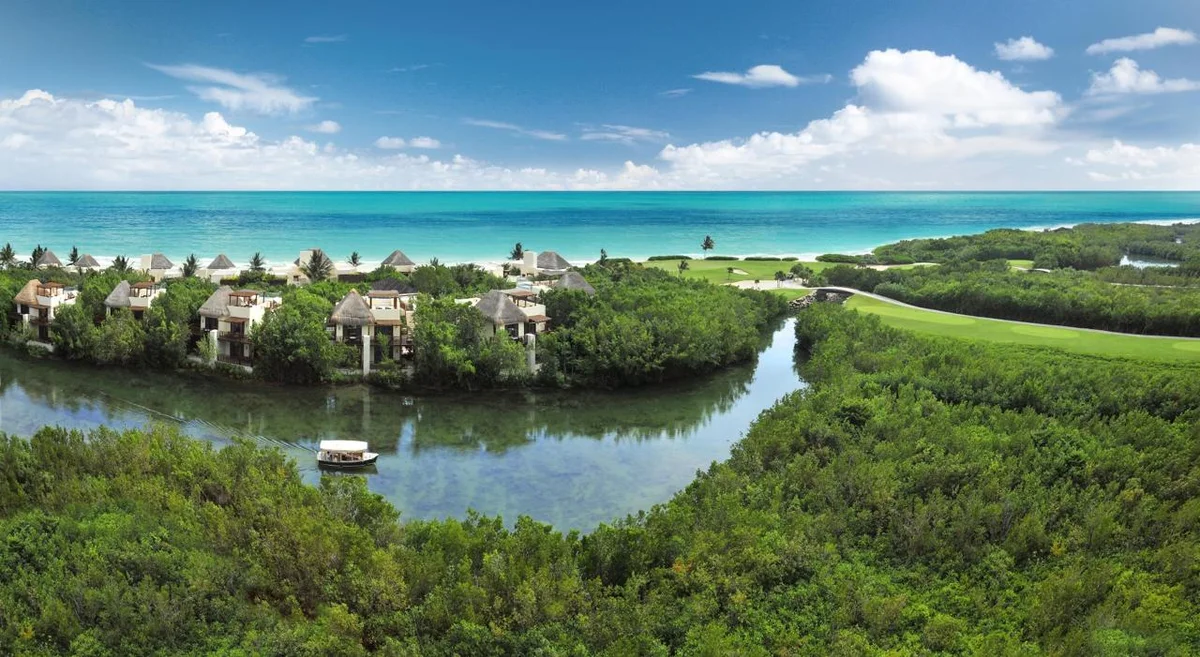
Quick answer: every beachfront property in Mexico sits inside the restricted zone, so a foreign buyer holds it through a fideicomiso bank trust rather than in their own name. The beach itself is federal land held by concession, not owned. Indicative asking prices start near $200,000 in Mazatlan and Rosarito, $400,000 in Riviera Maya, and $600,000 in Los Cabos. Hurricane and flood cover is an annual cost, not an optional extra.
Mexico’s 5,800 miles of coastline offer some of North America’s most attractive beachfront property investment opportunities. From the Caribbean shores of the Riviera Maya to the Pacific coast of Los Cabos, oceanfront real estate provides compelling combinations of lifestyle benefits and investment returns. Here’s your comprehensive guide to investing in Mexico beachfront property as a foreign buyer.
Tl;dr: Mexico beachfront property investment
Foreign investors can buy Mexico beachfront property through fideicomiso trusts, with prices ranging from $300K for condos to $3M+ for luxury homes. Top markets include Riviera Maya (8-10% yields), Los Cabos (7-9% yields), and Puerto Vallarta (6-8% yields). Key considerations include hurricane insurance, seasonal demand patterns, professional property management, and compliance with evolving vacation rental regulations.
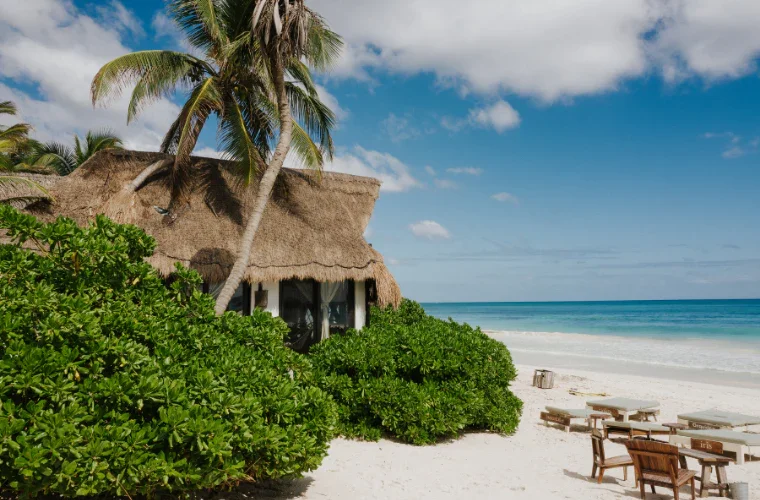
Mexico beachfront market overview
Beachfront in Mexico is a foreign-buyer market: international purchasers account for 60-80% of transactions in the premium coastal segments, which is why prices track North American demand and the dollar rather than Mexican wages. Gross yields of 6-10% and five-year appreciation of 8-12% a year come with the corollary, when US demand softens, coastal pricing moves first.
Mexico’s beachfront property market has evolved into a sophisticated international investment destination, with foreign buyers representing 60-80% of transactions in premium coastal segments.
Market Fundamentals
Foreign Investment Dominance: International buyers drive demand in luxury beachfront segments, providing market liquidity and price stability in prime coastal areas.
Price Appreciation: Beachfront properties have shown 8-12% annual appreciation over the past five years, outperforming inland markets during tourism recovery periods.
Rental Yield Potential: Oceanfront properties typically generate 6-10% gross annual yields, with premium locations and professional management achieving higher returns.
Coastal Market Segments
Luxury Oceanfront: $1M-5M+ for direct beach access homes with private beaches Beachfront Condos: $300K-1M for oceanfront condominium units with shared amenities Beach Adjacent: $200K-800K for properties within 200-500 meters of beach access Emerging Coastal: $150K-400K in developing beachfront markets with growth potential
Legal framework: fideicomiso
Every beachfront property in Mexico is inside the restricted zone by definition, so a fideicomiso is not a choice a beachfront buyer makes; it is the only route to foreign ownership. Article 27 bars direct foreign title within 50 km of the coast; the trust gives you use, rental income, sale and inheritance rights while a Mexican bank holds bare legal title. Budget $4,000-6,000 to set it up and $1,200-2,000 a year to keep it.
All beachfront property in Mexico falls within the restricted zone, requiring fideicomiso trusts for foreign ownership.
Fideicomiso Structure for Beachfront Property
Constitutional Requirement: Article 27 of Mexico’s Constitution restricts foreign ownership within 50km of coastlines, making fideicomiso mandatory for all beachfront purchases.
Trust Mechanics: A Mexican bank holds legal title while you receive all beneficial ownership rights including use, sale, rental, and inheritance of the beachfront property.
Cost Structure for Beachfront:
- Initial setup: $4,000-6,000 (higher for luxury properties)
- Annual renewal: $1,200-2,000 depending on property value
- Transfer fees: 0.5-1% of property value
Enhanced Due Diligence for Coastal Properties
Environmental Permits: Beachfront properties require additional environmental compliance verification Beach Access Rights: Confirm public beach access compliance and private use boundaries Construction Permits: Coastal building permits involve additional regulatory layers Insurance Requirements: Hurricane and flood coverage typically mandatory for financing
Prime beachfront investment markets
The five coastal markets below split along one axis: yield versus hurricane exposure. Riviera Maya and Mazatlán pay 8-10% gross and sit in the storm track; Los Cabos pays 7-9% in a desert climate that rarely takes a direct hit; Puerto Vallarta sits between them with the deepest year-round resident demand. Entry runs from $150,000 in Puerto Escondido to $5 million-plus in Pedregal.
Riviera Maya: Caribbean Coast Premium
Geographic Coverage: Cancún to Tulum along Caribbean coast Price Range: $400K-2M+ for beachfront properties Rental Yields: 8-10% annually in established areas
Key Investment Areas:
- Playa del Carmen: Established tourism infrastructure, $500K-1.5M typical range
- Tulum: Premium eco-luxury positioning, $600K-2M+ for beachfront
- Puerto Morelos: Emerging market with better value, $300K-800K range
- Cozumel: Island market with diving tourism, $400K-1M range
Market Characteristics:
- Year-round tourism season with peak winter demand
- Established short-term rental market with professional management
- Strong international airport access via Cancún
- Higher hurricane risk requiring comprehensive insurance
Los Cabos: Pacific Luxury Destination
Geographic Coverage: Cabo San Lucas and San José del Cabo corridor Price Range: $600K-5M+ for oceanfront properties Rental Yields: 7-9% annually with luxury positioning
Investment Zones:
- Medano Beach: Central Cabo location, $800K-2M range
- East Cape: Emerging luxury market, $400K-1.5M
- Pedregal: Ultra-luxury hillside oceanfront, $1M-5M+
- San José Corridor: Resort corridor properties, $600K-3M
Market Characteristics:
- Desert climate with minimal hurricane risk
- High-end tourism and sport fishing market
- Direct US flights supporting rental demand
- Water scarcity concerns in some areas
Puerto Vallarta: Established Pacific Market
Geographic Coverage: Bahía de Banderas including Riviera Nayarit Price Range: $350K-1.5M for quality beachfront properties Rental Yields: 6-8% annually with stable demand
Prime Areas:
- Zona Romántica: Central beachfront, $400K-1M range
- Marina Vallarta: Luxury marina community, $500K-1.5M
- Nuevo Vallarta: Resort development area, $350K-800K
- Sayulita: Bohemian surf town, $300K-700K range
Market Characteristics:
- Large expat community providing long-term rental demand
- Established cultural scene supporting tourism
- Moderate hurricane risk with good infrastructure
- Mixed vacation rental and permanent resident market
Mazatlán: Value-Oriented Pacific Coast
Price Range: $200K-600K for beachfront properties Rental Yields: 8-10% with strong domestic tourism Market Position: Best value for direct oceanfront access
Investment Appeal:
- Lower entry costs than premium markets
- Strong Mexican domestic tourism
- Historic city center with cultural attractions
- Growing international recognition and development
Emerging Beachfront Markets
Puerto Escondido: Surf tourism destination, $150K-400K range La Paz: Baja California Sur, $200K-500K with Sea of Cortez access Manzanillo: Pacific coast value market, $180K-450K range Ensenada: Wine region coast, $250K-600K emerging market
Beachfront on the Pacific and in Baja
Most English-language coverage of Mexican beachfront is Riviera Maya coverage. The measured search demand is not: Rosarito, Ensenada, San Felipe, Puerto Penasco, San Carlos and Mazatlan together draw more foreign beachfront interest than Tulum does, and they do it at roughly half the entry price.
| Coast | Markets | Indicative entry | Buyer profile |
|---|---|---|---|
| Baja Norte | Rosarito, Ensenada, San Felipe | $150,000 to $400,000 | Californians who drive down for weekends |
| Sea of Cortez | Puerto Penasco, San Carlos, La Paz | $150,000 to $350,000 | Arizona and Sonora corridor, fly-drive |
| Pacific mainland | Mazatlan, Sayulita, San Pancho | $150,000 to $400,000 | Retirees and long-stay snowbirds |
| Riviera Nayarit | Punta Mita, Litibu, Nuevo Vallarta | $350,000 upward | Resort and branded residence buyers |
| Caribbean | Playa del Carmen, Tulum, Puerto Morelos | $180,000 to $450,000 | Short-term rental focused |
The trade-offs run in both directions. The Pacific and Baja give lower prices, a shorter drive from the US border, and cooler summers. The Caribbean gives deeper rental infrastructure, more English-speaking closing professionals, and a longer high season. Hurricane exposure exists on both coasts, though the insurance market prices Quintana Roo and Baja California Sur differently, which is covered in hurricane insurance in Baja California Sur and hurricane and flood cover in Quintana Roo.
Pros of the Pacific and Baja side: lower entry, drive-down access, less saturated rental supply. Cons: thinner comparable sales data, fewer trust-desk banks in small towns, and in Baja a higher chance that the land in the chain of title was once ejido.
Property types and investment strategies
Three beachfront products, three different jobs. An oceanfront condo at $300,000-1M buys liquidity and someone else’s maintenance problem, at the cost of HOA fees and rental rules you do not control. A villa at $600,000-plus buys rate potential and total control, and hands you hurricane preparation and salt-air maintenance in return. Development land is a five-year permitting bet, not an income asset.
Oceanfront Condominiums
Investment Range: $300K-1M+ depending on location and amenities Management: Professional HOA management simplifies ownership Rental Strategy: Ideal for short-term vacation rentals with shared amenities Liquidity: Higher liquidity than single-family homes in established markets
Advantages:
- Lower maintenance responsibility
- Shared amenity costs
- Professional management availability
- Easier financing options
Considerations:
- HOA fee impacts on returns
- Shared facility booking during peak seasons
- Special assessment risks for major repairs
- Rental policy restrictions
Beachfront Homes and Villas
Investment Range: $600K-5M+ for direct ocean access Management: Private property management required Rental Strategy: Ultra-luxury vacation rentals or long-term leases Customization: Full control over property and rental strategy
Advantages:
- Complete privacy and control
- Higher rental rate potential
- No HOA restrictions
- Land ownership through fideicomiso
Considerations:
- Higher insurance and maintenance costs
- Property management complexity
- Seasonal maintenance requirements
- Hurricane preparation responsibilities
Beachfront Development Land
Investment Range: $100K-1M+ per beachfront acre Strategy: Long-term development or resale to developers Regulations: Complex permitting and environmental compliance Risk Profile: Higher risk, higher potential returns
Financial analysis and returns
Beachfront gross yields of 8-12% net down to roughly 4-5.5% once management at 15-25%, hurricane insurance at $2,000-8,000, coastal maintenance at 2-4% of value and trust fees are taken out. Coastal maintenance is the line inland modelling misses: salt air costs real money every year, and it does not stop when the property is empty.
Coastal maintenance at 2% to 4% of value is the line inland underwriting forgets, and on beachfront it dominates. A $500,000 Riviera Maya condo carries $10,000 to $20,000 a year on that basis alone, before hurricane insurance at $2,000 to $8,000. Together those two lines can reach $28,000 against a $45,000 gross, more than management at 15% to 25% and more than every other expense combined. Salt air corrodes HVAC, railings, fixtures and pool plant continuously, and the spend does not pause when the unit is empty.
Rental Income Projections
Short-Term Vacation Rentals:
- Peak season: $200-500+ per night depending on luxury level
- Occupancy rates: 60-75% annually in established markets
- Gross yields: 8-12% for well-managed properties
Long-Term Rentals:
- Monthly rates: $1,500-5,000+ for oceanfront properties
- Occupancy: 85-95% with proper tenant selection
- Gross yields: 6-8% with lower management intensity
Operating Expense Analysis
Property Management: 15-25% of rental income for vacation rentals Insurance: $2,000-8,000+ annually for comprehensive hurricane coverage Property Taxes: 0.2-0.5% of assessed value annually Maintenance: 2-4% of property value annually for coastal properties Fideicomiso: $500-800 annual trust fees, $2,500-4,000 to establish Utilities: $200-500 monthly depending on property size and usage
Return on Investment Scenarios
| Property Type | Purchase Price | Annual Income | Expenses | Net Yield |
|---|---|---|---|---|
| Riviera Maya Condo | $500K | $45K | $18K | 5.4% |
| Los Cabos Villa | $1.2M | $85K | $32K | 4.4% |
| Puerto Vallarta Home | $700K | $50K | $22K | 4.0% |
| Mazatlán Beachfront | $350K | $32K | $14K | 5.1% |
Operational considerations
Running a beachfront rental is a maintenance business with a booking calendar attached. Salt corrosion attacks HVAC, railings and fixtures continuously, hurricane season imposes a preparation routine every June, and pools and landscaping in a tropical climate need weekly attention whether or not a guest is in the unit. None of this is optional, and all of it belongs in the operating budget before the yield is quoted.
Three fixed routines run whether or not the calendar has bookings, and each carries a cost. Hurricane preparation every June means shutters, drainage checks and an evacuation plan, and insurers increasingly require documented compliance. Pool and landscape maintenance in a tropical climate runs weekly at roughly $150 to $400 a month. Corrosion inspection and replacement of exterior hardware on a 3 to 4 year cycle costs thousands per cycle. Budget these before quoting a yield, because a beachfront property that looks like a 5.4% net on paper is a maintenance business with a booking calendar attached.
Property Management Requirements
Vacation Rental Management:
- Guest services and concierge coordination
- Cleaning and maintenance between guests
- Booking platform optimization and rate management
- Emergency response for guest issues
Long-Term Property Maintenance:
- Salt air corrosion prevention and treatment
- Hurricane preparation and post-storm repairs
- Landscaping and pool maintenance in tropical climates
- Security monitoring and caretaker coordination
Insurance and Risk Management
Hurricane and Weather Coverage:
- Named storm deductibles typically 2-5% of property value
- Flood insurance separate from standard property coverage
- Business interruption coverage for rental income protection
- Proper seasonal preparation reduces claim risks
Liability Protection:
- Comprehensive liability coverage for rental guests
- Pool and beach access liability considerations
- Professional vacation rental insurance products
- Mexican liability law compliance
Market timing and investment strategy
Coastal income is concentrated: November to April carries most of the year’s revenue and all of the pricing power, while June to November brings both the hurricane risk and the soft occupancy. That seasonality also runs through the acquisition side, the months after a storm season are when motivated sellers appear, and pre-construction discounts of 15-30% are the compensation for taking delivery risk instead.
Seasonal Market Dynamics
Peak Season Optimization: November-April represents peak demand and pricing power for most coastal markets Summer Strategy: Lower occupancy but potential for longer-term guests and maintenance periods Hurricane Season: June-November requires preparation and potentially affects booking patterns Local Event Coordination: Major festivals and events drive premium pricing opportunities
Development Cycle Considerations
Pre-Construction Opportunities: 15-30% discounts for pre-construction beachfront condos with completion risk Established Market Entry: Premium pricing but immediate rental income potential Market Timing: Post-hurricane periods may offer acquisition opportunities at reduced prices
Regulatory environment and compliance
Beachfront carries a regulatory layer inland property does not: SEMARNAT environmental permits for anything built near the shore, federal maritime-zone rules over the sand itself, and mandatory public beach access that limits what “private beach” can mean in practice. A structure built without those permits is a demolition order waiting to be enforced, and it transfers to you with the property.
Environmental Regulations
SEMARNAT Permits: Environmental impact assessments for beachfront construction Coastal Zone Management: Federal oversight of beachfront development and modification Beach Access Rights: Public access requirements affecting private beach use Marine Protected Areas: Restrictions in eco-sensitive coastal zones
Vacation Rental Regulations
Municipal Registration: Local tourism registration increasingly required Tax Compliance: VAT and income tax obligations for short-term rentals Zoning Restrictions: Some areas restricting vacation rental operations HOA Policies: Condominium associations may limit rental activities
Due diligence for beachfront properties
Coastal diligence adds four checks to the standard file, and all four are physical rather than legal: where the boundary actually sits once tides and erosion are accounted for, what the structure has already lost to salt and humidity, what the flood and erosion history shows, and what is permitted to be built between you and the water. A clean title says nothing about any of them.
Title and Legal Review
Fideicomiso Compliance: Ensure proper trust structure and bank selection Boundary Survey: Critical for beachfront properties with tide and erosion concerns Access Rights: Confirm beach access and usage rights Development Rights: Understand building restrictions and expansion possibilities
Physical and Environmental Assessment
Structural Inspection: Salt air and humidity impacts on building materials Flood Zone Analysis: FEMA flood maps and local flooding history Erosion Assessment: Beach erosion trends and protective measures Infrastructure Review: Utilities, drainage, and road access in coastal environments
Market and Rental Analysis
Comparable Sales: Recent sales of similar beachfront properties Rental Performance: Historical rental rates and occupancy for similar properties Market Saturation: Supply analysis for vacation rentals in the area Future Development: Planned developments affecting views and beach access
Exit strategy planning
Prime beachfront resells better than inland Mexican property because the same foreign demand that set the price is still there, but it resells to a currency-sensitive buyer in a narrow season. Plan the exit around peak tourism months, around a peso level that keeps dollar buyers active, and around a cost basis documented in CFDIs from the day you buy.
Resale Considerations
Market Liquidity: Premium beachfront typically has better liquidity than inland properties Seasonal Timing: Optimal selling seasons coincide with peak tourism periods Currency Impact: Peso strength affects foreign buyer purchasing power Capital Gains: Mexican capital gains tax planning for profitable sales
Alternative Exit Strategies
Developer Sales: Potential sale to developers for larger projects Long-Term Leasing: Convert to long-term lease for stable income Family Use: Transition to personal vacation home 1031 Exchange: US tax-deferred exchange opportunities where applicable
Mexico’s beachfront property market offers compelling investment opportunities for foreign buyers willing to navigate the unique requirements of coastal real estate ownership. Success requires thorough due diligence, professional management, comprehensive insurance, and realistic expectations about both the rewards and responsibilities of oceanfront property investment.
The current market environment, with favorable exchange rates and motivated sellers in some markets, presents opportunities for well-prepared investors to acquire quality beachfront properties at attractive prices. However, the complexity of coastal property ownership, from environmental regulations to hurricane risks, demands professional guidance and careful planning throughout the investment process.
Federal zone and insurance reality
Beachfront buyers must confirm SEMARNAT and municipal permits for any structure within the federal maritime zone. Insurance quotes should include named-storm deductibles, coastal policies often run 2-3× inland premiums. Model vacancy separately for Pacific hurricane seasons versus Caribbean summer lulls, and budget capex for salt corrosion on HVAC and balcony railings every five to seven years.
Engage a local insurance broker licensed in the state where you buy, national marketing sites underestimate named-storm deductibles that dominate total cost of ownership on sand-front assets.
What to verify next
Verify before you commit: USD/MXN exposure · closing costs · lodging tax and STR registration · fideicomiso renewal · ejido title risk · developer track record. On beachfront specifically, add the ZOFEMAT federal concession to this list and treat it as first among equals: the twenty metres above the high-tide line are federal, and a lapsed or unassigned concession is the defect that most often surprises a beachfront buyer at closing.
Frequently Asked Questions
Yes, foreigners can buy beachfront property in Mexico through a fideicomiso (bank trust). The trust provides full ownership rights while complying with Mexico's constitutional restrictions on coastal property ownership.
Mexico beachfront property ranges from $300K-500K for condos to $800K-3M+ for oceanfront homes. Prime locations like Tulum and Los Cabos command premium pricing, while emerging areas offer better value.
Top beachfront investment areas include Riviera Maya (Playa del Carmen, Tulum), Los Cabos, Puerto Vallarta, Mazatlán, and emerging markets like Puerto Escondido and La Paz offering different risk-return profiles.
Beachfront properties typically generate 6-10% gross rental yields, with short-term vacation rentals achieving 8-12% in prime locations. Yields vary by location, property type, and management quality.
Main risks include hurricane exposure, higher insurance costs, seasonal rental demand, property management challenges, and potential regulatory changes affecting vacation rentals.


Get a vetted Mexico shortlist
US and Canadian buyers use this to skip the developer sales deck: tell us the budget and the market, and we come back with 3 to 5 options and the net yield maths behind each one.
Want options matched to your budget and risk profile?
Three questions, one screen. We reply within one business day.
Get a vetted Mexico shortlist