
Pre-Construction Risk in Mexico: How to Cover It
Essential risks and protection strategies for pre-construction Mexico real estate. Avoid developer delays, permit issues, and funding problems.
By Mexico Invest Editorial · Updated July 9, 2026 · 14 min read
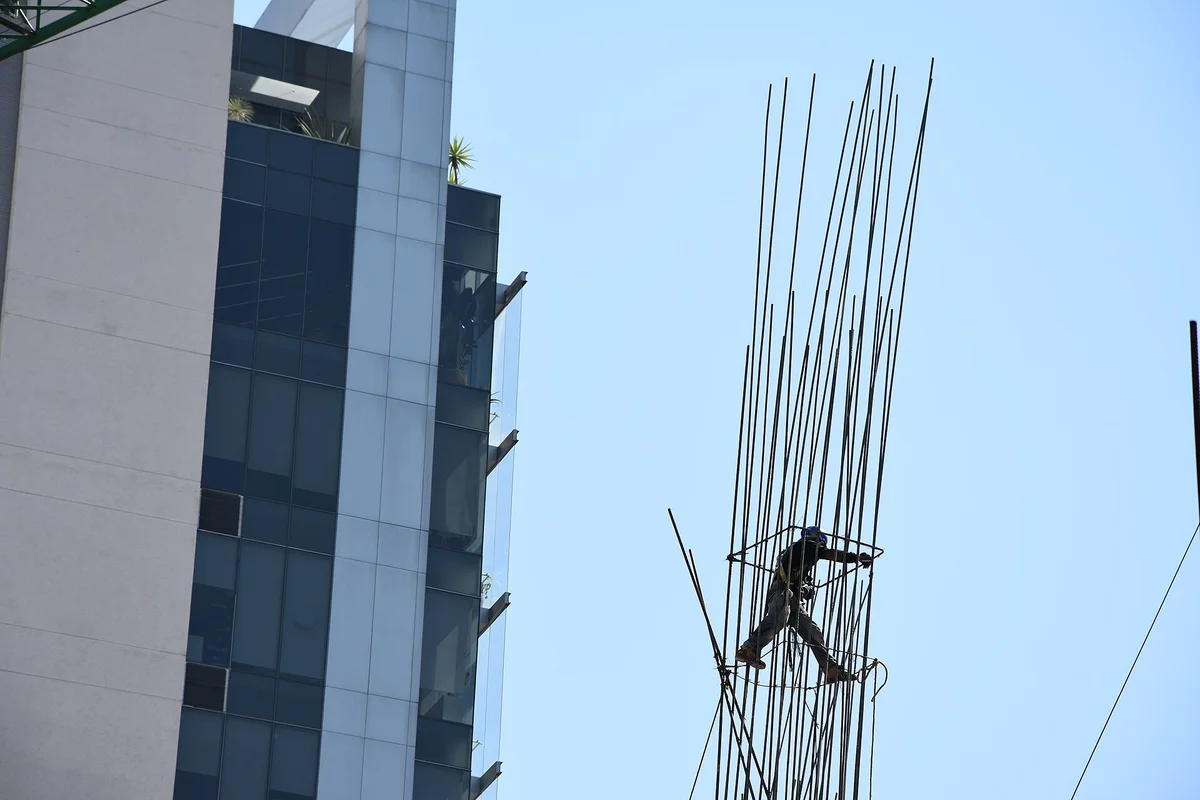
Quick answer: Pre-construction Mexico properties carry significant risks including developer delays (6-24 months common), funding shortfalls, permit issues, and design changes, but these can be mitigated through escrow accounts, milestone payments, penalty clauses, thorough developer research, and maintaining 10-20% reserve funds.
Pre-construction real estate purchases in Mexico offer attractive pricing and customization opportunities, but they come with substantially higher risks than buying completed properties. Foreign buyers face unique challenges navigating Mexico’s development landscape, where project delays and complications are far more common than in North American markets. Protect yourself with escrow, due diligence, and title insurance before wiring deposits.
This comprehensive guide examines every aspect of pre-construction risks in Mexico and provides proven protection strategies based on current market conditions and legal requirements as of 2026. Review closing costs and Mexico real estate scams to avoid as part of your pre-purchase checklist. See the Mexico property investment guide for ownership structure basics.
Understanding mexico’s pre-construction market
Mexico’s pre-construction market operates under different standards and timelines than North American developments. What developers consider “normal” delays would be unacceptable in the US or Canada, making risk management critical for foreign buyers. Concretely, a Mexican developer’s delivery estimate is not a contractual date unless the contract makes it one, escrow is not standard practice, and a single-project SPV holding no other assets is a common counterparty. Those three facts, not market conditions, explain most of the money lost in Tulum’s 2023-to-2025 cycle, and all three are visible in the paperwork before any deposit leaves your account.
The Mexican construction industry faces unique challenges:
- Complex permitting processes across federal, state, and municipal levels
- Seasonal weather impacts (hurricanes, rainy seasons)
- Supply chain issues for imported materials
- Labor shortages in skilled trades
- Currency fluctuations affecting material costs
Market Dynamics by Region
Riviera Maya (Tulum, Playa del Carmen):
- Highest developer activity but also highest risk
- Environmental permits add 3-6 months to timelines
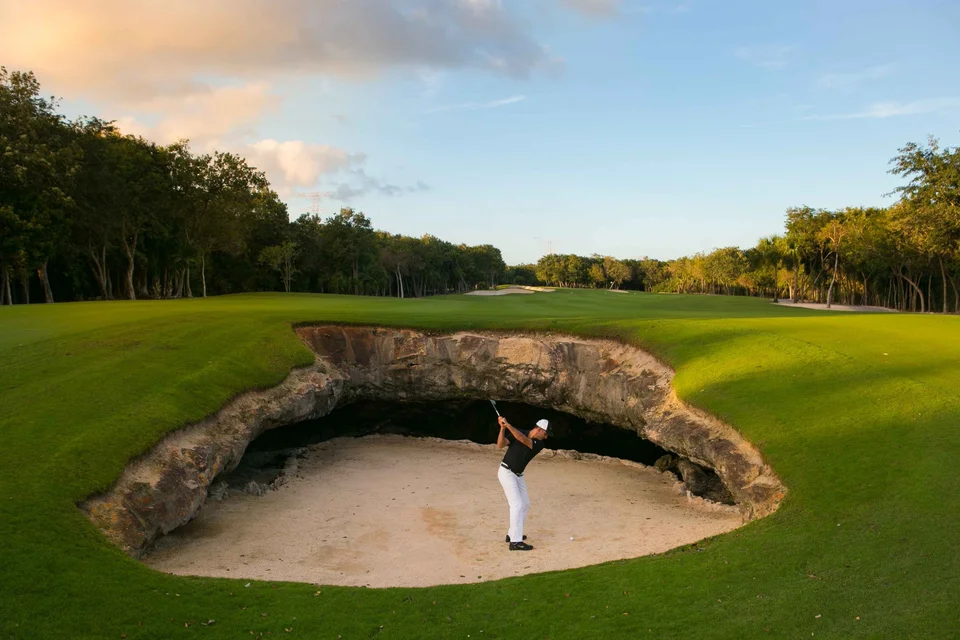
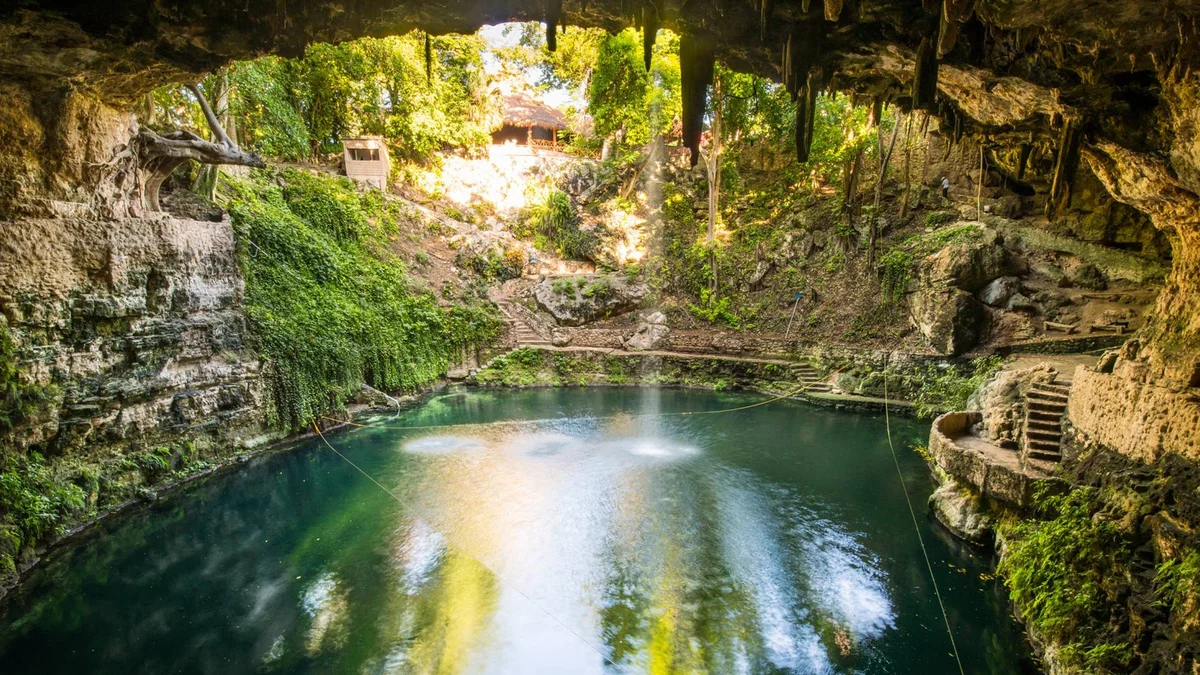
- Cenote discoveries can halt projects indefinitely
- Infrastructure strain causing utility connection delays
Puerto Vallarta/Nuevo Vallarta:
- More mature market with established developers
- Hurricane season impacts construction schedules
- Better infrastructure reduces utility delays
- Stricter municipal oversight improves project completion rates
Los Cabos:
- Limited water resources affect project approvals
- Higher construction costs due to remote location
- More established luxury market with proven developers
- Earthquake considerations require specialized engineering

The five risks that actually cost money
Pre-construction failure in Mexico concentrates in five places, and they are not equally likely. Developer insolvency is the catastrophic one and the rarest; timeline slippage is near-universal, averaging six to eighteen months beyond the marketed date; permit and environmental problems have halted Tulum projects mid-build since 2024; specification changes between the brochure and delivery are routine and rarely favourable; and currency movement across a two-year payment schedule can add or remove tens of thousands of dollars. Escrow protects against the first. Nothing protects against the rest except contract terms negotiated before signing.
1. Developer Financial Risks
Funding shortfalls are the #1 cause of project failures in Mexico. Unlike North America, Mexico lacks comprehensive developer bonding requirements or escrow mandates.
Common funding problems:
- Pre-sales targets not met, causing cash flow problems
- Bank construction loans recalled due to market conditions
- Developer over-leveraging across multiple projects
- Currency hedging losses affecting project budgets
- Rising construction costs exceeding original budgets
Warning signs of financial distress:
| Red Flag | Risk Level | Action Required |
|---|---|---|
| Requesting large upfront payments | Critical | Refuse - use milestone payments only |
| Multiple delayed projects by same developer | High | Investigate thoroughly or avoid |
| No established banking relationships | High | Verify financing before commitment |
| Pressure for quick closing without permits | Critical | Walk away immediately |
| Reluctance to provide financial statements | Medium | Demand transparency or exit |
2. Construction Timeline Risks
Delays of 6-24 months are considered normal in Mexican construction, but can devastate investor plans and financing arrangements.
Primary delay causes:
Permit delays (3-12 months):
- Environmental impact assessments (if near cenotes, coast, or jungle)
- Archaeological clearances (common in Riviera Maya)
- Municipal development approvals
- Utility connection permits
- Fire safety and structural approvals
Weather-related delays (2-6 months annually):
- Hurricane season (June-November) stops construction
- Rainy season limits concrete pours and foundation work
- Extreme heat affects worker productivity and material curing
Supply chain disruptions:
- Imported fixtures and finishes facing customs delays
- Specialized materials requiring advance ordering
- Equipment rental shortages during peak construction season
- Labor shortages in skilled trades
Realistic Timeline Expectations
| Project Type | Advertised Timeline | Realistic Timeline | Delay Buffer |
|---|---|---|---|
| Simple condo (50 units) | 18 months | 24-30 months | 6-12 months |
| Complex resort (200+ units) | 24 months | 36-48 months | 12-24 months |
| Mixed-use development | 30 months | 42-60 months | 18-30 months |
| Luxury beachfront | 36 months | 48-72 months | 24-36 months |
3. Legal and Regulatory Risks
Mexico’s multi-layered regulatory system creates numerous opportunities for project delays or cancellations.
Federal level approvals:
- SEMARNAT (environmental ministry) permits
- Maritime zone concessions for beachfront projects
- Archaeological institute clearances
- Foreign investment registration
State level requirements:
- Construction licenses and inspections
- Water usage permits (especially critical in Baja California)
- Waste management approvals
- Transportation impact studies
Municipal approvals:
- Zoning compliance and use permits
- Infrastructure connection approvals
- Fire safety and emergency access
- Parking and density requirements
Common regulatory complications:
| Issue | Probability | Resolution Time | Cost Impact |
|---|---|---|---|
| Environmental permit delays | High | 3-12 months | 5-15% budget increase |
| Archaeological discovery | Medium | 6-18 months | 10-25% budget increase |
| Zoning changes | Low | 12-24 months | 25-50% budget increase |
| Water/sewer capacity issues | Medium | 6-12 months | 15-30% budget increase |
4. Design and Specification Changes
Mexican developers routinely make changes from original marketing materials, often citing “improvements” or cost considerations.
Common changes affecting value:
- Downgrade in finishes (marble to ceramic, granite to laminate)
- Reduction in unit sizes (balconies, storage, room dimensions)
- Amenity reductions (pools, gyms, concierge services)
- View obstructions from design modifications
- Parking space reductions or relocations
Contractual protection strategies:
- Detailed specifications appendix with brand names and models
- Right to cancel with full refund for material changes
- Penalty clauses for specification downgrades
- Pre-approved substitution lists with value adjustments
- Final walkthrough with punch list requirements
5. Currency and Economic Risks
Foreign buyers face currency exposure throughout the construction period, particularly with USD-peso fluctuations affecting local costs.
Exchange rate impacts:
- Materials priced in pesos become more expensive if peso strengthens
- Labor costs fluctuate with local economic conditions
- Developer may demand price adjustments for currency changes
- Final payments affected by exchange rates at closing
Economic factors affecting projects:
| Factor | Impact on Projects | Buyer Protection |
|---|---|---|
| Peso strengthening | Increased costs for developers | USD-denominated contracts |
| Rising interest rates | Developer financing problems | Escrow milestone payments |
| Tourism downturns | Reduced pre-sales, project delays | Market timing flexibility |
| Inflation increases | Material and labor cost rises | Fixed-price contracts with limits |
What protects a pre-construction deposit
Four protections, in descending order of importance: an independent escrow agent releasing against engineer-verified milestones, final permits rather than applications in process, delay penalties written into the contract, and a delivery record you verified by walking a completed project. A developer who resists the first is telling you something, and reputation is not a substitute for any of the four.
Comprehensive Developer Due Diligence
Before committing to any pre-construction project, conduct thorough research on the developer’s track record and financial stability.
Developer research checklist:
Track record verification:
- List of completed projects with completion dates
- Percentage of projects delivered on time
- Quality of finishes and construction in completed properties
- Previous buyer satisfaction surveys and testimonials
- Any legal disputes or consumer complaints
Financial stability assessment:
- Bank references and credit relationships
- Current project portfolio and leverage levels
- Pre-sales requirements for project financing
- Insurance coverage for construction delays
- Bonding or guarantee arrangements
Legal compliance review:
- Valid business licenses and registrations
- All required permits for current project
- Environmental compliance history
- Tax compliance certificates
- No outstanding legal judgments
Escrow and Payment Protection
Never wire funds directly to developer accounts - use neutral third-party escrow services with Mexico operations.
Recommended escrow providers:
- Stewart Title (Mexico operations)
- First American Title (limited Mexico coverage)
- Local Mexican escrow companies with US insurance
- International law firms with escrow services
Payment milestone structure:
| Construction Phase | Payment Percentage | Verification Required |
|---|---|---|
| Contract signing | 10-15% | Permits and financing confirmed |
| Foundation completion | 20-25% | Engineering inspection report |
| Structural completion | 20-25% | Municipal construction inspection |
| Roof/exterior completion | 15-20% | Weather-tight verification |
| Interior completion | 15-20% | Pre-delivery walkthrough |
| Final closing | 5-10% | Certificate of occupancy |
Escrow release conditions:
- Independent engineering inspections confirming progress
- Municipal inspection approvals at each milestone
- Photographic documentation of completed work
- Contractor lien waivers for all payments
- Insurance coverage verification
Contract Protection Clauses
Your purchase contract must include specific protections against pre-construction risks.
Essential contractual protections:
Completion timeline clauses:
- Specific completion date with reasonable allowances for weather
- Daily penalty payments for delays beyond allowable timeframe
- Right to cancel with full refund after specified delay period
- Developer notification requirements for any potential delays
Quality and specification guarantees:
- Detailed materials and finishes specifications with brand names
- Right to inspect and approve any substitutions
- Penalty payments for unauthorized downgrades
- Final walkthrough with punch list completion requirements
Financial protection terms:
- Escrow account requirements for all payments
- Developer insurance requirements covering construction delays
- Lien waiver requirements for all subcontractor payments
- Right to financial statements and progress reports
Insurance and Bonding Options
While comprehensive bonding is rare in Mexico, several insurance options provide protection.
Available protection types:
Title insurance for pre-construction:
- Coverage: 80-90% of US-style policies
- Cost: 0.5-1% of property value
- Providers: First American Title, Stewart Title (limited)
- Exclusions: Ejido claims, some government actions
Construction completion insurance:
- Coverage: Project completion or refund guarantee
- Cost: 1-3% of purchase price
- Availability: Limited to established developers
- Claims process: Often requires lengthy legal procedures
Currency hedging products:
- Forward contracts to lock exchange rates
- Options contracts for rate protection with upside
- Structured products from international banks
- Cost: 1-2% annually for hedging services
Reserve Fund Management
Maintain additional funds beyond your purchase price to handle delays, changes, and unexpected costs.
Recommended reserve levels:
- 10% minimum: For established developers with good track records
- 15% standard: For new developers or complex projects
- 20-25%: For luxury developments or first-time developers
- 30%+: For projects in remote locations or with environmental challenges
Reserve fund uses:
- Accommodation costs during delivery delays
- Currency fluctuation protection
- Specification upgrade costs
- Legal fees for contract enforcement
- Alternative property deposits if project fails
Red flags that end a purchase
Some findings are negotiating points and some end the conversation. Ejido history without documented conversion, a request to wire directly to the developer rather than to an escrow agent, environmental clearance still described as pending, and a guaranteed-return promise all belong in the second category. Each of them appears regularly in Mexican pre-construction marketing.
Immediate Deal Breakers
Certain situations require walking away regardless of project attractiveness or pricing:
- Developer requests large upfront payments (more than 20% before construction begins)
- No valid construction permits or reluctance to show permit documentation
- Ejido land issues or unclear title to development property
- No established escrow arrangements or pressure to wire funds to developer accounts
- Multiple previous project failures or significant delays by the same developer
- No banking relationships or financing commitments for project completion
Serious Warning Signs
These issues don’t necessarily kill a deal but require additional due diligence and protection:
Developer-related warnings:
- New company with no completed projects
- Unusually low pricing compared to comparable developments
- Aggressive sales tactics or pressure for quick decisions
- Reluctance to provide detailed project timelines
- No local office or established presence in the area
Project-specific warnings:
- Environmental or archaeological complications
- Infrastructure limitations (water, power, roads)
- Zoning issues or municipal opposition
- Financing gaps or pre-sales targets not being met
- Design changes announced during sales process
Monitoring a project you have bought into
The work does not end at signing. Construction progress, permit status and the competitive supply arriving into the same delivery window all move during the build, and an owner who tracks them can act, renegotiating, invoking a delay clause, or exiting via assignment where the contract permits it, while an owner who waits for handover has only the outcome.
Market Research and Validation
Independent market research helps validate developer claims and project viability.
Key research areas:
Comparable sales analysis:
- Recent sales prices for similar completed properties
- Absorption rates for competing developments
- Rental rates and occupancy levels for investment properties
- Price appreciation trends in the specific area
Infrastructure evaluation:
- Utility capacity and connection timeline
- Road access and transportation improvements
- Municipal services and facilities
- Future development plans affecting the area
Regulatory environment assessment:
- Municipal growth policies and restrictions
- Environmental regulations affecting development
- Tourism infrastructure improvements
- Economic development initiatives
Construction Progress Monitoring
Regular site visits and progress monitoring help identify problems early.
Monitoring schedule recommendations:
- Monthly visits during foundation and structural phases
- Bi-weekly visits during critical construction milestones
- Weekly visits during final finishing phases
- Professional inspections at each payment milestone
Documentation requirements:
- Photographic progress records with timestamps
- Independent engineering reports at major milestones
- Municipal inspection records and approvals
- Subcontractor payment confirmations and lien waivers
Legal Compliance Monitoring
Stay informed about regulatory changes that could affect your project.
Key compliance areas:
Environmental regulations:
- Changes to coastal development restrictions
- New cenote or archaeological protection rules
- Water usage limitations or requirements
- Waste management and sustainability mandates
Foreign ownership rules:
- Fideicomiso regulation modifications
- Mexican corporation ownership requirements
- New registration or reporting obligations
- Tax law changes affecting foreign buyers
Problem Resolution Strategies
When issues arise, prompt action and professional representation are essential.
Escalation procedures:
- Direct developer communication: Document all issues in writing
- Attorney involvement: Mexican real estate lawyer for legal issues
- Regulatory complaints: PROFECO (consumer protection) for serious violations
- Arbitration procedures: If included in purchase contract
- Legal action: Last resort for breach of contract or fraud
Common resolution outcomes:
| Problem Type | Typical Resolution | Timeline | Success Rate |
|---|---|---|---|
| Minor delays (under 6 months) | Penalty payments, completion | 2-4 weeks | 85% |
| Major delays (over 12 months) | Partial refund or alternative unit | 2-6 months | 60% |
| Specification changes | Price adjustment or upgrade | 4-8 weeks | 75% |
| Financial distress | Full refund or project transfer | 6-18 months | 40% |
What a delay actually costs
A twelve-month slip is not twelve months of patience, it is twelve months of trust fees and opportunity cost with no rental income against them, plus delivery into a market that has absorbed another year of supply. On a $250,000 purchase that carry is frequently larger than the launch discount that justified buying off-plan in the first place.
Pricing a 12-month slip against the discount that justified the purchase is the calculation most off-plan buyers never run. On a $250,000 unit, a year of delay costs the foregone return on a delivered alternative, roughly $11,000 at a 4.4% net, plus the trust annual fee and any carry on committed capital, and it delivers you into a market that has absorbed another year of competing supply. Against a typical 15% to 20% pre-construction discount of $37,500 to $50,000, a two-year slip consumes half of it.
Rental Market Impact of Delays
Construction delays significantly affect rental investment returns and financing arrangements.
Financial impact calculations:
- Lost rental income during delay periods
- Carrying costs for alternative financing
- Market changes affecting rental rates
- Currency fluctuations impacting returns
Mitigation strategies for investors:
- Conservative completion timeline assumptions
- Alternative investment plans during delays
- Rental market monitoring and rate adjustments
- Property management arrangements for completion
Financing Arrangements and Delays
Pre-construction delays can invalidate financing commitments or increase costs.
Common financing complications:
- Construction loan extensions at higher rates
- Bridge financing requirements during delays
- Currency hedging expiration requiring renewal
- Credit qualification changes during extended timelines
Financing protection strategies:
- Rate lock extensions in loan commitments
- Penalty clauses for developer-caused delays
- Alternative financing source identification
- Cash reserves for extended carry periods
Digital Project Monitoring
Modern technology provides better oversight of construction progress and developer accountability.
Available monitoring tools:
- Time-lapse cameras: Continuous construction documentation
- Drone surveys: Progress verification and site condition monitoring
- Project management apps: Real-time updates and milestone tracking
- Satellite imagery: Development progress from aerial perspectives
Digital document management:
- Cloud storage for all project documentation
- Version control for contract modifications
- Automated milestone and deadline tracking
- Shared access for attorneys and advisors
Communication and Coordination Tools
Effective communication with developers, attorneys, and service providers improves problem resolution.
Recommended communication protocols:
- Regular scheduled progress calls with developers
- Written confirmation of all verbal commitments
- Photo and video documentation of site visits
- Professional translation services for legal documents
Regional risk differs sharply
Tulum carries the highest pre-construction risk in Mexico right now, oversupply means delivery lands into a market that has moved against you, and environmental enforcement is active. Los Cabos and Puerto Vallarta are supply-constrained, which makes the same contract structure materially less risky. The region matters more than the developer.
Not all pre-construction markets carry the same risk and the difference is measurable in delivered inventory. Tulum’s 2023 to 2025 cycle left unfinished phases from newer entrants and a Region 15 supply overhang now clearing at 74-plus days on market, so an off-plan buyer there faces both completion risk and absorption risk. Playa del Carmen and Puerto Vallarta have deeper developer track records and thinner new supply, with resale DOM of 60 to 90 days against Tulum Region 15 clearing past 74 days on a much smaller transaction base. Ask how many buildings the developer has delivered in that specific municipality, not in Mexico, and treat fewer than 2 completed and titled projects as construction risk rather than as a stabilised yield play.
Riviera Maya Specific Risks
Environmental and archaeological complications are highest in this region:
Unique risk factors:
- Cenote discoveries halting construction
- Jungle preservation requirements
- Archaeological site proximity restrictions
- Hurricane exposure and seasonal weather impacts
Additional protections needed:
- Environmental survey before purchase
- Archaeological clearance verification
- Hurricane insurance and construction delay coverage
- Seasonal construction timeline adjustments
Pacific Coast Considerations
Puerto Vallarta, Los Cabos face different risk profiles:
Regional characteristics:
- More established regulatory processes
- Better infrastructure but higher costs
- Earthquake considerations in construction
- Water scarcity issues in Los Cabos
Adapted protection strategies:
- Seismic engineering verification
- Water usage rights confirmation
- Infrastructure capacity assessments
- Established developer preference
Conclusion: balancing opportunity and risk
Pre-construction in Mexico is neither the discount it is marketed as nor the trap its critics describe; it is a leveraged bet on a specific developer’s execution, priced at a discount that reflects the risk being transferred to you. Launch pricing and customisation are genuine advantages. So is the fact that you are funding construction with no lien, no completed asset and no independent party verifying progress unless you arrange one. That asymmetry is manageable with escrow discipline, real developer diligence and a realistic delivery assumption, and unmanageable without them. The principles below are what separates the two outcomes.
Key success principles:
- Never rush the evaluation process - allow 4-6 weeks minimum for proper due diligence
- Use escrow accounts and milestone payments exclusively - never wire funds directly to developers
- Research developer track records thoroughly and verify financial stability
- Include comprehensive delay penalties and cancellation rights in contracts
- Maintain 15-20% reserve funds for delays, changes, and unexpected costs
- Monitor construction progress regularly and document all communications
Risk mitigation hierarchy:
- Avoid problematic developers - walk away from high-risk situations
- Structure protective contracts - include comprehensive buyer protections
- Use professional oversight - attorneys, inspectors, and escrow services
- Maintain financial flexibility - reserve funds and alternative plans
- Monitor actively - regular progress reviews and problem identification
The Mexican pre-construction market rewards prepared buyers who understand the risks and implement appropriate protections. While delays and complications are common, proper risk management can result in successful purchases at attractive prices with customized specifications.
Remember that pre-construction purchases are inherently speculative investments requiring higher risk tolerance and more sophisticated planning than completed property purchases. When in doubt, consider completed properties that eliminate construction and delivery risks while still offering excellent investment potential in Mexico’s growing real estate markets.
Frequently Asked Questions
The primary risks include developer delays (6-24 months common), funding shortfalls leading to project cancellation, design changes from marketing materials, permit delays, currency fluctuations affecting USD buyers, and market value declines before completion. Proper escrow and progress payments tied to milestones provide the best protection.
Use escrow accounts, tie payments to construction milestones, include penalty clauses for delays in contracts, research developer track record thoroughly, keep 10-20% reserve funds for unexpected costs, and never pay large sums upfront without verified progress.
Escrow is not legally required but strongly recommended for protection. Use neutral third-party escrow companies with Mexico operations, verify their credentials and insurance, and ensure funds are released only upon verified construction milestones - never wire money directly to developer accounts.
Check their track record of completed projects, financial stability through bank references, proper licenses and permits, previous buyer testimonials, legal compliance history, and current project financing status. Avoid developers with multiple delayed projects or financial complaints.
Yes, some US companies like First American Title offer limited coverage for pre-construction, typically 80-90% of US-style policies costing 0.5-1% of property value. However, coverage excludes many risks like ejido claims, so thorough due diligence remains essential.

Get a vetted Mexico shortlist
US and Canadian buyers use this to skip the developer sales deck: tell us the budget and the market, and we come back with 3 to 5 options and the net yield maths behind each one.
Want options matched to your budget and risk profile?
Three questions, one screen. We reply within one business day.
Get a vetted Mexico shortlist