
Mexico Real Estate: Prices, Areas and How to Buy
How the Mexican property market is organised, who sells what, indicative price bands by region, and the ownership rules a foreign buyer has to clear.
By Mexico Invest Editorial · Updated September 6, 2026 · 18 min read

Quick answer: Mexico real estate is legal for foreigners to own anywhere in the country. Inland you take direct title; within 50 km of the coast or 100 km of a border you hold through a fideicomiso bank trust. Indicative asking bands run from roughly $120,000 in Merida to $400,000 and upward in Los Cabos, and the purchase adds 5 to 10 percent in closing costs on top of the price.
Roughly 40,000 foreign purchases close in Mexico each year. US buyers account for about 65% of that flow. The pipeline is real, but so is the gap between Instagram yield graphics and what reaches your bank account after HOA, management, permits, and Mexican tax withholding.
This guide is the entry point: how ownership works, what net returns look like by market, what due diligence actually means on the ground, and which buyer profile Mexico fits in 2026.
What makes Mexico different from other beach markets?
Mexico is not Thailand (leasehold structures) and not Dubai (freehold in designated zones with a single land department). Coastal Mexico for foreigners means fideicomiso inside the restricted zone, a 50-year renewable bank trust where you hold beneficial rights, not direct title on land.
That legal layer creates advisory-heavy search intent. Buyers google fideicomiso, ejido risk, ISR capital gains, and STR permits before they google floor plans. That is the moat for an independent guide site: explain the mechanics honestly, with net math, before anyone tours a showroom.
Macro tailwinds in 2026 include Tren Maya connectivity, Tulum’s airport opening, and a buyer-friendly negotiation window after the 2022-2023 run-up. Headwinds include Tulum oversupply (especially Region 15), municipal STR enforcement tightening, and peso volatility affecting Mexican-financing buyers more than USD cash buyers.

Where to buy: the Mexican market map
Foreign investment in Mexico concentrates in five coastal corridors: Playa del Carmen for rental liquidity, Tulum for selective value plays, Cancún for institutional stability, Los Cabos for premium US-corridor wealth preservation, and Puerto Vallarta for lifestyle-yield balance. Mérida is the main interior alternative with direct title (no fideicomiso). Entry points range from roughly USD 150,000 in Tulum fringe to USD 350,000+ in branded Cabos product.
| Market | 2026 role | Typical entry (condo) | Net yield signal | Buyer fit |
|---|---|---|---|---|
| Playa del Carmen | Liquidity anchor, RM | $200K-350K | 4.3-5.2% net in Centro / Zazil-Ha | STR + hybrid use |
| Tulum | Selective, bifurcated | $150K-285K | 2.6-5.8% net (wide spread) | Higher risk tolerance |
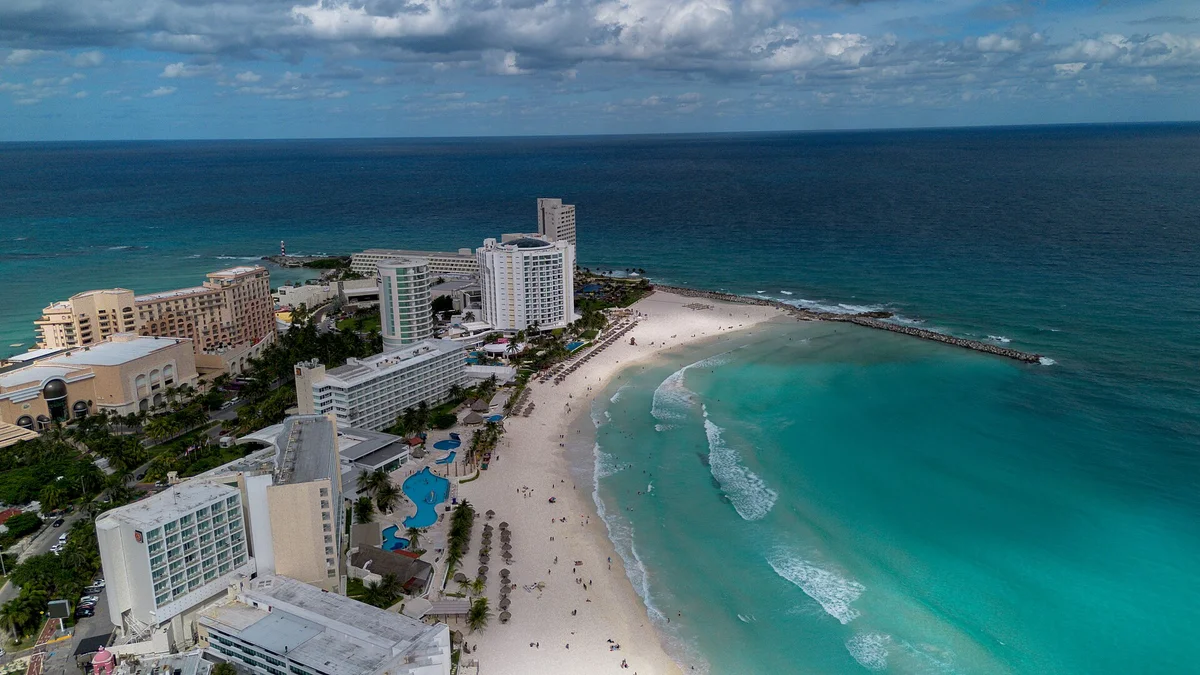
| Cancún | Mature, institutional | $250K+ | 3.5-4.5% net | Stable tourism volume |
| Los Cabos | Premium US corridor | $350K+ | ~3.8% net branded | Luxury, flight access |
| Puerto Vallarta | Lifestyle + yield blend | $300K-450K | 3.5-5% net | Retirees, west-coast US |
| Mazatlán | Pacific value entry | $180K-280K | 3.8-4.5% net | US West STR value |
| Mérida | Interior city, fideicomiso | ~$165K | 3.5-5% net | Retiree appreciation play |
Quintana Roo led national price growth near 14.7% in 2025 at the state level, but Tulum median 1BR near $285K still sat 74 days on market in Q2 2026. State averages hide neighborhood outcomes. Your underwriting must be colonia-level, not country-level.
Who each Mexican market suits
Mexico coastal property fits five main buyer types: US STR investors targeting 4-5% net yield, vacation-home owners using 6-10 weeks per year, retirees seeking cost-of-living arbitrage, portfolio diversifiers adding a non-US asset, and pre-construction speculators accepting delivery risk for launch discounts. Budget, hold period, and oversight tolerance determine which market matches which profile.
| Profile | Thesis | Mexico edge | Model carefully |
|---|---|---|---|
| US STR investor | Net 4-5% + appreciation option | Large Airbnb pool, USD pricing | HOA STR rules, mgmt 20-35% |
| Vacation-home owner | Use 6-10 weeks, rent the rest | Same timezone band, short flights | Remote maintenance quality |
| Retiree / snowbird | COL arbitrage + warmth | PV, Mérida, Chapala ecosystems | Healthcare proximity varies |
| Diversifier | Non-US asset bucket | Different cycle than Florida | Fideicomiso + ISR on exit |
| Pre-construction speculator | Launch discount | Developer payment plans | Delivery + permit risk in Tulum |
If you need 8% net in year one with minimal oversight, Mexico will disappoint you in most buildings. If you accept 4% net with tourism upside and can enforce HOA compliance, Playa del Carmen still has a case.
Fideicomiso (bank trust): default on the coast
Inside the restricted zone, a Mexican bank holds legal title. You are the beneficiary with rights to occupy, lease, sell, mortgage (bank-dependent), improve, and pass to heirs. Setup runs $2,500-4,000; annual fees $500-800. Term is 50 years, renewable.
Mexican corporation
Used for portfolios or formal rental businesses, not a first condo. Ongoing filings and tax complexity. Compare structures: Fideicomiso vs Mexican Corporation.
Direct title (non-restricted zone)
Possible in Mérida, San Miguel, Lake Chapala, outside this guide’s coastal focus but relevant for retiree comparisons.
Gross yield against net: what the deck leaves out
Every broker deck quotes gross yield, annual rent divided by price, and every one of them is arithmetically correct and practically useless. The gap between gross and net in Mexico runs two to three percentage points, which is the difference between a return and a hobby.
Five lines separate a broker’s gross from your net and none of them is unusual. Five lines separate a broker’s gross from your net and none of them is unusual: management at 20% to 35%, HOA of $100 to $900 a month, predial, the fideicomiso annual fee, and a real vacancy allowance. Riviera Maya gross settles at 5.5% to 7% across a full year on realistic occupancy, and prime Playa colonias net 4.3% to 4.5% after that stack. Nightly-rate models that project higher describe a well-run unit in a strong year, not the average one. Every deduction is knowable before you offer, from a manager quote and 24 months of HOA statements.
Net yield subtracts:
- HOA / regime de condominio ($100-800+/month)
- STR management (20-35% of gross)
- Predial property tax
- Fideicomiso annual fee
- Vacancy and turn costs
- Lodging taxes and compliance
| Neighborhood (1BR condo) | Gross | Net (indicative) |
|---|---|---|
| Gonzalo Guerrero, Playa | 6.8% | 4.5% |
| Centro, Playa | 6.6% | 4.4% |
| Aldea Zama, Tulum | 6.5% | 3.4% |
| Region 15, Tulum | 6.0% | 2.6% |
| Branded Cabos corridor | 4-7% | ~3.8% |
Full tables and calculator walkthrough: Mexico Rental Yield Guide and Gross vs Net Yield Mexico.
Transaction costs and timeline
Total acquisition costs for foreign buyers in Mexico typically run 5-10% above the purchase price. On a USD 300,000 condo, budget USD 15,000-30,000 for ISAI transfer tax, notario fees, fideicomiso setup, registry, and independent legal review. Closings take 30-90 days; fideicomiso bank processing can add several weeks.
Cash requirement, not purchase price, is what a first-time buyer should budget against. On a $310,000 Playa condo, closing at 5% to 10% adds $15,500 to $31,000, furnishing a short-term rental adds $15,000 to $30,000, and a six-month operating reserve adds $3,000 to $5,000, a realistic requirement of $343,500 to $376,000. Expect 45 to 90 days from offer to escritura, with the bank’s identification of you personally as the item most likely to extend it beyond 90 days.
| Cost item | Typical range |
|---|---|
| ISAI / acquisition tax | 2-4% (state-dependent) |
| Notario + registry | 1.5-2.5% combined |
| Fideicomiso setup | $2,500-4,000 flat |
| Independent attorney | $1,500-5,000 |
| Total buyer stack | 5-10% of price |
Closing often takes 30-90 days; fideicomiso setup can add weeks. Remote purchase via power of attorney is common, but not a substitute for independent legal review.
Due diligence non-negotiables
Four checks, and the first two are binary: the lien certificate is clean or it is not, and the land is private or it is ejido. The other two determine whether the investment works, written rental permission in the building’s regime, and a CFDI trail from the first payment, because the ISR you pay at exit is calculated against exactly those invoices.
Before any deposit:
- Libertad de gravamen: lien certificate clean.
- Ejido verification: communal land cannot be your private play.
- HOA bylaws: STR allowed or banned in this building?
- CFDI trail: future ISR sale depends on documented basis.
- Independent lawyer: not the seller’s notario relationship only.
2026 market phase: what changed
After aggressive appreciation in 2022-2023, several Riviera Maya sub-markets entered a buyer-negotiation phase. Inventory rose in Tulum; DOM lengthened. That is not a crash narrative, it is a selection narrative. Discounts exist on motivated sellers; premium new launches still sell to lifestyle buyers who ignore net yield.
Infrastructure completed or advanced, Tren Maya, Tulum airport, supports long-term tourism throughput. It does not automatically rescue a poorly positioned condo with $900/month HOA and no STR permit path.
What red flags should pause this Mexico purchase?
Five claims that should stop a purchase rather than slow it. “Ejido land with a special permit for foreigners” is the most consequential, no such permit exists, and a guaranteed net yield is the most common. Both are marketing formulations rather than mistakes, which is what makes them diagnostic.
- “Ejido land with a special permit” for foreigners
- Guaranteed 12% net yield on paper only
- Pressure to wire before escrow structure is clear
- Developer without track record of delivered phases
- Unit in a building where half the owners dispute STR rules
- No written ISR estimate before you model exit
How to use this guide cluster
This guide is the country-level entry point. From here, navigate to specific topic guides depending on your immediate question, ownership mechanics, yield math, regional markets, or closing process. Each guide links back to this hub and cross-references related topics. Start with the process guide if you are early-stage; jump to yield or DD if you have a specific property in mind.
| Topic | Guide |
|---|---|
| Foreign buyer process | can foreigners buy property in Mexico |
| Bank trust mechanics | Fideicomiso Explained |
| Yield by colonia | Mexico Rental Yield Guide |
| Riviera Maya focus | Riviera Maya Investment Guide |
| Closing costs | Cost of Buying Property |
| Legal DD | Due Diligence Guide |
| US buyer angle | Mexico Property for Americans |
| vs Florida | Mexico vs Florida Investment |
Mexico macro context
Mexico real estate for foreigners is shaped by forces larger than any colonia:
| Macro factor | Investor implication |
|---|---|
| US tourism flows | Core STR guest pool RM/Cabos |
| Peso volatility | MXN-financed buyers feel FX; USD listings cushion Americans |
| INEGI migration data | Retiree corridors (PV, Chapala) grow steadily |
| Quintana Roo price growth ~14.7% (2025 state) | Averages mask Tulum R15 softness |
| Infrastructure (Tren Maya, Tulum airport) | Raises tourism ceiling long-term |
Macro tailwinds do not rescue micro mistakes, HOA bans and ejido title fail in every cycle.
Los Cabos and Baja California Sur (the Pacific thesis)
Los Cabos trades yield for a different risk profile: entry from $350,000 at 3-4% net on branded corridor product, against Playa’s 4.4% at a lower ticket. What you buy for the difference is a Pacific hurricane exposure rather than an Atlantic one, and direct flights from LAX, PHX and DFW that make owner use practical.
Los Cabos absorbs heavy US west coast and Texas buyer flow:
- Entry often $350K+ for investor-grade 1BR
- Net yields 3-4% on branded corridor product
- Hurricane path differs from Atlantic RM
- Flight depth from LAX, PHX, DFW supports owner use
Cabos investors often prioritise USD wealth preservation and lifestyle over maximum cash yield.
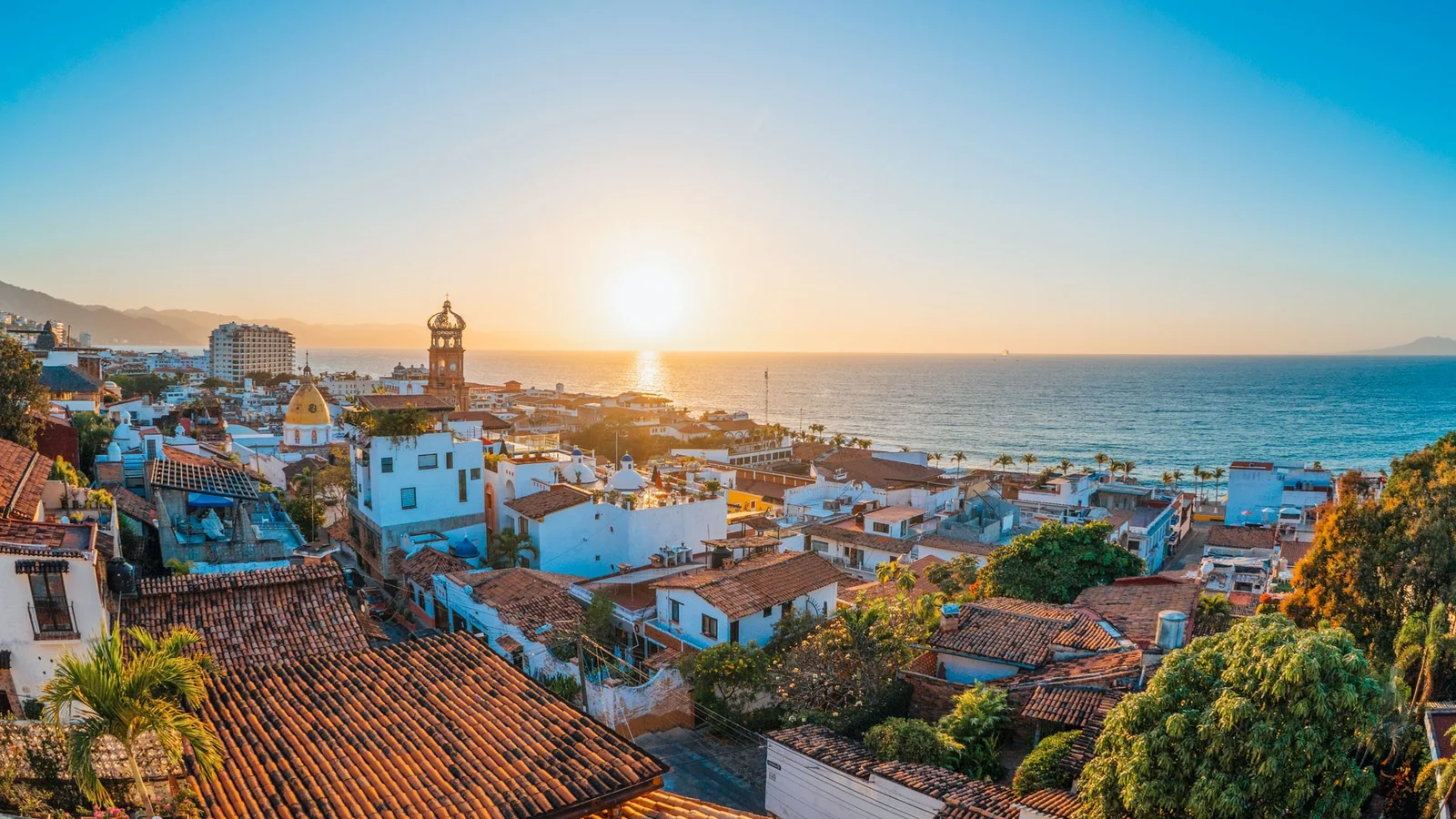
Puerto Vallarta and Nayarit west coast
PV balances retiree owner-occupiers with STR:
- Price band $300K-450K typical 1BR
- Net 3.5-5% by colonia
- Lower Atlantic hurricane noise than RM
- California and PNW buyer dominance
Puerto Vallarta Property Investment Guide. Area: Puerto Vallarta.
Interior markets: Mérida and beyond
Mérida (~$165K urban 1BR) sits inside the 50 km band despite its inland reputation, so budget the trust; the thesis is retiree demand and appreciation rather than beach STR.
Different DD, different guest pool, different liquidity. Not a substitute for RM, a separate sleeve.
Tax and compliance for foreign owners
Mexico taxes you at three points, acquisition, carry and exit, and your home country taxes the middle and the end again. The single most useful thing to understand early is that Mexico is not offshore: US owners report worldwide income regardless, and the foreign tax credits that prevent double taxation only work if the Mexican filings exist.
Foreign owners touch three tax layers:
- Acquisition: ISAI at closing (Cost Guide)
- Carry: Predial, lodging taxes, income tax on rent
- Exit: ISR withholding on sale
Americans add US worldwide reporting, Mexico is not offshore.
Financing landscape summary
Roughly half of foreign buyers purchase Mexican property with cash. The remainder use US home-equity lines, securities-based lending, niche Mexican bank mortgages (typically 30-40% down at rates above US benchmarks), or developer installment plans during pre-construction. True bank leverage rarely improves net cash-on-cash returns once debt service is included.
| Method | Prevalence | Notes |
|---|---|---|
| Cash | ~50% foreign buyers | Simplest DD |
| US HELOC / securities | Common | Home-country rates |
| Mexican bank mortgage | Niche | 30-40% down typical |
| Developer installments | Pre-construction | Not bank mortgage |
Leverage rarely turns 3% net into 8% cash-on-cash after debt service, model honestly.
Remote purchase and POA
Roughly 30-40% of US buyers close without attending every signing, power of attorney through Mexican notario.
Remote is standard; sloppy remote is fatal. Escrow, wire verification, independent counsel non-negotiable.
How to Buy Mexico Property Remotely. Power of Attorney Property Mexico.
Pre-construction vs resale: asset class split
Resale and pre-construction are fundamentally different asset classes. Resale units come with known HOA history, operating data, and immediate rental income. Pre-construction offers launch pricing but carries delivery risk, unknown HOA costs, and pro forma yield projections that may not materialize. Tulum’s 2024-2026 supply wave punished buyers who treated pre-construction DD like resale DD.
| Resale | Pre-construction | |
|---|---|---|
| Risk profile | Known HOA, operating data | Delivery + permit risk |
| Yield data | Historical | Pro forma fantasy risk |
| Buyer fit | Most first-timers | Experienced + local team |
Tulum 2024-2026 supply wave punished buyers who treated pre-construction like resale DD.
Escrow Mexico Real Estate. Mistakes Foreign Buyers.
STR operating stack (2026)
Profitable STR requires four alignment layers:
- Fideicomiso or direct title: ownership lawful
- HOA regime: STR permitted in writing
- Municipal: registration and lodging tax
- Manager: compliance included in contract
Fail one → effective yield zero.
Airbnb Investment Mexico. Short-Term Rental Rules Riviera Maya.
Yield engineering: from gross to decision
Converting gross yield marketing into a usable investment decision takes five steps: screen listings with gross yield, underwrite an offer using net yield on all-in cost, compare markets using standardized gross-vs-net tables, run building-specific analysis with the rental yield guide, and validate with the yield calculator. Target 4-5% net in prime Playa as the 2026 base case, not 8% gross marketing.
| Step | Tool |
|---|---|
| Screen listings | Gross yield |
| Underwrite offer | Net yield all-in cost |
| Compare markets | Gross vs Net |
| Building-specific | Rental Yield Guide |
| Calculator | How to Calculate Rental Yield Mexico |
Target 4-5% net in prime Playa as 2026 base case, not 8% gross marketing.
Portfolio construction frameworks
Three ways to deploy the same capital, and the spread between them is about a point of net yield against very different liquidity. Concentration in a single liquid market maximises both yield and exit optionality; splitting across coasts diversifies the regulatory and hurricane risk and doubles the management load. Neither is wrong, but pick one deliberately.
Conservative US buyer ($400K)
- 100% Playa Centro 1BR resale
- Net ~4.4%, liquidity priority
Barbell ($550K)
- Playa $320K core + Tulum AZ $220K option
- Weighted net ~4.0%
Diversifier ($800K+)
- RM + Cabos or PV split
- Geographic correlation reduction
Entry tier ($180K)
- High risk, only with full DD and long hold
- Tier Entry Guide
Exit planning from day one
Exit planning starts at purchase, not at listing. Four actions taken during closing pay off directly at sale: collecting CFDI invoices for all costs (reduces ISR withholding), maintaining STR P&L records (builds buyer confidence), organizing HOA documents (accelerates buyer DD), and maintaining the fideicomiso bank relationship (enables smooth beneficiary substitution at exit).
| Task at purchase | Payoff at sale |
|---|---|
| CFDI all closing invoices | Lower ISR withholding |
| STR P&L records | Buyer confidence |
| HOA docs organised | Faster DD |
| Fideicomiso bank relationship | Smooth substitution |
Americans plan US gain reporting simultaneously, cross-border CPA engaged pre-sale.
Mexico vs United States beach: decision summary
Choose Mexico if you want a sub-USD 350,000 beach-access ticket, portfolio diversification from US-only real estate, and a 5-year-plus hold horizon with tolerance for fideicomiso mechanics. Choose the US (Florida or similar) if you need fee-simple title, 1031 exchange eligibility, US insurance infrastructure clarity, or three-year liquidity.
| Choose Mexico | Choose US (e.g. Florida) |
|---|---|
| Sub-$350K beach ticket | Fee simple priority |
| Diversification | 1031 exchange needed |
| 5+ year hold | 3-year liquidity need |
| Accept fideicomiso | US insurance clarity |
Deep-dive guides in this cluster
Eight supporting guides cover specific topics in depth. Property taxes, trust renewal, power of attorney, remote closing, yield calculation, step-by-step buying, restricted zone mechanics, and scam avoidance each have their own dedicated guide with worked examples and decision frameworks. Use this table to jump directly to the topic you need.
| Topic | Guide |
|---|---|
| Property taxes | Mexico Property Taxes Explained |
| Trust renewal | Bank Trust Renewal Mexico |
| Power of attorney | Power of Attorney Property Mexico |
| Remote closing | How to Buy Mexico Property Remotely |
| Yield calculator | How to Calculate Rental Yield Mexico |
| Step-by-step | How to Buy Mexico Property Step by Step |
| Restricted zone | Mexico Restricted Zone Explained |
| Scams | Mexico Real Estate Scams Avoid |
What checklist should run before you sign?
This is the consolidated version of everything above, and it is deliberately short enough to hold on one page during a live transaction. Two items on it carry more weight than the rest. The market selection has to be made at colonia level rather than city level, because the spread between neighbouring colonias in Playa or Tulum is wider than the spread between the two towns. And the net yield has to clear your hurdle after a stress test, not before, a model that works at 75% occupancy and fails at 60% is not a model, it is a hope. Everything else on the list is a document you either hold before the deposit or you do not:
- Market selected at colonia level
- All-in closing modelled (5-10%)
- Independent attorney retained
- Ejido screen clean
- HOA STR permission written
- Net yield exceeds hurdle after stress test
- CFDI plan documented
- Cross-border CPA briefed (US/Canada)
- Manager quoted pre-offer (if STR)
- Hold period and exit path named
Common investor failure modes (country-level)
The six most frequent foreign-buyer failures in Mexico are: purchasing ejido communal land, buying in STR-banned buildings, using gross yield as the basis for an offer, closing without CFDI invoice documentation, relying solely on the seller’s notario, and wiring pre-construction funds without escrow structure. Each is preventable with standard due diligence.
| Failure | Frequency | Prevention |
|---|---|---|
| Ejido purchase | High among bargain hunters | Attorney agrarian screen |
| STR-banned building | High among STR tourists | HOA bylaws pre-offer |
| Gross yield purchase | Very common | Net spreadsheet |
| No CFDI at closing | Common | Invoice discipline |
| Seller’s lawyer only | Common | Independent counsel |
| Pre-construction no escrow | Periodic waves | Escrow guide |
Is Mexico real estate a good investment in 2026? (direct answer)
Yes, for buyers who underwrite it honestly, and the honest version looks materially different from the marketing version. Net vacation rental yields in liquid coastal condominiums run 3-5% rather than the 8-12% gross that listing decks advertise, and the gap between those two numbers is management, HOA, tax and vacancy rather than exaggeration. Appreciation is real but micro-market specific: Tulum’s Region 15 has been flat while Playa Centro held its values. The legal structure is sound where the land is private and worthless where it is ejido. The four points below set out what a realistic expectation actually contains:
Mexico can work for qualified foreign buyers with realistic expectations:
- Net vacation rental yields 3-5% in liquid coastal condos, not 8-12% gross marketing
- Appreciation varies by micro-market, Tulum R15 flat while Playa Centro holds
- Legal ownership via fideicomiso is sound when land is private, ejido is not
- Diversification value for US portfolios is real, not tax-haven fantasy
Mexico fails investors who chase ejido discounts, skip HOA review, or require US-level liquidity in Tulum fringe.
Dedicated 2026 outlook: Is Mexico Real Estate Good Investment 2026.
How do foreign buyers complete this purchase legally?
Nine terms appear throughout this guide cluster and Mexican property transactions. Understanding fideicomiso (bank trust), escritura (deed), notario (government-appointed closing official), ISAI (state transfer tax), ISR (income/capital gains tax), predial (annual property tax), regime de condominio (HOA bylaws), CFDI (tax invoice), and ejido (communal land to avoid) is essential before any property search.
| Term | Meaning |
|---|---|
| Fideicomiso | Bank trust for coastal foreign ownership |
| Escritura | Deed |
| Notario | Government-appointed closing official |
| ISAI | State acquisition tax |
| ISR | Income tax, including capital gains on sale |
| Predial | Annual property tax |
| Regime de condominio | HOA bylaws |
| CFDI | Tax invoice, basis documentation |
| Ejido | Communal agrarian land, avoid |
Sample 5-year hold model (Playa centro)
A Playa del Carmen Centro 1BR purchased at USD 300,000 all-in (including 7% closing costs) and netting 4.2% annually from STR generates roughly USD 67,000 cumulative rental income over five years. Exit at USD 380,000 minus ISR withholding leaves an illustrative gain near USD 45,000 net, total return sensitive to appreciation, tax basis, and occupancy assumptions.
| Year | Event | Cash impact |
|---|---|---|
| 0 | Buy all-in $321K | −$321K |
| 1-5 | Net rent 4.2% avg | +$67K cumulative |
| 5 | Sell $380K − ISR | +$45K net illustrative |
Total return sensitive to ISR and appreciation, model with CPA, not broker deck.
Esg and environmental trends
Tulum cenote protection and coastal zoning tighten, environmentally non-compliant units face:
- Stop-work orders
- STR permit denial
- Resale discount
Environmental DD is investment DD in 2026 RM.
Technology enabling remote ownership
Four technology categories enable remote STR ownership in Mexico: smart locks for keyless guest access, noise monitors for HOA dispute defense, water leak sensors critical during hurricane season, and owner-facing dashboards from property managers for P&L transparency. Technology augments, but does not replace, a reliable local property manager.
| Tool | Benefit |
|---|---|
| Smart locks | Remote guest access |
| Noise monitors | HOA dispute defense |
| Water leak sensors | Hurricane season |
| Owner apps from managers | P&L transparency |
Tech does not replace manager, augments oversight.
When not to invest in Mexico property
Pass if:
- Need 1031 replacement
- Cannot tolerate 30-90 day illiquid closing
- Unwilling to hire Mexican counsel
- Chasing guaranteed yield promises
- Budget requires ejido fringe “deal”
Other markets fit better, no shame in passing.
Mexico property investment one-page summary
- Where: Playa Centro for net + liquidity; Tulum selective; Cabos premium
- How: Fideicomiso + independent attorney + escrow
- Yield: Net 3-5% realistic coastal STR
- Cost: 5-10% closing + ongoing HOA/mgmt
- Tax: CFDI basis + US worldwide reporting
- Exit: ISR withholding: plan day one
Institutional vs retail buyer dynamics
Institutional capital in Cancún hotel zone differs from retail condo STR buyer, do not confuse hotel REIT trends with your 1BR HOA economics.
Retail foreign buyer: fideicomiso condo path in this guide cluster.
Peso movements and USD listings
USD-denominated purchase insulates from peso on price, MXN carry (HOA, cleaning) still FX-sensitive.
Peso depreciation 2024-2026 period helped USD earners on MXN expenses, not guaranteed forward.
Ethics and community impact
STR concentration affects local housing politics, HOA and municipio reactions partly stem from community pressure.
Sustainable operator: compliant registration, noise control, local employment via manager.
Long-term regulation risk lower for compliant operators.
Hub guide reading order for new investors
- This guide: country frame
- Buy Property Foreigner: process
- Fideicomiso: legal
- Riviera Maya or Los Cabos, market
- Rental Yield + Calculator: math
- Due Diligence: before deposit
- Property Taxes: hold and exit
Americans add Mexico Property for Americans at step 3.
Closing thought for hub readers
Mexico property investment rewards procedural discipline, fideicomiso, CFDI, HOA STR verification, net yield math, more than country enthusiasm. The investors who succeed treat each condo as a small business with legal wrapper, not a souvenir purchase.
Figures are indicative from published market sources and broker methodology through mid-2026. Mexican tax, HOA, and municipal STR rules change, verify with licensed counsel and AMPI-affiliated professionals before transacting. Mexico Invest is independent editorial, not a developer or broker.
Areas and project reviews
What entry tickets and net yields look like across the range
From studio to villa, the net-yield band narrows more than the price band does. Net yields after 25% to 35% management fees and 3% to 5% vacancy landed near 4% to 7% in Playa del Carmen and 3% to 5% in branded Los Cabos stock. Closing costs at 5% to 10% plus $450 to $900/month HOA required 12-month carry proof before deposit. Files with escritura chains pre-certified averaged 45 days to keys versus 90 days when notario review started late.
Indicative ranges from 2026 market observation, not quotes. Pricing, fees and tax treatment move and are set per transaction; confirm your own numbers before you commit.
Frequently Asked Questions
Mexico can work for US and Canadian buyers seeking USD-denominated coastal assets, STR income, or diversification, but outcomes depend on micro-market selection. Net rental yields of roughly 3-5% are realistic in Riviera Maya after HOA and management; Los Cabos skews lower on net but higher on price stability. Tulum Region 15 shows oversupply risk. Treat gross yield marketing as a starting point, not a promise.
Yes. Foreigners buy every day in Cancún, Playa del Carmen, Tulum, Los Cabos, and Puerto Vallarta. Inside the restricted zone (50 km from coast, 100 km from border) residential title is held via a bank trust (fideicomiso). You retain use, rent, sell, improve, and inherit rights. Ejido communal land is not a shortcut, avoid it.
Gross vacation-rental yields of 6-8% appear in marketing for well-run Playa del Carmen condos. Net yields after 20-35% management, HOA, taxes, and vacancy often land near 3.5-5% in liquid Playa neighborhoods and under 3% in oversupplied Tulum pockets. Los Cabos branded inventory commonly nets closer to 3-4%. Appreciation varies sharply by cycle and sub-market.
Budget 5-10% above purchase price for acquisition costs: ISAI transfer tax (often 2-4% by state), notary fees (about 1-1.5%), registry, appraisal, and fideicomiso setup ($2,500-4,000) plus annual trust fees ($500-800). Independent legal review adds $1,500-5,000. Smaller purchases often hit the top of the percentage range.
There is no single winner. Playa del Carmen offers the strongest rental liquidity in Riviera Maya. Tulum offers higher gross yields in select zones but higher execution risk. Los Cabos is premium-tier with deep US flight connectivity. Puerto Vallarta balances lifestyle and yield. Match market to budget, hold period, and tolerance for HOA and permit rules.
Ejido land sold as if it were private freehold is the classic failure mode. Secondary risks include buying without CFDI-documented cost basis (painful at ISR sale), ignoring HOA STR bans, and trusting a seller's lawyer instead of your own. Pre-construction without escrow discipline and permit verification has burned buyers in Tulum's 2024-2026 supply wave.
Not for a single vacation condo. A fideicomiso is the default in coastal restricted zones. Mexican corporations make sense for active rental businesses or multiple assets, but add accounting, compliance, and tax complexity. Most first-time foreign buyers should not start with a corporation structure.
Mexico often offers lower entry tickets and STR demand tied to tourism, but you trade US title simplicity for fideicomiso mechanics and Mexican ISR on sale. Florida markets may offer clearer insurance and financing but higher prices in prime corridors. See our Mexico vs Florida comparison for net-yield framing, not just purchase price.



Get a vetted Mexico shortlist
US and Canadian buyers use this to skip the developer sales deck: tell us the budget and the market, and we come back with 3 to 5 options and the net yield maths behind each one.
Want options matched to your budget and risk profile?
Three questions, one screen. We reply within one business day.
Get a vetted Mexico shortlist