
Timeshare vs Condo Ownership in Mexico: Buyer Guide
Timeshare vs condo in Mexico: ownership rights, resale reality, STR income potential, and why escritura beats vacation club contracts.
By Mexico Invest Editorial · Updated July 9, 2026 · 14 min read
Quick answer: A Mexican timeshare is a right-to-use contract with no title, no resale market, and escalating annual fees. A freehold condo via fideicomiso gives you beneficial ownership, STR income potential, and a real exit market. For any investment objective, the condo wins on every measurable dimension.
Every year, tens of thousands of foreign visitors attend timeshare presentations at Mexican resorts and return home with a contract they did not plan to sign. And every year, tens of thousands of foreign buyers close on condominiums via fideicomiso and register productive rental assets. This guide compares both paths across ownership rights, costs, income potential, and exit options, so you can make the decision before the sales team does.
Start with the foundational context: can foreigners buy property in Mexico.
What exactly is a Mexican timeshare, legally?
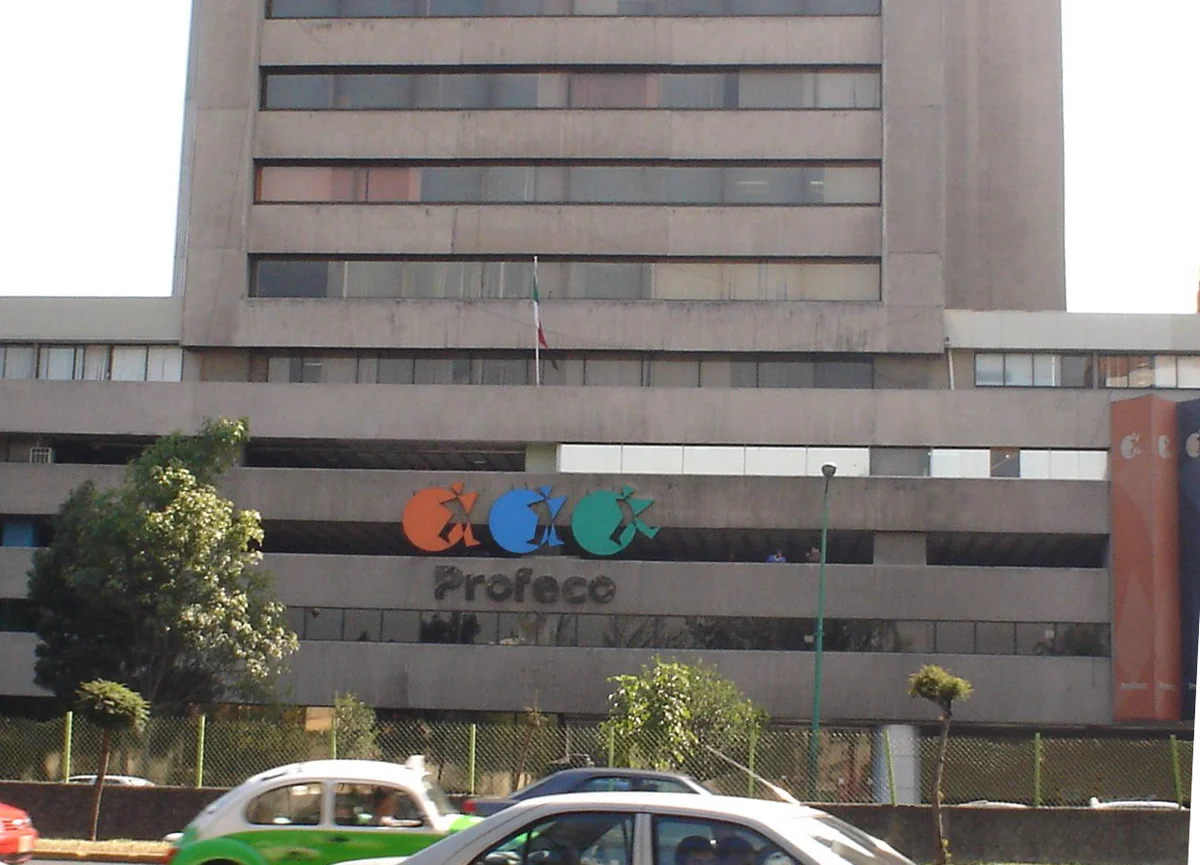
A Mexican timeshare, marketed under names like “vacation club membership,” “fractional use right,” or “right-to-use interest”, is a consumer contract regulated under the Ley Federal de Protección al Consumidor (PROFECO) and the Ley Federal de Turismo. It is not a real estate transaction.
The key legal distinction: no escritura (notarized deed) is recorded in your name at the public property registry. You purchase a contractual right to use one or more units during specified periods, subject to availability under the resort’s reservation system. The developer retains title to every unit.
What timeshare contracts actually convey
- Use rights: access during contracted weeks (fixed, floating, or points-based)
- No individual title: the resort company holds the deed to all units
- No registry entry: nothing recorded at the Registro Público de la Propiedad
- Perpetual obligation: maintenance fees continue indefinitely, including years you do not travel
- Inheritance complexity: passing a timeshare to heirs requires them to assume all obligations
The documentation you receive is a consumer contract, not a real estate instrument. If someone refers to this as “owning property in Mexico,” that framing is inaccurate under Mexican law.
Points-based systems add opacity
Modern Mexican timeshares increasingly use points currencies instead of fixed weeks. Points erode in value as developers issue more inventory, travel-date blackouts multiply over time, and the promised flexibility depends entirely on the developer’s ongoing solvency. Points-system participants have even less legal recourse than fixed-week holders when developers restructure or fail.
What does a freehold condo in Mexico actually convey?
A condo purchased via fideicomiso bank trust conveys full beneficial ownership of a specific, individually titled unit. The escritura is notarized by a gobierno-appointed notario público and recorded in the state public property registry, creating a legally enforceable ownership record.
Ownership rights you hold as fideicomiso beneficiary
- Use: occupy the unit at any time without resort permission
- Rent: list on Airbnb, VRBO, or direct booking, typically 6-10% gross yield in Riviera Maya
- Sell: list on AMPI broker MLS, negotiate price, receive proceeds at notario closing
- Improve: renovate, furnish, upgrade systems with standard HOA approval
- Inherit: named successor beneficiaries inherit seamlessly through the trust instrument
The bank holding legal title is an administrative function only. You control all economic decisions. For full detail on how the trust structure works, see Fideicomiso Mexico Explained.
Title and registry protection
The escritura chain creates a documented ownership history from original development through every subsequent transfer. Your attorney verifies no liens, encumbrances, or undisclosed claims before closing. This title certainty simply does not exist in timeshare contracts.
Side-by-side comparison: ownership fundamentals
| Factor | Timeshare | Freehold Condo |
|---|---|---|
| Legal instrument | Consumer contract | Notarized escritura |
| Registry entry | None | Registro Público de la Propiedad |
| Title verification | Not applicable | Full chain review by attorney |
| Use rights | Limited weeks or points | Unlimited personal use |
| Rental income | Typically prohibited or pooled | Full STR freedom |
| Resale market | Effectively none | AMPI broker MLS |
| Capital appreciation | None (liabilities increase) | Yes, with market |
| Inheritance | Obligation-laden | Clean beneficiary transfer |
| Exit mechanism | Surrender or PROFECO | Standard property sale |
Cost comparison: real numbers over 10 years
A $22,000 timeshare costs more over ten years than most buyers expect and returns nothing at the end, because maintenance fees escalate annually and the resale value of a Mexican timeshare is close to zero. A condo costs far more up front and is an asset you can sell. The comparison is not close once both stacks are laid out in full.
Escalation is what makes the timeshare stack so much larger than the sticker suggests. Maintenance fees starting at $1,100 to $1,800 and rising 6% a year compound to $14,500 to $22,000 over a decade, more than the $22,000 purchase price itself, and two special assessments add a further $2,000 to $4,000. Total ten-year cost lands at $44,000 to $56,000 for one week a year, against a realistic resale value under $500. The condo costs far more up front and remains an asset you can sell.
The purchase price difference is dramatic, but the 10-year total cost comparison is where the decision becomes mathematically obvious.
Timeshare cost stack (USD, illustrative 10-year hold)
| Cost item | Amount |
|---|---|
| Initial purchase (1 week / year, mid-tier) | $22,000 |
| Annual maintenance fees (Year 1, escalating 6%/yr) | $1,100-$1,800 |
| Cumulative maintenance fees over 10 years | $14,500-$22,000 |
| Special assessments (2 expected) | $2,000-$4,000 |
| Exit cost (surrender, exit company, or write-off) | $0-$8,000 |
| Total 10-year cost (mid estimate) | $44,000-$56,000 |
| Resale value at exit | Under $500 (realistic) |
Condo cost stack (USD, illustrative 10-year hold, USD 250K purchase)
| Cost item | Amount |
|---|---|
| Purchase price | $250,000 |
| Closing costs (7% ISAI + notario + fideicomiso) | $17,500 |
| Annual HOA fees (USD 200-400/month × 10 years) | $24,000-$48,000 |
| Maintenance reserves | $10,000-$15,000 |
| Total invested | $301,500-$330,500 |
| Gross rental income (7% yield × 10 years) | $175,000 |
| Net rental after management and tax (55-60% payout) | $96,000-$105,000 |
| Estimated resale value (3% annual appreciation) | $336,000 |
| Net 10-year outcome | +$100,000-$130,000 |
The comparison is not close. The timeshare produces negative returns while creating a perpetual liability. The condo produces income, appreciation, and a marketable exit.
For detailed yield methodology, see Mexico Rental Yield Guide.
Timeshare resale: what actually happens
Mexican timeshare resale does not function as a real market. The secondary “market” consists of:
- Online listing platforms where units list for USD 1-500 and rarely sell
- Resale companies that charge upfront fees of USD 3,000-8,000, claim to have buyers, and typically deliver nothing
- Exit companies that negotiate surrender (giving back the contract) rather than resale
The primary scam variation: you receive an unsolicited call claiming a buyer is waiting for your specific unit at near-purchase price. To “release” the funds, you must pay a transfer tax or processing fee. No buyer exists. This scam is so prevalent that the US Federal Trade Commission and Mexican PROFECO jointly publish warnings about it.
Documented loss rate: Among foreign timeshare holders who engage exit or resale companies, over 85% report losing money through fees without completing an exit, per PROFECO complaint data.
Condo resale: the real market
Freehold condos in Playa del Carmen, Tulum, Puerto Vallarta, and Los Cabos trade on functioning MLS networks through AMPI-affiliated brokers. Liquidity varies by market and property type, but the infrastructure for listing, marketing, showing, and closing a sale exists and is used daily.
In Playa del Carmen Centro, well-managed STR condos with clean HOA financials typically sell within 90-180 days in normal market conditions. The condo you buy has a real exit strategy. The timeshare you buy does not.
Rental income potential: the core investment argument
A timeshare gives you weeks of use; a condo gives you an income stream you control. Most Mexican timeshare contracts restrict or prohibit renting your week out, route any rental through the resort’s own programme, and give you no say in the rate. There is no version of a timeshare that produces investment income, which settles the question for any buyer with investment objectives.
Rental economics is where the two products stop being comparable at all. A $250,000 condo generating a 7% gross produces roughly $175,000 across ten years, offsetting the entire HOA and maintenance stack and leaving the asset intact. A timeshare week can be exchanged or occasionally rented at a fraction of what the resort charges for the same week, because you are competing against the resort’s own inventory on its own property. One structure produces income and an asset with a resale market; the other produces an annual bill that escalates at roughly 6% a year and a resale value under $500.
This is where the condo advantage becomes decisive for any buyer with investment objectives.
Timeshare rental rights: severe restrictions
Most Mexican timeshare contracts contain provisions that:
- Prohibit direct subletting outside the developer’s rental program
- Require participation in the developer’s rental pool at unfavorable revenue splits (developer keeps 40-60%)
- Limit availability for rental periods through booking priority rules
- Restrict listing on platforms like Airbnb or VRBO by name in some contracts
Even developers who offer rental programs typically quote gross occupancy that bears no relationship to net income after their fees, maintenance, and reservation costs.
Condo STR income: documented market data
Well-located 1BR condos in Riviera Maya operating as active STRs generate:
- Gross rental yield: 7-10% in Playa del Carmen, 6-9% in Tulum
- Net yield after management (25%), platform fees (3%), maintenance, and predial: 4.5-6.5%
- Occupancy rates: 65-80% in established buildings with professional management
A USD 250,000 condo generating 7% gross yield produces USD 17,500 in annual gross rental income. After all costs, USD 11,000-16,000 net annually, compounding over your hold period with appreciation below it.
The high-pressure sales environment
A Mexican resort timeshare presentation runs 90 to 180 minutes and is built on four documented persuasion techniques applied in a fixed order: reciprocity, scarcity, authority and exhaustion. Knowing the sequence is most of the defence, because each stage only works if you do not recognise it.
Understanding the sales mechanics helps you resist them.
Timeshare presentation structure
The standard Mexican resort timeshare presentation runs 90-180 minutes and employs documented behavioral psychology techniques:
- Reciprocity: gift, breakfast, or resort credits offered before presentation begins
- Scarcity: “this price is only available today, units are being purchased hourly”
- Authority: sales representative frames contract as equivalent to real estate ownership
- Social proof: binders of testimonials, videos of happy owners
- Urgency: multiple “final offer” price reductions as you attempt to leave
- Fatigue: presentations run long intentionally; decision-making degrades with time
None of these techniques change the underlying legal product. The contract you sign at 2pm after a four-hour presentation has the same terms as the contract you would have signed at 9am.
The five-day PROFECO cancellation right
Mexican consumer law provides a five-business-day rescission window after signing any timeshare contract. This right cannot be contracted away. If you signed a timeshare contract in Mexico within the past five business days, you can cancel in writing to the developer with no penalty.
Document the cancellation: send written notice via certified mail to the resort’s legal address and retain the PROFECO confirmation number. Developers sometimes resist; PROFECO mediation is free and effective.
Timeshare: full picture
| Pros | Cons |
|---|---|
| Guaranteed resort access for contracted weeks | No title, no asset |
| Sometimes lower entry price than full ownership | Perpetual escalating fees |
| Upscale amenities during stay | No rental income freedom |
| No individual maintenance responsibility | No real resale market |
| Exchange networks for variety (in theory) | Exit extremely difficult |
Freehold Condo: full picture
| Pros | Cons |
|---|---|
| Real property ownership with registered title | Higher entry capital required |
| Unrestricted rental income potential | Active management required |
| Functioning resale market via AMPI | HOA fee obligations |
| Capital appreciation potential | Currency risk (peso costs) |
| Clean inheritance via fideicomiso | Closing cost stack 6-10% |
| No developer dependency after closing | Requires due diligence investment |
Before signing a timeshare contract
- Have you had independent legal counsel review the contract in your home language?
- Is the developer registered with PROFECO and SECTUR?
- What is the maintenance fee escalation cap in the contract (or is there one)?
- Are subletting and rental rights explicitly permitted in writing?
- What is the documented resale history for units of this type?
- Has the developer been subject to PROFECO enforcement actions?
- What happens to your contract if the developer sells, restructures, or closes?
- Are you within the five-day rescission window?
Before closing a condo purchase
- Has independent counsel verified the escritura chain and confirmed no liens?
- Is the property outside ejido land boundaries?
- Has the fideicomiso bank been selected and application submitted?
- Have HOA bylaws been reviewed for STR restrictions?
- Is the STR permit obtainable under current municipal zoning?
- Have CFDI receipts been requested from the seller for capital gains basis?
- Has an independent property inspection been completed?
- Are closing costs fully estimated and funds secured?
For complete due diligence methodology: Due Diligence Mexico Real Estate.
The middle ground: fractional ownership
Some buyers consider fractional ownership as a midpoint between timeshare and full condo purchase. The comparison matters: while fractional arrangements can convey real property interests in some structures, the market in Mexico is highly variable in legal quality.
True fractional ownership with individually registered deed fractions differs from timeshare in having legal substance, but the secondary market is similarly thin and the HOA-equivalent governance structure requires careful evaluation. See Fractional Ownership Mexico Risks for a complete analysis before considering any fractional product.
The practical rule: if the developer cannot show you an individually recorded escritura fraction for your share with your name in the registry, it is functionally a timeshare regardless of the marketing language used.
Scenario A: Frequent Mexico traveler, no investment objective
Profile: Visits Mexico 3-4 weeks per year, same resort, no interest in rental income or resale, values guaranteed high-end accommodation, USD 20,000-25,000 budget.
Honest analysis: Even for pure lifestyle use, the timeshare math is unfavorable. The same USD 22,000 invested in a savings account at 4% generates USD 880/year, enough to book 2 weeks at the same resort as a paying guest without any perpetual fee obligation. Timeshare only makes financial sense if: you commit to full use every year for 15+ years, fees stay below hotel rates, and you never need the capital for anything else.
Recommendation: Book direct or through a membership hotel program. Do not tie up capital in a contract with no exit.
Scenario B: Yield-focused investor, USD 200K-350K budget
Profile: Wants to generate rental income from a Mexican coastal property, 5+ year hold, comfortable with active management coordination.
Recommendation: Freehold condo via fideicomiso only. Research STR-friendly buildings in Playa del Carmen or Puerto Vallarta. Verify HOA bylaws for rental permission before any deposit. Budget full closing costs. Engage an independent attorney before signing anything. The investment case is real; the execution requires discipline.
Scenario C: Lifestyle second-home buyer, occasional use + occasional rental
Profile: Wants 4-8 weeks of personal use annually, open to renting remaining time, USD 300K+ budget.
Recommendation: Freehold condo that you own, manage with a professional property manager, and use for personal stays without reservation requests to a resort developer. Your occupancy gets first priority. Rental income offsets carrying costs. Exit by selling on the open market when ready.
Scenario D: Existing timeshare owner exploring exit
Profile: Purchased a Mexican timeshare 3-10 years ago, maintenance fees increasing, rarely using contracted weeks, seeking exit.
Recommendation sequence:
- File PROFECO complaint documenting any misrepresentation at sale
- Attempt developer-direct surrender negotiation (many developers accept voluntary surrender to avoid PROFECO enforcement)
- If developer refuses, engage PROFECO mediation (free, documented)
- Only after mediation fails, consider a reputable exit attorney (not advance-fee resale company)
- Never pay upfront fees to any resale or exit company before documented proceeds
Do not use timeshare exit capital, once recovered, to purchase another timeshare or fractional product marketed by the same resort network.
What Mexican consumer law says about timeshare misrepresentation
Mexican law gives you five days to rescind unconditionally, and PROFECO can extend that on grounds of misrepresentation, non-disclosure or coercion. Filing is free, needs no lawyer, and goes to a regulator that already keeps a public register of repeat offenders, which is why the first step for an unhappy owner is PROFECO, not an exit company.
The Ley Federal de Protección al Consumidor gives PROFECO jurisdiction over timeshare sales practices. Documented grounds for rescission beyond the five-day window include:
- Material misrepresentation: false claims about property ownership, resale value, or rental income
- Failure to disclose: omission of escalation clauses, use restrictions, or exit limitations
- Illegal sales tactics: coercion, threats, or refusal to honor rescission request
PROFECO maintains a public registry of repeat-offender timeshare companies. File complaints at: profeco.gob.mx, free service, no attorney required for initial filing.
The legal framework exists to protect you, but it requires you to use it proactively and within documented timeframes.
Common misrepresentations
Four claims recur in Mexican timeshare presentations and all four are false: that you are buying real estate, that the value appreciates, that you can rent the week out freely, and that you can sell it later. What you are buying is a right-to-use contract with an escalating fee, no deed, and effectively no secondary market.
Understanding the specific false claims made during presentations helps you identify them in real time.
| What they say | What is actually true |
|---|---|
| ”This is real estate ownership in Mexico” | It is a consumer contract with no deed |
| ”Values appreciate just like property” | No secondary market; future value near zero |
| ”You can rent it when you’re not using it” | Contracts typically prohibit independent rental |
| ”This price is only available today” | The offer will be made again tomorrow |
| ”Mexican fideicomiso protects your investment” | Fideicomiso applies to real property, not timeshares |
| ”Exchange networks give you global access” | Exchange availability is limited and fee-laden |
| ”Your heirs can enjoy this for generations” | Heirs inherit the fee obligations, not an asset |
The fideicomiso claim is especially important: some sales representatives describe the resort’s own trust structure as equivalent to a buyer having fideicomiso ownership. These are completely different legal instruments. Only a closing at a notario with an escritura in your name creates beneficial title.
Timeshare tax treatment
A timeshare is a consumer right-to-use, not property. You cannot:
- Depreciate the cost
- Deduct maintenance fees as a rental expense
- Establish a capital losses deduction on worthless or surrendered contracts in most cases
The IRS and CRA treat Mexican timeshare losses as personal expenditures, not investment losses. Consult a cross-border CPA for your specific situation.
Condo ownership tax treatment
A fideicomiso condo generates trackable tax benefits:
- Depreciation: Mexican rental property depreciates for Mexican ISR purposes
- Deductible expenses: management fees, maintenance, insurance, predial deducted against rental income
- Capital gains basis: documented acquisition cost plus improvements reduces ISR on future sale
- US/Canada foreign tax credits: Mexican taxes paid on rental income typically credit against home-country liability
Retain all CFDI receipts from the day of closing forward. The difference between documented and undocumented basis is the difference between a manageable and a punitive ISR bill when you sell.
For full cost-basis detail: Cost of Buying Property in Mexico.
Three questions that settle it
The choice resolves on three answers. Do you want an asset you own? Only a freehold condo through a fideicomiso gives you that. Do you want to rent it out on your own terms? A timeshare contract will not let you. Do you want to be able to sell? One of these has a resale market and the other does not.
If you are genuinely undecided between a timeshare and a condo purchase in Mexico, answer these three questions honestly:
-
Do you want a real asset that you own? If yes, only a freehold condo purchased via fideicomiso gives you that. A timeshare is a contract, not property.
-
Do you want the ability to generate rental income freely? If yes, a timeshare’s contractual rental restrictions make it unsuitable. A condo allows unrestricted STR operations in most developments.
-
Do you want the ability to sell and recover capital? If yes, a timeshare has no viable exit. A condo has a functioning AMPI resale market.
If you answered yes to any of the three questions, you are describing a condo purchase, not a timeshare. The only honest argument for a timeshare is disciplined personal use for 10+ years with zero investment expectations, and even then, the math typically favors booking hotels.
Costs and legal references current as of mid-2026. Mexican consumer law and PROFECO procedures may change; consult licensed Mexican counsel and PROFECO directly for enforcement actions. Mexico Invest provides independent education, not brokerage or legal services.
Buyer scenarios: timeshare vs condo at a glance
Three situations, three unambiguous answers. Under $25,000 you should book as a guest rather than sign anything perpetual. At $200,000-plus with investment intent, freehold only. And if you already own a timeshare and want out, start with a free PROFECO complaint and a direct surrender request to the developer before paying anyone an exit fee.
Lifestyle traveler under $25K: Do not sign a timeshare under any circumstances. Book as a guest, retain capital flexibility, avoid perpetual fee obligations.
Yield investor $200K+: Freehold condo only. Verify STR permission in HOA bylaws before deposit. Model net yield after management and vacancy, not developer pro formas.
Exit-seeking timeshare owner: Start with PROFECO complaint (free) before paying any exit company. Developer-direct surrender works in many cases without fees.
Frequently Asked Questions
No. A Mexican timeshare (Club Vacacional) is a right-to-use contract, not a property deed. You purchase the right to use a unit during specific weeks or a floating period, but no escritura is recorded in your name. A condo purchase via fideicomiso gives you beneficial title registered in the public property registry, a fundamentally different legal instrument.
Almost never. Most timeshare contracts prohibit subletting, restrict use to member-managed rental pools with poor occupancy, and charge annual maintenance fees regardless of whether you use the week. Freehold condos allow unrestricted STR via Airbnb or VRBO, generating 6-10% gross yields in strong Riviera Maya markets.
Extremely difficult. There is no functioning secondary market for Mexican timeshares, units listed on resale platforms sell for dollars, not the tens of thousands paid at purchase. Dedicated timeshare exit companies charge USD 3,000-8,000 in upfront fees and rarely deliver. A freehold condo has a real MLS resale market through AMPI brokers.
A fideicomiso (bank trust) conveys full beneficial ownership of a specific unit in Mexico's restricted coastal zone. The bank holds legal title; you are the beneficiary with rights to use, rent, sell, improve, and inherit. A timeshare conveys only a contractual use right for a set number of weeks per year, no individual property title, no registry entry, and no resale market.
The overwhelming majority are advance-fee fraud. If someone contacts you claiming a buyer exists for your Mexican timeshare at near-purchase price, expect a request for a 'tax payment' or 'transfer fee' upfront. The PROFECO consumer agency receives thousands of timeshare fraud complaints annually from foreign nationals. Never pay any fee before receiving verified proceeds.
Annual maintenance fees range from USD 800 to over USD 3,000 depending on resort tier and contract type. Fees escalate 5-8% annually under most contracts with no cap tied to your usage. Many owners who stopped using their timeshare still owe years of back maintenance fees, which the developer can pursue through Mexican courts or credit reporting.
Yes, within five business days of signing under Mexico's Ley Federal de Protección al Consumidor (PROFECO). After that window, cancellation requires contract grounds (fraud, misrepresentation) or negotiated surrender. PROFECO mediates disputes free of charge. Avoid paying private exit companies until PROFECO mediation has been attempted and documented.
Margins are exceptional. A timeshare week at a premium resort sells for USD 15,000-40,000 but costs the developer USD 2,000-4,000 to deliver. Annual maintenance fees create perpetual revenue. The high-pressure sales environment, complimentary gifts, and long presentations are calibrated to extract decisions before buyers leave the resort and consult independent counsel.


Get a vetted Mexico shortlist
US and Canadian buyers use this to skip the developer sales deck: tell us the budget and the market, and we come back with 3 to 5 options and the net yield maths behind each one.
Want options matched to your budget and risk profile?
Three questions, one screen. We reply within one business day.
Get a vetted Mexico shortlist