
Wire Fraud at Mexico Property Closing: Prevention Guide
Protect your closing wire in Mexico. Steps to verify bank accounts, confirm escrow, spot fraudulent wiring instructions, and recover funds if targeted.
By Mexico Invest Editorial · Updated July 9, 2026 · 15 min read
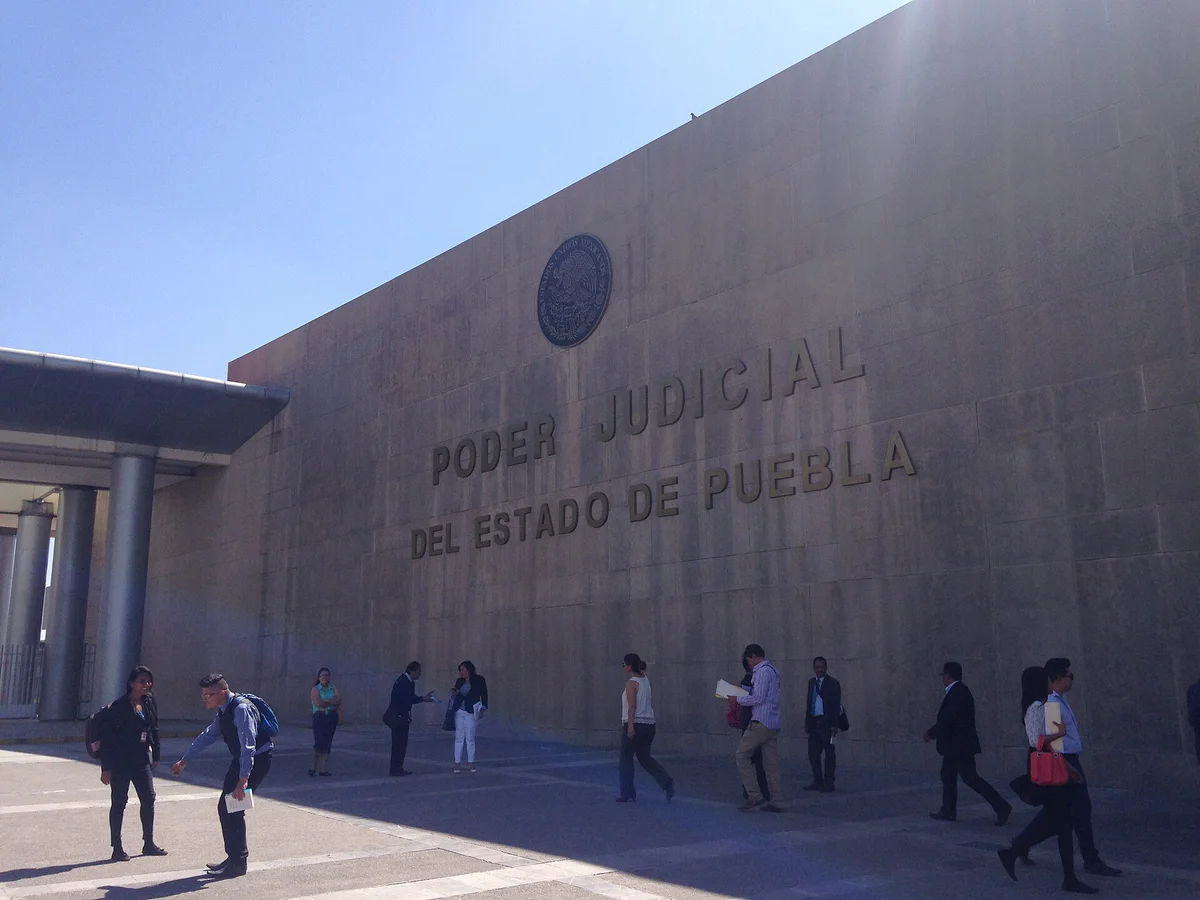
Quick answer: Wire fraud has cost foreign buyers millions of dollars across international real estate markets, and Mexico closings are not immune. The pattern is consistent: criminals intercept email communications between buyer, broker, and attorney, then substitute fraudulent wire instructions at the moment the buyer is ready to transfer closing funds. Verification protocols stop nearly all of these attacks before money moves.
This guide explains exactly how wire fraud operates in Mexico real estate transactions, the specific verification steps that prevent it, and what to do in the hours after you suspect something has gone wrong. For broader scam prevention across Mexico property transactions, read Mexico Real Estate Scams to Avoid.
How wire fraud targets Mexico real estate closings
Wire fraud in real estate transactions is almost always enabled by business email compromise (BEC), a technique where criminals either hack into legitimate email accounts belonging to brokers, attorneys, or notarios, or create spoofed accounts with near-identical addresses. Attackers are patient. They monitor email threads for weeks, learning transaction timelines, buyer names, property addresses, and closing amounts.
The interception typically happens during a gap in communication, a weekend, a public holiday in Mexico, or the hours between when wire instructions are legitimately sent and when the buyer plans to act on them. The criminal steps in with a near-identical email: same tone, same signature block, same thread context, but different banking details.
For foreign buyers wiring from the United States or Canada to Mexico, the unfamiliarity of international wire formats adds confusion. CLABE numbers (Mexico’s 18-digit bank account identifiers), SWIFT codes, and correspondent bank information look different from domestic routing numbers. A buyer who has never done a Mexico wire may not notice that the bank name, CLABE, or recipient entity changed.
The three phases of a typical attack
Phase 1, Reconnaissance. The attacker gains access to one email account in the transaction chain. This is often the broker or a paralegal account, not necessarily the attorney. They read prior emails to understand the deal, parties, expected closing date, and wire amounts.
Phase 2, Positioning. The attacker creates a spoofed email address, often changing one character (e.g., @escrowmx.com becomes @escr0wmx.com) or using a display name trick where the visible name matches the legitimate contact but the actual address differs. They wait for the moment when wire instructions are expected.
Phase 3, Interception. Just as legitimate wire instructions are about to be sent, or immediately after they are sent, the attacker sends a nearly identical message overriding the bank details. Subject lines often read: “Updated wire instructions, closing [your name]” or “Important: new escrow account for your transfer.”
Who is most vulnerable in Mexico transactions
Not all buyers face equal risk. Several factors elevate exposure: Remote buyers, first-time buyers, and anyone closing on a compressed timeline, because all three reduce the chance that an unexpected change of instructions gets questioned.
Remote buyers. If you have never met your broker or attorney in person, verification channels are thinner. Remote transactions are legitimate and common, but they require extra verification investment precisely because in-person channels are absent.
First-time Mexico buyers. Unfamiliarity with CLABE numbers, Mexican banking institutions, and the notario closing process makes fraudulent instructions harder to detect.
Large single-transfer closings. Mexico closings often happen in one or two large transfers rather than multiple smaller installments. A single large wire is a larger single opportunity for criminals.
Fast-moving transactions. Compressed timelines reduce the time buyers spend on verification. Pressure to close quickly, a legitimate seller deadline, a currency rate window, or developer payment schedule, creates the psychological urgency that makes people skip verification steps.
Transactions involving multiple currencies or correspondent banks. International wires sometimes route through correspondent banks, and the SWIFT chain can look complex. Complexity is exploited; legitimate professionals should be able to explain every element of the wire chain clearly.
The Mexico closing process and where fraud enters
Understanding the normal closing flow helps you identify where fraud is most likely to appear. For a full overview of how Mexico property closings work, read can foreigners buy property in Mexico.
| Closing stage | Normal activity | Fraud opportunity |
|---|---|---|
| Offer accepted | Purchase agreement signed | Low, no large funds yet |
| Deposit / earnest money | Small deposit to escrow or notario | Moderate, first test wire |
| Pre-closing | Notario prepares escritura | Attacker gains access |
| Wire instructions issued | Attorney sends CLABE + bank | HIGH, primary attack window |
| Funds transfer | Buyer wires purchase price | Highest risk if unverified |
| Closing day | Notario signs, escritura executed | Wire already moved |
The highest risk window is between when your attorney sends wire instructions and when you initiate the transfer. This is precisely when any email claiming to update or modify those instructions should trigger maximum scrutiny.
Verification protocol that prevents wire fraud
These steps should be non-negotiable for every Mexico property wire above USD 10,000: The core of it is a single rule: confirm account details by voice, on a number you obtained independently before the transaction, and never on one supplied in the same message as the instructions.
Voice verification on an independently sourced number is the single control that defeats this attack, and it costs five minutes. The fraud pattern intercepts email between buyer, attorney and notario, then sends revised wire instructions shortly before closing, precisely when a remote foreign buyer is expecting them. A $320,000 wire to a spoofed CLABE has no chargeback, no escrow claim and, in practice, no recovery. Call the notaría on a number from the state notario college register rather than from an email signature, and confirm every digit of the CLABE aloud.
Step 1: Establish verification phone numbers before the transaction begins
At your first interaction with your attorney and escrow company, obtain their office phone numbers directly from their official website or business card, not from an email signature. Save these numbers to your phone. These are your verification channels.
Step 2: Never rely solely on email for wire instructions
When wire instructions arrive by email, do not act on them immediately. Call the attorney or escrow contact at the number you independently verified and confirm every element: bank name, CLABE number (all 18 digits), beneficiary name, and amount. Confirm digit by digit, not just the last four.
Step 3: Use secure portals where available
Some Mexican escrow companies and larger law firms use secure client portals for document delivery, including wire instructions. If your transaction involves a portal, log in directly rather than clicking links from emails. Verify that the portal URL matches exactly what your attorney gave you during onboarding.
Step 4: Treat any instruction change as a stop signal
If you receive any communication claiming that wire instructions have changed, different bank, different CLABE, different beneficiary, stop everything. Call your attorney at the verified number and say: “I received a message changing the wire instructions. Did this come from you?” Do not wire until you get a confirmed yes with explanation.
Step 5: Send a small test wire first on very large transactions
For transactions above USD 300,000, consider sending a small test amount (USD 1,000 or less) and confirming receipt before sending the balance. This adds time but provides confirmation that funds are reaching the correct account. Legitimate professionals understand this precaution.
Step 6: Confirm after sending
After your bank confirms the wire is sent, contact your attorney immediately to confirm they see the incoming transfer. If there is any confusion about receipt, your bank may still be able to initiate a recall.
Escrow As a structural defense
The single most effective structural protection is using a properly licensed escrow company in Mexico. Read the Escrow in Mexico Real Estate guide for full details on how Mexican escrow works. Escrow does not prevent a spoofed email, but it means the account you are wiring to is a licensed third party with its own verification procedures rather than an account controlled by whoever sent the message.
Escrow removes the moment the fraud depends on. When funds go to an independent escrow agent under written release conditions rather than by direct wire to a seller, developer or notario account, an intercepted email cannot redirect anything, the account details were fixed at the start of the transaction, not sent days before closing. Escrow fees on a $300,000 purchase run roughly $1,000 to $2,500, which is a rounding error against a total loss with no chargeback, no insurance and no realistic cross-border recovery, and small against a closing stack already running 5% to 10% of price.
Licensed escrow companies hold your funds in a dedicated account, disbursed only upon closing conditions being met. The defense value is that the escrow company’s bank account details should not change mid-transaction. When you open escrow:
- Obtain the escrow company’s bank details in writing during your initial onboarding call
- Confirm the CLABE and beneficiary name with the escrow officer via video call
- Save the confirmation email in a folder separate from transaction correspondence
- Do not respond to any subsequent email claiming the escrow account has changed without video-confirmed verification
The important nuance: escrow protects the disbursement from seller to buyer and conditions verification, it does not automatically protect your initial funding wire if you send to a fraudulent account. Your wire to escrow must itself be verified by the same protocol above.
What checklist should run before you sign?
Use this before initiating any transfer: Every row below reduces to the same rule: confirm account details by voice on a number you sourced independently, never on one supplied in the message carrying the instructions. A $320,000 wire to a spoofed CLABE has no chargeback and no realistic cross-border recovery, so this is the one checklist in a Mexican closing where a single skipped step can cost the entire purchase price.
| Red flag | Action |
|---|---|
| Wire instructions arrived only by email | Call to verify independently |
| Email address differs by one character from known contact | Do not act, verify by phone |
| ”Updated” or “revised” wire instructions | Treat as fraud attempt until verified |
| Urgency language (“must wire today”) | Slow down, verify more carefully |
| Instructions arrived outside business hours | Wait for office hours, call to confirm |
| Beneficiary name is unfamiliar entity | Request explanation and verification |
| CLABE is different from escrow opening documents | Stop, call escrow directly |
| Your attorney is suddenly “unavailable” when you try to verify | Major red flag, escalate to law firm management |
If you believe you have already wired
Time is critical. The first hours after a fraudulent wire determine whether recovery is possible. Call your sending bank first and ask for a SWIFT recall, then the receiving bank, then report to the FBI IC3 or your national equivalent, in that order and within hours rather than days.
Immediate actions within the first hour:
- Call your bank’s wire transfer department immediately. Request a wire recall or stop payment. Most banks have 24/7 lines for this purpose.
- Document everything: screenshots of the fraudulent email, your bank confirmation, the transaction amount and timestamp.
- Contact your legitimate attorney at the verified number and tell them what happened.
- File a report with the FBI Internet Crime Complaint Center (IC3) at ic3.gov if you are in the United States. This creates a record and sometimes activates interagency coordination for fund recovery.
Within 24-48 hours:
- Contact Mexico’s Financial Intelligence Unit (Unidad de Inteligencia Financiera, UIF) through their official website, particularly if you can identify the receiving Mexican bank.
- File a police report in your home country for documentation purposes.
- Contact your sending bank’s fraud department with the IC3 report number and request they coordinate with corresponding banks.
Recovery success rates decline sharply after 48-72 hours as funds are moved through additional accounts or converted. Prevention is overwhelmingly more reliable than post-fraud recovery.
Comparing protection levels
| Approach | Wire fraud protection | Cost |
|---|---|---|
| Email instructions only, no verification | Very low | None |
| Email instructions + phone verification | High | Minutes of your time |
| Licensed escrow + phone verification | Very high | Escrow fee 1-1.5% |
| Escrow + secure portal + video confirmation | Highest | Marginal extra effort |
| Wire recall capability (US bank with strong fraud line) | Moderate (after event) | May have bank fees |
Pros and cons of different wire approaches for Mexico closings
Direct wire to notario-controlled account
Pros: Notarios are licensed public officials with fiduciary obligations; simpler fee structure; common in Mexico for smaller transactions.
Cons: Notario accounts are not escrow accounts with the same buyer protections; verification requirements are the same; recovery route if wired to wrong account is the same process.
Licensed escrow company
Pros: Account dedicated to your transaction; professional escrow officers trained in verification; conditions-based disbursement; documented process.
Cons: Additional fee (typically 1-1.5% of transaction); adds time; quality varies between escrow providers; still requires your initial funding wire to be verified.
Developer trust account (pre-construction)
Pros: Common structure for off-plan purchases; funds held until milestone; some developers use bank-trust structures with institutional oversight.
Cons: Developer control of trust terms; less independent than third-party escrow; still requires initial wire verification; default risk if developer fails.
What independent legal counsel adds to fraud protection
Your attorney is your first line of communication security. Read Due Diligence Mexico Real Estate for what independent legal review covers. From a fraud-prevention standpoint, your attorney should: An attorney who established a communication channel with you at the start of the transaction is the person best placed to notice that an instruction did not come from them.
- Provide their banking or escrow details via a secure, independently verifiable channel at the start of engagement
- Be reachable by phone at a number you verified before the closing date approaches
- Confirm in writing that wire instructions will not change without a documented reason communicated through multiple channels
- Never pressure you to wire before you have completed your own verification
Attorneys whose email accounts have been compromised are often victims themselves. If your attorney appears to be sending you changed wire instructions and cannot confirm verbally, assume their email is compromised and contact their law firm’s main office line directly.
Mexico-specific considerations
CLABE verification: Mexico uses 18-digit CLABE numbers for domestic bank transfers. The first three digits identify the bank, digits four through six identify the city, the next 11 digits are the account number, and the last digit is a check digit. You can use free online CLABE validators to confirm the bank code matches the institution you expect. A CLABE beginning with 012 is BBVA Mexico; 002 is Banamex (Citibanamex); 006 is Bancomext, these are publicly available bank code tables. If the CLABE bank code does not match the institution in the wire instructions, stop and verify.
USD wires to Mexico: Most large Mexico property transactions involve USD wires from US banks to Mexico, often routing through a US correspondent bank first. Your wire will likely show two institutions, your sending bank and a correspondent, before reaching the Mexican receiving bank. Ask your attorney to explain the full correspondent chain so you know what to expect on your bank’s wire confirmation.
Notario anti-money-laundering requirements: Mexico’s notarios have legally required anti-money-laundering protocols under the Prevention of Money Laundering Act. They will ask you to document the origin of funds. This is a legal requirement, not suspicion, and proper documentation protects your transaction from regulatory scrutiny on both sides of the border.
Summary: prevention over recovery
Wire fraud prevention at Mexico closings requires two things: a verified communication channel for wire instruction confirmation, and the discipline to use it without exception. Criminals rely on transaction pressure, urgency, and the buyer’s unfamiliarity with international wire mechanics to bypass verification. These attacks fail almost universally when buyers insist on verbal confirmation to independently verified phone numbers before initiating transfers.
For full due diligence context around Mexico property purchases, see Due Diligence Mexico Real Estate and Notario Público Mexico Property Role.
Indicative cost and timeline benchmarks (2026)
The relevant number on this page is escrow at roughly $1,000 to $2,500, weighed against a wire loss that carries no chargeback, no insurance and no realistic cross-border recovery. Every other line below is an underwriting stress input rather than a quote, and current bank and notario practice should be verified before closing.
| Line item | Typical range | Notes |
|---|---|---|
| Independent legal review | $1,500-$5,000 USD | Before deposit |
| Fideicomiso setup | $2,500-$4,000 USD | Restricted zone |
| Annual trust fee | $500-$800 USD | Bank-dependent |
| Closing timeline (resale) | 30-90 days | Notario schedule |
| Acquisition tax (ISAI) | 2-4% | State/municipality |
| STR management fee | 20-35% gross | Platform bookings |
| Net yield (Riviera Maya) | 3-5% | After HOA and PM |
| Playa 1BR median | $200K-$350K | 2026 listing band |
| Tulum 1BR median | $150K-$285K | Higher execution risk |
| Los Cabos 1BR entry | $350K+ | Lower net yield band |
The dollar figures date; the fraud patterns do not. Re-verify every routing detail by voice on an independently sourced number, whatever the amounts involved.
Who is most at risk
The remote buyer. Highest exposure by a wide margin: no in-person relationship with the attorney or notario, and every instruction arriving by email or messaging where a spoof is indistinguishable from the real thing.
The first-time buyer. Unfamiliarity with what a normal Mexican closing looks like removes the instinct that something is off, and attackers rely on exactly that.
Anyone closing on a compressed timeline. Urgency is the attacker’s main tool, because the verification call that would stop the fraud is the step people skip when they are late.
Frequently Asked Questions
Business email compromise targeting real estate transactions has grown substantially across all international markets, including Mexico. Foreign buyers wiring large sums internationally represent attractive targets. The FBI's IC3 reports real estate wire fraud as one of the fastest-growing cybercrime categories globally. Mexico-specific data is not separately published, but incidents in Riviera Maya have been reported by brokers and attorneys in recent years.
Use an attorney-controlled trust or licensed escrow company that provides banking details only via a verified, in-person or video-confirmed channel. Never send funds based solely on email wire instructions, even if the email appears to come from your attorney or notario. Verbal confirmation by phone to a number you independently verified is required before any large transfer.
Recovery is possible but uncertain. If you discover the fraud within 24-48 hours, immediately contact your bank's wire recall department. File an FBI IC3 report (for US-based senders) and notify Mexico's Financial Intelligence Unit (UIF). Cross-border fund recovery depends on how quickly funds move through the chain. Prevention is far more reliable than recovery.
Licensed escrow with verified banking details significantly reduces risk. The key is verifying the escrow company's bank account details through independent channels before sending. Even legitimate-looking escrow portal emails can be spoofed. Confirm the exact wire details by video call or secure portal login, not by clicking email links.
Treat any change in wire instructions as an immediate red flag, even if it appears to come from a trusted party. Stop the transaction. Call your attorney at a number you obtained from their official website, not from the email. Do not wire until you confirm the change through multiple independent channels. Legitimate closings rarely require last-minute wire instruction changes.
US banks report international wire transfers exceeding USD 10,000 under Bank Secrecy Act requirements. Structuring transfers to avoid this threshold is illegal. Mexican notarios have anti-money-laundering obligations that require disclosures for large cash and wire transactions. Proper documentation protects both parties; suspicious behavior triggers compliance reviews.


Get a vetted Mexico shortlist
US and Canadian buyers use this to skip the developer sales deck: tell us the budget and the market, and we come back with 3 to 5 options and the net yield maths behind each one.
Want options matched to your budget and risk profile?
Three questions, one screen. We reply within one business day.
Get a vetted Mexico shortlist