
World Cup 2026 Mexico Property: Host City Guide
World Cup 2026 Mexico property impact, host city real estate in Mexico City, Guadalajara, Monterrey, yields, risks, and buyer timing.
By Mexico Invest Editorial · Updated July 9, 2026 · 8 min read
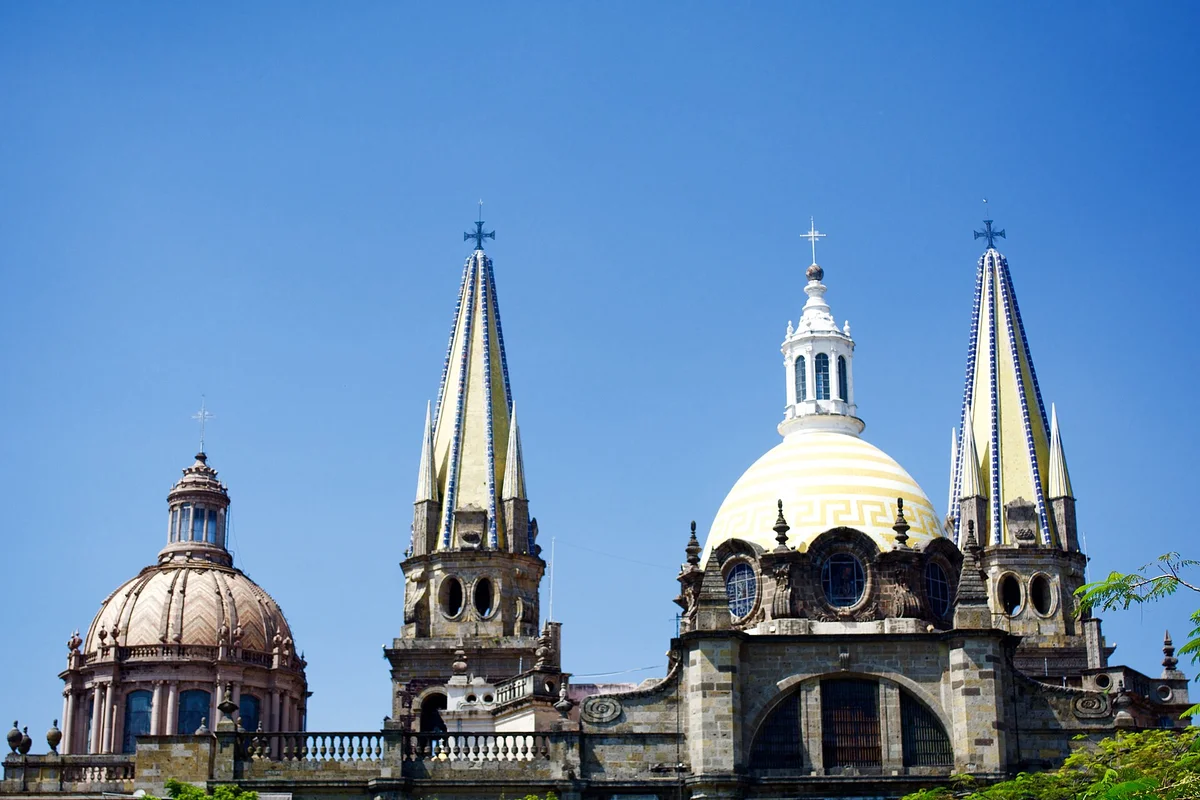
Quick answer: The 2026 FIFA World Cup is projected to generate $2.57 billion across Mexico City, Guadalajara, and Monterrey (CIU estimate). Early market data shows property prices rising 25-40% within 2.5 km of stadiums, though long-term sustainability depends on permanent infrastructure improvements. Short-term rental demand may surge up to 155% during the tournament. Focus on neighborhoods with lasting Metro and Centrobus upgrades, not stadium proximity alone.
The FIFA World Cup 2026 is driving significant real estate activity across Mexico’s three host cities. With matches scheduled in Mexico City, Guadalajara, and Monterrey, property markets are experiencing both speculative fervor and genuine value creation. Here’s what foreign investors need to know about separating sustainable opportunities from temporary hype.
Tl;dr: world cup 2026 Mexico real estate
The 2026 World Cup is projected to generate $2.57 billion across Mexico’s three host cities in under a month (CIU estimate), with early data showing property values rising 25-40% within 2.5km of stadiums. However, sustainable gains depend on permanent infrastructure improvements rather than tournament demand alone. Focus on neighborhoods like Santa Úrsula Coapa (Mexico City), San Pedro Garza García (Monterrey), and established Guadalajara zones that benefit from lasting transportation and urban development projects.
Quick facts: World Cup 2026 and Mexican real estate
| Host City | Stadium | Key Investment Areas | Projected Value Increase |
|---|---|---|---|
| Mexico City | Estadio Azteca | Santa Úrsula, Pedregal, Coyoacán | 25-40% within 2.5km radius |
| Guadalajara | Estadio Akron | Puerta de Hierro, Zapopan | 20-35% in prime zones |
| Monterrey | Estadio BBVA | San Pedro, Guadalupe, Apodaca | 30-40% (boosted by nearshoring) |
The world cup effect: accelerator, not creator
The 2026 World Cup is acting as a catalyst rather than creating entirely new real estate markets. According to market analysis from The Competitive Intelligence Unit (CIU), the tournament will generate $2.57 billion across the three host cities in under a month - representing 0.13% of Mexico’s GDP.
However, experts emphasize a crucial distinction: global events don’t create markets, they accelerate existing ones. Cities that benefit most from World Cup hosting already possess solid infrastructure and connectivity, established tourism demand, consistent private investment, and robust employment bases.
This means sustainable gains will concentrate in areas where the tournament reinforces existing strengths, not where it attempts to create value from scratch.
Mexico City: a southern renaissance driven by infrastructure
Mexico City’s hosting of World Cup matches is driving what analysts call the “rebirth of the South.” The focus on Estadio Azteca has triggered infrastructure investments that extend far beyond tournament needs. The tournament effect here is the smallest of the three host cities in property terms, because Mexico City’s market is domestic, deep and already priced, a few weeks of visitor demand does not move a city of that scale. What the investment did move is transport infrastructure in the southern boroughs, and that outlasts the tournament.
Prime Investment Zones
Santa Úrsula Coapa and Pedregal are seeing projected capital gains up to 30%, driven by permanent improvements including Centrobús transit upgrades, drainage system modernization, enhanced lighting and security, and public space renovation.
Commercial opportunities are emerging in short-term rental housing across Reforma, Roma, Condesa, and Polanco, where Mexico City faces hotel capacity shortages for large-scale events. One-bedroom units in the Juárez neighborhood already show 64% occupancy rates on rental platforms.
Infrastructure Legacy Creates Long-Term Value
Unlike temporary tournament facilities, Mexico City’s World Cup preparations include permanent mobility corridors and urban renewal projects. These infrastructure improvements - including airport modernization, Metro system expansions, and mobility corridor development - provide the foundation for long-term appreciation beyond 2026.
Guadalajara: measured growth in premium zones
Guadalajara presents a more measured approach to World Cup real estate opportunities, with growth concentrated in established premium zones. Guadalajara’s property story is nearshoring and a technology sector rather than football, and the tournament arrived into a market already growing on its own terms. Treat any 2026 price movement here as the trend rather than the event, and check what the same zones did in 2024 and 2025 before attributing anything to the Cup.
Puerta de Hierro and Zapopan benefit from proximity to Estadio Akron while maintaining strong fundamentals independent of tournament demand. Commercial rental prices near the stadium are projected to increase 25-40% during peak tournament periods, though experts advise negotiating 1-3 month temporary contracts rather than banking on inflated long-term rates.
Guadalajara’s World Cup impact combines with ongoing infrastructure modernization including airport upgrades and mobility improvements that serve the broader metropolitan area beyond tournament visitors.
Monterrey: world cup meets nearshoring boom
Monterrey offers the most robust World Cup investment scenario by combining tournament demand with Mexico’s nearshoring boom. Monterrey is the one host city where the tournament coincided with a genuine structural demand shift, manufacturing relocation pulling corporate tenants into a market that had almost no foreign investor presence five years ago. The Cup is the noise here; nearshoring is the signal, and it does not end in July.
San Pedro Garza García serves as a premium residential area benefiting from both World Cup visitor traffic and industrial demand. Property values have reached MX$54,657 ($3,000) per square meter, supported by a stable industrial base providing a more stable value foundation than purely tournament-dependent markets.
Unlike other host cities, Monterrey’s World Cup impact operates alongside USMCA manufacturing hub development, industrial real estate boom, and corporate relocation demand - creating dual growth drivers that extend well beyond 2026.
Short-term rental investment strategy
The tournament is creating unprecedented short-term rental opportunities across all host cities, with the Mexican Association of Real Estate Professionals (AMPI) reporting a 155% increase in rental housing demand during World Cup and 15-20% rate increases already reported in prime areas.
Scaling the premium against a full year is what keeps this in proportion. Mexico’s group-stage and knockout fixtures span roughly 4 weeks in June and July 2026, so even a 50% rate premium at 90% occupancy across the whole tournament window adds perhaps $3,000 to $6,000 of gross on a Mexico City apartment that grosses $25,000 to $35,000 annually. That is real money and it is roughly one to two months of ordinary revenue, not a repricing of the asset. Underwrite the property on its 48 non-tournament weeks and treat June 2026 as a bonus already spent by the time you own it.
| City | Optimal Areas | Expected Occupancy | Rate Premium |
|---|---|---|---|
| Mexico City | Roma, Condesa, Polanco, Juárez | 85-95% | 40-60% |
| Guadalajara | Centro, Americana, Providencia | 80-90% | 30-45% |
| Monterrey | San Pedro, Valle, Centro | 90-95% | 35-50% |
Properties within 2.5km of stadiums show highest potential for both tournament demand and permanent value appreciation, while hotel occupancy is expected to spike 15-20% in Mexico City during the event.
Commercial real estate: time-sensitive opportunities
Commercial properties near stadiums present significant opportunities with retail spaces seeing 25-40% rate increases during tournament, restaurant/hospitality experiencing 35-55% demand surge in prime zones, and event spaces commanding 100-200% premiums for tournament-period bookings.
Developer discounts of 5% to 10% ahead of the tournament are the most durable opportunity on this page, and they exist for a reason worth understanding. With Banxico at 6.50% and Mexican mortgage rates near 11.45%, developers carrying construction debt want closings now rather than after the event, which gives a cash buyer genuine leverage. On a $300,000 unit a 7% discount is $21,000, permanently in your basis, against a tournament revenue bump measured in single thousands and gone by August. Negotiate the price, not the June calendar.
However, experts recommend avoiding long-term commercial investments based solely on World Cup projections. The sustainable commercial opportunity lies in areas where tournament demand reinforces existing foot traffic and economic activity.
Red Flags to Avoid
Properties marketed solely on World Cup proximity, developments without permanent infrastructure improvements, markets dependent entirely on tournament demand, and inflated pricing without supporting fundamentals represent high-risk speculative plays.
Post-tournament corrections are likely in areas where growth was purely speculative. Sustainable investments focus on neighborhoods with diverse economic drivers, properties benefiting from permanent infrastructure, and markets serving local demand beyond tournament visitors.
Financing Advantage for Cash Buyers
With Banxico maintaining rates at 6.50% and mortgage rates around 11.45%, cash buyers have significant negotiating advantages. Many developers are offering 5-10% discounts to secure sales before the tournament, creating immediate value opportunities for qualified investors.
Infrastructure investment: the sustainable value
The most valuable World Cup real estate opportunities align with permanent infrastructure improvements rather than temporary tournament facilities. Mexico City’s airport modernization and Metro expansions, Guadalajara’s transit hub upgrades and tourism infrastructure improvements, and Monterrey’s industrial logistics corridors provide value foundations extending decades beyond the World Cup.
These infrastructure projects create the economic fundamentals that support long-term property appreciation, employment growth, and sustained demand from both residents and investors.
Pre-Tournament Phase (2026)
Immediate opportunities include negotiating discounts with cash purchases, securing short-term rental properties in prime zones, and targeting undervalued areas benefiting from infrastructure improvements.
Tournament Period (2026)
Revenue optimization focuses on maximizing short-term rental rates, considering temporary commercial space conversions, and monitoring market demand patterns for future strategy development.
Post-Tournament Strategy (2027+)
Long-term value realization involves holding properties in areas with permanent improvements, reassessing markets dependent on tournament speculation, and capitalizing on sustained tourism and business growth driven by enhanced infrastructure.
Due diligence framework
Before investing in World Cup-related real estate, conduct thorough analysis of market fundamentals including pre-tournament property values and trends, local employment and economic drivers, infrastructure development timelines, and tourism patterns beyond World Cup demand.
Legal and financial structure considerations include fideicomiso requirements for foreign ownership, property tax implications in host cities, HOA fees and maintenance costs, and rental regulation compliance.
Risk assessment should evaluate dependence on tournament-related demand, market correction probability post-2026, competition from hotel and established rental properties, and local market saturation risks.
Expert investment recommendations
Based on current market analysis, the most promising World Cup real estate strategies include conservative approaches focusing on established neighborhoods with infrastructure improvements and properties serving local demand beyond tournament visitors. The consistent recommendation across all three host cities is the same and unglamorous: model the tournament as a single year of bonus income, not as a new baseline. Properties bought on 2026 summer figures will look expensive against 2027 statements, and that repricing is what creates the buying opportunity for anyone patient enough to wait for it.
Aggressive approaches target stadium proximity properties for maximum tournament impact and short-term rental optimization in prime zones, while balanced strategies combine tournament opportunity with long-term fundamentals and leverage nearshoring trends, particularly in Monterrey.
Market outlook: beyond the tournament
The real test of World Cup real estate investments will be their performance after the tournament concludes. Properties in areas with permanent infrastructure improvements, diverse economic drivers, and sustainable demand fundamentals are positioned for continued appreciation.
Markets dependent primarily on tournament speculation face higher correction risk, while neighborhoods benefiting from Mexico’s broader economic trends - including nearshoring, tourism growth, and urban development - offer more stable long-term prospects.
Foreign investors should focus on areas where World Cup investment accelerates existing positive trends rather than creating artificial demand that may not persist beyond 2026.
Post-tournament fundamentals by host city
Mexico City benefits if mobility upgrades permanently shorten commutes in southern corridors, verify which projects are funded beyond tournament deadlines. Guadalajara’s upside is narrower: premium zones already priced for local executives, so World Cup STR spikes may not convert to higher long-term rents. Monterrey combines stadium traffic with nearshoring housing demand, making dual-driver neighborhoods like San Pedro more resilient after July 2026.
Avoid paying tournament premiums in markets with no employment anchor. Underwrite cap rates using 2024-2025 baselines, then stress-test minus 20% STR revenue in 2027 to see if debt service still works. Host-city buyers should also confirm whether planned transit upgrades are fully funded post-tournament, temporary bus lanes rarely justify permanent price steps.
Financing and Foreign Ownership Notes
World Cup hype does not change Mexico’s coastal ownership rules: foreign buyers still use fideicomiso within restricted zones. Budget 6-10% closing costs and verify STR permits before assuming tournament-week rents will cover mortgage service at current Banxico-influenced rates.
Host City Investment Lens
| City | Lasting catalyst | Speculation risk |
|---|---|---|
| Mexico City | Metro and road upgrades | Overpriced near stadium only |
| Guadalajara | Business travel base | STR regulation tightening |
| Monterrey | Manufacturing and corporate relocations | Luxury oversupply in San Pedro |
How does this comparison stack up for Mexico investors?
Investors often overpay for “walking distance” to Estadio Azteca while ignoring daily livability after the final whistle. Prioritize neighborhoods where World Cup transit upgrades improve commutes to employment centers, Santa Úrsula and Coapa benefit if Metro and Centrobús upgrades persist. In Monterrey, corporate housing demand from nearshoring may outlast fan zones near BBVA. Guadalajara investors should weigh Zapopan office growth against temporary hospitality spikes near Akron.
Document your base-case rent using 2025 STR averages, then add a tournament overlay rather than replacing annual projections with four-week peaks. If the overlay is under 15% of annual gross, the deal should still work without World Cup traffic.
What checklist should run before you sign?
Treat World Cup underwriting like any other STR acquisition: confirm municipal registration, VAT collection workflow, and building STR caps in the HOA bylaws. Mexico City buildings near fan zones may restrict nightly rentals even when city marketing promotes tournament hospitality. Guadalajara and Monterrey HOAs vary, read the reglamento before assuming Airbnb is permitted.
Line up property management that can scale cleaning and guest communication during peak weeks without doubling headcount after July 2026. If management fees jump from 20% to 30% post-tournament, your pro forma should still clear your hurdle rate. Keep six months of carrying costs in peso and USD accounts to handle deposit refunds, damage claims, and slow post-event occupancy.
Finally, reconcile World Cup enthusiasm with exit liquidity: host-city condos compete with new supply delivered ahead of the tournament. Buy where employment and university demand support long-term leases if STR rules tighten, the same playbook that protects Playa del Carmen investors applies inland in Guadalajara and Monterrey corporate corridors. Schedule a post-tournament site visit before finalizing any off-plan purchase tied solely to event marketing. Compare three recent closed sales in the same building before you offer.
What to verify next
Verify before you commit: lodging tax and STR registration · fideicomiso renewal · ejido title risk · developer track record. For a purchase underwritten on tournament demand, STR registration is the item that decides everything else, a unit that cannot legally take nightly bookings in June 2026 captures none of the surge, and municipal registries in the host corridors tightened ahead of it rather than after.
Frequently Asked Questions
Property values are rising 25-40% in areas within 2.5km of stadiums in Mexico City, Guadalajara, and Monterrey, but sustainable gains depend on permanent infrastructure improvements, not the tournament alone.
Mexico will host World Cup matches in three cities: Mexico City (Estadio Azteca), Guadalajara (Estadio Akron), and Monterrey (Estadio BBVA).
Focus on areas with permanent infrastructure improvements and existing economic drivers. Avoid speculation based solely on tournament demand - the event accelerates markets but doesn't create them.
Santa Úrsula Coapa (Mexico City), Puerta de Hierro (Guadalajara), and San Pedro Garza García (Monterrey) show highest potential due to stadium proximity and infrastructure upgrades.
Rental demand is projected to grow 155% in Mexico during the tournament, with 15-20% rate increases already reported in prime areas near stadiums.
Get a vetted Mexico shortlist
US and Canadian buyers use this to skip the developer sales deck: tell us the budget and the market, and we come back with 3 to 5 options and the net yield maths behind each one.
Want options matched to your budget and risk profile?
Three questions, one screen. We reply within one business day.
Get a vetted Mexico shortlist