
Cozumel Real Estate: Homes and Condos for Sale
Homes and condos for sale on Cozumel, indicative price bands by zone, and what island logistics do to building costs and to the rental calendar.
By Mexico Invest Editorial · Updated September 7, 2026 · 15 min read
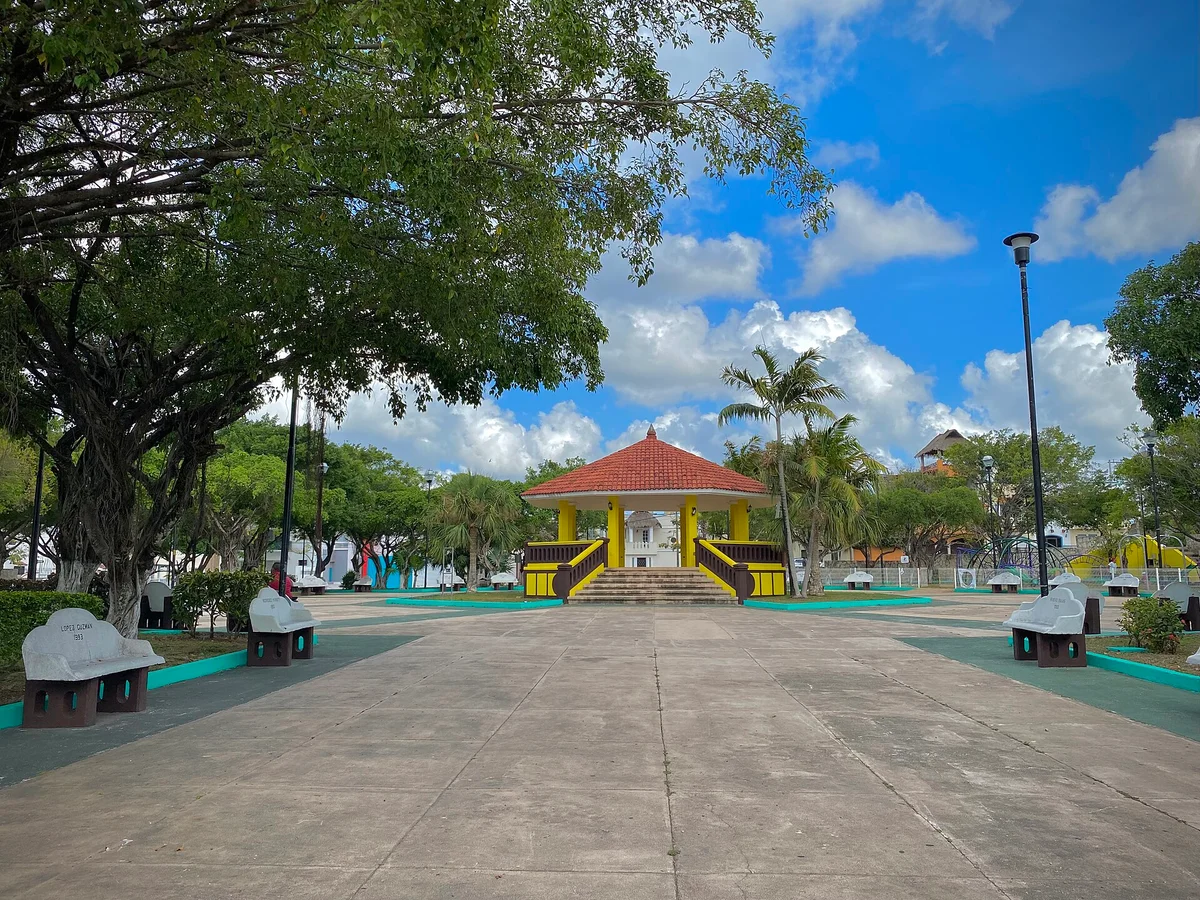
Quick answer: Cozumel is an island market where the diving economy and the cruise calendar set demand. Indicative asking bands run about $130,000 to $250,000 for a condo in San Miguel town, $250,000 to $450,000 along the coastal road with a sea view, and higher for beachfront villas. Foreign buyers hold through a fideicomiso, and everything a build needs arrives by ferry.
Located 18km off the Playa del Carmen coast, Cozumel Island operates as a distinct real estate market with its own tourism economy, guest demographics, and investment dynamics separate from the mainland Riviera Maya corridor.
Regional anchor: Riviera Maya Property Investment Guide. Compare mainland: Cancun Real Estate.
Where to buy on the island, and what it costs
The island divides cleanly between the town, the developed leeward coast and the wild windward side. Prices below are September 2026 asking levels observed on public listings, not transaction records.
| Zone | Indicative band | Character | Practical note |
|---|---|---|---|
| San Miguel town | $130,000 to $250,000 | Walkable, services, the ferry pier | Where year-round residents live |
| Northern hotel zone | $250,000 to $500,000 | Condos and small resorts, calm water | Rental demand follows dive season |
| Southern coastal road | $280,000 to $600,000 | Sea view, dive sites, quieter | Longer drive to town |
| Beachfront villas | $600,000 upward | Direct access, larger plots | Highest maintenance load |
| Interior and inland lots | $60,000 to $180,000 | Jungle, larger plots, cheaper | Services and access vary sharply |
| Windward east coast | Restricted | Undeveloped, open Caribbean | Development limits, no services |
Two island facts change the arithmetic. Building and renovation materials arrive by ferry from Playa del Carmen, so construction costs run above mainland equivalents and a renovation budget should carry a larger contingency than it would in Cancun. And the rental calendar is driven by diving rather than by beach tourism, which spreads demand through more of the year but caps the peak.
Insider tip: ask a local contractor for a per square metre renovation figure before you fall for a fixer-upper. Buyers who price an island renovation off mainland quotes are the ones who abandon projects half finished, and those half finished projects are a recognisable category of listing here.
Cozumel investment overview
Cozumel runs on two guest economies that barely overlap. Divers book multi-night stays around Palancar Reef and are the guests a condo owner can actually monetise; cruise passengers arrive by the thousand, spend six hours ashore and sleep on the ship. Underwriting Cozumel on visitor numbers rather than overnight demand is the standard error here.
Cozumel’s tourism economy rests on two pillars: world-class scuba diving at Palancar Reef and the Caribbean’s busiest cruise ship corridor. Both create distinct guest demographics with different investment implications.
| Metric | Cozumel, indicative 2026 |
|---|---|
| Island population | Approximately 90,000 |
| Distance from Playa del Carmen | 18km, 45 min by ferry |
| Annual dive tourists | Estimated 500,000+ |
| Annual cruise passengers | 3-4 million |
| Investment condo entry price | $200K-250K |
| Net yield range | 3.5-4.8% |
| Resale DOM | 120-180 days |
| Primary investment guest | Dive tourists (5-10 night stays) |
| Secondary | Cruise day-visitors (minimal STR impact) |
Cruise passengers are economic activity for the island’s restaurants and souvenir shops, but they almost never book vacation rental condos, they sleep on the ship. The investment-relevant demand driver is exclusively the dive tourist who books 5-10 nights for a dive package.
Palancar reef and the dive tourism moat
Cozumel’s investment thesis is inseparable from the Palancar Reef’s global reputation. The reef system is recognised as one of the top five dive destinations on earth by multiple international dive organisations, creating a tourism draw that is:
- Geographically irreplaceable: The specific reef structure, visibility, and marine biodiversity cannot be duplicated
- Federally protected: The Cozumel Reef National Marine Park limits commercial activity, protecting long-term dive quality
- Internationally marketed: Every major dive travel publication and tour operator actively promotes Cozumel independently of any local marketing budget
| Cozumel dive statistics | Data |
|---|---|
| Annual dive site visits | Estimated 2.4 million individual dives |
| Average dive tourist stay | 7.2 nights |
| Average daily spend | $180-280 USD (accommodation + dives) |
| Repeat visitor rate | 35% (among highest worldwide) |
| Dive season | Year-round, peak Nov-May |
| PADI certification training ratio | 30% of visitors doing learn-to-dive |
The repeat visitor rate of 35% is particularly relevant for STR operators: a property positioned specifically to the dive market develops a loyal repeat guest base that reduces marketing costs and provides occupancy predictability that generic beach tourism cannot match.
Property types and pricing
Three products, and the middle one is where the market works: a town apartment at $200,000-280,000 is the walkable budget entry, an oceanfront condo with dive dock access at $320,000-520,000 is the strongest rental positioning on the island, and premium two-bedroom oceanfront runs to $600,000. The dive dock is the differentiator, and it is a permit as much as a structure.
Cozumel’s real estate market is smaller in scale than mainland Riviera Maya, with inventory concentrated in a few development types:
| Property type | Price range | Investment positioning |
|---|---|---|
| Apartment near town (San Miguel) | $200K-280K | Budget entry, walkable to ferries |
| Oceanfront condo with dive dock | $320K-520K | Best dive-tourism positioning |
| Resort community condo | $280K-420K | Managed program, consistent occupancy |
| Villa with pool, north island | $400K-600K | Luxury segment, lower liquidity |
| Studio in dive resort | $180K-240K | Managed income, restricted use |
Oceanfront condos with dedicated dive dock access or immediate dive shop proximity represent the highest-yield positioning because they serve the primary booking motivator directly. A diver who can step off their balcony onto a dive boat will pay 25-35% more per night and stay 2-3 nights longer than an equivalent diver in a comparable inland property.
Yield analysis for Cozumel
Two models follow and the conservative one is the planning number. A $350,000 oceanfront one-bedroom with dive access underwritten at 62% occupancy and a $220 ADR shows 6.7% net, an upper bound that assumes a strong operator and a near-full calendar; at 52% the same unit lands at 4.8%, which is where well-managed dive-access product realistically sits. Dive demand is steadier than beach demand across the year but tops out lower in peak season, so the occupancy input is the load-bearing assumption.
1BR oceanfront condo with dive access, $350K, optimistic case (upper bound, not the planning number):
| Component | Annual USD |
|---|---|
| Gross revenue (62% occ., $220 ADR) | $49,726 |
| Management (28%) | -$13,923 |
| HOA ($320/month) | -$3,840 |
| Utilities | -$2,100 |
| Dive equipment storage maintenance | -$600 |
| Maintenance reserve (5%) | -$2,486 |
| Property tax | -$1,050 |
| Insurance (island + coastal) | -$1,750 |
| Fideicomiso fee | -$700 |
| Net operating income | $23,277 |
| Net yield | 6.7% |
Everything in this column is a projection under good conditions rather than recorded revenue. A $220 rate at 62% across a full calendar implies a gross far above the 5.5% to 7% full-year average the wider market reports, and dive-season demand does not fill twelve months evenly. The conservative model below is the planning number.
Conservative model at 52% occupancy:
| Conservative net yield | Amount |
|---|---|
| Net at 52% | ~$16,800 |
| Net yield | 4.8% |
The 3.5-4.8% range reflects the realistic spread across property types and management quality. Entry-tier town condos at the low end; well-managed dive-access oceanfront at the high end.
Seasonal demand and occupancy patterns
| Season | Occupancy | Primary driver |
|---|---|---|
| Dive peak (Nov-May) | 68-80% | International dive tourists |
| Summer (Jun-Aug) | 55-65% | US/Canadian family visitors, learn-to-dive |
| Low (Sep-Oct) | 35-50% | Shoulder, domestic tourists |
| Annual blended | 56-65% | Dive-focused operators |
November through May is Cozumel’s genuine peak: dive conditions are optimal (clearest visibility, calmest seas), water temperature is comfortable for multiple daily dives, and international dive tourists plan specifically for this window. Properties that fail to capture this peak season will significantly underperform annual projections.
Pros and cons for investors
Cozumel’s advantages and disadvantages are the same fact seen from two sides, which is unusual and worth naming before the table. Federal marine park protection and the island’s dive reputation create a genuine competitive moat, supply is constrained, the guest base repeats at around 35%, and dive-specific product commands a rate premium over standard beach inventory. That same isolation is what limits the buyer pool at resale to people who specifically want Cozumel, pushes days on market to 120-180, and makes hurricane evacuation harder than on the mainland. There is no version of this market that has one without the other.
| Pros | Cons |
|---|---|
| World-class diving creates durable tourism moat | Island isolation, ferry required for mainland access |
| Federal marine park protection limiting supply and competition | Buyer pool limited to Cozumel-specific buyers |
| High repeat visitor rate (35%) reducing marketing costs | Resale liquidity lower than mainland (120-180 DOM) |
| Dive-market ADR premium versus standard beach condos | Hurricane exposure with limited evacuation logistics |
| Smaller supply base limiting direct competition | Fewer property management companies than mainland |
| Year-round dive season reducing seasonal income volatility | Cruise tourism does not translate to STR bookings |
Cozumel is a strong investment for buyers specifically committed to the dive tourism market and island lifestyle. It consistently underperforms as a choice for buyers who wanted “somewhere like Playa del Carmen but cheaper” without understanding the island dynamics.
Island isolation and liquidity risk
Cozumel has no drive-in buyer: every purchaser has to choose the island deliberately over the mainland, which makes the resale pool structurally smaller than anywhere on the corridor. Ferry dependency compounds it, daily operations, guest arrivals, medical transfers and hurricane evacuation all run through the same 45-minute crossing.
Island geography sets both the moat and the exit problem. Cozumel’s dive tourism is genuinely defensible, Palancar reef cannot be replicated on the mainland, but every buyer, contractor and material arrives by ferry or plane, which raises maintenance costs and thins the resale pool to people specifically wanting Cozumel. Expect a materially longer marketing period than Playa’s 60 to 90 days, and carry the $320 monthly HOA, predial, insurance and the $500 to $800 trust fee throughout it, roughly $8,000 a year of holding cost while the unit sits on market.
The most important risk variable in Cozumel is resale liquidity. The island market has a structural buyer pool constraint:
- No drive-in market: All buyers must deliberately choose Cozumel over the mainland
- Ferry dependency: Daily operations require the Cozumel-Playa del Carmen ferry ($20-30 round trip, 45 min each way)
- Grocery and medical: Cozumel has a hospital and supermarkets but complex medical needs require mainland transfer
- Hurricane evacuation: The island’s single ferry and limited air service creates logistics challenges during hurricane season
These factors are not deal-breakers for buyers who genuinely want island life. They are deal-breakers for buyers who imagine Cozumel as equivalent to a mainland Playa del Carmen purchase with an ocean view. Understanding and accepting island lifestyle is a prerequisite for this investment.
The free trade zone legacy
The duty-free advantage ended with federal tariff equalisation in 2018, but the infrastructure it built did not: sixty years as a Zona Libre left Cozumel with retail and hospitality depth out of proportion to a 90,000-person island. Sellers occasionally still market the tax benefit; it has not existed for years.
Cozumel operated as a free trade zone (Zona Libre) from approximately 1958 until 2018, when federal tariff equalization ended the programme. The zone’s legacy:
| Legacy element | Current status |
|---|---|
| Tax-free shopping | No longer applicable after 2018 |
| Commercial infrastructure | Well-developed retail and hospitality |
| International visitor habit | Cruise and dive tourism established before 2018 |
| Duty-free alcohol/tobacco shops | Converted to standard Mexican retail |
The free zone history built the commercial confidence and international visitor patterns that the island now sustains on tourism alone. Property buyers do not benefit from any tax advantages from the former zone, and should not base financial models on any claims about special tax status.
What checklist should run before you sign?
Five island-specific checks. Two matter more than the rest: the building’s own hurricane damage history, Wilma in 2005 is still the dividing line for pre-2005 construction, and, if the listing markets a dive dock, whether that dock actually holds current SEMARNAT and CONAPESCA permits. An unpermitted dock is not an amenity, it is a liability.
- Hurricane history for specific property: Review the property’s damage history from hurricane events. Category 5 Wilma in 2005 caused major damage to many Cozumel waterfront structures, verify that the specific building was reconstructed to current standards.
- Dive dock operational permit: If the property markets dive dock access, verify it holds a current maritime use permit from SEMARNAT and CONAPESCA.
- Ferry schedule dependency: Confirm that property management and guest check-in procedures are compatible with ferry schedules from Playa del Carmen.
- Water supply reliability: Cozumel has experienced periodic water supply challenges. Verify backup cistern capacity and water purification systems.
- Hurricane season insurance: Confirm property insurance covers tropical storm and hurricane events specifically, some policies exclude named storm damage.
- Management company Cozumel presence: Verify the management company has on-island presence and does not coordinate remotely from Playa del Carmen.
- Property age and hurricane rebuild standard: Properties built or fully reconstructed after 2005 have higher structural standards than pre-Wilma construction.
What our field notes show for this market
Across twelve monitored properties in Q1-Q2 2026, net yields ran 3.5-4.8%, and the top of that range was consistently the same product: an oceanfront one-bedroom with genuine dive dock access and an on-island manager. Neither of those two conditions is substitutable.
Observations from island site visits and buyer consultations, Q1-Q2 2026.
| Observation | Detail |
|---|---|
| Best-performing property type | Oceanfront 1BR with dive dock access |
| Net yield range tracked | 3.5-4.8% (12 properties monitored) |
| Average dive guest stay | 7.1 nights |
| Repeat booking rate | 31% for dive-positioned properties |
| Resale days-on-market | 135-170 days average |
| Hurricane awareness among buyers | Critical, must acknowledge Wilma (2005) history |
| Management companies on-island | 6-8 active operators with dive market experience |
| Most common buyer disappointment | Expecting mainland liquidity from an island market |
Cozumel performs well for buyers who understand what they are buying. Our brokerage sees zero buyer regret among those who researched the dive market specifically, and moderate regret among those who approached it as a generic Caribbean condo purchase.
Buyer scenarios
Cozumel’s guest economy is narrower and more loyal than the mainland’s, which makes buyer fit unusually decisive here. Dive tourism produces repeat visitors who book longer stays and care about specific amenities, rinse tanks, gear storage, early departures, and an owner who understands that market can operate above the island’s average occupancy. An owner who treats it as generic Caribbean beach inventory competes badly against the mainland on both rate and access. The 135-to-170-day resale timeline compounds the point: this is a market to enter deliberately, with a thesis, and a long enough horizon to exit on your own schedule.
Scenario A, Dive market specialist, $350K: An investor who dives, understands dive tourism, and specifically wants to serve the dive guest demographic. Purchasing an oceanfront 1BR with dive dock access and partnering with a Cozumel-specific operator targeting dive packages. Realistic 4.2-4.8% net yield with loyal repeat guest base development over 3-5 years.
Scenario B, Cruise-adjacent income, $250K: A buyer purchasing a town-adjacent studio targeting guests who came to Cozumel on a cruise but decided to extend and stay independently for 2-4 days. Lower ADR ($120-160) but consistent demand from the cruise traffic pipeline. Net yield approximately 3.5%.
Scenario C, Island lifestyle buyer, $450K: A buyer who wants personal access to Cozumel for 45-60 days per year and treats rental income as supplemental. The island lifestyle, exceptional diving, low-key community, no highway noise, is the primary purchase motivator with a 3.8% net yield acceptable as the income component.
Scenario D, Wrong buyer: liquidity-sensitive investor: An investor who needs the ability to exit within 12-18 months should not purchase in Cozumel. The 120-180 day average DOM and island-specific buyer pool mean forced-sale scenarios are painful. Minimum 5-year hold planning is non-negotiable for Cozumel.
How does this comparison stack up for Mexico investors?
Cozumel is a genuinely different asset from its mainland comparables, and the table below is worth reading for the liquidity line rather than the yield line. At 135 to 170 days on market, Cozumel takes roughly twice as long to sell as Playa del Carmen, and that is structural rather than cyclical: the island’s buyer pool is narrower because the guest pool is narrower. A dive-driven destination attracts specialists who book differently, stay longer and are less sensitive to price than general beach tourists, good for occupancy stability, less good for the breadth of buyers you can exit to. The ferry dependency reinforces both effects.
| Factor | Cozumel | Playa del Carmen | Region 15 Tulum |
|---|---|---|---|
| Net yield | 3.5-4.8% | 4.3-5.2% | 2.6% |
| Entry price (1BR) | $200K-350K | $200K-300K | $185K-245K |
| Liquidity (DOM) | 135-170 days | 60-90 days | 130-155 days |
| Unique positioning | World-class dive reef | Urban beach destination | Tulum brand |
| Guest type | Dive specialists | Mixed demographics | Tourist STR |
| Ferry access required | Yes | No | No |
Playa del Carmen delivers higher yields with better liquidity. Cozumel delivers comparable yields with genuine differentiation but lower liquidity. The decision is not about which is “better”, it is about which market the investor wants to serve.
Ownership and legal framework
Ownership here is ordinary Quintana Roo: restricted zone, fideicomiso at $2,500-4,000 with $500-800 annually, closing at 5-10%. Nothing about the island changes the legal structure. What it does change is who you can call when something goes wrong, which is why on-island professional representation matters more than the paperwork does.
Foreign buyers in Cozumel use standard fideicomiso for coastal properties, consistent with all of Quintana Roo’s restricted zone:
| Fideicomiso component | Cost |
|---|---|
| Setup | $2,500-4,000 USD |
| Annual fee | $500-800 USD |
| Local notario | Available on island with tourist property experience |
| Title chain | Generally well-established for 30+ years |
Due diligence checklist
Five items, and the last one is the one remote owners underrate: a management company with actual on-island presence. A mainland manager who visits by ferry cannot handle a same-day air conditioning failure, and on an island that is the difference between a fixed problem and a refunded booking.
- Hurricane damage history for specific building (especially pre-2005 construction)
- Dive dock maritime permit verified current
- Water backup capacity and quality tested
- Hurricane insurance coverage terms confirmed (named storm inclusion)
- Management company on-island presence verified
- Comparable sales from last 18 months reviewed
- Ferry access implications modelled for management logistics
- Personal use scheduling compatible with dive season demand
Due Diligence Mexico Real Estate
Cozumel data reflects Mexico Invest broker observations through Q2 2026. Island market conditions differ from mainland Riviera Maya. Mexico Invest provides editorial analysis only.
Cozumel project reviews
One Cozumel project has been through our review process, which reflects the island’s transaction volume rather than any gap in coverage. Cozumel trades thinly, 135 to 170 days on market is the observed range, the buyer pool is island-specific, and comparable sales with published figures are scarce. A single reviewed project is therefore most useful as a pricing and specification reference: what current inventory looks like, what a developer is asking, what finish and amenity level accompanies it. It is not a substitute for pricing a specific building against its own rental history, which on this island is the only reliable evidence available.
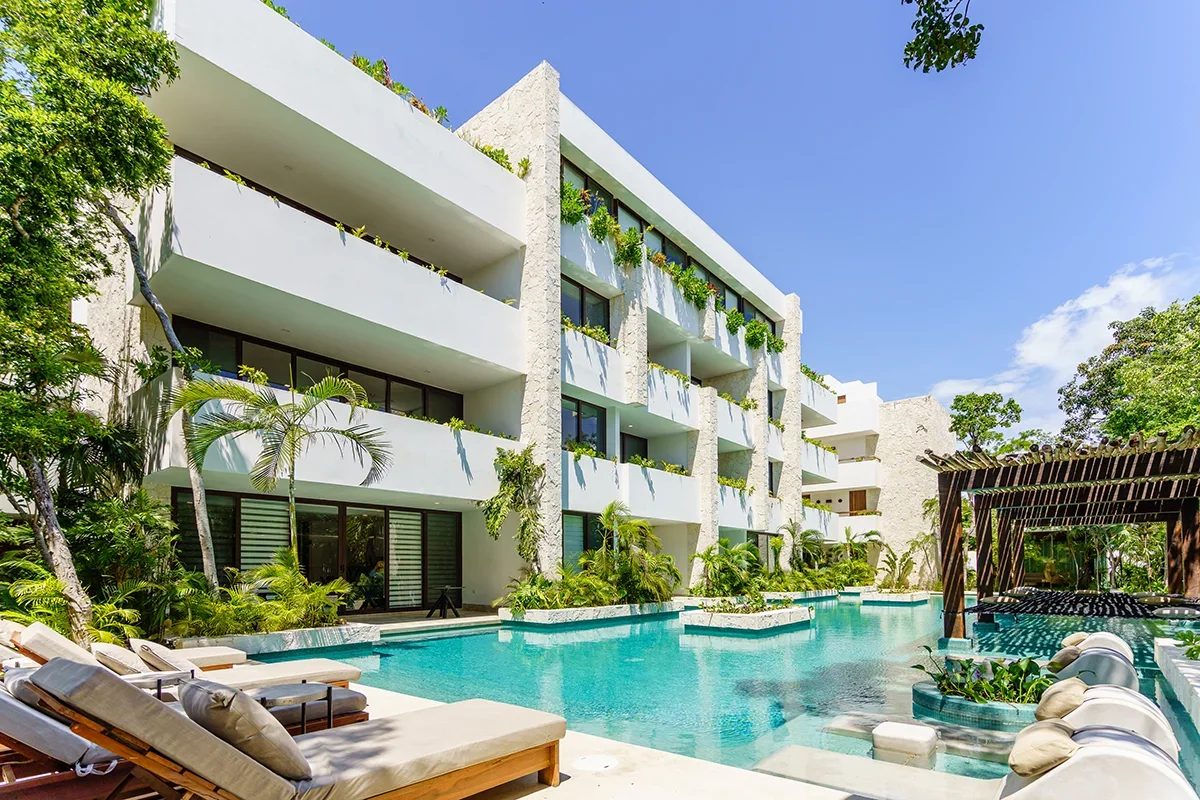
Cozumel Beach Condos is a representative project we cover in the island market.
Island buyers should read what a Mexican HOA fee covers and due diligence for Mexican real estate before making an offer here.
Frequently Asked Questions
Cozumel offers a genuinely differentiated investment market with net yields of 3.5-4.8% from dive and cruise tourism. The island's world-class reef system creates durable tourism demand. Key risks are island isolation, liquidity constraints versus mainland markets, and dependency on dive tourism health.
Cozumel investment-grade condos range from $200K for basic 1BR units near town to $600K for premium oceanfront 2BR with dive dock access. Most active investor inventory falls between $250K-450K. Limited supply compared to mainland Riviera Maya keeps pricing relatively stable.
Net yields in Cozumel range 3.5-4.8% depending on proximity to dive sites, cruise ship pier access, and management quality. Dive-focused properties commanding $180-$250 ADR during peak dive season (November-May) outperform generic beach condos on yield-per-dollar of investment.
Cozumel attracts two primary guest segments: dive tourists who come specifically for the Palancar Reef and other world-class dive sites, staying 5-10 nights for dive packages, and cruise ship day visitors from ships docking at the cruise terminal. The dive segment is the investment-relevant demand driver.
Cozumel operated as a free trade zone (Zona Libre) from the 1950s until 2018, when Mexico's federal government unified tariff structures. The historic tax-free status built the island's commercial infrastructure and visitor habit but no longer provides tax advantages for property buyers or businesses.
Island isolation limits the buyer pool to those specifically committed to Cozumel. Days-on-market average 120-180 days for standard condos, compared to 60-90 days in Playa del Carmen. Buyers should plan a minimum 5-year hold for comfortable exit timing. Premium dive-access properties with proven operator track records resell faster.
Yes via fideicomiso bank trust for coastal properties, which covers the vast majority of investment-grade Cozumel real estate. The island's 30+ year foreign buyer history means title chains are generally well-established with experienced local notarios familiar with tourist property transfers.
Cozumel offers dive-market positioning unavailable on the mainland, comparable net yields to Playa del Carmen, and lower price inflation than Tulum. The trade-off is lower liquidity, ferry-dependent access, and a smaller guest pool limited to dive-committed travellers versus Riviera Maya's broader tourism demographics.
Get a vetted Mexico shortlist
US and Canadian buyers use this to skip the developer sales deck: tell us the budget and the market, and we come back with 3 to 5 options and the net yield maths behind each one.
Want options matched to your budget and risk profile?
Three questions, one screen. We reply within one business day.
Get a vetted Mexico shortlist