
Riviera Maya Real Estate Investment: 3-5% Net Yield 2026
Riviera Maya real estate investment from $150K: realistic 3-5% net yields in Playa, Tulum and Cancun, fees, oversupply risk and where to invest.
By Mexico Invest Editorial · Updated October 5, 2026 · 17 min read
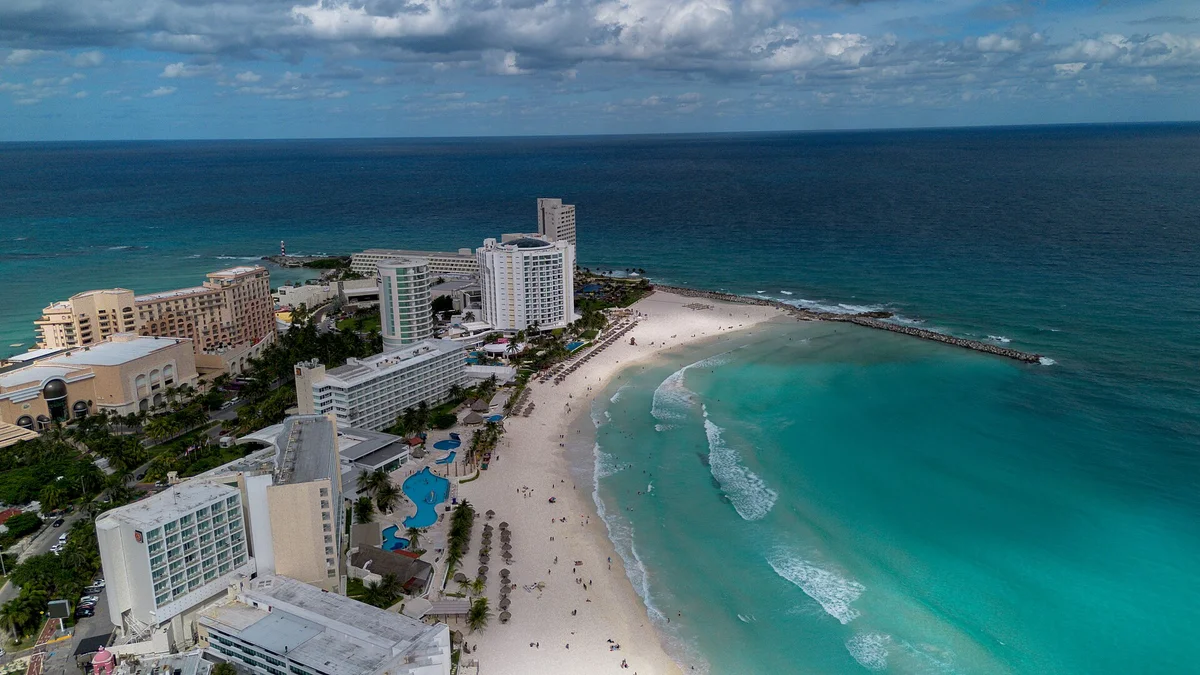
Quick answer: Riviera Maya in 2026 is Mexico’s deepest foreign-buyer pool, Playa del Carmen for net yields near 4-5%, Tulum for selective plays with oversupply risk, Cancún for institutional stability. Quintana Roo growth averages look strong; colonia-level DOM and HOA rules decide your outcome.
From Cancún’s hotel zone south through Playa del Carmen to Tulum’s jungle grid, this corridor absorbs the majority of Quintana Roo’s foreign capital. Infrastructure headlines (Tren Maya, Tulum airport) matter, but your unit’s HOA, permit path, and competition within 500 metres matter more.
Riviera Maya real estate investment: how do returns compare across the three main cities?
Playa del Carmen delivers the strongest net yields in Riviera Maya at 4.3-5.2% for established neighborhoods, while Cancún offers stability at 3.5-4.5% and Tulum shows wide performance dispersion from 2.6% in oversupplied areas to 5.8% in selective micro-markets. Each city serves different investor profiles: Playa for cash flow, Cancún for stability, Tulum for speculation with higher execution risk.
The three primary Riviera Maya markets serve distinct investor strategies with Playa del Carmen leading in STR yield potential, Cancún providing institutional stability with massive flight volume, and Tulum offering speculative upside alongside significant execution risk. Foreign buyers typically allocate 50-70% to Playa Centro for cash flow, 0-20% to Cancún for stability, and 0-30% to Tulum for selective appreciation plays.
| City | Investor role 2026 | 1BR price band | Net yield signal |
|---|---|---|---|
| Cancún | Mature, volume tourism | $250K+ | 3.5-4.5% |
| Playa del Carmen | STR liquidity hub | $200K-350K | 4.3-5.2% |
| Tulum | Bifurcated / selective | $150K-285K | 2.6-5.8% |
Puerto Morelos and inland pockets sit between, lower price entry, thinner resale liquidity. Two-city decisions are worked through in Playa del Carmen vs Tulum and Tulum vs Cancun, and the Caribbean coast is set against the Pacific in Riviera Maya vs Puerto Vallarta.

Why is Playa del Carmen considered the best market for rental yields in Riviera Maya?
Playa del Carmen consistently delivers the highest net rental yields in Riviera Maya because it combines the region’s deepest vacation rental demand pool with mature property management infrastructure and year-round resale liquidity. The walkable beach-access neighborhoods of Centro, Gonzalo Guerrero, and Zazil-Ha maintain 65-75% annual occupancy rates while commanding ADRs 15-25% above comparable interior locations.
Spread, not the peak, is what makes Playa the corridor’s default. Its three prime colonias cluster between 4.3% and 4.5% net, a 20 basis point range, while Tulum spans 2.6% to 3.4% and Cancún 3.5% to 4.2% on comparable tickets. A buyer who picks reasonably well in Playa lands close to the market return; a buyer who picks badly in Tulum earns less than half what a selective buyer earns on the same money. Narrow distribution is worth more to most investors than a higher ceiling.
Playa’s advantages are operational:
- Deepest STR demand pool in RM
- Walkable Centro and beach-access colonias
- Established property management market
- Resale buyers exist year-round
Strong micro-markets (1BR net indicative):
Playa del Carmen’s top-performing neighborhoods deliver consistent net yields above 4.3% through mature vacation rental ecosystems and year-round demand depth. Gonzalo Guerrero leads at 4.5% net yield due to beach proximity and walkable amenities, Centro follows at 4.4% with maximum STR management options, while Zazil-Ha provides 4.3% with slightly lower operational intensity.
| Colonia | Gross | Net |
|---|---|---|
| Gonzalo Guerrero | 6.8% | 4.5% |
| Centro | 6.6% | 4.4% |
| Zazil-Ha | 6.2% | 4.3% |
Watch-outs: buildings banning STR, special assessments on aging towers, street noise affecting premium weekly rates.
What are the investment risks and opportunities in Tulum for 2026?
Tulum presents a bifurcated market with significant execution risk due to oversupply in Region 15 (74+ days on market) while selective areas like beachfront and established Aldea Zama still command premium pricing. Net yields range from 2.6% in commodity tower developments to over 5% in differentiated beach-access properties, making location selection and timing critical for investment success.
Tulum in 2026 is two markets that share a name and a postcode. Region 15’s commodity towers net 2.6% on 74-plus days to sell, with identical-unit competition that no operator repairs; established Aldea Zama product nets 3.4% and moves in 70 to 100 days. Median 1BR pricing near $285,000 spans both. The opportunity is real for a buyer who can tell them apart and uses the current negotiating leverage on the right building; the risk is that the corridor average describes neither, and a buyer underwriting 3% on a Region 15 unit is 40 basis points optimistic before the first booking.
Tulum’s 2022-2023 run-up attracted global developers. 2026 reality:
- Region 15, elevated inventory, DOM near 74 days on median 1BR
- Aldea Zama, master-plan infrastructure, net near 3.4% on many 1BRs
- Beach road, premium pricing, permit sensitivity
Gross yields can look attractive; net collapses when HOA hits $400-900/month and management takes 30%.
What makes Cancún attractive for conservative real estate investors?
Cancún offers the most predictable investment environment in Riviera Maya with enormous flight volume, established institutional infrastructure, and lower execution risk compared to emerging markets like Tulum. While net yields typically range 3.5-4.5% (below Playa del Carmen’s peaks), the market provides smoother occupancy curves and deeper resale liquidity for investors prioritizing stability over maximum returns.
Cancún suits buyers who prioritise:
- Enormous flight volume
- Institutional hotel ecosystem
- Lower execution variance than frontier Tulum grids
Yields are rarely the highest in RM, but vacancy curves can be smoother in well-run zones near the hotel corridor.
How do Tren Maya and new airport infrastructure impact Riviera Maya property values?
Tren Maya and Tulum International Airport create positive demand catalysts by improving connectivity, but infrastructure alone doesn’t overcome poor unit economics or oversupply issues. The train benefits domestic Mexican tourism and secondary markets like Puerto Morelos, while the new Tulum airport reduces logistics costs for luxury properties, but neither infrastructure project rescues poorly positioned individual buildings or addresses local market fundamentals.
Tren Maya connects the Yucatán peninsula with scheduled service through Quintana Roo stations. Effects:
- Easier domestic tourism flows
- Secondary locations (Puerto Morelos, inland) gain accessibility
- Does not replace beach proximity for STR pricing power
Tulum International Airport (Felipe Carrillo Puerto) expands direct international access, relevant for luxury Tulum and southern RM logistics.
Infrastructure supports demand ceilings; it does not fix a bad unit economics spreadsheet.
Detailed infrastructure impact analysis
Tren Maya ridership and tourism flows:
- Phase 1 service launched December 2023: Cancún-Playa del Carmen
- Full network completion targets include Tulum, Bacalar, and western Yucatán
- Projected 3 million annual passengers by 2026
- Primary benefit: Domestic Mexican tourism growth, reducing US-dependency
- Secondary benefit: Easier access to cenotes, Mayan sites for day trips
Station proximity premiums:
Tren Maya station proximity creates modest property value premiums of 2-12% depending on market size and walkability, with Puerto Morelos showing the highest relative benefit due to its smaller market receiving outsized connectivity impact. Playa del Carmen properties within 1.2 km of Centro station command 3-7% premiums, while Tulum sees 2-5% benefits for pueblo station access located 2.8 km from most vacation rental zones.
| Market | Distance to station | Premium estimate |
|---|---|---|
| Playa del Carmen | 1.2 km to Centro station | 3-7% for walkable units |
| Tulum | 2.8 km to pueblo station | 2-5% accessibility benefit |
| Puerto Morelos | 800m to station | 8-12% for smaller market |
Tulum International Airport capacity and routes:
- Current capacity: 5.5 million annual passengers
- Target markets: US east coast, Europe, South America
- Ground transport to Tulum centro: 45 minutes vs 90 from Cancún
- Impact on luxury segment: Reduced logistics friction, higher ADR justification
- Impact on mass market: Minimal - Cancún remains dominant gateway
Market-specific infrastructure benefits
Cancún - Minimal direct impact: Tren Maya adds domestic connectivity but doesn’t change Cancún’s established position as the international gateway. Hotel zone properties see negligible infrastructure premium.
Playa del Carmen - Moderate positive: Centro station within walking distance of prime vacation rental zones. Domestic tourism growth supports shoulder season occupancy. Estimated 3-5% value premium for station-adjacent properties.
Tulum - Mixed results: New airport reduces travel time for international visitors but doesn’t address oversupply in Region 15. Beach zone properties benefit most from airport proximity, while pueblo and Aldea Zama see modest connectivity improvements.
Puerto Morelos - Highest relative benefit: Small market sees outsized impact from train connectivity. Properties within 1km of station command 8-12% premiums vs comparable non-connected inventory.
Infrastructure investment timing lessons
Pre-completion speculation risks: Multiple RM developments marketed “infrastructure premium” before service launch. Actual premiums proved lower than projected, with fundamental location and building quality mattering more than proximity to future stations.
Operational vs speculative benefits: Infrastructure creates real value through improved guest experience (easier ground transport, day trip options) rather than pure price appreciation. Focus on how infrastructure enhances rental operations, not just resale premiums.
Quintana Roo price context
State-level appreciation near 14.7% in 2025 made headlines, and it describes almost nothing a buyer will actually transact in. The number averages premium new launches that still clear at developer pricing with resale stock in oversupplied pockets that does not. At micro level:
- Premium new launches still clear at developer pricing
- Resale in oversupplied pockets shows negotiation room
- USD buyers less exposed to peso swings than MXN-financed locals
STR regulation trend
The Riviera Maya has moved from informal nightly letting to registered, taxed letting in under three years, and the direction is one-way. Municipalities tightened STR registration and tax collection. Buildings increasingly encode rental rules in HOA bylaws. Before buying for Airbnb:
- Read regime de condominio
- Confirm municipal permit requirements
- Model management fee at 25-30%, not 15%
Where to invest in the Riviera Maya: which market matches each investor profile?
US vacation rental operators achieve best results in Playa del Carmen’s Centro and Gonzalo Guerrero for maximum yield and management ecosystem depth, while lifestyle investors blend personal use with rental income in Zazil-Ha or north Playa, value hunters should focus on Tulum resale opportunities rather than new launches, and conservative investors prefer established Cancún zones for lower volatility and execution risk.
Different investor types optimize returns by matching their capital requirements, risk tolerance, and operational capacity to specific Riviera Maya markets. Pure cash flow investors target Playa Centro with 4%+ net yields, lifestyle buyers balance personal use with rental income in premium colonias, value hunters pursue distressed Tulum opportunities, while conservative investors prioritize Cancún’s institutional stability over maximum yield potential.
| You are… | RM play |
|---|---|
| US STR operator | Playa Centro / Gonzalo Guerrero |
| Lifestyle + rent | Zazil-Ha, select Playa north |
| Value hunter | Scrutinise Tulum resale, not new hype |
| Low hassle | Cancún established zones |
| Long hold appreciation | Mérida is outside RM, different guide |
Detailed investor profile matching
Cash flow focused STR operators:
Best markets: Playa Centro, Gonzalo Guerrero Target metrics: 4.0%+ net yield, under 65 DOM Unit specs: 1BR ocean-view or 2BR family-focused Management: Established operators with 100+ unit portfolio Budget range: $280K-400K all-in
Example portfolio: 2 units in Gonzalo Guerrero ($320K each), managed by same operator for economies of scale. Projected combined net: $28,000-32,000 annually.
Lifestyle + rental hybrid investors:
Best markets: Zazil-Ha, Playacar Phase II, north Playa beaches Target metrics: 3.0%+ net acceptable for personal use benefit Unit specs: 2BR+ with quality finishes for personal stays Management: Flexible short-term arrangements, block-out calendar Budget range: $350K-550K all-in
Key consideration: Model net yield on 8-10 weeks personal use annually. A 2BR Playacar unit generating $35K gross might net $18K after personal use blocks and management.
Value hunters and distressed opportunity buyers:
Best markets: Tulum Region 15 resale, select Playa older inventory Target metrics: 25%+ below peak comparable sales Unit specs: Focus on building quality over finishes Strategy: Buy distressed, renovate, hold for market recovery Budget range: $200K-350K purchase + $20K-50K renovation
Example opportunity: Region 15 Tulum 1BR purchased at $220K (down from $285K peak), $30K renovation, stabilized value $280K, net yield 3.8% vs 2.6% typical for area.
Conservative/passive investors:
Best markets: Cancún hotel zone periphery, Puerto Morelos established Target metrics: Stability over maximum returns Unit specs: Established buildings with 3+ year operating history Management: Institutional-grade operators, longer-term contracts Budget range: $350K-500K for lower volatility
Ultra-conservative profile: Cancún west-side tower, managed by hotel-backed operator, accepts 3.5% net for minimal hassle and predictable quarterly distributions.
Due diligence specific to the Riviera Maya
Four checks matter here that would not appear on a due-diligence list for an inland or non-coastal purchase. Each one has ended deals in this corridor: Cenote and environmental clearance, ejido boundary distance on the survey, written short-term rental permission in the regime, and the count of identical units already listed in the building.
- Hurricane and flood elevation on ground floors
- Water table and cenote setback rules (Tulum)
- Ejido proximity, absolute red line
- Developer delivery track record (off-plan)
- Tren noise / access for specific addresses
What red flags should pause this Mexico purchase?
Four patterns recur in Riviera Maya marketing, and each one is a reason to slow down rather than a detail to negotiate later: Guaranteed yields, developer projections presented as operating history, Aldea Zama occupancy bands applied to Region 15 inventory, and any deposit requested outside escrow.
- “Guaranteed” 10% net yield decks
- Region 15 tower with 40+ identical STR units
- HOA delinquency above 15% (ask for statement)
- No escritura clarity on parking and storage
- Seller pressure to skip independent lawyer
Puerto Morelos and Corridor fringe markets
Puerto Morelos sits between Cancún and Playa and trades at a discount to both: roughly $180K to $240K for an indicative 1BR, against thinner resale liquidity when you come to exit. The case for it, and against it:
- Proximity to Cancún airport (~25 min) without hotel-zone pricing
- Smaller-town STR demand, less depth than Playa
- Net yields mid-3% to high-3% in selective buildings
Fringe markets punish lazy DD, verify STR registration path and HOA health identically to Centro Playa.
Cancún sub-markets: where investors actually buy
Cancún is not only hotel zone:
| Zone | Investor angle |
|---|---|
| Puerto Juárez / mainland | Urban, lower ticket |
| Hotel zone fringe | Premium, regulated |
| West Cancún towers | Resale liquidity |
| Near airport | Not STR thesis |
Cancún suits buyers prioritising tourism volume stability over maximum gross. Net often 3.5-4.5%, not highest in RM, smoother occupancy in mature zones.
How should investors evaluate different Tulum neighborhoods for property investment?
Tulum investment success depends heavily on micro-location selection within the municipality, with Aldea Zama offering the best infrastructure for established investors, Region 15 requiring deep value hunting due to oversupply, beach zone commanding premium pricing for luxury positioning, and jungle fringe areas suitable only for investors with strong local management teams and longer investment horizons.
Tulum’s five major investment zones serve different risk-return profiles, requiring careful neighborhood selection based on budget, management capabilities, and hold period. Aldea Zama suits conservative investors seeking master-planned infrastructure, Region 15 appeals to value hunters willing to wait out oversupply, beach zone targets luxury operators with USD 500K+ budgets, La Veleta requires building-by-building analysis, while jungle fringe areas demand local expertise and longer investment horizons.
| Colonia | Buy if… | Avoid if… |
|---|---|---|
| Aldea Zama | Verified HOA, STR plan | Need fast resale |
| La Veleta | DD per building | First Mexico buy |
| Region 15 | Deep discount + long hold | Need 4%+ net now |
| Beach zone | Premium ADR niche | Budget under $350K |
| Jungle fringe | Local team on ground | Remote-only owner |
Comprehensive Tulum sub-market analysis
Aldea Zama - Master-planned stability
Advantages:
- Established infrastructure (paved roads, utilities, drainage)
- HOA governance structures with track records
- Resale market depth relative to other Tulum areas
- Property management options available
Challenges:
- Premium pricing: $250K-400K for 1-2BR units
- HOA fees often $300-600/month
- Still developing commercial amenities
- Competition from identical unit types
Investment profile: Conservative Tulum play for investors wanting master-planned amenities with moderate execution risk. Net yields typically 3.2-3.8%.
Region 15 - Oversupply and opportunity
Current market conditions:
- Median DOM: 74+ days (vs 35-45 in Playa Centro)
- Price negotiations: 10-25% below original asking common
- New supply: 15+ towers delivered 2024-2025
- Rental competition: 40+ similar units in single buildings
Value opportunity criteria:
- Purchase 20%+ below 2022-2023 peaks
- Buildings with under 30 total units
- HOA fees under $350/month
- Ground floor or penthouse for differentiation
Risk factors: Continued oversupply, municipal infrastructure strain, identical unit competition.
Beach Zone (Zona Hotelera) - Ultra-luxury positioning
Market characteristics:
- Entry point: $400K+ for quality beachfront
- Target guest: $300+ ADR luxury travelers
- Competition: High-end hotels and villas
- Permits: Most complex due to environmental restrictions
Success requirements:
- Minimum $500K all-in budget for competitive positioning
- Professional luxury property management essential
- Marketing budget for premium guest acquisition
- Long-term hold for regulation/permit stability
Yield expectations: Gross may reach 6-8% but net often 3.5-4.5% due to higher management costs and longer marketing cycles.
La Veleta - Building-by-building evaluation
Micro-market variation:
- Quality ranges from luxury condos to basic developer inventory
- HOA management varies dramatically by building
- Street infrastructure completion inconsistent
- Resale liquidity thin but improving
Due diligence critical factors:
- HOA financial health (request 24-month statements)
- Building occupancy and STR success rate
- Developer track record and completion quality
- Road access and parking availability
Jungle/Pueblo Fringe - Local expertise required
Opportunity profile:
- Lower entry points: $150K-280K range
- Higher gross yields possible: 6-9% if managed well
- Authentic Tulum experience for certain guest segments
- Off-grid/eco-luxury positioning opportunities
Management complexity:
- Requires bilingual local team with Tulum experience
- Infrastructure challenges (power, internet, water)
- Guest expectations management critical
- Permit compliance more complex in pueblo areas
Tulum investment decision framework
For first-time Mexico investors: Avoid Tulum entirely - start in Playa del Carmen Centro for lower execution risk and proven management ecosystem.
For experienced operators: Consider Aldea Zama resale as Tulum exposure within diversified RM portfolio (maximum 30% of total allocation).
For value hunters with patience: Region 15 distressed opportunities if purchase 20%+ below peak and prepared for 3-5 year hold.
For ultra-luxury specialists: Beach zone only with $500K+ budget and luxury hospitality experience.
Quintana Roo tax and closing context
RM buyers budget 5-10% closing, ISAI often 2-3% in Quintana Roo context. Fideicomiso additive.
Tax carry: predial low but lodging taxes and ISR on exit matter for Americans.
Cost of Buying Property Mexico. Mexico Property Taxes Explained.
STR regulation trajectory 2024-2026
Enforcement arrived market by market rather than all at once, and where it has landed it has not reversed. The sequence across the corridor: Solidaridad first, then Tulum, then the smaller municipalities, and each step tied platform listings to a named operator and a tax account rather than adding a new rule.
- Solidaridad (Playa) enforcement active
- Tulum registration tightening
- HOA assemblies increasingly vote STR limits
Underwrite buildings where written STR permission exists today, not where “everyone rents anyway.”
Airbnb Investment Mexico. Short-Term Rental Rules Riviera Maya.
Environmental and cenote risk (Tulum-specific)
Tulum is built over a limestone aquifer, so environmental permitting is a live construction risk rather than a formality. The water table and cenote setback rules are what halt projects here, and a project stopped mid-build leaves ghost inventory behind and inflicts losses on its buyers.
DD items:
- Environmental permit status
- Distance to protected areas
- Flood history in hurricane season
Rm portfolio construction
| Sleeve | Allocation logic |
|---|---|
| Core Playa Centro | 50-70% of RM capital |
| Selective Tulum | 0-30% optionality |
| Cancún stabiliser | 0-20% lower yield |
| Puerto Morelos value | 0-15% if local team |
Concentrating 100% in Region 15 Tulum towers is a supply bet, not diversification.
What are the key catalysts and risks for Riviera Maya real estate through 2028?
Positive catalysts include Tren Maya ridership growth, Tulum airport route expansion, and US tourism recovery, while major risks center on Region 15 oversupply, hurricane season insurance repricing, peso volatility for MXN-financed buyers, and potential HOA short-term rental restrictions. These macro factors influence demand ceilings and cost structures but don’t override fundamental unit-level economics and building-specific execution.
Catalysts
The primary growth drivers for Riviera Maya real estate through 2028 center on infrastructure improvements and tourism recovery trends. Tren Maya targets 5 million annual passengers by 2028 with domestic Mexican tourism growing 15-25% in shoulder seasons, Tulum International Airport expansion aims for 25-30 international routes with European capital connections, while US tourism normalization brings extended stay durations averaging 8.1 days versus 6.2 days pre-pandemic.
- Tren Maya ridership growth
- Tulum airport route expansion
- US tourism recovery trends
Risks
Major downside risks include structural oversupply requiring 3-4 years to clear, insurance cost increases of 40-60% affecting net yields by 50-150 basis points, and regulatory uncertainty as HOA assemblies increasingly restrict short-term rentals. Region 15 Tulum faces 2,200+ new units delivered against 800-1,000 annual absorption capacity, creating price pressure for 3-4 years.
- Region 15 oversupply
- Hurricane season insurance repricing
- Peso volatility for MXN-financed buyers
- HOA STR ban wave
Catalysts raise ceilings, they do not fix bad unit economics.
Detailed catalyst analysis and timeline
Tren Maya tourism impact (2026-2028):
Current status: Phase 1 operational Cancún-Playa-Tulum with limited frequency Growth trajectory: Target 3M annual passengers by 2026, 5M by 2028 Market impact by segment:
- Domestic Mexican tourism: +15-25% growth in shoulder seasons
- International backpacker/budget: +10-15% via improved overland connectivity
- Luxury international: Minimal impact (still fly to Cancún)
Property impact: Domestic demand supports occupancy floors during traditional low seasons (May, September), improving annual yield stability by 15-25 basis points for well-positioned properties.
Tulum airport route development:
Current capacity: 5.5M annual passengers (vs 28M Cancún) Route expansion priorities:
- US east coast (Miami, JFK, Boston) - targeting business travelers
- European capitals (Madrid, Frankfurt, Paris) - luxury tourism
- South American hubs (Bogotá, São Paulo) - emerging markets
Timeline expectations:
- 2026: 15-20 international routes operational
- 2027: 25-30 routes with European expansion
- 2028: Full network targeting 8M annual passengers
Investment implications: Beach zone and luxury Aldea Zama properties benefit most from reduced logistics friction. Mass market condos see minimal direct impact due to continued Cancún dominance for price-sensitive travelers.
US tourism recovery and demographic trends:
Post-2024 normalization: US visitor numbers to RM approaching 2019 levels Demographic shifts benefiting RM:
- Remote work flexibility extending stay durations
- Baby boomer retirement wave seeking warm-weather second homes
- Gen Z/Millennial preference for experiential over material consumption
Quantified impact: Average stay duration increased from 6.2 days (2019) to 8.1 days (2025), improving yield per booking and reducing turnover costs.
Risk factor deep dive
Region 15 oversupply mechanics:
Supply pipeline: 2,200+ units delivered 2024-2025, additional 1,800 units under construction Absorption capacity: Estimated 800-1,000 units annually at historical pace Oversupply timeline: 3-4 years to clear excess inventory at current demand levels
Price impact: 15-25% price corrections already observed vs 2022-2023 peaks Yield impact: Competition driving ADR compression and occupancy challenges
Hurricane season insurance repricing:
Industry trends: Caribbean wind insurance costs increased 40-60% (2022-2024) RM specific factors: Category 4+ hurricane risk, aging building stock, claims history Cost impact by property type:
- Ground floor units: Insurance 150-200% higher than upper floors
- Older buildings (pre-2015): Premium penalties for building code compliance
- Beachfront properties: Flood + wind combined coverage requirements
Annual cost impact: Additional $1,500-4,000 per unit annually, reducing net yields by 50-150 basis points.
Peso volatility and financing costs:
Historical context: USD/MXN trading range 16-22 over past 5 years Impact on different buyer types:
- USD cash buyers: Benefit from peso weakness, hurt by peso strength
- MXN-financed buyers: Domestic rates 9-12% vs USD rates 6-8%
- Mixed currency operators: Revenue in USD, some expenses in MXN
Scenario analysis:
- Peso at 22 USD/MXN: US buyers gain 15-20% purchasing power vs 18 level
- Peso at 16 USD/MXN: US buyers lose 10-15% purchasing power, but lower local costs
HOA STR restriction wave:
Trend drivers: Resident complaints about noise, wear/tear, security concerns Implementation patterns: Gradual restrictions (weekend-only bans) evolving to complete STR prohibitions Legal framework: HOA assemblies can vote restrictions with 50%+ ownership support
Market impact by area:
- Playa Centro: Mixed buildings, some restrictions but STR-friendly options remain
- Tulum Region 15: Newer buildings with STR-inclusive original covenants
- Cancún hotel zone: Established STR acceptance in mixed-use buildings
Risk mitigation strategies
Oversupply protection: Focus on differentiated properties (oceanview, penthouse, unique design) rather than commodity units in tower developments.
Insurance cost management: Factor rising insurance into yield models; consider ground floor avoidance in hurricane-prone areas.
Currency hedging: USD cash buyers naturally hedged; MXN-financed buyers should model worst-case rate scenarios.
STR regulatory compliance: Purchase only in buildings with written STR permission and active STR operations; avoid buildings with pending HOA restriction votes.
Worked rm barbell: $600k total capital
| Unit | Price | Role | Net target |
|---|---|---|---|
| Playa Centro 1BR | $320K | Cash flow core | 4.4% |
| Aldea Zama 1BR | $265K | Optionality | 3.5% |
Weighted net ~4.1%, acceptable for diversified RM exposure with Playa liquidity anchor.
Exit planning in the Riviera Maya
The work that makes an exit clean is done years before it, and a seller who starts assembling it at listing time loses both months and price. Three things in sequence: A documented CFDI cost basis from the first payment, an RFC registered before the first booking, and two years of clean operating statements. All three are cheap during the hold and impossible to create at listing.
- Organise CFDI basis file
- STR performance packet for buyer
- AMPI broker pricing off comps
- ISR estimate before listing
- Fideicomiso substitution coordinated
Playa exits faster than Tulum fringe, factor into hold period.
Mexico Capital Gains Tax Foreign Seller.
How does seasonality affect Riviera Maya vacation rental cash flows?
Riviera Maya vacation rentals experience pronounced seasonality with Q1 delivering 75-85% occupancy at premium rates, Q2-Q3 requiring promotional pricing during hurricane season softness (55-70% occupancy), and Q4 recovering toward holiday premiums. Successful operators budget annual performance using full 12-month cycles rather than extrapolating from winter peak months, which can overstate annual returns by 150-300 basis points.
| Quarter | Occupancy tendency | Owner action |
|---|---|---|
| Q1 high | 75-85% prime | Price premium |
| Q2 shoulder | 65-75% | Promotions |
| Q3 hurricane | 55-70% | Maintenance window |
| Q4 ramp | 70-80% | Holiday pricing |
Annual yield uses full calendar, not Q1 only.
Month-by-month cash flow planning
January-March: Peak season execution
Market characteristics:
- Highest ADRs: 140-180% of annual average
- Maximum occupancy: 80-90% in prime locations
- Guest profile: US/Canadian winter escapees, European tourists
- Booking windows: 60-90 days advance for premium units
Operational focus:
- Premium positioning vs commodity units
- Minimum stay requirements (5-7 nights) to maximize revenue
- Upsell amenities and experiences
- Avoid maintenance disruptions during peak
Revenue example (Playa Centro 1BR):
- January ADR: $165 (vs $130 annual average)
- Occupancy: 87%
- Monthly gross: $4,435 (vs $3,380 average month)
April-May: Shoulder season transition
Market dynamics:
- Spring break tail-off and pre-hurricane season softness
- Competition increases as supply releases from peak bookings
- Local Mexican travelers during Easter/vacation periods
- Weather still optimal but tourist psychology shifting
Revenue strategy:
- Gradual ADR reduction (10-15% below peak) to maintain occupancy
- Target domestic Mexican market with peso-friendly pricing
- Extended stay promotions for remote workers
- Begin planning summer maintenance projects
June-October: Hurricane season operations
Critical challenges:
- Lowest occupancy period: 45-65% typical
- Weather concerns affect booking confidence
- Insurance and storm preparation costs peak
- Maintenance window opportunity and necessity
Revenue optimization:
- Aggressive promotional pricing (30-40% below peak ADRs)
- Target long-stay digital nomads with monthly rates
- Focus on last-minute bookings and local market
- Bundle services (airport transfer, tours) to maintain revenue per guest
Storm season preparations:
- Hurricane insurance verification and coverage limits
- Property management storm protocols and guest communication
- Emergency fund for storm-related repairs and lost bookings
- Furniture and equipment storm storage procedures
Cash flow management: September often represents the lowest cash flow month. A unit generating $3,500 in January might produce $1,400 in September. Budget reserves accordingly.
November-December: Holiday season recovery
Market recovery dynamics:
- Thanksgiving and Christmas travel surge
- Premium holiday pricing opportunities
- Advance bookings for following year’s peak season
- Year-end tax and financial planning
Revenue strategy:
- Holiday premium pricing (120-150% of baseline ADR)
- Minimum stay requirements for high-demand periods
- New Year’s week commands maximum annual ADRs
- Early booking promotions for following winter season
Seasonal cost management strategies
Fixed costs optimization:
- HOA fees, insurance, property taxes remain constant
- Management fees percentage-based, so fluctuate with revenue
- Utilities baseline plus variable guest usage
- Time-shift maintenance to low-season windows
Variable cost seasonal planning:
Peak season (Jan-Mar):
- Higher cleaning frequency due to turnover
- Premium guest amenity stocking
- Enhanced property management responsiveness
- Marketing spend minimal due to organic demand
Low season (Jun-Sep):
- Reduced cleaning costs due to lower occupancy
- Maintenance and capital improvements timing
- Marketing spend increases to drive bookings
- Utility savings from reduced AC usage (guest-dependent)
Multi-unit portfolio seasonality management
Diversification strategies:
- Playa + Tulum combination to spread seasonal risk
- Mix of unit types (1BR for couples, 2BR for families) with different seasonal patterns
- Balance oceanview premium units with value-positioned interior units
Operational efficiencies:
- Shared management across units for cost reduction
- Seasonal staff adjustments based on occupancy patterns
- Bulk purchasing and maintenance scheduling
- Cross-unit guest upgrades and upsells
Seasonal financing and cash flow implications
Leveraged properties cash flow: High season surplus must cover low season debt service. A property with $1,800 monthly debt service needs Q1 surplus to offset Q3 deficits.
Example: Seasonal cash flow profile (leveraged 1BR Playa)
- Q1 average: +$2,100 monthly cash flow
- Q2 average: +$800 monthly cash flow
- Q3 average: -$400 monthly cash flow
- Q4 average: +$1,200 monthly cash flow
- Annual total: +$14,400 cash flow
Cash management strategies:
- Reserve funds for low season (minimum 3 months expenses)
- Line of credit for hurricane season cash flow gaps
- Annual yield calculations for tax planning timing
- Insurance claim processing can affect Q3-Q4 cash flow
How does this comparison stack up for Mexico investors?
| Resale Playa Centro | New Tulum launch | |
|---|---|---|
| Price discovery | Comps exist | Developer sets |
| HOA known | Yes | Estimate |
| STR history | Often yes | Pro forma |
| Negotiation | Yes resale | Limited |
First RM purchase → resale Playa. Experienced → selective new if escrow and permits verified.
How do foreign buyers complete this purchase legally?
Every coastal Riviera Maya purchase by a foreigner runs through the same three legal steps, in this order, and none of them is optional: Registry and title verification, the SRE permit and trust constitution, then the notario closing with CFDIs issued and retained. Skipping the third step is what produces an ISR problem five years later.
- Fideicomiso establishment or assumption
- Notario closing with ISAI
- CFDI basis documentation
- HOA regime acceptance
- Municipal STR path if renting
No shortcuts, ejido is never shortcut.
Buy Property Foreigner. Fideicomiso.
Foreign buyer share and agent ecosystem
This is the most foreigner-oriented property market in Mexico, which cuts both ways: the infrastructure is genuinely good and the volume attracts brokers who add none of it. Quintana Roo new condo sales often report majority foreign buyers, AMPI brokers fluent in English, USD contracts common, notarios experienced with fideicomiso volume.
Volume is feature, not every broker adds DD value. Attorney remains buyer advocate.
Hurricane preparedness and insurance
RM investors budget:
- Wind insurance rider
- Flood elevation DD ground floor
- Generator for elevator buildings
- Manager hurricane protocol
Summer occupancy dip + insurance = paired stress test in yield model.
Co-investment and syndication caution
Syndicated entry-tier deals circulate informally in this corridor and the due diligence behind them rarely matches what the same buyer would demand on a purchase of their own. WhatsApp groups pitch “RM syndicates” at entry tier, DD rarely matches individual purchase standard.
If co-investing:
- Written operating agreement
- Named fideicomiso beneficiaries
- Exit clause
Syndicate fraud appears in scam guides, Mexico Real Estate Scams Avoid.
RM vs Los Cabos vs PV: corridor choice
| RM | Cabos | PV | |
|---|---|---|---|
| Entry 1BR | $200-350K | $350K+ | $300-450K |
| Net STR | 3.5-5% | 3-4% | 3.5-5% |
| US flights | Texas strong | West strong | West strong |
RM default for yield-first STR, Cabos/PV for premium lifestyle blend.
2027-2028 supply watch
Tulum pipeline still clearing, monitor:
- Region 15 DOM trend
- Municipal STR policy votes
- HOA insurance renewal costs
Selection phase may extend, patience benefits negotiators.
Data sources investors should track
| Source | Use |
|---|---|
| AMPI local reports | Price bands |
| Broker DOM data | Negotiation |
| Municipio STR announcements | Regulation |
| HOA minutes | Building risk |
| Seller P&L | Yield truth |
Aggregate blog posts lag, local professional data wins.
Rm crime and insurance narrative
Resort corridor safety is tourism-dependent perception, insurance and HOA security matter for guest reviews.
Underwrite honestly, do not dismiss insurance as “cheap Mexico carry.”
Family vs investor buyer overlap
Many RM units serve dual market, family vacation home that STRs 20 weeks.
Underwrite personal use weeks explicitly in yield calculator.
Linking rm thesis to national Mexico guide
Island satellites (July 2026): Holbox Property Investment · Isla Mujeres Real Estate Investment · mainland island compare Cozumel Investment.
This guide: colonia and city execution inside Quintana Roo.
Rm investor mistakes unique to Corridor
| Mistake | RM-specific |
|---|---|
| Buying Tulum brand blind | R15 supply |
| Ignoring hurricane season | Summer vacancy |
| Skipping cenote DD | Tulum halt risk |
| Assuming Tren Maya lifts all prices | Micro-market |
Mistakes Foreign Buyers, national list plus above.
RM vs national Mexico statistics
Quintana Roo led national growth headlines, your unit is not the state average.
Underwrite building P&L, not press release.
Riviera Maya one-sentence thesis
Playa del Carmen for net and liquidity, Tulum for selective optionality, Cancún for stability, Quintana Roo average is not your unit.
Next step after this guide
Run Due Diligence Mexico on specific building before deposit, corridor thesis without building DD is incomplete.
Market statistics indicative from published Q1-Q2 2026 sources. Verify HOA, permits, and tax with local professionals before purchase.
Areas and project reviews
The corridor breaks into distinct micro-markets, and the entry price, rental depth and permit position differ enough between them that a decision made at corridor level is not really a decision. Start here: Playa nets 4.3-5.2%, Tulum ranges from 2.6% in Region 15 to 3.4% in Aldea Zama, Puerto Morelos and Akumal sit near 3.5-4% with steadier calendars. Choose the micro-market before choosing the building.
Frequently Asked Questions
Riviera Maya remains Mexico's top foreign-buyer corridor for STR liquidity and tourism depth, but 2026 is a selection market, not a lift-all-boats market. Playa del Carmen Centro and Gonzalo Guerrero still show roughly 4.3-5.2% net on 1BR condos. Tulum's Region 15 can fall near 2.6% net with 74+ days on market. Underwrite by colonia, not by state averages.
Playa del Carmen wins on rental liquidity, resale depth, and mature HOA ecosystems. Tulum offers higher gross yields in Aldea Zama-type master plans but carries oversupply and permit risk in Region 15. Compare: our Playa vs Tulum guide. Hybrid buyers often anchor in Playa for cash flow and speculate selectively in Tulum.
Tren Maya improved overland connectivity between Cancún, Playa, Tulum, and inland sites, supporting long-term tourism throughput. It did not eliminate local oversupply or HOA conflicts. Stations near Playa and Tulum add accessibility premium to well-positioned inventory; they do not rescue poorly managed buildings.
Gross STR yields of 6-8% appear in marketing for prime Playa 1BR units. Net yields after 20-35% management, HOA $150-500/month, taxes, and vacancy typically land at 3.5-5% in liquid Playa neighborhoods and 2.6-3.4% in challenged Tulum pockets. See the yield guide for colonia tables.
Yes in parts of Region 15 and new condo towers without differentiated positioning. Median 1BR pricing near $285K with lengthening DOM signals buyer leverage in 2026. Aldea Zama and beach-access micro-markets perform differently, bifurcation is the story.
Yes via fideicomiso in the coastal restricted zone. Quintana Roo led national price growth near 14.7% in 2025 at state level, but sub-market performance varies. Foreign buyers dominate new condo sales in Playa and Tulum resort zones.
Budget 5-10% all-in: ISAI around 2-3% in Quintana Roo context, notario, registry, fideicomiso setup $2,500-4,000, plus legal review. Smaller condos hit the high end of the percentage range.
Avoid ejido-adjacent 'bargains,' buildings with active STR litigation, projects without occupancy permits, and units where HOA fees exceed realistic rent share. Region 15 Tulum requires extra supply scrutiny in 2026.
Pure cash-flow investors target Playa del Carmen Centro and Gonzalo Guerrero, where 1BR condos at $200K-350K net 4.3-5.2%. Cancún suits conservative buyers at 3.5-4.5% net from $250K, and Tulum is selective, ranging from 2.6% in oversupplied areas to 5.8% in strong micro-markets.
Playa del Carmen Centro and Gonzalo Guerrero lead at roughly 4.3-5.2% net on 1BR condos, with gross STR yields of 6-8% in marketing. Tulum can reach 5.8% in selective micro-markets but falls to 2.6% in oversupplied Region 15, so the choice of building matters more than the town.





Get a vetted Mexico shortlist
US and Canadian buyers use this to skip the developer sales deck: tell us the budget and the market, and we come back with 3 to 5 options and the net yield maths behind each one.
Want options matched to your budget and risk profile?
Three questions, one screen. We reply within one business day.
Get a vetted Mexico shortlist