
Tijuana Real Estate: Homes and Condos for Sale
Homes and condos for sale in Tijuana by district, indicative price bands, the cross-border commute, and why this is a rental market rather than a resort.
By Mexico Invest Editorial · Updated September 6, 2026 · 11 min read

Quick answer: Tijuana is the one market in this corpus bought for rental yield and commuting rather than for a view. Indicative asking bands run about $130,000 to $230,000 for a two-bedroom in Zona Rio or Chapultepec, $180,000 to $350,000 in a newer amenity tower, and $150,000 to $300,000 for an ocean-view unit at Playas. Foreign buyers hold through a fideicomiso, and the asset here is a tenant base rather than a season.
Every other market on this site is bought for how it feels on a Saturday. Tijuana is bought for what it does on a Tuesday.
That makes it the odd entry in a Mexican property corpus, and it also makes it the one with the most predictable rental demand.
Districts and indicative prices
The city is large and its districts differ sharply. The ranges in this table come from September 2026 asking prices, not from registry transfers.
| District | Indicative band | Character | Who rents there |
|---|---|---|---|
| Zona Rio | $150,000 to $300,000 | Business district, towers, restaurants | Professionals, commuters |
| Chapultepec | $180,000 to $350,000 | Hillside, established, views | Established families |
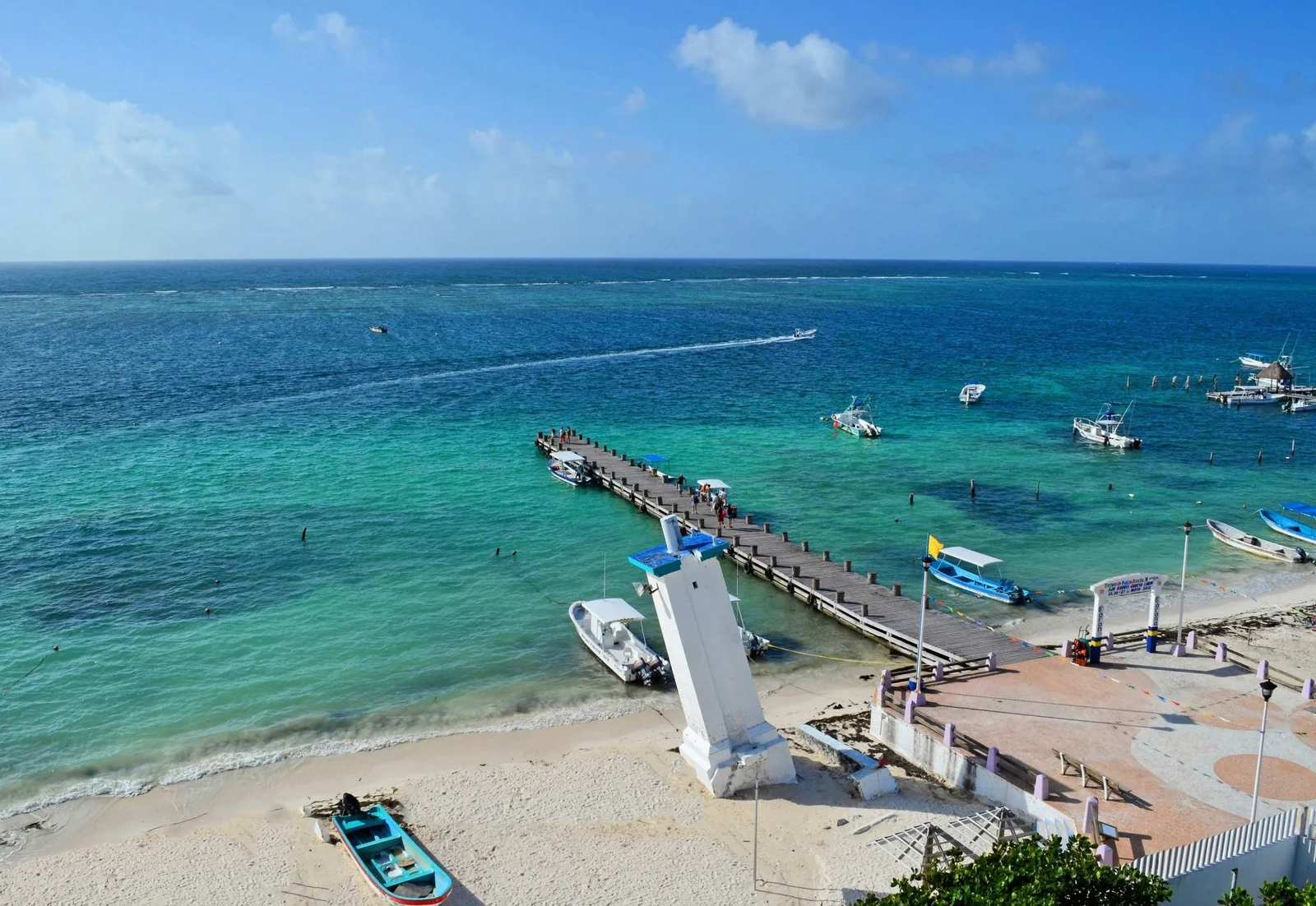
| Playas de Tijuana | $150,000 to $300,000 | Ocean front, the border fence, quieter | Mixed, some foreign owners |
| Otay | $110,000 to $200,000 | Near the industrial parks and crossing | Manufacturing employment |
| Zona Centro | $100,000 to $180,000 | Historic core, mixed condition | Students, service workers |
| Agua Caliente corridor | $140,000 to $260,000 | Racetrack, hospitals, mid rise | Medical staff and patients |
| Eastern colonias | $80,000 to $150,000 | Residential, local | Local families |
Two districts carry most foreign purchases. Zona Rio is the business core and the closest thing to a conventional urban investment product, with towers, restaurants and a professional tenant base. Playas is the coastal district and appeals to buyers who want an ocean view attached to a city rather than to a resort.
The border as daily infrastructure
| Route | Typical northbound wait | Note |
|---|---|---|
| San Ysidro, general lanes | 45 minutes to over 2 hours | The busiest land crossing in the hemisphere |
| San Ysidro, SENTRI | 15 to 40 minutes | Nearly universal among daily commuters |
| Otay Mesa | Often shorter than San Ysidro | Serves the industrial east of the city |
| Cross Border Xpress | Minutes, ticketed passengers only | Direct bridge into Tijuana airport |
For an owner-occupier the trusted traveller enrolment is not a convenience, it is the difference between a viable commute and an unviable one. For a landlord it shapes tenant demand: units within easy reach of a crossing or of the industrial parks let faster and hold tenants longer than units that require crossing the city first.
Insider tip: ask how long a comparable unit in the building sat empty between its last two tenancies, and what the rent was in pesos both times. In a peso rental market with dollar-denominated purchase decisions, those two figures tell you more about the real return than any yield percentage a seller quotes.
Yield, currency and what actually drives return
The economics here differ from every coastal market on this site, and the difference is worth stating precisely rather than in generalities.
Rents are set in pesos by local tenants whose wages are in pesos. The purchase, for a foreign buyer, is usually funded in dollars. That means the return has a currency component that a beach market denominated in dollars does not carry: a peso rent stream converted back to dollars moves with the exchange rate independently of whether the property performs.
Against that, the demand base is unusually stable. Manufacturing employment across the Otay industrial corridor, a substantial medical tourism sector, cross-border commuters and continuous inbound migration to the city produce a residential rental market with a floor under it. Occupancy is not seasonal here in the way it is in Rosarito an hour south, where a February Tuesday can be empty.
The practical conclusion is that Tijuana suits a landlord who wants steady occupancy and can tolerate currency exposure, and suits a buyer wanting dollar-denominated appreciation far less. It is a cash flow market rather than a capital growth story, and the pages that model coastal appreciation do not transfer here.
Medical tourism and what it does to the rental market
Tijuana receives a large flow of patients from the United States for dental work, elective surgery, bariatric procedures and pharmacy purchases, and that flow has built a service economy around it that a buyer should understand because it touches the rental market directly.
The effect runs through three channels. Clinics and hospitals employ medical and administrative staff who need housing near the Agua Caliente corridor and Zona Rio. Patients and their companions need short and medium stays close to the clinic, typically a few nights to a few weeks, which supports a furnished rental segment that behaves unlike either a holiday let or a twelve-month tenancy. And the sector supports a wider layer of drivers, translators, hospitality and recovery accommodation.
For a landlord this creates a genuine middle category between the nightly platforms and the annual lease: furnished medium-stay units let to patients and companions, at rates above a local long let and with far less seasonality than a beach market. It is also a segment with real operational demands, since turnover is higher than an annual tenancy and the guests are often unwell and travelling for the first time.
The risk to weigh is concentration. A rental model built entirely on one clinic’s referrals is exposed to that clinic. A unit that works as an ordinary long let and happens to also serve medium stays is not. As with everything else in this market, the discipline is to underwrite the tenant base that exists rather than the one a projection assumes.
The country-wide product view sits in property for sale in Mexico.
Pros and cons
Pros. The most stable rental demand of any market in this corpus, driven by employment rather than tourism. Entry prices below every coastal market here. Access to San Diego for work, healthcare and flights. A large enough city for genuine urban amenities. Gross yields typically above the resort markets.
Cons. Peso rents against a dollar purchase, so currency risk sits inside the return. Little to no holiday rental premium. A safety picture that varies by district and requires local judgement rather than a blanket answer. Resale to foreign buyers is thin, because most buyers here are Mexican. Border wait times shape daily life in a way no listing conveys.
Which buyer this suits
Someone working in San Diego and priced out of it. This is the clearest case and the reason a large cross-border community exists.
A yield-focused landlord comfortable with peso income. The tenant base is real, employed and year round.
A buyer wanting an urban asset rather than a holiday one. Zona Rio functions as a business district with the tenant profile that implies.
It suits a holiday buyer least, and it suits anyone modelling dollar rents least of all. For the neighbouring coastal markets see Rosarito and Ensenada, for country price context homes for sale in Mexico, and for the ownership route the restricted zone explained.
Supporting reading for a purchase here is can Americans buy property in Mexico, property taxes in Mexico, and the closing cost breakdown.
Price bands are indicative asking observations from public listings in September 2026 and are not valuations. Border wait times change constantly. Rental figures vary by building and by tenancy; verify with local management before relying on any projection.
Frequently Asked Questions
Indicative asking bands in September 2026 run about $130,000 to $230,000 for a two-bedroom apartment in Zona Rio or Chapultepec, $180,000 to $350,000 for a newer tower unit with amenities, and $110,000 to $200,000 for a house in the established residential colonias. Playas de Tijuana ocean-view units sit around $150,000 to $300,000 depending on the building and the outlook.
Two reasons dominate and neither is holidays. The first is the cross-border commute: people who work in San Diego and live in Tijuana, where the same salary buys considerably more housing. The second is rental yield from local tenants, since Tijuana has a large working population, a manufacturing base and constant inbound migration, which produces steadier residential demand than any beach market.
Yes. Tijuana sits directly on the United States border and on the coast at Playas, so it is inside the restricted zone by both measures. A foreign buyer holds residential property through a fideicomiso bank trust, with an indicative $2,500 to $4,000 setup and $500 to $800 a year in trustee administration. The local closing infrastructure handles this routinely.
Northbound waits at San Ysidro and Otay Mesa vary from around 20 minutes in a SENTRI lane to well over two hours in general lanes at peak times. Committed daily commuters almost universally hold a trusted traveller enrolment, and many time their crossings before dawn. The Cross Border Xpress bridge gives direct pedestrian access from San Diego into Tijuana airport for ticketed passengers, which is a separate and much faster route.
Safety varies substantially by district, as it does in any large city, and the perception outside Mexico is broader than the reality on any given street. The practical approach for a buyer is the same as in any metropolitan market: assess the specific colonia rather than the city, visit at different times of day, and speak with residents of the building. Gated buildings with controlled access are the norm at the price points foreign buyers use.
Tijuana is a long-let market priced in pesos to local tenants, so gross yields tend to sit above the coastal resort markets while nightly rates and appreciation are lower. The demand base is manufacturing employment, cross-border commuters and medical tourism staff. Model it as a residential rental business with local tenants and peso rents, not as a holiday let, and price currency risk into the return.



Get a vetted Mexico shortlist
US and Canadian buyers use this to skip the developer sales deck: tell us the budget and the market, and we come back with 3 to 5 options and the net yield maths behind each one.
Want options matched to your budget and risk profile?
Three questions, one screen. We reply within one business day.
Get a vetted Mexico shortlist