
Homes for Sale in Mexico: Houses and Condos by City
Indicative 2026 price bands for houses and condos across eleven Mexican markets, what a foreigner may own, and the closing costs that sit on top.
By Mexico Invest Editorial · Updated September 6, 2026 · 13 min read
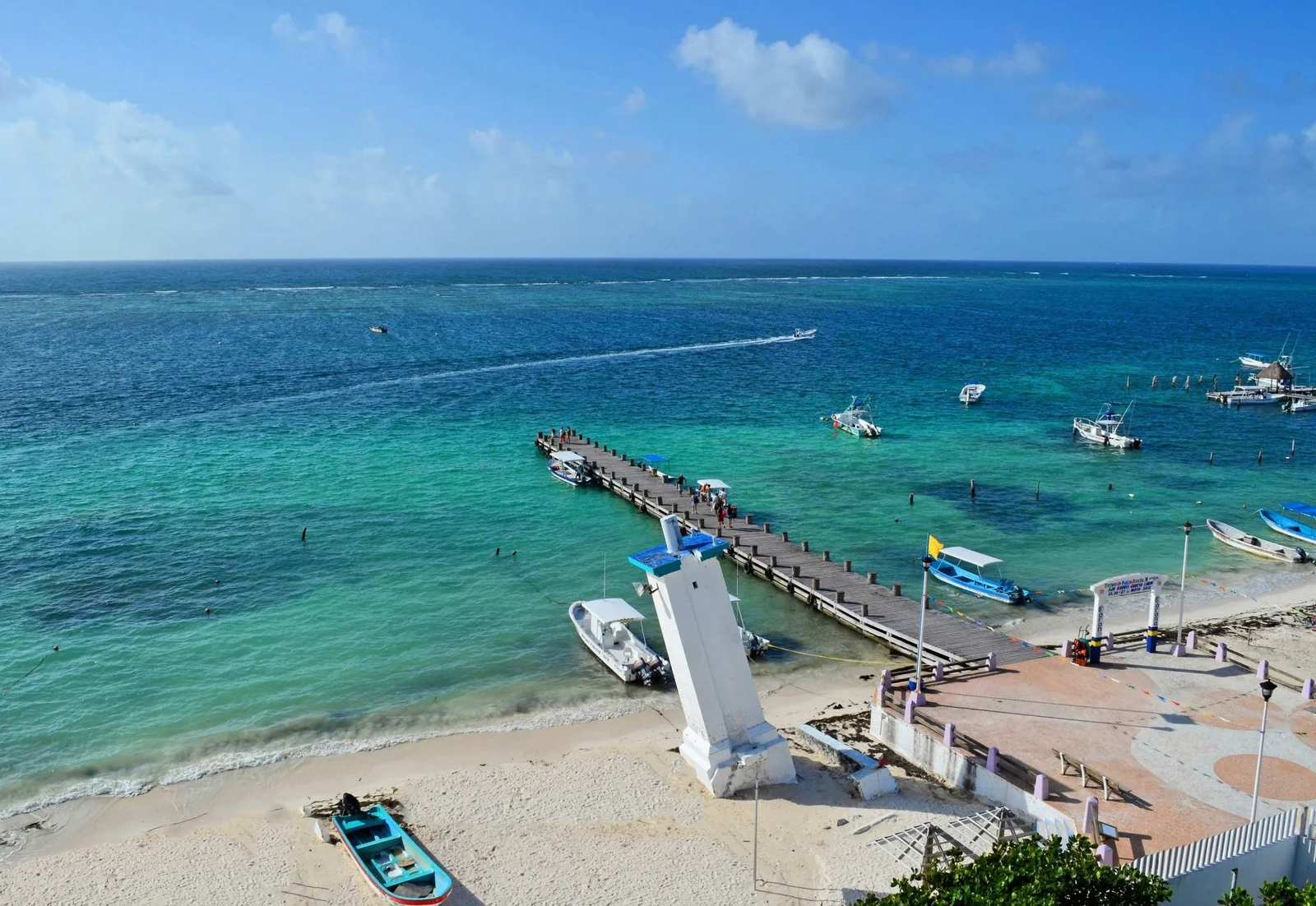
Quick answer: a foreigner can buy a home anywhere in Mexico. Inland the purchase is direct; within 50 km of the coast or 100 km of a border it runs through a bank trust called a fideicomiso. Indicative 2026 asking bands range from about $120,000 for a Merida house to $400,000 and upward in Los Cabos, and closing costs add 5 to 8 percent on top of whatever you pay.
Most pages that rank for this search are listing grids. They answer the question “what is for sale” and skip the question a buyer who has not chosen a city yet is actually asking: what does a home cost in Mexico, where can I afford one, and am I even allowed to own it.
This page answers those three, then hands you to the city page and the legal guides. It does not carry an inventory feed, because a feed goes stale in a week and the structural facts below do not.
What does a home actually cost in Mexico?
There is no national average worth quoting, because the country runs at least four housing markets that barely touch each other. A colonial house in Merida, a beach condo in Mazatlan, a Roma Norte apartment and a Los Cabos villa are priced by different buyers with different currencies in mind. The bands below are indicative asking ranges observed across listing portals in September 2026 for a two or three bedroom home in reasonable condition.
| Market | Indicative band | What that buys | Foreign buyer depth |
|---|---|---|---|
| Merida, Yucatan | $120,000 to $280,000 | Restored or renovation-ready colonial, or a modern build in the north | Deep |
| Chelem and Progreso | $110,000 to $250,000 | Beach house 30 minutes from Merida | Growing |
| Mazatlan, Sinaloa | $150,000 to $350,000 | Golden Zone or Centro Historico condo | Deep |
| Rosarito and Ensenada | $150,000 to $400,000 | Ocean-view condo or house, 40 minutes from San Diego | Deep |
| Playa del Carmen | $150,000 to $400,000 | Condo, walking distance to the beach in most cases | Very deep |
| Tulum | $180,000 to $450,000 | Condo in Aldea Zama or La Veleta, rarely beachfront | Very deep |
| Cancun | $130,000 to $350,000 | Condo in Puerto Cancun, Huayacan or the Hotel Zone | Deep |
| Puerto Vallarta | $200,000 to $600,000 | Condo in Zona Romantica, Marina or Amapas | Very deep |
| Mexico City | $200,000 to $700,000 | Apartment in Roma, Condesa, Napoles or Polanco | Moderate |
| San Miguel de Allende | $250,000 to $700,000 | Casa in or near Centro | Very deep |
| Los Cabos | $400,000 upward | Condo in the Corridor, villa in Pedregal or Palmilla | Very deep |
Two things move these numbers that a US buyer does not expect. The first is the peso. A property priced in pesos and a property priced in dollars behave differently when the exchange rate moves, and in most coastal resort markets the asking price is quoted in dollars while the tax base is recorded in pesos. The second is that Mexican listings carry no enforced disclosure of days on market, so an asking price can sit unchanged for two years and still be presented as current.
Insider tip: ask the agent for the property’s last recorded transfer value in the public registry, not the asking price history. The registry figure is what the notario used for tax, it is verifiable, and a large gap between it and the asking price tells you whether the seller is pricing to the market or to a dream.
Where the stock is: eleven markets foreign buyers actually use
Mexico has more than 2,400 municipalities. Foreign residential buying concentrates in about fifteen of them, and the reason is infrastructure rather than scenery: English-speaking notario offices, banks with functioning trust desks, property managers who answer email, and enough comparable sales to make an appraisal meaningful.
The demand splits into three buyer types that rarely overlap.
- The retiree corridor. Lake Chapala and Ajijic, San Miguel de Allende, Merida, Mazatlan. Bought for cost of living and healthcare access, usually held long, rarely rented.
- The border corridor. Rosarito, Ensenada, San Felipe, Puerto Penasco, San Carlos. Bought by Californians and Arizonans who drive rather than fly. Weekend use, then retirement.
- The resort corridor. Riviera Maya, Puerto Vallarta and Riviera Nayarit, Los Cabos. Bought for a mix of personal use and short-term rental, and priced accordingly.
Which corridor you are in changes the whole transaction, not just the price. A border-corridor purchase in Rosarito needs a fideicomiso and a hard look at ejido history. A Merida purchase inland needs neither. A Riviera Maya condo lives or dies on whether the state permits short-term rental in that building, which is a question with a different answer in Quintana Roo than in Jalisco.
For the geography behind these bands, the city pages carry the detail: Merida for the Yucatan market and Puerto Vallarta for the Pacific.
Can a foreigner own a home in Mexico?
Yes, everywhere in the country, with one structural difference by location. Article 27 of the Mexican constitution reserves direct foreign ownership outside a zone drawn 50 km from any coastline and 100 km from any land border. Inland, a foreign buyer takes title directly in their own name. Inside that zone, ownership runs through a fideicomiso, a bank trust in which a Mexican bank holds legal title and the foreign buyer holds every beneficial right: to occupy, renovate, rent, sell, and pass on by inheritance.
The trust is not a lease and it is not a loophole. It runs for 50 years, is renewable, and the beneficiary can be changed or substituted on sale. The practical consequences are cost and paperwork rather than control.
| Location | Structure | Set-up cost, indicative | Annual cost, indicative |
|---|---|---|---|
| Inland, outside the zone | Direct title in your name | None beyond normal closing | None |
| Coastal or border zone | Fideicomiso bank trust | $2,500 to $4,000 | $500 to $800 |
| Any location, multiple units | Mexican company | Higher set-up, accounting duty | Annual filings and accountant |
The company route is sold aggressively to foreign buyers and suits far fewer of them than it is offered to. It carries monthly accounting obligations and loses the residential capital gains exemption on sale. It earns its keep for commercial property or a genuine multi-unit rental operation, not for one holiday condo.
The detail sits in the restricted zone guide and how the fideicomiso works, and the eligibility question is answered in full at can foreigners buy property in Mexico.
What the purchase costs on top of the price
Mexican closing costs are higher than most US buyers expect and lower than most European buyers expect. The working number is 5 to 8 percent of the purchase price, weighted toward the buyer. The seller carries the capital gains tax and usually the agent commission.
| Line | Indicative range | Paid by | Notes |
|---|---|---|---|
| ISAI acquisition tax | 2 to 4 percent | Buyer | Set by state, Quintana Roo and Jalisco differ |
| Notario fees | 1 to 2 percent | Buyer | Scaled to declared value |
| Public registry | 0.5 to 1 percent | Buyer | Filing and inscription |
| Appraisal, certificates | $600 to $1,500 | Buyer | Avaluo, no-lien and water certificates |
| Fideicomiso set-up | $2,500 to $4,000 | Buyer | Restricted zone only |
| Legal review | $1,500 to $3,500 | Buyer | Independent counsel, strongly advised |
On a $150,000 purchase these fixed lines are a much larger share than on a $600,000 one, which is the single most under-modelled fact in the cheap end of this market. A $2,800 trust set-up is under half a percent on a $600,000 villa and nearly 2 percent on a $150,000 condo. The full line-by-line build is in the closing costs breakdown, and the sub-$200,000 case is worked through in the under $200k guide.
House, condo, or land: the trade-offs
The three products behave very differently in Mexico, and the gap is wider than in the US market.
Houses. Pros: no HOA, no assembly politics, land included, easier to extend. Cons: you own the roof, the palapa, the pool pump and the security problem. In coastal humidity the maintenance number is real, and an absent owner pays someone else to care.
Condos. Pros: managed, lockable, rentable, insurable as part of a block. Cons: the HOA fee is a permanent claim on yield, the condo assembly can vote a special assessment onto you while you are 3,000 km away, and the building’s rental policy can change after you buy. Fees run widely by market and amenity load, and the detail is in the HOA guide.
Land. This is where foreign buyers lose the most money in Mexico. A large share of coastal and semi-rural land is ejido, communally held under agrarian law, and it cannot be sold to a private buyer until it has been formally converted through a documented process. It is routinely sold anyway, with a contract, a receipt and a handshake. The buyer gets no registrable title and no recourse worth having. Ejido land risks covers what conversion actually looks like on paper.
Red flags that separate a real listing from a bad one
The Mexican market has no MLS in the US sense. The same property appears on six sites at four prices, listed by agents who may or may not have a mandate. Verification therefore falls on the buyer, and it is not difficult, just unfamiliar.
- The seller is not the registered owner. Pull the escritura and the registry folio. Names must match, or the chain must be documented.
- Missing no-lien certificate. The certificado de libertad de gravamen shows mortgages, liens and embargoes. It is cheap and it is the single most useful document in the file.
- Unpaid predial or HOA. Property tax and condo debt follow the property in practice, so they become your problem. Ask for receipts, not assurances.
- Ejido history in the chain. Any land that was ever ejido needs the conversion documented, not described.
- Wire instructions that change. Closing wire fraud is the most common way foreign buyers lose six figures in Mexico. Confirm account details by voice with a number you sourced yourself, never from the email.
- An agent with no AMPI registration and no written mandate. Real estate is regulated unevenly by state, and an unregistered intermediary has no professional exposure if the deal fails.
More of the pattern, with the specific frauds that recur, is in Mexican real estate scams to avoid and the role of the notario.
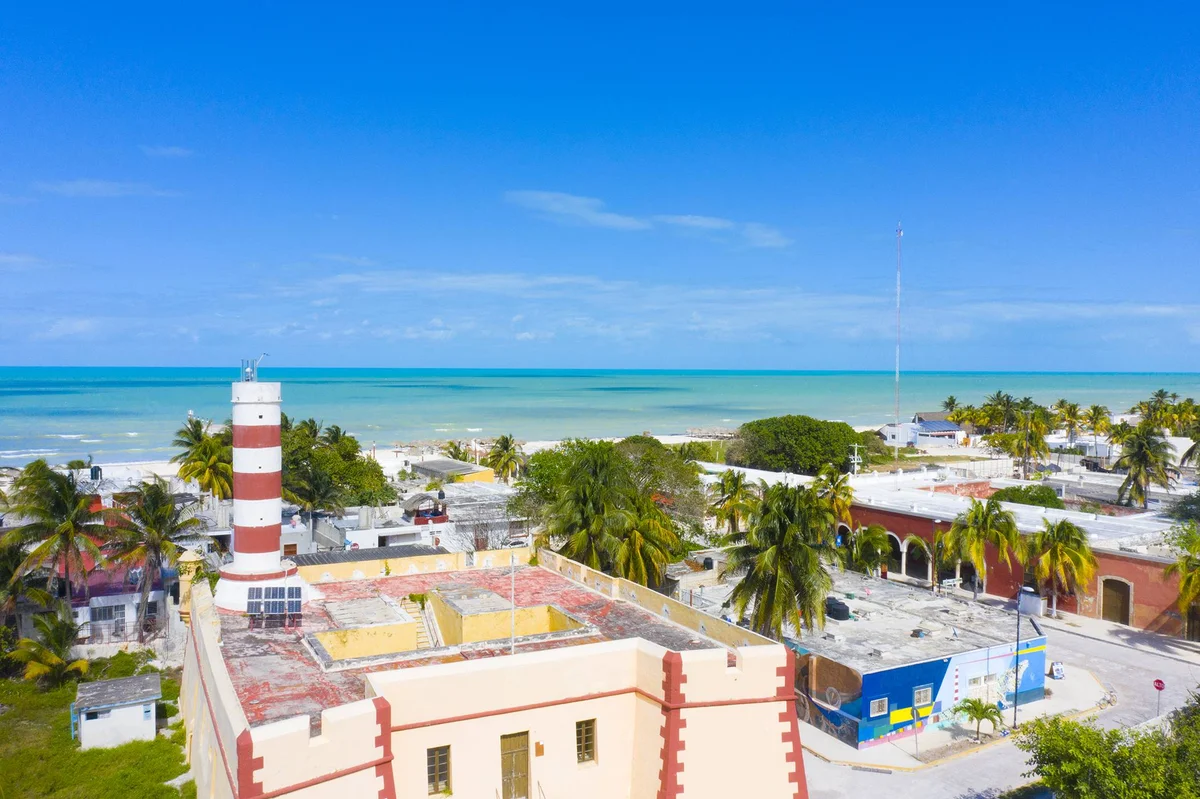
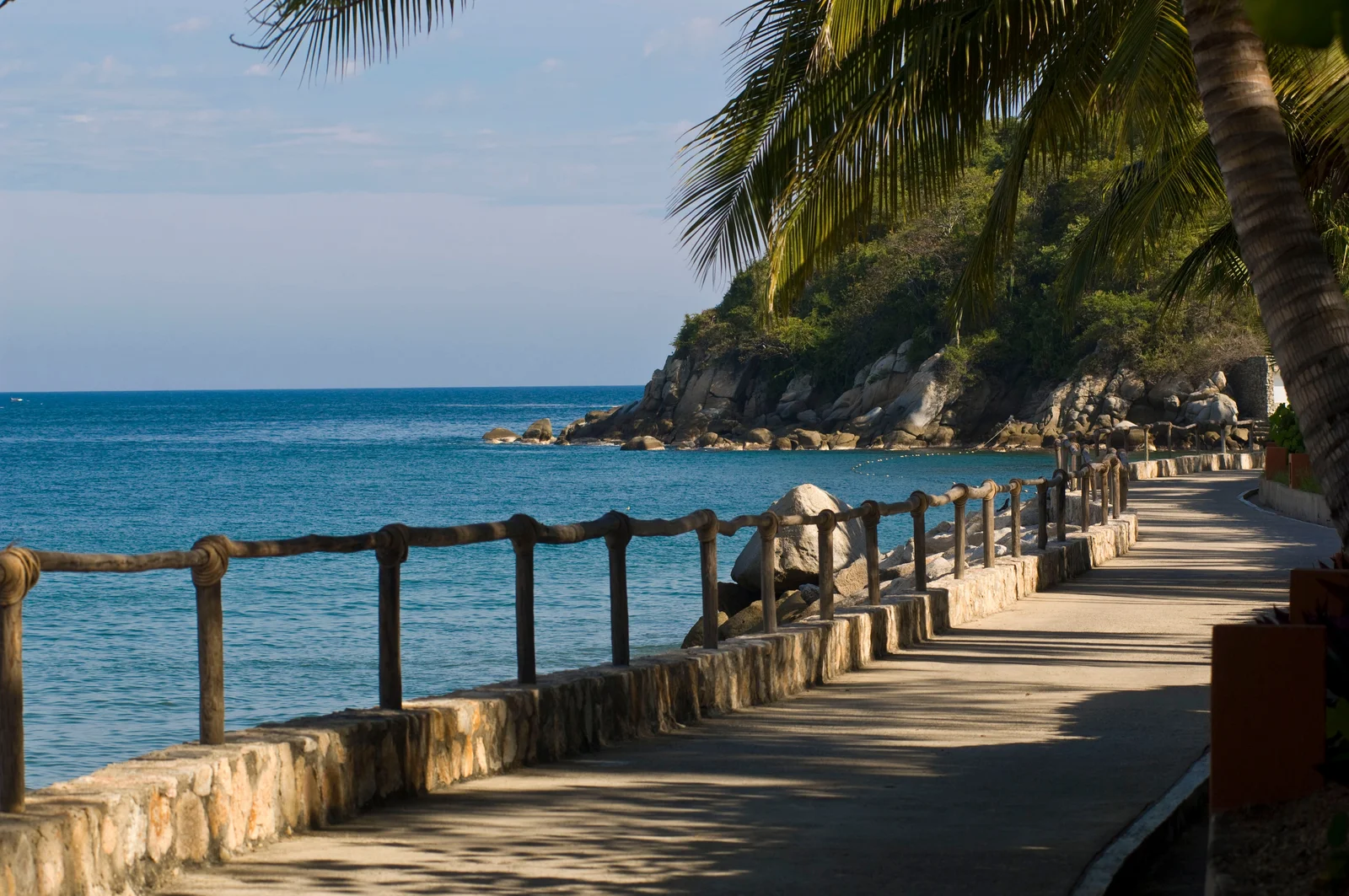
Two of the cheapest coastal entries in this list have their own pages: Chelem and Progreso on the Yucatan beach north of Merida, and Zihuatanejo on the Guerrero coast, where a bay house still costs less than a Riviera Maya condo.
Which market fits which buyer
A decision framework beats a listing feed here, because the constraint is rarely the property.
Budget is the binding constraint, under $200,000. Look at Merida, Chelem, Progreso, Mazatlan, Ensenada and Guanajuato. Accept thinner comparable data and fewer English-speaking closing professionals. Do not accept a weaker title search.
You want to drive, not fly. Rosarito, Ensenada, San Felipe, Puerto Penasco and San Carlos. Border wait times and Mexican auto insurance are part of the real cost of ownership, and both are ignored by every listing site.
You want the property to earn while you are away. Riviera Maya, Puerto Vallarta and Los Cabos have the rental infrastructure. Check the building’s rental rules and the state’s short-term rental registration before you check the projected yield, because one of those is enforceable and the other is a spreadsheet.
You are moving, not investing. Lake Chapala and Ajijic, San Miguel de Allende, Merida and Mexico City. Here the cost of living, healthcare access and the residency route matter more than the price per square metre.
You want beachfront specifically. Understand ZOFEMAT first. The federal maritime zone is the strip of sand above the high tide line, it is federal property, and it is held by concession rather than owned. A beachfront title does not include the beach.
Price bands on this page are indicative asking ranges observed across public listing portals in September 2026 and are not valuations. Tax rates and fees vary by state and by declared value. Verify current figures with a notario, an independent attorney and the trustee bank before you commit funds.
Frequently Asked Questions
There is no single national figure, because Mexico runs at least four separate housing markets. In 2026 an indicative band for a three-bedroom house or a two-bedroom condo runs about $120,000 to $280,000 in Merida, $150,000 to $400,000 in Mazatlan, Rosarito and Playa del Carmen, $200,000 to $600,000 in Puerto Vallarta and Mexico City, and $400,000 upward in Los Cabos and Punta Mita. Treat every band as an indicative listing observation, not a valuation.
Yes. A foreigner can own residential property anywhere in Mexico. Inland, ownership is direct and looks like any other purchase. Within 50 km of the coast or 100 km of a land border, the constitution routes foreign ownership through a bank trust called a fideicomiso or through a Mexican company. The trust holds legal title, you hold every beneficial right including sale, rental, renovation and inheritance.
Budget 5 to 8 percent of the purchase price on top of the price itself. The largest line is the state acquisition tax, ISAI, at roughly 2 to 4 percent depending on the state. Notario fees, public registry, appraisal and certificates take most of the rest. In the restricted zone add fideicomiso setup at an indicative $2,500 to $4,000 plus annual trustee administration.
Among markets with real foreign buyer infrastructure, Merida, Chelem and Progreso in Yucatan, Mazatlan in Sinaloa, and Ensenada and Rosarito in Baja California carry the most stock under $200,000. Guanajuato and parts of Oaxaca sit lower again. The trade is fewer English-speaking closing professionals and thinner comparable sales data, which makes the appraisal and the title search matter more.
The legal structure is settled and has been for decades, so the risk is transactional rather than constitutional. The failures that cost foreign buyers money are ejido land sold as private title, a seller who is not the registered owner, unpaid predial or HOA debt attaching to the property, and wire fraud during closing. All four are caught by an independent title search, a notario who works for the transaction rather than for the seller, and funds that move only through verified accounts.
No. A purchase can be completed remotely through a power of attorney granted before a Mexican consulate or through an apostilled document executed at home. Remote closings are routine in Riviera Maya, Los Cabos and Puerto Vallarta. What cannot be delegated is the decision itself, so most buyers still visit once before signing rather than buying from photographs.
Get a vetted Mexico shortlist
US and Canadian buyers use this to skip the developer sales deck: tell us the budget and the market, and we come back with 3 to 5 options and the net yield maths behind each one.
Want options matched to your budget and risk profile?
Three questions, one screen. We reply within one business day.
Get a vetted Mexico shortlist