
Mexico Restricted Zone Explained: Foreign Property Rules
Mexico restricted zone rules for foreign buyers, 50 km coast, 100 km border, fideicomiso requirement, exceptions, and what it means for Riviera Maya.
By Mexico Invest Editorial · Updated July 9, 2026 · 15 min read
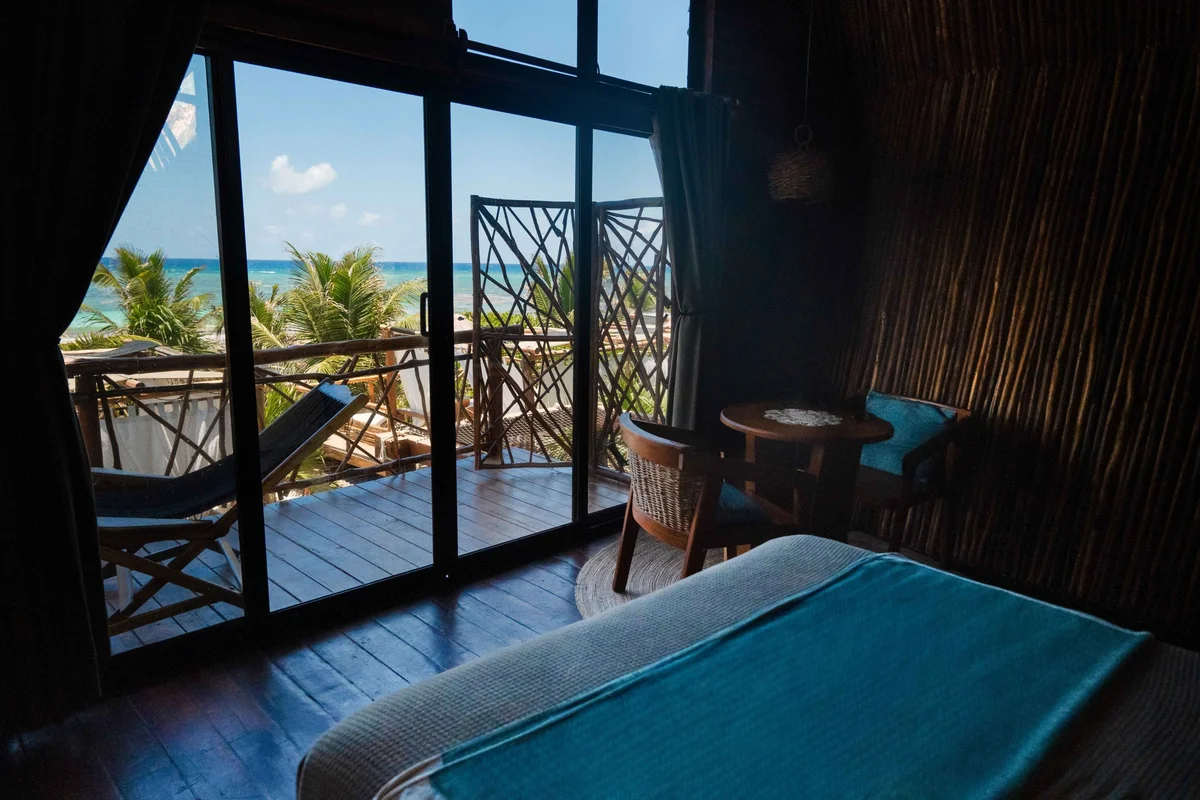
Quick answer: Mexico’s restricted zone covers land within 50 km of coast and 100 km of border. Foreigners buying residential property here use a fideicomiso bank trust, not direct deed. Cancún, Playa, Tulum, Los Cabos, and Puerto Vallarta are all inside. Mérida and inland colonial cities are outside.
Every foreign buyer eventually hits this concept, usually when a US attorney asks, “Wait, the bank owns the property?” The restricted zone is why. The zone shapes which markets a foreign buyer can realistically shop in, which is mapped out in homes for sale in Mexico and by product type in property for sale in Mexico. Understanding it prevents both paranoia (thinking you own nothing) and negligence (thinking any workaround beats fideicomiso).
Ownership overview: Can Foreigners Buy Property in Mexico?. Trust mechanics: Fideicomiso Explained.
Constitutional origin: article 27
Article 27 of Mexico’s constitution creates two strategic buffers, 50 kilometers inland from any coastline and 100 kilometers from international borders, where foreigners cannot hold direct land title. This post-revolution policy protected national territory from foreign sovereign-style control but created massive demand inside beach tourism zones. Rather than ban investment, Mexico’s Foreign Investment Law authorized fideicomiso bank trusts.
Mexico’s constitution reserves strategic territory control. Article 27 restricts direct foreign ownership of land in:
| Buffer | Distance |
|---|---|
| Coastal band | 50 km inland from any coast |
| Border band | 100 km inland from any international border |
The policy dates to post-revolution nation-building, protecting coastlines and borders from foreign sovereign-style land holds. Beach tourism decades later created massive foreign demand inside exactly these buffers.
Rather than ban investment, Mexico’s Foreign Investment Law authorised fideicomiso: regulated bank trusts where the foreigner holds beneficial rights.
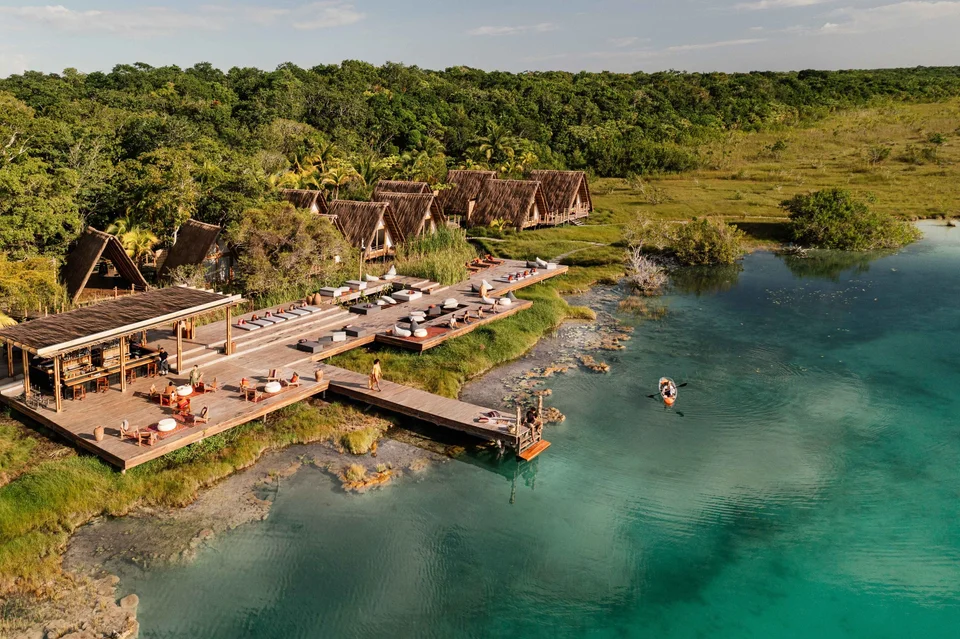

Quintana Roo (Riviera Maya)
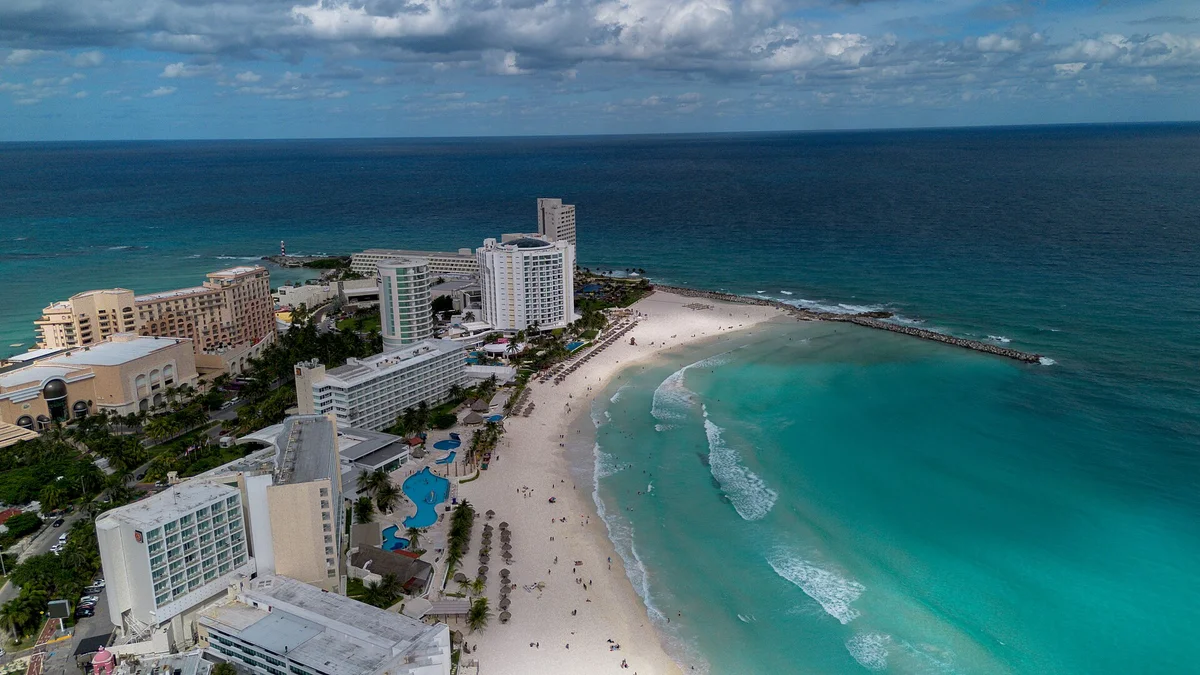
Every major Riviera Maya destination falls inside the 50-kilometer coastal restricted zone, Cancún, Puerto Morelos, Playa del Carmen, and Tulum all require fideicomiso for foreign residential buyers. No “just outside the zone” locations exist within 10 minutes of beach hotel zones. The entire tourist corridor from airport to archaeological sites sits well within constitutional restrictions.
The entire tourist strip from Cancún through Tulum sits inside the coastal 50 km band, an estimated 90%+ of foreign-purchased vacation properties in Mexico fall within restricted zones. There is no “just outside the zone” trick 10 minutes from the beach in hotel zones.
| City | Zone status | Foreign residential structure |
|---|---|---|
| Cancún | Inside | Fideicomiso |
| Puerto Morelos | Inside | Fideicomiso |
| Playa del Carmen | Inside | Fideicomiso |
| Tulum | Inside | Fideicomiso |
| Chetumal | Inside (coast + border) | Fideicomiso |
Baja California Sur
Los Cabos, La Paz waterfront corridors, and Todos Santos fringe, inside. Foreign buyer stacks mirror Quintana Roo.
Pacific coast
Puerto Vallarta, Nayarit beach developments, Oaxaca coast pockets, inside the 50 km band.
Outside the zone (direct title examples)
Major inland markets like San Miguel de Allende, Guanajuato city, Querétaro and Monterrey metro fall outside restricted zones, and foreigners can hold direct fee-simple title without bank trusts there. Mérida is the market most often mislabelled as one of them: its centre sits roughly 35 km from the Gulf and inside the band. However, direct title availability does not eliminate due diligence requirements since ejido land and title defects exist throughout Mexico regardless of zone status.
| Market | Why outside |
|---|---|
| Mérida, Yucatán | Inland peninsula city |
| San Miguel de Allende | Central highlands |
| Guanajuato city | Inland |
| Monterrey metro | Inland industrial |
Direct title does not mean casual DD, ejido and title defects still exist inland.
What foreigners cannot do in the zone
Fideicomiso bank trusts allow nearly all property rights within restricted zones, living in the property, renovating with permits, renting STR or long-term, selling to other foreigners, and inheritance via substitute beneficiaries. The single prohibition is holding naked fee-simple title as foreign individuals. Beneficial use rights through regulated trusts provide practical ownership without constitutional conflicts.
| Action | Allowed via fideicomiso? |
|---|---|
| Live in the property | Yes |
| Renovate (with permits) | Yes |
| Rent STR / LTR | Yes (plus local permits) |
| Sell to another foreigner | Yes, assign beneficial rights |
| Inherit via substitute beneficiary | Yes |
| Hold naked fee-simple title as foreign individual | No |
Fideicomiso As the lawful solution
Fideicomiso structures solve restricted zone restrictions through regulated bank trustees holding legal title while foreign beneficiaries control use, sale, and inheritance rights. Setup costs USD 2,500-4,000, annual fees run USD 500-800, terms span renewable 50-year periods, and only authorized Mexican institutions serve as trustees. This mechanism has facilitated hundreds of thousands of coastal closings.
The bank trustee holds legal title. You hold beneficial use documented in the trust agreement and transaction chain.
| Element | Typical terms |
|---|---|
| Initial setup | $2,500-4,000 USD |
| Annual fee | $500-800 USD |
| Term | 50 years, renewable |
| Banks | Authorised Mexican institutions |
This is the same structure used in hundreds of thousands of coastal closings since the 1990s, not a grey-market workaround. Major trust banks include Scotiabank, HSBC, Santander, Banorte, and Citibanamex; annual fees typically range USD 500-800, though some banks charge up to USD 1,000 for premium accounts. Verify current rates with your selected institution.
Corporation alternative: when it appears
Mexican corporations represent an alternative restricted-zone ownership structure for foreigners but rarely suit single vacation condo buyers, fideicomisos remain the default for first-time purchases while corporations fit STR operators with multiple units or significant liability isolation needs. Corporations add annual accounting and filing overhead that typically exceeds trust fees within 12-24 months.
Some advisors propose a 100% foreign-owned Mexican corporation holding property in the zone. Reality check:
| Factor | Fideicomiso | Mexican corp |
|---|---|---|
| First-time condo buyer | Default | Usually overkill |
| Annual compliance | Trust fee | Accounting + filings |
| STR operator (multi-unit) | Possible | Sometimes preferred |
| Liability isolation | Moderate | Potentially stronger |
Non-residential and large parcels
Residential condos in registered condominium regimes follow a standard path. Commercial, industrial, or large land parcels may require CNIE (foreign investment commission) approval. Timelines and conditions differ from buying Unit 402B in a Playa tower.
If your purchase is a labelled condo with regime de condominio documents, you are almost certainly on the residential path. If you are buying hectares for hotel development, retain specialised counsel early.
Measuring zone status on a specific parcel
Zone status requires independent verification since marketing copy often misstates proximity, confirm through official cartographic distance from coastline, attorney opinion letters, notario preliminary reviews, and public registry parcel classifications. Inland communities marketed as “15 minutes to beach” may still fall within 50-kilometer bands if coastal curvature brings zones closer than expected.
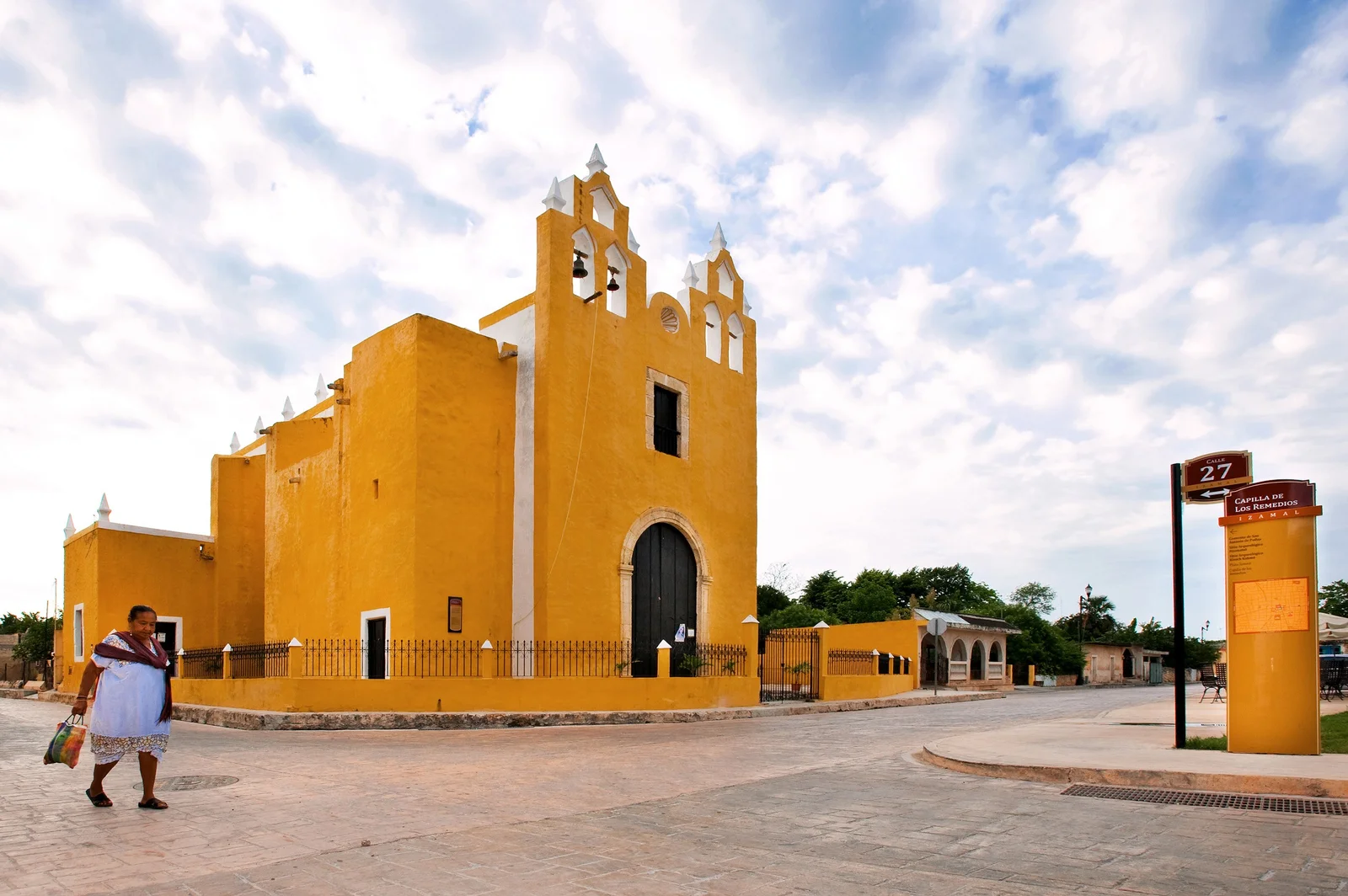
Mérida is the standing example of why cartographic distance beats local reputation. The city is described as inland in almost all English-language marketing, sits an hour from the beach, and has none of the resort character of Quintana Roo, yet its historic centre measures roughly 35 kilometres in a straight line to the Gulf coast at Progreso, comfortably inside the 50 kilometre band. Buyers arrive at the notaría expecting direct escritura and no annual fee, and instead face a fideicomiso at $2,500 to $4,000 to establish plus $500 to $800 a year. Genuinely inland Yucatán towns such as Valladolid and Izamal, at 60 to 95 kilometres, do fall outside.
Do not trust marketing copy alone. Confirm via:
- Official distance from coastline (cartography / survey)
- Attorney opinion letter
- Notario preliminary review
- Public registry parcel classification
Inland master-planned communities marketed as “15 minutes to beach” may still sit inside the 50 km band if the coast is nearby, Tulum’s inland grids are still restricted-zone purchases.
Restricted zone + Ejido: double risk
Ejido land can exist inside or outside the zone. Foreigners should not buy ejido regardless of zone status. The restricted zone adds fideicomiso requirement on top of needing private escritura land.
Closing mechanics in the zone
Restricted-zone purchases add fideicomiso setup to standard closing costs, ISAI transfer tax at 2-4%, notario fees at 1-1.5%, fideicomiso establishment at USD 2,500-4,000, independent attorney fees at USD 1,500-5,000, totaling 5-10% above purchase price. These costs are non-negotiable requirements, not optional upgrades, for foreign coastal ownership.
Converting the percentage stack into dollars on a real purchase shows what buyers need liquid at closing. On a $320,000 Playa del Carmen 1BR, ISAI at 2-4% is $6,400 to $12,800, notario at 1-1.5% is $3,200 to $4,800, fideicomiso establishment is $2,500 to $4,000, and an independent attorney is $1,500 to $5,000. That totals $13,600 to $26,600, or 4.3% to 8.3% of price, and none of it can be financed or rolled into the purchase. Add the SRE permit at $1,200 to $1,700 and the first annual trust fee, and a buyer with exactly $320,000 available cannot complete the transaction.
Restricted-zone closings add fideicomiso establishment to the stack:
| Cost line | Typical range |
|---|---|
| ISAI transfer tax | 2-4% |
| Notario | 1-1.5% |
| Fideicomiso setup | $2,500-4,000 |
| Independent attorney | $1,500-5,000 |
| Total buyer stack | 5-10% |
Renewal and succession
At the 50-year horizon, beneficiaries renew with the bank for another 50 years, a routine administrative process costing approximately USD 1,000-2,000 in renewal fees, not an expropriation event. On death, substitute beneficiary clauses transfer beneficial rights without re-buying the asset.
On resale, buyer assumes or replaces trust, standard Riviera Maya resale practice.
US buyer mental model
Think of fideicomiso as beneficial ownership with a regulated trustee, closer to a land trust in some US states than to a timeshare lease. You finance it, insure it, rent it, and sell it, subject to Mexican tax and HOA rules.
Common questions at offer stage
“Can I put the trust in my US LLC name?” These four come up in almost every restricted-zone transaction, usually late, usually from something a broker said. The short answers: the beneficiary form is decided by bank KYC and your Mexican counsel, an unpaid trust fee is a contract problem rather than a forfeiture, and the constitutional restriction has stood since 1917 with the trust mechanism liberalised rather than tightened in every reform since 1973. Beneficiary is typically the individual or a structure your Mexican counsel approves, bank KYC drives final form.
“Does the bank seize property if I miss the annual fee?” Delinquency creates contractual issues, pay annual trust fees like HOA. Banks want fee income, not your condo.
“Will Mexico ban foreigners?” Residential fideicomiso path is entrenched in law and practice, political rhetoric occasionally spikes; structure remains lawful for qualified buyers.
Historical context: why 50 km and 100 km
Constitutional buffers reflected post-revolution national security concerns when coastal and border lands carried strategic weight, but mass tourism development in Cancún (1970s onward) and Los Cabos (1990s onward) created foreign investment demand precisely inside restricted zones. Rather than pursue politically difficult constitutional amendments, Mexico created fideicomiso as a pragmatic compromise through Foreign Investment Law.
The buffers, 50 kilometres from any of Mexico’s approximately 9,330 km of coastline and 100 kilometres from 3,155 km of northern border, were drawn when coastal and border land carried strategic national security weight. Mass tourism in Cancún (1970s onward) and Los Cabos (1990s onward) created foreign demand precisely inside the restricted band. Constitutional amendment was politically heavy; fideicomiso became the pragmatic release valve under the Ley de Inversión Extranjera.
Understanding this history explains why Mexico did not simply “open the coast” to fee-simple foreign title, the trust is the compromise embedded in law, not a developer invention.
Border zone examples (100 km band)
Major border cities including Tijuana, Mexicali, Ciudad Juárez, Nogales, and Tapachula fall within 100-kilometer restricted zones requiring fideicomiso for foreign residential purchases. Border-zone purchases follow identical bank trust structures as coastal markets but serve different tourism and investment theses. Distance from borders, not beaches, determines zone status in these locations.
| Location | Border reference | Zone impact |
|---|---|---|
| Tijuana corridor | US border | Restricted |
| Mexicali | US border | Restricted |
| Ciudad Juárez | US border | Restricted |
| Nogales | US border | Restricted |
| Tapachula | Guatemala border | Restricted |
Border-zone purchases follow same fideicomiso logic for foreign residential buyers, different tourism thesis than Quintana Roo but identical structure question.
Measuring distance: practical method
Attorneys confirm zone status through three verification methods, official surveys tied to parcel folios, INEGI cartography measuring distance to coastline, and notario preliminary opinions during offer stages. Never rely on developer marketing claims of “just outside restricted zone” without independent survey verification since coastal curvature means inland jungle properties may still fall within 50-kilometer bands.
Your attorney typically confirms zone status using:
- Official survey tied to parcel folio
- INEGI cartography distance to coastline
- Notario preliminary opinion in offer stage
Do not rely on developer marketing saying “just outside restricted zone” without survey, coastal curvature means inland grids near Tulum or Puerto Morelos may still be inside the 50 km band despite jungle positioning.
Zone status and property types
Restricted zone requirements apply to most residential property types, single condo units, detached homes on private lots, and time-share units all require fideicomiso for foreign individuals. Agricultural ejido cannot be purchased as private property regardless of zone status. Marina slips and commercial properties may face special foreign investment rules requiring specialized counsel beyond residential fideicomiso processes.
| Property type | Inside zone, foreign individual |
|---|---|
| Single condo unit | Fideicomiso |
| Detached home on private lot | Fideicomiso |
| Agricultural ejido | Not purchasable as private |
| Time-share regime | Fideicomiso on unit |
| Marina slip | Special rules, counsel |
How does this comparison stack up for Mexico investors?
Mexico fideicomiso provides stronger foreign ownership rights than many Asian beach markets, renewable trust structures with transferable beneficial interests compare favorably to Thailand’s leasehold arrangements, Philippines’ condominium quota systems, and other restrictive models. Mexican bank trusts offer practical ownership security exceeding short-term leases common elsewhere in tropical markets.
| Jurisdiction | Foreign beach ownership model |
|---|---|
| Mexico (restricted) | Fideicomiso beneficial rights |
| Thailand (historical) | Lease structures common |
| Philippines | Condominium quota system |
| US | Fee simple |
Mexico fideicomiso is not a 30-year lease, renewable trust with transferable beneficial interest is materially stronger than leasehold in many Asian markets.
State-level nuance
Zone definition is federal, Quintana Roo, Baja California Sur, Jalisco, Nayarit, Oaxaca, and Sinaloa coastal markets all trigger fideicomiso for foreign individuals. State differences appear in ISAI rates and notario fees, not in whether the zone exists.
Dual-zone parcels: coast and border
Chetumal and some southern Quintana Roo pockets sit near both Caribbean coast and Belize border, still restricted. Attorney confirms which buffer applies; outcome is still fideicomiso for foreign residential.
Trust bank selection in zone
Authorized fideicomiso banks include major institutions with established coastal market presence, Scotiabank maintains strong Riviera Maya operations, while HSBC and Santander offer national coverage, and smaller regional banks like Múltiples serve local markets. Bank choice affects annual fees and service speed but not legal validity. Most resale transactions assign existing trusts rather than creating new ones.
Authorised banks include major institutions operating fideicomiso desks:
| Bank | Market presence |
|---|---|
| Scotiabank | Strong Riviera Maya |
| HSBC | National |
| Santander | National |
| Múltiples | Regional |
Bank choice affects annual fee and service speed, not legal validity. Resale often assigns existing trust rather than creating new.
Zone + STR investment thesis
Restricted zone covers every major STR market foreigners target. Zone rules do not determine rental success, HOA, permits, and colonia do.
Riviera Maya Investment. Short-Term Rental Rules.
FAQ-style scenarios
I am buying 8 km from Tulum beach, restricted? Yes. Tulum town and Aldea Zama sit well inside the 50 km coastal band. Fideicomiso required for foreign individuals.
I am buying in Mérida, restricted? Yes, for the city itself. Mérida centro is roughly 35 km from the Gulf coast at Progreso, inside the 50 km band, so foreign buyers use a fideicomiso. Direct title starts further inland, at Valladolid or Izamal distances.
Can a Mexican spouse hold direct title on beach lot? Mexican national spouse may hold direct title, mixing structures in one household creates estate and divorce complexity. Counsel should model unified plan.
Does permanent residency change zone rules? Permanent residency alone does not convert restricted-zone residential land to direct foreign fee-simple title. Fideicomiso path remains for foreign individuals in zone.
Foreign investment law references (plain english)
The Ley de Inversión Extranjera and its regulations authorise fideicomiso for residential use in restricted territory. Commercial, mining, and strategic sectors carry different schedules, residential condo path is the most documented for US buyers.
When a broker says “this deal needs CNIE” on a standard condo, verify, may be unnecessary complexity or may signal non-residential classification.
How do foreign buyers complete this purchase legally?
All major Pacific coast foreign buyer destinations fall within restricted zones, Puerto Vallarta, Nuevo Vallarta, Sayulita, and Mazatlán require fideicomiso for coastal properties, while Puerto Escondido faces additional ejido marketing risks common on Oaxaca fringes. Pacific coast buyers encounter identical restricted-zone requirements as Caribbean markets but with different risk profiles.
| Destination | Zone | Structure |
|---|---|---|
| Puerto Vallarta | Inside 50 km | Fideicomiso |
| Nuevo Vallarta / Nayarit | Inside 50 km | Fideicomiso |
| Sayulita | Inside 50 km | Fideicomiso |
| Mazatlán coast | Inside 50 km | Fideicomiso |
| Puerto Escondido | Inside 50 km | Fideicomiso, ejido risk high |
Pacific buyers face identical restricted-zone logic as Caribbean, plus higher ejido marketing risk on Oaxaca fringe.
Zone compliance at resale
When you sell to another foreigner: Selling to another foreigner is the common case and it is administratively simple, because the trust is an asset that transfers rather than a permission that must be re-earned. The four points below describe what actually happens at the notaría, and the last one, no fresh CNIE filing for a standard residential resale, is the one sellers most often budget for unnecessarily.
- Beneficial rights assign through notario
- Buyer assumes or replaces trust
- Zone status unchanged, still restricted
- No new CNIE for standard residential resale
Resale friction is procedural (trust assignment), not legal prohibition on foreign-to-foreign transactions.
Quick reference card
Print this reference for property tours, beach condo foreign buyers use fideicomiso, Mérida condo buyers do too because the city sits inside the 50 km band, ejido lots cannot be purchased by anyone as private property, trusts renew for 50+50 years, and annual trust costs run USD 500-800 typically. These five answers cover 90% of zone status questions during initial property research.
| Question | Answer |
|---|---|
| Beach condo foreign buyer? | Fideicomiso |
| Mérida condo foreign buyer? | Fideicomiso (~35 km from Gulf) |
| Ejido lot foreign buyer? | Do not buy |
| Trust renewable? | Yes, 50+50 years |
| Annual trust cost? | $500-800 typical |
Print this table before your first Riviera Maya tour, saves repeating the same attorney calls on every listing.
Indicative summary, confirm parcel-specific status with licensed Mexican counsel. Mexico Invest is editorial only.
Restricted-zone map mistakes buyers make
Foreign buyers confuse “beachfront” with “restricted”, assuming a lot without a sea view sits outside the band, while a coastal lot 400 m from shore and an inland lot 40 km from shore are equally restricted. The rule is measured from the coastline and the border, not from the water view: 50 kilometres inland from any coast, 100 from any land border. That is why a lot 400 metres from the sea and a lot 40 kilometres inland are both restricted, and why the only reliable test is the measured straight-line distance on the parcel’s own coordinates, not whether the property has a sea view, and not whether the town is described as inland.
| Location type | Typical foreign structure |
|---|---|
| Quintana Roo beach condo | Fideicomiso |
| Merida centro condo | Fideicomiso (~35 km from Gulf) |
| Los Cabos coastal villa | Fideicomiso |
| Interior Yucatán (Valladolid, Izamal) | Direct deed / entity |
Confirm with a notario using parcel folio, not Google Maps distance to water. Read Fideicomiso Mexico Explained.
Frequently Asked Questions
The restricted zone (zona restringida) is land within 50 kilometres of any coastline and 100 kilometres of international borders. Foreigners cannot hold direct naked title to residential property here, they use fideicomiso bank trusts or, in limited cases, Mexican corporations with proper compliance.
Article 27 of the Mexican Constitution historically protected national territory near borders and coasts from foreign direct land ownership. Modern foreign investment law created the fideicomiso mechanism so foreigners could still invest in beach markets lawfully without constitutional amendment.
Yes. Cancún, Playa del Carmen, Tulum, Puerto Morelos, and the entire Riviera Maya coastline fall inside the 50 km coastal band. Foreign condo buyers use fideicomiso.
Yes, for the city itself. Mérida's centre lies roughly 35 km from the Gulf coast at Progreso, inside the 50 km coastal buffer, so foreign buyers there normally use a fideicomiso despite widespread marketing to the contrary. Direct title starts further inland, in towns such as Valladolid and Izamal. Confirm the parcel with a notario before you offer.
Using a Mexican corporation to bypass fideicomiso for a single vacation condo is rarely the right answer. Corporations add compliance overhead and do not eliminate notario, tax, or DD requirements. Most residential beach purchases should use fideicomiso unless tax counsel models a clear corporate advantage.
Commercial and non-residential assets in the zone may face additional foreign investment commission review beyond standard residential fideicomiso. Thresholds and sectors matter, residential condos in tourist corridors follow the well-worn path.
Measure distance from the nearest coastline or border, or ask your attorney to confirm using official cartography. Listing agents sometimes misstate zone status on inland parcels near creeping development, verify independently.
A foreigner holding direct title to restricted-zone residential land has a defective structure, remediable in some cases through trust regularisation, but costly and stressful. Closings should never complete without correct structure.
Get a vetted Mexico shortlist
US and Canadian buyers use this to skip the developer sales deck: tell us the budget and the market, and we come back with 3 to 5 options and the net yield maths behind each one.
Want options matched to your budget and risk profile?
Three questions, one screen. We reply within one business day.
Get a vetted Mexico shortlist