
Mérida vs Riviera Maya Investment: 2026 Complete Comparison
Mérida vs Riviera Maya property investment: yields, costs, risks. Why both markets need a fideicomiso, and how colonial and beach theses differ.
By Mexico Invest Editorial · Updated July 9, 2026 · 18 min read
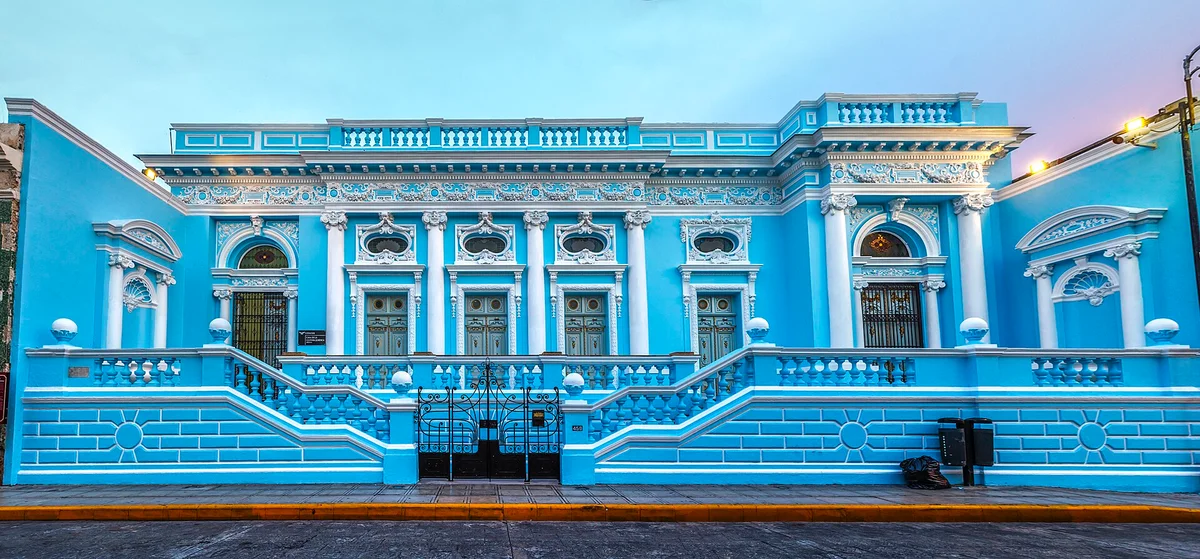
Quick answer: Mérida offers 5-7.5% gross yields on resident long-term leases and steady appreciation at lower entry tickets. Riviera Maya delivers 6-9% gross yields in prime areas but carries tourism-cycle volatility and pockets of oversupply. Both markets sit inside the 50 km coastal restricted zone and both normally require a fideicomiso. Choose Mérida for stability; Riviera Maya for yield upside.
The decision between Mérida and the Riviera Maya represents one of the most strategic choices facing Mexico real estate investors in 2026. While both markets are located in the Yucatán Peninsula, they offer fundamentally different investment profiles, ownership structures, and lifestyle experiences.
Mérida, the colonial capital of Yucatán state, provides direct foreign ownership, stable rental yields, and authentic Mexican culture at accessible price points. The Riviera Maya, Mexico’s premier beach corridor spanning Playa del Carmen and Tulum, offers higher yield potential and tourism-driven appreciation but requires complex ownership structures and carries greater market volatility.
This comprehensive analysis examines yields, costs, appreciation trends, foreign buyer rules, and lifestyle factors to help investors determine which market better aligns with their investment objectives. Start with the Mexico property investment guide for ownership basics.
Mérida: the Colonial Capital
Mérida, founded in 1542, serves as the capital and largest city of Yucatán state, with a metropolitan population approaching 1.2 million residents. Located 315 kilometers from Cancún and roughly 35 kilometers from the Gulf coast at Progreso, the city sits inside Mexico’s 50 km coastal restricted zone, so foreign buyers here purchase through a fideicomiso rather than by direct deed.
Key Characteristics:
- Population: 1.2M+ metropolitan area (growing 2.1% annually)
- Economy: Government, healthcare, education, manufacturing, tourism
- Climate: Tropical with dry winters, consistent year-round temperatures
- Infrastructure: Modern airport, highway connections, reliable utilities
- Healthcare: Renowned medical facilities attracting medical tourists
Investment Appeal:
- Ownership: fideicomiso on city parcels inside the 50 km band, direct title further inland in Yucatán
- Stable demand: Year-round residential and expat rental markets
- Lower costs: Entry prices 30-50% below coastal markets
- Cultural depth: UNESCO World Heritage colonial center
- Safety: Consistently ranked among Mexico’s safest major cities
Riviera Maya: the Beach Investment Corridor
The Riviera Maya encompasses the coastal corridor from Cancún to Tulum in Quintana Roo state, representing Mexico’s most internationally recognized real estate market for foreign investors.
Geographic Scope:
- Cancún: International gateway, established rental market
- Puerto Morelos: Emerging mid-market destination
- Playa del Carmen: Prime STR market, international community
- Akumal: Quiet beach town, limited inventory
- Tulum: Design-focused market facing oversupply issues
Investment Characteristics:
- Tourism dependency: 30M+ annual visitors to region
- Fideicomiso requirement: Bank trust structure for foreign ownership
- High seasonality: December-April peak demand periods
- Infrastructure development: Tren Maya, airport expansions
- Market volatility: Boom-bust cycles, oversupply risks in segments
Primary Investment Thesis: Short-term rental income from international tourists, supported by mature tourism infrastructure and established flight connectivity to North American markets.
Ownership structure and legal framework
The most common claim made about Mérida in foreign-buyer marketing is that it sits outside the restricted zone and therefore allows direct title. Measure it and that claim does not survive: Mérida’s historic centre lies roughly 35 km in a straight line from the Gulf coast at Progreso, inside the 50 km coastal band written into Article 27. For a standard residential purchase in the city, a foreign buyer normally uses a fideicomiso, exactly as in Playa del Carmen or Tulum.
Mérida: what the ownership structure actually is
Where the parcel falls inside the band
The constitutional test is measured distance from the coastline to the parcel, not the character of the town or whether it has a sea view. On that test:
- Mérida centro, Itzimná, García Ginerés and most of the northern growth corridor sit inside the 50 km band
- A fideicomiso with SRE permit is the standard structure, at $2,500-$4,000 setup and $500-$800 a year
- Foreign ownership is still routine and straightforward here, it simply is not free of the trust
- Your notario confirms the parcel’s status from its coordinates before closing, and that confirmation belongs in writing
Where direct title genuinely applies in Yucatán
Genuinely inland Yucatán does allow a foreigner to take escritura pública in their own name:
- Valladolid, Izamal, Ticul and comparable interior towns sit well beyond 50 km from either coast
- No SRE permit and no bank trustee, standard notario registration in the buyer’s name
- Simplified inheritance, no annual trust fee, no 50-year renewal cycle
- The trade is a far thinner rental and resale market than Mérida’s
Why the confusion persists
Mérida is described as inland in almost all English-language marketing because it feels inland, sits an hour from the beach, and has none of the coastal-resort character of Quintana Roo. Article 27 measures kilometres, not character. Treat any listing or agent that promises direct title in Mérida centro as a claim to verify with the notario before offer, not as a cost saving to underwrite.
Riviera Maya: Fideicomiso Requirements
Restricted Zone Implications
All Riviera Maya coastal properties fall within the 50-kilometer coastal restricted zone, requiring:
- Bank trust structure (fideicomiso) for foreign ownership
- SRE permits from Mexican foreign ministry
- Trustee relationship with authorized Mexican bank
- Beneficiary rights rather than direct ownership
Trust Structure Details
Foreign buyers become beneficiaries of bank trusts with:
- 50-year initial terms (renewable indefinitely)
- Full use rights (occupy, rent, sell, inherit)
- Bank as trustee (holds legal title, follows beneficiary instructions)
- Annual administration fees ($500-$1,000 depending on property value)
Legal Complexity Factors
Fideicomiso ownership involves:
- Trust documentation (extensive legal paperwork)
- Bank relationship management (ongoing trustee coordination)
- Renewal planning (50-year cycle management)
- Estate planning complexity (trust beneficiary structures)
Investment performance analysis
Rental yields, appreciation trends, and total returns differ significantly between Mérida and Riviera Maya markets. The headline split is that Mérida trades appreciation and stability for lower nominal yield, while the Riviera Maya trades volatility for STR upside. In current indicative data Playa’s prime colonias net around 4.3-4.5% on a $310K-$320K entry, Tulum ranges from 2.6% to 3.4%, and Mérida’s long-let market clears lower gross but holds far steadier occupancy because tenants are residents rather than tourists.
Mérida Rental Market Performance
Yield Characteristics (2026 Data)
Based on comprehensive market analysis:
- Average gross yield: 6.5% across all property types
- Average net yield: 5.0% after expenses and taxes
- Average occupancy: 92% (highest in Mexico)
- Rental stability: Year-round demand, minimal seasonality
Performance by Neighborhood
| Area | Property Type | Gross Yield | Net Yield | Price Range | Target Tenant |
|---|---|---|---|---|---|
| Cholul | 2BR apartment | 7.5% | 5.8% | $150K-200K | Young professionals |
| Centro Histórico | Colonial restoration | 6.0% | 4.2% | $300K-650K | Expat long-term |
| North Mérida | Modern home | 5.5% | 4.0% | $250K-550K | Families |
| Montebello | 1BR condo | 7.0% | 5.5% | $120K-180K | Students, singles |
| Temozón Norte | 3BR house | 5.2% | 3.8% | $400K-600K | Executive families |
Rental Market Dynamics
Mérida’s rental strength derives from:
- Domestic migration: Young professionals moving from Mexico City
- Medical tourism: Patients and families for extended stays
- Expat retirees: Long-term renters seeking authentic Mexican experience
- Students: Universities and language schools drive demand
- Remote workers: Digital nomads attracted to low costs and culture
Revenue Stability
Unlike beach markets, Mérida shows:
- Minimal seasonality: 90%+ occupancy year-round on annual leases, not nightly rental
- Long-term tenants: Average lease terms 12-18 months
- Predictable income: Lower volatility than tourism-dependent markets
- Moderate rate growth: 4-6% annual rent increases
Riviera Maya Rental Market Performance
Market Segmentation and Performance
Riviera Maya yields vary dramatically by location and property type:
Playa del Carmen (Prime Locations)
- Gross STR yields: 6-8% for well-managed 1-2BR condos
- Net yields: 3.5-5.0% after 25-30% management fees and HOA
- Occupancy rates: 65-75% annually (seasonal concentration)
- Average nightly rates: $80-200 depending on location and amenities
Tulum (Market Stressed Areas)
- Gross STR yields: 4-7% (wide dispersion by micro-location)
- Net yields: 2.5-4.0% (oversupply pressure in Region 15)
- Occupancy rates: 45-65% (high competition, longer marketing cycles)
- Average nightly rates: $100-300 (design premium vs functional space)
Cancún Hotel Zone
- Gross STR yields: 5-7% for hotel-style condos
- Net yields: 3.0-4.5% (high HOA costs, competition from resorts)
- Occupancy rates: 55-70% (mature market, intense competition)
- Average nightly rates: $90-250 (varies by resort proximity)
Performance Drivers and Risks
Riviera Maya yields depend on:
- Tourism seasonality: December-April peak, May-November slower
- STR management quality: Professional operators essential for optimization
- Property differentiation: Generic condos face intense competition
- Infrastructure access: Proximity to beaches, restaurants, transportation
- Regulatory compliance: STR permits, tax registration requirements
Market Cycle Sensitivity
Riviera Maya shows higher volatility:
- Boom periods: 2020-2022 saw 10-15%+ annual appreciation
- Correction phases: Tulum oversupply creating buyer leverage in 2026
- External shocks: Sensitive to US economic cycles, travel disruptions
- Currency fluctuations: Peso strength/weakness affects international demand
Price points and entry barriers
Investment entry points and ongoing costs differ substantially between markets. Mérida runs $150,000 to $400,000 against $200,000 to $600,000-plus on the Riviera Maya coast, so the same capital buys materially more square metres inland. The cost stack no longer differs the way older comparisons claimed: both markets carry the fideicomiso at $2,500 to $4,000 plus $500 to $800 a year, which puts Mérida closing at 6% to 9% rather than the 3% to 5% often quoted.
Entry price is Mérida’s genuine advantage and it survives the correction to the ownership story. A $150,000 to $400,000 range against $200,000 to $600,000-plus on the Riviera Maya coast means the same capital buys more square metres, in a colonial city with year-round resident demand rather than seasonal tourism. What changed is the cost stack: both markets carry the fideicomiso at $2,500 to $4,000 plus $500 to $800 a year, so Mérida’s closing runs 6% to 9% rather than the 3% to 5% often quoted for it.
Mérida Investment Entry Points
Property Categories and Pricing
Mérida offers diverse price points across property types:
Colonial Centro Histórico
- Restoration projects: $120K-300K (fixer-uppers requiring renovation)
- Turn-key restored: $300K-650K (professionally renovated colonials)
- Premium colonial: $500K-1.2M+ (luxury finishes, courtyards, pools)
Modern North Mérida
- Entry condos: $100K-180K (1-2BR in growing neighborhoods)
- Mid-market homes: $250K-400K (3BR contemporary construction)
- Gated communities: $350K-750K+ (amenity-rich developments)
Progreso Beach Access
- Beachfront condos: $150K-400K (weekend/vacation properties)
- Beach houses: $200K-500K (direct beach access, limited inventory)
Total Investment Requirements
Including all costs, Mérida entry typically requires:
- Minimum cash investment: $130K-160K (including closing costs)
- Comfortable entry point: $200K-250K for quality rental properties
- Premium positioning: $400K+ for luxury colonial or modern amenities
Riviera Maya Investment Entry Points
Market Segmentation by Location
Playa del Carmen
- Entry condos: $180K-280K (basic 1BR, older developments)
- Prime condos: $300K-500K (beach proximity, modern amenities)
- Penthouses: $400K-800K+ (ocean views, luxury finishes)
Tulum
- Jungle condos: $200K-400K (limited road access, eco-positioning)
- Beach access: $350K-700K+ (walkable to beach, varies by development)
- Design luxury: $500K-1.2M+ (architecture-focused, boutique projects)
Cancún
- Hotel zone condos: $250K-600K (resort-style amenities, tourism focus)
- City center: $150K-300K (local market, limited tourist appeal)
Total Investment Requirements
Riviera Maya entry costs include:
- Minimum cash investment: $220K-280K (including fideicomiso and closing)
- Competitive positioning: $350K-450K for solid rental properties
- Premium market entry: $500K+ for luxury positioning
Cost Comparison Analysis
| Investment Tier | Mérida Total Cost | Riviera Maya Total Cost | Mérida Advantage |
|---|---|---|---|
| Entry-level rental | $130K-180K | $220K-300K | 35-40% lower |
| Mid-market rental | $250K-350K | $350K-500K | 25-30% lower |
| Luxury lifestyle | $500K-800K | $700K-1.2M+ | 20-30% lower |
Mérida Transaction Costs (6-9% of purchase price)
Required Expenses
- ISAI acquisition tax: 2-3% (Yucatán state rate)
- Notario fees: 0.8-1.2% (standard notary charges)
- Registry fees: 0.3-0.5% (property registration)
- Legal fees: $2,000-4,000 (independent attorney recommended)
- Property inspection: $400-800 (structural and systems review)
Fideicomiso Costs on City Parcels
- Trust setup: $2,500-4,000 (Mérida centre sits inside the 50 km coastal band)
- SRE permit fee: $1,200-1,700 (MXN 21,650 federal duty for foreign investment authorization)
- Annual trust fees: $500-800 ongoing
- These fall to $0 only on genuinely inland Yucatán parcels beyond 50 km, verified by the notario
Riviera Maya Transaction Costs (6-10% of purchase price)
Required Expenses
- ISAI acquisition tax: 2-3% (Quintana Roo state rate)
- Fideicomiso setup: $2,500-4,000 (trust establishment)
- SRE permit fee: $1,200-1,700 (MXN 21,650 federal duty for foreign investment authorization)
- Notario fees: 1-1.5% (higher complexity for trust structure)
- Legal fees: $3,000-8,000 (trust documentation, due diligence)
- Registry fees: 0.5-1% (trust registration, property transfer)
Ongoing Annual Costs
- Trust administration: $500-1,000 annually
- Property management: 25-30% of rental revenue (STR properties)
- HOA fees: $150-500+ monthly (varies by development)
5-Year Cost Comparison Example ($300K Property)
| Cost Category | Mérida | Riviera Maya | Difference |
|---|---|---|---|
| Closing costs | $12,000 | $24,000 | +$12,000 |
| Annual trust fees (5 years) | $0 | $3,500 | +$3,500 |
| Total 5-year difference | +$15,500 |
Mérida Appreciation Trends
Historical Performance (2018-2025)
- Centro Histórico: 8-12% annual appreciation (restoration premium)
- North Mérida developments: 6-9% annual appreciation
- Overall city average: 7.5% annual appreciation
- Consistency: Lower volatility than coastal markets
Appreciation Drivers
- Demographic trends: Young professional migration from Mexico City
- Infrastructure development: Airport improvements, highway connections
- Healthcare reputation: Medical tourism and retiree attraction
- Cultural recognition: UNESCO status driving international awareness
- Economic diversification: Manufacturing, education, services growth
Mérida Price Projections (2026-2030) Market analysts project:
- Continued steady growth: 6-9% annual appreciation likely
- Limited supply constraints: Adequate developable land available
- Demand sustainability: Demographics support long-term growth
- Lower volatility: Less susceptible to tourism cycle disruptions
Riviera Maya Appreciation History
Regional Performance (2018-2025)
- Playa del Carmen prime: 12-18% annual appreciation (peak years)
- Tulum design luxury: 15-25% appreciation (2020-2022 peak)
- Cancún established areas: 8-12% annual appreciation
- Volatility: Significant year-to-year variation
Market Cycle Dynamics The Riviera Maya has experienced:
- 2018-2019: Moderate growth, stable demand
- 2020-2022: Pandemic-driven boom, speculative buying
- 2023-2025: Cooling period, oversupply emergence
- 2026: Market bifurcation, quality premium widening
Current Market Conditions (2026)
- Tulum oversupply: Region 15 faces inventory excess
- Playa del Carmen stability: Established areas maintaining values
- Buyer selectivity: Quality properties outperforming commodity assets
- Infrastructure completion: Tren Maya supporting accessibility
Mérida Risk Profile
Lower Risk Characteristics
- Diversified demand: Not dependent on single economic driver
- Stable governance: Yucatán state political stability
- Infrastructure adequacy: Reliable utilities, services, transportation
- Safety record: Consistently low crime rates
- Economic resilience: Multiple economic sectors, less cyclical sensitivity
Potential Risks
- Growth pace limitations: Slower appreciation than boom markets
- Limited international awareness: Smaller global buyer pool
- Currency exposure: Rental income primarily peso-denominated
- Climate factors: Hurricane risk (less than coastal areas)
Risk Mitigation
- Diversification benefits: Mérida reduces portfolio correlation with tourism cycles
- Long-term hold strategy: Time horizon reduces short-term volatility impact
- Local market focus: Less dependent on international buyer sentiment
Riviera Maya Risk Profile
Higher Risk Characteristics
- Tourism dependency: Economic sensitivity to travel disruptions
- Market volatility: Boom-bust cycles with significant price swings
- Oversupply risks: Certain markets (Tulum) face inventory excesses
- Regulatory uncertainty: STR restrictions, environmental regulations
- Climate exposure: Hurricane risk, coastal erosion potential
Specific Market Risks by Location
- Tulum: Oversupply in Region 15, infrastructure strain
- Playa del Carmen: Competition intensity, regulatory tightening
- Cancún: Market maturity limiting growth potential
Risk Management Strategies
- Location selectivity: Focus on established, liquid markets
- Professional management: Essential for STR optimization and compliance
- Insurance adequacy: Comprehensive property and income protection
- Exit planning: Maintain liquidity for market cycle timing
Mérida Lifestyle Profile
Authentic Mexican Living Experience
- Colonial architecture: UNESCO World Heritage historic center
- Cultural depth: Museums, festivals, art galleries, local traditions
- Culinary scene: Authentic Yucatecan cuisine, growing restaurant sector
- Music and arts: Traditional and contemporary cultural events
- Community integration: Opportunities for genuine local connections
Practical Living Advantages
- Healthcare excellence: Renowned medical facilities, medical tourism hub
- Cost of living: 30-50% lower than coastal resort areas
- Year-round climate: Consistent temperatures, manageable humidity
- Safety: One of Mexico’s safest major cities
- Walkability: Historic center designed for pedestrian access
Expat Community
- Growing but authentic: Smaller than beach resort expat communities
- Cultural integration: More opportunities for Mexican community involvement
- Services availability: Healthcare, professional services in English/Spanish
- Social activities: Cultural events, volunteer opportunities, special interest groups
Riviera Maya Lifestyle Profile
Beach Resort Living Experience
- Ocean access: World-class beaches, water sports, marine activities
- Resort amenities: Spas, golf, fine dining, entertainment venues
- International community: Large, established expat populations
- Tourism infrastructure: Extensive services designed for international visitors
- Modern conveniences: International shopping, familiar brands, services
Lifestyle Trade-offs
- Tourism crowds: High-season congestion, noise, commercialization
- Higher costs: Resort area pricing for goods, services, utilities
- Seasonal variation: Dramatic changes in population density and activity
- Cultural authenticity: Heavily tourism-influenced environment
- Hurricane season: Weather-related lifestyle and property risks
Community Characteristics
- Established expat networks: Large English-speaking communities
- International services: Healthcare, legal, financial services for foreigners
- Social infrastructure: Clubs, activities, volunteer organizations
- Business opportunities: Tourism-related services, STR management
Mérida is Optimal For:
Conservative Income Investors
- Seeking predictable 5-7% annual returns
- Preferring lower volatility over maximum yields
- Valuing ownership simplicity and transparency
- Focusing on long-term wealth building
Authentic Mexico Experience Seekers
- Interested in genuine Mexican culture and community
- Preferring historic architecture and colonial charm
- Seeking healthcare access and safety
- Wanting lower cost of living
Portfolio Diversification Objectives
- Reducing correlation with tourism-dependent markets
- Balancing high-growth/high-risk positions
- Adding stable income streams to investment mix
- Seeking currency diversification with peso exposure
First-Time Mexico Investors
- New to Mexican real estate investment
- Preferring simpler legal structures
- Wanting to avoid fideicomiso complexity
- Seeking lower entry costs and transaction fees
Riviera Maya is Optimal For:
Yield-Maximizing Investors
- Comfortable with 6-9%+ yield potential
- Accepting STR management complexity
- Understanding tourism market cycles
- Having experience with international property investment
Beach Lifestyle Prioritizers
- Wanting ocean access and water activities
- Preferring resort amenities and international services
- Seeking established expat communities
- Comfortable with seasonal lifestyle variations
Appreciation-Focused Strategies
- Targeting maximum capital gains potential
- Accepting higher volatility for growth potential
- Understanding coastal real estate market cycles
- Having longer investment time horizons
Active Investment Management
- Willing to optimize STR operations actively
- Comfortable with seasonal revenue patterns
- Able to manage or oversee professional management
- Seeking hands-on investment involvement
Hybrid Strategies
Two-Property Approach Some investors choose both markets:
- Mérida for stability: Consistent income, lower costs, authentic experience
- Riviera Maya for growth: Higher yields, appreciation potential, beach access
- Risk balancing: Diversification across different demand drivers
- Lifestyle flexibility: Cultural immersion and beach resort access
Sequential Investment
- Start in Mérida: Learn Mexican market with simpler structure
- Expand to coast: Add Riviera Maya after gaining experience
- Market timing: Enter Riviera Maya during correction cycles
- Portfolio growth: Scale from conservative to aggressive positioning
Mérida Investment Model (5-Year Projection)
Conservative Scenario: $250K Colonial Centro Property
Year 1:
- Rental income: $15,000 (6% gross yield)
- Operating expenses: $3,750 (25% of gross income)
- Net income: $11,250 (4.5% net yield)
- Property appreciation: $18,750 (7.5% annual)
- Total return: $30,000 (12% total return)
Year 5:
- Annual rental income: $20,500 (4% annual rent growth)
- Property value: $359,000 (7.5% annual appreciation)
- Total cash flow (5 years): $73,500
- Capital appreciation: $109,000
- Total 5-year return: $182,500 (73% cumulative)
Riviera Maya Investment Model (5-Year Projection)
Moderate Scenario: $350K Playa del Carmen 2BR Condo
Year 1:
- Rental income: $24,500 (7% gross yield)
- Management/HOA/expenses: $9,800 (40% of gross)
- Net income: $14,700 (4.2% net yield)
- Property appreciation: $35,000 (10% annual)
- Total return: $49,700 (14.2% total return)
Year 5:
- Annual rental income: $29,900 (5% annual growth)
- Property value: $563,000 (10% annual appreciation)
- Total cash flow (5 years): $86,000
- Capital appreciation: $213,000
- Total 5-year return: $299,000 (85.4% cumulative)
Risk-Adjusted Analysis
When factoring in volatility and risk:
- Mérida: More predictable returns, lower standard deviation
- Riviera Maya: Higher expected returns but greater year-to-year variation
- Risk-adjusted returns: Mérida may provide superior Sharpe ratios for conservative investors
Mérida Tax Advantages
Direct Ownership Benefits
- No trust fees: $500-1,000 annual savings vs fideicomiso
- Simplified reporting: Direct ownership reduces tax complexity
- Estate planning: Cleaner inheritance and transfer processes
- Depreciation: Direct ownership allows standard depreciation schedules
Income Tax Considerations
- Long-term rental focus: Potentially more favorable tax treatment than STR
- Expense deductions: Property management, maintenance, improvements
- Peso income: Natural currency hedge for peso-based expenses
Riviera Maya Tax Complexities
Fideicomiso Implications
- Trust structure: Additional tax reporting requirements
- Beneficiary status: Complex cross-border tax implications
- Annual fees: Non-deductible trust administration costs
- Transfer procedures: Trust modification costs for estate planning
STR Income Challenges
- Gross receipts tax: Higher rate on STR income vs long-term rental
- Professional management: Higher deductible expenses but complex reporting
- Seasonal income: Cash flow timing affects tax planning opportunities
Decision framework and conclusion
The choice between Mérida and Riviera Maya ultimately depends on balancing return objectives against risk tolerance, ownership preferences, and lifestyle priorities. Reduced to numbers: Mérida offers 3.5% to 4.5% net on resident long-lets at a $150,000 to $400,000 entry with year-round occupancy; prime Playa offers 4.3% to 4.5% net on tourism-driven short-term rentals at $310,000 to $320,000 with a September trough near 50% to 62%. Both use a fideicomiso. Choose the demand base you want to underwrite.
Choose Mérida When:
Investment Priorities:
- Stable income more important than maximum yields
- Ownership simplicity valued over complex structures
- Lower entry costs enable larger positions or diversification
- Predictable returns preferred over volatile high growth
Personal Factors:
- Authentic cultural experience desired over resort lifestyle
- Healthcare access important for aging or health considerations
- Safety and security top priorities for peace of mind
- Lower cost living allows budget optimization
Choose Riviera Maya When:
Investment Priorities:
- Maximum yields worth accepting higher complexity
- Appreciation potential prioritized over stable income
- Tourism market exposure fits portfolio diversification strategy
- Beach real estate provides lifestyle and investment benefits
Personal Factors:
- Beach lifestyle strongly preferred over colonial city living
- Established expat community provides comfort and services
- Resort amenities important for personal use
- STR management acceptable or interesting business activity
Key Success Factors for Either Market:
Professional Team Assembly
- Legal representation: Independent attorneys familiar with each market
- Property management: Experienced local operators with proven track records
- Tax advisory: Cross-border specialists for optimization strategies
- Insurance coverage: Comprehensive property and liability protection
Market Education and Due Diligence
- Location selectivity: Micro-market knowledge crucial in both destinations
- Property inspection: Thorough technical evaluation before purchase
- Financial modeling: Conservative projections accounting for all costs
- Exit planning: Clear strategies for eventual disposition
Both Mérida and Riviera Maya offer compelling investment opportunities for foreign buyers, but success requires matching investment characteristics to personal objectives and risk tolerance. Mérida provides stability, authenticity, and ownership simplicity at accessible price points. Riviera Maya offers higher yield potential and beach lifestyle benefits but demands greater complexity management and risk acceptance.
The strongest investors often recognize these complementary profiles and consider both markets as different components of a diversified Mexico real estate portfolio, rather than viewing them as competing alternatives. Whether choosing one market or both, thorough preparation, professional guidance, and realistic expectations form the foundation for successful Mexico real estate investment.
Frequently Asked Questions
Mérida offers stable 5-7.5% gross yields on long-term leases, lower entry tickets, and year-round resident demand. Riviera Maya provides higher gross yields (6-9% in prime areas) but faces oversupply risks and tourism-cycle dependence. Both sit inside the 50 km coastal restricted zone, so both normally require a fideicomiso. Choose Mérida for stability, Riviera Maya for yield potential.
Usually no, despite widespread marketing to the contrary. Mérida's centre lies roughly 35 km from the Gulf coast at Progreso, inside Mexico's 50 km coastal restricted zone, so a standard residential purchase by a foreigner uses a fideicomiso with an SRE permit. Direct fee-simple title applies to genuinely inland Yucatán towns such as Valladolid and Izamal. Have the notario confirm the parcel's measured distance before you offer.
Mérida: 5-7.5% gross (6.5% average), 5% net average, 92% occupancy. Riviera Maya: 6-9% gross in prime areas, 3.5-5% net after management/HOA, 60-75% occupancy. Mérida offers steadier returns; Riviera Maya higher peaks but more volatility.
Riviera Maya historically shows stronger appreciation (10-15% annually in prime areas 2020-2025) but faces oversupply risks in Tulum. Mérida shows steady 6-9% appreciation driven by domestic migration. Riviera Maya: higher reward, higher risk. Mérida: consistent growth.
Mérida: $150K-400K typical range with 6-9% closing costs once fideicomiso setup is included. Riviera Maya: $200K-600K+ typical, 6-10% closing costs on the same trust structure. Mérida's advantage is the entry ticket, not a cheaper ownership structure.
Mérida suits first-time investors: simpler ownership structure, lower costs, more predictable yields, less tourism dependency. Riviera Maya requires understanding fideicomiso, STR management complexity, and market cycles, better for experienced investors.
Both are generally safe. Mérida consistently ranks as one of Mexico's safest cities with low crime rates. Riviera Maya tourist zones have strong security but can face resort-area issues. Mérida offers authentic Mexican living with excellent safety record.
Depends on preferences: Mérida offers authentic colonial culture, excellent healthcare, year-round mild weather, lower costs. Riviera Maya provides beach lifestyle, resort amenities, larger expat communities, but higher costs and tourism crowds.



Get a vetted Mexico shortlist
US and Canadian buyers use this to skip the developer sales deck: tell us the budget and the market, and we come back with 3 to 5 options and the net yield maths behind each one.
Want options matched to your budget and risk profile?
Three questions, one screen. We reply within one business day.
Get a vetted Mexico shortlist