
Mexico vs Costa Rica Real Estate Investment: 2026 Comparison
Mexico vs Costa Rica property investment, rental yields, ownership rules, costs, taxes, lifestyle. Complete buyer's guide for Central America real estate.
By Mexico Invest Editorial · Updated July 9, 2026 · 19 min read
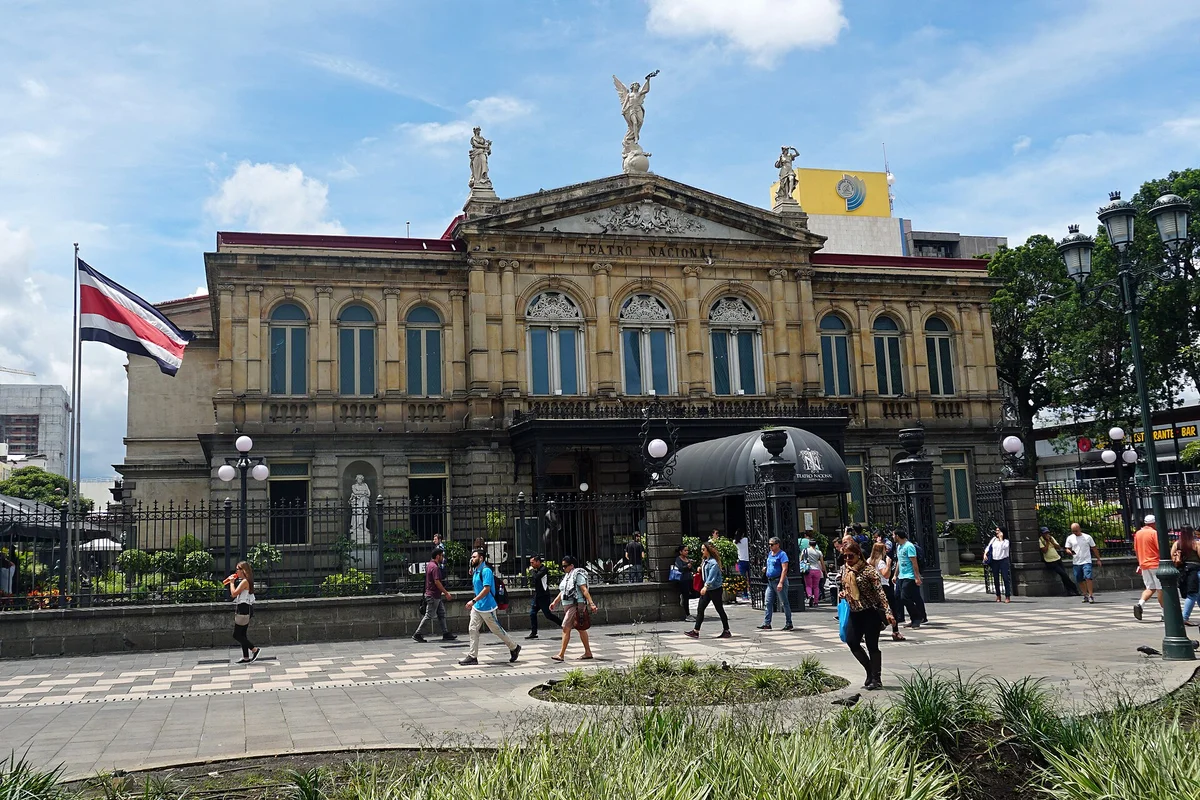
Quick answer: Mexico typically delivers higher STR yields (6-9% gross) in Riviera Maya and Los Cabos but requires fideicomiso in coastal zones and 6-10% closing costs. Costa Rica allows direct foreign ownership nationwide with 3-5% closing costs but lower yields (4-6%). Mexico suits yield-focused investors; Costa Rica suits ownership simplicity.
The choice between Mexico and Costa Rica for real estate investment represents one of the most common decisions facing foreign property buyers in Latin America. Both countries offer established markets, growing expat communities, and proximity to North American buyers, yet they present fundamentally different investment profiles, legal structures, and lifestyle propositions.
This comprehensive comparison examines rental yields, ownership rules, market dynamics, costs, taxes, and lifestyle factors to help investors determine which market better aligns with their investment objectives and risk tolerance. Review foreign buyer rules in Mexico, fideicomiso basics, Riviera Maya yields, rental yield calculations, and the Mexico property investment guide before choosing a market.
Mexico Real Estate Investment Case
Mexico’s real estate investment appeal centers on mature tourism infrastructure, strong rental yields, and established international connectivity. The country attracts over 42 million annual tourists, with major resort corridors offering proven short-term rental markets and appreciation potential.
Key Investment Drivers:
- High rental yields: 6-9% gross in prime markets (Riviera Maya, Puerto Vallarta, Los Cabos)
- Tourism volume: Massive international visitor base drives rental demand
- Infrastructure: World-class airports, resort amenities, established services
- Market depth: Large transaction volumes provide liquidity for exits
- Proximity: Easy access from US/Canada (2-5 hour flights to major markets)
Primary Markets:
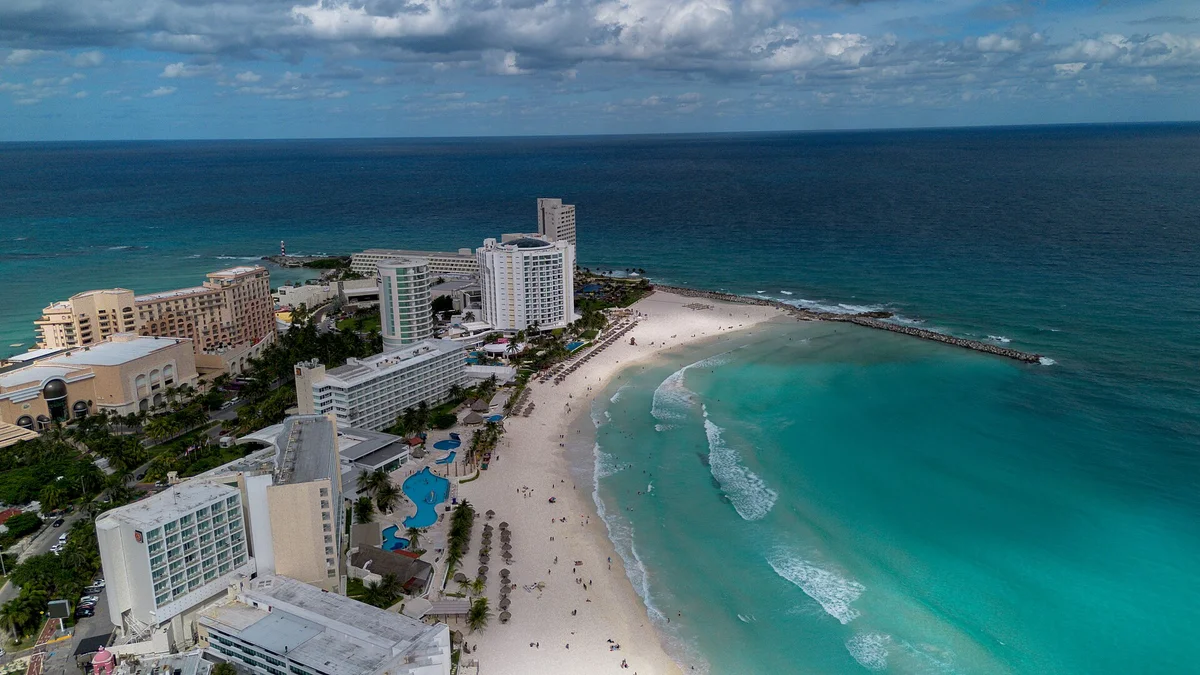
- Riviera Maya (Playa del Carmen, Tulum, Cancún)
- Los Cabos (Cabo San Lucas, San José del Cabo, Corridor)
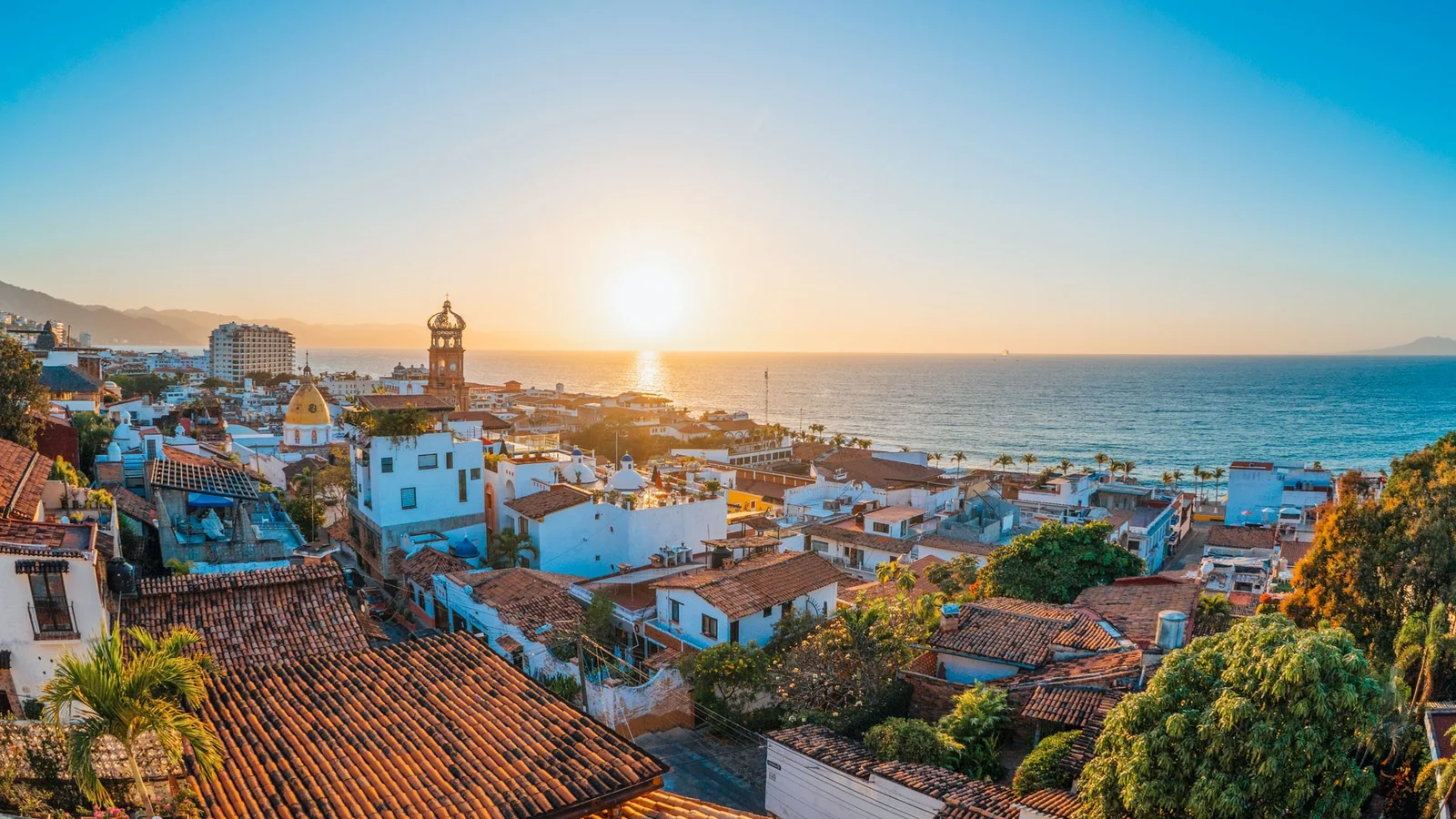
- Puerto Vallarta (city and surrounding Bahía de Banderas)
- Mérida (colonial city, non-coastal market)
Costa Rica Real Estate Investment Case
Costa Rica emphasizes ownership simplicity, political stability, and eco-tourism appeal. While offering lower rental yields than Mexico, it provides straightforward foreign ownership rights and a reputation for safety and environmental consciousness.
Key Investment Drivers:
- Ownership transparency: Foreigners can own titled land directly (no trust structures)
- Political stability: Established democracy, strong institutions
- Environmental appeal: Eco-tourism focus, biodiversity attractions
- Safety reputation: Lower crime rates than regional averages
- Tax efficiency: Territorial tax system for non-residents
Primary Markets:
- Guanacaste Province (Tamarindo, Nosara, Playa Flamingo)
- Central Pacific (Manuel Antonio, Jacó)
- Central Valley (San José area, mountain communities)
- Caribbean Coast (Puerto Viejo, limited foreign activity)
Ownership structure and legal framework
Costa Rica lets a foreigner hold coastal property in their own name with the same rights as a citizen; Mexico does not, and requires a bank trust within 50 km of any coast. That single difference sets the cost, the timeline and most of the paperwork on both sides, a fideicomiso adds $4,000-6,000 at setup and $500-2,000 a year thereafter, against nothing in Costa Rica outside the maritime concession zone.
The most fundamental difference between Mexico and Costa Rica lies in property ownership rules for foreign buyers.
Mexico Ownership Structure
Mexico operates under a restricted zone system that prohibits direct foreign ownership within:
- 50 kilometers of coastlines
- 100 kilometers of international borders
This restriction covers virtually all prime tourist markets, requiring foreign buyers to use legal structures for ownership.
Fideicomiso (Bank Trust) System
For residential properties in restricted zones:
- Structure: Mexican bank holds title as trustee, foreign buyer is beneficiary
- Term: 50 years, renewable indefinitely
- Rights: Full use, rental, sale, inheritance rights
- Costs: $2,500-$4,000 setup, $500-$1,000 annual fees
- Renewal: Automatic at current market rates
Mexican Corporation Option
For commercial properties or multiple acquisitions:
- Structure: Mexican corporation (Sociedad Anónima) owns property
- Foreign ownership: Up to 100% foreign shareholding allowed
- Benefits: Multiple properties, business operations, tax advantages
- Costs: Higher setup and annual maintenance vs fideicomiso
Direct Ownership Areas
Properties outside restricted zones allow direct foreign ownership:
- Mérida, Yucatán (popular expat city)
- San Miguel de Allende (colonial mountain town)
- Mexico City area
- Guadalajara region
Costa Rica Ownership Structure
Costa Rica offers direct foreign ownership of titled land with the same rights as citizens, making it significantly simpler than Mexico’s system.
Fee Simple Ownership
Foreign buyers can:
- Hold direct title to any titled property nationwide
- Register in individual names or corporate entities
- Inherit and transfer without structural complications
- Mortgage properties (limited lender options)
Title Categories
Costa Rica recognizes different land title types:
- Registered Title (Título Inscrito): Full ownership, insurable, mortgageable
- Public Registry Title: Most secure, clear chain of ownership
- Possession Rights: Informal occupation, not recommended for foreign buyers
Corporate Ownership
Many buyers use Costa Rican corporations for:
- Privacy: Corporate ownership provides anonymity
- Tax advantages: Potential business expense deductions
- Estate planning: Easier share transfers than property transfers
- Multiple properties: Centralized ownership structure
Rental market performance and yields
Mexico wins on cash flow. Riviera Maya gross short-term rental yields of 6-9% at 60-75% occupancy sit above what comparable Costa Rican coastal product returns, because Mexico has more flights, more tourists and a deeper professional management market. Costa Rica compensates on ownership simplicity, not on income.
Restating both markets on net rather than gross is what makes this comparison usable. Riviera Maya gross of 6% to 9% at 60% to 75% occupancy becomes 4.3% to 4.5% net in prime Playa colonias after 25% to 35% management, HOA and the trust fee, and 2.6% in Tulum’s oversupplied pockets. Costa Rican coastal product carries its own management, HOA and maintenance load on a smaller flight-served tourism base. Mexico’s advantage is real and it is measured in one to two points of net, not in the four-point gap the gross figures imply.
Rental performance represents a key differentiator between Mexico and Costa Rica, with Mexico generally offering superior cash flow potential.
Mexico Rental Markets
Mexico’s rental markets benefit from massive international tourism and established short-term rental ecosystems.
Riviera Maya Performance
- Gross STR yields: 6-8% in Playa del Carmen, 7-9% in premium Tulum
- Occupancy rates: 60-75% annually (seasonal variation)
- Average nightly rates: $80-$200 (1BR), $150-$400 (2-3BR)
- Management fees: 20-30% of gross revenue
Puerto Vallarta Performance
- Gross STR yields: 5-7% for established areas
- Occupancy rates: 55-70% annually
- Average nightly rates: $70-$180 (1BR), $120-$300 (2-3BR)
- Long-term rentals: $800-$1,500/month (expat market)
Los Cabos Performance
- Gross STR yields: 4-6% (luxury focus reduces yield)
- Occupancy rates: 45-65% (higher-end clientele)
- Average nightly rates: $150-$400+ (premium positioning)
- Appreciation focus: Capital gains often exceed rental yields
Rental Market Drivers
Mexico’s strong rental performance stems from:
- Tourism volume: 42+ million annual visitors
- Airport connectivity: Major hubs in Cancún, Puerto Vallarta, Los Cabos
- All-inclusive alternatives: Private rentals compete with resort stays
- Extended stays: Remote work drives longer bookings
Costa Rica Rental Markets
Costa Rica’s rental markets serve a smaller but growing eco-tourism segment with moderate yields.
Guanacaste Performance
- Gross STR yields: 4-6% in established areas (Tamarindo, Nosara)
- Occupancy rates: 45-60% annually
- Average nightly rates: $100-$250 (beachfront properties)
- Seasonality: Strong December-April, slower May-November
Manuel Antonio Performance
- Gross STR yields: 5-7% for ocean-view properties
- Occupancy rates: 50-65% annually
- Average nightly rates: $120-$300 (proximity to national park)
- Management: Professional operators available
Central Valley Performance
- Long-term rentals: Primary market (expat, local professionals)
- Monthly rents: $600-$1,200 (furnished expatriate properties)
- STR potential: Limited (business travel, limited tourism)
Rental Market Characteristics
Costa Rica’s rental dynamics:
- Smaller tourism base: ~3.2 million annual visitors vs Mexico’s 42+ million
- Eco-tourism focus: Nature-based activities, sustainability emphasis
- Seasonal concentration: Dry season (December-April) peak demand
- Growing remote work: Digital nomads extending stays
Yield Comparison Summary
| Market | Mexico Range | Costa Rica Range | Mexico Advantage |
|---|---|---|---|
| Beachfront STR | 6-9% | 4-6% | +2-3 percentage points |
| Urban STR | 5-7% | 3-5% | +2 percentage points |
| Long-term rental | 4-6% | 4-6% | Comparable |
| Luxury segment | 3-5% | 3-4% | +0-1 percentage points |
Mexico’s yield advantage stems from higher tourist density, established STR infrastructure, and deeper rental markets. However, Costa Rica offers more predictable, less volatile rental income with growing eco-tourism demand.
Purchase process and transaction costs
Mexico costs more to buy into and takes longer: 5-10% of the price in ISAI, notario, trust setup and legal work, over 45-90 days. Costa Rica typically closes in 30-45 days at 3-5%, with no trust to constitute and no foreign-investment permit to obtain. The gap narrows over a long hold, but it is real money at the closing table.
Ownership simplicity is Costa Rica’s genuine advantage and it has a price on the Mexican side. A foreigner takes direct fee-simple title in Costa Rica anywhere, while Mexican coastal property requires a fideicomiso at $2,500 to $4,000 plus $500 to $800 a year, roughly $8,300 to $13,500 across a ten-year hold. Against that, Mexican closing costs of 5% to 10% are broadly comparable to Costa Rican transfer taxes and legal fees. The trust is a cost and an administrative step, not a limitation on what you can do with the property.
Transaction complexity and costs vary significantly between Mexico and Costa Rica, affecting investment returns and buyer experience.
Mexico Purchase Process
Due Diligence Phase
- Property verification: Title search, lien check, tax status
- Ejido risk assessment: Ensure property not on communal land
- Permit verification: SRE authorization for foreign buyers
- HOA review: Financial health, governance, reserve funds
Legal Structure Setup
- Fideicomiso application: Bank trust establishment (4-8 weeks)
- SRE permit: Foreign investment authorization
- Trust documentation: Beneficiary rights, terms, renewal provisions
- Property transfer: Deed recorded in fideicomiso name
Transaction Timeline: 60-90 days for financed transactions, 45-60 days cash
Professional Team Requirements
- Notario Público: Government-appointed attorney (mandatory)
- Independent legal counsel: Buyer representation (recommended)
- Property inspector: Structural and systems evaluation
- Accountant: Tax implications, structure optimization
Costa Rica Purchase Process
Due Diligence Phase
- Title verification: National Registry search, ownership history
- Survey confirmation: Property boundaries, encroachments
- Municipal review: Permits, taxes current, zoning compliance
- Water rights verification: ASADA letters for development properties
Purchase Execution
- Purchase agreement: Terms, conditions, contingencies
- Escrow deposit: Typically 10% (lawyer escrow account)
- Final verification: Updated title search, final inspections
- Closing: Deed signing, registration, tax payments
Transaction Timeline: 30-45 days typical (simpler than Mexico)
Professional Team Requirements
- Real estate attorney: Title work, closing coordination
- Property inspector: Condition assessment
- Surveyor: Boundary verification (if required)
- Accountant: Tax planning (optional but recommended)
Closing Costs Comparison
Mexico Closing Costs (6-10% of purchase price)
- ISAI acquisition tax: 2-3% (varies by state)
- Fideicomiso setup: $2,500-$4,000
- Notario fees: 1-1.5% of purchase price
- Legal fees: $3,000-$8,000 (independent counsel)
- Property inspection: $500-$1,200
- Registry fees: 0.5-1%
- Insurance: $800-$2,000 annually
Costa Rica Closing Costs (3-5% of purchase price)
- Transfer tax: 1.5% of purchase price
- Registry fees: 0.5% (deed registration)
- Legal fees: $2,000-$5,000 (attorney fees)
- Notary fees: $200-$500 (document authentication)
- Survey costs: $800-$1,500 (if required)
- Insurance: $600-$1,500 annually
Cost Analysis
Costa Rica’s lower closing costs provide advantages for:
- Entry-level buyers: Percentage savings more significant on smaller transactions
- Multiple purchases: Lower per-transaction costs for portfolio building
- Short-term holds: Reduced break-even periods
Mexico’s higher closing costs are offset by:
- Higher rental yields: Improved cash flow potential
- Larger market size: Better liquidity for eventual sale
- Infrastructure depth: More established services and amenities
Tax implications and structures
Both countries tax rental income and gains, but Mexico’s default rates for a non-resident are calculated on gross and are punitive until you register an RFC, 25% of gross rent, or 25% of gross sale price at exit. Costa Rica taxes rental income at a flat rate on a net basis and levies capital gains at 15%. Property taxes favour Mexico: predial is typically 0.1-0.3% of a cadastral value that sits well below market.
Tax treatment differs significantly between Mexico and Costa Rica, affecting both holding costs and investment returns.
Mexico Tax Framework
Property Taxes
- Predial (property tax): 0.1-0.3% annually (municipal)
- Assessment basis: Cadastral value (often below market value)
- Payment schedule: Annual, quarterly, or monthly options
Rental Income Taxes (Non-Residents)
- Withholding rate: 25% on gross rental income
- Net election: File Mexican return, deduct expenses, pay on net income
- Deductible expenses: Management fees, maintenance, utilities, depreciation
- Treaty benefits: US/Canada treaties may reduce withholding
Capital Gains Taxes
- Sale withholding: 25% of total sale proceeds (non-residents)
- Actual tax: Based on gain calculation, may be lower than withholding
- Treaty recovery: File to recover excess withholding payments
- Holding period: No preferential long-term rates
Fideicomiso Costs
- Annual trust fees: $500-$1,000 (varies by bank, property value)
- Renewal fees: $1,500-$2,500 (every 50 years)
Costa Rica Tax Framework
Property Taxes
- Municipal tax: 0.25% annually on fiscal value
- Luxury property surcharge: Additional 0.25% on properties over ~$200K
- Assessment: Generally below market value
Rental Income Taxes (Non-Residents)
- Territorial principle: Foreign-sourced income generally not taxed
- Costa Rica source: Rental income from CR properties is Costa Rica source
- Tax rate: 15% on net rental income (with deductions)
- Simplified regime: 20% gross withholding option (no deductions)
Capital Gains Taxes
- Holding period based:
- Under 2 years: 15% of gain
- 2+ years: No capital gains tax (as of 2026)
- Primary residence: Exemption for personal residence
- Calculation: Based on actual gain, not gross proceeds
Corporate Structure Costs
- Annual filings: $300-$800 (corporate maintenance)
- Accounting requirements: More complex for active rental business
Tax Comparison Analysis
Annual Holding Costs
Mexico (typical fideicomiso):
- Property tax: 0.2% of value
- Trust fees: 0.15-0.25% of value
- Total: 0.35-0.45% annually
Costa Rica (direct ownership):
- Property tax: 0.25-0.50% of value
- Corporate fees: 0.05-0.15% (if using corporation)
- Total: 0.25-0.65% annually
Rental Income Tax Efficiency
Mexico net election vs Costa Rica simplified:
- Mexico: 25% withholding, recover via filing and deductions
- Costa Rica: 15% net or 20% gross options
Capital Gains Treatment
Costa Rica offers significant advantages:
- No capital gains tax after 2-year holding period
- Mexico: 25% withholding, complex recovery process
Tax Planning Opportunities
Both countries offer optimization strategies:
- Corporate structures: Business expense deductions, operational efficiency
- Tax treaties: US/Canada benefits in both jurisdictions
- Estate planning: Cross-border considerations for high-net-worth buyers
Market dynamics and liquidity
Mexico is the larger and more liquid market by an order of magnitude: thousands of foreign purchases a year, organised broker networks in the main corridors, and a professional services layer that Costa Rica’s smaller volumes cannot support outside Guanacaste. Liquidity matters most on the way out, which is where the difference between the two shows up.
Market depth and liquidity characteristics influence both investment performance and exit strategies.
Mexico Market Characteristics
Market Size and Volume
Mexico’s real estate market benefits from:
- Large transaction volumes: Thousands of foreign purchases annually
- Established MLS systems: Organized property databases
- Professional services: Extensive realtor, legal, management networks
- International marketing: Global property portals, targeted advertising
Buyer Demographics
- US buyers: 60-70% of foreign purchases
- Canadian buyers: 20-25% of foreign purchases
- European buyers: 8-12% of foreign purchases
- Other Latin American: 3-5% of foreign purchases
Market Maturity Indicators
- Financing availability: Developer financing, some bank lending
- Insurance markets: Comprehensive property and title insurance
- Property management: Professional STR and long-term management
- Legal precedents: Established fideicomiso case law, transaction history
Regional Variations
- Riviera Maya: Highest liquidity, fastest sales cycles
- Puerto Vallarta: Mature market, good resale activity
- Los Cabos: Luxury focus, longer sales cycles, higher values
- Emerging markets: Lower liquidity, higher risk-reward potential
Costa Rica Market Characteristics
Market Size and Constraints
Costa Rica’s smaller market presents different dynamics:
- Limited transaction volume: Hundreds vs thousands of annual foreign sales
- Concentrated geographic areas: Guanacaste and Central Pacific dominate
- Smaller professional service networks: Fewer specialized providers
- Regional marketing: Less international exposure than Mexico
Buyer Demographics
- US buyers: 70-80% of foreign purchases
- Canadian buyers: 8-15% of foreign purchases
- European buyers: 5-10% of foreign purchases
- Regional buyers: 5-8% (other Central American countries)
Market Development Stage
- Financing: Limited options, mostly cash transactions
- Insurance: Basic property insurance, limited title insurance
- Property management: Growing but smaller network
- Legal framework: Simpler but less specialized than Mexico
Liquidity Considerations
Smaller market size affects:
- Longer marketing periods: 6-12 months average vs 3-6 months in Mexico
- Price discovery: Fewer comparables for valuation
- Seasonal concentration: Sales heavily weighted to dry season
- Specialized marketing: Requires targeted, niche-focused strategies
Comparative Liquidity Analysis
Time to Sale (Average Marketing Period)
| Property Type | Mexico | Costa Rica | Mexico Advantage |
|---|---|---|---|
| Beachfront condos | 3-6 months | 6-12 months | 50-75% faster |
| Inland properties | 4-8 months | 8-15 months | 50-60% faster |
| Luxury properties | 6-18 months | 12-24 months | 40-50% faster |
| Development lots | 8-15 months | 12-30+ months | 30-50% faster |
Price Discovery Efficiency
Mexico advantages:
- More comparables: Deeper transaction history
- Professional appraisals: Established valuation networks
- Market data: Better reporting, trend analysis
- Pricing transparency: More open transaction information
Costa Rica challenges:
- Limited comparables: Smaller transaction volumes
- Informal pricing: Less professional appraisal infrastructure
- Regional variations: Limited data outside main markets
- Confidential transactions: Less transparent pricing information
Infrastructure and lifestyle factors
Mexico has the flights and Costa Rica has the nature. Cancún alone handles more than 30 million passengers a year against Costa Rica’s two international airports combined, which decides how easily guests reach your property and how long the season runs. Costa Rica returns the favour on healthcare rankings, political stability and biodiversity, the things that keep people once they arrive.
Infrastructure quality and lifestyle considerations significantly impact both investment returns and personal satisfaction.
Mexico Infrastructure Assessment
Transportation Infrastructure
- International airports: Cancún (30M+ passengers), Puerto Vallarta, Los Cabos
- Highway systems: Generally good in tourist corridors, toll roads available
- Local transportation: Taxis, ride-sharing, rental cars widely available
- Public transit: Limited but improving (Tren Maya project)
Utilities and Services
- Electricity: Reliable in resort areas, occasional outages in remote locations
- Water quality: Variable; filtration systems recommended
- Internet: High-speed fiber available in major destinations
- Healthcare: Excellent private healthcare, medical tourism destination
- Banking: International banks, ATM networks, credit card acceptance
Tourism Infrastructure
- Resort amenities: World-class resorts, restaurants, entertainment
- Activities: Extensive tour operators, recreational facilities
- Shopping: Modern malls, local markets, international brands
- Cultural attractions: Archaeological sites, colonial cities, festivals
Costa Rica Infrastructure Assessment
Transportation Infrastructure
- International airports: San José (Juan Santamaría), Liberia (Guanacaste)
- Highway systems: Adequate but can be challenging in rainy season
- Local transportation: Good bus system, limited ride-sharing
- Internal flights: Domestic airlines connect regions
Utilities and Services
- Electricity: Reliable, largely renewable sources (hydroelectric)
- Water quality: Generally good, especially in developed areas
- Internet: Improving fiber networks, good in urban areas
- Healthcare: Universal healthcare system, good private options
- Banking: Stable banking system, moderate international presence
Eco-Tourism Infrastructure
- National parks: Extensive protected areas, organized tour systems
- Adventure activities: Zip-lining, wildlife viewing, volcano tours
- Sustainable tourism: Eco-lodges, conservation-focused activities
- Cultural experiences: Indigenous communities, coffee plantations
Lifestyle Comparison
Mexico Lifestyle Advantages
- Cultural depth: Rich history, art, cuisine, festivals
- Resort amenities: Luxury spas, championship golf, fine dining
- Expat communities: Large, established foreign resident populations
- Entertainment: Vibrant nightlife, cultural events, sports
- Shopping: Extensive retail options, international brands
Costa Rica Lifestyle Advantages
- Natural environment: Biodiversity, national parks, eco-tourism
- Safety reputation: Lower crime rates, peaceful society
- Political stability: Strong democratic institutions, rule of law
- Environmental consciousness: Sustainability focus, renewable energy
- Outdoor activities: Hiking, wildlife viewing, adventure sports
Climate Considerations
Both countries offer tropical climates with regional variations:
- Mexico: Desert (Los Cabos), tropical (Riviera Maya), temperate highlands
- Costa Rica: Tropical with distinct dry/rainy seasons, cooler mountains
Community Integration
- Mexico: Large expat enclaves, established support networks
- Costa Rica: Smaller expat communities, more integration with locals
Risk assessment and mitigation
The risk profiles are different in kind, not degree. Mexico’s are legal and structural: ejido title, trust mechanics, municipal permit enforcement. Costa Rica’s are economic and physical: a smaller buyer pool on exit, higher construction and labour costs, and squatter-rights claims on unoccupied land. Neither country’s risks are avoidable by choosing the other.
Understanding and managing risks is crucial for successful real estate investment in either country.
Mexico-Specific Risks
Legal and Regulatory Risks
- Fideicomiso complexity: Trust structure unfamiliar to many buyers
- Ejido land conflicts: Communal land disputes can affect title
- Regulatory changes: Potential modifications to foreign ownership rules
- Local permit issues: Construction, STR licensing, environmental permits
Market Risks
- Tourism dependency: Economic sensitivity to travel disruptions
- Currency fluctuation: Peso volatility affects rental income and values
- Oversupply risks: Certain markets (Tulum Region 15) face inventory surpluses
- Competition intensity: High competition for STR bookings
Operational Risks
- Management challenges: Finding reliable property management
- Hurricane exposure: Coastal properties face weather risks
- Infrastructure strain: Tourist demand sometimes exceeds capacity
Costa Rica-Specific Risks
Legal and Regulatory Risks
- Title verification: Ensuring clean, registered title
- Water rights issues: Development properties may lack adequate water access
- Environmental restrictions: Strict coastal zone regulations
- Permit complexity: Development approval processes can be lengthy
Market Risks
- Limited liquidity: Smaller buyer pool for eventual sale
- Economic dependency: Small economy sensitive to external shocks
- Currency stability: Colón fluctuations affect international buyers
- Tourism concentration: Dependence on US/European visitors
Operational Risks
- Infrastructure limitations: Remote areas may lack reliable utilities
- Natural disasters: Earthquakes, volcanic activity, heavy rains
- Professional services: Limited service provider networks in some areas
Risk Mitigation Strategies
Due Diligence Best Practices
- Independent legal counsel: Never rely solely on seller’s representatives
- Professional inspections: Structural, environmental, systems evaluation
- Title insurance: Available in Mexico, limited in Costa Rica
- Market research: Thorough comp analysis, rent roll verification
Operational Risk Management
- Professional property management: Essential for rental operations
- Comprehensive insurance: Property, liability, natural disaster coverage
- Diversification: Multiple properties or markets to spread risk
- Local expertise: Relationships with trusted local professionals
Financial Risk Management
- Conservative underwriting: Assume lower yields, higher expenses
- Currency hedging: Consider strategies for exchange rate exposure
- Adequate reserves: Emergency funds for maintenance, vacancy periods
- Exit planning: Clear strategy for eventual sale or disposition
Investment strategy recommendations
Choose Mexico for yield, liquidity and flight access; choose Costa Rica for direct ownership, political stability and a nature-led lifestyle. The decision is rarely close once you say which of those you are optimising for, the mistake is buying in one country on the criteria that favour the other.
Choosing between Mexico and Costa Rica depends on individual investment objectives, risk tolerance, and personal preferences.
Mexico is Better For:
Yield-Focused Investors
- Seeking 6%+ net rental yields
- Comfortable with STR management complexity
- Prioritizing cash flow over ownership simplicity
Portfolio Investors
- Building multiple property portfolios
- Seeking established markets with deep liquidity
- Comfortable with fideicomiso legal structure
Resort-Lifestyle Seekers
- Preferring luxury amenities and services
- Wanting established expat communities
- Enjoying cultural depth and entertainment options
Active Investors
- Willing to actively manage rental properties
- Seeking value-add opportunities
- Comfortable with higher transaction complexity
Costa Rica is Better For:
Ownership-Clarity Seekers
- Preferring direct property ownership
- Uncomfortable with trust structures
- Prioritizing legal simplicity
Conservative Investors
- Seeking stable, moderate returns
- Preferring lower volatility
- Focusing on capital preservation
Eco-Lifestyle Enthusiasts
- Valuing environmental sustainability
- Preferring nature-based lifestyle
- Seeking authentic cultural experiences
First-Time International Buyers
- New to foreign property investment
- Wanting simpler transaction processes
- Seeking lower entry barriers
Hybrid Strategies
Some investors choose both markets:
- Mexico for yield: High-cash-flow properties in Riviera Maya
- Costa Rica for lifestyle: Personal-use property with moderate rental income
- Geographic diversification: Spreading risk across multiple countries
- Different asset classes: Mexico condos, Costa Rica land/development
Conclusion and decision framework
The two markets trade against each other on three axes, and a buyer who is honest about which one they actually care about will find the decision straightforward. Mexico wins on yield by roughly two to three percentage points and on liquidity by a wide margin, larger markets, faster transaction cycles, and tourism infrastructure deep enough to support rental demand year-round. Costa Rica wins on ownership simplicity, since a foreigner can hold title directly with no restricted-zone equivalent and no annual trust fee. Transaction costs and lifestyle preference decide the rest. What follows sets out each side’s case in full.
Mexico offers:
- Superior rental yields (typically 2-3 percentage points higher)
- Larger, more liquid markets with faster transaction cycles
- Established tourism infrastructure supporting rental demand
- Cultural depth and luxury amenities for personal enjoyment
- Complex but proven legal structures (fideicomiso system)
Costa Rica offers:
- Simpler, more transparent ownership (direct foreign ownership)
- Lower transaction costs (3-5% vs 6-10%)
- Political stability and safety reputation
- Environmental focus and eco-tourism appeal
- Favorable capital gains treatment (no tax after 2 years)
Key Decision Factors:
- Investment Objectives: Yield-focused investors favor Mexico; ownership-simplicity seekers prefer Costa Rica
- Risk Tolerance: Mexico requires comfort with legal complexity; Costa Rica suits conservative approaches
- Market Experience: First-time international buyers often prefer Costa Rica’s simplicity
- Lifestyle Preferences: Resort-luxury lifestyle vs eco-conscious living
- Portfolio Strategy: Mexico for yield maximization, Costa Rica for diversification
Recommended Decision Process:
- Define primary objectives: Cash flow, appreciation, lifestyle, diversification
- Assess risk tolerance: Legal complexity, market volatility, operational demands
- Visit both markets: Personal experience with locations, infrastructure, communities
- Run financial models: Conservative yield projections, total return analysis
- Evaluate professional networks: Legal, management, advisory support in each country
- Consider tax implications: Holding costs, income tax, capital gains, estate planning
Both Mexico and Costa Rica offer compelling real estate investment opportunities for foreign buyers. Success in either market requires thorough due diligence, realistic expectations, and professional guidance throughout the acquisition and management process. The “better” choice depends entirely on individual circumstances, investment goals, and personal preferences.
Frequently Asked Questions
Mexico typically offers higher rental yields (6-8% in Riviera Maya) and stronger tourism infrastructure, while Costa Rica provides simpler ownership rules and lower closing costs. Mexico suits yield-focused investors; Costa Rica appeals to lifestyle buyers prioritizing ownership transparency.
Yes, but with different rules. Mexico requires fideicomisos (bank trusts) in coastal restricted zones; Costa Rica allows direct foreign ownership of titled land nationwide. Costa Rica offers simpler, more transparent ownership structure.
Mexico generally outperforms with 6-9% gross STR yields in Riviera Maya and Puerto Vallarta vs Costa Rica's 4-6% in Guanacaste and Manuel Antonio. Mexico benefits from higher tourist density and mature short-term rental markets.
Mexico: 6-10% (includes fideicomiso setup, ISAI tax, legal). Costa Rica: 3-5% (registration, legal, taxes). Costa Rica's lower closing costs favor smaller transactions and entry-level buyers.
Both are generally safe for property investment. Costa Rica has lower crime statistics; Mexico's tourist zones have strong security infrastructure. Due diligence is essential in both markets, title verification, legal representation, market knowledge.
Costa Rica uses territorial taxation (foreign income generally exempt); Mexico taxes worldwide income for residents. Capital gains: Costa Rica varies by holding period; Mexico withholds 25% on sale proceeds. Both offer tax treaty benefits for US/Canadian buyers.
Mexico's established resort corridors (Los Cabos, Riviera Maya) showed stronger historical appreciation. Costa Rica offers steady gains but smaller market size limits liquidity. Mexico provides larger exit markets but higher volatility.
Costa Rica may suit risk-averse first-timers with simpler ownership and lower costs. Mexico attracts yield-focused investors comfortable with fideicomiso structure and higher transaction complexity. Consider investment goals and risk tolerance.

Get a vetted Mexico shortlist
US and Canadian buyers use this to skip the developer sales deck: tell us the budget and the market, and we come back with 3 to 5 options and the net yield maths behind each one.
Want options matched to your budget and risk profile?
Three questions, one screen. We reply within one business day.
Get a vetted Mexico shortlist