
Snowbird Property in Mexico: The Half-Year Owner's Guide
Owning a Mexican winter home half the year: the 180-day fit, Canadian day-count rules, why summer letting rarely pays for winter, and empty-season risk.
By Mexico Invest Editorial · Updated August 26, 2026 · 14 min read
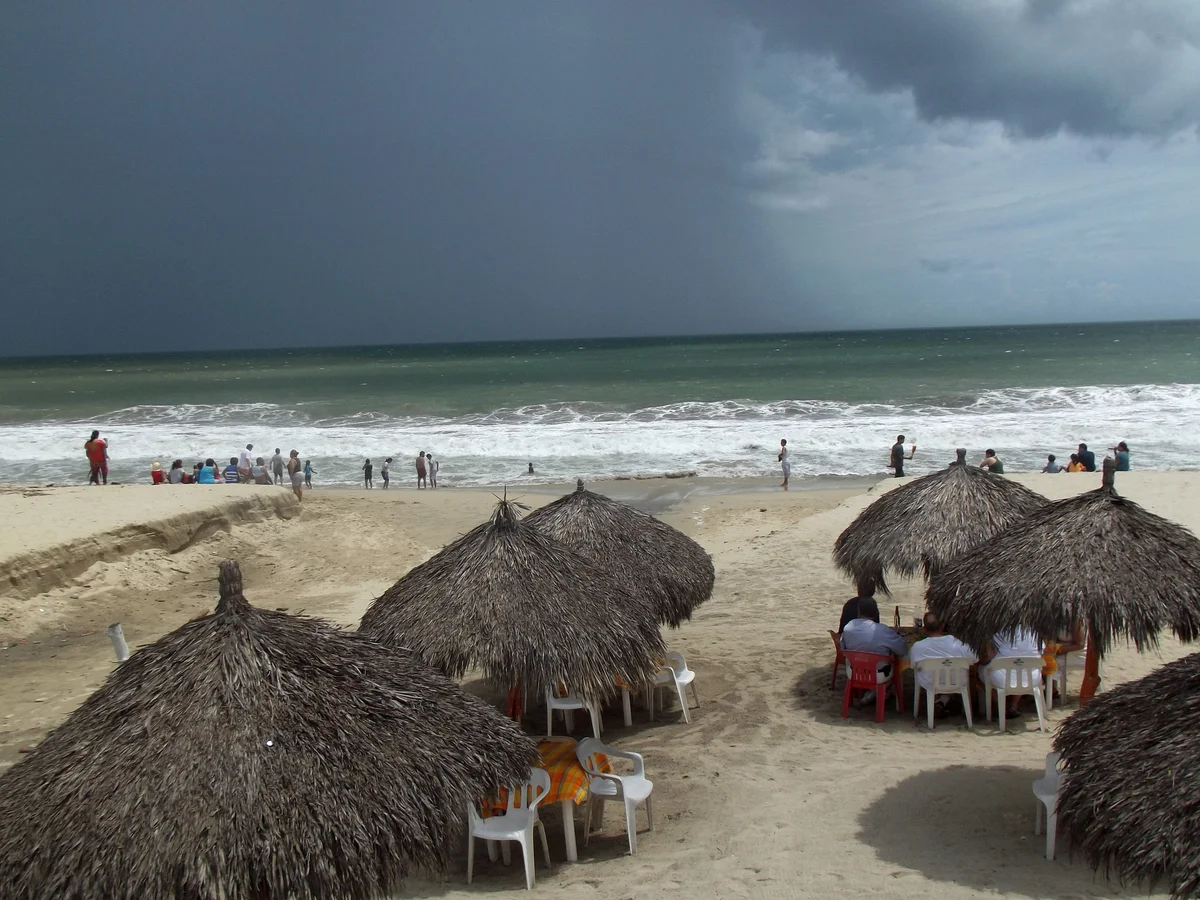
Quick answer: Mexico fits the snowbird calendar precisely: 180 days per visitor entry covers November to April, and the main colonies sit on direct winter flights. The two structural facts to price before buying are that personal winter use forfeits the 60-70% of rental revenue those same months would earn, and that the property stands empty through hurricane season.
Snowbird ownership is its own asset class with its own arithmetic, and most guidance fails it by borrowing from either the investor playbook or the full-time retiree one. The half-year owner is neither: the property must work hard five months, survive seven unattended, and fit two countries’ rules at once. The Canadian buyer’s guide covers the purchase mechanics; this one covers the calendar.
Does the 180-day entry fit a snowbird winter?
A Mexican visitor entry grants up to 180 days, which maps onto a November-to-April season with almost no slack, and that fit is the quiet reason this market dominates the snowbird map against every rival capping stays at 90 days. The grant is discretionary, and repeat maximums draw growing scrutiny at the border.
Immigration practice has tightened enough that serious snowbirds should plan structure rather than luck, and the options rank cleanly:
- The visitor rhythm: fly down in November, receive the stay, fly home in spring. Works until the year an officer grants 60 days instead, which is a real and rising pattern; carry evidence of the return flight and the property.
- Temporary residency: consular economic solvency, commonly around $4,300-4,800 monthly income or $72,000-75,000 in savings, buys up to 4 years of certainty, an easier airport lane and a CURP. Most decade-horizon snowbirds land here eventually.
- The half-and-half error: trying to stretch 180 days into 240 with a border run. Mexican entries are not Schengen mathematics, but the pattern is visible to INM and ages badly.
Nothing about ownership requires any of this: the escritura and the fideicomiso are indifferent to immigration status. The calendar, not the deed, is what residency protects, and at 150-plus nights a year in the country the certainty is worth the paperwork.
Where snowbirds actually settle
Snowbird geography is compressed by one variable: nonstop winter flights from Canadian and northern-US cities, which is why 5 towns absorb most of the half-year population of foreign buyers. The Vallarta-Nayarit corridor anchors the Canadian map, with Bucerias and Nuevo Vallarta at its heart and entry near $260,000-380,000.
| Base | Typical 2BR entry | Winter flight access | Character |
|---|---|---|---|
| Bucerias / Nuevo Vallarta | $260,000-380,000 | Dense YYZ, YVR, YYC nonstops | The Canadian heartland |
| Mazatlan | $180,000-300,000 | Good western-Canada links | Real city, malecon, value |
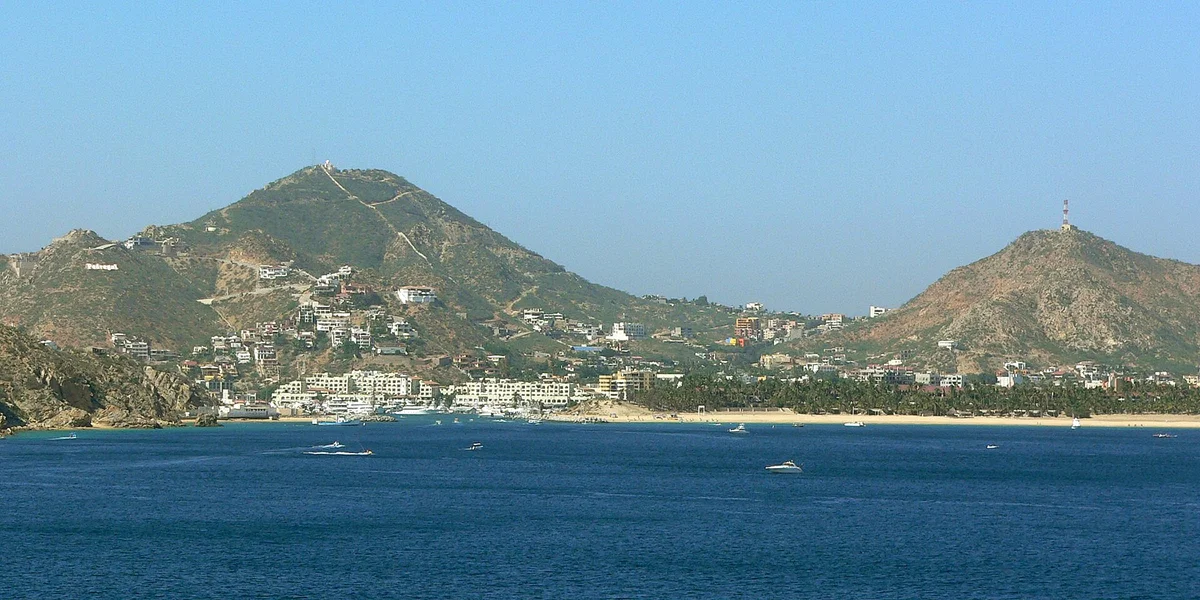
| Los Cabos | $350,000-700,000 | Deep US and Canadian service | Premium, golf, dry heat |
| Riviera Maya | $220,000-400,000 | The busiest airport in the region | Caribbean water, US-heavy |
| Lake Chapala | $180,000-320,000 | Via Guadalajara, 45 minutes | Inland, no beach, mild all year |
The summer flight map matters as much as the winter one and gets checked far less by buyers comparing towns. Seasonal routes thin dramatically from May, so an owner needing an unplanned July visit, a storm, a leak, a break-in, often faces one-stop routings at 2 times the winter fare with 6-10 hours of extra travel. Bases served year-round from the home airport, which in practice means the corridors around the biggest hubs, carry a resilience premium that reveals itself only in the months nobody planned to fly, and in an honest comparison between two otherwise similar towns that premium is worth paying 5-10% for.
Free-zone logic quietly shapes the western map too: Baja California and most of Sonora need no vehicle import permit, which is why the drive-down snowbird with a truck full of tools clusters in Baja and San Carlos while the fly-down owner distributes everywhere else. Every base on the table sits in the restricted zone, so the fideicomiso applies to all of them equally.
The Canadian file: day counts, health cover and the CRA
Canadian snowbirds run three parallel day-counting regimes at once, and the property is only the visible part of the system foreign buyers are joining. Provincial health plans require physical presence, commonly 5-7 months a year depending on province, so the standard winter fits while a stretched one quietly voids coverage worth far more than the condo.
| Regime | The line | What crossing it costs |
|---|---|---|
| Provincial health | Presence of roughly 153-212 days, by province | Coverage lapse; requalification waits |
| Mexican entry | 180 days per visitor grant | Refused or shortened entries |
| US substantial presence | Transit and shoulder stays count | US filing exposure via the day formula |
| CRA T1135 | Letting a property costing over CAD 100,000 | Annual reporting; penalties for silence |
None of these regimes cares what the escritura says; the deed and the day counts live in separate systems, and only the owner reconciles them.
Two Canadian specifics reward planning rather than improvisation. First, T1135: a purely personal-use winter home stays off the form at any value, but the first summer tenant converts a property costing over CAD 100,000 into specified foreign property with annual reporting, alongside Canadian tax on the rent with credit for the Mexican side. Second, the principal-residence question: Canada’s exemption can, with planning, be designated onto a foreign property the family ordinarily inhabits, which makes the eventual sale of a long-held Mexican home a conversation for a Canadian accountant years before it is a transaction.
Travel medical insurance is the line that grows. At 65-75 a season of coverage typically costs $1,500-4,000 and rates hard on conditions; past 80 it can challenge the whole model. Honest snowbird budgets treat it as a structural cost on par with carrying the property, because it is.
Can summer letting pay for the winter?
Summer letting defrays snowbird ownership rather than funding it, and the reason is structural arithmetic in this market: winter high season produces roughly 60-70% of a coastal short-term rental’s annual revenue, and the snowbird personally occupies exactly those months. What remains lettable is the low-earning half of the calendar.
Numbers make the point faster than argument. A Bucerias two-bedroom that would gross around $28,000 a year as a full-time rental earns most of that between December and April; an owner who occupies those months and lets May through November realistically books 90-100 nights at soft-season rates near $95, grossing $8,500-9,500. After management at 25-30%, cleaning, platform fees and the RFC-registered tax line, roughly $4,000-5,000 survives, against carrying costs, HOA, trust fee, predial, insurance, caretaker, utilities, near $6,000. The honest statement of the model: summer tenants cover 50-80% of the cost of keeping the property, and the winter is paid for by the capital, not the calendar.
Three consequences follow for foreign buyers underwriting a snowbird purchase:
- Ignore any pitch built on “it pays for itself”; on the snowbird calendar it structurally cannot, and the pitch is priced for someone not reading closely.
- Model the alternative honestly: renting your winters at $2,000-3,500 a month costs $10,000-17,500 a season and keeps $300,000+ liquid; ownership must win on use, stability and appreciation.
- If income genuinely matters, invert the calendar: buy where winter is lettable and vacation elsewhere, which is a different strategy described in the rental yield guide.
The empty-season problem: storms, humidity and insurance
A snowbird property stands empty from roughly May to November, and that absence coincides with hurricane season on both coasts, the heaviest rains and peak humidity, which makes the unattended months the riskiest part of the model for foreign buyers. Managing them well costs $2,000-3,500 a year and is not optional.
The insurance detail that catches owners is the unoccupancy clause. Policies commonly restrict or void cover, theft especially, water damage sometimes, when a dwelling sits empty beyond 30-60 consecutive days, and a snowbird’s seven-month absence sails through that threshold annually. The fix is disclosure and endorsement: a policy written for seasonal occupancy, named-wind cover included on the coasts, with the hurricane insurance mechanics priced at 0.4-1.0% of insured value rather than discovered at claim time.
The physical checklist for the empty months is short and mostly cheap:
- A caretaker or manager at MXN 1,000-3,000 a month doing documented biweekly checks, with photographs, of roof, seals and plumbing.
- A storm protocol in writing: who shutters, who photographs, who files, agreed before June rather than during a watch.
- Humidity management, dehumidifier or conditioned closet, in the tropical markets, because mould in a sealed condo through a Yucatan summer is a $2,000-6,000 lesson.
- Utilities strategy: CFE on autopay with the caretaker watching for anomalies, since a silent outage that kills a freezer in July announces itself in August.
Condominiums beat houses at all of this, which is why the snowbird market is overwhelmingly a condo market: a staffed building with neighbours is its own monitoring system.
Worked example: a Bucerias condo on the snowbird calendar
A 95 square metre two-bedroom in Bucerias, the corridor most Canadian foreign buyers shortlist first, costs $304,000 at $3,200 per square metre, and closing at 7% with fideicomiso set-up takes the all-in commitment to about $327,000. The owner occupies mid-November through April and lets the summer; the table shows the year as it runs.
| Line | Annual figure |
|---|---|
| Summer letting: 95 nights at $95 average | $9,025 gross |
| Management at 27%, platform, cleaning | -$3,300 |
| Mexican tax line, RFC-registered | -$900 |
| HOA at $260 a month | -$3,120 |
| Fideicomiso fee | -$650 |
| Predial, insurance with seasonal endorsement | -$1,350 |
| Caretaker share and utilities | -$1,700 |
| Net cash cost of the year | about -$2,000 |
Two thousand dollars a year to hold, against $12,000-16,000 to rent an equivalent winter, is the real economic statement of snowbird ownership done competently: the property does not pay for itself, it pays for most of itself, and the owner banks the difference plus whatever the Bahia de Banderas market appreciates. Run the same table with no summer letting and the cost of the year is roughly $7,000, which is the price of never handing keys to a stranger, and some owners rationally pay it.
The number the table hides is opportunity cost: those occupied winter months would have grossed $18,000-20,000 let at high-season rates. Nothing is wrong with spending that on your own winters, but it belongs in the decision as a known price, not a discovery.
Pros and cons of owning the winter home
Measured against renting a good winter rental each year at $10,000-17,500 a season, ownership is a trade of flexibility for permanence, and the terms of the trade are quantifiable for foreign buyers. The ledger assumes the main snowbird corridors, a $260,000-380,000 condo, and the hybrid calendar modelled above.
| Owning wins on | Renting wins on |
|---|---|
| Cost per winter after summer defrayal: $2,000-7,000 | No capital at risk in one town’s market |
| The same home, storage, and community every year | $10,000-17,500 buys a different base any winter |
| Appreciation in the established corridors | Immunity from hurricane season and HOA politics |
| A hard-currency asset alongside CAD savings | No empty-season management burden at all |
| Fideicomiso succession, planned once | Nothing to unwind when health changes plans |
| Fixing your winter costs against rent inflation | Trying a town before marrying it |
Which snowbird scenarios work?
Three snowbird scenarios hold up over a decade in this market, and each typically settles the own-versus-rent question at a different point on the calendar. Property budgets run $180,000-400,000 across the three, and every configuration that survives contact with reality prices the empty season before it prices the view.
- Committed colonist: 150 nights a year, ownership from the start
- Two-base couple: both homes owned, neither let
- Tester: 3 rented winters before any escritura
The committed colonist. Fifteen winters ahead in Bucerias or Mazatlan, 150 nights a year, community roots: ownership wins early and compounds, temporary residency removes border friction, and the summer-letting machinery defrays costs without governing the calendar. This is the configuration the whole model was built for.
The two-base couple. Winter in Mexico, summer at the lake in Ontario, both owned, neither let: the Mexican condo runs at the no-letting cost of roughly $7,000 a year, T1135 stays irrelevant, and simplicity is the product being bought. Works cleanly when the budget carries two properties without needing either to earn.
The tester. Three winters rented in three towns before any escritura, at $10,000-17,500 a season, treating the spend as tuition on a $300,000 decision. The consistently best-performing scenario per dollar, and the least marketed, for the obvious reason that nobody earns a commission on it.
The scenario that fails is inherited enthusiasm: buying where friends bought, at their prices, on their pitch, without running your own winter count. Below about 90 nights a year of genuine use, the arithmetic simply prefers renting.
What red flags should stop a snowbird purchase?
Five patterns account for most snowbird regret in this market, and each is checkable by foreign buyers in an afternoon before an offer rather than discoverable in July after one, when fixing it costs $2,000-10,000. Treat any single hit below as a stop until it is resolved in writing by someone with no commission at stake; the escritura can be flawless while the seasonal model still fails, and predial-cheap holding costs tempt people past exactly these five.
- “It pays for itself” revenue projections that quietly assume winter letting, the exact months a snowbird occupies; reread the projection’s calendar before believing its total.
- HOA rules unread. Buildings increasingly restrict short-term letting, and a summer-defrayal model dies in a reglamento clause nobody opened; get the current rules and the last 2 assemblies’ minutes.
- Insurance quoted without disclosing seasonal vacancy, leaving an unoccupancy clause armed against precisely your usage pattern.
- Ground-floor or unshuttered storm exposure on a property that will face every June-to-November event without you; the mitigation budget belongs in the offer math.
- A car plan that ignores permit law: a foreign-plated vehicle outside the free zone on an expired temporary import permit is seizable, and “everyone does it” is not a defence INM recognises.
What should you verify before buying the winter home?
Ten verifications make a snowbird purchase durable, and foreign buyers typically complete the set in 3-4 weeks for roughly $2,500-4,000 in professional and inspection fees. The first four below are the standard legal file every purchase needs; the remaining six are the seasonal layer that ordinary diligence, written for full-time owners, skips.
- Certificado de libertad de gravamen within 30 days, escritura chain, and 5 years of predial receipts, via your own lawyer.
- Fideicomiso quotes from two banks, since every major snowbird coast sits in the restricted zone.
- HOA financials, reserve position, letting rules and the minutes of the last 2 assemblies.
- A structural and roof inspection timed to ask one question: how does this fare empty in a named storm?
- An insurance quote in writing for seasonal occupancy with named-wind cover, unoccupancy clause addressed explicitly.
- A caretaker or manager identified, priced at MXN 1,000-3,000 monthly, with a sample inspection report.
- Your honest winter count from the last three years of trips, against the 90-120 night ownership threshold.
- Provincial day-count rules and travel medical quotes at your actual age, since the insurance line ages faster than the property.
- The T1135 and rental tax position mapped with a Canadian accountant before the first summer tenant, not after.
- Summer flight options from your home airport, checked for July, because the unplanned trip is the one that reveals the route map.
Frequently Asked Questions
Up to 180 days per entry as a visitor, which covers a November-to-April winter exactly, and immigration officers grant it at their discretion rather than automatically. Repeat maximum stays year after year draw increasing scrutiny, so long-term snowbirds increasingly take temporary residency, available through consular economic solvency and good for up to four years. Residency removes the annual conversation at the border without changing anything about how the property is owned.
Provincial plans require physical presence, commonly five to seven months per year depending on the province, so a standard snowbird winter fits but a stretched one can quietly void coverage. The bigger line is travel medical insurance for the Mexican months, typically $1,500-4,000 a season past 65 and rated hard on conditions. Budget it as a permanent cost of the lifestyle: it is usually the second-largest annual line after the property itself.
Rarely, and the reason is structural: a snowbird occupies exactly the months that earn most coastal short-term rental revenue. Winter high season produces roughly 60-70% of an annual STR result on the Pacific coast, so the owner keeps the low-earning half. Realistic summer letting on a typical two-bedroom covers 50-80% of carrying costs, not the purchase. Owning still wins for many buyers, but it wins as a lifestyle asset with defrayed costs, not as an investment that pays for itself.
Only if it earns. Personal-use property is excluded from T1135 regardless of value, so a winter home used purely by the family stays off the form. Start letting it, and a property whose cost exceeds CAD 100,000 becomes specified foreign property with annual reporting, alongside Canadian tax on the worldwide rental income with credit for Mexican tax paid. Many snowbirds discover this at the first tax season after their first summer tenant, which is the expensive way.
It stands empty through the exact months, June to November, when the Pacific and Caribbean coasts face named storms, which is the central management problem of snowbird ownership. The fixes are known: named-wind insurance checked for unoccupancy clauses, since some policies restrict cover when a home sits empty beyond 30-60 days; storm shutters or film; a caretaker or manager at MXN 1,000-3,000 a month doing documented checks; and a written storm protocol with photographs before and after.
Within limits that surprise people. Baja California and most of Sonora sit in the free zone where no vehicle permit is needed, which is one quiet reason snowbird colonies cluster there. Beyond it, a foreign-plated car needs a temporary import permit tied to your immigration status, with a deposit of roughly $200-400, and the permit's validity tracks your permission to be in Mexico. Leaving a foreign-plated car behind on an expired permit risks seizure, so the car plan and the visa plan have to match.
Rent below roughly 90 nights a year of use; own above 120 with a five-year horizon. A good two-bedroom winter rental costs $2,000-3,500 a month in the main snowbird towns, so five months runs $10,000-17,500 a year with total flexibility and zero exposure. Ownership at $300,000-380,000 all-in fixes the location, adds carrying costs near $6,000 a year, and pays back through use, stability and appreciation rather than avoided rent alone.

Get a vetted Mexico shortlist
US and Canadian buyers use this to skip the developer sales deck: tell us the budget and the market, and we come back with 3 to 5 options and the net yield maths behind each one.
Want options matched to your budget and risk profile?
Three questions, one screen. We reply within one business day.
Get a vetted Mexico shortlist