
Chelem and Progreso Real Estate: Beach Homes
Beach homes for sale on the Yucatan Gulf coast at Chelem and Progreso, indicative price bands, and what salt air and the nortes do to a house.
By Mexico Invest Editorial · Updated September 7, 2026 · 11 min read
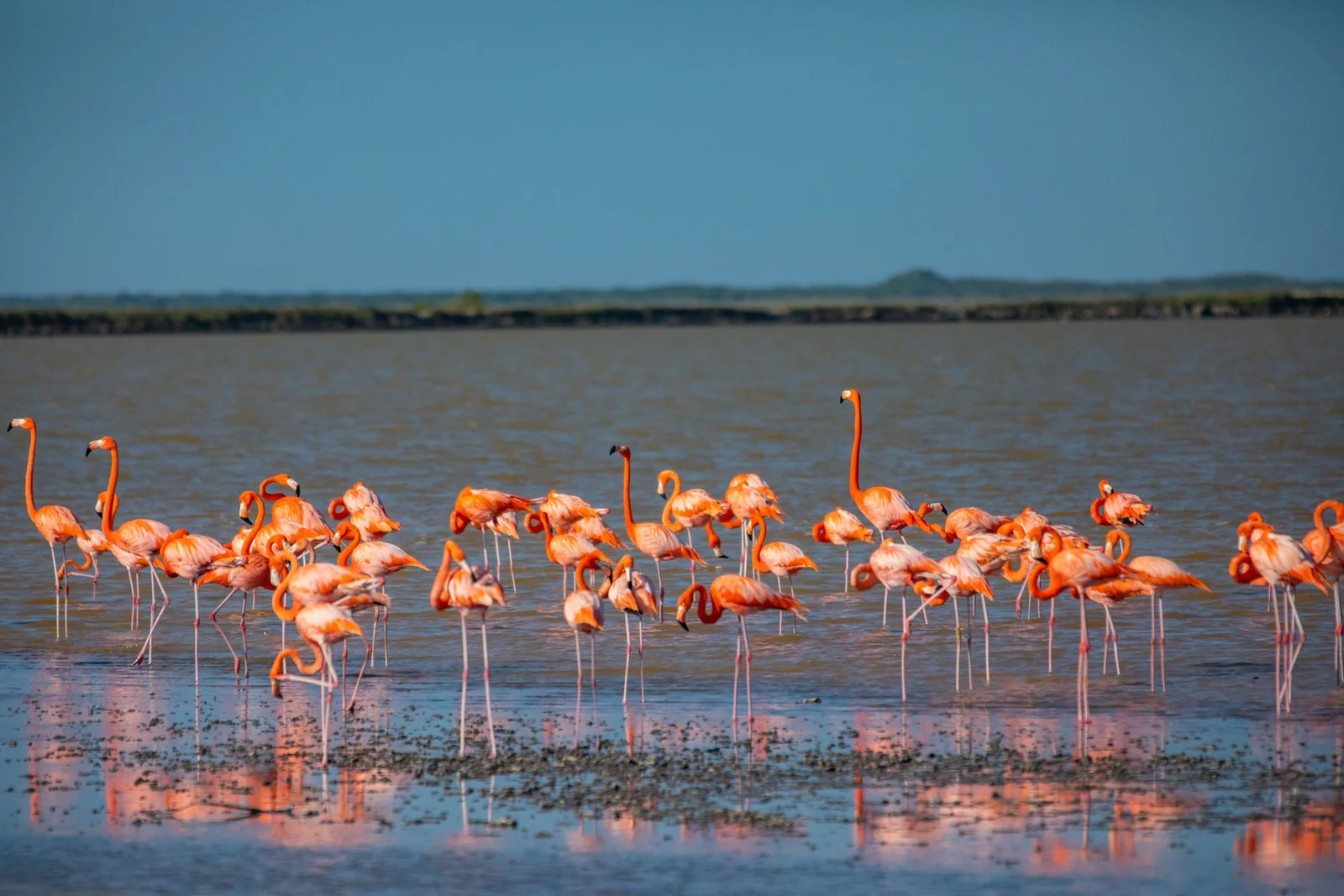
Quick answer: Chelem and Progreso are the Gulf coast beach towns for Merida, 30 to 40 minutes from the city, and they hold the cheapest beachfront housing in this corpus outside San Felipe. Indicative asking bands run about $80,000 to $150,000 a street back from the sand and $150,000 to $280,000 for ordinary beachfront. Foreign buyers hold through a fideicomiso, and salt air is the running cost nobody quotes.
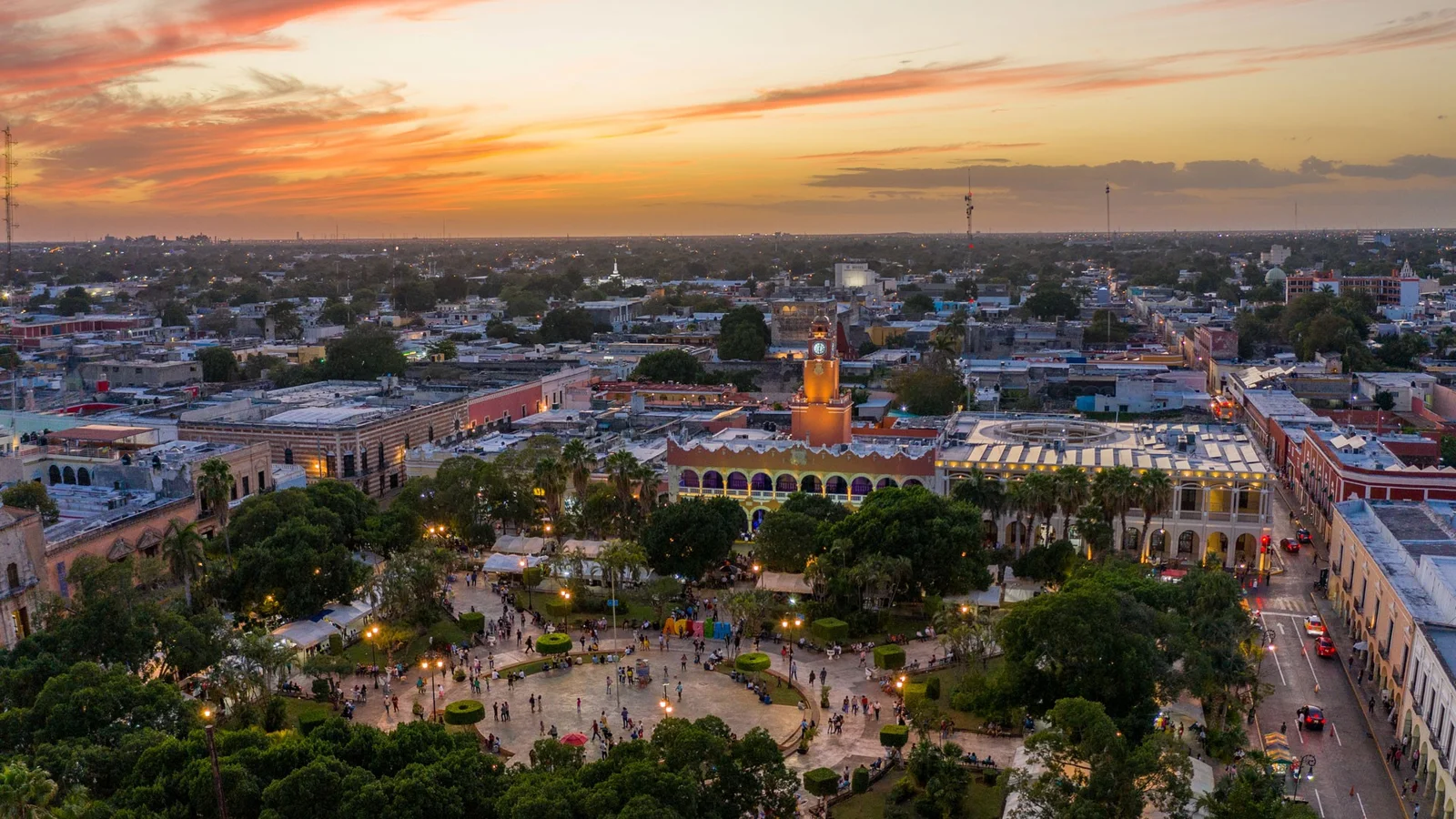
Buyers researching Yucatan almost always find Merida first and stop there. The coast forty minutes north is the part that surprises them: actual beachfront, at prices that would not buy a studio in Tulum.
The trade is real and worth stating plainly before anything else.
The towns along the coast
The coastal strip runs east and west from the port at Progreso, and each village has a different mix of Mexican and foreign owners. Asking levels below are from public listings in September 2026.
| Town | Indicative band | Character | Who buys |
|---|---|---|---|
| Chelem | $80,000 to $280,000 | Quiet, foreign community, ria behind | Foreign retirees and weekenders |
| Chuburna | $80,000 to $250,000 | Smaller, quieter still, next to Chelem | Long-stay foreigners |
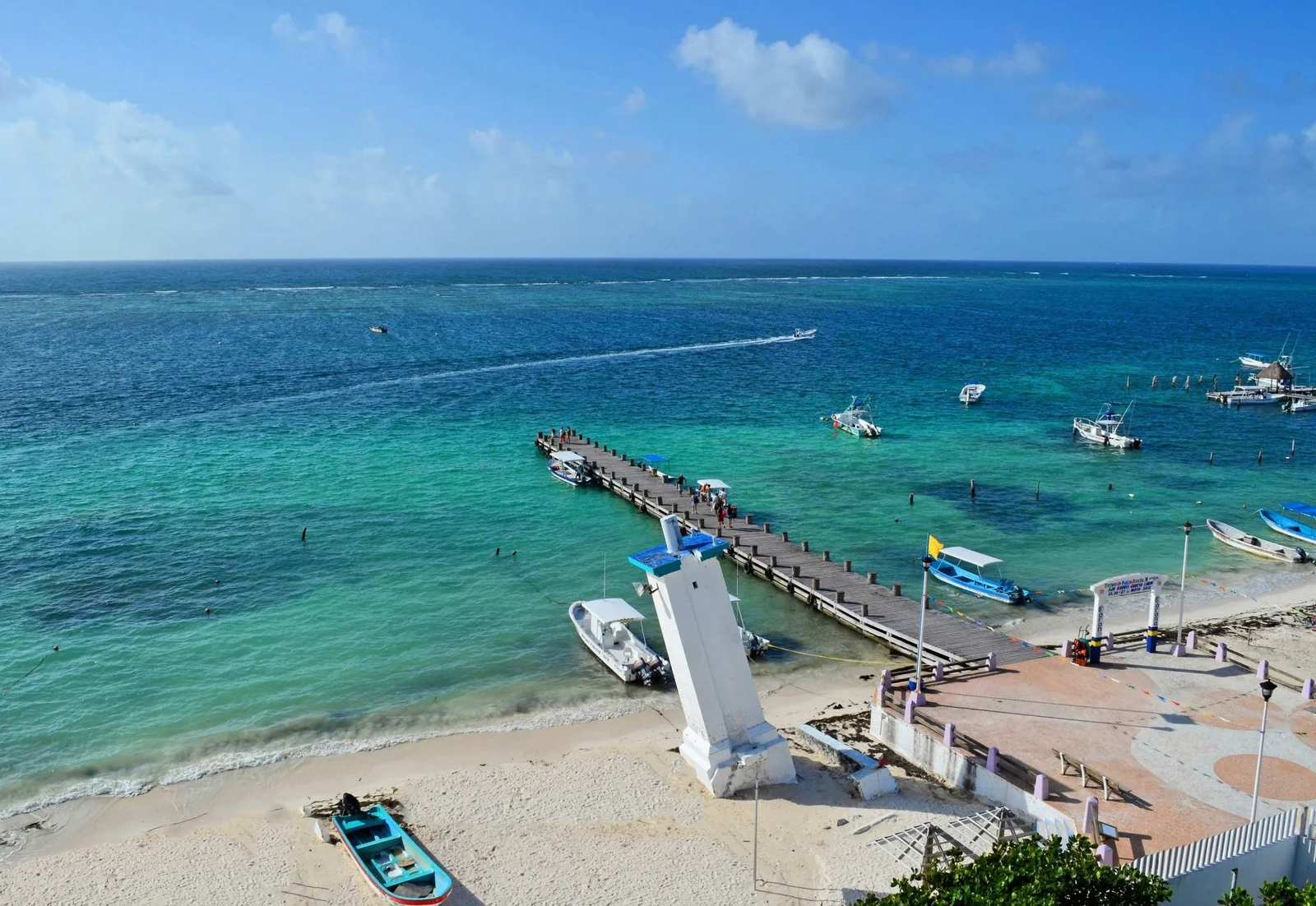
| Progreso town | $70,000 to $200,000 | The port, the pier, services, cruise calls | Local families, some foreign |
| Chicxulub Puerto | $90,000 to $260,000 | East of Progreso, mixed | Merida weekenders |
| Telchac Puerto | $100,000 to $300,000 | Further east, newer builds | Second homes |
| Sisal | $110,000 to $320,000 | West, protected, quieter, growing | Buyers wanting isolation |
Progreso is the working town with the cruise pier, the fishing fleet and the services. Chelem and Chuburna to the west hold the largest concentration of foreign residents. East of Progreso the villages are more Mexican weekend territory. None of these places is a resort, and none has resort infrastructure.
What salt air does to a house
This is the local knowledge that separates a good purchase from an expensive one, and it applies to every property within sight of the water.
Wind-driven salt spray attacks metal continuously. Air conditioning condensers, window frames, hinges, gate mechanisms, pool equipment, electrical fittings and reinforcing steel in exposed concrete all degrade faster here than they would inland. A house that sits unoccupied and unrinsed through a winter of nortes ages measurably.
| Component | Typical inland life | On this coast | Mitigation |
|---|---|---|---|
| Air conditioning condenser | 8 to 12 years | 4 to 7 years | Coated coils, rinse schedule |
| Window and door hardware | Decades | 3 to 8 years | Stainless or marine grade |
| Pool pump and filter | 8 to 10 years | 4 to 6 years | Sheltered housing, rinsing |
| Exposed rebar in concrete | Very long | Needs monitoring | Proper cover, sealing |
| Exterior paint | 6 to 10 years | 2 to 4 years | Marine coatings |
Insider tip: ask when the air conditioning units were last replaced and whether the house has an outside fresh water tap positioned to rinse them. The presence of that tap, and the owner’s habit of using it, tells you more about how the property has been maintained than any inspection report summary.
The seasons here, and who fills them
The rhythm of this coast is not the Caribbean rhythm and a rental model built on the wrong one will disappoint.
Mexican summer school holidays, roughly mid July through August, are the peak. Families from Merida take houses by the week or the month, and the villages fill. Easter week produces a second, shorter peak. Winter brings the nortes and a quieter, cooler season that suits foreign snowbirds taking longer stays at lower rates. The shoulder months are genuinely quiet.
For an owner that means weekly and monthly lets rather than nightly turnover, a domestic tenant base that books differently from an international one, and a property that benefits from being furnished for families rather than for couples.
The country picture on rental frames sits in homes for sale in Mexico, and the entry-level map in cheap homes for sale in Mexico under $200,000.
The ria behind the beach, and why it matters
Behind the sand bar that carries Chelem, Chuburna and much of this coast lies a ria, a shallow brackish lagoon fringed with mangrove that runs parallel to the sea. Most buyers notice it as scenery on the drive in. It is worth understanding as three separate things.
It is an ecological protection. Mangrove is federally protected in Mexico, and clearing or filling it is not something a landowner may simply decide to do. A lot advertised with lagoon frontage may carry constraints on what can be built and where, and those constraints sit with the land rather than with the seller who describes them optimistically.
It is a flood consideration. A sand bar between an ocean and a lagoon is a low-lying strip by definition. During heavy weather, water can arrive from both sides, and the difference between a property that stays dry and one that does not is often a matter of half a metre of ground level and how the street drains. Local memory is the best source here, and neighbours will describe past events accurately if asked.
It is also, for many owners, the reason they chose this coast. The ria is full of birds, the fishing is good, and paddling on flat protected water is available on days when the sea is churned by a norte. Properties with legitimate lagoon access carry that as a genuine amenity.
The practical instruction is the same for all three: establish where the mangrove line sits on the registry plan, not on the ground, and ask an attorney to confirm what the environmental designation permits before any offer.
Pros and cons
Pros. Genuine beachfront under $200,000, which almost nowhere else in Mexico offers. Forty minutes from Merida’s hospitals, airport and shopping. Calm shallow water that suits families. An established foreign community at Chelem with the services that brings. Low property taxes and low running costs apart from maintenance.
Cons. Salt air that shortens the life of everything mechanical. Winter nortes that bring wind and rough water. A thin resale market where exit can take a season or more. Green Gulf water rather than Caribbean blue, which disappoints some buyers. Very limited services compared with a resort town, and a genuine quiet season.
Which buyer this suits
A Merida owner wanting a weekend place. This is the core of the market and the reason it exists.
A budget buyer who wants beachfront specifically. Under $200,000 on the sand is real here in a way it is not on the Caribbean coast.
A retiree who values the hospital drive. Forty minutes to Merida’s private hospitals is closer than most Mexican beach towns manage.
It suits a nightly-rental investor least, and anyone expecting Caribbean water will be disappointed on arrival rather than in the numbers. The city half of this decision sits on Merida, the ownership route in the restricted zone explained, and the monthly numbers in cost of living in Mexico.
Price bands are indicative asking observations from public listings in September 2026 and are not valuations. Component lifespans are typical ranges, not guarantees, and vary with exposure and maintenance. Verify all figures with an independent inspection and a Mexican attorney.
The purchase mechanics for this coast are set out in the closing cost breakdown, the ownership route in how the fideicomiso works, and the verification steps in due diligence for Mexican real estate.
Frequently Asked Questions
This is the cheapest beachfront in the corpus outside San Felipe. Indicative asking bands in September 2026 run about $80,000 to $150,000 for a house a street or two back from the sand, $150,000 to $280,000 for beachfront in ordinary condition, and $280,000 to $450,000 for a larger or recently built beachfront property. Progreso town stock sits lower again.
About 35 to 40 minutes by road, roughly 40 km, on a good highway. Progreso is a little closer at around 30 to 35 minutes. That distance is the whole logic of this market: buyers keep a house in Merida for the city and a house on the coast for weekends, or they live on the coast and drive in for hospitals, the airport and shopping.
Yes. The entire Gulf coastline of Yucatan sits inside the 50 km restricted zone, so foreign buyers hold through a fideicomiso bank trust. Budget an indicative $2,500 to $4,000 for setup and $500 to $800 a year for trustee administration. Merida itself is also inside the zone at roughly 35 km from the coast, so a buyer with property in both places may hold two trusts.
Nortes are the winter cold fronts that push down across the Gulf from roughly October to March, bringing wind, rough water and a sharp temperature drop for a few days at a time. They are the reason the Yucatan Gulf coast has a winter character quite unlike the Caribbean side, and they matter to an owner because wind-driven salt spray is what ages a house here faster than sun does.
It is a Mexican domestic holiday market first and a foreign one second. Demand peaks in the Mexican summer school holidays, when families from Merida take beach houses for weeks at a time, and again at Easter. Foreign snowbird demand fills part of the winter. Nightly platform demand exists but is thin compared with the Caribbean coast, so plan on weekly and monthly lets.
Shallow, warm and calm for much of the year, with a gently shelving sandy bottom that goes out a long way. It suits families and poor swimmers and disappoints anyone expecting Caribbean colour, because Gulf water here is greener and often cloudier. In winter the nortes churn it up. Seaweed and shoreline changes vary by year and by stretch.
Get a vetted Mexico shortlist
US and Canadian buyers use this to skip the developer sales deck: tell us the budget and the market, and we come back with 3 to 5 options and the net yield maths behind each one.
Want options matched to your budget and risk profile?
Three questions, one screen. We reply within one business day.
Get a vetted Mexico shortlist