
Cost of Living in Mexico 2026: City by City
What a month really costs in eight Mexican cities in 2026, what property ownership adds on top, and which categories do not get cheaper when you move.
By Mexico Invest Editorial · Updated September 6, 2026 · 12 min read
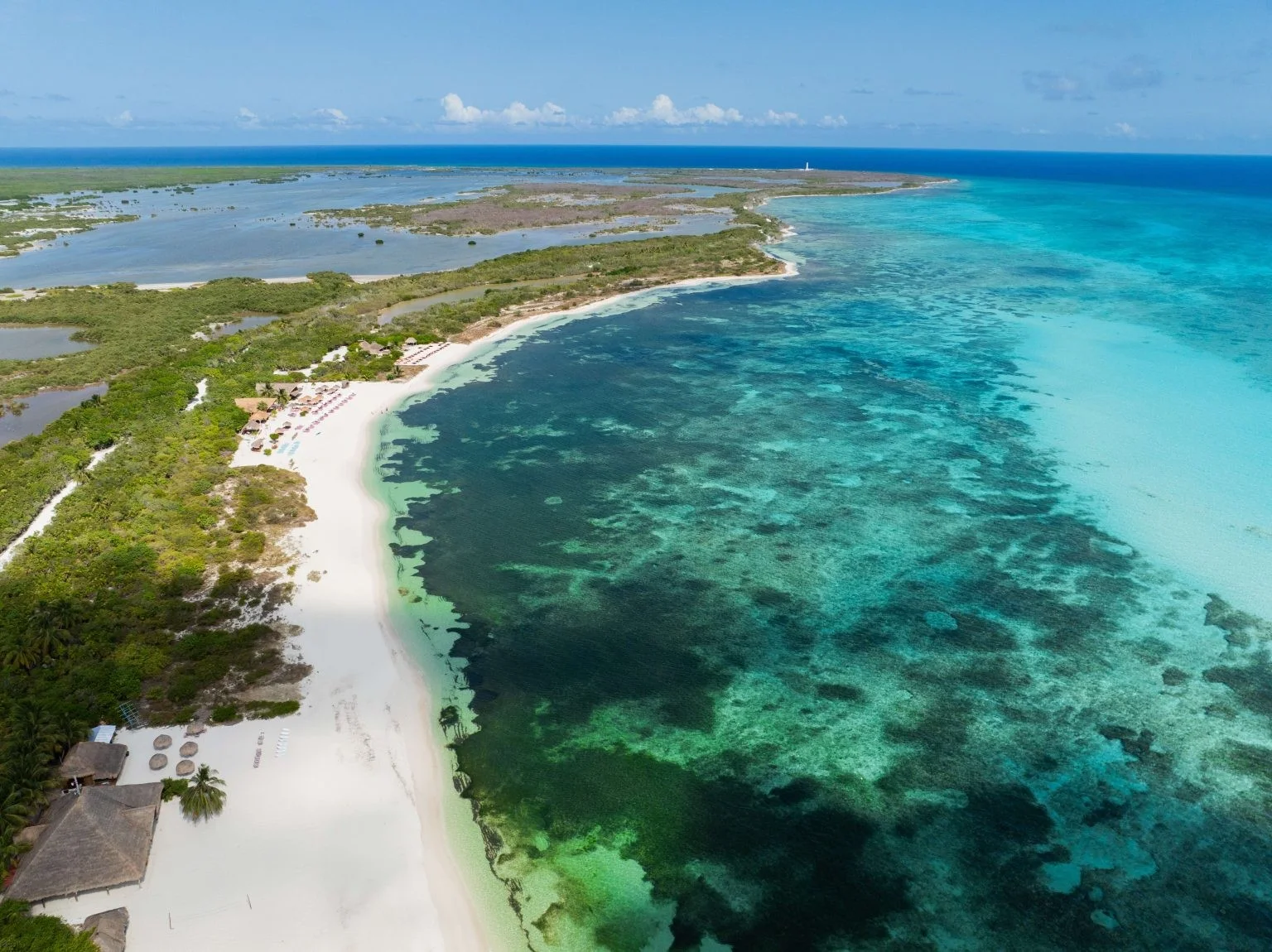
Quick answer: a couple can live comfortably in Mexico on roughly $1,400 to $2,200 a month in Oaxaca or Guanajuato, $1,500 to $2,500 in Merida, Lake Chapala or Mazatlan, and $2,500 to $4,000 in San Miguel de Allende or Los Cabos. Housing drives almost all of the spread. The categories that shrink most against the United States are housing, healthcare and services; the categories that do not shrink at all are imported goods, cars and international travel.
Every page that ranks for this question quotes a monthly figure. Almost none of them separate the two questions inside it: what it costs to live somewhere, and what it costs to own the place you live in.
For anyone buying rather than renting, the second question is the one that decides the budget.
What a month costs, city by city
Ranges below are indicative 2026 monthly budgets for a couple living comfortably: housing, food, utilities, transport, entertainment and routine healthcare, without a car loan and without international travel.
| City | Monthly, couple | Rent, 2 bed | What drives the number |
|---|---|---|---|
| Oaxaca | $1,400 to $2,200 | $450 to $900 | Low housing, cool, thinner services |
| Guanajuato | $1,400 to $2,100 | $400 to $850 | Student city, very low housing |
| Merida | $1,500 to $2,500 | $600 to $1,200 | Air conditioning is a real line here |
| Lake Chapala | $1,500 to $2,300 | $600 to $1,100 | No heating or cooling most of the year |
| Mazatlan | $1,600 to $2,400 | $700 to $1,200 | Beach city, moderate services |
| Mexico City | $2,200 to $3,800 | $1,000 to $2,200 | Urban premium, excellent healthcare |
| Puerto Vallarta | $2,200 to $3,500 | $1,000 to $2,000 | Resort pricing, high season pressure |
| San Miguel de Allende | $2,500 to $4,000 | $1,200 to $2,500 | Foreign demand has repriced housing |
The spread between the cheapest and dearest is nearly threefold, and around 70 percent of it is housing. Food, utilities and domestic help vary far less between these cities than rent does.
One line deserves its own mention because foreigners consistently underestimate it. Air conditioning in Merida, coastal Yucatan or Mazatlan through the summer can add $100 to $250 a month to an electricity bill, and Mexican residential tariffs are banded so that heavy use is charged at a materially higher rate once a threshold is passed. A house in Lake Chapala at 1,530 metres needs neither cooling nor much heating, and that single difference is worth more than most of the grocery savings people plan around.
What ownership adds on top
This is the section the lifestyle publications skip, and it is where budgets break.
| Line | Indicative annual | Applies to |
|---|---|---|
| Predial property tax | $200 to $900 | Every owner, low by US standards |
| Condo HOA | $1,800 to $5,400 | Ordinary buildings |
| Resort building HOA | $4,800 to $18,000 | Amenity-heavy coastal towers |
| Property insurance | $700 to $3,000 | Higher on hurricane-exposed coasts |
| Fideicomiso trustee | $500 to $800 | Restricted zone only, not inland |
| Maintenance reserve | 1 to 2 percent of value | Houses more than condos |
A couple renting a $900 apartment and then buying a comparable condo can find the HOA, predial, insurance and trustee fee together running $400 to $700 a month before a single repair. That is not an argument against buying. It is an argument for putting these lines in the spreadsheet before the offer rather than after the closing.
Two of these lines disappear entirely inland. There is no fideicomiso outside the restricted zone, so no trustee fee, and insurance costs less away from hurricane exposure. The detail sits in property taxes in Mexico and what a Mexican HOA fee covers.
What gets cheaper, and what does not
Substantially cheaper. Housing, whether rented or owned. Property tax, often by a factor of ten. Private healthcare, dentistry and prescription medicines. Domestic help, gardening and maintenance labour. Fresh produce, meat and fish bought locally. Restaurant meals outside the tourist strips. Public transport and domestic buses.
About the same. Fuel, which is not notably cheaper than in the United States. Mobile and internet service. Cinema, gyms and mid-range entertainment.
More expensive. Imported groceries and branded packaged goods. Cars, both new and used, along with parts and servicing. Electronics and appliances. Wine and spirits other than Mexican ones. International flights from secondary cities.
Insider tip: track one month of your actual current spending by category before comparing countries. Households that spend heavily on imported brands, a newish car and frequent flights save far less by moving than households that spend on housing, healthcare and eating out. The published country comparisons average over a basket that may look nothing like yours.
Healthcare, priced properly
Healthcare is the second largest saving after housing and the one that requires the most deliberate planning, because the United States system does not travel with you.
Routine private care in Mexico is inexpensive enough that many residents simply pay for it: a specialist consultation, a dental cleaning, standard blood work and imaging all cost a fraction of US list prices. That makes an out of pocket approach genuinely viable for day-to-day medicine in a way it is not in the United States.
The serious event is the different question. Private Mexican insurance is far cheaper than a US policy but applies age limits to new enrolment, which makes signing up in your fifties rather than your seventies a materially different proposition. International expatriate policies cost more and cover care in several countries. Public options exist for residents with conditions and waiting periods that vary.
Medicare does not pay for care received outside the United States, with narrow exceptions. Anyone planning around it should read retire in Mexico, which sets out the four practical routes and what each costs.
Pros and cons of the move, financially
Pros. Housing and healthcare, the two largest line items in most retired households, both fall substantially. Property tax is a rounding error by US standards. Labour-intensive services are affordable in a way that changes daily life. Living without a car is realistic in several of these cities.
Cons. Income in dollars against costs in pesos means the exchange rate sits inside your budget, and it moves. Imported goods carry duty and shipping. Some categories, notably vehicles, are more expensive than at home. Ownership costs on the coast can offset a large share of the housing saving.
The exchange rate sits inside your budget
Anyone earning in dollars and spending in pesos carries a variable that no cost-of-living table shows, and it is worth understanding as a structural feature of the decision rather than as a risk to worry about.
Rent, groceries, utilities, domestic help and medical care are all priced in pesos by people whose costs are in pesos. Income from a United States pension, social security or investment account arrives in dollars. The monthly cost of living therefore moves with the exchange rate even when nothing about the household changes, and that movement has historically been large enough to shift a comfortable budget into a tight one and back again across a few years.
Two practical responses are common among long-term residents. The first is to hold a peso buffer covering several months of expenses, converted when the rate is favourable rather than on the day each bill arrives, which smooths the worst of the timing. The second is to keep the largest fixed obligations low relative to income, so that a move in the rate compresses discretionary spending rather than threatening the essentials.
There is a third response worth naming because it cuts the other way. Buying property removes the largest single peso expense, rent, from the exposure entirely. A paid-for house converts a recurring currency risk into a one-time conversion at purchase. That is a genuine argument for buying once the location is settled, and it is separate from any view about whether Mexican property will appreciate.
None of this is a reason to avoid the move. It is a reason to build the budget with a margin rather than at the edge, and to treat any published monthly figure, including the ones on this page, as a snapshot at one exchange rate.
Which city fits which budget
Under $1,800 a month for a couple. Oaxaca, Guanajuato or a smaller Yucatan town. Accept fewer English-speaking services and a thinner medical layer.
$1,800 to $2,600. Merida, Lake Chapala or Mazatlan, all with established foreign communities and real infrastructure. This band is where most retirees settle.
$2,600 to $4,000. Mexico City, Puerto Vallarta or San Miguel de Allende, where you are paying for either urban depth or beach access, and where foreign demand has already repriced housing.
Country price context for buying rather than renting sits on homes for sale in Mexico, and the housing decision specifically in Mexico real estate for retirees.
The cities behind these numbers have their own pages: Merida, Lake Chapala and Ajijic and Mexico City carry the housing detail that drives most of the spread above. Monterrey sits at the top of that spread: the highest salaries in the country and the housing costs that come with them.
Cost ranges are indicative 2026 figures for a couple and are not budgets or quotes. Electricity tariffs, insurance premiums and HOA fees are property specific. Exchange rate movement affects every figure here for anyone earning in a currency other than pesos.
Frequently Asked Questions
Indicative 2026 monthly budgets for a couple living comfortably run about $1,400 to $2,200 in Oaxaca or Guanajuato, $1,500 to $2,500 in Merida, Lake Chapala or Mazatlan, $2,200 to $3,800 in Mexico City and Puerto Vallarta, and $2,500 to $4,000 in San Miguel de Allende or Los Cabos. Housing is the largest variable inside every one of those ranges, which is why the city matters more than the lifestyle.
On housing, healthcare, domestic services and fresh food, substantially. Property tax in Mexico is commonly a few hundred dollars a year against several thousand in much of the United States, and a private medical consultation costs a fraction of the US price. On imported goods, cars, electronics, fuel and international flights the gap narrows or disappears. A household that consumes mostly imported products will save far less than the headline figures suggest.
Ownership adds four lines that a renter never sees. Predial property tax commonly runs $200 to $900 a year for a typical home. A condo HOA fee runs roughly $150 to $450 a month in ordinary buildings and far more in amenity-heavy resort towers. Property insurance runs $700 to $3,000 a year depending on coastal exposure. A fideicomiso, where required, adds $500 to $800 a year in trustee administration.
Private Mexican policies are considerably cheaper than United States equivalents, but they carry age limits on new enrolment that make signing up early important. International expatriate policies cost more and travel better. Many established residents run a hybrid: routine care paid out of pocket, since consultations and diagnostics are inexpensive, with insurance held for the serious event.
Budgeting the rent and forgetting the ownership stack. A couple who costed a $900 rental and then buy a condo often discover the HOA, predial, insurance and trustee fee together approach what they were paying in rent, before a single repair. The second most common error is assuming a car is cheap to run: fuel is not notably cheaper than in the United States, and imported parts and servicing can cost more.
Among cities with genuine foreign infrastructure, meaning English-speaking medical care and closing professionals, Oaxaca, Guanajuato, Merida and Mazatlan sit at the lower end. Below them are towns where costs are lower still but where a foreign resident carries more friction: fewer English speakers, thinner medical options and a smaller community. That friction is a real cost even though it does not appear in a budget.


Get a vetted Mexico shortlist
US and Canadian buyers use this to skip the developer sales deck: tell us the budget and the market, and we come back with 3 to 5 options and the net yield maths behind each one.
Want options matched to your budget and risk profile?
Three questions, one screen. We reply within one business day.
Get a vetted Mexico shortlist