
DINE Montage Punta Mita: Developer Profile 2026
DINE/LCA Montage Punta Mita developer profile, $5M-$18.5M branded residences opening 2027, Pendry partnership, ultra-luxury positioning, and Riviera…
By Mexico Invest Editorial · Updated July 9, 2026 · 15 min read
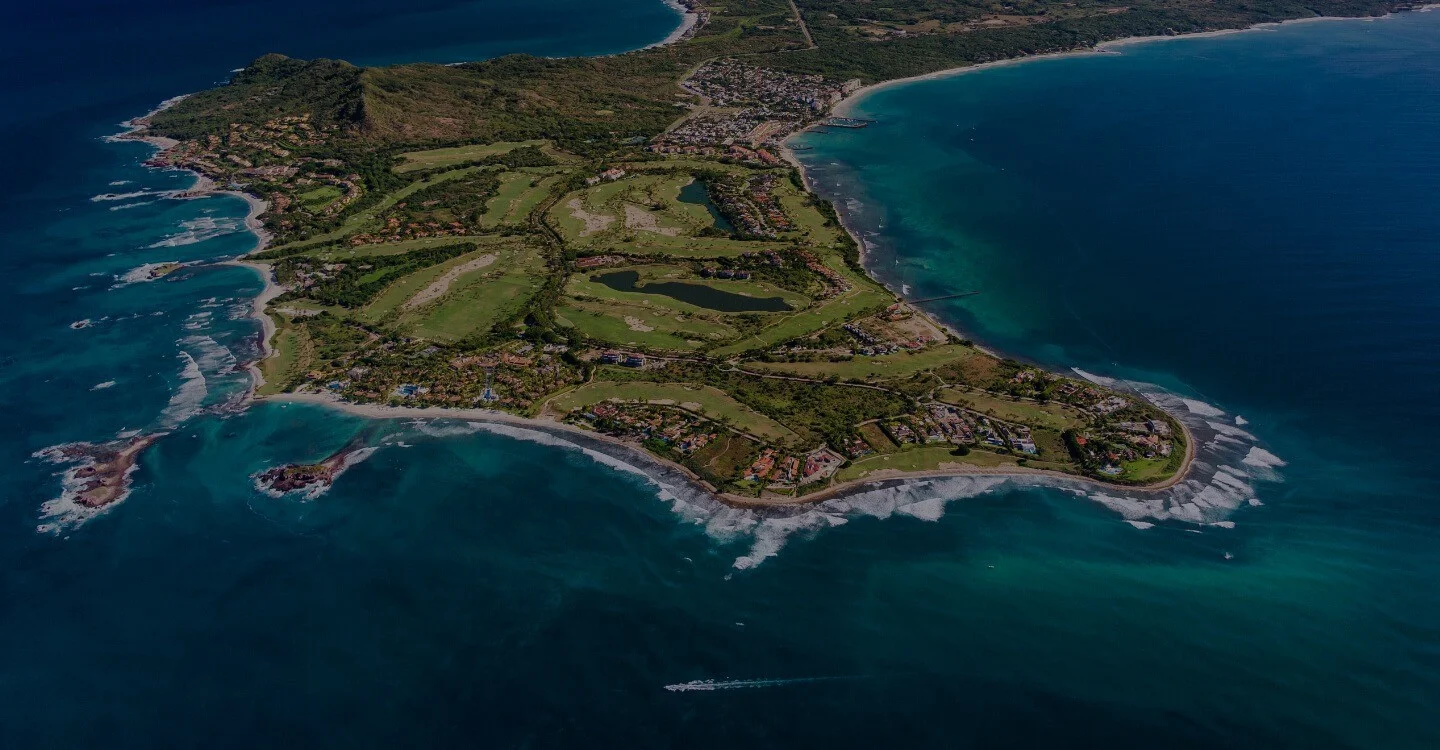
Quick answer: DINE develops ultra-luxury branded residences in Punta Mita, Montage Residences $5M-$18.5M (2027 opening) and Pendry Residences 32 homes (2026 debut). Hospitality brand partnerships with Montage International create premium positioning but require complex coordination and ultra-luxury market timing for successful delivery and operations.
DINE represents specialized ultra-luxury branded residence development versus traditional real estate developers, requiring hospitality brand coordination, ultra-high-net-worth buyer sophistication, and complex operational requirements while providing established brand credibility and luxury market differentiation.
Luxury context: Punta Mita luxury · Branded residences Mexico · Ultra-luxury real estate.
Developer overview and ultra-luxury positioning
DINE operates in partnership with LCA and Montage International to develop branded ultra-luxury residences in Punta Mita, focusing exclusively on $5M+ market segment with hospitality brand integration, complex operational requirements, and ultra-high-net-worth buyer targeting versus traditional real estate development without brand partnership complexity.
| DINE developer profile | Company positioning |
|---|---|
| Market focus | Ultra-luxury branded residences |
| Primary location | Punta Mita, Riviera Nayarit |
| Price range | $5M-$18.5M+ |
| Brand partnerships | Montage International, Pendry |
| Target demographic | Ultra-high-net-worth |
| Development approach | Hospitality-integrated |
Strategic positioning: Branded residence focus provides luxury market differentiation and operational credibility while creating complex coordination requirements between developer, hospitality brand, and ultra-luxury buyer expectations for successful execution.
Montage residences Punta Mita: flagship development
Montage Residences represents DINE’s primary ultra-luxury development with $5M-$18.5M pricing, 2027 opening timeline, and full Montage International brand integration including resort services, property management, and hospitality amenities creating premium positioning in Punta Mita’s established luxury corridor.
Montage project specifications
| Project aspect | Montage Residences details |
|---|---|
| Price range | $5M-$18.5M |
| Opening timeline | 2027 |
| Brand partner | Montage International |
| Location | Punta Mita beachfront |
| Market segment | Ultra-luxury branded |
| Services integration | Full resort amenities |
Flagship significance: Montage Residences establishes DINE’s ultra-luxury credibility and market positioning while requiring complex brand coordination, hospitality service delivery, and ultra-high-net-worth buyer satisfaction for successful brand reputation and future development capacity.
Detailed analysis: Montage Punta Mita · Branded residence operations.
Pendry residences: secondary branded development
Pendry Residences complements Montage development with 32 branded homes debuting 2026, providing alternative luxury positioning within DINE portfolio through different hospitality brand partnership while maintaining ultra-luxury market focus and complex operational coordination requirements. Thirty-two homes is a deliberately small number, and it is the point rather than a limitation: DINE’s model at Punta Mita is to release scarce inventory under distinct hospitality brands rather than to scale a single one, which protects pricing in each release but also means any individual owner’s resale competes against a very shallow pool of comparables.
Pendry project framework
| Pendry aspect | Project details |
|---|---|
| Unit count | 32 branded homes |
| Debut timeline | 2026 |
| Brand partner | Montage International/Pendry |
| Pricing | On request (ultra-luxury) |
| Market positioning | Boutique luxury alternative |
Portfolio diversification: Dual branded development provides market segment coverage and brand partnership diversification while maintaining ultra-luxury focus and complex hospitality coordination requirements across multiple brand relationships.
Branded residence development complexity
DINE manages complex coordination between real estate development, hospitality brand requirements, operational service delivery, and ultra-luxury buyer expectations creating multi-stakeholder success dependency versus traditional development with direct developer-buyer relationships and simplified delivery requirements.
Coordination complexity matrix
| Stakeholder | Requirements | Success dependency |
|---|---|---|
| Developer (DINE) | Construction delivery | Timeline and quality |
| Hospitality brand | Service standards | Brand reputation protection |
| Ultra-luxury buyers | Premium experience | Expectation fulfillment |
| Resort operations | Amenity integration | Service consistency |
Management challenge: Multi-stakeholder coordination creates enhanced execution complexity requiring exceptional project management and quality control versus single-stakeholder traditional real estate development with simplified delivery requirements.
Ultra-luxury market positioning and competition
DINE competes in Riviera Nayarit ultra-luxury segment against established developments including Four Seasons Punta Mita, Rosewood Mandarina, One&Only Mandarina, and Siari Ritz-Carlton Reserve, requiring exceptional differentiation through brand positioning, location advantages, and service delivery excellence.
Competitive landscape analysis
| Developer/Brand | Price range | Differentiation | Market position |
|---|---|---|---|
| DINE/Montage | $5M-$18.5M | Montage brand integration | New market entry |
| Four Seasons Punta Mita | $4M-$15M+ | Established operations | Market leader |
| Rosewood Mandarina | $4.95M+ | Ultra-luxury positioning | Premium competitor |
| One&Only Mandarina | $7.8M-$32M | Ultra-exclusive | Top tier |
Competitive challenge: Established ultra-luxury competition provides buyer confidence through proven operations while DINE offers brand partnership advantages requiring exceptional execution for successful market penetration and buyer capture.
Market comparison: Punta Mita luxury developments · Branded vs independent luxury.
Punta Mita location strategy and advantages
DINE leverages Punta Mita’s established ultra-luxury infrastructure including private jet access, existing Four Seasons and St. Regis resorts, Jack Nicklaus golf courses, and exclusive beach clubs while benefiting from limited development capacity and environmental restrictions creating scarcity value and exclusivity protection.
Location advantage assessment
| Location factor | Punta Mita advantage |
|---|---|
| Established luxury infrastructure | Four Seasons, St. Regis operations |
| Private aviation access | Dedicated jet facilities |
| Golf amenities | Jack Nicklaus courses |
| Environmental exclusivity | Limited development capacity |
| Beach club access | Private member facilities |
Strategic location: Established luxury ecosystem provides immediate amenity access and buyer confidence while environmental restrictions and development limitations create scarcity value and exclusivity protection versus markets with unlimited development potential.
Hospitality brand integration and operations
Montage and Pendry brand partnerships provide operational credibility, service standards, and marketing reach while creating complex coordination requirements for service delivery, brand compliance, and hospitality integration versus independent luxury development with simplified operational structures. The trade-off is concrete for an owner. Brand standards deliver the service that supports the ADR and the resale narrative; they also dictate finish specifications, refurbishment cycles and the operating fee, none of which an owner votes on. Read the brand agreement’s term and the owner’s obligations under it before treating the flag as a pure benefit.
Brand integration benefits and challenges
| Integration aspect | Benefits | Operational complexity |
|---|---|---|
| Service standards | Established protocols | Brand compliance requirements |
| Marketing reach | Global brand recognition | Coordination with brand marketing |
| Operational expertise | Hospitality experience | Multi-stakeholder management |
| Buyer confidence | Brand credibility | Performance expectations |
Brand advantage: Hospitality integration provides service credibility and operational expertise while requiring complex coordination and brand performance compliance for successful long-term operations and buyer satisfaction.
Target buyer demographics and wealth management
DINE targets ultra-high-net-worth individuals with $10M+ liquid assets, private banking and advisor networks, and luxury lifestyle requirements seeking branded residence experience, concierge services, and investment diversification through Mexico ultra-luxury real estate with hospitality amenity integration.
Ultra-luxury buyer profile
| Buyer characteristic | Target profile |
|---|---|
| Net worth | $10M+ liquid assets |
| Geographic origin | US, Canada, international |
| Purchase motivation | Lifestyle + investment |
| Service expectations | Ultra-luxury hospitality |
| Decision timeline | Extended consideration |
Buyer sophistication: Ultra-luxury market requires enhanced sales approach, wealth management coordination, tax planning integration, and extended decision timelines versus traditional real estate transactions with simplified buyer profiles and decision processes.
Due diligence requirements
DINE projects require enhanced due diligence including hospitality brand partnership verification, ultra-luxury market analysis, operational service assessment, and complex legal structure evaluation since branded residence success depends on multi-stakeholder coordination and hospitality service delivery quality.
Enhanced DD framework for branded residences
| DD category | DINE-specific requirements |
|---|---|
| Brand partnership verification | Montage International relationship |
| Operational service assessment | Hospitality delivery capacity |
| Ultra-luxury market analysis | Buyer demand and competition |
| Legal structure complexity | Multi-stakeholder agreements |
| Financial capacity | Development and operations funding |
DD complexity: Branded residence projects require evaluation of developer capacity, hospitality brand relationship, service delivery systems, and ultra-luxury market dynamics versus traditional real estate due diligence focused primarily on construction and delivery capacity.
Specialized framework: Branded residence due diligence · Ultra-luxury pre-construction risks.
Financial structure and ultra-luxury funding
DINE operates through complex financial structures involving development funding, hospitality brand partnerships, operational service arrangements, and ultra-luxury buyer financing coordination requiring enhanced financial transparency and multi-party agreement verification for successful project completion and operations.
Financial complexity assessment
| Financial aspect | Structure requirements |
|---|---|
| Development funding | Multi-stakeholder coordination |
| Brand partnership agreements | Service delivery funding |
| Operational financing | Hospitality service capability |
| Buyer financing coordination | Ultra-luxury transaction support |
Financial verification priority: Ultra-luxury branded development requires assessment of development capacity, hospitality brand financial commitment, operational funding adequacy, and buyer transaction support capability versus simplified traditional development financing.
Construction quality and luxury specifications
DINE maintains ultra-luxury construction standards through premium material specifications, specialized contractor networks, and brand compliance requirements while coordinating quality control across development construction, hospitality integration, and service delivery preparation for successful ultra-luxury market positioning.
Ultra-luxury quality framework
| Quality aspect | DINE standards |
|---|---|
| Material specifications | Ultra-premium selections |
| Construction teams | Luxury-specialized contractors |
| Brand compliance | Hospitality service integration |
| Quality control | Multi-stakeholder oversight |
| Completion standards | Ultra-luxury expectations |
Quality assurance: Ultra-luxury market requires exceptional construction quality and service integration while maintaining hospitality brand compliance and ultra-high-net-worth buyer expectations versus traditional luxury development with simplified quality requirements.
Market timing and ultra-luxury cycles
DINE enters ultra-luxury market during established Punta Mita growth phase with 2026-2027 delivery timeline, benefiting from market maturity while facing ultra-luxury market cyclical sensitivity and economic uncertainty affecting ultra-high-net-worth buyer confidence and discretionary spending patterns.
Market timing assessment
| Timing factor | Market advantage | Cyclical risk |
|---|---|---|
| Punta Mita maturity | Established infrastructure | Market saturation potential |
| Ultra-luxury demand | Limited supply | Economic sensitivity |
| Brand partnership timing | Hospitality expansion | Brand performance dependency |
| Delivery timeline | Near-term completion | Market cycle alignment |
Strategic timing: Market maturity provides infrastructure advantages while ultra-luxury segment faces economic cycle sensitivity requiring market timing assessment and buyer confidence evaluation for successful sales velocity and project completion.
Operational service delivery and management
DINE coordinates complex operational requirements including hospitality service delivery, property management integration, amenity operations, and ultra-luxury buyer service expectations through Montage and Pendry brand partnerships while maintaining service quality consistency and brand reputation protection.
Service delivery framework
| Service category | Delivery requirements |
|---|---|
| Hospitality services | Brand standard compliance |
| Property management | Ultra-luxury maintenance |
| Amenity operations | Premium facility management |
| Concierge services | Ultra-high-net-worth support |
| Guest services | Hospitality integration |
Operational complexity: Multi-service coordination requires exceptional management capability and brand partnership effectiveness while maintaining ultra-luxury service standards and buyer satisfaction versus simplified traditional property management requirements.
Investment yield considerations for ultra-luxury
Ultra-luxury branded residences face yield limitations due to high purchase prices, premium service costs, and limited rental market while providing appreciation potential, lifestyle value, and wealth diversification benefits for ultra-high-net-worth buyers with different investment criteria than traditional yield-focused investors.
Ultra-luxury investment framework
| Investment aspect | Considerations |
|---|---|
| Rental yield potential | Limited due to price points |
| Appreciation potential | Luxury market cycles |
| Service cost impact | Premium operational expenses |
| Lifestyle value | Non-financial benefits |
| Wealth diversification | Portfolio allocation strategy |
Investment thesis: Ultra-luxury purchases prioritize lifestyle experience, wealth diversification, and appreciation potential versus rental yield optimization, requiring different investment evaluation criteria and buyer motivation assessment.
Risk assessment
DINE faces ultra-luxury market cyclical risk, hospitality brand performance dependency, complex operational coordination challenges, and ultra-high-net-worth buyer market sensitivity while providing risk mitigation through established location, brand credibility, and scarcity value creation.
Risk mitigation analysis
| Risk category | Level | Mitigation factors |
|---|---|---|
| Ultra-luxury market cycles | High | Established Punta Mita location |
| Brand performance dependency | Medium | Montage International credibility |
| Operational complexity | Medium | Hospitality expertise integration |
| Economic sensitivity | High | Scarcity value and exclusivity |
Risk management: Ultra-luxury segment requires enhanced market timing assessment and brand partnership evaluation while established location and hospitality integration provide stability versus emerging ultra-luxury markets with unproven demand and infrastructure.
Environmental compliance and sustainability
Punta Mita ultra-luxury development faces stringent environmental regulations, limited development capacity, and sustainability requirements while benefiting from environmental exclusivity and scarcity value creation through restricted development potential and conservation area protection. Punta Mita’s restricted development capacity is the scarcity that underwrites its prices, so the regulation is doing double duty here; it constrains DINE and it protects every existing owner from the supply wave that has compressed yields in Tulum. Verify what remains developable in the master plan, because that number is the ceiling on future competition.
Environmental framework
| Environmental aspect | Requirements | Advantages |
|---|---|---|
| Development restrictions | Limited capacity | Scarcity value creation |
| Conservation compliance | Environmental protection | Exclusivity maintenance |
| Sustainability standards | Ultra-luxury expectations | Long-term value protection |
| Infrastructure limitations | Capacity constraints | Development limitation benefits |
Environmental advantage: Development restrictions create scarcity value while requiring enhanced environmental compliance and sustainability integration for successful ultra-luxury market positioning and long-term value protection.
Resale market and liquidity considerations
Ultra-luxury branded residences face limited buyer pool and extended marketing periods while benefiting from scarcity value, brand recognition, and established location advantages for resale positioning, requiring patient exit strategy and market timing assessment for successful liquidity execution.
Liquidity assessment framework
| Liquidity factor | Ultra-luxury characteristics |
|---|---|
| Buyer pool size | Limited ultra-high-net-worth |
| Marketing timeline | Extended consideration periods |
| Brand advantage | Recognition and credibility |
| Location scarcity | Punta Mita exclusivity |
| Market timing sensitivity | Economic cycle dependency |
Exit strategy: Ultra-luxury resale requires extended timeline planning, market cycle assessment, and exceptional property condition maintenance while benefiting from location scarcity and brand recognition versus traditional luxury market liquidity.
Hospitality brand partnership assessment
Montage International and Pendry brand relationships provide operational credibility, service standards, and marketing advantages while creating dependency on brand performance, partnership sustainability, and hospitality industry conditions for long-term success and buyer satisfaction maintenance. The dependency to price is that these are management agreements, not ownership: Montage and Pendry can be replaced, and residences whose value rests on a flag have repriced elsewhere in the world when one departed. Ask for the agreement term, the renewal mechanics and what happens to the residence programme if the brand exits.
Brand partnership evaluation
| Partnership aspect | Advantages | Dependencies |
|---|---|---|
| Montage International | Established luxury brand | Brand performance maintenance |
| Service delivery | Hospitality expertise | Partnership sustainability |
| Marketing reach | Global brand recognition | Brand reputation protection |
| Operational standards | Proven protocols | Compliance requirements |
Partnership stability: Hospitality brand relationships require ongoing performance assessment and partnership sustainability evaluation since branded residence value depends significantly on brand reputation and service delivery consistency.
Future development potential and market expansion
DINE’s future capacity depends on Montage and Pendry project success with potential for additional ultra-luxury branded developments in Riviera Nayarit or expanded geographic markets, creating growth opportunity through proven execution or concentration risk if flagship projects face delivery or market challenges.
Growth trajectory analysis
| Growth factor | Opportunity | Dependency |
|---|---|---|
| Flagship project success | Market credibility expansion | Montage/Pendry delivery |
| Brand partnership expansion | Additional hospitality brands | Performance track record |
| Geographic expansion | New ultra-luxury markets | Proven development capability |
| Market segment expansion | Different luxury tiers | Brand positioning flexibility |
Expansion potential: Future growth requires successful branded residence delivery and market performance while maintaining hospitality brand relationships and ultra-luxury market credibility for expanded development capacity and market access.
Bottom line assessment
DINE develops ultra-luxury branded residences in Punta Mita, Montage $5M-$18.5M (2027) and Pendry 32 homes (2026) with hospitality brand integration. Established location and brand partnerships provide market credibility while complex coordination, ultra-luxury market sensitivity, and multi-stakeholder dependency require enhanced execution and market timing assessment.
Best fit: Ultra-high-net-worth buyers seeking branded residence lifestyle with hospitality services. Enhanced DD required: Brand partnership verification, operational service assessment, ultra-luxury market analysis. Risk factors: Economic cycle sensitivity, complex coordination requirements, hospitality brand performance dependency.
Frequently Asked Questions
DINE operates with LCA and Montage International to develop ultra-luxury Montage Residences Punta Mita ($5M-$18.5M) opening 2027, plus Pendry Residences (32 homes, 2026 debut). They focus on branded ultra-luxury segment in Riviera Nayarit.
DINE's primary projects include Montage Residences Punta Mita ($5M-$18.5M range, 2027 opening) and Pendry Residences (32 branded homes, 2026 debut). Both represent ultra-luxury branded residence developments with international hospitality partnerships.
DINE demonstrates ultra-luxury market positioning with established hospitality brand partnerships (Montage International), but requires delivery verification since branded residence development involves complex coordination between developer, brand, and operational requirements.
DINE targets ultra-luxury segment with Montage Residences $5M-$18.5M and Pendry Residences on request pricing (similar range expected). Positioning competes with Four Seasons, Rosewood, and other branded ultra-luxury developments.
Yes via fideicomiso bank trust for Punta Mita coastal properties. Ultra-luxury transactions typically require enhanced legal structures, tax planning, and cross-border wealth management coordination for $5M+ purchases.
DINE focuses specifically on branded residences with hospitality partnerships versus independent luxury developers. Competes against RLH Properties (Rosewood Mandarina), Four Seasons operators, and established ultra-luxury resort residence developers.
Primary risks include ultra-luxury market cyclical sensitivity, complex branded residence operations, hospitality brand performance requirements, and coordination between multiple stakeholders for successful branded residence delivery and operations.
Punta Mita offers established ultra-luxury infrastructure with Four Seasons Resort, St. Regis, golf courses, and private jet access while maintaining exclusivity versus more accessible luxury markets in Los Cabos or Riviera Maya.
Get a vetted Mexico shortlist
US and Canadian buyers use this to skip the developer sales deck: tell us the budget and the market, and we come back with 3 to 5 options and the net yield maths behind each one.
Want options matched to your budget and risk profile?
Three questions, one screen. We reply within one business day.
Get a vetted Mexico shortlist