
Luxury Mexico Real Estate Investment: $500K+ Guide
High-end Mexico property investment from $500K+, Los Cabos oceanfront, Punta Mita villas, luxury Playa condos, yields, appreciation, tax strategies.
By Mexico Invest Editorial · Updated July 9, 2026 · 21 min read
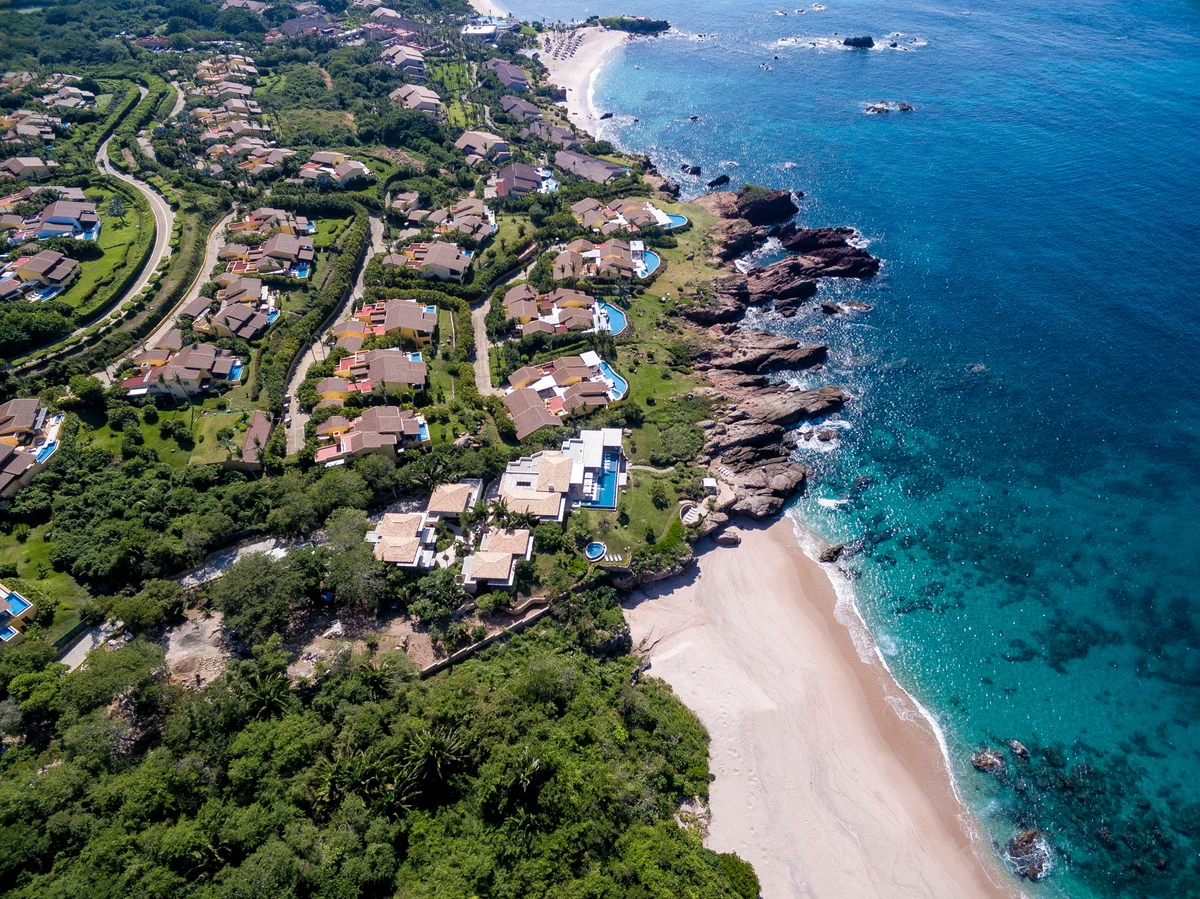
Quick answer: Luxury Mexico property ($500K+) targets capital appreciation over cash flow, expect 3-6% gross STR yields vs 6-8% mid-market. Prime corridors: Los Cabos oceanfront, Punta Mita, premium Playa del Carmen penthouses. Most buyers use cash or cross-border lending; fideicomiso required in coastal zones.
Luxury real estate investment in Mexico, the $500K+ segment, presents a fundamentally different proposition from entry and mid-market tiers. While entry-level properties focus on cash flow maximization and mid-tier balances yield with quality, luxury Mexico real estate emphasizes capital appreciation, lifestyle value, and access to exclusive markets that smaller investors cannot penetrate.
This comprehensive guide examines Mexico’s premium property corridors, Los Cabos, Punta de Mita, and Riviera Maya, plus yield expectations, financing strategies, and the unique risks that define luxury investment. Compare Los Cabos vs Riviera Maya and review the Mexico property investment guide before committing capital.
The luxury Mexico market in 2026
Mexico’s luxury real estate market has matured significantly over the past decade, transforming from a niche expat retirement destination to a sophisticated international investment arena. The $500K+ segment now attracts institutional capital, family offices, and high-net-worth individuals seeking diversification beyond traditional North American markets.
Market Size and Characteristics
| Segment | Typical price | Gross STR yield | Buyer profile |
|---|---|---|---|
| Los Cabos oceanfront | $800K-4M+ | 3-5% | US/Canada HNW |
| Punta Mita resort | $750K-3M+ | 3-5% | Lifestyle + appreciation |
| Premium Playa condos | $500K-1.2M | 4-6% | Yield + beach access |
| Nuevo Vallarta marina | $600K-2M | 4-6% | West-coast second home |
| Tulum branded tower | $550K-1.5M | 3-5% | Pre-con appreciation play |
The Mexican luxury property market encompasses approximately $8.2 billion in annual transaction volume as of 2025, with foreign buyers representing 68% of purchases above $750K. Unlike entry-level markets driven by short-term rental yields, luxury buyers prioritize:
- Capital appreciation over cash flow, many luxury properties yield 3-6% gross vs 6-8% in mid-market
- Exclusivity and scarcity, beachfront, golf frontage, and architectural significance
- Lifestyle integration, primary or secondary residence combined with investment rationale
- Portfolio diversification, currency hedging and geopolitical risk distribution
Regional Concentration
Mexican luxury real estate concentrates in four primary corridors:
- Los Cabos ($800K-$4M+): Oceanfront condos, golf villas, Corridor estates
- Punta Mita/Bahía de Banderas ($750K-$3M+): Bay-access villas, Jack Nicklaus golf
- Puerto Vallarta South Shore ($600K-$2M+): Hillside compounds, marina access
- Riviera Maya Premium ($500K-$1.2M+): Penthouses, beachfront, Mayakoba-style developments
Each region offers distinct investment profiles, regulatory environments, and buyer demographics.
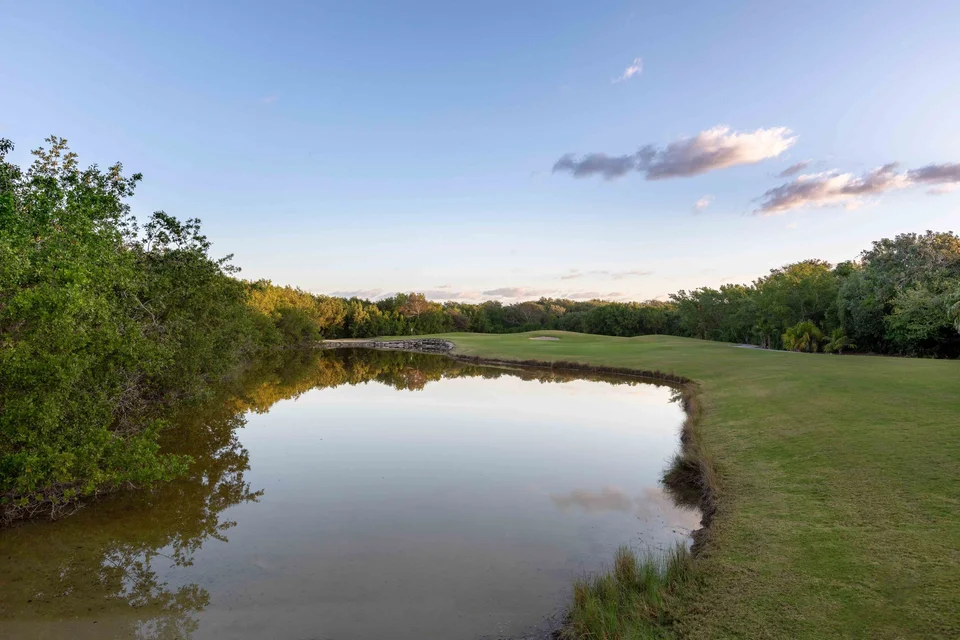
Los Cabos: the luxury flagship
Los Cabos represents Mexico’s most liquid and internationally recognized luxury market, anchored by world-class resorts, championship golf, and strong airlift from major North American cities. Entry for investor-grade luxury starts near $600,000 and runs past $5M on branded product, on net yields of 3-4%, the lowest of the four markets here and the deepest resale pool. Liquidity is what the premium buys.
Price Points and Property Types
- Oceanfront condos: $800K-$2.5M (2-3BR, resort amenities)
- Golf villas: $1M-$3M (Cabo del Sol, Diamante, Querencia)
- Corridor estates: $2M-$10M+ (custom builds, compound-style)
- Marina condos: $600K-$1.8M (Cabo San Lucas marina district)
Investment Performance 2020-2025
Los Cabos luxury properties generated the strongest appreciation in Mexico’s premium segment:
- Oceanfront condos: 11.4% average annual appreciation
- Golf-adjacent villas: 9.7% average annual appreciation
- Marina district: 8.2% average annual appreciation
This performance benefited from limited supply (geographic constraints), strong US West Coast buyer demand, and infrastructure improvements including Terminal 2 airport expansion.
Rental Market Dynamics
Luxury Los Cabos properties typically generate:
- Gross STR yields: 4-7% for managed oceanfront condos
- Net yields: 2.5-4.5% after management, HOA, taxes
- Occupancy rates: 45-65% for high-end properties (seasonal concentration)
Premium properties often prioritize appreciation over yield, with many owners accepting lower occupancy in exchange for exclusive positioning and capital gains potential.
Developer Landscape
Established luxury developers include:
- Desarrollo Diar (Chileno Bay Resort & Residences)
- Grupo Inmobiliario (various Corridor projects)
- RLH Properties (Querencia private community)
- Montage International (residences program)
New supply remains constrained by environmental regulations and land availability, supporting pricing power for existing inventory.
Punta Mita and Bahía de Banderas
The Punta Mita peninsula, anchored by Four Seasons and St. Regis resorts, represents Mexico’s second-Luxury Mexico destination with lower price points than Los Cabos but similar lifestyle amenities. Entry is effectively $1M-plus, which is above Los Cabos on a per-property basis even though the market is smaller, and the buyer pool is correspondingly narrower. Four Seasons and St Regis anchor it, and their rental programmes set the operating terms for most inventory.
Market Positioning
Punta Mita attracts buyers seeking:
- Jack Nicklaus golf courses (Bahía and Pacífico)
- Protected bay location (calmer waters than open Pacific)
- Resort integration (Ritz-Carlton, Four Seasons access)
- Proximity to Puerto Vallarta (45-minute drive, international airport)
Price Structure
- Bay-view villas: $750K-$2M (hillside, shared amenities)
- Golf frontage: $1M-$2.5M (fairway access, club membership)
- Beachfront compounds: $2M-$5M (direct beach access, rare)
- Resort residences: $900K-$3M (Four Seasons, St. Regis programs)
Rental Economics
Punta Mita luxury properties show:
- Gross STR yields: 3-6% (emphasis on high-end clientele)
- Net yields: 1.8-3.2% (after premium management fees)
- Average nightly rates: $350-$800 (seasonal variation)
Many Punta Mita owners prioritize personal use over rental optimization, viewing properties as lifestyle assets with rental income as secondary benefit.
Development Pipeline
Major upcoming projects include:
- Conrad Punta Mita (2027 opening, residences program)
- Susurros del Corazón (Auberge resort, private residences)
- Peninsula expansion (additional villa developments)
Limited developable land maintains scarcity value, though new supply will test absorption rates.
Riviera Maya premium segment
The Riviera Maya’s luxury tier occupies a unique position, higher-end than typical mass-market Playa del Carmen but more accessible than Los Cabos pricing. That middle position is its problem as well as its appeal: it competes with mass-market Playa on yield and with Los Cabos on prestige, and wins neither comparison outright. Playacar and select beachfront are where it holds value best.
Product Categories
- Beachfront penthouses: $500K-$900K (Playa del Carmen premium)
- Mayakoba-style developments: $600K-$1.2M (golf-integrated communities)
- Tulum luxury: $400K-$800K (boutique resorts, design-forward)
- Island access: $800K+$ (Cozumel, private island development)
Investment Rationale
Riviera Maya luxury properties offer:
- Entry-level luxury pricing compared to Los Cabos
- Strong rental markets (Cancún airport proximity)
- Tourism infrastructure (established, deep market)
- Tren Maya connectivity (overland access improvement)
Performance Metrics 2020-2025
- Premium Playa del Carmen: 6.8% average annual appreciation
- Mayakoba corridor: 8.1% average annual appreciation
- Luxury Tulum: 5.4% average annual appreciation (volatility from oversupply)
Rental Yields
- Gross STR yields: 5-8% (higher than Los Cabos luxury)
- Net yields: 3.2-5.1% (management efficiency varies)
- Occupancy: 55-75% (broader tourism base)
The Riviera Maya luxury segment balances yield and appreciation better than pure luxury markets but lacks the exclusivity premium of Los Cabos or Punta Mita.
Puerto Vallarta south shore
Puerto Vallarta’s luxury market concentrates in the South Shore (Zona Romántica extending south), offering hillside properties with bay views and marina access. Hillside luxury here carries the market’s specific operational flaw, guest access. A view property with eighty stairs and no lift underperforms a lesser property that a guest can reach with luggage, and that discount does not appear in the asking price.
Geographic Advantages
- Mature infrastructure (established utilities, services)
- Cultural depth (authentic Mexican city, not resort-dependent)
- Climate consistency (year-round mild temperatures)
- Healthcare access (high-quality medical facilities)
Luxury Segments
- Marina district: $600K-$1.5M (condo towers, boat access)
- South Shore hillsides: $700K-$2M (custom villas, bay views)
- Amapas/Conchas Chinas: $800K-$2.5M (established luxury neighborhoods)
- New development: $500K-$1.2M (modern amenity communities)
Market Dynamics
Puerto Vallarta luxury shows:
- Steady appreciation: 7.2% average 2020-2025
- Moderate yields: 4-6% gross STR for premium properties
- Strong resale market (established expat community)
- Lower volatility than resort-dependent markets
The market appeals to buyers seeking authentic Mexico with luxury amenities, rather than resort-style exclusivity.
Financial structures and yield analysis
Luxury Mexico real estate investment requires sophisticated financial planning, given limited financing options and complex tax implications. At this level the market is effectively all cash: no Mexican bank lends usefully above $500,000 to a non-resident, so the realistic routes are cash, a US cash-out refinance, or a private banking facility against an existing portfolio.
Financing effectively does not exist at this level and that shapes the buyer pool. Mexican banks lend to non-residents only through a handful of private-banking relationships, developer plans run 10% to 30% down over 3 to 7 years with the cost embedded in the price, and cross-border lending tops out around 40% to 60% loan-to-value against US or Canadian assets. The practical consequence is that a $900,000 Los Cabos villa competes for cash buyers only, which is why resale timelines here run 9 to 18 months rather than 60 to 90 days.
Financing Options
Traditional Mortgages
Mexican banks rarely offer mortgages to non-resident foreigners, particularly for luxury properties. Limited options include:
- Santander Mexico (select high-net-worth clients)
- HSBC Mexico (existing relationship requirements)
- Developer financing (typically 10-30% down, 3-7 years)
Alternative Financing
Most luxury buyers use:
- Cross-border lending (40-60% LTV against US/Canadian assets)
- Asset-based loans (portfolio lending, private banks)
- HELOC strategies (borrow against domestic properties)
- Seller financing (occasionally available $1M+ transactions)
All-Cash Advantages
Cash purchases offer:
- Negotiation leverage (5-10% purchase price discount)
- Speed to close (30-45 days vs 60-90 days financed)
- Simplified structure (no lender requirements on fideicomiso)
- Rental income optimization (no debt service)
Yield Expectations by Tier
Luxury properties generate lower gross yields than mid-market but offer different value propositions:
$500K-750K Range
- Gross STR yields: 4-7%
- Net yields: 2.5-4.2%
- Appreciation target: 6-9% annually
- Liquidity: Moderate (larger buyer pool than $1M+)
$750K-$1.5M Range
- Gross STR yields: 3-6%
- Net yields: 1.8-3.8%
- Appreciation target: 7-11% annually
- Liquidity: Selective (qualified buyer requirements)
$1.5M+ Ultra-Luxury
- Gross STR yields: 2-5%
- Net yields: 0.8-2.8%
- Appreciation target: 8-14% annually
- Liquidity: Limited (specialized marketing required)
Total Return Analysis
Luxury Mexico properties should be underwritten for total return (yield + appreciation) rather than cash flow alone:
Conservative Model
- Net yield: 2.5%
- Appreciation: 6%
- Total annual return: 8.5%
Optimistic Model
- Net yield: 4%
- Appreciation: 10%
- Total annual return: 14%
Risk-Adjusted Expectations
- Net yield: 3%
- Appreciation: 7.5%
- Total annual return: 10.5%
Tax strategies and legal structures
Luxury Mexico real estate investments require careful tax and legal planning, particularly for high-net-worth individuals with complex financial situations. The structure has to be decided before purchase rather than after: a fideicomiso can trigger FBAR and, on some readings, foreign-trust reporting for a US owner, and estate planning for a multi-million-dollar foreign-situs asset is not something a general preparer handles.
Structure choice at this level is genuinely different from the single-condo case, and the threshold is roughly three assets. A Mexican corporation costs about $27,500 over five years against $8,200 for a fideicomiso on a single property, so it only earns its keep when one compliance umbrella covers several income streams or when the asset is commercial. For a $900,000 villa held for personal use with occasional letting, the trust remains correct, and the money is better spent on the cross-border estate plan than on the entity.
Ownership Structures
Fideicomiso (Bank Trust)
Standard for single luxury residences in restricted zones:
- Setup cost: $3K-$5K (luxury properties)
- Annual fees: $800-$1,200
- Term: 50 years, renewable
- Benefits: Straightforward, established precedent
- Limitations: Per-property structure, limited tax planning
Mexican Corporation (Sociedad Anónima)
Better for multiple properties or active rental operations:
- Setup cost: $8K-$15K (legal, accounting)
- Annual maintenance: $3K-$6K (filings, accounting)
- Tax advantages: Business expense deductions, depreciation
- Estate planning: Share transfers vs property transfers
- Operational efficiency: Centralized management, multiple properties
US Trust Integration
High-net-worth US buyers often layer Mexican structures with domestic trusts:
- Grantor trusts (tax transparency, estate planning)
- Irrevocable trusts (estate tax minimization)
- Charitable remainder trusts (philanthropic + investment goals)
Tax Implications
Purchase Taxes
- ISAI (acquisition tax): 2-3% of purchase price
- Registration fees: 0.5-1%
- Notario fees: 1-1.5%
- Legal fees: 1-2% for luxury transactions
Holding Taxes
- Property taxes: 0.1-0.3% annually (municipal)
- Asset tax: Generally minimal for foreign-owned structures
- Trust fees: $800-$1,200 annually
Rental Income Taxes
- Withholding: 25% on gross rental income (non-residents)
- Net election: File Mexican return, deduct expenses, pay on net
- Treaty benefits: US/Canada tax treaties may reduce withholding
Sale Taxes
- Capital gains: 25% withholding on sale proceeds (non-residents)
- Treaty recovery: File to recover excess withholding
- Holding period: No preferential long-term rates
Estate Planning Considerations
Luxury Mexico properties require sophisticated estate planning:
Cross-Border Issues
- US estate tax: Properties over $60K threshold (2026)
- Mexican succession: Forced heirship rules
- Treaty coordination: US-Mexico estate tax treaty benefits
Planning Strategies
- Lifetime gifting (use US exemptions while living)
- Trust structures (domestic and foreign coordination)
- Corporate ownership (shares vs real estate in estate)
- Insurance solutions (liquidity for tax payments)
Management and operations
Luxury properties require premium management services, both for rental operations and long-term maintenance. Luxury management runs at the top of the fee band or above, and the reason is service depth rather than marketing: concierge, pre-arrival provisioning and discretion for guests who will not tolerate an unanswered message. A standard condo operator cannot deliver it.
Property Management Selection
Full-Service Management Companies
Luxury-focused operators include:
- Luxury Retreats (Airbnb’s luxury division)
- RedAwning (high-end vacation rental management)
- Local boutique managers (destination-specific expertise)
Service Standards
- Guest services: Concierge, pre-arrival stocking, local experiences
- Maintenance: Preventive programs, luxury-grade vendors
- Marketing: Professional photography, premium platform placement
- Financial reporting: Owner portals, detailed P&L statements
Management Fees
- Luxury properties: 25-35% of gross rental revenue
- Ultra-luxury: 30-40% (higher service requirements)
- Additional fees: Marketing, maintenance reserves, deep cleaning
Operational Considerations
Seasonal Management
Luxury properties often operate seasonally:
- High season: Premium rates, minimum stays
- Shoulder seasons: Moderate rates, flexible terms
- Low season: Owner use, deep maintenance, rate optimization
Guest Demographics
Luxury rental guests typically include:
- High-net-worth families (multi-generational travel)
- Corporate retreats (executive team buildings)
- Celebration travel (anniversaries, milestone birthdays)
- Experiential luxury (culinary, wellness, adventure programs)
Technology and Amenities
Luxury properties require premium amenities:
- Smart home systems (lighting, climate, security)
- High-end appliances (Sub-Zero, Wolf, Miele standards)
- Entertainment systems (whole-house audio, theater rooms)
- Wellness facilities (pools, spas, fitness equipment)
Risk assessment and mitigation
Luxury real estate investment in Mexico involves unique risks that require active management and mitigation strategies. The risks here are concentrated rather than diversifiable: one narrow buyer pool, one luxury cycle that turns before the wider market, and a fee stack that compounds. None can be hedged, so the mitigation is a long hold and little or no leverage.
Market-Specific Risks
Liquidity Risk
Luxury properties have smaller buyer pools:
- Longer marketing periods (6-18 months vs 3-6 months mid-market)
- Price sensitivity (economic cycles impact luxury demand first)
- Specialized marketing (international networks, luxury platforms)
Currency Risk
Peso fluctuations affect luxury buyers differently:
- Purchase timing (peso weakness creates buying opportunities)
- Rental pricing (USD-denominated vs peso-indexed)
- Exit planning (currency hedging for large transactions)
Regulatory Risk
Luxury developments face heightened scrutiny:
- Environmental permitting (coastal and ecologically sensitive areas)
- Foreign investment regulations (potential policy changes)
- Tourism regulations (STR restrictions, tax changes)
Due Diligence Enhancement
Luxury purchases require enhanced due diligence:
Legal Due Diligence
- Title history review (20+ year chain of title)
- Ejido proximity analysis (communal land conflicts)
- Easement and right-of-way verification
- HOA financial health (reserve studies, debt analysis)
Physical Due Diligence
- Professional inspections (structural, systems, environmental)
- Appraisal confirmation (multiple comparables, methodology review)
- Insurance adequacy (replacement cost, natural disaster coverage)
Financial Due Diligence
- Rental history analysis (if investment-focused)
- Operating expense verification (HOA, taxes, maintenance)
- Market comparables (recent sales, current inventory)
Insurance and Protection
Property Insurance
Luxury properties require comprehensive coverage:
- Replacement cost coverage (not actual cash value)
- Natural disaster riders (hurricanes, earthquakes)
- Liability protection (rental operations, personal use)
- Contents coverage (high-end furnishings, art)
Title Protection
- Enhanced title insurance (luxury-specific policies)
- Legal expense insurance (disputes, regulatory changes)
- Fideicomiso bond (trustee performance protection)
Market outlook and strategic positioning
The luxury Mexico real estate market continues evolving, driven by demographic shifts, infrastructure development, and changing investment preferences. Supply is rising across Los Cabos and Punta Mita master plans into a buyer pool that is not growing at the same rate, Los Cabos Q1 2026 volume fell 29.7% year on year. That favours buyers on price and lengthens every marketing period on exit.
Demographic Drivers
Generational Wealth Transfer
Baby boomer wealth transfer to millennial and Gen X buyers is reshaping luxury demand:
- Younger buyers seek experiential luxury over traditional status
- Technology integration expected as standard, not upgrade
- Sustainability focus (eco-friendly developments, renewable energy)
- Flexibility emphasis (work-from-anywhere, multi-use properties)
Remote Work Impact
Permanent remote work capabilities expand luxury buyer pools:
- Extended stays (3-6 month residencies vs 1-2 week vacations)
- Home office requirements (dedicated workspace, high-speed internet)
- Family compound interest (multi-generational properties)
Infrastructure Development
Transportation Improvements
- Tren Maya completion (2026-2027) improves Riviera Maya accessibility
- Los Cabos airport expansion maintains competitive advantage
- New marina developments (Puerto Vallarta, Riviera Maya)
- Highway upgrades (safer, faster ground transportation)
Telecommunications
- Fiber expansion throughout luxury corridors
- 5G networks in major destinations
- Starlink availability for remote locations
Investment Strategy Evolution
2026-2030 Outlook
Luxury Mexico real estate likely sees:
- Continued foreign demand (US/Canada demographic trends)
- Supply constraints (environmental regulations, land scarcity)
- Quality flight (premium properties outperform commodity luxury)
- Technology integration (smart homes become baseline expectation)
Strategic Positioning
Successful luxury investors should:
- Focus on scarcity (beachfront, golf frontage, architectural significance)
- Prioritize location (established luxury corridors over emerging)
- Plan for automation (smart home systems, remote management)
- Consider flexibility (properties adaptable to changing use patterns)
Conclusion
Luxury Mexico real estate investment at the $500K+ level represents a distinct asset class within the broader Mexican property market. While entry and mid-tier properties focus primarily on rental yields, luxury properties emphasize capital appreciation, lifestyle value, and portfolio diversification benefits.
The four primary luxury corridors, Los Cabos, Punta Mita, premium Riviera Maya, and Puerto Vallarta South Shore, each offer different risk-return profiles, buyer demographics, and operational considerations. Los Cabos provides the highest appreciation potential but with premium pricing and lower yields. Riviera Maya offers accessible luxury pricing with strong rental markets. Punta Mita and Puerto Vallarta provide established luxury amenities with moderate appreciation and stable rental demand.
Financial success in luxury Mexico real estate requires:
- Total return focus (yield + appreciation) rather than cash flow maximization
- Sophisticated financing (alternative structures, tax optimization)
- Premium management (luxury-focused operators, enhanced services)
- Enhanced due diligence (legal, physical, financial verification)
- Long-term perspective (3-7 year minimum holding periods)
The luxury segment’s 2026 outlook remains positive, driven by demographic trends (remote work, generational wealth transfer), infrastructure improvements (Tren Maya, airport expansions), and continued foreign buyer demand despite global economic uncertainty. However, success requires careful market selection, thorough due diligence, and realistic yield expectations balanced against appreciation potential.
Investors considering luxury Mexico real estate should approach the market with clear investment objectives, adequate capital reserves, and professional advisory support for legal, tax, and operational matters. When executed properly, luxury Mexico properties can provide compelling total returns, lifestyle benefits, and geographic diversification within a North American-focused investment portfolio.
Frequently Asked Questions
Prime luxury corridors: Los Cabos oceanfront ($800K-4M+), Punta Mita bay-access ($750K-3M+), premium Playa del Carmen penthouses ($500K-1.2M), and select Puerto Vallarta hillsides ($600K-2M+). Each offers distinct appreciation and rental profiles.
Luxury properties typically yield 3-6% gross on STR vs mid-market 6-8%. Trade-off: lower yields but stronger appreciation potential, exclusive management partners, and top-tier clientele. Many luxury buyers prioritize capital gains over cash flow.
Condos offer turnkey management and shared amenities; villas provide exclusivity but require dedicated property management. Condos: easier liquidity, predictable costs. Villas: higher appreciation upside, full control, but management complexity.
US/Canadian mortgages on Mexican property are rare. Most buyers use: cross-border lending (40-60% LTV), asset-based lending, or all-cash with HELOC against domestic properties. Seller financing occasionally available on $1M+ transactions.
Non-residents pay 25% withholding on sale proceeds (may recover via tax treaty). Consider: Mexican corporation for multiple properties, cross-border estate planning for $1M+ assets, and potential rental income tax optimization.
Los Cabos luxury showed 8-14% annual appreciation 2020-2025; Punta Mita 6-12%; high-end Playa del Carmen 4-8%. Waterfront and golf-adjacent properties typically outperform. 2026 sees more selective buyer behavior but continued foreign demand.
Budget 6-8% on luxury transactions: acquisition tax 2-3%, fideicomiso setup $3K-5K, legal $8K-15K, due diligence enhanced. Larger transactions benefit from percentage efficiencies vs smaller deals.
Trusts (fideicomisos) for single luxury residences. Mexican corporations for multiple properties, active rental businesses, or complex estate planning. US buyers often layer with domestic trusts for tax efficiency. Always consult cross-border advisors.
Get a vetted Mexico shortlist
US and Canadian buyers use this to skip the developer sales deck: tell us the budget and the market, and we come back with 3 to 5 options and the net yield maths behind each one.
Want options matched to your budget and risk profile?
Three questions, one screen. We reply within one business day.
Get a vetted Mexico shortlist