
Currency Risk in Mexico Property Investment: USD/MXN Guide
Mexico property currency risk, USD strength impact, peso hedging strategies, rental income FX, mortgage currency mismatch, exchange rate timing.
By Mexico Invest Editorial · Updated July 9, 2026 · 18 min read

Quick answer: USD investors face peso depreciation risk reducing dollar-equivalent returns and rental income, plus currency mismatch risk if using peso mortgages. However, peso expenses provide natural hedging and strong local peso property appreciation can exceed currency losses. Manage risk through peso cost matching, cash flow planning at USD/MXN ±20% scenarios, and focus on fundamentals over currency timing. Peso weakness offers better entry prices but may signal economic stress affecting rental performance, dollar-cost averaging through staged purchases reduces FX timing risk better than trying to catch peso bottoms.
You cannot separate Mexico property investment returns from currency risk unless you live and earn in pesos. The USD/MXN exchange rate sits between your property performance and your realized returns like a tax you never planned for. This guide covers the complete currency framework: how peso movements affect property appreciation and rental yields in USD terms, natural hedging strategies through peso-denominated costs, timing considerations for large conversions, and why currency risk management matters less than property selection for long-term investors. See also how to calculate rental yield in Mexico and gross vs net yield.
USD/MXN fundamentals for property investors
Mexico property investments create currency exposure where peso-denominated assets and income flows convert to USD at fluctuating exchange rates, adding a layer of return volatility beyond property market fundamentals. Understanding peso behavior patterns helps property investors plan cash flows and evaluate investment sensitivity to currency movements.
Exchange rate impact mechanics
Property investment currency exposure works through three channels:
- Purchase conversion, USD converted to pesos at prevailing exchange rate affects effective property acquisition cost
- Ongoing cash flows, rental income, property taxes, and expenses convert at monthly rates throughout ownership
- Exit conversion, sale proceeds convert back to USD at disposal date exchange rate
Example impact calculation:
| Scenario | Peso Property Price | Exchange Rate | USD Purchase Cost |
|---|---|---|---|
| Strong peso period | MXN 5,000,000 | 17.0 | $294,118 |
| Weak peso period | MXN 5,000,000 | 20.0 | $250,000 |
Same property in peso terms creates 15% USD purchase cost difference based on exchange rate timing alone.
For foundational Mexico property investment framework: Mexico Property Investment Guide.
Historical peso volatility and property returns
USD/MXN has ranged from 15-25 over property investment timeframes, creating material impact on dollar-equivalent returns even when peso property markets perform well. Understanding historical patterns helps contextualize potential future scenarios: A move from 17 to 20 pesos to the dollar changes a US buyer’s purchasing power by nearly a fifth without any change in the property, which is why timing the conversion matters more on a Mexican purchase than most buyers expect.
Recent exchange rate ranges (2019-2026)
| Period | USD/MXN Range | Driver | Property Impact |
|---|---|---|---|
| Pre-COVID (2019) | 18.5-19.5 | Stable AMLO early presidency | Modest FX headwind for USD buyers |
| COVID volatility (2020-2021) | 19.5-25.0 | Global risk-off, commodity cycles | High FX impact, mixed property fundamentals |
| Recovery (2022-2023) | 17.0-20.5 | Banxico hiking, nearshoring | FX tailwind for USD investors |
| Current (2024-2026) | 17.5-19.5 | Political transition, US Fed cycle | Moderate volatility affecting cash flows |
Property return impact examples
Playa del Carmen condo (2020-2025):
- Peso appreciation: 35% (MXN 3.5M → MXN 4.7M)
- USD purchase: $175,000 (at 20.0 rate in 2020)
- USD sale value: $251,000 (at 18.7 rate in 2025)
- Total USD return: 43% (peso appreciation + FX tailwind)
Counter-example with FX headwind:
- Same peso appreciation: 35%
- USD purchase: $200,000 (at 17.5 rate in 2020)
- USD sale value: $235,000 (at 20.0 rate in 2025)
- Total USD return: 17% (peso gains offset by FX drag)
Currency movements can amplify or severely dampen peso property returns when measured in USD terms.
Natural hedging through peso-denominated expenses
Mexico property ownership includes significant peso-denominated costs that provide natural currency hedging by matching peso income with peso expenses, reducing net FX exposure. Smart currency risk management starts with maximizing natural hedges before considering financial instruments:
Riviera Maya and Los Cabos contracts are written in dollars, which limits currency exposure to the operating side rather than the asset. Predial, utilities, local labour and part of the HOA are peso-denominated, so perhaps 20% to 30% of the cost base moves with USD/MXN while purchase price, rental receipts and resale value do not. A 10% peso strengthening therefore raises operating costs by 10% on that portion, on a $9,000 annual cost base, roughly $200 to $270, rather than repricing the whole position, which is what happens to a purchase priced in local currency.
Peso expense categories and hedging value
| Expense Type | Annual Cost Range | Hedging Quality | Notes |
|---|---|---|---|
| Property tax (predial) | $500-2,000 | Excellent | Fixed peso amounts, predictable timing |
| HOA fees | $1,200-9,600 | Excellent | Monthly peso billing, stable amounts |
| Insurance | $400-1,500 | Good | Annual peso premiums, some FX indexing |
| Local maintenance | $800-3,000 | Excellent | Peso labor and materials costs |
| Property management | 8-12% rental income | Excellent | Percentage of peso rental revenue |
| Utilities (if owner-paid) | $600-2,400 | Good | Peso billing, consumption variable |
Hedging calculation example
Riviera Maya 2BR condo:
- Annual peso rental income: MXN 180,000
- Natural peso expenses: MXN 65,000
- Net peso exposure: MXN 115,000 (36% hedging ratio)
Hedging impact: If peso weakens 10%, rental income conversion loss is MXN 18,000, but peso expense savings is MXN 6,500, reducing net currency impact by 36%.
Optimizing natural hedges
Peso service providers: Choose peso-denominated property management, maintenance contracts, and insurance to maximize natural hedging rather than USD-indexed services.
Peso banking: Maintain Mexico peso accounts for collecting rents and paying expenses, reducing conversion frequency and transaction costs.
Timing flexibility: Pay annual expenses (insurance, property tax) when peso is relatively strong, collect and convert rental income when peso is relatively weak.
Rental income fundamentals that drive peso cash flows: Mexico Rental Yield Guide.
What risks should buyers plan for before they commit?
Foreign buyers using Mexico mortgages face currency mismatch where USD income services peso-denominated debt, creating exchange rate risk that can significantly impact cash flow and investment returns. Mexico mortgage financing almost exclusively occurs in pesos, creating specific currency risks:
Currency mismatch mechanics
| Component | Currency | Risk Impact |
|---|---|---|
| Property cash flow | Peso income | Peso strengthening reduces USD equivalent |
| Debt service | Peso payments | Peso strengthening increases USD cost of payments |
| Income source | Typically USD | Creates natural hedge mismatch |
Amplified risk scenario: Peso strengthens 15% during ownership. Rental income converts to 15% fewer dollars, while mortgage payments require 15% more dollars to service, double currency headwind.
Worked currency mismatch example
Puerto Vallarta investment condo:
- Purchase price: MXN 8,000,000 ($400,000 at 20.0)
- Mortgage: MXN 4,800,000 (60% LTV) at 11% peso interest
- Monthly debt service: MXN 51,500 ($2,575 at 20.0)
- Monthly rental income: MXN 42,000 ($2,100 at 20.0)
- Cash flow deficit: $475/month
If peso strengthens to 17.0:
- Monthly debt service: $3,029 (+$454 USD cost)
- Monthly rental income: $2,471 (+$371 USD income)
- Net currency impact: -$83/month additional deficit
If peso weakens to 22.0:
- Monthly debt service: $2,341 (-$234 USD cost)
- Monthly rental income: $1,909 (-$191 USD income)
- Net currency impact: -$43/month (debt relief partially offset)
Mortgage currency risk management
Lower LTV strategy: Reduce mortgage amount to minimize peso debt exposure, using more USD equity to limit currency mismatch scale.
Cash flow reserves: Maintain USD reserves for debt service to weather peso strengthening periods without forced property sales.
Refinancing timing: Monitor peso mortgage rates and USD/MXN for potential refinancing opportunities when peso weakens significantly.
Income diversification: Generate peso income sources beyond property to naturally hedge peso debt obligations.
Mexico mortgage framework and alternatives: Non-Resident Mortgage Mexico.
Rental income currency management
Mexico rental income generates peso cash flows that require ongoing currency conversion decisions affecting net investment returns, systematic conversion strategies reduce FX timing risk and transaction costs. Managing rental income currency conversion requires balancing cash flow needs, exchange rate risk, and transaction costs:
Conversion timing strategies
Monthly conversion (high frequency):
- Advantages: Reduces peso accumulation risk, provides USD cash flow consistency
- Disadvantages: High transaction costs, susceptible to short-term FX volatility
- Best for: Investors needing regular USD cash flow for debt service or living expenses
Quarterly conversion (moderate frequency):
- Advantages: Balances currency risk with transaction costs, allows tactical timing flexibility
- Disadvantages: Moderate peso accumulation risk, requires FX monitoring
- Best for: Most Mexico property investors seeking balanced approach
Annual conversion (low frequency):
- Advantages: Minimal transaction costs, allows strategic FX timing
- Disadvantages: High peso accumulation risk, major FX impact on annual returns
- Best for: Investors with peso expenses and long-term peso exposure tolerance
Transaction cost optimization
| Conversion Method | FX Spread | Fixed Fees | Best Use Case |
|---|---|---|---|
| Mexico bank wire | 2-4% | $25-50 | Large conversions, established banking relationship |
| US bank FX service | 3-6% | $15-35 | Convenience, integrated US banking |
| Specialist FX service | 0.5-2% | None-$25 | Regular conversions, competitive rates |
| Fintech apps | 1-3% | None-$10 | Small amounts, convenience |
Annual cost impact: Converting MXN 180,000 rental income monthly at 4% spread costs $360/year vs quarterly conversion at 2% spread costing $180, material impact on net yields.
Peso account strategies
Operational peso accounts: Maintain Mexico peso accounts for rent collection and local expense payment, reducing conversion frequency and transaction costs.
Strategic peso reserves: Accumulate peso balances during peso weakness periods for payment of major peso expenses (annual insurance, improvements) during peso strength periods.
Banking relationship benefits: Established Mexico banking relationships often provide better FX rates and lower fees than ad-hoc conversion services.
Purchase timing and FX considerations
Large property purchases require currency conversion timing decisions that can materially impact acquisition costs, but FX timing strategies should not override property fundamentals or market timing considerations. Balancing currency conversion timing with property market dynamics:
Exchange rate entry considerations
Peso weakness signals (potentially favorable USD entry):
- Mexican political uncertainty or policy changes
- Banxico interest rate cuts relative to US Fed policy
- Commodity price weakness (oil, copper affecting Mexican exports)
- Global risk-off periods reducing emerging market appetite
Peso strength signals (potentially expensive USD entry):
- Nearshoring investment flows and manufacturing relocations
- Banxico rate hikes with inflation control credibility
- Strong Mexican fiscal position and current account improvement
- US dollar weakness in global context
Conversion timing strategies
Immediate conversion: Best when property purchase timing is market-driven or peso appears overvalued relative to fundamentals.
Staged conversion (dollar-cost averaging): Convert USD to pesos over 60-90 day period before closing to average exchange rate volatility.
| Conversion Schedule | Risk Profile | Implementation |
|---|---|---|
| Lump sum at signing | High FX timing risk | Single conversion at contract exchange rate |
| 50% signing, 50% closing | Moderate risk | Two conversion points reduce timing concentration |
| Weekly over 8 weeks | Low timing risk | Regular small conversions average volatility |
Forward contract protection: For large purchases, banks may offer peso forward contracts locking exchange rates 30-90 days ahead for planning certainty.
Property vs currency priority
Property fundamentals first: Never compromise property location, condition, or pricing to optimize currency conversion timing, peso markets change faster than property markets.
Opportunity cost consideration: Waiting months for peso weakness may cost more in property price appreciation or lost rental income than potential FX savings.
Cash deployment discipline: Have USD available for property opportunities regardless of current peso levels, currency timing should not prevent action on compelling property investments.
ISR capital gains tax currency implications
Mexico capital gains tax (ISR) calculation and payment occur in pesos while foreign investors measure returns in USD, creating currency conversion complexity at exit that affects net investment returns. Currency issues specific to ISR calculation and payment:
ISR calculation currency mechanics
Mexico ISR calculation requires converting historical USD purchase costs to pesos using historical exchange rates, then calculating peso gains, then converting tax liability back to USD for payment planning:
| Step | Currency | Rate Used | Impact |
|---|---|---|---|
| Historical basis | USD → peso | Rate at original purchase | Peso weakening since purchase reduces peso basis |
| Current sale price | Peso market price | Current property pricing | Local peso market determines value |
| Taxable gain calculation | Peso computation | Mexican tax rules | Peso weakening inflates peso gains |
| Tax liability | Peso amount | ISR withholding rates | Actual peso tax amount owed |
| USD planning | Peso → USD | Current rate for conversion | FX rate affects USD impact of tax |
Currency impact on ISR burden
Peso weakening scenario (common pattern):
- Purchase: $300,000 at 18.0 = MXN 5,400,000 historical basis
- Sale: $425,000 at 22.0 = MXN 9,350,000 current transaction
- Peso gain: MXN 3,950,000 (vs $125,000 USD gain)
- ISR on inflated peso gain may exceed USD appreciation
Currency coordination with ISR planning: Work with cross-border tax advisors who understand both peso ISR calculation methodology and USD tax reporting requirements for foreign tax credit optimization.
ISR framework and planning strategies: Mexico Capital Gains Tax for Foreign Sellers.
Economic correlation: peso weakness and property
Peso devaluation periods often coincide with Mexican economic stress that can negatively impact property fundamentals, rental demand, and financing availability beyond the currency conversion effects. Understanding peso weakness signals helps evaluate property investment timing: The trap is treating a weak peso as a straightforward discount: the same conditions that weaken the currency often soften local rental demand and tighten credit, so a cheaper entry can arrive alongside a worse operating year.
Peso weakness correlation patterns
Negative correlations (peso weakness + property headwinds):
- Political uncertainty reduces foreign investment flows and local financing
- Interest rate hikes to defend peso increase mortgage costs and reduce buyer demand
- Economic recession reduces rental demand and occupancy rates
- Tourism decline affects STR properties in resort markets
Positive correlations (peso weakness + property support):
- Export competitiveness improvements support Mexican employment
- Foreign buyer purchasing power increases with peso weakness
- Nearshoring investment attracted by cost advantages
- Tourism price competitiveness increases visitor flows
Market timing implications
Peso weakness buying opportunities: May offer attractive USD entry pricing but require careful evaluation of underlying economic conditions affecting property fundamentals.
Peso strength periods: Higher USD purchase costs but typically coincide with stronger economic fundamentals, rental demand, and property appreciation prospects.
Contrarian approach: Best peso buying opportunities often occur during maximum pessimism about Mexican economic prospects, but require strong conviction in long-term Mexican growth.
Regional variation in currency sensitivity
| Market | Currency Sensitivity | Drivers |
|---|---|---|
| Riviera Maya | High | US tourism demand, foreign buyer dependent |
| Los Cabos | High | Premium US buyer market, tourism economy |
| Puerto Vallarta | Medium-high | Mixed domestic/foreign, established market |
| Mérida | Medium | Growing domestic demand, US retiree influx |
| CDMX | Lower | Domestic economy, peso-denominated demand |
US tourist-dependent markets face double currency impact: peso weakness reduces tourist purchasing power while USD buyers benefit from cheaper entry.
Hedging instruments and availability
Formal currency hedging products for Mexico property investors are limited and expensive, making operational hedging strategies more practical than financial instruments for most individual investors. Available hedging approaches and their practical limitations: For a single-property owner there is no practical retail hedge, forwards and options exist at institutional size and price. What works instead is operational: dollar-denominated rent against peso costs, a peso reserve for local expenses, and converting in tranches rather than one transfer.
Financial hedging options
Peso forward contracts:
- Availability: Major Mexico banks for large transactions (typically $100,000+)
- Cost: 2-4% premium for 6-12 month protection
- Use case: Large property purchases with defined closing timeline
- Limitations: Minimum amounts, collateral requirements, limited availability
Currency ETFs and futures:
- Products: UUP (dollar strength), EWW (Mexico equity), FXE (peso exposure via emerging markets)
- Cost: Management fees plus bid/ask spreads
- Use case: Indirect peso exposure for portfolio hedging
- Limitations: Imperfect correlation with property returns, ongoing costs
Multi-currency deposits:
- Structure: Peso deposits in Mexico banks earning peso interest rates
- Natural hedge: Peso assets offset peso income currency exposure
- Practical use: Operational cash management, not strategic hedging
- Limitations: Mexican banking regulations, deposit insurance limits
Operational hedging effectiveness
Natural hedging sufficiency: For most Mexico property investors, peso expenses provide 25-40% natural hedging that reduces currency risk to manageable levels without formal instruments.
Cost-benefit analysis: Financial hedging costs typically exceed benefits for individual investors focused on long-term property appreciation rather than short-term cash flow stability.
Simplicity advantage: Operational approaches (peso accounts, expense matching, conversion timing) provide practical risk management without complex financial products.
Multi-property currency diversification
Investors with multiple Mexico properties can use geographic and market diversification to reduce overall currency risk exposure through different local market dynamics and peso sensitivity patterns. Portfolio approaches to Mexico currency risk: The honest limit is that Mexican coastal markets all price in dollars and draw the same North American demand, so diversifying within Mexico hedges the local economy rather than the currency itself.
Geographic diversification benefits
Market correlation differences:
- Riviera Maya + Los Cabos: Both highly USD-tourist dependent, similar peso sensitivity
- Playa del Carmen + Mérida: Different economic drivers, peso impact varies
- Resort + Interior markets: Currency exposure patterns differ significantly
Rental market diversification:
- STR tourist markets: High peso sensitivity, seasonal FX impact
- Long-term rental markets: More stable peso cash flows, domestic demand buffer
- Commercial properties: Peso lease terms provide natural hedging
Portfolio hedging strategies
Staged acquisition timing: Purchase properties in different peso cycle phases to average currency entry costs across portfolio.
Cash flow netting: Coordinate rental income conversion and property expense timing across multiple properties to optimize portfolio-level FX management.
Exit timing flexibility: Multiple properties provide optionality to sell during favorable peso periods while retaining properties during unfavorable currency environments.
Portfolio size thresholds
Single property: Currency risk management focuses on operational strategies and natural hedging maximization.
2-3 properties: Geographic and market diversification becomes meaningful for risk reduction.
5+ properties: Portfolio approaches to cash flow management and exit timing provide substantial FX risk mitigation.
Professional management: Larger portfolios justify professional Mexico property management with currency risk coordination expertise.
Cross-border tax optimization with currency
Currency movements affect both Mexico tax obligations and home-country tax reporting, creating opportunities for cross-border tax optimization through timing and planning strategies. Advanced currency and tax coordination: The mechanical point most owners miss: Mexican tax is calculated in pesos and US tax in dollars, so a currency move between purchase and sale can create a taxable gain in one country and a loss in the other on the same transaction. Document the exchange rate on every dated event.
US tax implications of currency movements
Foreign tax credit optimization: Mexico ISR paid benefits from peso weakness (lower USD value of peso tax paid) but hurt by peso strength (higher USD value of credit).
Rental income timing: US taxpayers can benefit from controlled timing of peso rental income conversion to optimize US tax bracket management.
Depreciation basis impact: US property depreciation calculated on USD basis at purchase; peso appreciation creates favorable depreciation deductions relative to current property values.
Planning opportunities
Tax year coordination: Time large conversions and property exits to optimize tax impact across calendar years in both countries.
Loss harvesting: Currency losses on conversions may provide US tax benefits to offset other investment gains.
Entity structure considerations: US entities holding Mexico property may have different currency risk and tax treatment than direct individual ownership.
Professional coordination requirements
Cross-border expertise: Currency optimization requires tax advisors experienced in both Mexico property tax rules and US international tax reporting requirements.
Documentation standards: Proper record-keeping of exchange rates, conversion dates, and tax payment currencies essential for both tax compliance and optimization planning.
Risk tolerance assessment for currency exposure
Currency risk tolerance varies significantly among Mexico property investors based on financial capacity, return objectives, and overall portfolio composition, systematic risk assessment prevents overleverage and forced sales during adverse currency periods. Framework for evaluating appropriate currency exposure:
Financial capacity assessment
Cash flow sensitivity analysis:
- Model rental income at USD/MXN +/-20% from current rates
- Evaluate debt service coverage at currency stress scenarios
- Assess reserve requirements for adverse currency periods lasting 12-24 months
Portfolio concentration limits:
- Mexico property as percentage of total investment portfolio
- Currency exposure relative to income and other investments
- Liquidity requirements and forced sale risk evaluation
Return objective alignment
| Investment Goal | Currency Risk Tolerance | Strategy Focus |
|---|---|---|
| Capital preservation | Low | Natural hedging, conservative LTV, exit flexibility |
| Current income | Medium | Peso expense matching, regular conversion discipline |
| Long-term appreciation | High | Focus on property fundamentals, ride currency cycles |
| Diversification | Medium-high | Geographic spread, multiple property markets |
Risk management thresholds
Conservative approach (30-40% Mexico allocation):
- Maximum 50% LTV on peso mortgages
- 6+ months reserves for debt service at adverse exchange rates
- Natural hedging optimization through peso expense maximization
Moderate approach (20-30% Mexico allocation):
- Up to 60-70% LTV acceptable with strong cash flow coverage
- Quarterly currency conversion discipline
- Some tactical FX timing flexibility
Aggressive approach (15-20% Mexico allocation):
- Higher leverage acceptable within cash flow constraints
- Annual conversion timing for FX optimization
- Currency risk accepted as part of total return strategy
Mexico property investment scenarios
Real-world investment scenarios demonstrate how currency movements can dramatically alter Mexico property investment outcomes, showing both upside amplification and downside protection through different market cycles. Detailed scenario analysis for currency impact understanding: The scenarios below hold the property constant and vary only the exchange rate, which is the cleanest way to see how much of a Mexican return is currency and how much is real estate.
Scenario 1: Peso strength period (2021-2023 pattern)
Market conditions:
- USD/MXN strengthens from 22.0 to 17.5 (peso appreciation)
- Riviera Maya property appreciation: 25% in peso terms
- US tourism recovering, nearshoring investment flows
Investment outcome for $300,000 USD purchase:
| Component | Impact | USD Result |
|---|---|---|
| Purchase cost | $300,000 at 22.0 rate | MXN 6,600,000 |
| Property appreciation | 25% peso gain | MXN 8,250,000 |
| Sale conversion | At 17.5 rate | $471,429 |
| Total USD return | Purchase + peso gain + FX gain | 57% total return |
| Annual return | Over 2-year hold | 25% annually |
Rental income impact: Monthly MXN 35,000 rent converts to $2,000 at 17.5 vs $1,590 at 22.0, 26% USD income boost from currency alone.
Scenario 2: Peso weakness period (2024-2026 pattern)
Market conditions:
- USD/MXN weakens from 17.0 to 20.5 (peso depreciation)
- Local peso property prices continue growing 6% annually
- Political uncertainty and US Fed policy changes
Investment outcome for $300,000 USD purchase:
| Component | Impact | USD Result |
|---|---|---|
| Purchase cost | $300,000 at 17.0 rate | MXN 5,100,000 |
| Property appreciation | 12% total peso gain over 2 years | MXN 5,712,000 |
| Sale conversion | At 20.5 rate | $278,634 |
| Total USD return | Currency loss exceeds peso gains | -7% total loss |
Learning: Strong peso appreciation (12%) still resulted in USD losses due to unfavorable currency movement, demonstrates currency risk materiality.
Scenario 3: Balanced currency with strong fundamentals
Market conditions:
- USD/MXN range-bound 18.5-19.5 over investment period
- Tulum oversupply corrects, Playa del Carmen strengthens
- Sustainable peso property appreciation 8% annually
Investment outcome with natural hedging:
| Component | Year 1 | Year 3 | Impact |
|---|---|---|---|
| Property value | MXN 5,700,000 | MXN 7,181,000 | 26% peso appreciation |
| USD conversion | $300,000 | $371,000 | 24% USD return |
| Peso expenses | MXN 45,000 | MXN 45,000 | Stable peso costs |
| Natural hedge benefit | 25% of income hedged | Reduced FX volatility | Smoother returns |
Key insight: Stable currency environment with solid fundamentals produces predictable returns aligned with property market performance.
Multi-property currency hedging tactics
High-net-worth Mexico property investors with multiple properties or significant capital commitments can employ sophisticated currency management techniques beyond basic operational hedging. Advanced currency risk management approaches: At portfolio scale the tools change: a Mexican peso account funded during weakness to prepay HOA and predial ahead, staged conversions rather than single transfers, and a peso reserve sized to a year of carrying costs. All of it requires a Mexican bank account.
Currency overlay strategies
Systematic currency hedging: For investors with $1M+ Mexico property exposure, systematic hedging through forward contracts or options can reduce portfolio volatility.
Hedge ratio optimization: Research suggests 25-50% hedge ratios provide optimal risk reduction for Mexico property without eliminating upside currency potential.
Dynamic hedging: Adjust hedge ratios based on peso valuation metrics, technical indicators, and macro economic conditions.
Multi-currency cash management
Strategic peso reserves: Maintain 12-18 months of property expenses in peso accounts during peso weakness periods for deployment during peso strength phases.
USD income timing: For rental properties, convert peso income to USD during peso strength periods, minimize conversions during peso weakness.
Capital expenditure timing: Time major property improvements and renovations based on currency cycles to optimize peso purchasing power.
Cross-border financing strategies
Currency-matched financing: Structure financing in pesos for peso-producing assets and USD for USD income properties to minimize currency mismatch.
Currency arbitrage opportunities: Occasionally peso mortgage rates adjusted for currency risk provide better financing than USD alternatives, requires sophisticated analysis.
Refinancing optimization: Monitor peso strengthening periods for potential peso mortgage refinancing or early paydown opportunities.
Portfolio currency diversification
Geographic peso exposure variation: Different Mexico markets have varying peso sensitivity, Mérida more peso-correlated, Los Cabos more USD-tourism dependent.
Asset class diversification: Combine Mexico property with peso-denominated bonds or Mexico equity exposure for broader peso hedging.
Rebalancing triggers: Establish systematic rebalancing based on currency movements to maintain target peso exposure levels.
Currency impact on Mexico mortgage refinancing
Peso mortgage refinancing decisions involve currency timing considerations that can save or cost foreign investors thousands of dollars through exchange rate and interest rate cycle coordination. Strategic refinancing with currency consideration: The arithmetic to run first: a peso mortgage against dollar income puts the currency risk on the wrong side of the balance sheet, so a refinancing decision here is as much about which currency you owe in as about the rate.
Refinancing timing optimization
Peso weakness refinancing opportunity: When peso weakens significantly, existing peso mortgage balances require fewer USD to pay off, creating refinancing or early payment opportunities.
Interest rate cycle coordination: Mexico interest rate cuts often coincide with peso weakness, creating dual refinancing benefits for USD investors.
Refinancing decision framework:
| Market Condition | Peso Rate | USD/MXN | Refinancing Strategy |
|---|---|---|---|
| Peso weak + rates falling | Declining | 20+ | Optimal refinancing window |
| Peso strong + rates rising | Rising | 17- | Avoid refinancing, maintain existing loan |
| Mixed signals | Variable | 18-19 | Case-by-case analysis required |
Early payment strategies
Peso weakness early payment: When peso weakens substantially, USD holders can pay down peso mortgages at favorable exchange rates.
Calculation example:
- Original mortgage: MXN 3,000,000 balance
- At 17.0 rate: $176,470 to pay off
- At 21.0 rate: $142,857 to pay off
- USD savings: $33,613 from currency movement alone
Cash flow impact analysis: Early payment saves peso interest and eliminates currency mismatch, but reduces peso exposure if peso later strengthens.
Refinancing costs in currency context
Peso-denominated costs: Mexico refinancing costs (appraisal, title, legal, bank fees) paid in pesos benefit from peso weakness timing.
Break-even analysis: Currency-enhanced savings must exceed refinancing costs and opportunity cost of USD capital deployment.
Currency considerations
Property sale timing decisions should integrate currency considerations with property market timing and personal financial planning to optimize total after-tax returns. Exit strategy currency optimization: A sale converts a peso-denominated tax event into dollars on a date you partly control, so a modest delay for a favourable rate can be worth more than a modest price improvement, with the caveat that a Mexican closing timeline is 45 to 90 days, so the rate you decide on is not the rate you get.
Sale timing with currency cycles
Peso strength exit advantage: Selling during peso strength periods maximizes USD proceeds from peso-denominated sale prices.
Market timing vs currency timing: Property market conditions should generally override currency timing, but currency can influence timing within optimal sale windows.
Seasonal currency patterns: Peso often strengthens during Mexican high season (November-March) due to tourism inflows, favorable for property sales.
ISR tax planning with currency
Currency timing for tax payments: Mexico ISR paid in pesos, peso weakness reduces USD cost of tax payments, peso strength increases USD tax burden.
Multi-year tax planning: For large capital gains, consider installment payment options that allow spreading peso tax payments across different currency cycle periods.
Cross-border tax optimization: Coordinate Mexico ISR timing with US tax year planning for optimal foreign tax credit benefits.
Partial exit strategies
Staged selling approach: Sell portions of Mexico property portfolio during favorable currency periods while retaining properties during unfavorable periods.
Cash flow optimization: Sell properties with highest currency sensitivity first while retaining naturally-hedged properties longer.
Portfolio rebalancing: Use currency-driven exit timing to rebalance overall investment portfolio across geographic and currency exposures.
Building currency resilience
Long-term Mexico property investors can build portfolio resilience against currency volatility through strategic diversification, natural hedging maximization, and systematic risk management practices. The most effective structural hedge available to a foreign owner is simply that the property is dollar-priced and dollar-rented while a meaningful share of its costs are peso-denominated, that asymmetry works in your favour when the peso weakens and against you when it strengthens. Framework for currency-resilient Mexico property investing:
Portfolio construction principles
Geographic diversification benefits: Different Mexico markets have varying currency sensitivity based on local buyer demographics and economic drivers.
| Market Segment | Currency Sensitivity | Diversification Value |
|---|---|---|
| Tourist-dependent coastal | High USD correlation | Lower diversification benefit |
| Domestic demand interior | High peso correlation | Higher diversification benefit |
| Mixed foreign/domestic | Moderate correlation | Optimal diversification balance |
| Commercial/industrial | Business cycle dependent | Sector diversification benefit |
Natural hedging maximization
Operational hedge optimization: Structure property operations to maximize peso-denominated expenses relative to peso income for natural currency protection.
Management structure selection: Choose peso-denominated property management and maintenance contracts to increase natural hedging ratio.
Capital expenditure timing: Schedule major improvements during peso strength periods to maximize peso purchasing power.
Systematic risk monitoring
Currency exposure tracking: Maintain regular assessment of total peso exposure across all Mexico properties and related investments.
Hedge ratio monitoring: Track natural hedge ratios and consider formal hedging when exposure exceeds comfortable risk tolerance.
Rebalancing triggers: Establish systematic portfolio rebalancing triggers based on currency movements exceeding predetermined ranges.
Long-term strategic planning
Multi-cycle perspective: Mexico property investment success typically requires holding through multiple currency cycles, avoid reactionary decisions based on short-term FX volatility.
Cash flow resilience: Structure initial investments with adequate cash flow cushions to weather adverse currency periods without forced sales.
Professional guidance: For significant Mexico property exposure, engage cross-border investment advisors with Mexico property and currency risk expertise.
The sophisticated currency risk management becomes more important as Mexico property allocation increases within overall investment portfolios. Individual property success depends more on location, condition, and local market fundamentals, but portfolio-level currency risk management can significantly improve risk-adjusted returns over full market cycles.
Currency markets are unpredictable and Mexico property investment involves multiple risks beyond exchange rate movements. Information here covers currency risk management framework through mid-2026, not financial advice. Consult qualified investment advisors, tax professionals, and Mexico property specialists before making investment and hedging decisions. Mexico Invest is independent editorial.
Frequently Asked Questions
Peso devaluation can enhance property appreciation for USD investors when local peso prices rise faster than currency depreciation, but reduces rental income value when converted to dollars. A property appreciating 8% in pesos with 5% peso weakness still delivers 3% USD appreciation. However, peso rental income suffers direct conversion losses, manage through peso cost matching and selective hedging.
Peso weakness (high USD/MXN) offers better entry pricing for USD buyers but may signal economic stress affecting rental demand and financing availability. Peso strength (low USD/MXN) means higher USD purchase cost but typically stronger economic fundamentals and rental performance. Focus on property fundamentals over currency timing, dollar-cost averaging through staged purchases reduces FX timing risk.
Mexico mortgages are typically denominated in pesos, creating currency mismatch where USD income services peso debt. Peso strengthening increases real debt service cost in dollars. Peso weakening reduces debt burden but may coincide with higher Mexico interest rates. Few peso-hedging products exist for individuals, consider this risk in LTV decisions and cash flow planning.
Natural hedging through peso-denominated expenses (property tax, HOA, local management, maintenance) provides partial currency protection by matching peso income with peso costs. Financial hedging options include peso forward contracts for large transactions, maintaining peso bank accounts for operational needs, and selective dollar conversion timing. Full hedging is expensive and often unnecessary for long-term investors.
Mexico property prices are set in peso markets by local supply, demand, and peso financing availability. USD appreciation appears when peso price growth exceeds currency depreciation. From 2019-2024, many Mexico markets delivered positive USD returns despite peso volatility through strong local peso appreciation. Property fundamentals matter more than currency trends for long-term returns.
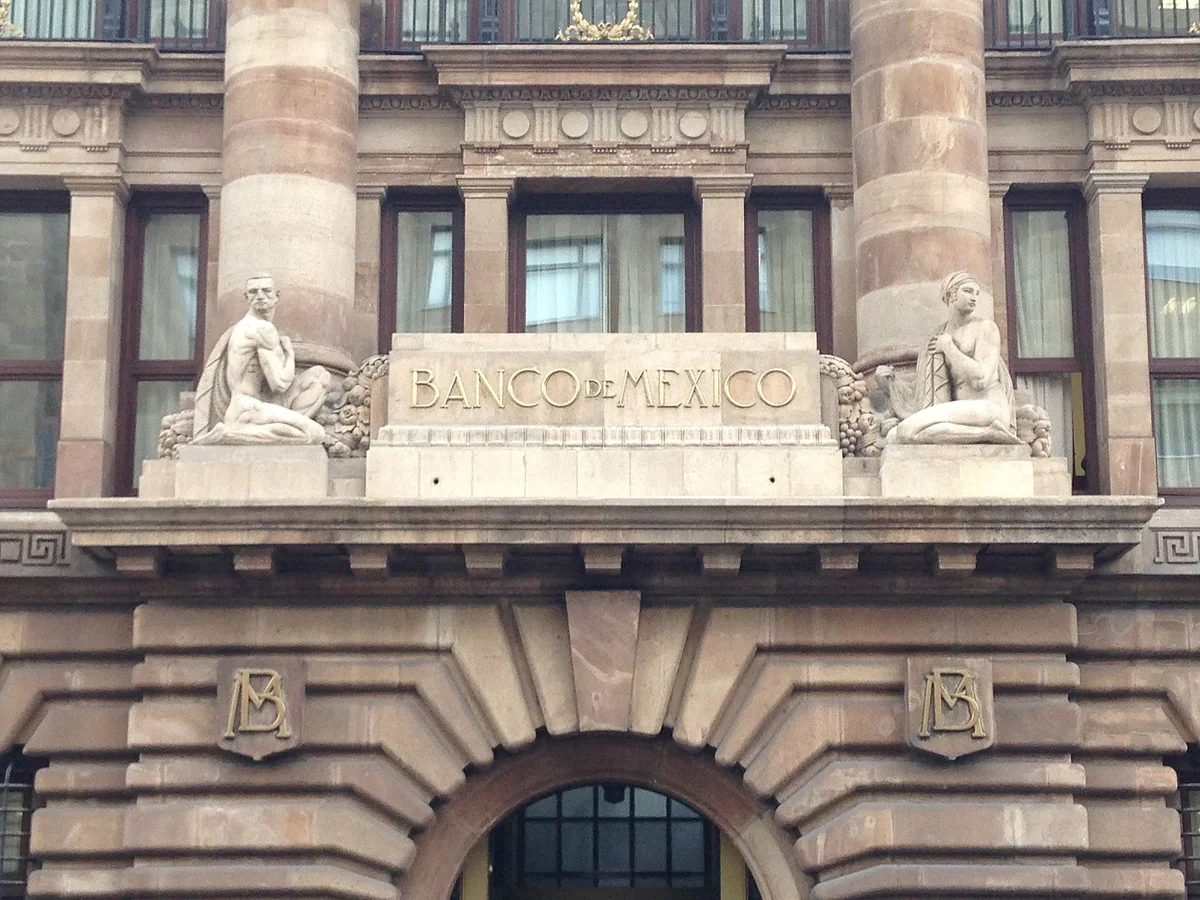
Use current spot rates for immediate transactions and recent 12-month average for return analysis to smooth volatility. Banco de México publishes official daily rates. For future planning, avoid predicting FX direction, model scenarios at current rate ±20% to test investment sensitivity. Conservative investors should underwrite returns assuming modest peso weakness over time.
Avoid trying to time the peso perfectly, currency markets are unpredictable and transaction timing is often driven by property availability and market conditions. Consider staged conversions over 60-90 days before closing to average exchange rates. Use forward contracts for large purchases if available. Focus more on property selection than FX timing for long-term success.


Get a vetted Mexico shortlist
US and Canadian buyers use this to skip the developer sales deck: tell us the budget and the market, and we come back with 3 to 5 options and the net yield maths behind each one.
Want options matched to your budget and risk profile?
Three questions, one screen. We reply within one business day.
Get a vetted Mexico shortlist