
Developer Financing Mexico: How Off-Plan Payment Plans Work
How developer financing and staged payment plans work for off-plan Mexico property in 2026. Structures, risks, escrow, and negotiation tips for foreign buyers.
By Mexico Invest Editorial · Updated July 9, 2026 · 14 min read
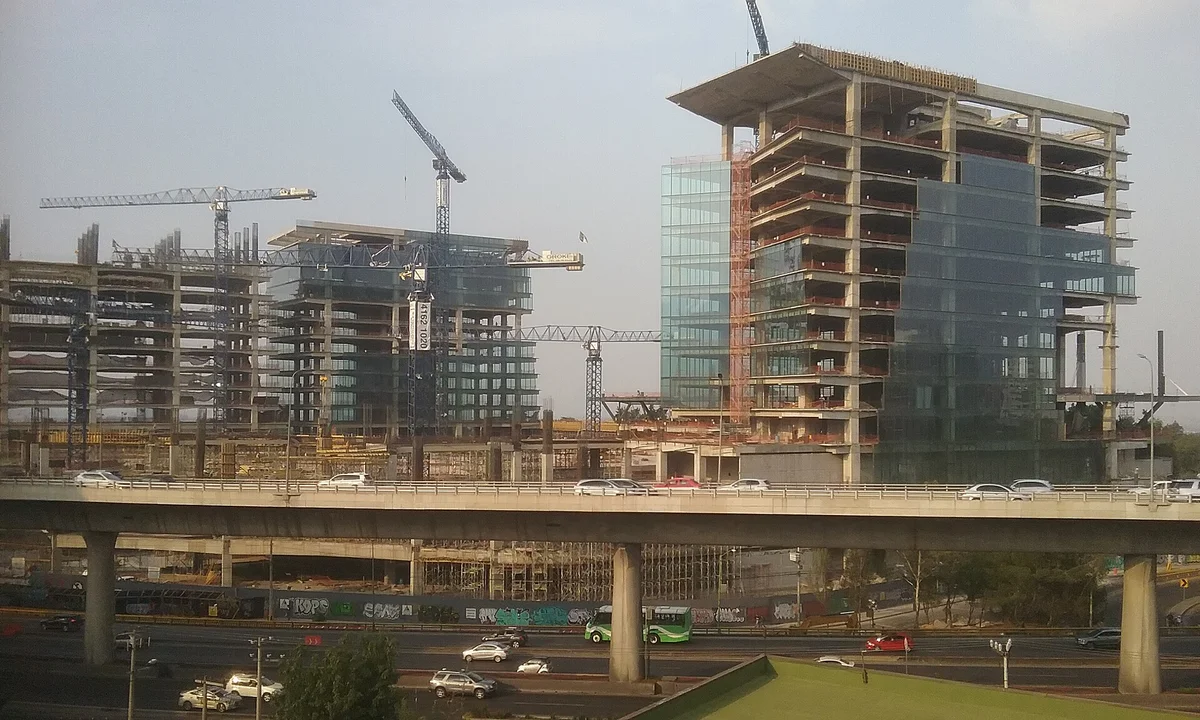
Quick answer: Developer financing in Mexico means staged payment plans directly with the builder, no bank approval needed, but also no bank-level consumer protections. Deposits typically run 10-30%, with instalments tied to construction milestones and a final balloon at delivery. Independent escrow protection and contract review are non-negotiable before any wire.
Developer payment plans are why so many US and Canadian buyers own Mexican beach condos without ever obtaining a traditional mortgage. The structure sounds simple on a sales floor: pay 20% now, 40% during construction, and 40% at keys. In practice, the contract details, fund-protection structure, and developer track record determine whether this convenience becomes an asset or a cautionary story.
This guide covers how developer financing actually works, how to structure your diligence, and what distinguishes safe programmes from ones that disappear along with your deposit.
Start with the broader purchase framework: can foreigners buy property in Mexico.
What exactly is developer financing and how does it differ from a mortgage?
Developer financing is a direct commercial arrangement between a property buyer and the construction company. Unlike a bank mortgage, it involves no external lender, no credit approval process, no interest rate in the traditional sense, and no regulatory oversight from Mexico’s banking commission (CNBV).
The developer acts as a quasi-lender, allowing buyers to spread payments over the construction timeline, typically 18 to 36 months for Riviera Maya condos, 24 to 48 months for larger Baja projects. In exchange, the developer captures sales at presale pricing, pre-finances construction, and reduces reliance on construction loans.
Why developers offer payment plans
Construction finance in Mexico remains expensive. Bank construction loans carry rates of 14-18% in pesos, which creates enormous pressure on developers to pre-sell units before breaking ground. Offering payment plans to foreign buyers solves two problems simultaneously: it generates construction capital and locks in committed buyers at launch pricing.
This dynamic is important context for negotiations. The developer needs your capital as much as you want the unit. That leverage disappears once a project is 70% sold.
Key structural difference from bank financing
| Feature | Developer payment plan | Bank mortgage |
|---|---|---|
| Lender identity | Construction company | Regulated financial institution |
| CNBV supervision | None | Full regulatory oversight |
| Credit check | Rarely required | Mandatory |
| Interest rate disclosure | Often embedded in price | Explicit APR |
| Consumer protection law | Contract terms only | PROFECO + banking law |
| Fund protection | Contract-dependent | Regulated escrow/account |
How are typical Mexico developer payment schedules structured?
Payment schedules vary significantly between developers, markets, and project phases. The structures below are representative of Riviera Maya and Baja markets in 2026, verify each developer’s specific terms before signing. The shape is consistent even where the percentages differ: a reservation, a contract deposit of 10-30%, construction-linked tranches, and a balloon at delivery. It is the balloon that catches buyers, because it lands at the same moment as the closing costs and the trust fees.
Standard three-phase structure
Most mid-range developers use a three-payment structure tied to construction stages:
Reservation deposit (5-10%): Locks purchase price and unit assignment. Typically refundable only within a short window (7-14 days). This is the point of maximum buyer flexibility, review everything before crossing this threshold.
Construction instalments (30-60%): Monthly or quarterly payments released as construction milestones are reached, foundation poured, structural frame complete, finishing work commenced. Some developers charge these as fixed monthly amounts; others tie them directly to verified milestone completion.
Delivery balloon (20-40%): Final payment due at escritura signing, when legal title transfers. Many buyers fund this portion through home-country HELOC, wire transfer, or occasionally a Mexican bank mortgage on the completed unit.
Premium developer structures
Higher-end developments in Los Cabos, Nuevo Vallarta, and Tulum’s hotel zone offer longer payment windows: 24-36 months of construction payments with smaller monthly obligations. Some luxury developers include fixed peso or dollar pricing to eliminate currency risk on future instalments, worth significant value for US buyers.
Presale early-bird terms
Projects in launch phase frequently offer incentives: 5% reservation, price-lock guarantees, or discounts of 15-25% versus anticipated delivery pricing. These carry higher execution risk since permits may be incomplete at presale. Run Pre-Construction Mexico Risks diligence before presale commitments.
| Phase | Typical deposit | Construction payments | Delivery payment |
|---|---|---|---|
| Early presale | 5-10% | 30-50% over 18-30 months | 40-55% |
| Mid-construction | 15-25% | 25-40% over 12-18 months | 35-45% |
| Near-completion | 25-35% | Minimal or none | 65-75% |
| Completed resale | N/A, full price or bank | N/A | 100% at closing |
What fund protection do buyers need on developer payment plans?
This is the single most important due diligence question for any off-plan purchase. Unprotected payments to a developer are unsecured obligations; if the company goes insolvent, you are a creditor with weak recourse in Mexican insolvency proceedings.
Three protection levels exist and the gap between them is the whole risk. Direct payments to a developer are unsecured creditor positions in a Mexican insolvency, which is where buyers in unfinished 2023-to-2025 Tulum phases now sit. Independent escrow releasing against engineer-certified milestones ties your exposure to verified construction: on a $290,000 unit, 10% at signing is $29,000 rather than 50% by wire at $145,000. A construction fideicomiso ranks higher still, since a bank holds title and bears fiduciary responsibility for how funds are deployed.
Escrow accounts: the minimum standard
Reputable developers direct all buyer payments to an independent escrow account held at a Mexican bank or licensed escrow company. The escrow agreement specifies:
- Which construction milestones release funds to the developer
- Independent third-party verification of milestone completion
- Buyer refund rights if milestone is not achieved by contracted date
- Dispute resolution mechanism
Always request the escrow agreement before signing the purchase contract. If the developer cannot produce it, treat that as a serious red flag. See Escrow in Mexico Real Estate for structure details.
Construction fideicomiso
Some developments use a construction fideicomiso (banco fiduciario) where a Mexican bank holds legal title to the land and disburses construction funds as milestones are certified. This provides higher protection than simple escrow, the bank has fiduciary responsibility for fund deployment.
From a buyer perspective, look for: the name of the bank acting as trustee, the independent construction supervisor certifying milestones, and the buy-back or refund mechanism if construction is abandoned.
Developer guarantee vs. independent protection
A developer guarantee (“we will return your money if we don’t deliver”) is only as good as the developer’s financial health at the time you need the guarantee exercised. Independent escrow and fideicomiso structures protect you regardless of whether the developer is solvent.
How do you evaluate a Mexico developer’s track record?
Due diligence on the developer is as important as due diligence on the property. Construction companies in Mexico range from publicly listed firms with decades of delivery history to single-project LLCs incorporated six months ago.
Two delivered and titled projects in the same municipality is the working threshold, and it is stricter than it sounds. A developer with completions in Playa tells you little about their permit relationships in Tulum, where SEMARNAT clearance and municipal licensing are the binding constraints. Walk a finished building rather than a model unit, ask owners how actual delivery compared with the contract date, and check whether the HOA fee they now pay matches what was marketed, a $300 launch figure that became $550 tells you what the pro forma was worth.
Track record verification steps
-
Previous project delivery record: Visit completed projects. Talk to owners. Verify delivery dates versus contracted dates. A developer who was 18 months late on their last two projects will likely be late again.
-
Legal entity verification: Request the developer’s RFC (tax ID) and verify registration in the SAT public registry. Understand which legal entity is signing your contract, the Mexican entity, not a foreign holding company with no Mexican assets.
-
Permit verification: Request the licencia de construcción (construction permit) and SEMARNAT environmental permit if applicable. Missing permits at presale is not a red flag, it is a reason to not sign until they are obtained.
-
Financial references: Established developers can provide bank references or point to public financing (bond issues, development bank loans). Single-project operators often cannot.
-
AMPI and FONATUR registration: Membership in professional associations and federal tourism development programs provides some accountability, though not enforcement.
See Developer Due Diligence Mexico for a full checklist.
Red flags in developer sales presentations
- No escrow structure named or documented
- Payment instructions to personal or offshore accounts
- “Guaranteed” rental income that exceeds market rates
- No construction permit at signing (even early presale should have land use permit)
- Delivery guarantees without contractual penalty clauses
- Sales agent who discourages independent attorney review
What are the pros and cons of developer payment plans versus cash purchase?
Developer financing creates genuine advantages for cash-flow management but introduces risks that all-cash closings avoid entirely. The genuine advantage is deploying capital over two years instead of at once; the genuine risk is that those payments are unsecured against a company that may not exist in its current form at delivery. Escrow is what converts one into the other.
Advantages of developer payment plans
Capital efficiency: Spreading $300,000 across 24 months preserves liquidity for other investments or unexpected expenses. The same dollars can earn returns elsewhere during the construction period.
Presale pricing access: Early-stage payment plans typically offer 15-25% discounts versus delivery pricing, reflecting developer risk transfer to the buyer. If the project delivers on time and to specification, that discount is realized.
No bank qualification: Buyers who cannot qualify for Mexican or US bank mortgages can still access property through developer plans. Income documentation requirements vary widely.
Currency flexibility: Developers often accept USD, eliminating exchange rate risk for US buyers at each instalment.
Risks and disadvantages
Counterparty risk: The developer is your counterparty for 18-36 months. Their financial health directly impacts your purchase.
Delivery risk: Construction delays, specification changes, and outright project abandonment are real outcomes. Independent escrow partially mitigates but does not eliminate delivery risk.
Legal complexity: Pre-completion contracts are not escrituras. Your rights during construction depend entirely on contract terms, not property law applicable to titled ownership.
No income during construction: Unlike resale purchases, you cannot generate rental income until keys are delivered, sometimes 2-3 years after signing.
Specification changes: Developers occasionally modify finishes, common areas, or amenities between presale and delivery. Contract provisions for specification changes and buyer recourse vary.
| Factor | Developer payment plan | All-cash resale |
|---|---|---|
| Capital outlay timing | Spread over 18-36 months | Concentrated at closing |
| Income generation | Zero until delivery | Immediate if STR-ready |
| Developer risk | High | None |
| Title timing | At delivery | At closing (30-90 days) |
| Price relative to market | Presale discount possible | Current market pricing |
| Due diligence complexity | Higher | Standard |
How do exchange rate and currency terms work in developer contracts?
Exchange rate treatment is a significant economic variable in developer financing for US and Canadian buyers. Payment schedules spanning 24 months can expose buyers to meaningful currency moves if contracts are denominated in pesos. Confirm whether the contract is denominated in dollars or pesos and what happens if the rate moves, a peso-denominated schedule with a dollar income can add or remove tens of thousands of dollars across a 24-month build.
USD-denominated contracts
The most buyer-friendly structure for US buyers: all payments, including delivery balloon, are fixed in US dollars. Currency risk sits with the developer. Common in developments targeting US buyers in Los Cabos and Playa del Carmen.
Peso-denominated contracts with USD conversion
Some contracts denominate in pesos at signing, then convert each instalment to USD at the exchange rate on payment date. If the peso weakens (historically common), US buyers pay less in effective dollars, but peso appreciation creates the opposite effect.
Mixed currency structures
Increasingly common: reservation and delivery payments in USD, monthly construction instalments in pesos. Verify which exchange rate mechanism applies to each component. Some contracts use Banco de México published rates; others use bank transfer rates that include spread.
Practical advice: For contracts exceeding USD 200,000 with peso exposure, consider forward contracts through your US bank to lock exchange rates on future instalments. The cost of hedging (typically 1-2% annualized) may be worth the planning certainty.
What should the purchase contract include to protect buyers?
Developer purchase contracts in Mexico range from professionally drafted agreements covering all contingencies to minimalist letters of intent that protect only the developer. Your independent attorney’s contract review is the most important expense in a developer financing transaction.
Essential contract provisions
Delivery date with penalty clause: Specific completion date with liquidated damages if the developer misses it, typically daily penalties or total price discount per day of delay. Vague “delivery as construction permits” language is unacceptable.
Specification schedule: Detailed attachment describing finishes, appliances, common areas, unit dimensions, and parking. “Similar quality” or “developer’s discretion” language should be removed.
Escrow mechanics: Which institution holds funds, what triggers disbursement, what triggers refund, and how long the refund process takes if the project is abandoned.
Force majeure limits: Understand what events excuse the developer’s obligations and for how long. Unlimited force majeure carve-outs effectively eliminate delivery guarantees.
Fideicomiso establishment timeline: When does the bank trust get established, before or after delivery? Who pays setup costs? Which bank?
Default and termination rights: What constitutes buyer default, how much notice is required, what portion of payments is forfeited. Buyer-friendly contracts limit forfeiture to 5-15% of purchase price for voluntary termination.
Resale rights during construction: Can you assign the contract to a new buyer if you need to exit before delivery? Some developers prohibit assignment or charge fees.
How do delivery and final payment work at project completion?
The delivery phase is the most legally concentrated moment in a developer-financed purchase. Multiple documents are executed simultaneously, and errors are expensive to correct post-signing. The trust constitution, the deed, the balloon payment and the closing costs all land within days of each other, which is why the coordination has to be arranged months ahead rather than negotiated at handover.
Pre-delivery inspection
Reputable developers schedule a unit walk-through 30-60 days before delivery, known as the entrega or previa. Document every defect in writing, scratched floors, non-functioning fixtures, specification deviations. The developer should provide a written remediation schedule. Defects discovered after escritura signing become your responsibility unless contractually preserved.
Delivery day checklist
- Construction completion certificate (constancia de terminación) from municipal authority
- HOA regime de condominio documents and initial fee schedule
- Utility meter numbers and transfer confirmation
- Parking and storage unit assignment in writing
- Keys, access fobs, and alarm codes
- Copies of all construction permits
Final payment and escritura
The delivery balloon payment, typically 20-40% of purchase price, triggers escritura signing at the notario público. For restricted zone properties, this is also when the fideicomiso bank trust is established or the existing construction trust converts to a buyer-beneficiary trust.
Budget an additional 5-8% beyond your final instalment for closing costs: ISAI acquisition tax, notario fees, fideicomiso setup, and your independent attorney’s closing attendance. See Cost of Buying Property in Mexico for state-by-state ISAI rates.
Capital-efficient US investor (USD 250,000 budget)
Uses developer payment plan to spread $250,000 over 24 months while keeping $100,000 in US income-generating investments. Accepts delivery risk in exchange for presale pricing 20% below comparable resale condos. Critical requirements: verified escrow, construction permit confirmed before signing, AMPI broker confirming developer delivery history.
Retiree planning ahead (USD 400,000 budget)
Purchases off-plan 36 months before planned relocation. Monthly instalments fit retirement income budget without liquidating investment accounts. Priorities: USD-denominated contract, reputable bank fideicomiso at delivery, no-penalty assignment clause in case health or plans change.
Yield investor seeking pre-construction discount
Targets presale pricing discount for STR rental income post-delivery. Runs conservative underwriting: presale price plus all closing costs as denominator, net yield after management and occupancy risk as numerator. Requires STR permission in HOA regime documents, not just verbal assurance from the sales team.
Buyer using mixed funding
Funds 30% deposit from savings, monthly instalments from US HELOC, and delivery balloon from proceeds of another property sale. Coordinates three capital sources simultaneously. Requires careful timeline management, HELOC draw schedule must align with developer payment calendar. See HELOC to Fund Mexico Purchase.
What risks should buyers plan for before they commit?
Developer financing in Mexico is not a mortgage and does not behave like one. There is no lender performing independent diligence on the project, no appraisal protecting your loan-to-value, and in most cases no lien registered in your favour until the escritura is signed, which is at the end. That makes one question more important than everything else on the list below: who holds your money between milestones. An independent escrow agent or fideicomiso means your deposits survive a developer’s insolvency; the developer’s own account means they do not. Verify every item before signing, and that one first:
- Independent escrow or fideicomiso confirmed in writing with institution name
- Construction permit (licencia de construcción) exists or presale conditions are documented
- Developer’s previous completed projects confirmed and inspected
- Independent attorney has reviewed full purchase contract
- Delivery date with penalty clause is contractually binding
- Specification schedule is attached to contract, not referenced vaguely
- Currency denomination and exchange rate mechanism is explicit
- Fideicomiso establishment timeline and responsible party is specified
- Default and forfeiture terms are proportionate (under 15% for voluntary exit)
- Assignment rights during construction are confirmed if resale flexibility needed
Where does developer financing fit in the Mexico financing landscape?
Developer payment plans are one of four financing paths for foreign buyers, each with distinct trade-offs: It sits between cash and a home-country equity draw on cost, and below both on security; you are lending to the developer at their rate, unsecured, against a building that does not exist yet.
- Developer plans: No bank, presale access, delivery risk, must protect with escrow
- HELOC or home-equity: Lowest effective rate for US owners, requires US equity, no Mexico documentation
- Cross-border lenders: Dedicated Mexico lending, documented income required, higher rates than US
- Mexican bank mortgages: Most documentation-heavy, peso risk for USD buyers, see Peso Mortgage Locals Only
Most foreign buyers combine a US HELOC or cash for the delivery balloon with developer payment plans during construction, the most capital-efficient structure for buyers with US real estate equity.
Indicative payment structures and timelines as of mid-2026. Developer financing terms vary by project; verify all terms with independent counsel before signing. Mexico Invest provides educational information, not investment or legal advice.
Buyer scenarios for developer financing Mexico
The three cases below differ mainly in what the buyer negotiated before signing: independent escrow, a written delay penalty, and a currency clause. Those three terms account for most of the difference between a developer-financed purchase that works and one that becomes a two-year problem.
Early presale buyer: Maximum upside from discount pricing, maximum execution risk. Require verified escrow and construction permit confirmation before signing, not “coming soon” verbal assurances.
Conservative mid-construction entry: Higher confidence in delivery with less upside from discount. Shorter instalment window. Better for buyers who need keys within 12 months and want reduced delivery uncertainty.
Delivery-stage buyer: Pays near-resale pricing but acquires completed property on developer payment plan. Minimal construction risk; useful if development project has sold out and developer holds final units.
Frequently Asked Questions
Developer financing refers to staged payment plans offered directly by the construction company selling an off-plan or pre-construction property. Instead of paying full price at closing, buyers pay a deposit at reservation, instalments during construction, and a balloon at delivery. No bank approval is required. Terms vary widely by developer, project stage, and negotiation leverage.
Most Riviera Maya and Baja developers require 10-30% at reservation and purchase contract signing. Some presale launches accept as little as 5-10% to lock in early pricing. The remainder is spread across construction milestones, foundation, structure, finishing, with a final 20-40% due at escritura. Indicative only; verify each developer's schedule before signing.
No. Developer financing is a commercial arrangement with the construction company, not a regulated bank loan. It carries no CNBV supervision, no standardized disclosure, and enforcement depends entirely on the purchase contract. If the developer fails, your payment plan instalments are unsecured unless an independent escrow or fideicomiso holds funds.
Yes. Developer payment plans do not require Mexican residency, tax ID, or bank approval. Foreign nationals from any country can participate. The purchase agreement is signed with the developer, the fideicomiso (bank trust for restricted zone) is established at delivery, and all payment wires route through documented channels. Independent legal review of the contract is essential before any deposit.
Without escrow or trust protection, buyers holding payment plan instalments become unsecured creditors in bankruptcy proceedings, often recovering zero. Proper protection requires payments held in an independent escrow account or fideicomiso releasing funds only against verified construction milestones. Always confirm fund-protection structure before signing, not after.
Negotiation leverage is highest at presale launches and end-of-phase inventory clearance. Tactic: offer higher initial deposit (20-25%) in exchange for lower total price or fixed exchange rate for USD payments. Ask for construction completion guarantee tied to escrow release. Request bank trust establishment timeline and fee obligations in writing before signing the promissory note.
Yes. Developer payment plans typically delay fideicomiso establishment until project delivery, since there is no completed escritura to trust. Some developers use a pre-delivery fideicomiso as buyer protection during construction. Clarify exactly when the bank trust is established, who holds legal title during construction, and what your recourse is if delivery is delayed beyond contract dates.
Key red flags: payment instructions to personal or offshore accounts rather than named escrow; no delivery penalty clause; specification language deferring to developer discretion; force majeure clauses with no time limit; prohibition on contract assignment; no construction permit confirmed before signing; sales agent who discourages independent attorney review.


Get a vetted Mexico shortlist
US and Canadian buyers use this to skip the developer sales deck: tell us the budget and the market, and we come back with 3 to 5 options and the net yield maths behind each one.
Want options matched to your budget and risk profile?
Three questions, one screen. We reply within one business day.
Get a vetted Mexico shortlist