
Mexico Earthquake Risk by Region: Riviera Maya Is Lowest
Riviera Maya has the lowest seismic risk; Puerto Vallarta and Los Cabos do not. Compare exposure and insurance by market. Get a risk-screened shortlist.
By Mexico Invest Editorial · Updated July 27, 2026 · 13 min read
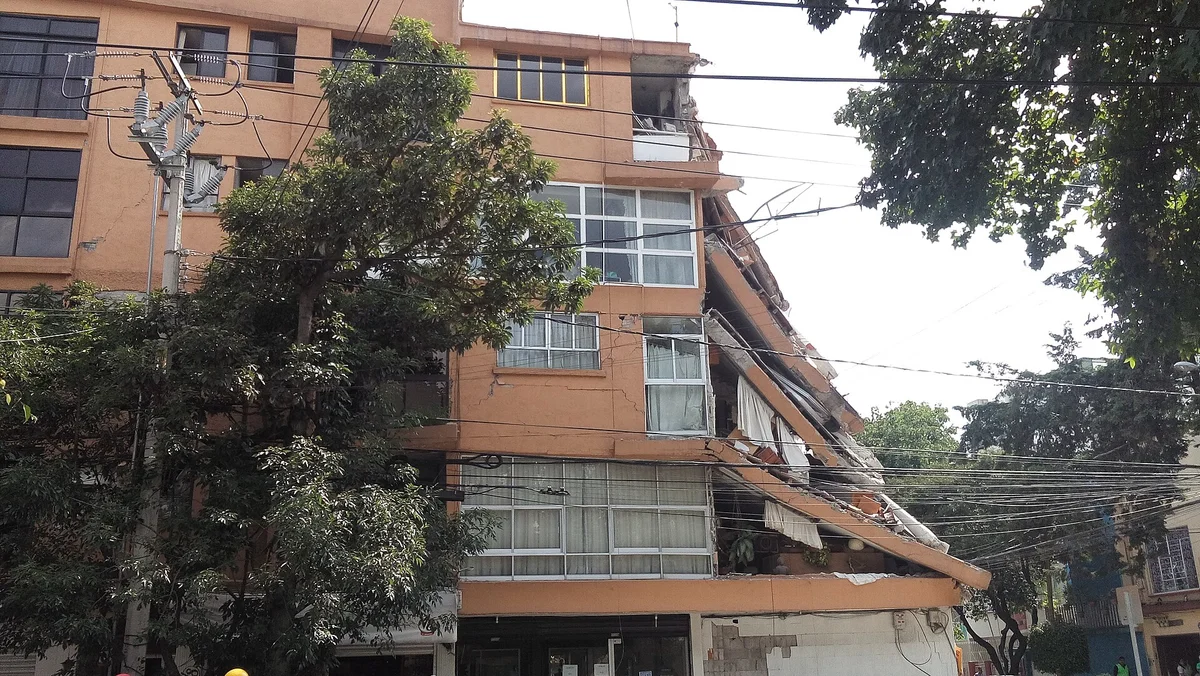
Quick answer: Mexico’s seismic risk varies enormously by region. The Riviera Maya (Cancún, Playa del Carmen, Tulum) has the lowest earthquake risk of any major foreign-buyer market. Puerto Vallarta, Los Cabos, and Oaxaca coast buyers face meaningful seismic exposure requiring proper construction standards and earthquake insurance coverage. All figures and risk levels indicative, verify with licensed engineers and insurers for specific properties.
Seismic exposure is one line in a wider hazard picture: coastal buyers also carry hurricane and flood risk, and both feed the same property insurance decision.
Mexico’s geographic position at the convergence of five tectonic plates creates one of the world’s most seismically complex countries. The 2017 earthquakes, including the Mw 7.1 Puebla-Morelos event on September 19, the anniversary of the 1985 Mexico City earthquake, reinforced global awareness of Mexico’s seismic reality.
For property investors, the critical insight is that earthquake risk is highly location-specific. The same investment that carries low seismic risk in Playa del Carmen carries meaningful risk in Puerto Vallarta and higher risk still in the Guerrero coast or Oaxaca. Understanding your specific market’s exposure, how building codes address it, and what insurance covers is the foundation of informed purchase decisions.
Full purchase guide: can foreigners buy property in Mexico.
Mexico’s tectonic setting: why seismic risk varies
Mexico sits at the convergence of five tectonic plates, North American, Pacific, Cocos, Rivera, and Caribbean, creating dramatically different earthquake risks across regions. The subduction zones where oceanic plates dive beneath the North American Plate generate most of Mexico’s seismic activity, but the specific plate boundaries determine which coasts shake and how often. Riviera Maya buyers on the Caribbean Plate face minimal seismic risk, while Puerto Vallarta and Oaxaca coast properties sit directly above active subduction zones with major historical earthquakes.
Mexico’s seismic activity is driven by subduction zones where oceanic plates dive beneath the North American Plate. The specific plates involved determine regional risk:
The Cocos Plate subduction zone (Pacific Central)
The Cocos Plate subducts beneath the North American Plate along the Middle America Trench off the Pacific coast of Chiapas, Oaxaca, Guerrero, Michoacán, Jalisco, and Colima. This is Mexico’s most seismically active zone, the source of Mexico’s largest and most damaging historical earthquakes.
The 1985 Mexico City earthquake (Mw 8.1 offshore Michoacán) amplified through Mexico City’s lake-bed geology to produce catastrophic damage hundreds of kilometers inland. The 2017 Tehuantepec earthquake (Mw 8.1) and Puebla earthquake (Mw 7.1) originated from this same tectonic setting.
The Rivera Plate (Jalisco coast)
The Rivera Plate subducts beneath the Jalisco Block, creating significant seismic risk for the Puerto Vallarta and Nayarit coastal region. The 1995 Colima-Jalisco earthquake (Mw 8.0) caused damage across the coastal corridor. Puerto Vallarta has invested significantly in seismic building standards following this event.
The East Pacific Rise and Baja California
Baja California’s seismic activity relates to the East Pacific Rise and the Gulf of California extensional zone, a different mechanism from Pacific mainland subduction. Earthquakes occur but with different frequency and intensity characteristics than Pacific mainland Mexico.
The Caribbean Plate (Yucatan Peninsula)
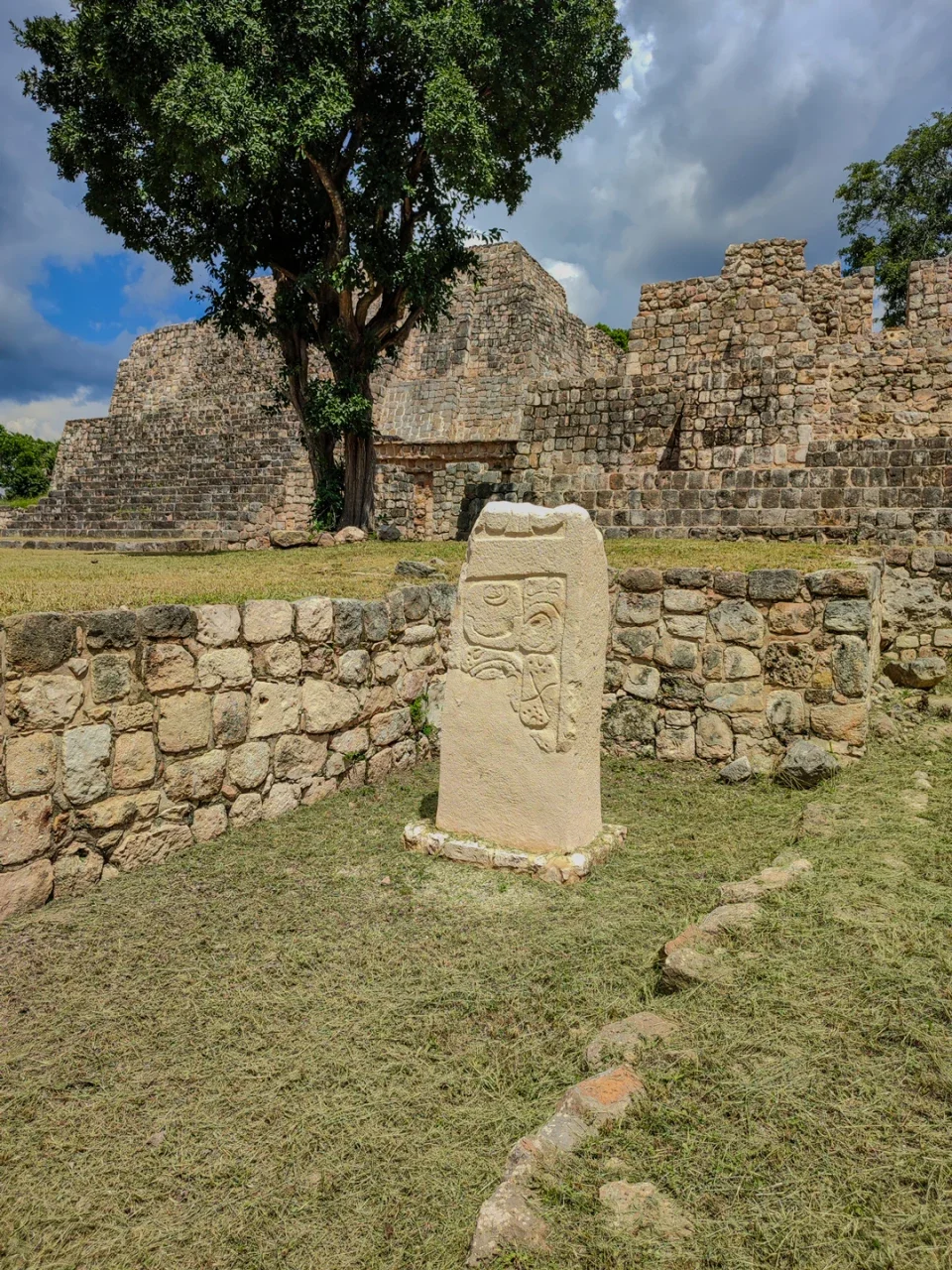
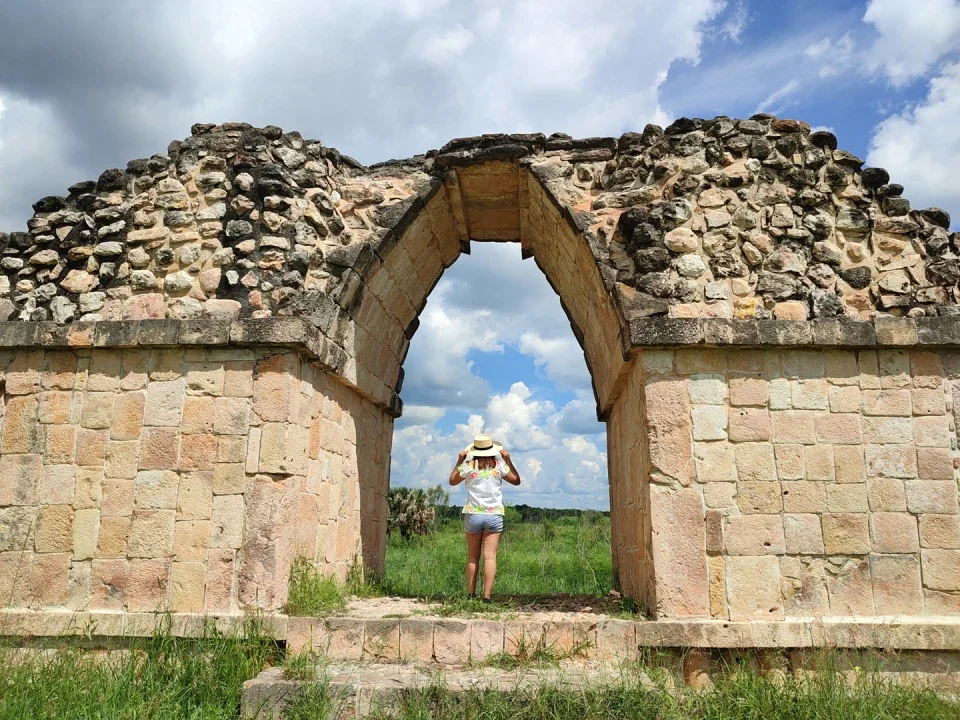
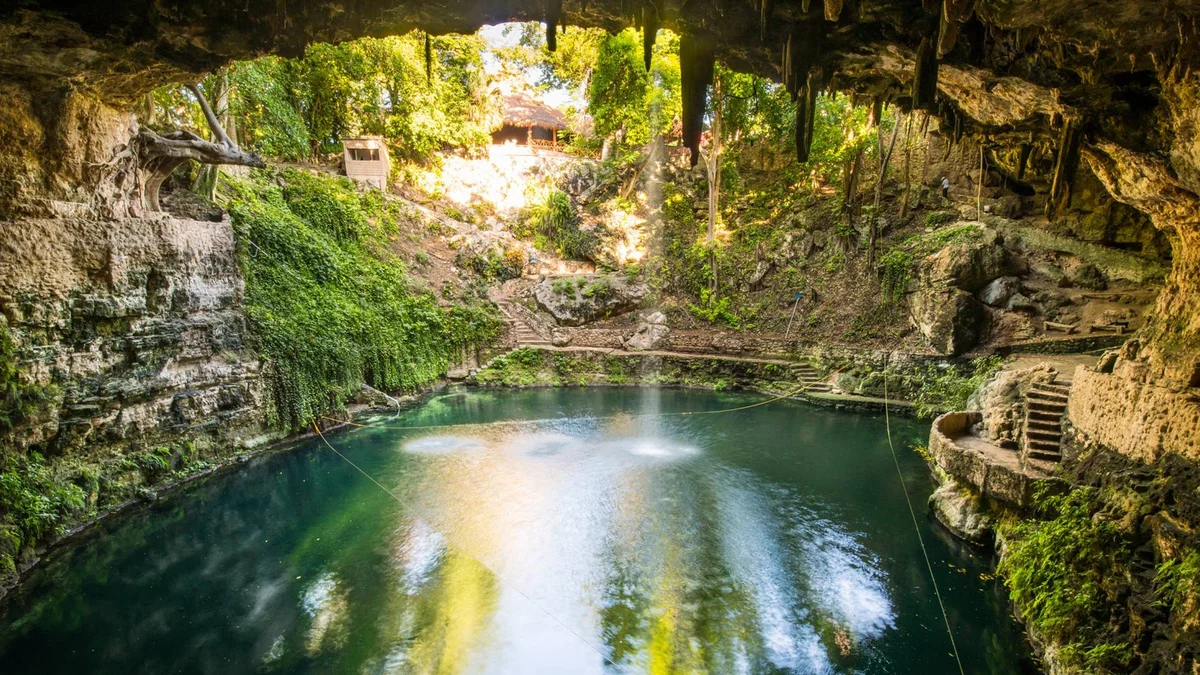
The Yucatan Peninsula and the Riviera Maya sit on the stable interior of the Caribbean Plate, away from the primary subduction zones. Intraplate seismicity exists but is significantly lower than Pacific Mexico. The Yucatan’s primary geophysical risk is karst geology (caves, cenotes, subsidence) rather than seismic activity. For Riviera Maya property buyers, earthquake risk ranks well below hurricane, flood, and drainage concerns.
Seismic risk by foreign-buyer market
Foreign buyers face drastically different earthquake exposure depending on which Mexican coast they choose. The Riviera Maya sits on the stable Caribbean Plate with minimal seismic risk, tremors are rare and usually imperceptible. Pacific Mexico is the opposite: Puerto Vallarta sits near the active Rivera Plate subduction zone (1995 Colima-Jalisco Mw 8.0 caused coastal damage), Los Cabos faces moderate Gulf of California rift activity, and Oaxaca/Guerrero coasts sit directly above the highly active Cocos Plate subduction zone that produced the 2017 Mw 8.1 Tehuantepec earthquake. If you are comparing Playa del Carmen and Puerto Vallarta, earthquake insurance priority is night-and-day different.
Understanding the relative seismic exposure of each major Mexico investment market helps prioritize insurance and structural due diligence.
| Market | Seismic zone | Primary risk driver | Key historical events |
|---|---|---|---|
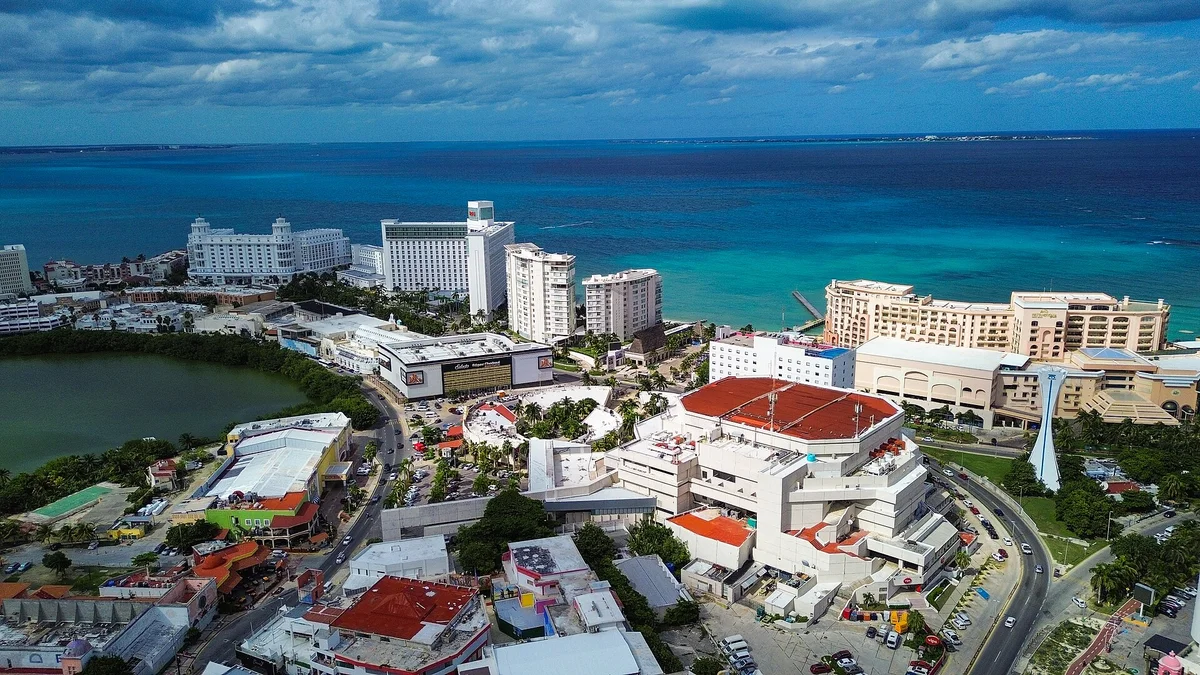
| Riviera Maya (Cancún, Playa, Tulum) | Low (Caribbean Plate) | Minimal local seismic risk | Felt tremors from distant events |
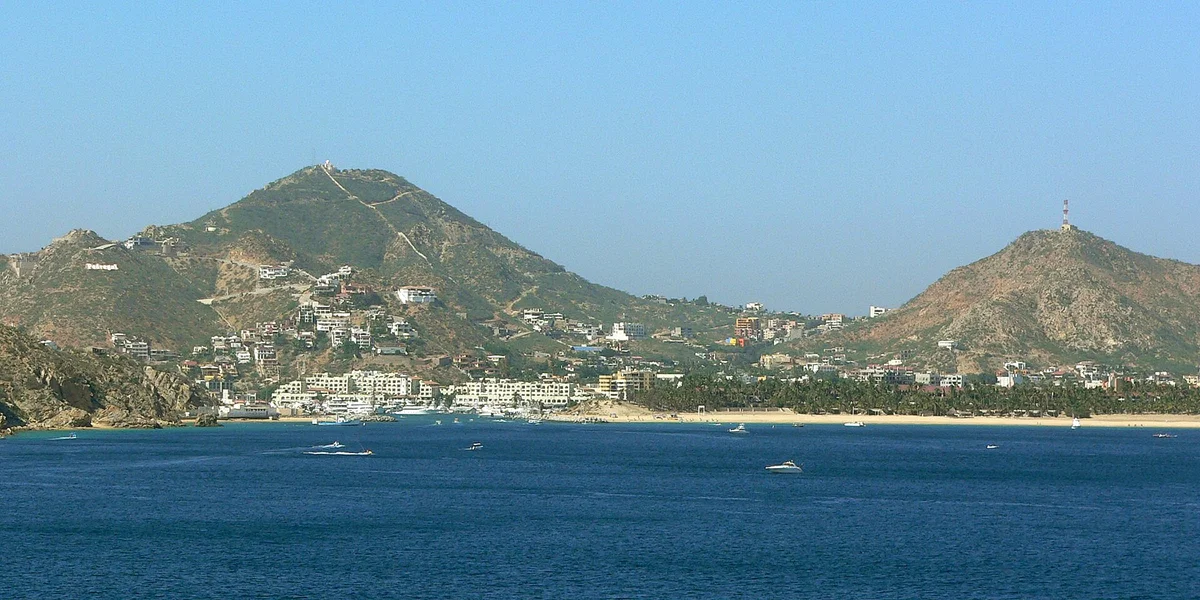
| Los Cabos / Baja California Sur | Low-medium | East Pacific Rise | Occasional moderate events |
| Puerto Vallarta / Riviera Nayarit | Medium-high | Rivera Plate subduction | 1995 Colima-Jalisco Mw 8.0 |
| Guadalajara | Medium | Interior Mexican Volcanic Belt | Multiple moderate events |
| Mexico City | Very high | Soft lake-bed amplification | 1985 Mw 8.1; 2017 Mw 7.1 |
| Oaxaca coast | Very high | Cocos Plate subduction | 2017 Tehuantepec Mw 8.1 |
| Guerrero coast (Ixtapa/Zihuatanejo) | High | Cocos Plate subduction | Guerrero gap concern |
What the 2017 earthquakes revealed about Mexico property risk
The September 2017 twin earthquakes demonstrated location-specific seismic risk with brutal clarity: over 350 people died in Mexico City and surrounding states from the Mw 7.1 Puebla-Morelos quake, while major foreign-buyer resort markets (Riviera Maya, Los Cabos, Puerto Vallarta) saw zero structural damage despite intense national coverage. The Mw 8.1 Tehuantepec quake twelve days earlier, Mexico’s largest since 1932, devastated Oaxaca and Chiapas communities that see almost no foreign investment. For property investors, these events reinforced that plate tectonics determines risk more than media coverage, a condo in Playa del Carmen carried no earthquake exposure even during Mexico’s worst seismic month in decades.
The September 2017 twin earthquakes affected different regions and demonstrated different risk mechanisms, providing useful data for property buyers.
September 7, 2017: Tehuantepec earthquake (Mw 8.1)
Epicenter 100km southwest of Chiapas coast, the largest Mexico earthquake since 1932. Significant casualties and damage in Chiapas, Oaxaca, and Tabasco. Strong shaking felt across a huge geographic area including Mexico City, where it triggered tsunami alerts and evacuations.
Impact on foreign-buyer markets: No meaningful property damage in the primary resort markets (Riviera Maya, Los Cabos, Puerto Vallarta). The event affected destinations that are not major foreign investment targets (Juchitán, Tehuantepec area).
September 19, 2017: Puebla-Morelos earthquake (Mw 7.1)
Epicenter inland between Puebla and Morelos, 120km from Mexico City. Despite lower magnitude than the September 7 event, caused catastrophic damage in Mexico City and surrounding states due to proximity and Mexico City’s amplifying lake-bed geology. Over 350 fatalities.
Impact on property market psychology: The September 19 event significantly affected Mexico City real estate sentiment and triggered property inspections throughout the metropolitan area. However, the damage was heavily concentrated in specific colonia zones of CDMX with known soft-soil vulnerability, not uniformly across the city or across Mexico.
What this means for foreign investors
- Location specificity matters enormously. Two earthquakes in one month produced catastrophic damage in some areas and zero damage in others.
- Structural standards matter. Buildings that met post-1985 seismic code requirements generally performed better than older construction or informal additions.
- The Riviera Maya’s Caribbean Plate position provides genuine seismic risk insulation relative to Pacific Mexico: not rhetorical comfort but actual tectonic reality.
How Mexican seismic building codes work
Mexico’s national building code (NTC, Normas Técnicas Complementarias) classifies the country into seismic zones A through D, with zone D carrying the highest structural requirements for foundation depth, concrete specifications, and steel reinforcement. Post-1985 construction in zones C and D must meet significantly stricter standards than pre-1985 buildings, following catastrophic failures in Mexico City’s 1985 earthquake. For foreign buyers in Puerto Vallarta (zone C) or Mexico City (zone D), construction year matters enormously: a 1970s building may not meet current standards, while a 2020 delivery was designed to resist the regional design earthquake. Buyers of older construction in seismically active zones should engage a licensed structural engineer to assess compliance before closing.
Mexico has invested significantly in seismic design standards following the 1985 earthquake, which exposed catastrophic failures in older construction methodologies.
Regional seismic zone classification
Mexico’s NTC (Normas Técnicas Complementarias) building code classifies the country into seismic zones A through D, with D being highest risk. The zone determines structural requirements for:
- Foundation depth and type
- Concrete and steel specifications
- Structural connections and reinforcement
- Building height limits relative to foundation system
Post-1985 versus pre-1985 construction
Buildings constructed before the 1985 Mexico City earthquake were built to significantly lower seismic standards. Post-1985 construction, and especially post-2017 construction following updated standards, is considerably more resistant.
For buyers in seismically active zones: Construction year matters. A 1970s-era Puerto Vallarta building may not meet current seismic standards. A 2020 delivery in a modern development was designed to current NTC codes. For older construction in any seismically active zone, engage a structural engineer for assessment before purchase.
Construction permit as proxy for compliance
The licencia de construcción (construction permit) triggers the building code compliance obligation. Buildings constructed without proper permits, common in Mexico for informal additions, rooftop expansions, and garage conversions, may not meet seismic standards even if the original structure does.
Full due diligence framework: Due Diligence Mexico Real Estate.
Earthquake insurance: what is typically available
Unlike flood, earthquake coverage in Mexico is sometimes included in comprehensive property policies in seismically active regions. The important asymmetry: seismic cover is often bundled where it matters and flood almost never is, so a Pacific-coast owner may already hold earthquake protection while a Caribbean-coast owner holding the same policy has no flood cover at all. Check which perils are named rather than assuming a comprehensive policy is comprehensive.
Standard policy treatment
Policy treatment of terremoto (earthquake) varies by carrier and region:
All-risk policies in high-seismic zones: Some comprehensive policies sold in Puerto Vallarta, Guadalajara, and CDMX include earthquake as a standard covered peril given its high probability. Coverage may have sublimits or higher deductibles.
Low-seismic zones (Riviera Maya): Earthquake may be included almost automatically because the premium impact is minimal, the risk is low and including it makes policy marketing easier.
Mid-seismic zones (Los Cabos): Earthquake may be optional endorsement at additional premium. Worth including given hurricane + seismic combined exposure.
What earthquake coverage includes
Standard earthquake coverage typically covers:
- Structural damage from ground shaking
- Contents damage from shaking
- Collapse of buildings or structural elements
- Some policies include fires caused by earthquake (utilities damage, gas lines)
Standard exclusions:
- Tsunami following earthquake (separate peril requiring separate coverage)
- Pre-existing structural weakness that made damage worse
- Damage from aftershocks claimed as new events (check policy terms)
- Land subsidence that is not directly caused by the earthquake event
HOA and master policy earthquake considerations
For condo buyers, the HOA master insurance policy’s earthquake coverage scope is as important as your individual unit policy. The seam is the same as with hurricane cover: structural earthquake damage to common elements is the association’s, and if the master policy excludes or under-insures it the repair arrives as a special assessment addressed to you.
Verifying HOA earthquake coverage
Request the HOA policy declarations page and specifically confirm:
- Is terremoto listed as a covered peril?
- Is coverage at replacement cost or actual cash value?
- What is the per-occurrence limit relative to total insured value of the building?
- Is there an earthquake deductible separate from the standard deductible?
- Does the policy cover interior improvements (all-in) or structure only (walls-out)?
Loss assessment coverage for earthquakes
As with hurricane coverage, if an earthquake damages HOA common areas beyond the master policy limit, owners face special assessments for their proportional share. Loss assessment coverage on your individual policy protects against this outcome. See HOA Fees Mexico Condo Guide.
Earthquake preparedness
Beyond insurance, physical preparedness reduces loss risk and supports insurance claims: Practically that means securing tall furniture and water heaters, knowing where the gas shutoff is, and photographing the property’s condition annually, the last of which is worth as much in a claim as any physical measure.
Pre-earthquake annual checklist
- Review and confirm earthquake coverage on property policy
- Inspect and secure any heavy furniture or art that could fall
- Document property condition with dated photos
- Verify HOA master policy includes earthquake and is current
- Ensure emergency shutoffs for gas and water are known and accessible
- For older properties in seismic zones: schedule structural assessment every 5 years
- Confirm property manager has post-earthquake inspection protocol
- Verify emergency contacts include structural engineer reference for rapid post-event assessment
Post-earthquake response
- Do not re-enter the property until a structural engineer confirms safety
- Document all damage with photos before any cleanup or emergency repairs
- Contact insurer’s claims line before beginning any repairs
- Retain all receipts for emergency protective measures
- Report to municipal authorities if structural damage may affect neighboring properties
Structural due diligence for seismic zones
For buyers targeting properties in Puerto Vallarta, Nayarit, or other meaningful seismic zones, structural due diligence extends beyond standard title and HOA review. Specifically: the construction date relative to the applicable seismic code, whether the building has been retrofitted, and any visible cracking at column-beam joints. A structural engineer for an hour costs a fraction of what a post-event assessment reveals.
When to engage a structural engineer
Engage a Mexican licensed structural engineer (Ingeniero Civil) for:
- Any building over 15 years old in a high or very high seismic zone
- Informal additions or modifications to an existing building (roof terraces, added floors)
- Properties that have experienced previous earthquake events
- Commercial-to-residential conversions or significantly modified structures
- Properties on soft soils (lakebeds, coastal reclaimed land)
What a structural assessment covers
A qualified structural assessment examines:
- Foundation type and condition relative to soil characteristics
- Structural system (reinforced concrete frame, masonry, steel) and condition
- Evidence of prior seismic damage (repaired or unrepaired)
- Compliance with current NTC seismic design standards
- Recommendations for any necessary strengthening
Buyer scenarios
Seismic exposure in Mexico varies more by coast than most foreign buyers expect, and the practical implications diverge sharply as a result. A Riviera Maya condominium sits on stable limestone with genuinely low earthquake risk, so an endorsement costs little and the structural diligence should concentrate on hurricane and flood resistance instead. A Puerto Vallarta villa faces meaningful exposure from the Rivera Plate, where construction year is the decisive variable, post-1995 building code compliance performs substantially better than pre-1985 stock. The scenarios below set out what each buyer should actually verify and insure.
Riviera Maya condo buyer: Earthquake risk is genuinely low in this market. Standard comprehensive insurance with earthquake endorsement is fine, it likely adds minimal premium to the policy. Structural due diligence focuses on hurricane and flood resistance, not seismic performance.
Puerto Vallarta villa buyer: Meaningful seismic exposure from Rivera Plate. Verify construction year and code compliance, post-1995 construction is significantly better than pre-1985 construction. Request earthquake endorsement on comprehensive policy, confirm it is included (not excluded). For properties over 15 years old, consider structural engineer assessment as part of due diligence.
Los Cabos investment condo: Combined hurricane + moderate seismic exposure. Comprehensive policy should include both hurricane wind coverage and earthquake coverage. HOA master policy scope verification is particularly important given two separate significant natural hazard exposures.
Mexico City investment property: Highest seismic risk of any common foreign-buyer destination. Post-2017 CDMX market requires fresh structural assessment documentation; buildings damaged in 2017 and subsequently repaired need specific post-repair certification. Insurance costs reflect higher risk. Only appropriate for buyers with deep market knowledge and risk tolerance.
Seismic risk levels and insurance terms are indicative as of mid-2026. Risk assessment varies by specific location, building type, and construction age. Engage licensed Mexican structural engineers and CNSF-licensed insurance brokers for property-specific analysis. Mexico Invest provides educational content, not engineering or insurance advice.
What earthquake insurance actually costs in 2026
Earthquake insurance premiums in Mexico reflect pure actuarial risk based on plate tectonics, not marketing narratives. In Riviera Maya markets sitting on the stable Caribbean Plate, adding earthquake endorsement to a comprehensive property policy typically costs 2-5% of the base premium, often under $150/year for a $300,000 condo, because the risk is genuinely low. Puerto Vallarta and Nayarit, positioned near the active Rivera Plate subduction zone, see earthquake endorsement costs of 20-40% additional over base wind/fire coverage, a $250,000 villa might carry $800-1,200/year in earthquake premium alone. Mexico City and Oaxaca coast properties can face earthquake premiums exceeding the base policy cost, with some high-value or older-construction properties paying $2,000-4,000/year for earthquake coverage. The premium delta between Playa del Carmen and Puerto Vallarta for identical property value reflects real tectonic risk, not insurer preference.
When assessing seismic risk for older construction, do not trust the developer’s stated delivery year or HOA records showing “built 2010.” Request the original licencia de construcción (construction permit) from the municipality, the permit date triggers the building code standard that applied during construction. We have seen multiple Puerto Vallarta properties marketed as “2005 construction” that carried construction permits from 1998, meaning they were built to pre-2004 seismic code updates. For any Pacific Mexico property over 15 years old, verify the permit year matches the claimed construction year, then cross-check the applicable NTC seismic zone standard for that year. If the permit predates the 1995 Colima-Jalisco earthquake or the 2017 code updates, assume lower seismic resistance than current code and factor structural engineer assessment into your due diligence budget.
What seismic exposure costs by market
Earthquake premiums track plate tectonics, not marketing. Quintana Roo earthquake endorsement added under $150/year on a $300,000 condo because Caribbean Plate risk stays low. Puerto Vallarta policies showed 20% to 40% premium uplift on the same value, often $800 to $1,200/year for earthquake alone. Buyers who verified licencia de construcción year before deposit avoided two mislabeled 2010 delivery villas built to 1998 codes. Post-2017 Mexico City stock required engineer letters within 90 days of offer or insurers declined coverage.
Indicative ranges from 2026 market observation, not quotes. Pricing, fees and tax treatment move and are set per transaction; confirm your own numbers before you commit.
Frequently Asked Questions
Mexico is one of the world's most seismically active countries, sitting at the convergence of five tectonic plates. Earthquake risk varies dramatically by location: the highest-risk zones include central Mexico (CDMX, Oaxaca coast, Guerrero coast, Colima/Jalisco coast), while the Yucatan Peninsula (Cancún, Playa del Carmen, Tulum) has the lowest seismic risk of any major foreign-buyer market. Riviera Maya buyers face minimal earthquake risk; Puerto Vallarta, Los Cabos, and Oaxaca coast buyers face meaningful seismic exposure.
The Yucatan Peninsula sits on the Caribbean Plate away from the primary subduction zones. Seismic activity in this region is relatively low compared to Pacific Mexico and central Mexico. Buyers in Quintana Roo can consider earthquake risk a secondary concern compared to hurricane and flood risk. This does not mean zero risk, distant large earthquakes can produce felt tremors, but structural earthquake risk is significantly lower than in Pacific-facing markets.
Yes. The Puerto Vallarta and Riviera Nayarit corridor sits near the Rivera Plate subduction zone and has experienced significant seismic activity. The 1995 Colima-Jalisco earthquake (Mw 8.0) caused significant damage to the Jalisco coast. Puerto Vallarta property buyers should treat earthquake risk as a meaningful consideration requiring adequate structural standards and insurance coverage.
Baja California Sur experiences moderate seismic activity associated with the East Pacific Rise and the Gulf of California rift system. The seismic risk level is lower than Pacific mainland Mexico but higher than the Yucatan Peninsula. Combined with the region's primary hurricane risk, Los Cabos property insurance should include earthquake coverage as part of a comprehensive policy.
Many comprehensive Mexican property policies include earthquake as a standard covered peril or as an optional endorsement. Unlike flood coverage which is almost universally excluded from standard policies, earthquake may be included in 'all-risk' or comprehensive policies in seismically active zones. Policy language varies, read your policy declarations carefully and confirm with your broker whether terremoto is listed as a covered peril.
The September 2017 twin earthquakes caused significant damage primarily in Oaxaca, Chiapas, Puebla, and Mexico City. Foreign-buyer resort markets (Riviera Maya, Los Cabos, Puerto Vallarta) were not materially affected physically, but the events triggered increased awareness of Mexico seismic risk. Insurance markets subsequently tightened earthquake coverage terms in higher-risk zones. Property values in unaffected resort markets were not significantly impacted.
Ask for the municipal construction permit (licencia de construcción), newer construction should be built to current NMX seismic specifications for the region's zone classification. For purchases of older buildings in seismically active zones, engage a Mexican licensed structural engineer to assess compliance with current seismic standards. Remodeled or informal additions to older buildings may not meet seismic standards even if the original structure does.
Earthquake insurance premiums vary dramatically by seismic zone. In lower-risk Riviera Maya markets, earthquake endorsement adds minimal cost to a comprehensive policy. In higher-risk Pacific Mexico (Puerto Vallarta, Colima coast), premiums are more substantial. In Mexico City or Oaxaca coast, earthquake insurance represents a meaningful annual expense. Indicative premium impact for earthquake endorsement in Puerto Vallarta: 20-40% additional over base wind/fire coverage.



Get a vetted Mexico shortlist
US and Canadian buyers use this to skip the developer sales deck: tell us the budget and the market, and we come back with 3 to 5 options and the net yield maths behind each one.
Want options matched to your budget and risk profile?
Three questions, one screen. We reply within one business day.
Get a vetted Mexico shortlist