
Flood Risk for Riviera Maya Property: Investor Guide
Flood risk assessment and insurance for Riviera Maya property in 2026. Low-lying zones, hurricane flooding, cenote drainage, and how to protect your investment.
By Mexico Invest Editorial · Updated July 9, 2026 · 13 min read
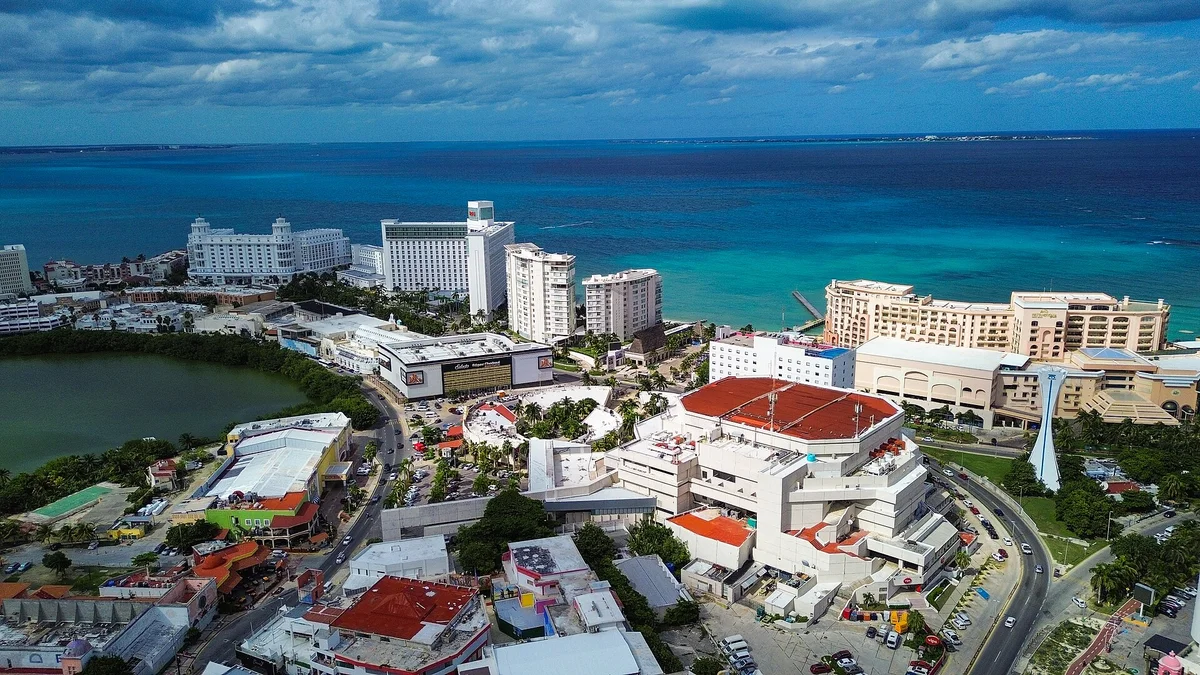
Quick answer: The Riviera Maya’s karst limestone geology, high water table, and Atlantic hurricane exposure create genuine flood risk that standard property insurance typically excludes. Low-lying interior zones and Tulum jungle properties carry the highest risk; beachfront towers with engineered drainage the lowest. Assess flood history physically by visiting in rainy season, verify HOA flood coverage scope, and obtain a flood endorsement from a CNSF-licensed insurer if needed. All figures indicative, verify with licensed professionals for your specific property.
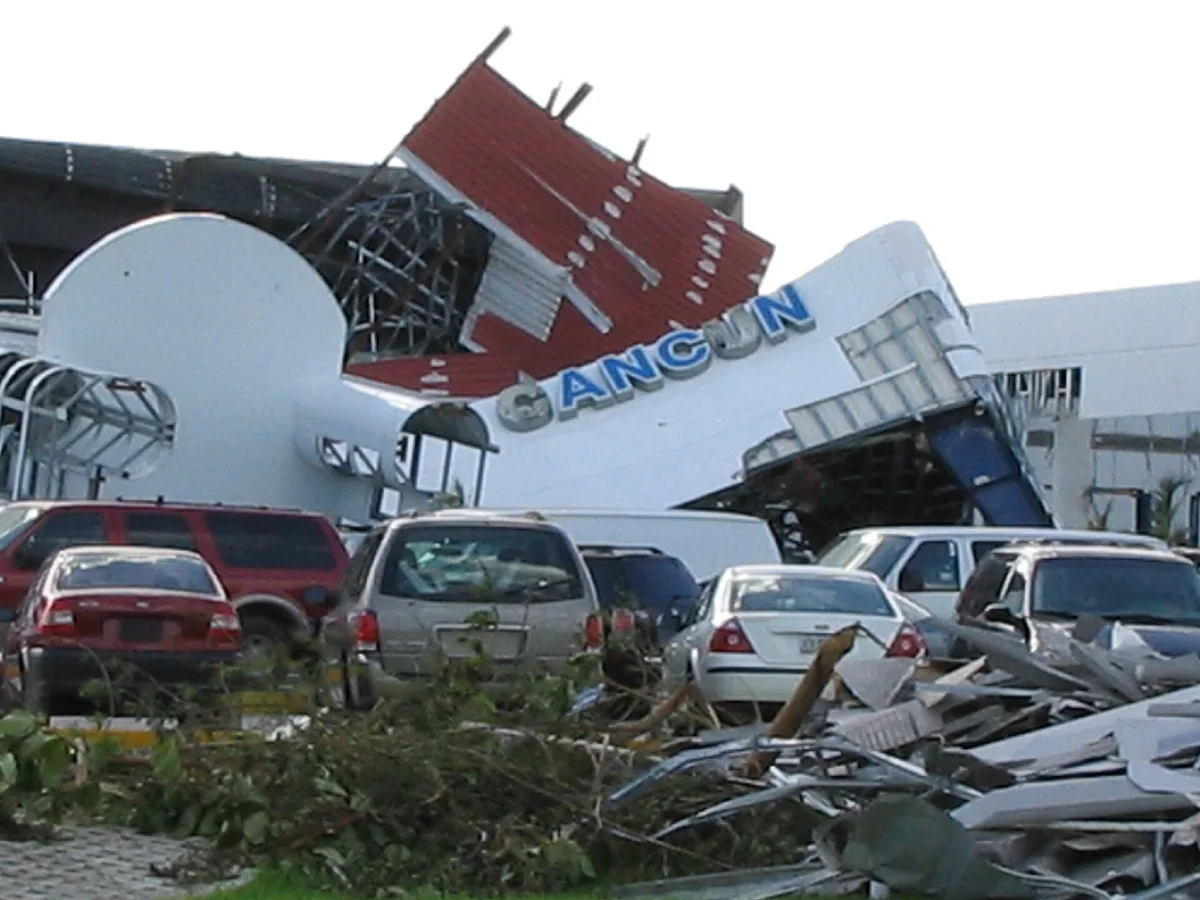
Most foreign buyers researching Riviera Maya property focus on hurricane wind risk, the visible, dramatic threat from named Atlantic storms. Flood risk gets less attention but arguably affects a broader segment of properties, more frequently, and with less dramatic but equally costly outcomes.
The combination of flat limestone terrain, a high and hydrologically interconnected water table, inadequate drainage in parts of older urban zones, and intense tropical rainfall creates a flood exposure that exists independently of named hurricanes. Understanding it before purchase, particularly understanding what your insurance covers and does not, is essential to informed Riviera Maya ownership.
Complete purchase guide: can foreigners buy property in Mexico.
The unique hydrology of the Riviera Maya
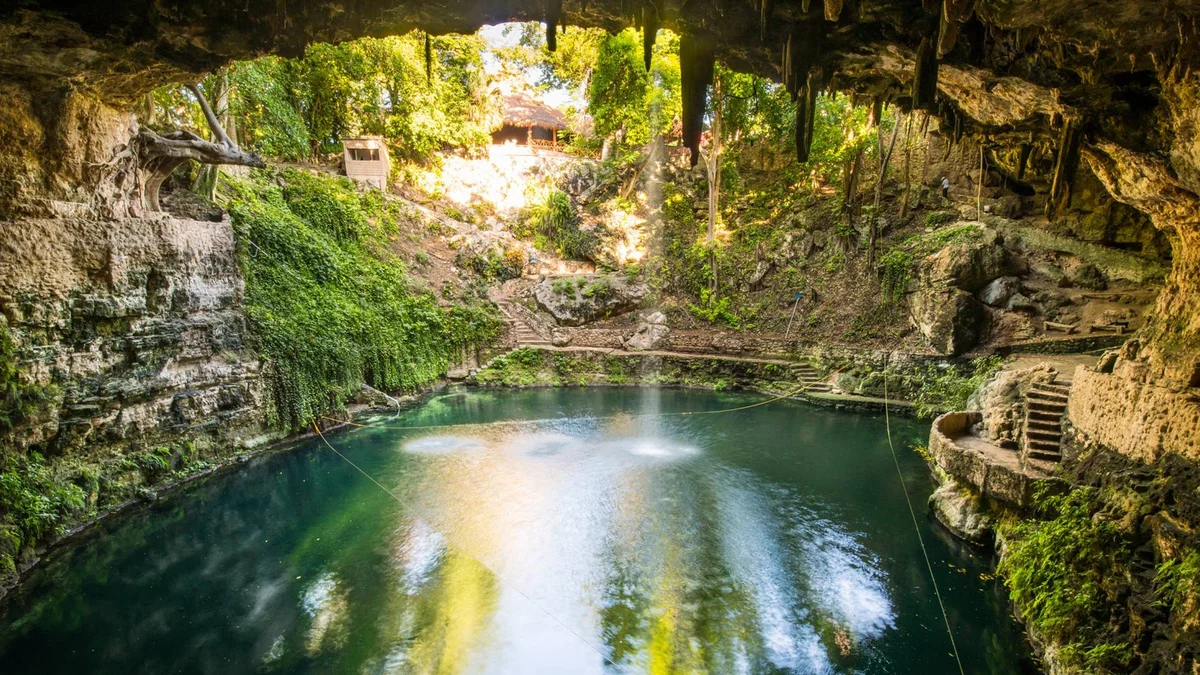
Understanding Riviera Maya flood risk starts with geology. The Yucatan Peninsula sits on one of the world’s largest karst limestone platforms. The bedrock is porous, acidic, and riddled with the cave and cenote network formed by millions of years of rainwater dissolution.
Why this matters for flood risk
Surface drainage in Mexico’s Gulf Coast and Central regions relies on rivers and elevation-driven runoff. The Riviera Maya has almost none of this. The coastline is flat; rivers are essentially absent; and precipitation historically percolated directly through the permeable limestone into the underground water table.
This natural system worked effectively until urban development covered the limestone with impermeable surfaces: roads, parking lots, building footprints, and compacted fill. When the historical percolation capacity is eliminated by development and a tropical system delivers 300-500mm of rainfall in 24 hours, water has nowhere to go. Urban flooding in Playa del Carmen, Cancún, and Tulum is the direct result of this dynamic.
The water table factor
The Riviera Maya’s water table sits surprisingly close to the surface, as shallow as 2-4 meters in many areas. During extreme rainfall events, the water table rises rapidly, and the boundary between the underground cenote network and the surface environment becomes permeable. Properties with basements, parking levels below grade, or low-lying ground floors can flood from the water table rising beneath them rather than from surface water intrusion, a mechanism that confuses even experienced property owners trying to assess their flood exposure.
Flood risk zones in the Riviera Maya
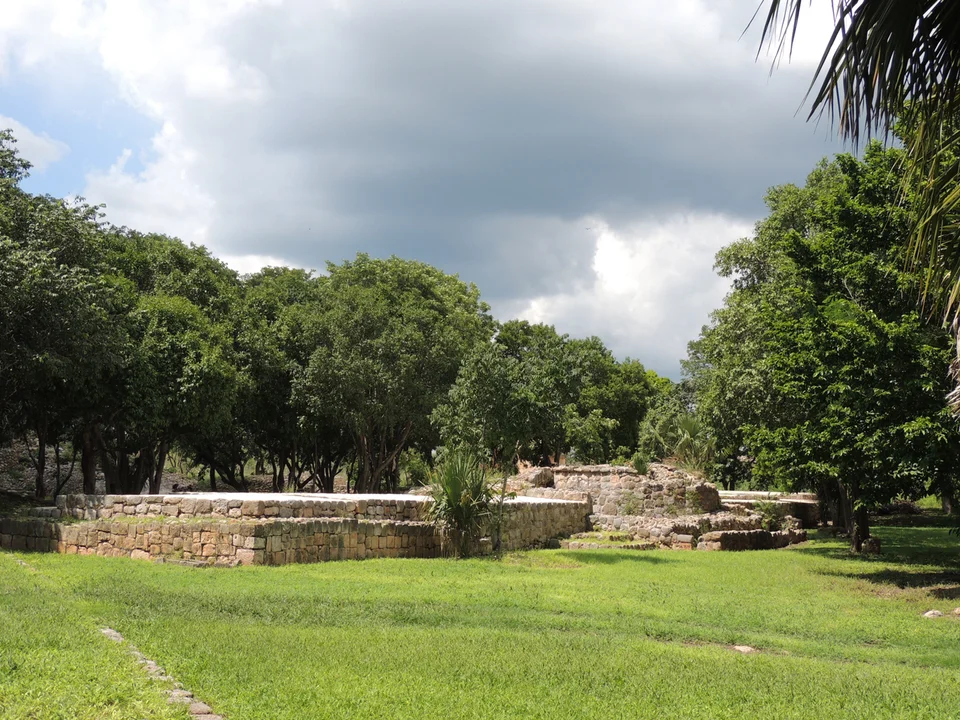
Not all Riviera Maya properties face equal flood exposure. Location within the regional geography meaningfully affects risk. The corridor sits on porous limestone with a shallow water table and almost no surface drainage, so flooding here is groundwater rising rather than a river overtopping. That geology means exposure varies block by block: a ground-floor unit two streets inland can flood while a beachfront building does not. Elevation above the street and the drainage of the specific block matter more than distance from the sea.
Karst geology is what makes flood risk here different from an ordinary coastal market. The peninsula’s limestone carries water underground through cenotes and cave systems rather than in surface rivers, so rainfall drains through the rock until the water table rises and emerges wherever the ground is lowest, which is often a filled low-lying lot sold as buildable. Ground-floor units in poorly drained blocks carry the highest flood insurance band at $1,500 to $3,000 a year, and some carriers decline them entirely. Inspect the block in July to September, when the rain is actually falling.
Higher flood risk areas
Playa del Carmen interior zones: Neighborhoods 5+ blocks from the beach in Playa del Carmen sit in topographic depressions. Streets in zones 2-5 regularly flood during heavy rain events, documented in local social media during major rainy season events. Ground-floor units and properties without elevated entrances are most exposed.
Tulum jungle zone: The interior of Tulum’s jungle development corridor sits on low-lying terrain with minimal drainage infrastructure. Cenote proximity elevates water table risk. The tourism boom in Tulum’s jungle zone outpaced drainage infrastructure investment significantly through 2020-2024. Flooding events in this area have been among the most severe in recent Riviera Maya urban history.
Puerto Morelos inland areas: Lower-elevation neighborhoods near inland cenotes and mangrove buffer zones face water table flood risk during intense rain.
Cancún downtown: Portions of Cancún’s downtown and Hotel Zone, particularly below-grade facilities and low-lying commercial areas, have documented flood exposure.
Lower relative flood risk areas
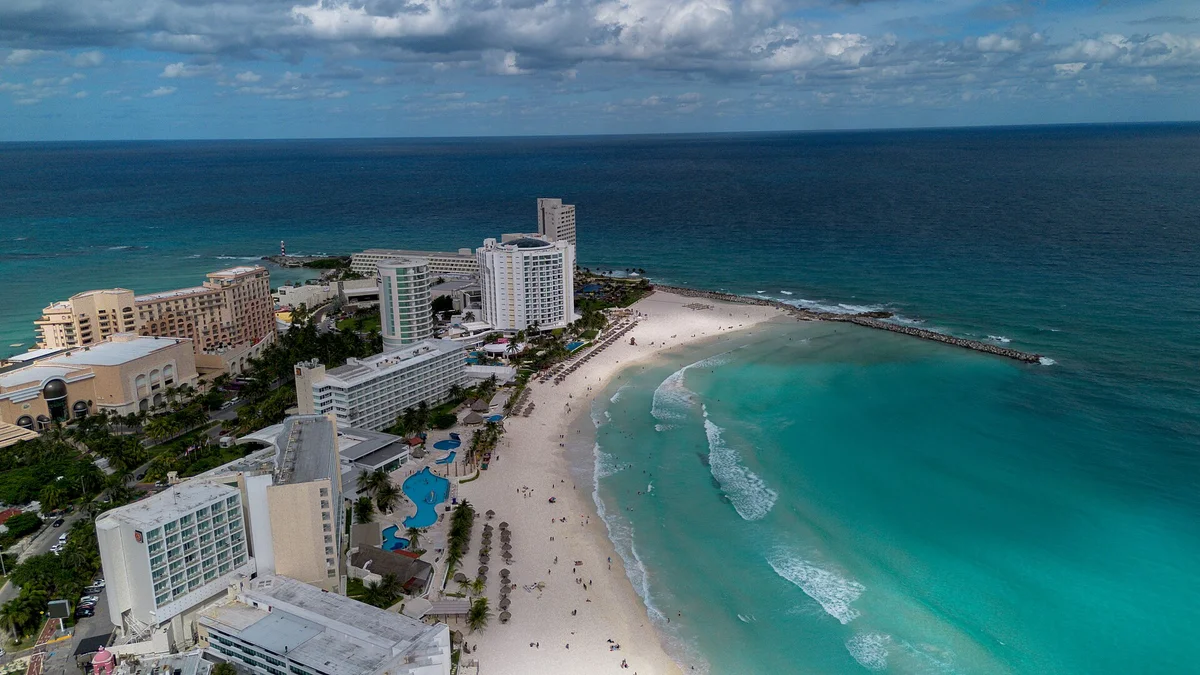
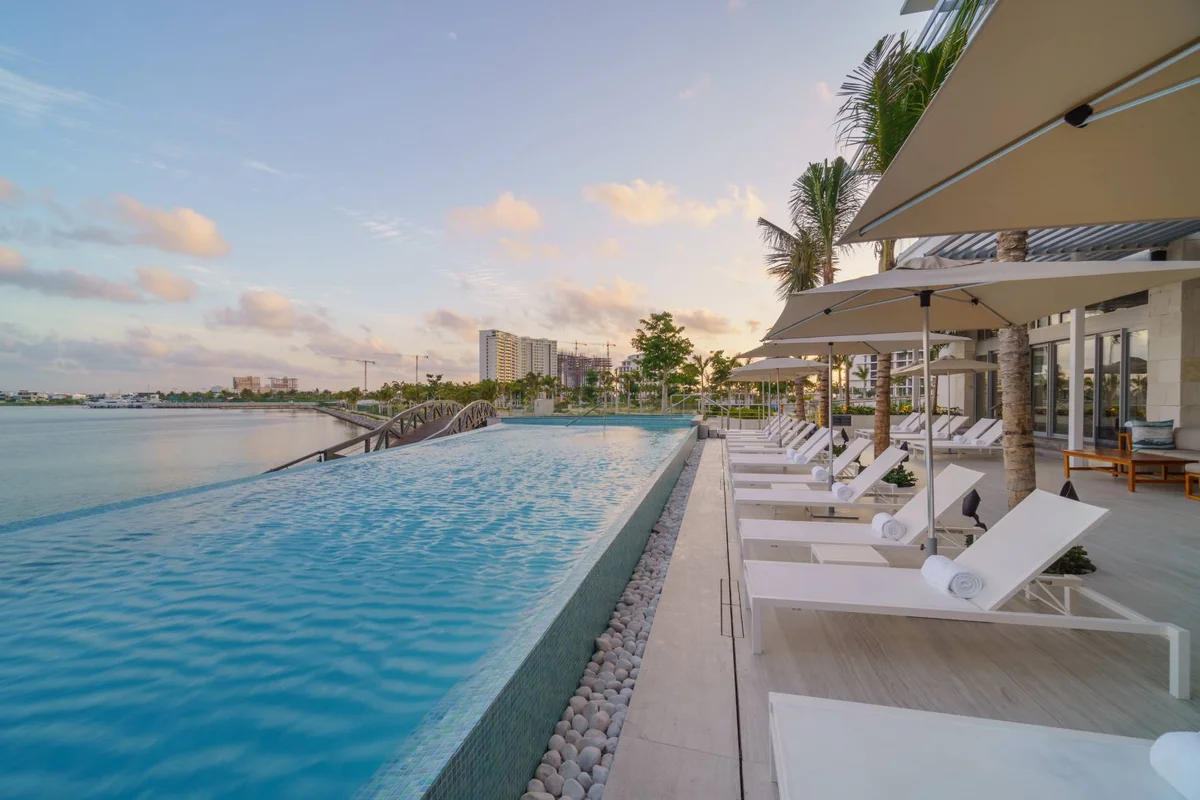
Elevated beachfront towers: High-rise condo towers with engineered drainage, elevated ground floors (parking below grade with drainage systems designed for this), and coastal position allowing direct drainage. Not zero flood risk but significantly reduced relative to inland properties.
Modern master-planned communities: Developments with purpose-designed drainage infrastructure, retention ponds, and engineered site grading, common in premium resort communities built since 2015. Due diligence should verify the drainage system was actually built as designed.
Inland elevations above sea level: A small number of elevated positions in the region (Cobá area, foothills) offer better natural drainage; uncommon in coastal foreign-buyer inventory.
| Zone | Typical elevation | Flood risk level | Key risk factor |
|---|---|---|---|
| Playa del Carmen interior | 5-15m above sea | Medium-high | Poor urban drainage |
| Tulum jungle | 5-10m above sea | High | Cenotes, minimal drainage |
| Beachfront tower | Ground 3-5m above sea | Low-medium | Engineered drainage |
| Cancún Hotel Zone tower | Elevated floors | Low | Building design |
| Riviera Nayarit (different zone) | Variable | Lower | Different geology |
What standard insurance covers and what it does not
The flood insurance coverage gap in Mexico is the most significant financial risk associated with flood damage. Many property owners discover this gap after an event rather than before. Wind is usually covered, inundación usually is not, and a policy that says “hurricane” frequently pays for the roof and not for the water that came through the door. The endorsement is a separate purchase, it is materially more expensive on ground-floor units, and some carriers will not write it at all on the worst-drained blocks. Discovering that after an event is the most common uninsured loss on this coast.
Standard policy coverage (typical)
Mexican comprehensive property policies (pólizas contra incendio y riesgos adicionales or similar names) typically cover: fire and lightning; explosion; wind damage from hurricane or storm; civil disturbance in some policies; subsidence and landslide in some policies.
Flood exclusions (typical)
Most standard policies exclude: inundación (flood) as an independent peril; damage caused by rising water table; damage caused by failure or inadequacy of municipal drainage infrastructure; pre-existing moisture damage; damage where flood is the proximate cause even if wind damage also occurred.
Getting flood coverage in the Riviera Maya
Flood endorsements (cobertura adicional por inundación) are available from:
Mexican carriers: GNP Seguros, AXA Mexico, Mapfre Mexico, some have endorsement products for residential properties; terms, availability, and pricing vary by location and property type.
International specialty markets: Lloyd’s of London underwriters who have Mexican programs sometimes include flood for qualifying properties. Higher minimum insured values often apply.
Developer-linked insurance programs: Some resort developments negotiate group property insurance programs that include flood endorsements as part of HOA coverage, verify the scope with the HOA insurance administrator.
Due diligence for flood risk before purchase
Physical investigation of a property’s flood history is more reliable than map-based assessments for individual properties in the Riviera Maya, where micro-topography and drainage infrastructure quality create high variation within small geographic areas.
Four checks answer the flood question before an offer and none of them requires a specialist. Pull the CENAPRED hazard classification for the parcel, walk the block in July to September when the rain is actually falling, ask the HOA administrator for the building’s history of water ingress in the last five hurricane seasons, and request an insurance quote naming inundación explicitly. A ground-floor unit in a poorly drained block prices at $1,500 to $3,000 a year for flood cover where a carrier will write it at all, and a declined quote is itself the answer.
Practical flood due diligence steps
1. Visit in rainy season (July-October): The rainy season reveals drainage performance that a dry-season visit cannot. Look for: standing water in streets and property surrounds; tide marks on exterior walls; efflorescence (white mineral deposits) on lower walls indicating past water intrusion; mold or moisture odor in basements or ground-floor spaces.
2. Ask the HOA property manager: Ask directly whether the property has experienced flooding events in the past 3-5 years. Request any insurance claims history related to water damage. A property manager who is evasive about this question is telling you something.
3. Review CONAGUA flood zone data: Mexico’s Comisión Nacional del Agua maintains some flood hazard mapping; your independent attorney can request official zone classification documentation as part of due diligence.
4. Inspect drainage infrastructure: In the property and in adjacent streets, are drains clear, is infrastructure in good condition, and is there evidence of capacity to handle heavy events?
5. Ask about cenote proximity and subsidence history: For Tulum jungle properties especially, inquire about any subsidence events, sinkhole activity, or water table monitoring in the development.
Full due diligence framework: Due Diligence Mexico Real Estate.
Step 1: Understand the HOA policy scope
Before buying individual insurance, know what the HOA already covers. Request the HOA policy declarations page and read the perils list. Confirm whether flood is included, excluded, or covered under a limited endorsement. See HOA Fees Mexico Condo Guide.
Step 2: Assess your property’s specific risk
Use the location risk framework above combined with physical observation. A beachfront tower in a modern development with good drainage warrants different insurance strategy than a jungle condo in Tulum’s interior.
Step 3: Obtain a flood endorsement if warranted
For medium-to-high flood risk properties, work with a CNSF-licensed insurance broker to obtain quotes for flood endorsements. Specify:
- Full replacement cost of interior improvements
- Contents value (furnishings for STR units)
- Civil liability inside the unit
- Loss assessment coverage
Step 4: Document property condition at purchase
Photograph and video every room, drainage outlet, and exterior of the property at purchase. If flooding occurs, your insurance claim requires proof that the damage was caused by the covered event rather than pre-existing. Contemporaneous documentation protects your claim.
Pros of carrying flood endorsement
- Financial protection against documented regional risk
- Peace of mind for STR investors with guest liability exposure
- Required by some mortgage lenders
- Often adds minimal cost to comprehensive policy premium
Cons and limitations
- Flood endorsements are not always available for all properties
- Deductibles may still leave significant out-of-pocket exposure
- Coverage limits may not match replacement cost for high-value properties
- Policy language ambiguities require careful review
The mangrove and SEMARNAT protection zone complications
A significant subset of Riviera Maya properties, particularly in Tulum’s jungle zone and some Playa del Carmen inland areas, are adjacent to or within SEMARNAT-designated mangrove protection zones. Two distinct problems follow. The regulatory one is that construction, expansion and even some renovation near a protected wetland require clearance that can be refused or revoked, and an irregularity attaches to the land rather than to the developer. The practical one is drainage: land that was wetland drains like wetland, whatever has been built on it, and insurers price accordingly.
Building within or near mangrove areas may:
- Require specific environmental permits for construction modifications
- Face restrictions on drainage modification (you cannot freely alter drainage to divert flood water)
- Create legal liability if unauthorized work is done in the protection zone
- Affect insurance coverage if the insurer can claim unpermitted work contributed to loss
Verify the SEMARNAT environmental classification of your target property’s land. Mangrove adjacency can enhance property appeal (greenery, natural setting) while creating material flood risk and insurance complexity that a cosmetic assessment would miss.
What checklist should run before you sign?
Every year before July, complete this checklist to protect your investment: Six checks, timed before hurricane season rather than during it: confirm the flood endorsement is active, test pumps and clear drains, photograph the property’s pre-season condition, verify the HOA master policy covers common-area flood, check the reserve balance against a plausible assessment, and agree the guest cancellation policy with your manager in writing.
- Review insurance policy; confirm flood endorsement is included and current
- Contact HOA to verify master policy remains active and flood scope is unchanged
- Inspect and clear all property drainage outlets and gutters
- Check and maintain storm window/door sealing
- Document current property condition with dated photos
- Confirm property manager’s emergency protocol for heavy rain events
- Review HOA special assessment reserve fund adequacy
- If near cenote or jungle zone, monitor water table access point for any change
- Confirm STR guests receive rainy season/emergency information at check-in
Buyer scenarios
Flood exposure in the Riviera Maya is decided by elevation and floor level rather than by proximity to water, which is the opposite of what most buyers assume. An eighth-floor unit in a Playa del Carmen beachfront tower faces almost no rainfall flood risk, the HOA master policy covers the structure, and a flood endorsement adds limited incremental value against interior contents cover. A low-lying Tulum jungle condominium is a different proposition entirely: medium-to-high risk, and a flood endorsement with replacement-cost coverage on all interior improvements is not optional. The scenarios below work through both positions.
Playa del Carmen beachfront tower, floor 8: Minimal personal flood risk from rainfall, the building’s drainage system handles ground-level events. HOA master policy covers structure. Individual policy needed for interior improvements, contents, and liability. Flood endorsement may have limited incremental value at this location.
Tulum jungle condo, low-lying terrain: Medium-to-high flood risk. Must carry flood endorsement with replacement cost coverage for all interior improvements and contents. Visit property during July-August before purchase to personally assess drainage performance. Due diligence includes HOA flood history inquiry and mangrove classification verification.
Riviera Maya villa, 4km inland: Ground-level villa with small garden. Municipal drainage is adequate based on local inquiry. Carry full comprehensive insurance including flood endorsement for certainty. Annual pre-rainy season drainage inspection is part of property management protocol.
Flood risk assessment and insurance terms are indicative as of mid-2026. Flood exposure varies significantly by specific property location and construction. Engage licensed CNSF insurance brokers and qualified local inspectors for property-specific assessments. Mexico Invest provides educational content, not insurance or professional assessment services.
Indicative cost and timeline benchmarks (2026)
The figure that decides a purchase on this page is flood cover at $1,500 to $3,000 a year on a ground-floor unit in a poorly drained block, where a carrier will write it at all. A declined quote is itself a finding. Treat the rest as stress inputs and confirm current insurer appetite before closing.
| Line item | Typical range | Notes |
|---|---|---|
| Independent legal review | $1,500-$5,000 USD | Before deposit |
| Fideicomiso setup | $2,500-$4,000 USD | Restricted zone |
| Annual trust fee | $500-$800 USD | Bank-dependent |
| Closing timeline (resale) | 30-90 days | Notario schedule |
| Acquisition tax (ISAI) | 2-4% | State/municipality |
| STR management fee | 20-35% gross | Platform bookings |
| Net yield (Riviera Maya) | 3-5% | After HOA and PM |
| Playa 1BR median | $200K-$350K | 2026 listing band |
| Tulum 1BR median | $150K-$285K | Higher execution risk |
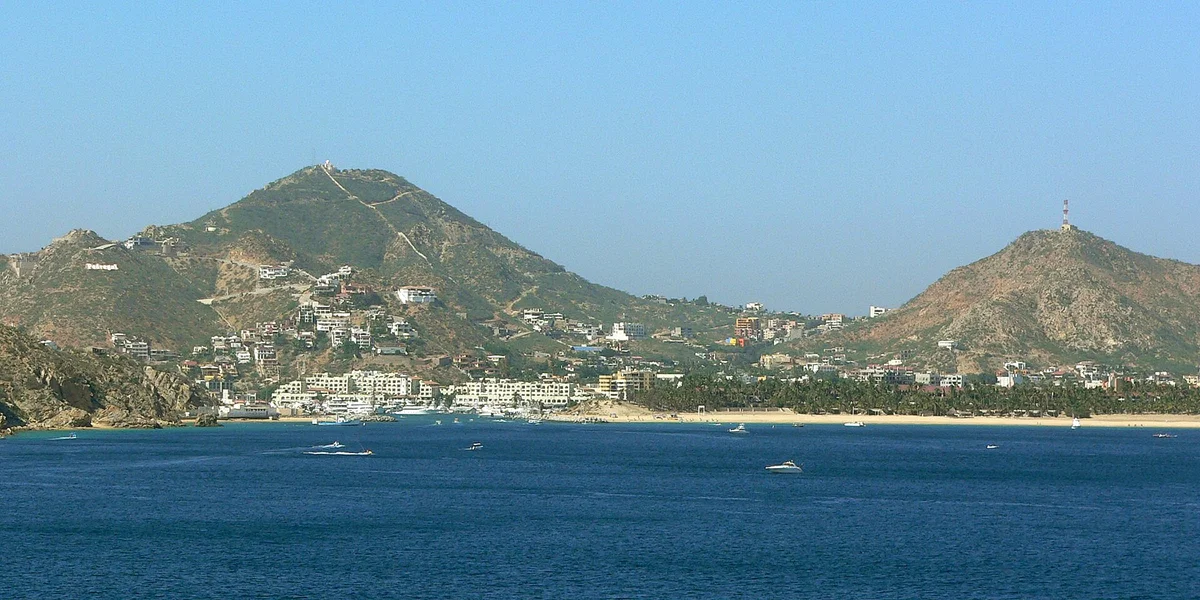
| Los Cabos 1BR entry | $350K+ | Lower net yield band |
Flood endorsement pricing repricies after every named storm; treat the premiums above as stress inputs and get a current quote tied to your building’s elevation and floor.
Frequently Asked Questions
Yes. The Riviera Maya is built on porous limestone karst geology with a high water table, minimal natural elevation, and a dense underground cenote and cave network. Low-lying interior zones, areas without adequate drainage infrastructure, and properties near cenotes or mangroves face meaningful flood risk during the June-November hurricane and rainy season. Flash flooding from intense rainfall is documented across Playa del Carmen, Tulum, and Cancún.
Primary flood causes: heavy rainfall during hurricane season overwhelming urban drainage; storm surge from Atlantic hurricanes; cenote and underground water table rise during extreme rain events; inadequate or aging municipal drainage infrastructure in older districts; and poor individual property drainage. Flood events often combine several of these causes simultaneously.
Typically no. Standard Mexican property insurance policies cover fire, lightning, and often hurricane wind damage, but flood is a separate peril that is usually excluded or requires a specific endorsement. Ask your insurer specifically: 'Is flood damage from rainfall or storm surge covered?' and get the answer in writing with your policy documents.
Higher flood risk areas include: low-lying interior neighborhoods of Playa del Carmen (zones 2-5 inland from the beach); Tulum jungle zone properties near cenotes or in low-lying terrain; downtown Cancún low-lying commercial areas; portions of Puerto Morelos near inland cenotes; and any property within or adjacent to mangrove protection zones.
Karst geology describes the limestone bedrock underlying the Yucatan Peninsula. Limestone is porous, millennia of rainfall has dissolved it into an intricate network of caves, cenotes, and underground rivers. The Riviera Maya has very little surface runoff capacity, most rainfall drains through limestone or, when the system becomes saturated, pools on the surface. Properties built on low-lying ground can flood from below (rising water table) as much as from above.
HOA master building policies in Quintana Roo vary widely. Some comprehensive policies include flood endorsements; most standard policies exclude it. Foreign buyers should request the HOA insurance policy declarations page and specifically ask whether flood (inundación) is listed as a covered peril. Undiscovered HOA flood exclusions become HOA special assessments on unit owners after major flooding events.
Effective flood risk assessment: physically visit the property during rainy season (July-September) to observe drainage; ask the seller and HOA for any historical flooding events; review municipal flood zone designations from CONAGUA; check whether the property sits above the local drainage grade; look for waterline marks or efflorescence indicating past moisture intrusion; and engage a local engineer for formal assessment on higher-value purchases.
Proximity to cenotes creates two distinct risks: elevated water table that rises during extreme rainfall, potentially causing ground-level flooding even without surface water intrusion; and subsidence or sinkhole risk as the underlying limestone continues to dissolve over time. Properties marketed as 'cenote-facing' should be evaluated by a structural engineer familiar with karst geology. Insurance for cenote-proximate properties may carry exclusions or require additional endorsements.
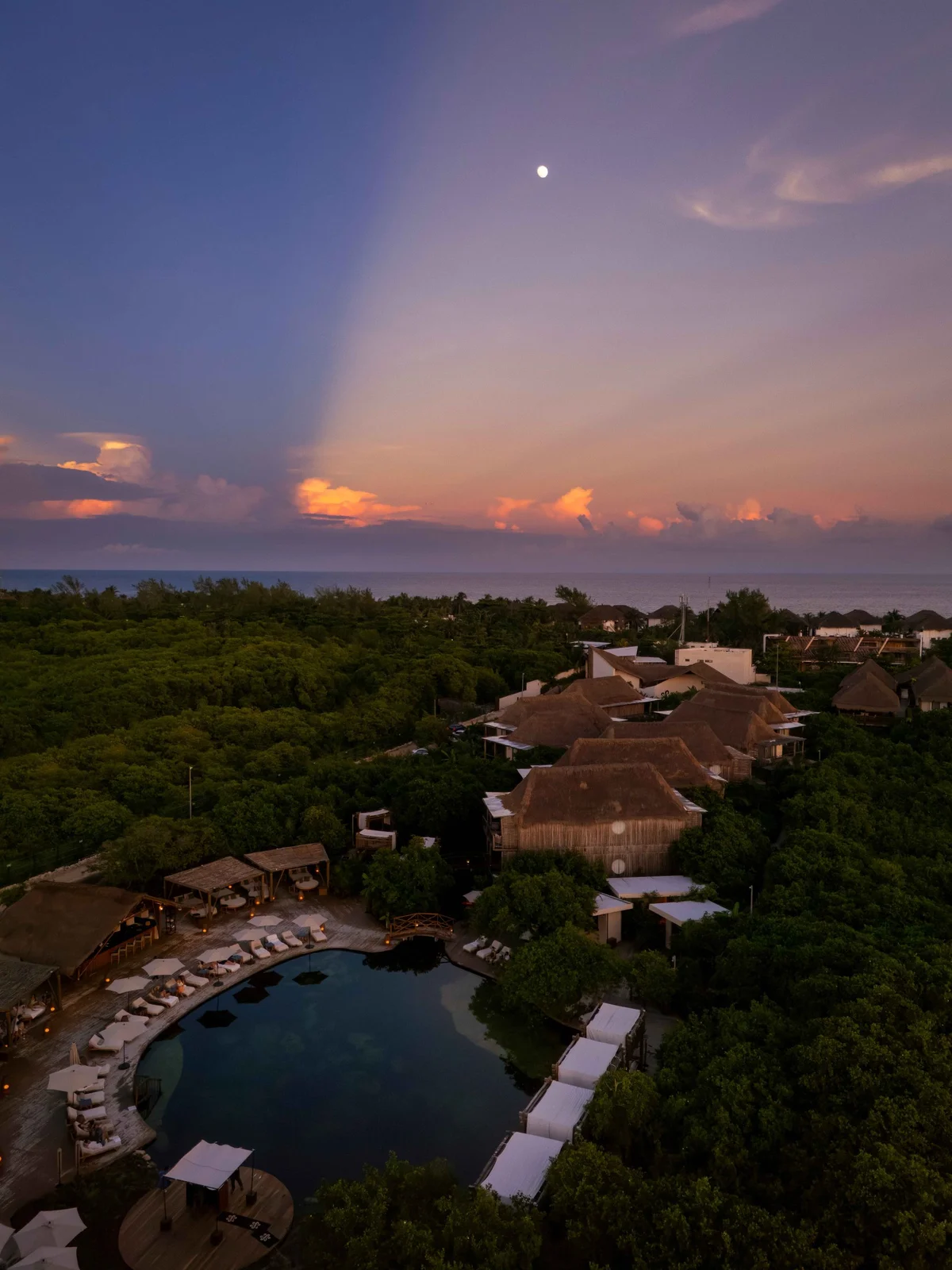
Get a vetted Mexico shortlist
US and Canadian buyers use this to skip the developer sales deck: tell us the budget and the market, and we come back with 3 to 5 options and the net yield maths behind each one.
Want options matched to your budget and risk profile?
Three questions, one screen. We reply within one business day.
Get a vetted Mexico shortlist