
Mexico Construction Loans for Foreign Buyers Guide
Construction financing for foreign buyers building in Mexico in 2026. Who lends, land ownership structure, permit requirements, and alternatives to bank cons...
By Mexico Invest Editorial · Updated July 9, 2026 · 13 min read
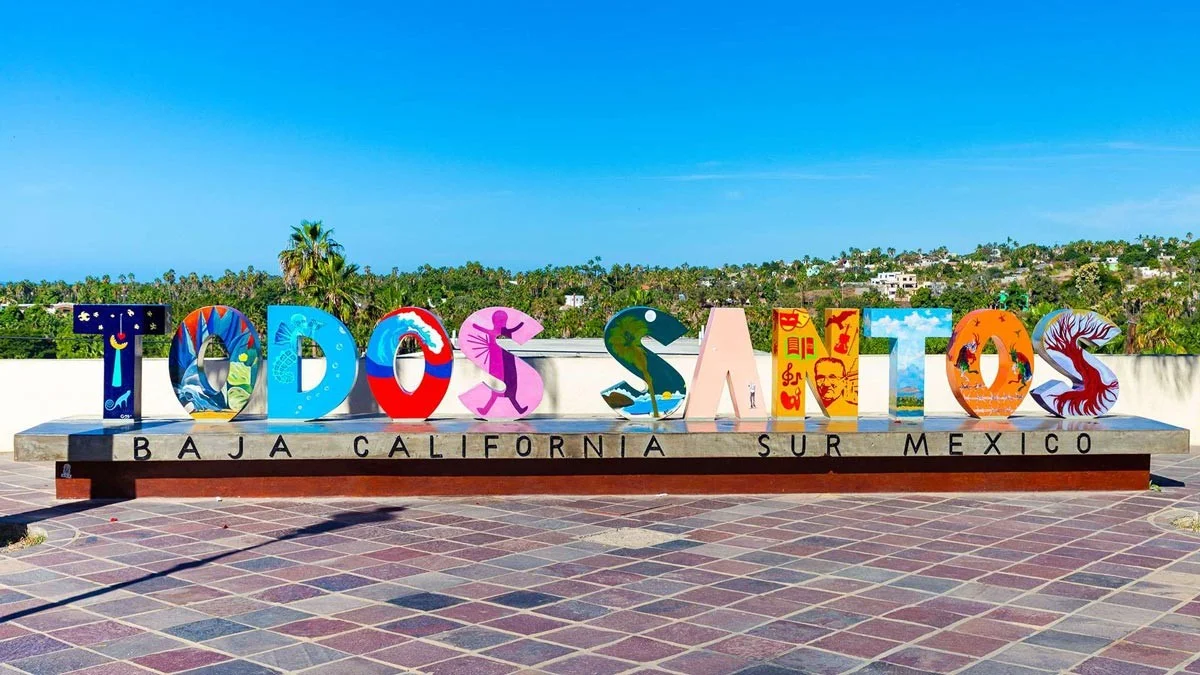
Quick answer: Traditional construction loans for foreign buyers in Mexico are available but rarely practical, narrow lender universe, high documentation requirements, and fideicomiso coordination complexity mean most foreign builders self-fund from US HELOC, savings, or home-country financing staged to construction milestones. The bigger challenges are land ownership structure, permit sequencing, and finding reliable licensed builders, not financing per se.
Construction lending is a different product from a purchase mortgage. If you are buying finished stock, start with non-resident mortgage options or the cross-border lender list; if you are buying off-plan, the relevant risk is developer solvency, not your own.
Building from scratch in Mexico is a fundamentally different experience than buying an existing condo. The appeal is obvious: customize your property, potentially build at lower cost-per-square-meter than finished condos, and create something uniquely yours in a market where generic tower units dominate inventory.
The reality is more complex. This guide covers what construction financing is actually available to foreigners, how land ownership works before and during construction, the permit sequence required before a shovel breaks ground, and the practical alternatives most successful foreign builders use instead of local bank loans.
Start with the ownership foundation: can foreigners buy property in Mexico.
Who actually lends for construction in Mexico?
The Mexican construction lending market is fundamentally different from the US equivalent. In the US, construction loans are a standard bank product with established origination processes, appraisal methods, and secondary market participants. In Mexico, construction finance is primarily done by developers for their own projects, not by lenders extending credit to individual homebuilders.
Why traditional banks rarely lend to foreign builders
Mexican commercial banks have limited appetite for residential construction loans to individual foreign buyers for several reasons:
Collateral complexity: During construction, the asset has no clear stabilized value. The fideicomiso holds raw land or partially completed structure, neither is easily liquidated if the borrower defaults. Banks prefer fully-completed, cash-flowing collateral.
Permit risk: Construction permits in Mexico can be delayed, modified, or revoked. A bank’s collateral depends on the project being completed as permitted, exposure to permit risk is uncomfortable for lenders.
Foreign borrower risk: Foreign nationals have no Mexican credit history, potentially limited Mexico income streams for debt service, and, crucially, are not subject to the same collection mechanisms as Mexican citizens.
Small market: The volume of foreign individuals seeking Mexican construction loans is not large enough for most banks to build dedicated origination infrastructure.
Who does lend
Mexico development banks: INFONAVIT and SHF primarily serve Mexican citizens with employment documentation, not foreign investors. Limited relevance for this profile.
Private lenders: A small number of private lending programs exist for high-quality projects in prime markets (Los Cabos, Riviera Maya luxury corridor). Typically require 50%+ equity in land, construction permit in hand, and loan minimums of USD 500,000+. Relationship-based, rates and terms negotiated.
Mexico commercial banks (case-by-case): Santander Mexico, BBVA Mexico, and Banorte have occasionally extended construction lines to foreign borrowers with strong documentation, existing relationships, and prime-location projects. Not standard products; requires specialized lending officer engagement.
Specialized construction finance companies: Several boutique Mexican finance companies focus on developer construction loans and occasionally extend to sophisticated individual builders in resort markets. Higher rates (16-24% in peso terms), shorter terms.
Land ownership
Building in Mexico requires clear land ownership, which for foreigners in the coastal restricted zone means a properly established fideicomiso bank trust before a single permit can be obtained. The trust has to exist before construction begins, not after, a building erected over land whose trust is still in process creates a title problem that is expensive to unwind and can block the eventual sale.
Fideicomiso and land title: what you need
For the construction permit application, the municipal authority requires:
- Proof of ownership (fideicomiso trust documents or escritura outside restricted zone)
- Predio (lot) dimensions and property cadastral registration
- No outstanding predial (property tax) obligations
- Certificado de libertad de gravamen (no-lien certificate, recent issue date)
If your land purchase is still in process or the fideicomiso has not been fully registered, you cannot proceed with permit applications. Sequence matters: acquire and clear title, then apply for permits, then begin construction.
Full fideicomiso mechanics: Fideicomiso Mexico Explained.
What land you cannot build on
Several categories of Mexican land cannot be privately developed regardless of what a seller claims:
Ejido land: Communal agricultural land. Cannot be privately sold or developed by foreigners without an extremely complex regularization process rarely completed in practice. See Ejido Land Risks Mexico.
Zona federal marítimo terrestre (ZOFEMAT): The federal maritime-terrestrial zone, the first 20 meters above the ordinary high-tide line. Federal concession land, not privately owned. Some “beach front” properties in Mexico include, or worse consist entirely of, ZOFEMAT land. Building on ZOFEMAT requires a federal concession, not a municipal construction permit.
Protected natural areas: Mangrove zones, cenote-adjacent areas, coral reef proximity zones, and other environmentally protected classifications prohibit construction or impose strict limitations. Quintana Roo has extensive SEMARNAT-protected zones relevant to any Riviera Maya construction project.
Agricultural use restrictions: Some land registered as agricultural use requires use change authorization (cambio de uso de suelo) before residential construction permits can be granted.
The permit sequence
Permit sequencing is the phase most foreign builders misjudge on timeline and cost. Getting permits wrong delays construction and can invalidate completed work. The sequence below is general; specific requirements vary by municipality. Land use, construction licence and environmental clearance run in a fixed order and each one can take months. Work completed ahead of a permit is not merely unpermitted, it may have to come down.
Step 1: Land use verification (antes de comprar)
Before buying land, verify the municipal PDU (Programa de Desarrollo Urbano) designates the land for residential construction. H-2, H-3, and similar residential codes permit construction; agricultural (A) or conservation (C) designations require change of use or prohibit construction.
Step 2: Environmental pre-consultation
For properties near coastal zones, mangroves, cenotes, or protected areas, an environmental pre-consultation with SEMARNAT (Secretaría de Medio Ambiente y Recursos Naturales) identifies restrictions before investment in architectural plans.
Step 3: Architectural plans and specifications
A Mexican licensed architect (Cédula Profesional) prepares plans compliant with municipal construction regulations, structural codes (NTC norms or state equivalent), and accessibility requirements. These plans serve as the foundation for all permit applications.
Step 4: Municipal construction license
Application to the H. Ayuntamiento (municipal authority) includes:
- Certified architectural plans
- Land ownership documentation
- Topographic survey
- Structural calculations (stamped by structural engineer)
- Environmental compliance documentation where required
- Architect’s professional responsibility declaration
Municipal review and approval: typically 2-4 months in Riviera Maya; 1-3 months in Baja California Sur. More complex projects or those near protected zones take longer.
Step 5: IMSS construction notification
All construction projects using paid workers must notify IMSS (Instituto Mexicano del Seguro Social) and ensure IMSS compliance for labor. This affects construction contractor selection, only use contractors who handle IMSS registration properly.
Permit timeline summary
| Permit | Authority | Typical timeline |
|---|---|---|
| Land use verification | H. Ayuntamiento | 1-2 weeks |
| Environmental pre-consultation | SEMARNAT | 3-8 weeks |
| Architectural plan certification | DRO (architect) | 2-4 weeks |
| Municipal construction license | H. Ayuntamiento | 2-4 months |
| IMSS registration | IMSS | 2-4 weeks |
| Water/electric connection | CONAGUA/CFE | 4-8 weeks |
Self-funded construction: the most common foreign
Given the limitations of construction lending for foreign buyers, the most practical approach is self-funding construction from US-side capital sources, deployed in stages matching construction milestones. Staging matters as much as the source: release funds against verified completion of each phase, inspected by someone you retained, rather than on the contractor’s schedule.
Staging is the only real protection available on a self-funded build, since no lender is policing the contractor for you. Release funds in the five stages above at 15% to 25% each, against completion verified by an independent inspector you retained rather than on the contractor’s invoice date. On a $250,000 build that means no single release exceeds $62,500, and a contractor who abandons the site mid-stage takes at most one tranche rather than the balance of the budget. Never prepay a stage to secure a discount.
Staged deployment mechanics
Construction typically proceeds in budget stages of 15-25% each:
- Site preparation and foundation (15-20% of construction budget)
- Structural frame and roof (20-25% of budget)
- Exterior walls and MEP rough-in (20-25% of budget)
- Interior finishing and fixtures (20-25% of budget)
- Final details, landscaping, pool (10-20% of budget)
Staging capital deployment to match these milestones reduces total capital committed at any one time and provides natural checkpoints to evaluate quality and progress before releasing additional funds.
US capital sources for construction
HELOC staged draws: Draw from US HELOC only when each construction stage is verified and ready to fund. This matches the HELOC’s revolving structure to construction’s staged needs, minimizing total outstanding balance and interest cost.
Investment account liquidation: Some buyers liquidate underperforming US investment positions to fund construction, accepting tax events on US gains in exchange for Mexico real estate exposure.
Proceeds from US property sale: If downsizing or relocating from US market, sale proceeds can fund Mexico construction. Timeline coordination between US sale and Mexico construction start is the primary challenge.
Construction budget reality
Foreign buyers systematically underestimate Mexico construction costs. Key cost drivers often missed in initial budgeting:
| Cost category | Percentage of build cost |
|---|---|
| Architect and DRO fees | 8-15% |
| Structural engineering | 2-4% |
| IVA (VAT at 16%) on materials and services | 16% of all invoiced items |
| IMSS and INFONAVIT (labor compliance) | 5-8% of labor cost |
| Municipal fees and permits | 2-3% |
| Infrastructure connections (water, electric, sewer) | 3-8% |
| Contingency | 15-20% minimum |
A USD 250,000 construction budget in Mexico should be planned as USD 320,000-350,000 all-in to cover these items. Underfunding construction is the leading cause of unfinished projects.
Construction oversight: critical
Unlike buying a completed unit, construction requires active oversight. Foreign buyers who are not present in Mexico during construction must retain reliable professional oversight or accept higher cost and quality risk. That means an architect or project supervisor working for you rather than for the builder, with authority to withhold a payment. Remote owners who skip this discover the shortcuts at handover.
Options for construction oversight
Resident architect supervision (most common): The project architect provides regular site visits, contractor coordination, and quality verification as part of their engagement. Typical fee: 3-6% of construction cost. Essential, not optional.
Owner’s representative: An independent construction manager who acts as your on-site agent, separate from the architect. Useful for larger or more complex projects where conflicts of interest between architect and contractor need independent oversight.
Project management firm: Some Mexico firms specialize in managing foreign owner construction projects, handling everything from permit management to contractor selection to budget control. Higher cost but reduces remote management burden significantly.
Frequent owner visits: Some buyers combine limited professional oversight with frequent personal visits every 4-6 weeks. Effective only for buyers with construction experience who can meaningfully evaluate progress; ineffective for buyers without building knowledge.
Construction risk factors specific to Mexico
Foreign builders in Mexico face risk factors beyond standard construction complexity: Materials cost volatility, labour availability in resort corridors during construction booms, and utility connection timelines from CFE and the water authority, the last of which regularly outlasts the build itself.
Two Mexican-specific risks deserve budgeting rather than monitoring. Permit sequencing, licencia de construcción, and SEMARNAT clearance where the parcel sits near coast, mangrove or cenote, can halt a site for months, and enforcement lands on the owner rather than the builder. Materials and labour price movement in peso terms against a dollar budget is the second: hold a 15% to 20% contingency above the contracted figure, because a fixed-price contract in Mexico is fixed only while the contractor remains solvent, and on a $250,000 build that contingency is $37,500 to $50,000.
Contractor reliability
Mexico’s construction contractor market includes excellent licensed builders and unreliable operators. Vetting requirements:
- Request IMSS and tax compliance certificates (active and current)
- Require CFDI-compliant invoicing for all work
- Verify previous completed projects with references you contact independently
- Contract should specify milestone payments, not upfront full payment
- Retain 10-15% until 30-day defect liability period expires
Building material supply
Supply chain disruptions affecting US construction also affect Mexico. Premium materials (tiles, fixtures, fittings from Europe or US) have longer lead times and customs complications. Specify Mexican-available alternatives for key items to prevent construction delays.
Rainy season impact (Riviera Maya)
Riviera Maya experiences a rainy season from May to October, with peak hurricane risk in September-October. Heavy rain delays earthwork, concrete pours, and exterior finishing. Smart construction schedules put foundation and structure work in dry season (November-April) and interior finishing during rainy season. Failure to account for rainy season extends timelines by 2-4 months.
How does this comparison stack up for Mexico investors?
Building and buying are usually compared on cost per square metre, which is the least useful line in the table below. The decisive rows are timeline and permit risk. A resale purchase reaches occupancy in 30 to 90 days with no permit exposure whatsoever, while a build runs 18 to 36 months during which you are carrying land, paying for active oversight and holding real permit risk with no rental income to offset any of it. The customisation and differentiated-STR arguments for building are genuine, but they are arguments for a second property, not a first one in an unfamiliar jurisdiction.
| Factor | Building from scratch | Buying existing condo |
|---|---|---|
| Customization | Full control | Limited renovation |
| Cost/sqm | Potentially lower (prime markets) | Market pricing |
| Timeline to occupancy | 18-36 months | 30-90 days (resale) |
| Financing complexity | High | Standard |
| Permit risk | Real | None |
| STR potential | Higher (differentiated) | Established comps |
| Management during construction | Active required | None |
| Ongoing maintenance | Higher (house vs condo) | HOA handles common areas |
What checklist should run before you sign?
Building in Mexico as a foreigner is three projects at once: a title project, a permit project and a construction project, and failure in any of them stops the other two. Work the checklist in that order, trust constituted, permits final rather than in process, then contractor and payment schedule, because reversing it is how owners end up with a half-built structure they cannot legally finish.
Before committing to a Mexico construction project as a foreign buyer:
- Land title is clean: fideicomiso established, no ejido issues, ZOFEMAT identified
- Municipal PDU confirms residential construction is permitted
- SEMARNAT pre-consultation completed for coastal or protected areas
- Budget includes all permit fees, IVA, IMSS, architect, contingency (add 30% to initial estimate)
- Licensed architect engaged with Cédula Profesional verified
- IMSS-compliant contractor selected with references contacted independently
- Construction oversight plan in place for periods when owner is absent
- Capital for full construction staged and accessible (not dependent on a single source)
- Timeline includes rainy season impact if building in Caribbean Mexico
- Exit plan documented if construction must stop (resale value of partially built structure)
Buyer scenarios for foreign builder in Mexico
Retiree, paid-off US home: Uses US HELOC for land acquisition, then self-funds staged construction from Social Security income and investment account liquidations. Builds in Los Cabos over 24 months. Accepts longer timeline versus buying finished villa. Custom design justifies effort; financing costs below cross-border mortgage alternatives.
Investor, development micro-project: Buys two adjacent lots in Tulum area, builds two boutique villas simultaneously for STR market. Finances from US real estate portfolio refinancing. Professional construction management firm hired to handle site operations. Timeline-critical project where financing structure matches stage releases.
Lifestyle buyer, Merida: Inside the 50 km coastal band despite the city’s inland reputation, so a fideicomiso applies and the trust must be constituted before construction draws begin. Renovating a colonial-style house rather than building from scratch; similar due diligence issues. Self-funds renovation from retirement accounts.
Indicative costs, permit timelines, and lending conditions as of mid-2026. Mexican construction regulations and permit requirements vary by municipality. Retain a licensed Mexican architect and independent attorney before purchasing land for construction. Mexico Invest provides educational content, not construction or financial advice.
Frequently Asked Questions
Construction loans for foreign nationals are available through a narrow segment of Mexico-licensed banks and private lenders, but they are significantly harder to obtain than purchase mortgages. Most foreign buyers who build in Mexico self-fund from savings, HELOC draws, or home-country financing rather than obtaining a Mexican construction loan. The combination of land ownership complexity, construction permit requirements, and documentation requirements makes traditional construction financing inaccessible for most foreign buyers.
Requirements typically include: clear title to the land (fideicomiso established) with no encumbrances; licensed architect's full blueprints and specifications; IMSS-compliant construction contract with registered builder; municipal construction permit in hand; minimum 40-50% equity in land or project to date; income documentation equivalent to mortgage qualification; and a Mexican RFC if the loan has interest to deduct.
Most foreign builders in Mexico use alternatives: US HELOC draws staged to match construction milestones; portfolio loans against US investment accounts; home-country refinancing for lump sum; personal savings deployed directly to a licensed Mexican contractor; or a hybrid structure where land is purchased with one capital source and construction self-funded stage by stage.
The fideicomiso bank trust holds legal title in coastal restricted zones. A construction lender needs to register a construction lien (hipoteca de construcción) on the fideicomiso, not directly on the land. This requires the fideicomiso bank and construction lender to coordinate, adding institutional complexity that many lenders prefer to avoid.
Required permits typically include: municipal construction license from H. Ayuntamiento; environmental impact authorization for larger projects or near protected zones; SEMARNAT permit if project is within federal zone; water and sewer connection permits; CFE electrical connection authorization. Not all permits are required for every project, consult a Mexican architect and independent attorney for your specific municipality.
Building rights depend on the type of land and location. Private residential land held through fideicomiso can typically be built on with proper municipal permits. However, the zona federal marítimo terrestre (ZOFEMAT), the first 20 meters above high-tide line, is federal concession land, not privately owned. Some areas near cenotes, mangroves, and protected zones have environmental restrictions that prohibit or limit construction.
A high-quality residential construction in Riviera Maya or Baja typically takes 12-24 months for a custom home. Permit approval alone can take 3-6 months. Builder capacity, material supply, and rainy season affect timelines. Many foreign buyers underestimate timelines by 40-60% relative to comparable US construction. Build in contingency, both time and budget, before committing.
Commonly underestimated: IMSS social security contributions for workers; INFONAVIT housing fund contributions; Mexican VAT (IVA, 16%) on materials and services; architect and engineering fees (8-15% of construction cost); infrastructure connections; material waste and theft in self-managed projects; municipal oversight fees; architect/supervisor travel for remote properties.
Get a vetted Mexico shortlist
US and Canadian buyers use this to skip the developer sales deck: tell us the budget and the market, and we come back with 3 to 5 options and the net yield maths behind each one.
Want options matched to your budget and risk profile?
Three questions, one screen. We reply within one business day.
Get a vetted Mexico shortlist