
Nearshoring and Mexican Industrial Property in 2026
Nearshoring and Mexico industrial real estate, Monterrey, Bajío corridors, FDI flows, vacancy rates, and what it means for residential investors in 2026.
By Mexico Invest Editorial · Updated July 9, 2026 · 18 min read
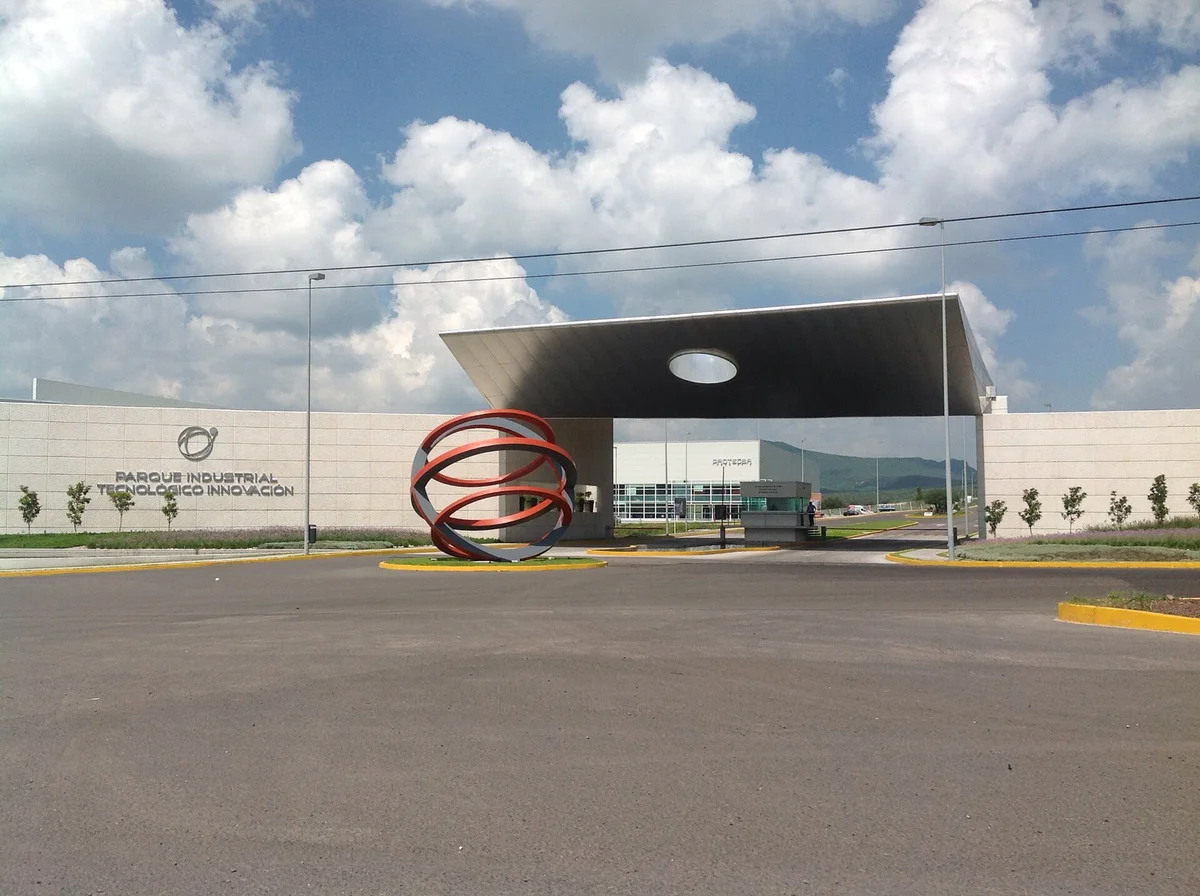
Quick answer: Nearshoring is reshaping Mexico industrial real estate, Monterrey (~203M sq ft inventory, ~11% availability), Querétaro (~7.5% availability), and border corridors absorb manufacturing FDI while coastal vacation markets benefit indirectly. Residential investors should understand macro tailwinds without confusing warehouse demand with Riviera Maya STR yields.
US supply-chain relocation since 2018 accelerated factory and logistics investment in Mexico. That wave tightened industrial vacancy, lifted Class A rents an indicative 10-15% annually in prime corridors, and redirected capital toward northern and Bajío states, a different map than the beach condo markets most foreign buyers search.
This guide explains where nearshoring capital lands, what industrial metrics matter, how it connects to residential markets like Mérida, and what due diligence industrial-adjacent investors should run before expanding beyond vacation property.
Macro context: Mexico Property Investment Guide. Coastal ranking: Best Areas to Invest Mexico 2026. Interior option: Mérida Area Guide.
What nearshoring means for Mexico real estate
Nearshoring describes US and multinational manufacturers shifting production closer to North American consumers, primarily into Mexico under USMCA, rather than relying on distant Asian supply chains. For real estate, the immediate impact is industrial and logistics absorption: warehouses, manufacturing parks, and supporting office space in Monterrey, Querétaro, Tijuana, and the Bajío. Residential beach markets feel second-order effects through jobs, infrastructure budgets, and expatriate housing demand in manufacturing hubs, not through direct warehouse-to-condo conversion.
| Layer | Nearshoring impact |
|---|---|
| Industrial / logistics | Primary, vacancy compression, rent growth |
| Workforce housing (rental) | Secondary, apartments near parks |
| Coastal vacation condos | Indirect, tourism + macro stability |
| Interior retiree markets | Spillover, Mérida, Querétaro lifestyle |
| Ejido / fringe land | Avoid, unrelated to industrial thesis |

FDI and absorption by the numbers
Mexico entered 2026 with nearshoring cited as a defining FDI theme. Industry reporting placed annual inflows at indicative $40 billion+ in 2025, with at least 20 new foreign manufacturers absorbing a combined 2.18 million sq ft of industrial space concentrated in Monterrey, Querétaro, Guanajuato, San Luis Potosí, Saltillo, Aguascalientes, and Tijuana. Nuevo León preliminary data showed $4.15 billion in FDI in 2025, a 162% year-over-year increase in one reporting series. These figures are indicative; verify against Secretaría de Economía releases before underwriting.
| Signal | Indicative 2025-2026 data |
|---|---|
| National FDI theme | Nearshoring-led manufacturing |
| New entrants (one series) | 20+ firms, 2.18M sq ft |
| Monterrey FDI (preliminary) | $4.15B, +162% YoY |
| Northern Mexico built share | ~54% of industrial stock |
| Lead time new facilities | 18-30 months (industry est.) |
Industrial demand does not automatically lift Playa del Carmen net yields, but it validates Mexico’s multi-year growth narrative for buyers comparing Latin American markets.
Monterrey and Nuevo León
Monterrey anchors northern Mexico’s manufacturing base with the country’s largest industrial inventory, industry sources cite 203 million+ square feet with ~11.39% availability in Q3 2025, a balanced market that still absorbs space faster than new construction delivers in tight submarkets. Automotive, heavy industry, medical devices, and electronics suppliers cluster here with rail connectivity to the US border. Class A rent growth since 2020 has been substantial in dollar terms per industry estimates, verify current asking rents before modeling yields.
Investor takeaway: Industrial landlords and REIT-style operators win first. Residential investors might consider Monterrey metro apartments for workforce housing, a different product than Cancún STR condos.
Querétaro and the Bajío
Querétaro runs tighter than Monterrey, availability near 7.48% in Q3 2025 reporting with aerospace clusters (Bombardier, Safran, Honeywell supply chains cited in industry literature). Guanajuato, Aguascalientes, and San Luis Potosí extend the automotive and logistics belt. Lead times for purpose-built facilities often exceed move-in-ready inventory, companies starting site selection late face delays.
Constraint: Bajío aquifer stress is a real board-level issue. Water concession delays redirected several announced plants in 2023-2024 per industry commentary. Underwrite utility access, not just land price.
Tijuana and border logistics
Tijuana and Ciudad Juárez benefit from same-day cross-border logistics. Juárez absorption surged 63% year-on-year in one Q3 2025 series. Electronics, medical devices, and maquiladora supply chains dominate. Security and insurance pricing require explicit diligence, not a generic vacation-market risk profile.
Mexico City industrial fringe
Mexico City proper shows extremely tight industrial availability, sub-2% in multiple reports, pushing logistics toward Toluca (Estado de México) and surrounding corridors. Not a foreign vacation-buyer market, but relevant if comparing national industrial tightness.
How does this comparison stack up for Mexico investors?
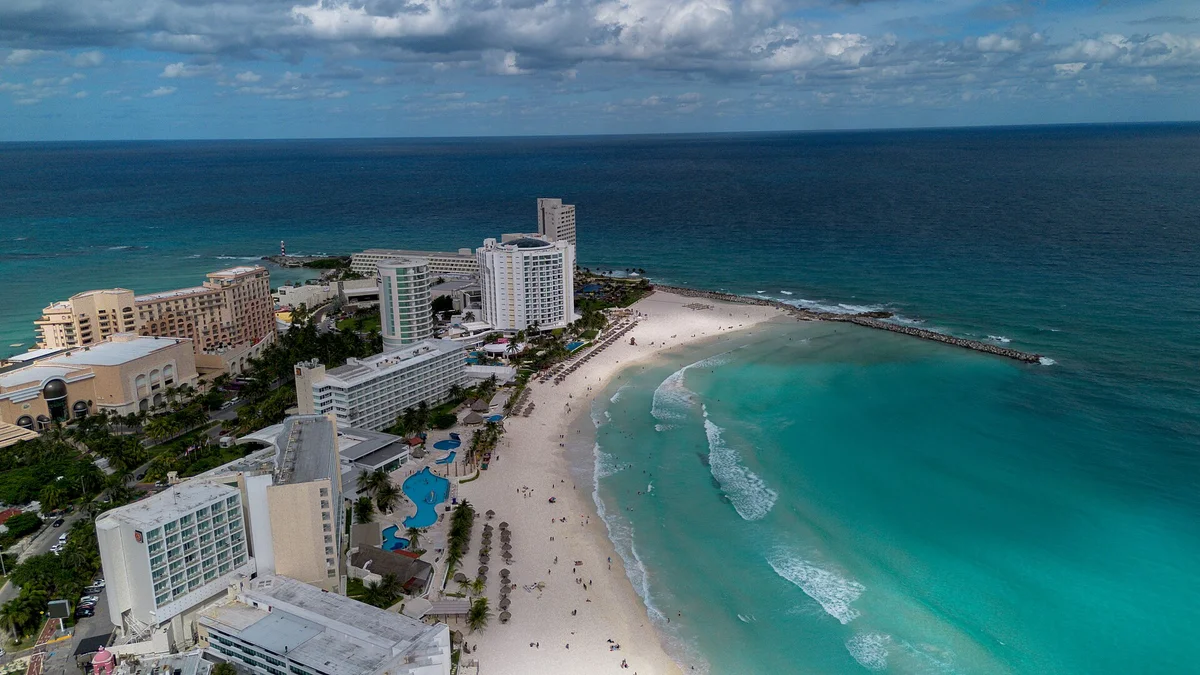
Foreign buyers on mexico-invest.com overwhelmingly purchase coastal condos via fideicomiso in the restricted zone, Playa del Carmen, Tulum, Los Cabos, Puerto Vallarta. Nearshoring capital flows to warehouses and manufacturing parks in interior and border states. The legal structures, tenant profiles, management models, and exit liquidity differ completely.
| Factor | Industrial asset | Coastal condo |
|---|---|---|
| Ownership | Often corp / direct / lease | Fideicomiso typical |
| Yield driver | NNN lease, tenant credit | STR / LTR tourism |
| Management | Commercial broker | Airbnb operator |
| Buyer pool | Institutional + family office | US/Canada retail |
| DD focus | Utilities, zoning, environmental | HOA, STR bylaws, ejido |
| Typical foreign buyer | Operator / fund | Individual investor |
Confusing the two leads to bad expectations, a Tulum 1BR does not track Monterrey warehouse rents.
Secondary effects
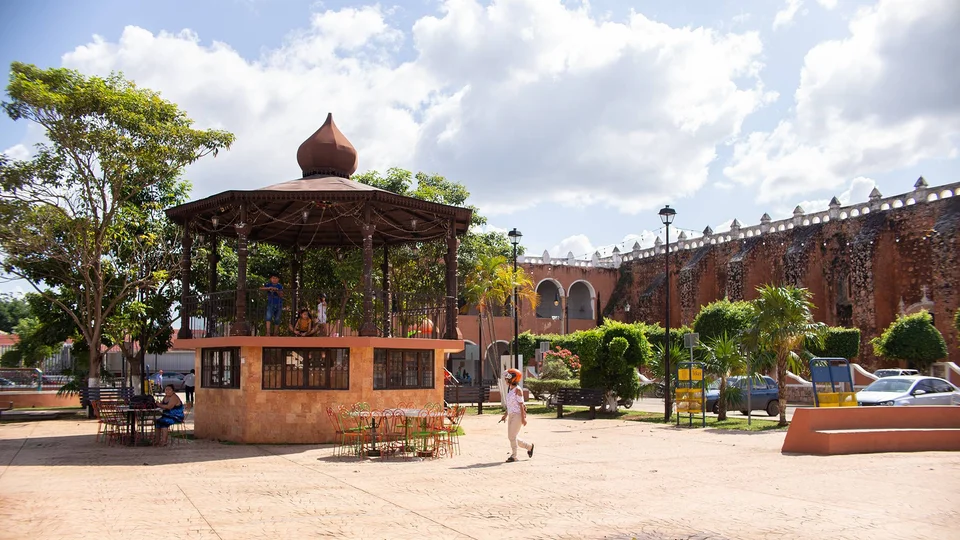
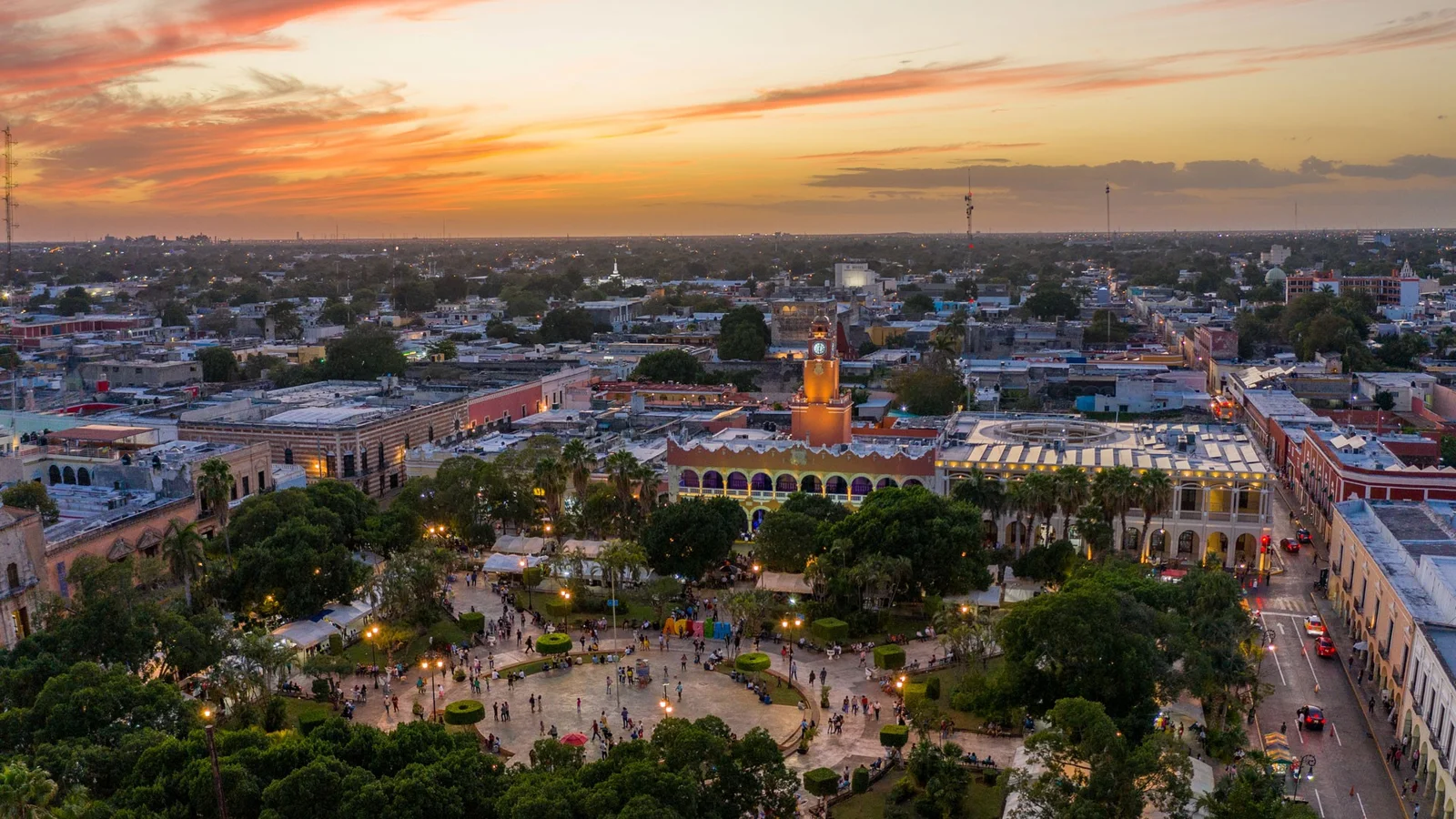
Nearshoring’s residential spillover shows up selectively. Mérida attracts retirees and remote workers seeking lower hurricane exposure and a resident rental base, with median 1BR pricing near $165K and +9.4% YoY price signals in Q2 2026 data. Manufacturing professionals relocating to Querétaro or Monterrey create apartment demand unrelated to beach STR seasons.
Riviera Maya benefits from macro stability: federal infrastructure plans (Tren Maya, airport upgrades) and tourism volume (~42M+ annual visitors nationally) remain the primary drivers, not factory openings in Saltillo. Quintana Roo state price growth hit +14.68% in 2025 per Resident.com citing, partly tourism, not nearshoring directly.
Ranked coastal markets: Best Areas to Invest Mexico 2026. Yield reality: Mexico Rental Yield Guide.
Mérida as the nearshoring-adjacent residential play
Mérida sits on a different axis than Monterrey industrially, yet it appears on national diversification lists because Yucatán captures professional and retiree inflows while manufacturing booms elsewhere. Direct foreign ownership is possible outside the restricted zone. Net yields run indicative 3.5-5% on select product, lower than Playa Centro’s 4.3-5.2% net band but with different risk: no hurricane season on the same scale, lower STR saturation, longer DOM near 88 days on median 1BR signals.
| Mérida metric | Signal |
|---|---|
| Median 1BR | ~$165K |
| YoY price | +9.4% |
| Ownership | Direct title (non-RZ) |
| Net yield band | 3.5-5% indicative |
| Buyer fit | Retiree, hybrid lifestyle |
Rent and vacancy dynamics industrial investors track
Industrial underwriting centers on availability rates, gross absorption, and rent escalations, not ADR and occupancy. Prime northern corridors reported 1.5-3.2% vacancy in tight submarkets through 2024-2026 per industry estimates, well below frictional vacancy. Speculative construction responds, but 18-30 month lead times for fully serviced parks mean today’s FDI announcement becomes 2028 rent roll, timing matters.
Industrial and residential coastal property are different asset classes and the metrics do not transfer. Industrial underwriting turns on absorption, vacancy rates and rent per square metre in Monterrey, Saltillo and the Bajío corridor, with institutional tenants on multi-year leases. A Playa del Carmen condo turns on nightly ADR, occupancy near 68% to 78% and a 25% to 35% management fee. Reading nearshoring headlines as a signal for Riviera Maya condo prices is a category error: the two markets share a country and almost nothing else, and a 6.5% industrial cap rate tells you nothing about a 4.4% coastal net yield.
| Market | Inventory signal | Availability |
|---|---|---|
| Monterrey | 203M+ sq ft | ~11.4% balanced |
| Querétaro | Growing | ~7.5% tighter |
| Mexico City | Constrained | sub-2% |
| Tijuana | ~102M sq ft | ~12.6% |
| Juárez | Border logistics | Absorption +63% YoY (one Q3 series) |
Residential STR investors should note: industrial rent spikes do not flow through to your Playa HOA budget, but they signal national economic activity supporting peso and construction input costs.
Infrastructure and policy tailwinds
Federal policy in 2026 includes Plan México themes: accelerated project approvals, public-private investment plans through 2030, and immediate deductions up to 91% on new fixed assets through 2026 per published policy summaries, verify current SAT and incentive eligibility. Energy, water, transport, and airport infrastructure spending aims to unblock factory timelines. Until utilities connect, announced FDI does not equal immediate rent growth.
Owner-use note for vacation buyers: airport and road upgrades in Quintana Roo (Tulum FEL, Tren Maya) matter more to your ADR than a new aerospace supplier in Querétaro, but both sit under the same national investment narrative foreign buyers evaluate when choosing Mexico over Panama or Colombia.
What risks should buyers plan for before they commit?
Nearshoring is not a one-way bet. USMCA review in 2026 creates rule uncertainty for automotive and electronics supply chains. Water stress in Bajío and Northeast surface water (Monterrey’s 2022 crisis remains a diligence reference) can delay or kill projects. Security premiums in border states affect insurance and operating costs. Rent spikes can compress tenant IRR if lease terms lag market. Tariff volatility may narrow landed-cost advantages versus Asian sourcing for specific SKUs, scenario-plan, do not assume permanent share gains.
Residential parallel risks remain: Tulum Region 15 oversupply, STR permit tightening, ejido fraud on cheap land, and ISR documentation on sale. Industrial and vacation DD lists overlap only on title chain, notary use, and cross-border tax planning.
Who should invest in industrial vs coastal residential
Industrial and coastal residential are not two versions of the same trade, and for most readers of this guide only one of them is genuinely accessible. Industrial requires a Mexican entity, tenant relationships, Spanish-language counsel and a seven-to-ten-year horizon; it is an operator’s business, not a remote purchase. Coastal residential can be bought and run from Toronto or Dallas with a manager and a platform account. The nearshoring thesis is real either way; what differs is whether you can act on it directly or only use it as a macro signal for timing a coastal purchase. The four profiles below sort which applies.
Industrial / logistics: Operators, funds, and family offices with Mexican entity capacity, tenant relationships, and 7-10 year holds. Requires Spanish-language counsel and local brokerage networks, not a remote Airbnb purchase.
Coastal residential STR: US and Canadian retail buyers seeking 6-8% gross / 3-5% net indicative yields in Playa del Carmen, selective Tulum, Los Cabos luxury, or Puerto Vallarta walkable zones, accepting fideicomiso structure and 5-10% closing costs.
Hybrid macro investor: Holds coastal cash-flow asset plus watches industrial trends for timing, buys Playa when peso weakens or seller motivation rises, without owning warehouses.
Retiree / interior: Mérida resident-tenant path for buyers prioritizing predictable occupancy over maximum STR yield.
Decision framework lives in Mexico Property Investment Guide and Is Mexico Real Estate a Good Investment 2026.
What checklist should run before you sign?
Nearshoring research tends to end in one of two places, and they need entirely different checklists. If it pushes you toward direct industrial exposure, a warehouse in the Bajío, a Monterrey logistics box, a Mérida hybrid, the diligence is about power, water, road access and tenant covenant strength, none of which appear anywhere in a residential purchase. If instead it simply confirms that Mexico’s macro position is stronger than you assumed while you stay in coastal residential, then the correct response is to validate building-level short-term-rental economics rather than to act on the macro at all. Decide which of the two you are doing before running the list below:
- Confirm asset class thesis, warehouse vs condo vs Mérida hybrid
- Verify utility access (power, water) for any industrial land
- Review USMCA sector exposure for your tenant industry
- Model 18-30 month delivery if buying pre-construction industrial
- Engage industrial broker separate from vacation AMPI agent
- For coastal stay: run net yield sheet with HOA and 25-30% mgmt
- Obtain ISR estimate from notario before any resale assumption
- Cross-border CPA for US reporting, industrial and residential differ
Sample scenario: macro tailwind, micro underwriting
A US buyer comparing Mexico against Panama reads nearshoring headlines and assumes Tulum condos track Monterrey industrial rents, a category error. The correct workflow: confirm national growth narrative from FDI data, then underwrite Playa Centro at $280K all-in with 4.4% net on a 1BR, independent of warehouse absorption in Saltillo. If Mérida fits retiree hybrid thesis, run $165K median 1BR with direct title and 88-day DOM against personal liquidity needs.
| Step | Industrial investor | Coastal condo investor |
|---|---|---|
| Primary metric | Availability rate, rent/sf | Net yield, HOA, STR bylaws |
| DD document | Environmental, water rights | HOA financials, ejido map |
| Hold period | 7-10 years NNN | 3-7 years STR |
| Exit buyer | Logistics tenant / fund | US vacation buyer |
| Nearshoring role | Core thesis | Macro confidence only |
Nearshoring confirms Mexico belongs in a North American allocation conversation, it does not replace Best Areas to Invest Mexico 2026 colonia analysis or Mérida direct-title homework for residential buyers.
Industrial alternatives
Foreign retail investors sometimes access industrial exposure through listed REITs, private funds, or developer sale-leaseback arrangements, rather than direct deed in Nuevo León. That path requires securities diligence, currency hedging, and Mexican tax entity planning distinct from a Playa fideicomiso purchase. Vacation buyers should not force industrial exposure when coastal net yield meets their hurdle rate, diversification across asset classes adds compliance surface without guaranteed correlation to STR occupancy.
Bottom line for Mexico-invest.com readers
Nearshoring validates Mexico’s role in North American supply chains and tightens industrial real estate in Monterrey, Querétaro, and border markets, with indicative $40B+ FDI narratives and 203M+ sq ft Monterrey inventory leading national statistics. That story supports the case for Mexico property investment broadly but does not replace colonia-level analysis in Playa del Carmen or building selection in Aldea Zama.
Most foreign buyers should keep nearshoring in the macro context layer: timing, confidence, and national growth, while underwriting net yield, fideicomiso costs, and STR legality at the unit level. Buyers seeking direct title and retiree infrastructure should study Mérida alongside coastal rankings, not Monterrey warehouses unless you operate industrially.
All figures indicative mid-2026. Verify FDI, vacancy, and rent data with current broker reports, Secretaría de Economía releases, and licensed counsel before committing capital.
Frequently Asked Questions
Nearshoring drives industrial demand in Monterrey, Querétaro, Tijuana, and Bajío corridors, tightening vacancy and lifting Class A rents. Coastal vacation markets (Riviera Maya, Los Cabos) benefit indirectly through employment, flight connectivity, and expat inflows, but industrial and residential theses differ sharply.
Monterrey leads with the largest industrial inventory (indicative 203M+ sq ft) and balanced availability near 11%. Querétaro runs tighter near 7.5% availability. Tijuana, Saltillo, Guanajuato, and San Luis Potosí absorb manufacturing and logistics FDI. Verify current market reports before underwriting.
Yes, but structures differ from vacation condos. Industrial assets often use Mexican corporations, leasehold arrangements, or direct title outside restricted zones. Coastal residential fideicomiso rules do not map cleanly to warehouse investments, engage industrial brokers and cross-border counsel.
Indirectly. Manufacturing corridors do not replace beach STR demand, but national FDI and USMCA-linked growth support peso stability, infrastructure spending, and secondary-city migration. Mérida and interior markets may capture retiree and professional spillover more directly than Tulum towers.
Northern border markets reported sub-3% vacancy in tight corridors through 2024-2026 per industry estimates. Monterrey showed roughly 11% availability on 203M+ sq ft inventory, balanced, not empty. Querétaro tighter near 7.5%. Figures shift quarterly; verify with CBRE, JLL, or Newmark.
Only if your thesis is logistics yield, not Airbnb. Industrial requires different capital stacks, tenant credit analysis, and exit pools. Most US buyers on mexico-invest.com pursue coastal condos, nearshoring context informs macro timing, not a default asset switch.
USMCA review uncertainty, water stress in Bajío aquifers, power interconnection delays, security premiums in border states, and rent spikes that can erode project IRR if lease-up assumptions lag. Treat nearshoring as a tailwind with execution risk, not guaranteed appreciation.
Mexico reported record FDI flows in 2025, industry sources cite roughly $40B+ annual inflows with manufacturing and logistics absorbing millions of square feet. Nuevo León alone attracted indicative $4.15B in 2025 per preliminary Secretaría de Economía data. Verify current official releases.






Get a vetted Mexico shortlist
US and Canadian buyers use this to skip the developer sales deck: tell us the budget and the market, and we come back with 3 to 5 options and the net yield maths behind each one.
Want options matched to your budget and risk profile?
Three questions, one screen. We reply within one business day.
Get a vetted Mexico shortlist