
Off-Plan vs Ready Property Mexico: Which to Buy in 2026?
Off-plan vs resale Mexico, payment schedules, developer risk, escrow, HOA unknowns vs ready condos with verified yields in Riviera Maya and Cabos.
By Mexico Invest Editorial · Updated July 9, 2026 · 15 min read
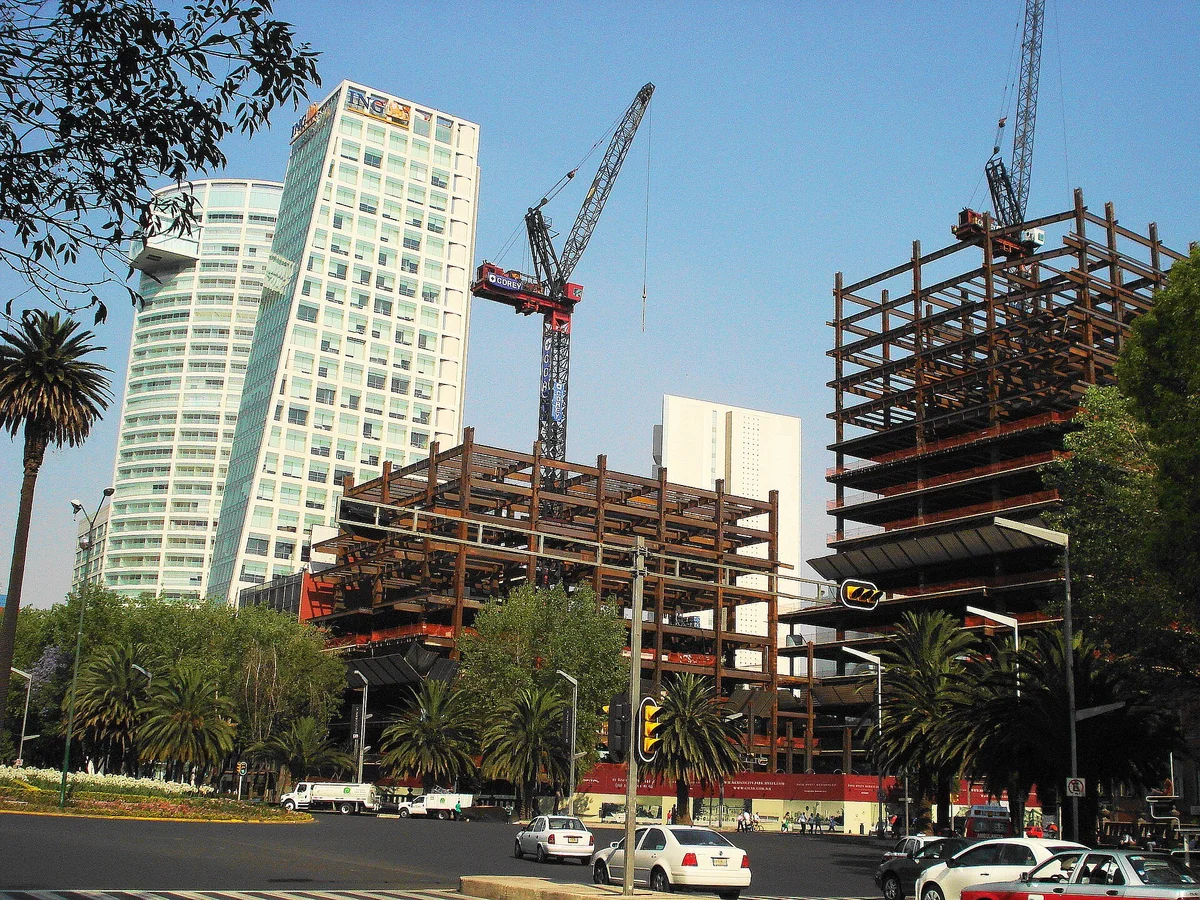
Quick answer: Ready property wins for verified yields, known HOA costs, immediate rental income, and lower execution risk, ideal for first-time Mexico buyers. Off-plan can offer 10-20% discounts and customization but adds developer risk, 6-18 month delays, and HOA unknowns. Resale also means negotiation room in buyer-friendly 2026 markets.
Off-plan requires local expertise, capital buffers, and risk tolerance. Ready inventory lets you underwrite actual performance from day one. The discount math favors pre-construction only when you have verified developer track record and market supply-demand imbalance working in your favor.
Process context: Due Diligence · Escrow · Fideicomiso
Head-To-head comparison table
Ready property provides immediate income verification and established operations while off-plan offers potential savings offset by delivery uncertainty and operational unknowns. Payment timing, yield verification, and exit liquidity strongly favor ready inventory for conservative investors, while off-plan serves buyers seeking customization and willing to accept developer execution risk.
| Factor | Ready Property | Off-Plan |
|---|---|---|
| Price | Market rate, negotiable | 10-20% potential discount |
| Income start | Immediate | 18-36 months |
| Yield verification | Historical data | Projections only |
| HOA costs | Known | Estimates often low |
| Payment schedule | Lump sum or mortgage | Staged over 2-3 years |
| Developer risk | None | Default, delay, spec changes |
| Customization | Limited | Full finishes control |
| Resale liquidity | Immediate | Post-completion |
| Due diligence | Standard | Enhanced developer DD |
| Capital efficiency | All-in upfront | Staged deployment |
Mexico off-plan payment schedules explained
Mexico pre-construction follows structured milestone-based payment schedules designed to align capital deployment with construction progress while protecting both buyers and developers through verified completion stages. In practice the schedules protect developers more than buyers, because Mexican law does not require the money to sit anywhere in particular. What makes a schedule safe is not its shape but whether an independent agent holds the funds between milestones.
Reading a payment schedule as an exposure ladder is what separates a protected buyer from an unsecured creditor. On a $290,000 unit, 10% at signing is $29,000 released against attorney approval and 15% at foundation is $43,500 against engineer certification, so exposure always tracks verified physical progress. A developer asking 50% before vertical construction is asking for $145,000 against a permit file, and buyers in unfinished 2023-to-2025 Tulum phases learned what that position is worth in a Mexican insolvency, where an unsecured creditor recovers little and waits years to find out.
Standard Mexico pre-construction payment schedules typically require 20-30% deposit upon reservation, 40-50% released during verified construction milestones (foundation, structure, MEP rough-in, finishes), and final 20-30% at completion certificate and title transfer. Some developers offer alternative schedules with lower initial deposits (10-15%) combined with monthly payments throughout construction, appealing to cash-flow conscious buyers.
Typical milestone structure:
| Stage | Payment % | Verification required |
|---|---|---|
| Reservation | 20-30% | Sales contract signature |
| Foundation complete | 15-20% | Engineering certification |
| Structure topped out | 15-20% | Municipal inspection |
| MEP rough-in complete | 10-15% | Systems testing |
| Finishes 80% complete | 10-15% | Walk-through approval |
| Completion certificate | 20-30% | Municipal occupancy permit |
Alternative payment structures:
Some developers offer stretched schedules to reduce buyer cash requirements:
- 10% initial + monthly payments during construction + 30% at delivery
- 15% initial + quarterly milestone payments + 25% at completion
- 25% initial + single 75% balloon at delivery (higher risk)
Critical: Every payment schedule must include escrow protection and independent milestone verification before fund release.
Developer risk assessment framework
Developer due diligence in Mexico requires verification of legal standing, financial capacity, construction permits, and delivery track record before committing to any payment schedule that extends over 12-24 months. The single most useful check is physical: visit two delivered projects by the same developer and talk to owners about the HOA figure they were quoted against what they actually pay. That comparison predicts your outcome better than any document.
Essential developer verification checklist:
Corporate and legal standing:
- Mexican corporate registration and capitalization verification
- Federal and state tax compliance certificates
- Labor compliance (IMSS) certificates current
- No pending litigation against corporate entity
- Ultimate beneficial ownership transparency
Project-specific permits:
- Building permit (licencia de construcción) issued and current
- Environmental permits where applicable (coastal, cenote proximity)
- Municipal land use compatibility confirmed
- Infrastructure connection agreements (water, power, sewage)
- No stop-work orders or municipal violations
Financial capacity verification:
- Bank references from established Mexican institutions
- Previous project completion certificates and timeline performance
- Escrow account established with neutral bank or notario
- Construction financing pre-approval or equity capitalization proof
- Payment to subcontractors and suppliers current (no liens)
Market track record assessment:
- Minimum 2 completed projects in target market (Riviera Maya, Cabos, etc.)
- Buyer references from previous projects contactable
- Delivery timeline performance: median delay under 12 months
- Post-delivery support and warranty service reputation
- HOA transition and management handover execution
Red flag patterns that should stop evaluation:
- Shell company incorporation within 6 months of project launch
- Missing building permits or expired environmental clearances
- No escrow protection or developer-controlled escrow accounts
- Unrealistic timelines (high-rise completion under 18 months)
- Previous delays exceeding 24 months on comparable projects
- Marketing-first approach with no licensed architect or engineer involvement
- Pre-sales required to commence construction (undercapitalized developer signal)
Developer tier classification:
Tier 1: Established track record
- 5+ completed projects in target market
- Median delivery delays under 6 months
- Bank financing relationships established
- Licensed architect and engineering teams in-house
- Lower risk premium justified
Tier 2: Regional presence
- 2-4 completed projects
- Mixed delivery performance
- Some bank relationships
- Moderate risk premium required
Tier 3: New or unproven
- Under 2 completed projects
- Limited track record
- High risk premium or avoid entirely
Escrow and deposit protection strategies
Mexico law does not mandate escrow for pre-construction deposits, making buyer-initiated protection critical for managing developer default risk and ensuring milestone-based payment releases align with actual construction progress. Because escrow is optional in Mexico rather than standard, asking for it is a negotiation rather than an assumption, and a developer’s reaction to the request is itself diagnostic. “We don’t use escrow, we’re established” is the answer that should end the conversation.
Escrow structure options in Mexico:
Notario-held escrow (recommended):
- Deposits held by licensed notario público until milestone completion
- Independent verification of construction progress required for releases
- Notario liability insurance covers deposit protection up to policy limits
- Built-in legal framework familiar to Mexican banks and developers
Bank escrow accounts:
- Established Mexican banks offer structured escrow services
- Higher fees but institutional protection and regulatory oversight
- IPAB deposit insurance protection up to current limits
- Suitable for deposits exceeding notario insurance coverage
Fideicomiso de garantía (trust guarantee):
- Bank-administered trust structure protecting buyer deposits and completion
- Developer contributes completion guarantee fund matching buyer deposits
- Most sophisticated protection but higher setup costs
- Recommended for luxury projects or high individual deposit amounts
Milestone verification requirements:
Independent verification prevents fraudulent progress claims and ensures payment releases align with actual completion:
- Third-party engineering inspection before each payment release
- Municipal inspection certificates for structural and safety milestones
- Photographic documentation with date stamps and GPS coordinates
- Subcontractor lien waivers proving payment to labor and materials suppliers
- Bank construction financing status confirming developer liquidity
Deposit recovery scenarios:
Developer default protection:
- Right to deposit recovery plus accrued interest if construction halts over 90 days
- Proportional completion credit if project advances but developer changes
- Force majeure exclusions limited to documented natural disasters only
- Legal remedy jurisdiction specified (Mexican courts or international arbitration)
Buyer-initiated cancellation:
- Deposit forfeiture scenarios limited to buyer breach of payment schedule
- Inspection contingencies allowing deposit recovery for material specification changes
- Financing contingency periods protecting buyer from interest rate or qualification changes
Never wire deposits directly to developer operating accounts. Always verify escrow setup and protection mechanisms before initial payment.
Construction delays: planning and protection
Mexico construction delays average 6-18 months beyond initial delivery projections due to permit amendments, financing challenges, labor availability, and infrastructure development in emerging markets like Tulum Region 15 and Puerto Vallarta hillside locations. Six to eighteen months is the normal range rather than the pessimistic case, so the pro forma has to survive an extra year of trust fees, opportunity cost and no rental income. Contractual delay penalties are worth negotiating precisely because delay is the base case.
Costing a delay against the discount that justified buying off-plan is the calculation most buyers skip. A year’s slip on a $250,000 unit forgoes roughly $11,000 of income from a delivered alternative at 4.4% net, plus the trust fee and carry on committed capital, and delivers you into a market that has absorbed another year of supply. Against a typical 15% to 20% discount of $37,500 to $50,000, a two-year slip consumes half of it. Tie the penalty clause to a dated milestone, not to a delivery estimate.
Common delay factors in Mexico markets:
Regulatory and permit delays:
- Municipal permit amendments during construction (30-90 days)
- Environmental compliance updates in coastal areas (60-180 days)
- Utility connection delays in developing areas (90-365 days)
- Post-hurricane inspection and repair requirements (30-120 days)
Construction and supply chain delays:
- Specialized labor shortages during peak construction seasons
- Material supply chain disruptions affecting imported finishes
- Concrete and structural work weather delays during rainy season
- MEP (mechanical, electrical, plumbing) coordination in high-rise construction
Financial and market delays:
- Developer financing gaps requiring additional capital raising
- Pre-sales velocity below thresholds required for construction loan releases
- Currency fluctuation impacts on USD-priced materials and finishes
- Interest rate changes affecting project financing cost structure
Delay impact financial planning:
Rental income loss:
- Budget zero rental income for 12-18 months beyond projected delivery
- Factor carrying costs (HOA, trust fees, property taxes) during delay period
- Consider opportunity costs of capital tied up without cash flow generation
Market timing risk:
- Ready inventory may appreciate during construction period, closing price gap
- STR market conditions may deteriorate before completion (oversupply emergence)
- Currency movements may impact USD-denominated exit value calculations
Completion risk scenarios:
- Mild delays (6-12 months): Factor carrying costs but project completes
- Major delays (12-24 months): Consider alternative exit strategies
- Developer default: Deposit recovery through escrow plus potential legal costs
Delay penalty and remedy provisions:
Contract protection mechanisms:
- Daily penalty fees for delays beyond agreed completion date (USD 25-100/day typical)
- Milestone liquidated damages for missing key construction phases
- Buyer termination rights triggered by delays exceeding specified thresholds (18-24 months)
- Alternative unit substitution if original unit faces unique completion challenges
Force majeure limitations:
- Natural disasters, government regulatory changes, and labor strikes typically exclude penalty
- Developer must prove delay causation directly linked to force majeure events
- Force majeure exclusions should not exceed 6-12 months cumulative
- Developer obligation to mitigate delay impacts through alternative construction methods
Budget 12-month delay buffer into financial planning. View faster delivery as upside, not baseline expectation.
How does this comparison stack up for Mexico investors?
New construction buildings typically underestimate initial HOA projections by 30-50% as actual operating costs, reserve fund requirements, and management fees emerge post-occupancy, while established buildings provide 2+ years of audited financial statements showing real operational costs.
New building HOA projection challenges:
Common underestimation areas:
- Management fees: Initial projections often assume economies of scale not realized with gradual occupancy
- Utility costs: Actual consumption patterns exceed efficiency modeling projections
- Maintenance reserves: New buildings require higher reserve contributions for upcoming major repairs
- Insurance premiums: Coastal hurricane zones see annual premium increases post-initial subsidized periods
- Security and staffing: 24/7 staffing costs often exceed marketing projections
Realistic HOA escalation timeline:
- Year 1: Marketing projections typically hold with developer subsidies
- Year 2: 20-30% increases common as actual costs emerge
- Years 3-5: Additional 10-20% annual increases as major system maintenance begins
- Years 5+: Stabilization around 150-200% of initial marketing projections
Established building HOA verification:
Document review requirements:
- 24-month audited HOA financial statements showing actual income and expenses
- Reserve fund analysis demonstrating adequate major repair capital
- Special assessment history indicating one-time major expense patterns
- Delinquency reports showing owner payment compliance rates
- Management contract terms including fee escalation schedules and service levels
Financial health indicators:
- Reserve fund balance exceeding 15% of annual operating budget
- Delinquency rates below 10% of total monthly assessments
- Special assessments limited to one major item per 3-year period
- Utility and insurance cost trends below 8% annual increases
HOA cost impact on yields:
Sample 1BR condo yield impact:
Tulum Region 15 example:
- Purchase: $185,000 all-in
- Gross rental: $19,300 annually
- Initial HOA projection: $300/month = $3,600/year
- Actual Year 3 HOA: $550/month = $6,600/year
- Yield impact: Net drops from 4.1% to 2.8% due to HOA escalation alone
Playa Centro established building:
- Purchase: $280,000 all-in
- Gross rental: $24,500 annually
- Verified HOA: $425/month = $5,100/year (stable 3 years)
- Net yield: 4.1% with predictable cost structure
Request 24-month HOA financials before any offer on resale property. For new construction, budget 50% above initial projections.
When off-plan makes sense vs resale
Off-plan purchases work for buyers seeking significant customization, willing to accept 18-36 month capital deployment periods, and able to verify strong developer track records in supply-constrained markets with established demand fundamentals. Resale wins by default in an oversupplied market, because the discount off-plan offers is smaller than the negotiating room a soft resale market already provides, and resale comes with a known HOA and a building you can walk.
Off-plan advantages worth paying for:
Customization and control:
- Full finishes selection (flooring, counters, fixtures, paint colors)
- Floor plan modifications within structural limitations
- Upgraded appliance and technology packages
- Private terraces and storage configuration options
Market timing opportunities:
- Early phase pricing before comparable sales establish higher baselines
- Supply-constrained markets where ready inventory is limited
- Developer financing options potentially more flexible than bank mortgages
- Currency hedge benefits when paying in staged USD payments
Capital deployment efficiency:
- Staged payment schedules preserve liquidity during construction period
- Opportunity to generate returns on remaining capital while project develops
- Lower initial capital requirements (10-30% vs 100% on resale)
- Potential for pre-completion assignment sales in strong markets
Ideal off-plan buyer profile:
Experience and expertise:
- Previous Mexico real estate transaction experience
- Local connections for independent construction monitoring
- Ability to conduct enhanced developer due diligence
- Understanding of Mexican construction and permit processes
Financial capacity and flexibility:
- Capital buffer 20-30% above committed purchase price for delays and overruns
- Alternative income sources not dependent on immediate rental cash flow
- Ability to carry property costs (HOA, trust fees) during extended completion period
- Currency risk management strategies for USD-MXN exposure
Risk tolerance and timeline:
- Comfortable with 18-36 month uncertainty periods
- Long-term hold strategy not requiring immediate exit liquidity
- Acceptance of completion risk and potential legal remedy processes
- Willingness to actively monitor construction progress and milestone completion
When to default to ready property:
First-time Mexico buyers:
- Unfamiliarity with Mexican legal processes and developer market
- Need for verified performance data to validate investment thesis
- Preference for immediate rental income to offset carrying costs
- Limited local networks for construction monitoring and dispute resolution
Capital efficiency priorities:
- Need for immediate cash flow generation to service acquisition financing
- Fixed timeline requirements for retirement or investment strategy implementation
- Limited excess capital for delay contingencies and cost overruns
- Requirement for immediate resale liquidity options
Market conditions favoring ready inventory:
- Buyer-friendly markets with negotiation opportunities on existing stock
- Oversupply conditions creating ready inventory discount opportunities
- Rising construction costs making new development uneconomical
- Established rental management ecosystems favoring operational properties
Geographic context: Strong developer markets typically include established Playa del Carmen, Los Cabos Corridor, and Puerto Vallarta Marina zones. Emerging areas like Tulum Region 15 and Riviera Nayarit carry higher execution risk.
Market-specific considerations across Mexico
Regional market dynamics significantly impact the off-plan versus ready property decision due to different developer track records, construction timelines, permit processes, and supply-demand conditions across Mexico’s primary foreign buyer destinations. Tulum is where off-plan risk is highest right now, because oversupply means delivery lands into a market that has moved against you; Los Cabos and Puerto Vallarta are supply-constrained, which makes the same structure materially less risky.
Riviera Maya (Quintana Roo)
Off-plan considerations:
- Region 15 Tulum: Oversupplied with multiple developer projects creating completion risk
- Playa del Carmen: Established developer ecosystem with verified track records
- Cancún: Mature market with institutional developers but limited upside potential
- Environmental delays: Cenote proximity and mangrove regulations extend timeline risk
Ready property advantages:
- Strong resale inventory from 2020-2023 construction wave
- Verified STR performance data available from established management companies
- Hurricane season impact assessments available from actual operating history
- Municipal permit enforcement patterns documented for existing buildings
Los Cabos (Baja California Sur)
Off-plan considerations:
- Water rights: New developments may face utility connection delays
- Luxury market focus: Higher customization value but extended construction timelines
- Seasonal labor: Construction delays common during peak tourism season
- USD-based pricing: More predictable cost structure for US buyers
Ready property advantages:
- Established luxury rental market with verified ADR performance
- Water and utility infrastructure already connected and tested
- Proven hurricane preparedness and building maintenance protocols
- US buyer financing options more readily available for existing properties
Puerto Vallarta (Jalisco)
Off-plan considerations:
- Hillside locations: Complex construction logistics extending timelines
- Access roads: Infrastructure completion risk in developing hillside areas
- Seismic requirements: Enhanced structural standards potentially affecting costs
- Marina vs Centro: Different permit processes and timeline expectations
Ready property advantages:
- Mature rental markets with established guest demand patterns
- Proven hillside access and infrastructure functionality
- Historical special assessment and maintenance cost data available
- Established property management ecosystem with competitive pricing
Emerging markets (Riviera Nayarit, Mérida)
Higher off-plan risks:
- Limited developer track records in luxury foreign buyer segments
- Unproven rental demand for new construction in emerging locations
- Infrastructure development uncertainties affecting completion timelines
- Limited legal and property management service provider networks
Ready property advantages may be limited:
- Smaller inventory of existing foreign-buyer focused properties
- Less verified rental performance data in emerging STR markets
- Limited property management options with established track records
Regional risk hierarchy (low to high):
- Playa del Carmen Centro: Established developers, proven demand
- Puerto Vallarta Marina: Mature market, institutional builders
- Los Cabos Corridor: Luxury focus, higher customization value
- Cancún Hotel Zone: Limited upside but predictable execution
- Tulum Aldea Zama: Mixed developer quality, infrastructure better than R15
- Tulum Region 15: Oversupply, multiple completion risks
- Riviera Nayarit: Emerging market, limited track records
Market guides: Riviera Maya · Los Cabos · Puerto Vallarta
Financial modeling: off-plan vs ready scenarios
Financial modeling for off-plan versus ready property must account for different capital deployment timing, income generation periods, carrying costs during construction, and market appreciation assumptions to determine risk-adjusted returns. The line most models omit is the carry: two years of trust fees and forgone rental income on a ready alternative, which frequently exceeds the launch discount that justified the purchase.
Ready property baseline scenario:
Playa Centro 1BR - $280,000 all-in purchase:
| Year | Capital deployed | Gross income | NOI | Cumulative cash flow |
|---|---|---|---|---|
| Year 1 | $280,000 | $24,500 | $16,800 | -$263,200 |
| Year 2 | $0 | $25,500 | $17,500 | -$245,700 |
| Year 3 | $0 | $26,500 | $18,200 | -$227,500 |
| 3-year IRR | 4.2% |
Off-plan scenario - same area equivalent:
Playa Centro 1BR - $240,000 contracted (15% discount), $252,000 all-in:
| Year | Capital deployed | Gross income | NOI | Cumulative cash flow |
|---|---|---|---|---|
| Year 1 | $75,000 | $0 | -$2,400 | -$77,400 |
| Year 2 | $120,000 | $0 | -$2,400 | -$199,800 |
| Year 3 | $57,000 | $12,000 | $8,000 | -$249,800 |
| 3-year IRR | -2.1% |
Assumes 18-month delay, partial year 3 income
Break-even analysis:
Off-plan needs to outperform ready property by pricing discount + delay cost:
- 15% price discount = $40,000 advantage
- 18 months lost income = $30,000+ opportunity cost
- Carrying costs during construction = $4,800
- Required advantage: ~$75,000 or 25%+ discount to break even
Sensitivity scenarios:
Optimistic off-plan (no delays, 20% discount):
- On-time delivery with immediate rental income
- 3-year IRR improves to ~6.8% vs ready 4.2%
- Break-even achieved through pricing advantage
Pessimistic off-plan (24-month delays, cost overruns):
- Extended completion plus 10% cost overruns
- 3-year IRR drops to -8.2%
- Recovery requires 5+ year hold period
Decision framework:
Choose off-plan when:
- Verified 20%+ discount to comparable ready inventory
- Strong developer track record (under 6-month median delays)
- Personal use planned during first 2 years (income not critical)
- 5+ year hold period with long-term appreciation thesis
Choose ready when:
- Immediate cash flow required to service acquisition financing
- First-time Mexico buyer without local expertise
- 3-5 year investment horizon requiring liquidity options
- Risk-adjusted returns prioritized over maximum upside potential
Model your specific scenario with conservative delay assumptions and opportunity cost of capital to determine which option aligns with your investment objectives.
Legal and contract differences
Off-plan and ready property purchases in Mexico involve substantially different legal frameworks, with pre-construction requiring enhanced contract protections, milestone verification procedures, and completion risk mitigation that ready property transactions do not require. A resale contract transfers an existing thing; an off-plan contract is a promise about a future one, which is why delivery specification, penalty clauses and assignment rights matter here and are irrelevant there.
Pre-construction contract essential provisions:
Payment and milestone structure:
- Specific milestone definitions with measurable completion criteria (not “substantially complete”)
- Independent verification requirements for each payment release trigger
- Escrow instructions with neutral third-party (notario or bank) holding deposits
- Interest accumulation on deposited funds pending milestone completion
- Payment cure periods allowing 30-day remedy for minor milestone delays
Completion and delivery protection:
- Firm completion date with daily liquidated damages for delays (USD 50-100/day typical)
- Force majeure limitations to documented natural disasters and government regulatory changes only
- Buyer termination rights triggered by delays exceeding 18-24 months
- Alternative unit substitution rights if original unit faces unique completion challenges
Specification and quality assurance:
- Detailed finishes schedule with specific brands and models (not “equivalent quality”)
- Change order limitations preventing material specification downgrades without buyer approval
- Pre-delivery inspection periods with punch list completion requirements
- Warranty provisions covering structural, mechanical, and finish defects for 12-24 months post-delivery
Ready property contract standard provisions:
Property condition and disclosure:
- As-is condition acceptance with inspection contingencies for major systems
- HOA financial document review including 24-month statements and special assessments
- Municipal permit verification for any modifications or STR registration requirements
- Seller warranty limitations typically limited to title defects and undisclosed liens
Closing and possession:
- Immediate possession upon funding and title transfer
- Rent roll and lease assignments for occupied rental properties
- Utility account transfers and service continuation arrangements
- Property management transitions including key and documentation handover
Enhanced due diligence requirements for off-plan:
Developer verification process:
- Corporate registration and capitalization verification through federal registry
- Building permit validation including current status and compliance with municipal requirements
- Construction financing verification or equity capitalization proof from developer
- Previous project completion certificates and timeline performance documentation
- Subcontractor payment status and lien waiver documentation
Project-specific analysis:
- Soil and environmental studies for coastal and cenote proximity locations
- Infrastructure development plans for utilities, roads, and municipal services in emerging areas
- Market absorption analysis for competitive supply coming online simultaneously
- Municipal permit enforcement trends affecting STR viability and timeline
Risk allocation and remedy mechanisms:
Off-plan buyer protections:
- Deposit recovery rights with accrued interest for developer default scenarios
- Construction monitoring access including monthly progress documentation requirements
- Independent quality control inspections at buyer expense during construction phases
- Legal remedy jurisdiction specification (Mexican courts or international arbitration)
Developer protections and limitations:
- Buyer financing contingencies limited to 60-90 day periods with documented pre-approval
- Payment schedule compliance requirements with cure periods for minor delays
- Force majeure extensions for documented regulatory and environmental delays
- Specification change procedures balancing cost control with buyer approval requirements
Ready property risk allocation:
- Title insurance availability through licensed Mexican insurers (limited coverage)
- Property condition acceptance with standard inspection contingencies
- HOA transition risk primarily on buyer after closing
- Municipal compliance verification typically buyer responsibility post-closing
Contract complexity and legal costs typically run 2-3x higher for off-plan purchases due to enhanced due diligence requirements and ongoing construction monitoring obligations.
Process guides: Due Diligence Mexico · Fideicomiso Explained
2026 market conditions impact
Current Mexico real estate market conditions in 2026 favor ready property purchases in most markets due to buyer-friendly pricing, oversupply in key segments, and established rental management ecosystems that reduce execution risk compared to uncertain off-plan delivery timelines.
Supply-demand conditions by market:
Oversupplied segments (favor ready inventory):
- Tulum Region 15: 74+ day DOM on ready inventory creating negotiation opportunities
- Puerto Vallarta hillside: New construction absorption slower than delivery pipeline
- Riviera Nayarit emerging zones: Limited rental demand depth for new luxury inventory
Balanced to undersupplied segments:
- Playa del Carmen Centro: Steady absorption maintaining price stability
- Los Cabos Corridor: Luxury demand supporting both off-plan and ready sales
- Cancún Hotel Zone: Mature market with predictable performance metrics
Negotiation dynamics 2026:
Ready property advantages:
- Motivated sellers in oversupplied pockets offering 10-20% discounts from 2023 peaks
- Extended DOM providing buyers leverage on price, terms, and closing costs
- Multiple comparable sales supporting aggressive offer strategies
- Immediate possession eliminating timeline and completion uncertainty
Off-plan market challenges:
- New launch pricing still reflecting 2023 peak market assumptions
- Developer reluctance to discount early phases despite market cooling
- Extended sales periods creating financing and completion risk for marginal developers
- Competition from discounted ready inventory reducing relative value proposition
Interest rate and financing impact:
Mexico mortgage environment:
- MXN rates 9-14% reducing local buyer competition for ready inventory
- US cross-border financing limited but more readily available for existing properties
- Developer financing terms tightening due to banking sector caution
- Cash buyer advantage increasing in both ready and off-plan segments
Currency and economic factors:
USD-MXN dynamics:
- Peso strength reducing USD buyer purchasing power advantage
- Currency risk concentration in staged off-plan payment schedules
- Mexican economic stability supporting long-term appreciation but reducing short-term value opportunities
Regional variations 2026:
Quintana Roo (Riviera Maya):
- Maya Train infrastructure completion supporting long-term fundamentals
- Tourism recovery complete but growth rate normalizing
- Environmental regulations tightening affecting new construction timelines
- Recommendation: Ready inventory in established colonias
Baja California Sur (Los Cabos):
- US buyer demand steady in luxury segments
- Water infrastructure improvements supporting both ready and off-plan
- Seasonal rental demand patterns well-established
- Recommendation: Either approach viable with proper due diligence
Jalisco (Puerto Vallarta):
- Market rebalancing after 2022-2023 appreciation surge
- Infrastructure strain in hillside development areas
- Established vacation rental management ecosystem
- Recommendation: Ready inventory in Marina and Centro zones
12-month market outlook considerations:
Factors favoring ready property:
- Potential interest rate normalization improving mortgage accessibility
- Continued oversupply absorption creating seller motivation
- Established rental management competition reducing operational friction
- Proven resilience of existing building HOA structures through market cycles
Factors potentially favoring off-plan:
- Developer margin compression potentially creating pricing opportunities
- Infrastructure completion (Maya Train, airport upgrades) supporting long-term appreciation
- Limited new construction financing potentially reducing future supply pipeline
- Customization value increasing as rental competition intensifies
2026 buyer strategy recommendation: Default to ready inventory unless specific off-plan project offers verified 20%+ discount with established developer track record and personal risk tolerance for 18-36 month capital deployment without income generation.
What checklist should run before you sign?
Use this systematic checklist to evaluate whether off-plan or ready property aligns with your investment objectives, risk tolerance, and market conditions in your target Mexico destination. Work it in order: the market first, because off-plan in an oversupplied corridor fails regardless of how good the developer is; then the developer; then the contract.
Personal readiness assessment
Experience and expertise:
- Previous Mexico real estate transaction experience
- Local contacts for construction monitoring and dispute resolution
- Ability to conduct enhanced developer due diligence independently
- Understanding of Mexican legal processes and permit systems
- Fluent Spanish communication or established legal counsel relationship
Financial capacity and timeline:
- Capital buffer 20-30% above purchase price for delays and overruns
- Alternative income sources not dependent on immediate rental cash flow
- Ability to carry property costs (HOA, trust fees) for 36+ months
- 5+ year investment timeline not requiring near-term exit liquidity
- Currency risk management strategy for staged USD payments
Market condition evaluation
Supply-demand dynamics:
- Target market shows supply constraint favoring new construction
- Ready inventory limited or significantly overpriced compared to off-plan options
- Rental demand growth exceeding supply delivery pipeline
- Infrastructure development supporting long-term appreciation thesis
- Municipal permitting environment stable and predictable
Pricing and negotiation opportunities:
- Off-plan pricing offers 15%+ verified discount to comparable ready inventory
- Ready inventory DOM extended beyond 90 days indicating seller motivation
- Market conditions favor buyer negotiation leverage on either option
- Construction cost trends support off-plan value proposition vs ready appreciation
Specific project/property evaluation
Off-plan project assessment:
- Developer track record includes 3+ completed projects in target market
- Median delivery delays under 6 months on comparable previous projects
- Building permits current and environmental approvals complete
- Escrow protection verified with neutral third-party (notario or bank)
- Payment schedule aligned with verifiable construction milestones
Ready property assessment:
- 24-month HOA financial statements available and healthy
- Rental performance data available from current or recent owners
- Building maintenance and reserve fund adequate for age and condition
- STR permits or registration pathway verified and available
- Immediate possession available with clear title transfer
Deal-specific terms evaluation
Risk mitigation provisions:
- Legal remedy jurisdiction specified (Mexican courts or arbitration)
- Daily liquidated damages for off-plan delivery delays
- Inspection contingencies protecting against adverse conditions
- Financing contingencies aligned with timeline requirements
- Exit strategy options preserved (assignment, resale, personal use conversion)
Return optimization factors:
- Yield projections conservative and verified through comparable performance
- Appreciation assumptions based on infrastructure and demand fundamentals
- Tax implications understood for staged payments vs lump sum purchase
- Insurance and carrying costs factored into return calculations
- Currency exposure managed through hedging or natural matching
Final decision matrix
Choose OFF-PLAN if:
- All developer verification boxes checked with high confidence
- 20%+ discount verified against comparable ready inventory
- Personal use during construction reduces income dependency
- 5+ year hold period with long-term appreciation thesis
- Capital buffer adequate for 24-month delay scenarios
Choose READY PROPERTY if:
- Immediate cash flow required to service financing or investment objectives
- First-time Mexico buyer or limited local expertise
- 3-5 year investment timeline requiring exit liquidity options
- Risk-adjusted returns prioritized over maximum upside potential
- Market conditions favor negotiation opportunities on existing inventory
Additional considerations:
- Legal and professional costs factored (2-3x higher for off-plan)
- Property management arrangements confirmed for either option
- Insurance coverage adequate for construction period or immediate occupancy
- Estate planning and ownership structure appropriate for chosen timeline
Score each section and weight based on your priorities. High scores in developer verification and personal readiness may justify off-plan risk for appropriate discount levels. High scores in immediate needs and market opportunity may favor ready inventory regardless of modest pricing premiums.
Professional review recommended with licensed Mexican attorney familiar with your target market and investment structure.
Regional market recommendations
Based on 2026 market conditions, supply-demand dynamics, and developer track records across Mexico’s primary foreign investment destinations, different regions favor off-plan or ready property strategies depending on local market maturity and execution risk factors.
Playa del Carmen: Ready property preferred
Market conditions:
- Mature rental management ecosystem with competitive pricing
- Strong ready inventory from 2020-2023 construction wave
- Established developer market but limited off-plan discount opportunities
- Centro and Gonzalo Guerrero colonias offer verified 4.3-4.5% net yields
Recommendation: Ready property in established colonias
- Lower execution risk with immediate income verification
- Competitive property management options reduce operational friction
- Established resale market provides exit liquidity
- New construction offers minimal customization value over existing stock
Off-plan exceptions: Early phases from established developers in supply-constrained micro-markets with verified 20%+ discounts
Tulum: Ready property strongly preferred
Market conditions:
- Region 15 oversupply with 74+ day DOM creating motivated sellers
- HOA cost escalation patterns documented in existing buildings
- Environmental and permit risks elevated for new construction
- Rental management market still developing competitive depth
Recommendation: Ready property with heavy discount negotiations
- Avoid Region 15 new construction entirely due to oversupply
- Target established Aldea Zama and La Veleta buildings with verified operations
- Negotiate 15-25% below peak pricing on motivated ready inventory
- Existing buildings provide clear HOA and operational cost structure
Off-plan caution: Developer quality varies widely; extensive due diligence required
Los Cabos: Either approach viable
Market conditions:
- Established luxury market supporting both off-plan and ready segments
- Strong developer track records in Corridor and San José del Cabo
- US buyer financing more readily available for existing properties
- Customization value higher in luxury segments supporting off-plan premium
Recommendation: Project-specific analysis required
- Ready property: Immediate rental income with established ADR verification
- Off-plan: Consider for luxury customization if 15%+ discount available
- Verify water rights and infrastructure capacity regardless of approach
- US tax implications favor established property for cross-border financing
Selection criteria: Developer track record more critical than ready vs off-plan decision
Puerto Vallarta: Ready property slightly preferred
Market conditions:
- Mature rental market with established demand patterns
- Hillside construction complexity increases off-plan timeline risk
- Marina and Centro ready inventory offers verified operational performance
- Infrastructure strain in developing hillside areas affects new construction
Recommendation: Ready property in Marina and Centro zones
- Established infrastructure and utility connections reduce operational risk
- Proven rental demand patterns support yield projections
- Hillside access and maintenance issues documented in existing buildings
- Property management ecosystem mature with competitive pricing
Off-plan consideration: Marina zone luxury projects with verified developer track records only
Riviera Nayarit: Ready property preferred (limited options)
Market conditions:
- Emerging market with limited developer track records
- Small inventory of existing foreign-buyer focused properties
- Rental demand patterns not fully established for luxury segments
- Infrastructure development uncertainties in growth areas
Recommendation: Ready property where available, avoid off-plan entirely
- Limited developer experience in foreign luxury buyer segment
- Unproven rental demand for new construction in emerging locations
- Infrastructure completion risk high in developing coastal areas
- Professional service provider network still developing
Investment approach: Consider established markets first before emerging destinations
Cancún: Ready property preferred
Market conditions:
- Mature institutional market with limited upside potential
- Hotel Zone ready inventory offers predictable performance
- Limited customization value in established high-rise corridor
- Developer focus shifted to other Riviera Maya markets
Recommendation: Ready property for cash flow stability
- Predictable but modest appreciation and yield potential
- Established rental management infrastructure
- Hotel Zone regulations and competition well understood
- New construction offers minimal improvement over existing stock
Off-plan rationale: Limited unless pursuing hotel-branded residences with guaranteed management
Mérida: resident demand under both approaches
Market conditions:
- Non-restricted zone allowing direct title ownership
- Growing US retiree and remote worker demand
- Limited luxury foreign-buyer focused inventory
- Local developer market primarily domestic-focused
Recommendation: Ready property preferred, off-plan requires extensive local due diligence
- Direct title simplifies ownership structure and reduces ongoing costs
- Ready inventory provides immediate verification of rental demand patterns
- Developer market primarily domestic with limited foreign buyer experience
- Local legal and professional service networks require careful vetting
Strategic approach: Establish local expertise before considering off-plan investments
These recommendations assume typical buyer profiles seeking rental income generation. Personal use priorities, customization requirements, and long-term appreciation focus may shift the analysis toward off-plan options in select markets with appropriate risk mitigation.
Information is educational only. Retain licensed Mexican counsel and conduct independent due diligence for your specific transaction. Mexico Invest is not a law firm, broker, or investment advisor.
Frequently Asked Questions
Ready property offers verified yields, established HOA operations, and immediate rental income with known risks. Off-plan can provide 10-20% below market pricing but adds developer default risk, delivery delays averaging 6-18 months, and unknown HOA costs. First-time buyers should default to ready inventory unless they have local expertise and capital cushion for delays.
Standard Mexico pre-construction: 20-30% deposit, 40-50% during construction milestones, 20-30% at completion. Some developers offer stretched schedules with 10% initial, monthly payments, then balance at delivery. Always verify escrow protection and milestone verification before releasing funds.
Key developer red flags: shell company registration, no building permits (licencia de construcción), no escrow account, previous project delays over 12 months, marketing claims without legal basis, and unrealistic delivery timelines under 18 months for high-rise construction.
Median Mexico condo delays: 6-18 months beyond promised completion. Factor delays include permit amendments, financing gaps, labor shortages, hurricane season, and infrastructure catchup in developing areas like Region 15 Tulum. Build 12-month delay buffer into financial planning.
Pre-construction often launches 10-20% below comparable resale to generate sales velocity. However, by delivery, comparable ready units may have appreciated, closing the gap. True savings require buying in early phases of strong developers in undersupplied areas.
New buildings often underestimate HOA fees in marketing, budget increases of 30-50% from initial projections as actual operating costs emerge. Established buildings have 2+ years of financial statements showing real HOA costs, special assessments, and reserve fund health.





Get a vetted Mexico shortlist
US and Canadian buyers use this to skip the developer sales deck: tell us the budget and the market, and we come back with 3 to 5 options and the net yield maths behind each one.
Want options matched to your budget and risk profile?
Three questions, one screen. We reply within one business day.
Get a vetted Mexico shortlist