
Retiring in Mexico on $2,000 a Month: Where It Works
A $2,000 monthly retirement budget in Mexico, line by line: the five cities where it holds, the ones where it doesn't, and what owning does to the math.
By Mexico Invest Editorial · Updated August 26, 2026 · 14 min read
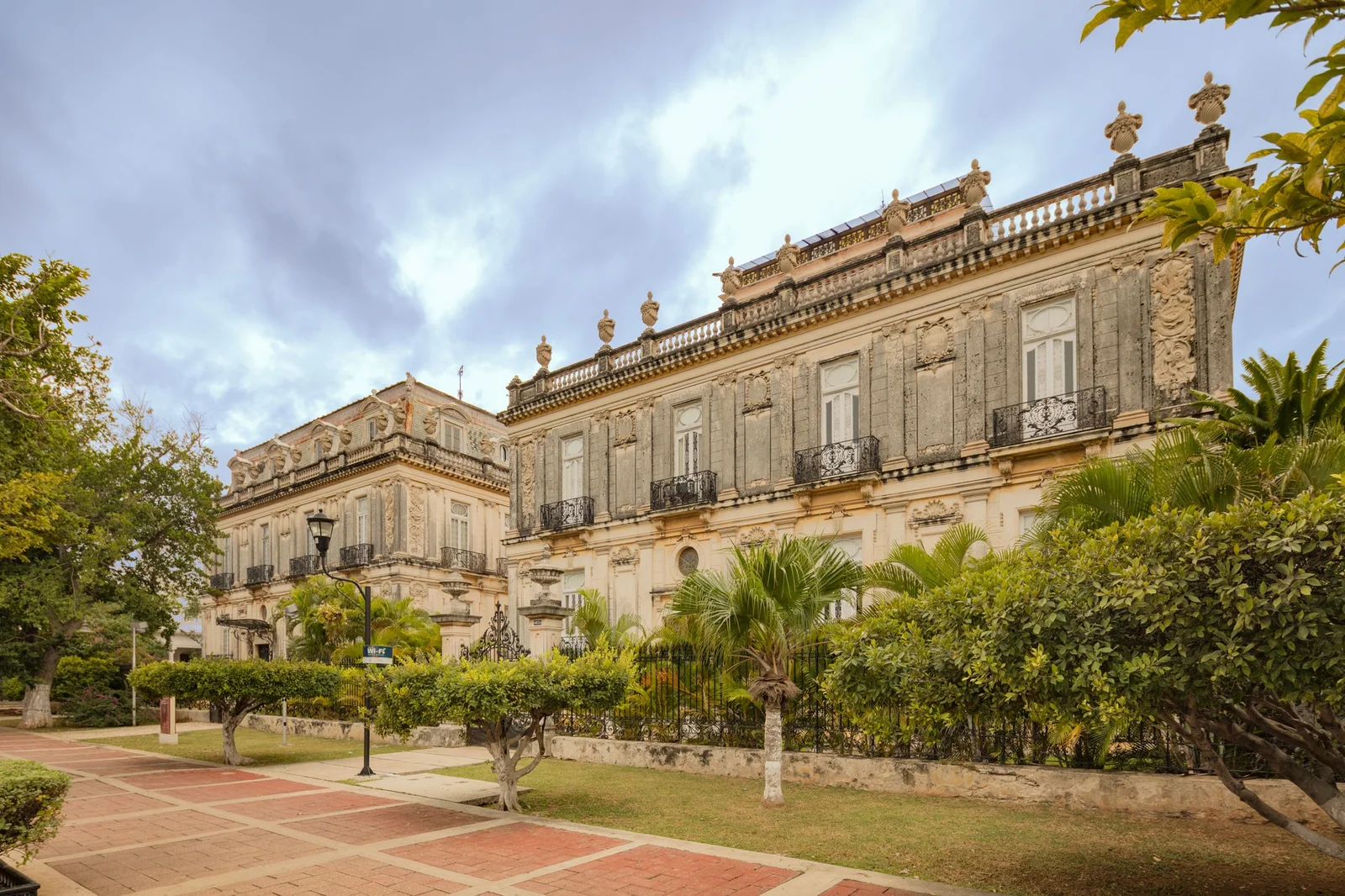
Quick answer: A $2,000 monthly retirement works in Mexico for a mortgage-free owner in Merida, Lake Chapala, Oaxaca, Queretaro or inland Mazatlan, where the full budget including private health insurance runs $1,600-2,000. It fails wherever rent is the budget: Los Cabos, Tulum, the beach zones. Ownership is the mechanism, cutting housing from $500-900 rented to $150-350 held.
Most retirement-in-Mexico content answers a different question than the one a $2,000 pension asks. The general case, covered in our retiree market guide, assumes budget flexibility; this guide assumes none. Every number below is built for a fixed income where a $200 monthly miss compounds into a forced move, and the conclusions are sharper because of it.
Where does $2,000 a month actually hold?
Five markets hold a $2,000 single-person budget with margin for a mortgage-free owner, and the list is defined by what a peso buys away from resort pricing, not by where foreign buyers cluster thickest. Merida anchors it: a working state capital where the full monthly run, health insurance included, lands near $1,600-1,900.
| City | Owner’s monthly total | House entry point | What you trade |
|---|---|---|---|
| Merida | $1,600-1,900 | $150,000-280,000, direct title | Heat, May through September |
| Lake Chapala / Ajijic | $1,600-2,000 | $180,000-320,000 | Small-town scale |
| Oaxaca City | $1,500-1,850 | $220,000-400,000, direct title | Seismic and INAH diligence |
| Queretaro | $1,700-2,000 | $120,000-200,000, direct title | No expat retiree scene to lean on |
| Mazatlan, inland colonias | $1,600-1,950 | $140,000-250,000 | Fideicomiso; beach 15 minutes away |
The failures matter as much as the fits. Los Cabos, Tulum, Playa del Carmen’s beach zone and Vallarta’s hotel zone price housing for tourists and second-home buyers, and a $2,000 budget renting there spends $1,200-2,500 on the roof alone before eating. The pattern is not subtle: everywhere the budget works is a place Mexicans outnumber foreigners at the market, and everywhere it fails is a place they do not.
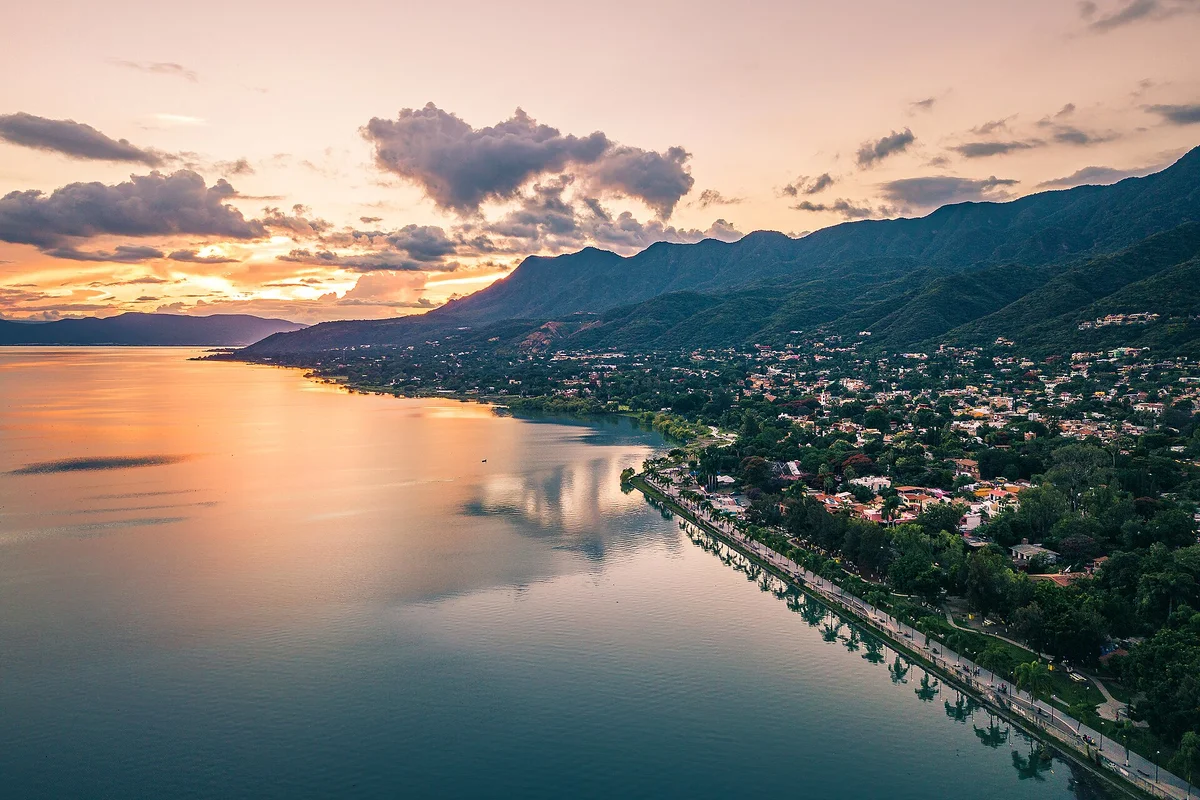
Lake Chapala deserves its own paragraph because it is the purpose-built answer to this exact budget: the largest US and Canadian retiree concentration in Mexico, English-speaking medical and legal infrastructure an hour from Guadalajara’s hospitals, and 50 years of practice absorbing precisely this buyer. Entry runs $180,000-320,000 for a village house, the monthly budget holds at $1,600-2,000, and the premium over less organised towns, roughly 10-20% on comparable space, is what a soft landing costs. The Chapala guide covers the villages, the water question and the resale market in depth.
The line-by-line budget, owner versus renter
A retirement budget is typically decided by its housing line, and for foreign buyers in Mexico that line splits by a factor of three. Owning outright in the viable cities costs $150-350 a month to hold; renting equivalent space costs $500-900, and the difference is the whole distance between comfort and attrition on $2,000.
| Line | Owner, Merida | Renter, Merida |
|---|---|---|
| Housing: hold costs or rent | $220 | $650 |
| Utilities, water, internet, phone | $130 | $130 |
| Groceries and household | $400 | $400 |
| Eating out, modest social life | $250 | $250 |
| Private health insurance, mid-60s, high deductible | $280 | $280 |
| Out-of-pocket medical and dental | $80 | $80 |
| Transport: no car, taxis and buses | $90 | $90 |
| Streaming, gym, incidentals | $120 | $120 |
| Total | $1,570 | $2,000 |
Unpacking the owner’s $220 housing line shows why it is stable in a way rent is not: predial runs roughly MXN 300-800 a month equivalent, homeowner insurance near $40-60, and a maintenance reserve of $100-150 that Yucatan’s climate genuinely consumes in paint, sealing and air-conditioning service. None of those three lines has a landlord’s incentive behind it, and none renews annually at a negotiated increase. The renter’s $650 buys the same street with none of the capital risk, and on this budget it fits only by squeezing the $370 of social lines that make retirement worth having.
Two honest caveats belong beside the table. A couple runs $2,600-3,200, since housing shares but insurance, food and flights double. And the table has no flights-home line: at $400-800 per trip, each visit north is a month of discretionary spending, which is a fact to plan rather than discover.
What does buying cost, and what does it free?
Converting $150,000-250,000 of home-country equity into a Mexican home is the single move that makes this budget durable for foreign buyers, and it typically costs 5-8% once to execute. The purchase removes the budget’s largest line and its fastest-inflating one, since rents in the expat-visible districts have outrun general inflation for a decade.
The mechanics for foreign buyers stay standard: direct title in Merida, Oaxaca and Queretaro; a fideicomiso in Mazatlan’s coastal strip at $500-800 a year, the one viable city where the trust applies. Closing runs 5-8% with ISAI, notario and registration; the ownership guide sequences it. What deserves more attention than the process is the trade, stated plainly:
- Freed: $500-900 a month of rent, forever, growing with every renewal you no longer face.
- Locked: the capital itself, recoverable only through a sale costing 6-8% round-trip and taking months in these markets.
- Gained: predial so low, commonly MXN 3,000-10,000 a year, that holding costs stop being a variable worth watching.
- Accepted: maintenance is now yours, and a $2,000 budget needs the $100-150 monthly reserve treated as a bill, not an option.
The renting alternative is not wrong; it is expensive insurance. A retiree unsure of the city, the country or their own health horizon rents for a year first, pays roughly $7,800 for the certainty, and buys with evidence. On this budget that is the correct price for doubt, once.
The visa problem $2,000 budgets actually have
Mexican residency tests income rather than thrift, and the mismatch typically surprises modest pensions: consulates commonly ask temporary-resident applicants for monthly income around $4,300-4,800, more than double this budget. A $2,000 pension that lives comfortably in Merida still fails the standard income test at most consulates, which is why foreign buyers on lean budgets need one of three workarounds.
Three routes resolve it, and most $2,000-budget retirees use the second or third:
- Savings solvency. Average balances around $72,000-75,000 across the qualifying months clear most consulates; a retiree about to convert home equity often shows this naturally in the window between selling and buying.
- Property solvency. Many consulates accept owned Mexican real estate above roughly MXN 4-5 million as the economic-solvency evidence, which turns the purchase itself into the visa path; thresholds vary by consulate and the residency guide maps the practice.
- Visitor cadence. Up to 180 days per entry with no visa at all suits the half-year snowbird, though it leaves the full-year retiree doing border runs that immigration officers increasingly question.
The sequencing trap repeats often enough to warn against: initial temporary-resident applications file at consulates outside Mexico, so the retiree who moves first and regularises later has built a flight home into the plan without noticing. File first, or budget the trip. Residency also unlocks the practical layer, a CURP, SAT registration for an RFC, IMSS eligibility, that full-year life eventually requires anyway.
Healthcare on a lean budget
Private health insurance is the second-largest line in a viable $2,000 budget, typically $150-400 a month for a healthy retiree in their sixties, and the structure that works for foreign buyers is a high-deductible policy for catastrophes with small costs paid cash. Out-of-pocket Mexican medicine prices at a fraction of US rates.
| Item | Typical cost |
|---|---|
| Private specialist consultation | MXN 800-1,500 |
| Dental cleaning | MXN 600-1,200 |
| Full private check-up panel | MXN 3,000-6,000 |
| Private insurance, 65-year-old, high deductible | $200-400 a month |
| IMSS annual enrolment, resident | a few hundred dollars a year |
| Air ambulance evacuation policy | $200-400 a year |
The honest limits: private insurers rate hard above 70 and exclude pre-existing conditions, IMSS excludes many of the same conditions and runs on public-system waits, and Medicare does not follow Americans across the border. That last fact drives a real strategy, keeping Medicare Part B active at $185 or more a month for care on visits north, which is itself 9% of this budget and has to be a deliberate choice rather than an unexamined default.
City choice is health infrastructure choice. Merida and Queretaro carry first-rate private hospitals; Chapala leans on Guadalajara an hour away; Oaxaca is thinner at the top end. On a budget that cannot absorb medical tourism to Houston, the hospital map belongs in the city decision alongside the weather.
Where the budget quietly leaks
Budgets in this market fail through five predictable leaks rather than through the headline lines, and every one of them is visible in advance. Treat the list below as a red flag audit for a plan that looks fine on paper, because on paper, before the first predial bill or peso swing, is where most $2,000 plans look fine.
- The exchange-rate assumption. Costs run in pesos, income in dollars; the 2023-24 peso rally cut effective purchasing power 20-25%. A budget that only balances at MXN 19-20 to the dollar is a bet, not a plan.
- Flights home. Two trips a year at $400-800 each is 4-7% of annual income; family events do not schedule themselves around pension cycles.
- The car. Owning, insuring and fuelling a car adds $250-400 a month; the viable cities are precisely the ones where taxis and buses make it optional.
- Beach gravity. The slow drift from a sustainable inland base toward the coast, one lease at a time, until the housing line has doubled and the budget is a memory.
- Aging in place. The costs that arrive in the late 70s, help at home, mobility renovation, more insurance rating, are absent from every early-retirement spreadsheet and belong in this one from day one.
Which $2,000 retirements actually work?
Three retiree scenarios fit this budget durably, and each typically resolves the capital question differently, with property entry points running $120,000-250,000 across all three. What they share is the same load-bearing move for foreign buyers: housing owned outright in a city where pesos do the daily work.
| Scenario | Capital deployed | Annual budget position |
|---|---|---|
| Equity converter | $150,000-250,000 plus surplus banked | Comfortable, with reserves |
| Half-year snowbird | $120,000-180,000 | Splits across two systems |
| Committed localist | $120,000-200,000 | The only one that saves |
The equity converter. Sells a $350,000-500,000 home north of the border, buys at $150,000-250,000 in Merida or Chapala, banks the difference as the emergency and travel fund, and runs the owner column of the budget above. This is the strongest configuration on the list, and the surplus capital is what makes it robust rather than merely viable.
The half-year snowbird. Owns a $120,000-180,000 Queretaro or Mazatlan base, winters in it on visitor entries, summers north near family, and lets nothing. Costs concentrate in the months present; the empty months cost predial and a caretaker’s occasional MXN 1,000. The budget breathes because half the year runs on home-country arrangements.
The committed localist. Full-year resident, IMSS plus a catastrophic private layer, Spanish lessons taken seriously, life conducted in the local economy rather than the expat one. This is the only configuration where $2,000 produces savings, and it is also the one that depends least on any number in this guide and most on temperament.
The configuration that fails is the resort remnant: retiring to the town where the vacations were, renting near the beach, running dollar habits on a peso budget. It survives 18-30 months on average optimism, then moves inland or moves home.
What should you verify before committing the pension?
Nine checks make a $2,000-budget retirement durable before the move rather than merely survivable after it, and together they are cheaper than one month of the mistake they prevent. Foreign buyers should budget $2,000-3,500 in professional fees across the property items, and about 90 days of patience across the rest.
- Ninety days of tracked spending in the target city, rented, before any purchase; the budget table above is a template, not your data.
- A written insurance quote at your actual age and history, since the $280 line above moves to $400+ past 70 and with conditions.
- The consular solvency route confirmed, income, savings or property, with the specific consulate’s thresholds in writing.
- Certificado de libertad de gravamen, escritura chain and 5 years of predial receipts on any purchase, ordered by your own lawyer.
- Fideicomiso quotes from two banks if Mazatlan’s coastal strip; direct title paperwork otherwise.
- The hospital map: which private hospital, how far, and what the ambulance arrangement is, answered before the city wins on charm.
- An exchange-rate stress test: the budget rerun at the decade’s worst peso, with the answer being survivable rather than comfortable.
- The estate file: Mexican will, home-country will, and the property’s succession path, done while it is cheap.
- An exit price: the number and the conditions under which you would sell and move, written down while no one is emotional.
Frequently Asked Questions
Yes, in the right cities and as an owner rather than a renter. In Merida, Lake Chapala, Oaxaca, Queretaro or Mazatlan away from the beachfront, a mortgage-free retiree runs a comfortable single-person budget at $1,600-2,000 a month including private health insurance. The same $2,000 fails in Los Cabos, Tulum and beachfront Puerto Vallarta, where rent alone consumes $1,200-2,500. The decisive variable is housing: owned outright, it costs $150-350 a month to hold; rented, it is the budget.
Usually not on income alone. Consulates commonly ask temporary-resident applicants for monthly income around $4,300-4,800, well above a $2,000 budget, because the visa test measures income, not spending. Retirees on modest pensions qualify instead through savings, commonly around $72,000-75,000 in average balances, or through property: many consulates accept Mexican real estate above roughly MXN 4-5 million as solvency evidence. Thresholds track UMA multiples and vary by consulate, so confirm locally before planning around them.
Private insurance for a healthy retiree in their sixties typically runs $150-400 a month depending on age, deductible and prior conditions, and it is the largest single line after housing in a lean budget. Out-of-pocket care is inexpensive by US standards: a specialist visit commonly costs MXN 800-1,500 and a private hospital day a fraction of US rates. IMSS enrolment is possible for residents at a few hundred dollars a year but excludes many pre-existing conditions; most $2,000-budget retirees carry a high-deductible private policy and pay small costs in cash.
Merida, Lake Chapala and Ajijic, Oaxaca City, Queretaro and non-beachfront Mazatlan all hold the budget with room to spare for a mortgage-free owner. Each offers different weather and community: Chapala has the deepest retiree infrastructure, Merida the safest big-city feel with direct title, Oaxaca the culture, Queretaro the services, Mazatlan the ocean at inland prices. The cities that do not fit are the resort corridors: Los Cabos, Tulum, Playa del Carmen's beach zone and Vallarta's hotel zone.
Owning is what makes the budget work. Renting a decent one-bedroom in the viable cities costs $500-900 a month, a quarter to nearly half of the budget; owning the same home outright costs $150-350 in predial, HOA, insurance and upkeep. A retiree who converts $150,000-250,000 of home-country equity into a Mexican property removes the budget's largest and fastest-inflating line. The trade is liquidity: that capital comes back only through a 6-8% round-trip sale.
Materially. US Social Security deposits reach Mexican bank accounts or US accounts drawn locally, and the average retirement benefit near $1,900-2,000 lands in a cost base 40-60% below comparable US cities. The currency is the caveat: benefits arrive in dollars while costs run in pesos, so the 2023-24 peso rally effectively cut purchasing power 20-25% before easing. A budget built at MXN 17 to the dollar survives; one that needs MXN 20 does not.
Four things, honestly: beachfront living in the resort corridors, frequent flights home at $400-800 each, US-priced imported goods, and thin-margin surprises like a major dental or veterinary bill. It also assumes one person; a couple runs $2,600-3,200 in the same cities because housing and utilities share but food, insurance and travel double. The budget works as a disciplined baseline with a separate emergency fund, not as a ceiling that absorbs shocks.
Get a vetted Mexico shortlist
US and Canadian buyers use this to skip the developer sales deck: tell us the budget and the market, and we come back with 3 to 5 options and the net yield maths behind each one.
Want options matched to your budget and risk profile?
Three questions, one screen. We reply within one business day.
Get a vetted Mexico shortlist