
Oaxaca Real Estate: Homes for Sale in Oaxaca City
Homes for sale in Oaxaca City by neighbourhood, indicative price bands, direct title outside the restricted zone, and the heritage rules on the centre.
By Mexico Invest Editorial · Updated September 7, 2026 · 15 min read
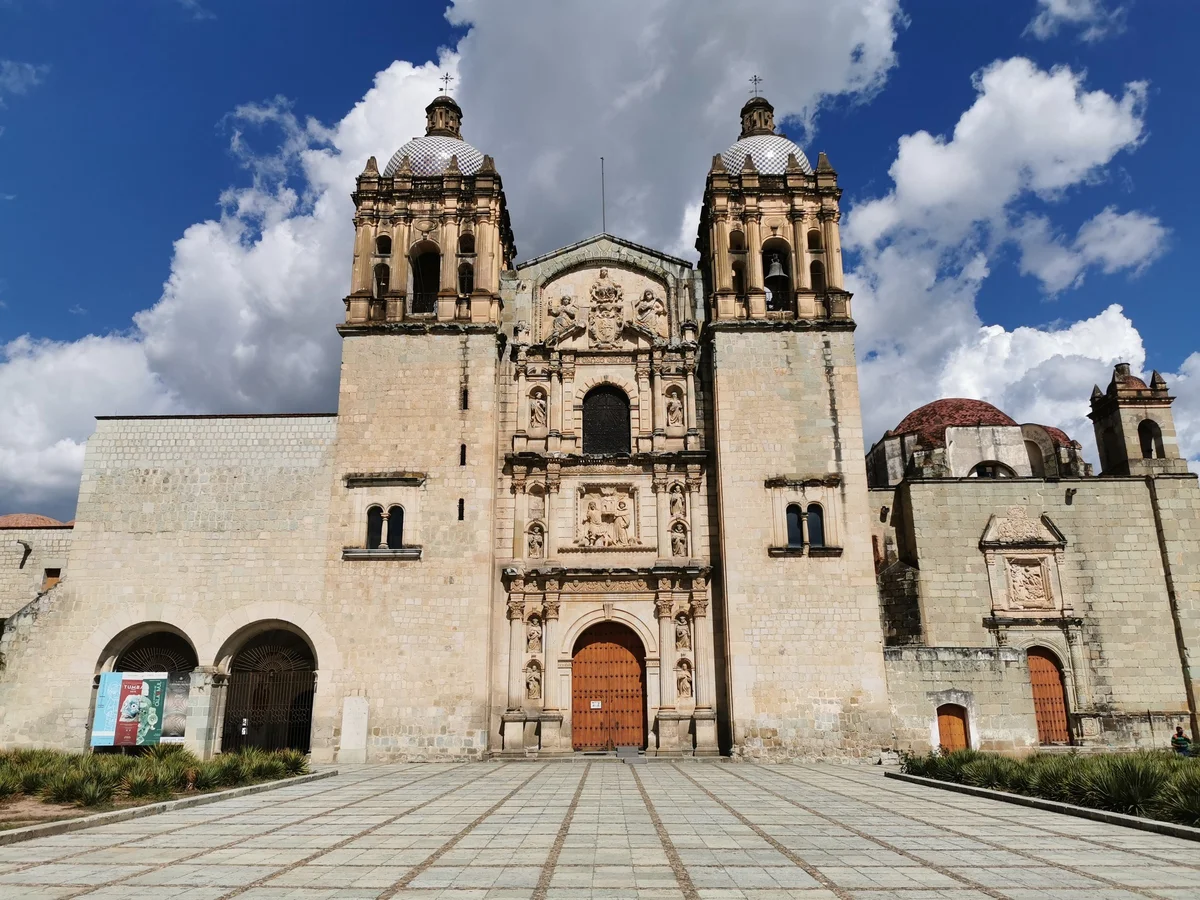
Quick answer: Oaxaca City is inland in the southern highlands, outside the restricted zone, so foreign buyers take direct title with no bank trust and no annual trustee fee. Indicative asking bands run about $110,000 to $220,000 in the residential colonias, $180,000 to $400,000 in and around Centro, and higher for restored courtyard houses inside the heritage area.
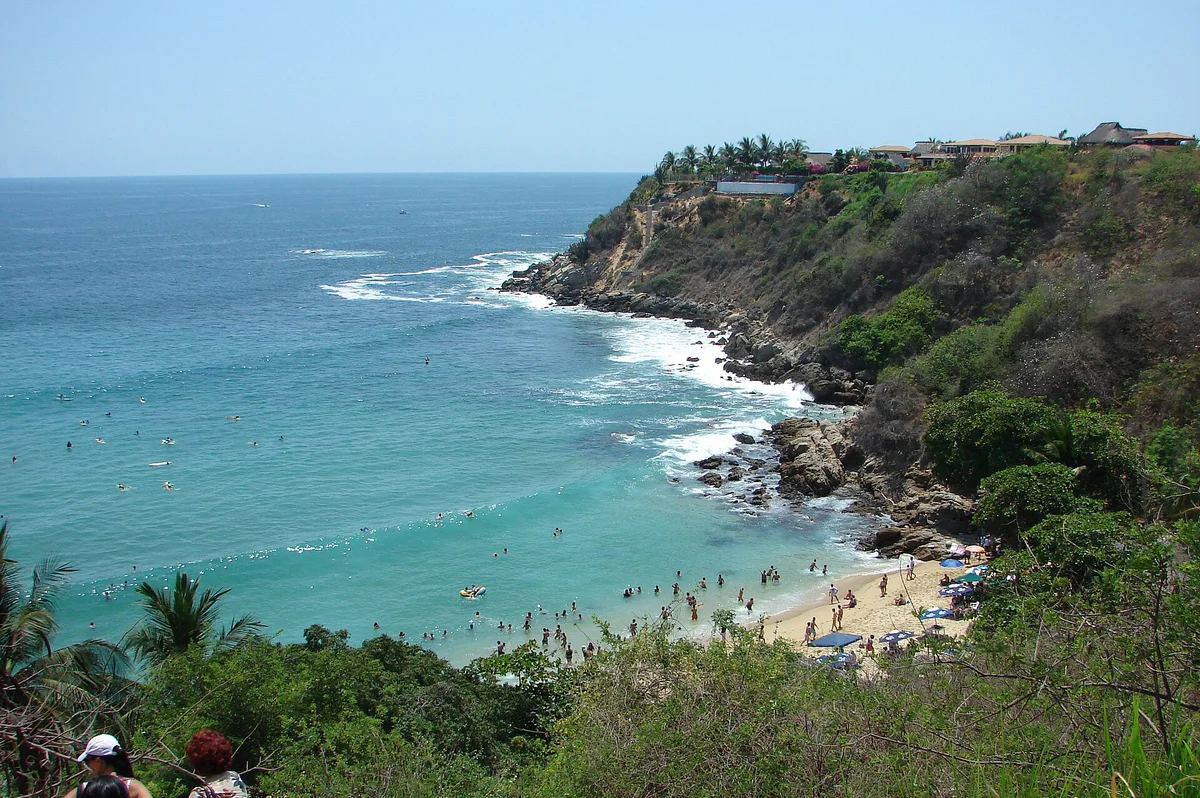
Oaxaca City is bought on character more often than on arithmetic, which is precisely why the arithmetic deserves stating first. A UNESCO Centro, one of the strongest food economies in the Americas and a genuine cultural draw sit alongside two constraints that no brochure mentions. Read Puerto Escondido for the same state’s coast, where the fideicomiso applies and the calculus reverses.
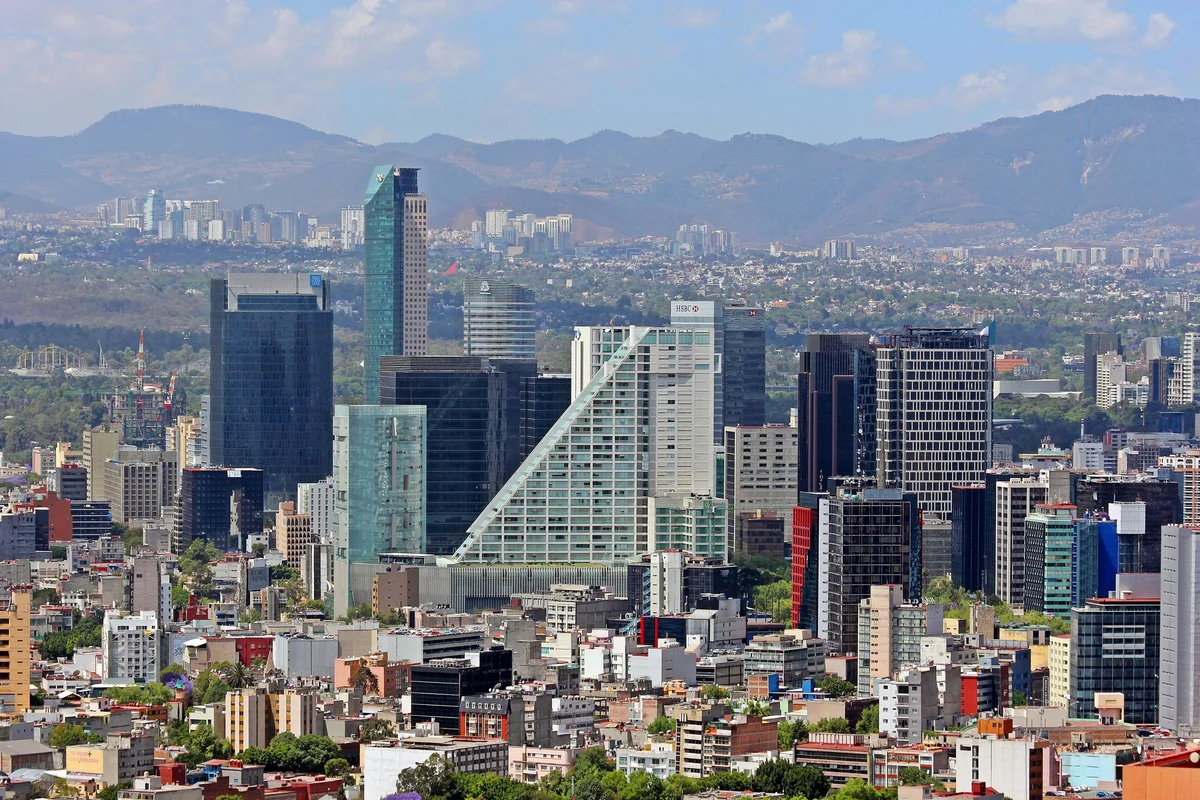
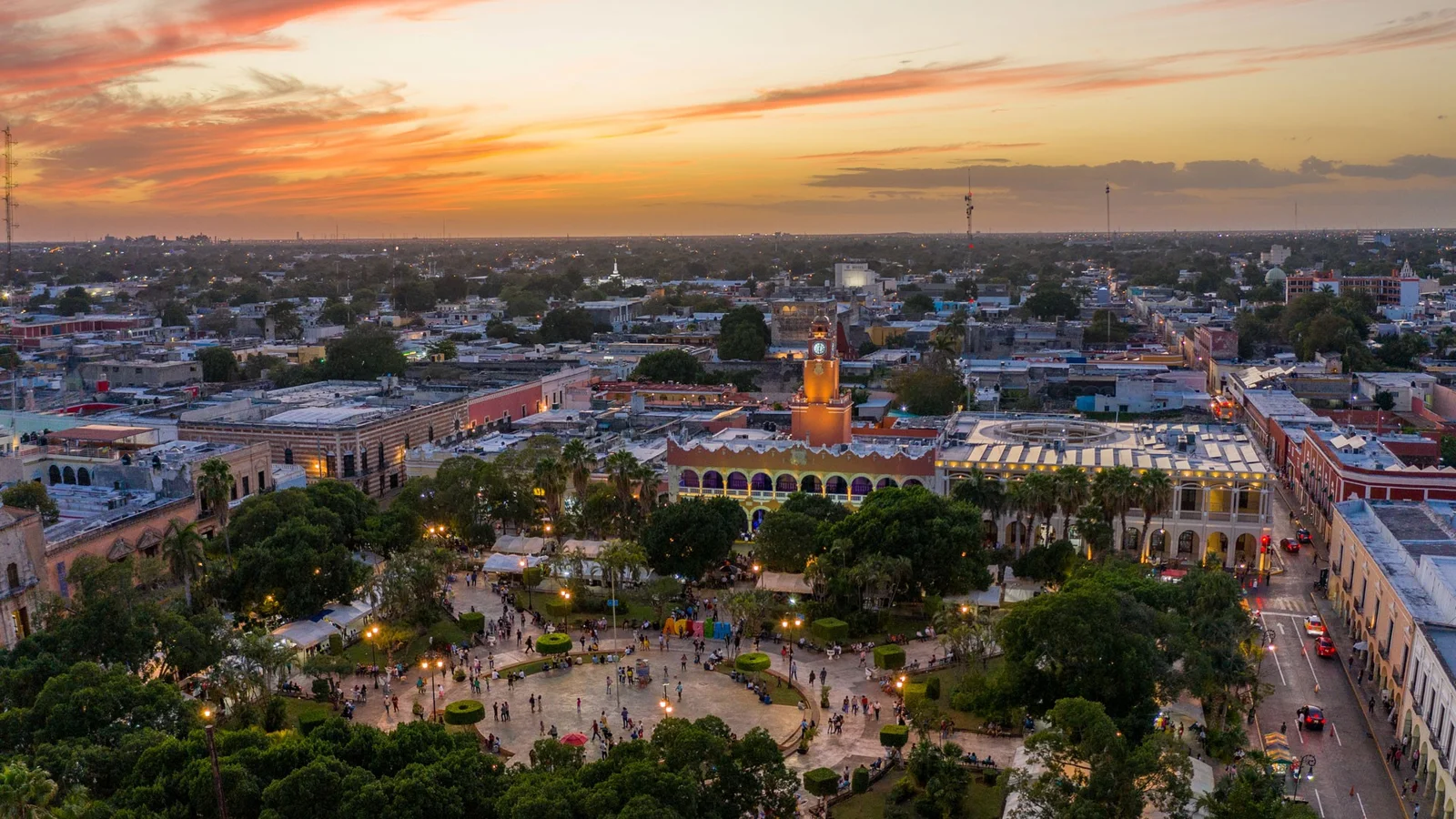
Hub: can foreigners buy property in Mexico. Compare: Merida and Mexico City.
Neighbourhoods and indicative prices
The gradient here runs on walkability to the Zocalo and on whether the property sits inside the protected historic perimeter. The numbers below are September 2026 asking levels from public listings.
| Neighbourhood | Indicative band | Character | Constraint |
|---|---|---|---|
| Centro Historico | $200,000 to $450,000 | Courtyard houses, walk to the Zocalo | INAH rules on facades and structure |
| Jalatlaco | $180,000 to $380,000 | Cobbled, painted, walkable, popular | Small plots, tight streets |
| Reforma | $150,000 to $300,000 | Residential, leafy, services | Car helpful |
| Xochimilco | $170,000 to $340,000 | Artisan quarter, uphill, views | Steep access |
| San Felipe del Agua | $250,000 to $550,000 | North, larger plots, gardens | Furthest from the centre |
| Outer colonias | $90,000 to $180,000 | Local residential | Thinner foreign resale |
Two constraints deserve stating before anyone falls for a courtyard. Work inside the historic perimeter needs INAH clearance on anything structural or facade facing, which lengthens a renovation and rules out some changes entirely. And the valley’s water supply is genuinely tight between rains, so many properties supplement the municipal connection with a cistern and delivered water.
Insider tip: ask how many days of cistern storage a property holds and how often it has needed a delivery in the last dry season. In this valley the answer separates a comfortable house from an inconvenient one far more reliably than the number of bedrooms does.
Why does Oaxaca City sit outside the restricted zone?
Oaxaca City occupies a highland valley roughly 200 km inland from the Pacific, which is far enough that neither the 50 km coastal band nor the 100 km border band of Article 27 applies. Foreign buyers here take title directly, and the closing statement carries no fideicomiso, no SRE permit and none of the usual $2,700-5,000 of trust setup.
One state, two legal regimes; that is Oaxaca’s peculiarity, and no other state on this site shows the contrast as cleanly. Puerto Escondido sits on the coast inside the restricted band; Oaxaca City sits four hours up the mountain outside it. Same state congress, same notario corps, and a completely different ownership structure depending on which end of Highway 175 the property stands.
| Ten-year cost of the same $300,000 purchase | Oaxaca City | Puerto Escondido |
|---|---|---|
| Trust and permit stack at closing | $0 | $2,700-5,000 |
| Trustee fees, years 1-10 | $0 | $5,000-8,000 |
| Whose name the registry shows | The buyer’s | The bank’s, buyer as beneficiary |
| Extra weeks on the closing calendar | none | typically 2-6 |
Across a decade the gap runs $7,700-13,000, roughly 3-4% of that Reforma house, before counting the simpler estate the direct escritura leaves behind.
What does property cost in Oaxaca City?
Restored Centro Historico houses cost $2,200-3,200 USD per square metre in 2026, while Reforma, Jalatlaco and the northern districts range from $1,400 to $2,200. Pricing in this market tracks restoration status and INAH catalogue listing far more than square metres, grasp that before comparing two apparently similar houses, because the cheaper one usually carries the dearer obligations.
| District | USD per sqm | 180 sqm house | Character |
|---|---|---|---|
| Centro Historico, restored | $2,400-3,200 | $432K-576K | UNESCO core, INAH catalogued |
| Jalatlaco | $2,000-2,800 | $360K-504K | Walkable, colourful, nomad-favoured |
| Centro, unrestored | $1,200-1,900 | $216K-342K | INAH obligations; budget carefully |
| Reforma | $1,600-2,200 | $288K-396K | Residential, professional tenants |
| Northern districts | $1,400-1,900 | $252K-342K | Family housing, best yield per dollar |
Heritage status and structural history explain almost all of the variation inside each band, and both are invisible in a listing photograph. Establish where a building sits on these three questions before making an offer:
- INAH catalogue status, whether the building is individually listed, in the buffer zone, or outside, changes a renovation budget by 40-70%
- Documented seismic retrofit on adobe or unreinforced masonry adds 15-25% and is rarely present
- A completed restoration with INAH sign-off removes both the timeline and the approval risk, which is what the Centro premium actually buys
A red flag worth naming here: the price a Centro listing quotes and the value the escritura records are frequently different numbers. Under-declaration was historically common in Oaxaca and it raises the eventual ISR bill on sale, because the gain is computed from the recorded acquisition value. Insist that the escritura state the true price, and keep every CFDI for improvement work.
INAH and the heritage constraint
The Centro Historico is a UNESCO World Heritage site, and INAH must approve any structural or facade work on catalogued buildings in this market. Approval routinely adds 3-9 months and constrains materials, window profiles, paint colours and roof lines, which is why an unrestored Centro house at $1,200 per square metre is rarely the bargain foreign buyers assume.
What INAH approval actually governs on a catalogued building:
- Structural interventions of any kind, including seismic retrofit
- Facade changes, window profiles, door openings and ironwork
- Paint colours, render types and roof materials
- Any addition altering the building’s volume or roofline
The arithmetic of an unrestored Centro purchase deserves working through, because it is where foreign buyers most consistently lose money in this market. A 180 sqm catalogued house at $1,500 per square metre costs $270,000, which reads as a $160,000 discount against restored stock. Full restoration to a lettable standard under INAH supervision runs $900-1,600 per square metre once approved materials, specialist trades and the review timeline are priced, or $162,000-288,000. The all-in therefore lands at $432,000-558,000 against restored comparables at $432,000-576,000, with 12-24 months of carry and approval risk absorbed along the way. The discount is real only for a buyer who wants the restoration project itself.
INAH files the catalogue against the property rather than the owner, so the status transfers with the escritura and takes 5-10 business days to confirm in writing. Budget MXN 20,000-45,000 for a structural assessment alongside it, and model both against the rental yield guide before assuming a restoration pays back. Four checks settle the heritage question before an offer:
- INAH catalogue status in writing for the specific property, not the street
- Any existing INAH file on prior works, approved or refused
- A restoration quote from a specialist who has completed INAH-approved work in Oaxaca
- Realistic timeline; assume 3-9 months for approval alone, before construction begins
Seismic exposure: the item listings omit
Oaxaca sits near the convergence of the Cocos and North American plates and has experienced repeated significant earthquakes, including the June 2020 event centred in this state. Adobe and unreinforced masonry, the dominant historic construction in this market, performs poorly under seismic load, and a genuine retrofit costs $180-450 per square metre that no listing prices.
| Construction type | Seismic behaviour | Retrofit cost per sqm |
|---|---|---|
| Adobe, unreinforced | Poor in shear; wall collapse risk | $250-450 |
| Unreinforced masonry | Poor; corner and roof-tie failures | $180-380 |
| Reinforced concrete, pre-1985 | Variable; verify individually | $120-280 |
| Modern reinforced, post-2000 | Designed to current code | Usually none |
Historic construction in this market was built for a different set of forces than a modern code addresses. Adobe walls carry vertical load well and shear load badly, unreinforced masonry behaves similarly, and both were assembled long before any Mexican seismic standard existed.
A retrofit that genuinely improves performance means ring beams, corner reinforcement, roof-to-wall ties and sometimes internal steel. It costs $180-450 per square metre and requires INAH approval where the building is catalogued, which is the point at which two separate constraints compound into a single budget. A structural engineer familiar with historic adobe charges MXN 20,000-45,000 for an assessment, and that report is the most valuable document a Centro buyer can hold: roughly 0.1% of a $432,000 purchase, against a retrofit that can reach $80,000 on a 180 sqm house.
Four items belong on a seismic checklist before any Centro offer, and none of them appears in a listing:
- Whether the walls are adobe, fired brick or rubble masonry, established by inspection rather than by what the agent says.
- Whether any previous structural work was permitted, which the licencia de construcción on file at the municipality will show and the escritura will not.
- Whether cracks follow the mortar joints or run through the units, since the second pattern indicates the wall has already moved.
- Whether the roof structure is tied to the walls at all, which is the most common single failure in Oaxacan adobe and among the cheapest to remedy at $40-90 per square metre.
Rental economics: a worked example
Model the purchase foreign buyers most often make here: a 180 square metre restored house in Jalatlaco. Restored stock in that colonia runs $2,400 per square metre, so the house costs $432,000. Closing at 6% puts the all-in basis at $457,900. Furnished medium-term tenancies clear around MXN 34,000 a month here. Twelve of those months come to $22,418 at the Banxico reference rate, and which is 4.9% gross before operating costs.
| Line | Annual USD |
|---|---|
| Gross rent, MXN 34,000/month furnished | $22,418 |
| Management at 12% | −$2,690 |
| Predial (Oaxaca) | −$620 |
| Insurance | −$700 |
| Maintenance on historic fabric | −$2,900 |
| Vacancy reserve, six weeks | −$2,587 |
| Repairs reserve at 5% | −$1,121 |
| Net operating income | $11,800 |
That NOI is 2.6% net on the $457,900 all-in basis at furnished medium-term rates, and rises toward 3.5-4.5% on Reforma or northern-district stock bought at $1,600-2,200 per square metre and let unfurnished to professionals. The maintenance line is the one that separates Oaxaca from Merida: historic fabric in a seismic valley costs more to keep than colonial stock on stable Yucatan limestone.
- Nightly letting in Centro peaks hard around Guelaguetza in July and Day of the Dead in late October
- Those two windows can carry 25-35% of annual nightly revenue, which makes the calendar unusually concentrated
- Long-term unfurnished letting in Reforma trades that upside for steadier occupancy and far lower wear
Pros and cons for investors
Everything on both sides of Oaxaca City’s ledger flows from one condition: a UNESCO-protected core standing on seismically active ground, with no resort or business economy attached. That is why entry sits at $1,400-3,200 per square metre with genuine character, and equally why INAH review adds 3-9 months and adobe retrofit adds $180-450 per square metre to every Centro budget.
| Advantages | Disadvantages |
|---|---|
| The escritura carries your own name, coast-free | Net yield 2.6-4.5%, below inland peers like Queretaro |
| Entry $1,400-3,200 per sqm, below Merida and CDMX | INAH approval adds 3-9 months to any Centro works |
| Genuine cultural draw and a world-class food economy | Adobe and unreinforced masonry carry real seismic risk |
| UNESCO status permanently constrains Centro supply | Foreign resale pool thinner than Merida’s |
| Growing remote-worker demand in Jalatlaco and Centro | Nightly revenue concentrated in two annual festivals |
| Predial near $620 a year, no lodging trust cost | Historic maintenance runs well above modern stock |
Who should buy in Oaxaca City?
Oaxaca City offers foreign buyers three positions, and the distance between them is a matter of heritage exposure rather than square metres: roughly $252,000-396,000 for Reforma or northern-district stock bought on yield, $360,000-504,000 for a restored Jalatlaco house let furnished to remote workers, and $432,000-576,000 for a restored Centro property bought principally for use and scarcity.
- Yield-focused buyer → Reforma or north, $252,000-396,000, unfurnished annual tenancy, 3.5-4.5% net
- Remote-worker landlord → Jalatlaco restored, $360,000-504,000, furnished medium-term, 2.6-3.5% net
- Lifestyle and heritage owner → Centro restored, $432,000-576,000, use plus seasonal letting
Tax housekeeping is identical for all three: an RFC, one ISR return, predial near $620. The restoration-project buyer should proceed only with an INAH-experienced specialist quote in hand, the discount on unrestored Centro stock disappears entirely once approved-materials costs and a 3-9 month review are priced honestly.
What red flags should pause an Oaxaca purchase?
Oaxaca breeds its own species of red flag: of the six below, the first three could not exist outside a UNESCO core standing on active ground. A combined structural and heritage review costs MXN 20,000-45,000, and any one of these six patterns costs several multiples of that to unwind after the escritura is signed.
- An unrestored Centro house priced as a bargain with no INAH catalogue status confirmed
- A restoration quote built on mainland construction rates rather than INAH-approved materials
- Adobe or unreinforced masonry with no structural assessment and no retrofit record
- Nightly revenue projections extrapolated from Guelaguetza or Day of the Dead weeks
- Old predial balances hiding on a long-held family property: modest money, near $620 a year, but the debt rides the title into your hands
- Prior works visible on a catalogued building with no INAH file to support them
What should you verify before committing?
Eight checks settle an Oaxaca City purchase, and the heritage and structural files come before anything else. A catalogued adobe building with no engineering assessment leaves foreign buyers holding a risk that a price reduction only partly offsets, and both reviews together require about 15-20 business days to complete.
- Confirm INAH catalogue status in writing for the specific property.
- Request any existing INAH file on prior works, approved or refused.
- Commission a structural engineer familiar with historic adobe, MXN 20,000-45,000.
- Obtain a restoration quote from a specialist with completed INAH-approved projects.
- Order the title search yourself at the Oaxaca state registry: chain of escrituras plus a gravamen certificate under 30 days old.
- Obtain a constancia de no adeudo for predial, which in the Centro Historico is assessed on cadastral values that lag market prices badly.
- Verify the letting model the property actually supports, festival weeks excluded.
- Test the rent assumption against what Jalatlaco and Reforma listings actually quote this season, in pesos.
Three engagements, priced and timed: a structural assessment at MXN 20,000-45,000 over about 10 business days, an INAH status confirmation taking 5-10 days, and the escritura search at MXN 4,000-9,000. Set against a $432,000 purchase, the whole file is roughly a point of price protecting a restoration estimate that can swing 40-70% on its findings.
The inland ownership advantage is explained in the restricted zone explained, the running numbers in cost of living in Mexico, and the purchase itself in the closing cost breakdown. The state’s coast, where the same buyers often look second, is covered on Huatulco.
Frequently Asked Questions
Yes. The city sits roughly 200 km inland from the Pacific, outside the restricted zone, so foreign buyers take direct fee-simple title with no SRE permit, trust bank or annual fee, saving about $2,700-5,000 at closing and $500-800 a year against Puerto Escondido on the same state's coast.
Restored Centro houses run $2,200-3,200 per sqm; Reforma, Jalatlaco and northern districts $1,400-2,200. A 180 sqm Centro colonial costs roughly $396,000-576,000 and a Reforma house $252,000-396,000. Unrestored Centro trades lower but carries INAH obligations.
The Centro is UNESCO-listed and INAH must approve structural or facade work on catalogued buildings, adding 3-9 months and constraining materials, windows, colours and roof lines. Buyers pricing restoration on mainland rates typically underestimate by 40-70%.
Roughly 5.5-7.5% gross and 3.5-4.5% net. A $432,000 Jalatlaco house let furnished at MXN 34,000 a month grosses $22,418 and nets about $11,800 after management, predial, insurance, historic-fabric maintenance, a six-week void and repairs.
Yes, and most listings omit it. The city sits near the Cocos and North American plate convergence and has seen repeated significant earthquakes including June 2020. Adobe and unreinforced masonry perform poorly under seismic load; commission an engineer familiar with historic adobe.
Remote workers on furnished one-to-six-month lets in Centro and Jalatlaco; academics and professionals on annual unfurnished tenancies in Reforma and the north; and short-stay tourists filling Centro nightly stock around Guelaguetza in July and Day of the Dead in late October.
Merida has a larger foreign resident community, deeper foreign resale pool and lower seismic exposure. Oaxaca has stronger cultural tourism, a better food economy and lower entry prices, with thinner foreign resale depth and materially higher seismic and INAH complexity.
Get a vetted Mexico shortlist
US and Canadian buyers use this to skip the developer sales deck: tell us the budget and the market, and we come back with 3 to 5 options and the net yield maths behind each one.
Want options matched to your budget and risk profile?
Three questions, one screen. We reply within one business day.
Get a vetted Mexico shortlist