
Mexico City Real Estate: Homes and Condos for Sale
Homes and apartments for sale across Roma, Condesa, Polanco, Napoles and Del Valle, with indicative price bands and the seismic question buyers must ask.
By Mexico Invest Editorial · Updated September 6, 2026 · 11 min read
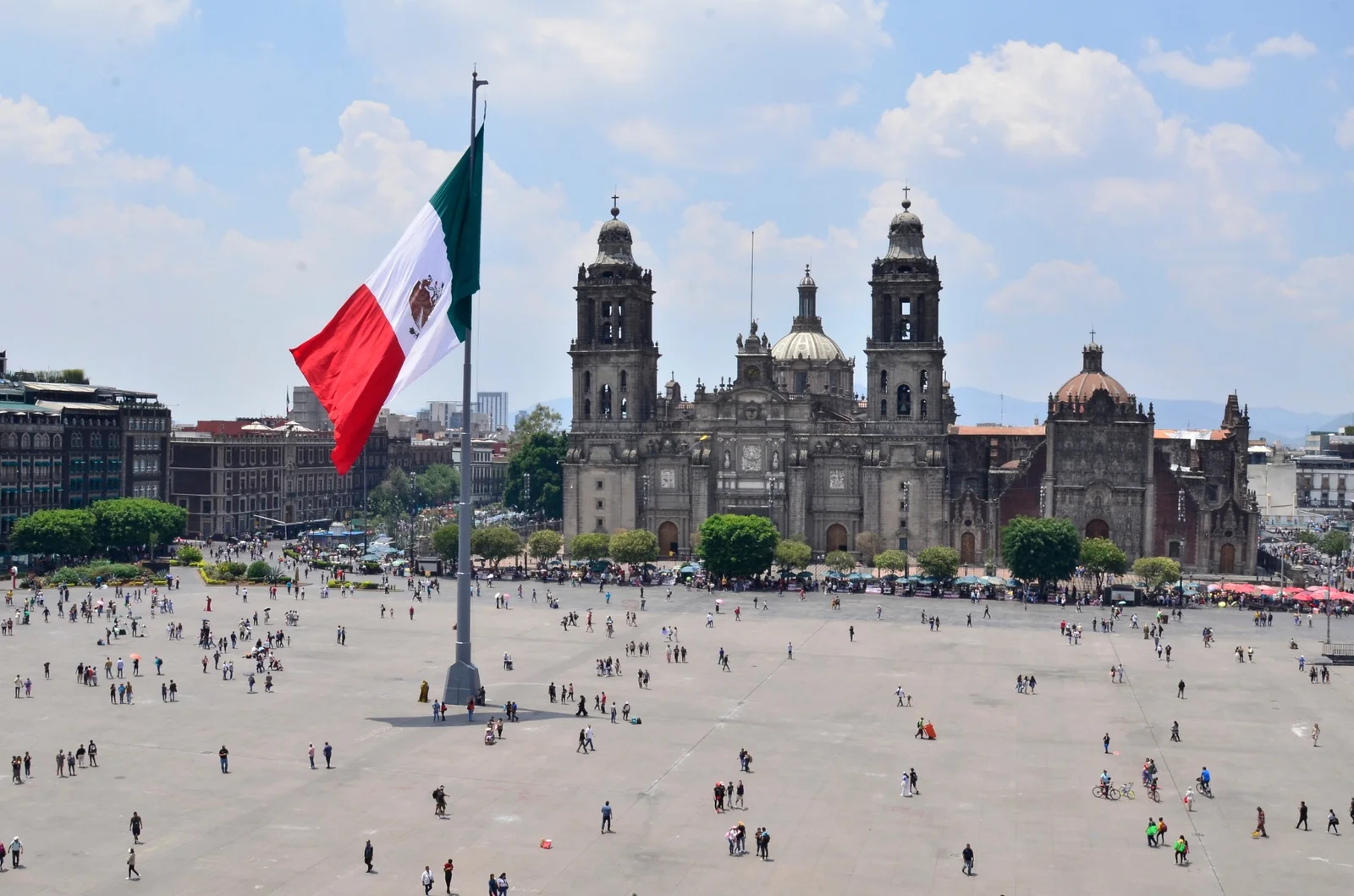
Quick answer: Mexico City is the third largest source of foreign buyer demand among Mexican cities and the only one of that size where the buyer takes direct title with no bank trust. Indicative asking bands run about $150,000 to $300,000 in Napoles and Del Valle, $250,000 to $500,000 in Roma Norte and Condesa, and $350,000 to $900,000 in Polanco. The question that decides the purchase is not the neighbourhood, it is the soil the building stands on.
Most foreign coverage of Mexican property is coastal. The capital is the exception that the resort corridor never explains: a genuine city market, priced in pesos, bought mostly by Mexicans, where a foreign buyer is a minority participant rather than the whole demand side.
That changes the transaction in ways worth knowing before you look at listings.
Why the capital is a different transaction
Three structural differences separate a CDMX purchase from a Playa del Carmen or Los Cabos purchase.
Direct title. The restricted zone is drawn 50 km from any coast and 100 km from any land border. Mexico City sits far outside both, so foreign ownership is registered in the buyer’s own name. No fideicomiso, no SRE permit, no annual trustee administration. The saving is roughly $2,500 to $4,000 at closing and $500 to $800 a year afterwards, and inheritance passes under a Mexican will rather than through trust beneficiary substitution.
Peso pricing and local comparables. Coastal resort stock is often quoted in dollars to a foreign audience. In the capital, most stock is quoted in pesos to Mexican buyers, and the comparable sales that set value are local. A foreign buyer here is a price taker in a functioning domestic market rather than a price setter in a market built for them.
Rental demand is residential, not touristic. Long lets to professionals and students carry this market. Nightly rental exists and is regulated, but it is a secondary use in most buildings and prohibited outright in some.
Neighbourhoods and indicative prices
Bands below are indicative asking observations from public listings in September 2026 for a two-bedroom apartment in reasonable condition. Older walk-up stock sits below; new amenity construction sits above.
| Neighbourhood | Indicative band | Character | Foreign buyer depth |
|---|---|---|---|
| Roma Norte | $250,000 to $500,000 | Walkable, restaurants, early 20th century stock | Deepest |
| Condesa | $260,000 to $520,000 | Parks, art deco, dog city | Deep |
| Polanco | $350,000 to $900,000 | Luxury, embassies, Masaryk | Deep at the top end |
| Juarez | $200,000 to $420,000 | Central, regenerating, mixed | Growing |
| Napoles | $150,000 to $300,000 | Mid century, wide streets, WTC | Moderate |
| Del Valle | $170,000 to $330,000 | Residential, family, well served | Moderate |
| Coyoacan | $250,000 to $600,000 | Colonial houses, cobbles, village feel | Moderate |
| San Angel | $350,000 to $800,000 | Historic houses, garden plots | Thin but high value |
Roma Norte and Condesa carry the deepest foreign demand and, for exactly that reason, the most competition and the fastest price movement since 2020. Napoles and Del Valle give noticeably more floor area per dollar to a buyer willing to trade some walkability. Coyoacan and San Angel are the two zones where a foreign buyer can realistically buy a house rather than an apartment.
The seismic question, asked properly
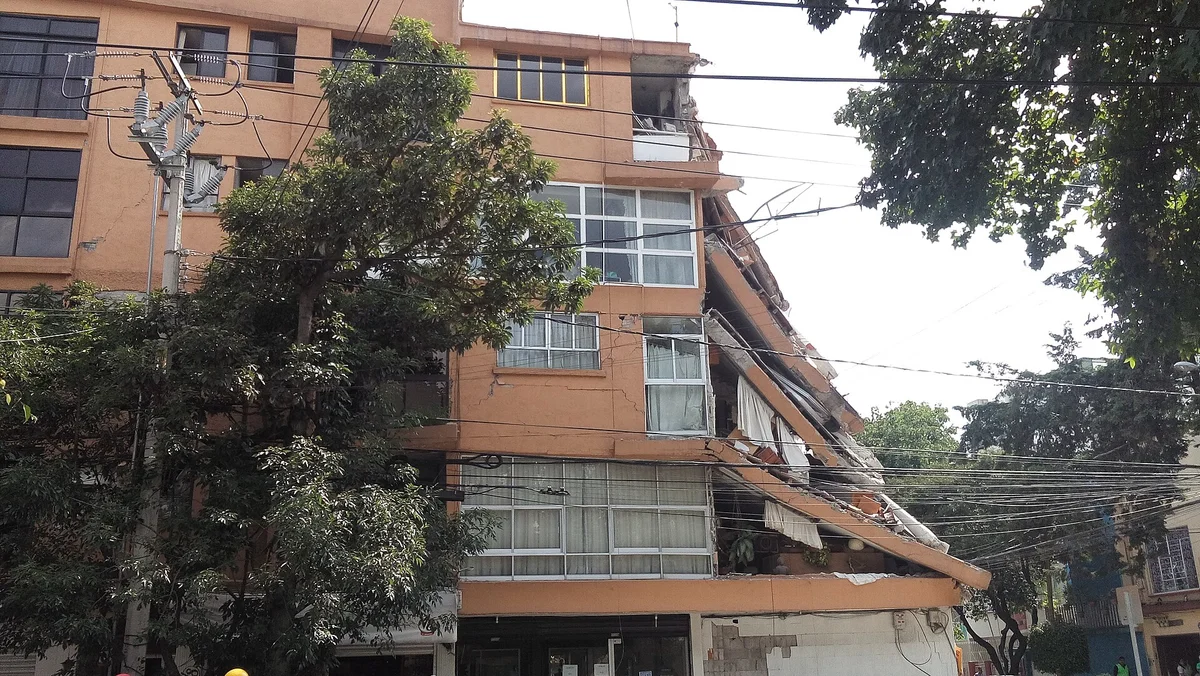
Mexico City is built partly on the drained bed of Lake Texcoco, and the soft lacustrine soil amplifies seismic waves in a way that firmer ground does not. The city is mapped into seismic zones for exactly this reason, and the zone is a property attribute as concrete as the floor area.
Four questions settle it, and all four have documentary answers.
- Which seismic zone is the building in? Zone I is firm ground toward the west and south west, Zone III is the soft lake bed across much of the centre and east, Zone II is the transition.
- What year was it built? Construction codes were tightened substantially after 1985 and again after 2017. A 1970s building in Zone III is a different proposition from a 2019 building on the same street.
- Was it inspected or retrofitted after 2017? Many were. The paperwork exists and the condominium administration holds it.
- Is there a current structural safety certificate? For many buildings this is a legal requirement, and its absence is itself informative.
Insider tip: ask the neighbours, not only the seller. In a building that moved in 2017, residents remember precisely what cracked and what was repaired, and that conversation surfaces things no document will. The engineering detail across the country is covered in earthquake risk for Mexican property.
What the purchase costs in the capital
Closing here is cheaper than on the coast for one structural reason and one procedural one. The trust is absent, and Mexico City’s acquisition tax sits at the lower end of the national range.
| Line | Indicative | Note |
|---|---|---|
| ISAI acquisition tax | About 3% to 4.5% on a sliding scale | Progressive by declared value in CDMX |
| Notario fees | 1% to 2% | Scaled to declared value |
| Public registry | 0.5% to 1% | Filing and inscription |
| Appraisal and certificates | $600 to $1,500 | Avaluo, no-lien, water and predial clearances |
| Fideicomiso | None | Direct title applies here |
| Independent legal review | $1,500 to $3,500 | Strongly advised on pre-1985 stock |
The water and predial clearance certificates matter more in CDMX than in a new coastal development, because the building stock is older and municipal debt attaches to the property in practice. Ask for both, dated within 30 days of closing, alongside the condominium’s statement that the seller owes nothing to the administration.
Pros and cons against the coastal markets
Pros. Direct title with no trust. A real domestic rental market that does not depend on tourism seasons. Healthcare, universities and international schools at a depth no resort town matches. Flight connectivity to everywhere. Prices set by local comparables rather than by foreign demand.
Cons. Seismic exposure that requires genuine due diligence. Air quality that varies sharply by season. Altitude that not every buyer adapts to comfortably. Traffic that makes a car a liability rather than an asset in the central neighbourhoods. Nightly rental restricted in a way that coastal condo buyers do not expect.
Which buyer this market suits
Someone relocating rather than holidaying. The capital rewards presence. Its advantages are schools, hospitals, work and culture, none of which pay off two weeks a year.
A buyer who wants the trust structure removed. Direct title simplifies the purchase, the annual cost and the inheritance path.
A long-let landlord. Professional tenants in Roma, Condesa, Napoles and Del Valle carry this market, and a twelve-month lease avoids both the platform regulation and the condominium rules that constrain nightly rental.
It suits a nightly-rental investor least. Between city registration, the lodging tax, the debated night caps and individual condominium bans, the regulatory surface here is larger than on the coast and moving in one direction.
Neighbourhood detail sits on the district pages for Polanco and Roma and Condesa, the ownership and paperwork walkthrough is in the Mexico City guide for foreign buyers, and country price context is on homes for sale in Mexico. The weekend house that goes with a capital apartment is usually bought in Cuernavaca, ninety minutes south and several degrees warmer, and the other city foreign buyers weigh against the capital on employment rather than climate is Monterrey.
The supporting reading for a capital purchase is can Americans buy property in Mexico for the direct title route, property taxes in Mexico for the annual position, and cost of living in Mexico for the monthly one.
Price bands are indicative asking observations from public listings in September 2026, not valuations. Seismic zoning, condominium rules and short-term rental regulation change; verify all three with an independent Mexican attorney before committing funds.
Frequently Asked Questions
Yes, and with direct title. Mexico City sits far inland, well outside the 50 km coastal and 100 km border bands that make up the restricted zone, so a foreign buyer registers the property in their own name with no fideicomiso, no SRE permit and no annual trustee fee. That removes roughly $2,500 to $4,000 from closing and $500 to $800 a year from the holding cost compared with a coastal purchase.
Indicative asking bands in September 2026 run about $150,000 to $300,000 for a two-bedroom in Napoles or Del Valle, $250,000 to $500,000 in Roma Norte or Condesa, and $350,000 to $900,000 in Polanco. Older buildings without a lift or parking sit below these ranges, and new construction with amenities sits above them.
Roma Norte and Condesa carry the deepest foreign demand and the most walkable daily life, which also makes them the most competitive. Napoles and Del Valle offer more space per dollar with a shorter track record among foreign buyers. Polanco is the luxury end with the strongest resale liquidity at high price points. Coyoacan and San Angel suit buyers who want a house rather than an apartment.
It is the first structural question, not an afterthought. Much of the central city sits on the soft lake bed of the former Lake Texcoco, which amplifies seismic motion. The 1985 and 2017 events concentrated damage in specific soil zones and in buildings of particular ages and construction types. Ask for the seismic zone, the construction year, whether the building was retrofitted, and whether a structural safety certificate exists.
Short-term rental is permitted but regulated, and the rules have tightened since 2023. Hosts must register with the city, a lodging tax applies, and caps on the number of nights per year have been debated and partially introduced. Separately, many condominium regimes restrict or ban nightly rental in their own rules. Check the building's regulations before you check the platform's projections.
Mexico City sits at roughly 2,240 metres. It matters for two practical reasons that listings never mention. Some buyers need an adjustment period, particularly with cardiovascular or respiratory conditions, and the climate means almost no property has air conditioning while many older ones have no heating either. Evenings in December and January are colder than most foreign buyers expect.
Get a vetted Mexico shortlist
US and Canadian buyers use this to skip the developer sales deck: tell us the budget and the market, and we come back with 3 to 5 options and the net yield maths behind each one.
Want options matched to your budget and risk profile?
Three questions, one screen. We reply within one business day.
Get a vetted Mexico shortlist