
Retire in Mexico: Costs, Visas and Where to Live
What retiring in Mexico actually takes in 2026: the residency income tests, what a month costs by city, healthcare options, and whether to buy or rent.
By Mexico Invest Editorial · Updated September 6, 2026 · 13 min read
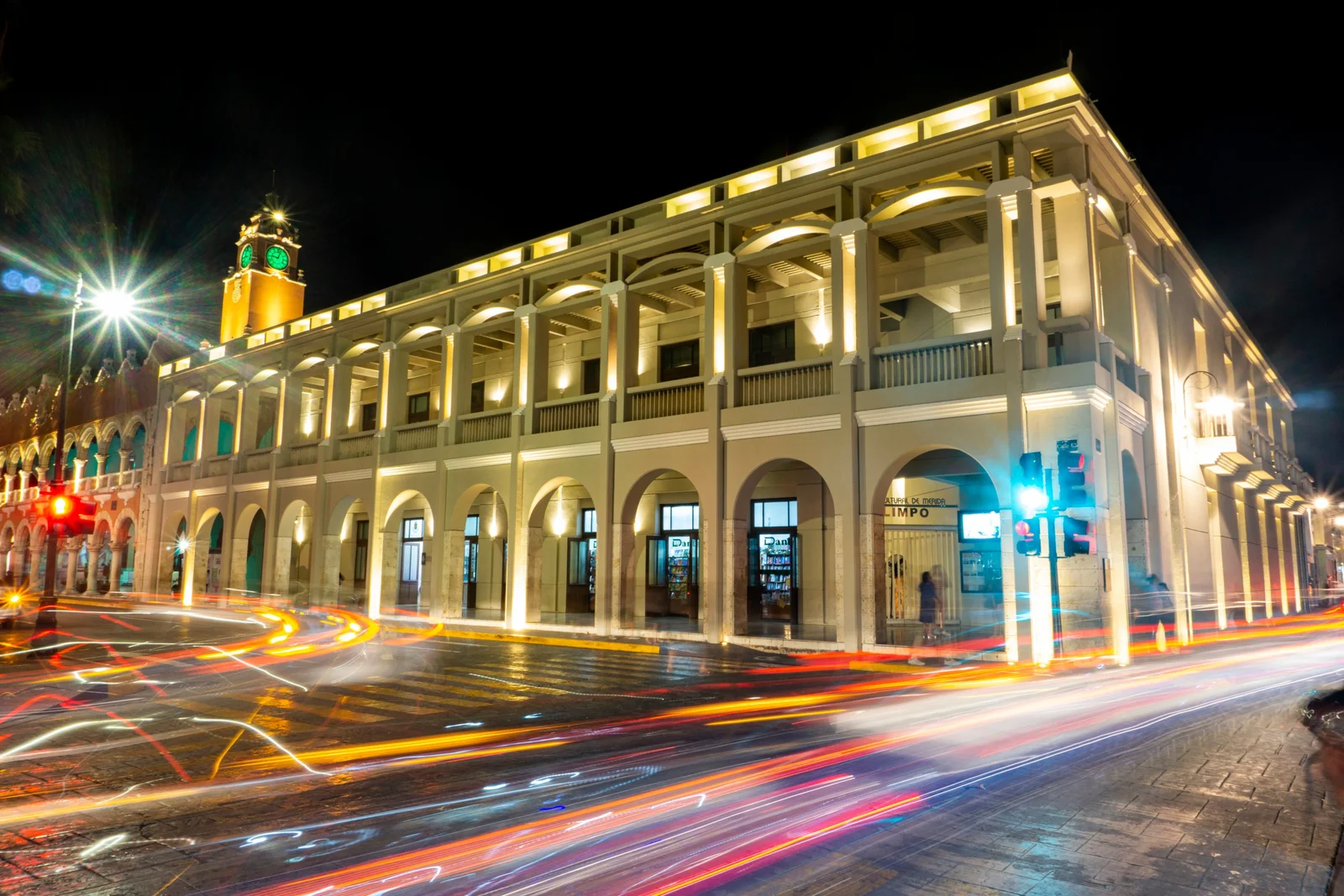
Quick answer: retiring in Mexico is a financial solvency question, not an age question. There is no retirement visa; retirees use the temporary or permanent resident route, granted on income or savings thresholds set in Mexican minimum wage multiples and applied for at a consulate abroad. A couple can live comfortably on roughly $1,500 to $2,500 a month in Merida, Lake Chapala or Mazatlan, and $2,500 to $4,000 in Puerto Vallarta or San Miguel de Allende. Medicare does not travel.
Search results for this question divide into two kinds. Lifestyle publications describe the sunshine and quote a monthly budget. Tax and immigration firms describe the paperwork. Almost nobody joins the two, and nobody at all connects them to the housing decision, which is the largest single financial move most retirees will make here.
This page is the join.
Residency: what actually qualifies you
Mexico has no retirement visa. Retirees use the same routes as everyone else, and both are financial tests.
| Route | Granted for | Basis | Where you apply |
|---|---|---|---|
| Temporary resident | 1 year, renewable to 4 | Monthly income or savings balance | Mexican consulate abroad |
| Permanent resident | Indefinite | Higher threshold, or 4 years temporary first | Mexican consulate abroad |
| Visitor permit | Up to 180 days | Tourism, no financial test | On entry |
Two features of this system surprise applicants regularly. The first is that the financial thresholds are expressed in multiples of the Mexican minimum wage and of the UMA index, so they move every year, and they move in pesos rather than in dollars. A threshold that was comfortable three years ago may not be now, independent of anything happening in your own finances.
The second is that the application is made at a consulate outside Mexico. Entering as a tourist and converting inside the country is not the normal path and is not generally available for these categories. Applicants who fly in first and ask later often find they must leave and start again.
Consulates also differ in how they document and interpret the requirements, which is why two applicants with identical finances can have different experiences in different cities. Check the specific consulate’s published requirements, not a summary. The property-linked route is covered in the temporary resident visa and buying property.
What a month actually costs
Monthly cost depends far more on the town than on the lifestyle, because housing and services vary more between Mexican cities than groceries do.
| Location | Couple, comfortable | Housing share | Character |
|---|---|---|---|
| Lake Chapala and Ajijic | $1,500 to $2,300 | $600 to $1,100 rent | Mild, established retiree base |
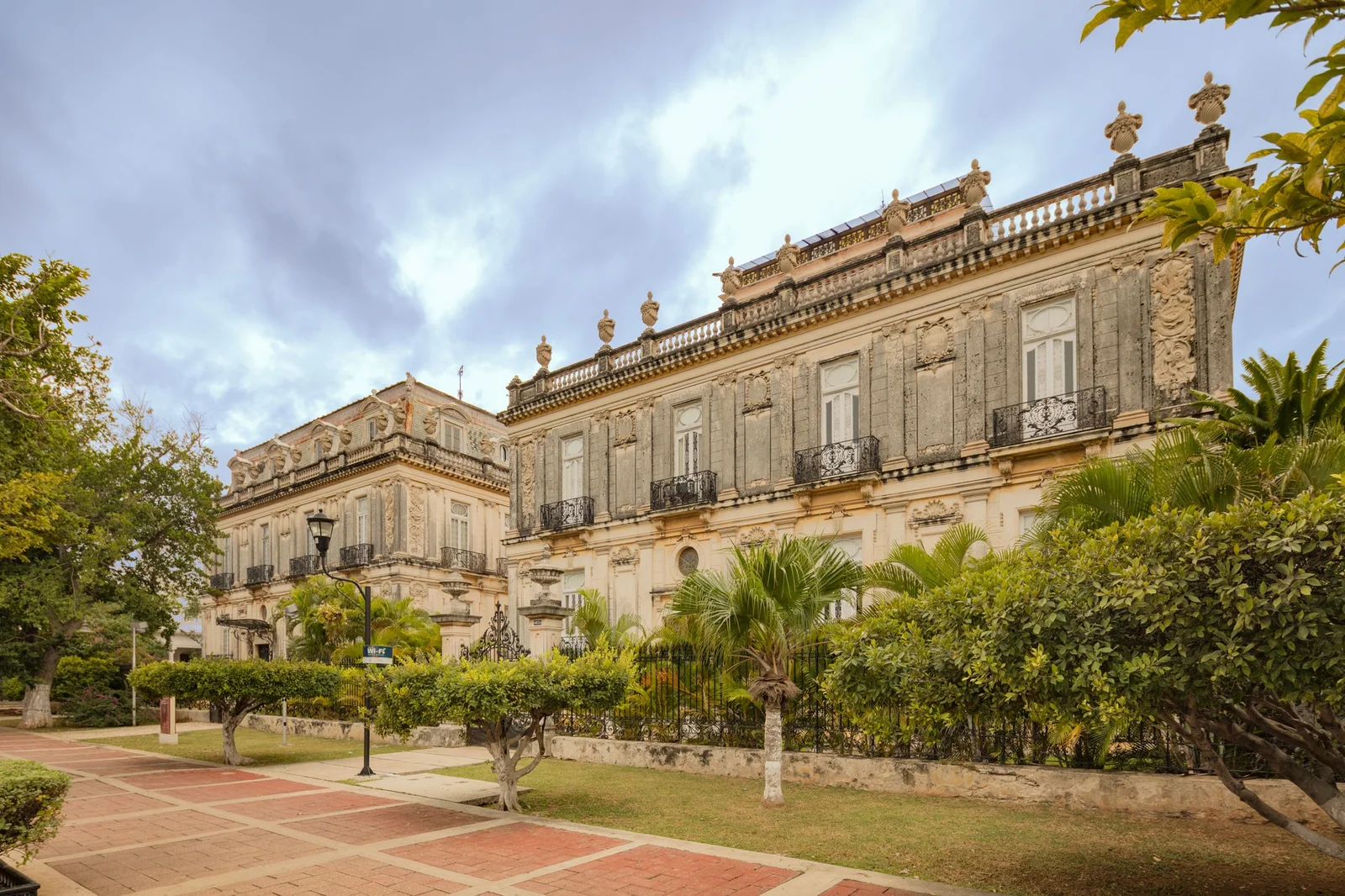
| Merida | $1,500 to $2,500 | $600 to $1,200 rent | Hot, colonial, growing fast |
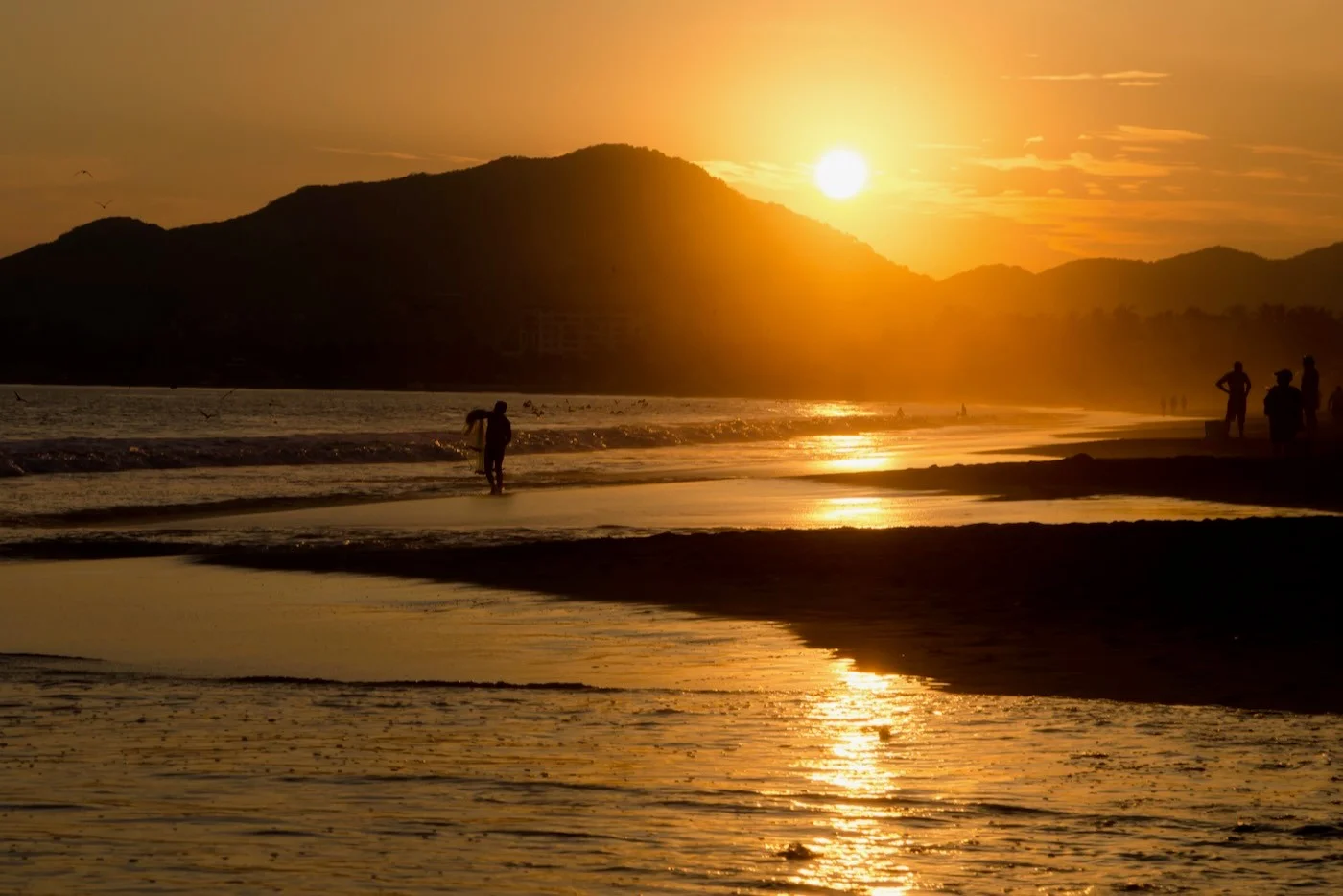
| Mazatlan | $1,600 to $2,400 | $700 to $1,200 rent | Beach, working city |
| Oaxaca | $1,400 to $2,200 | $500 to $1,000 rent | Cultural, cooler, less infrastructure |
| Puerto Vallarta | $2,200 to $3,500 | $1,000 to $2,000 rent | Beach, deep expat services |
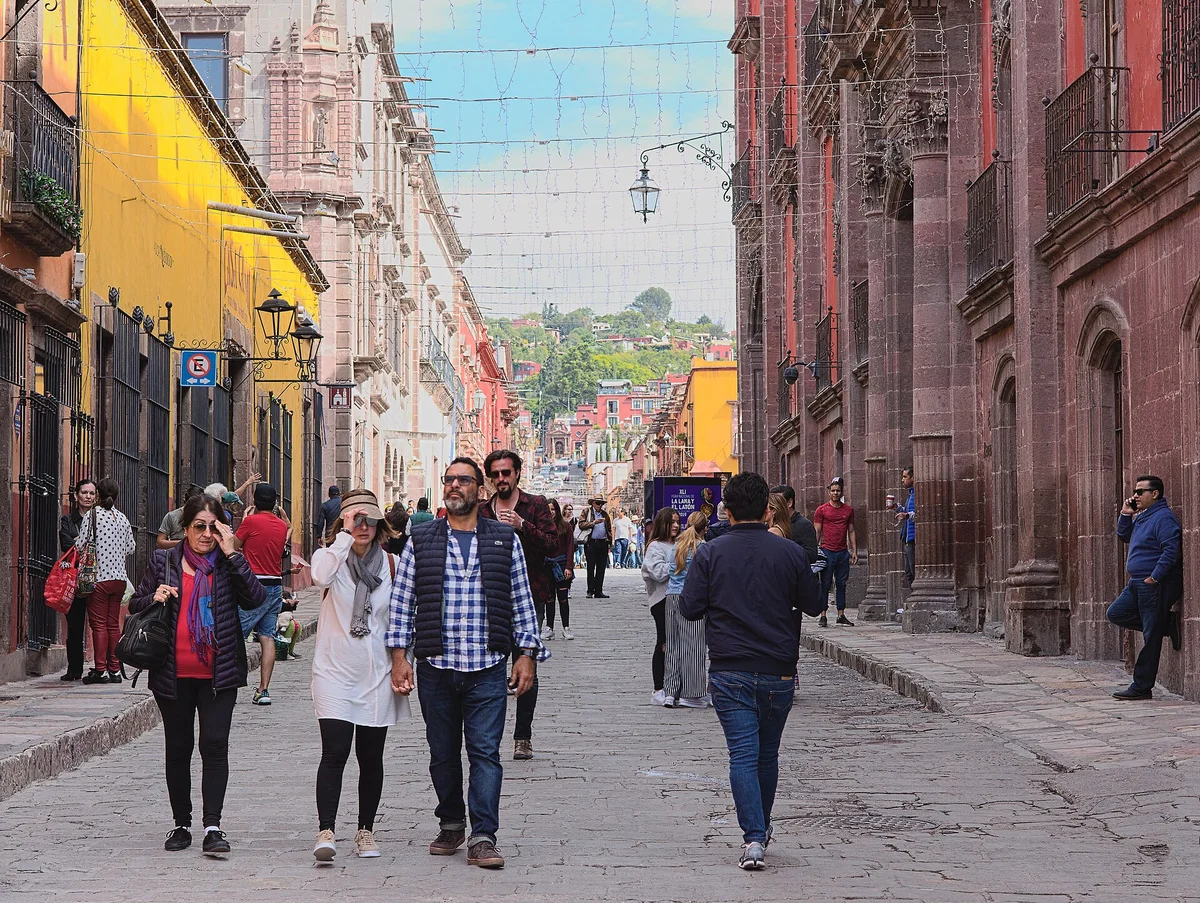
| San Miguel de Allende | $2,500 to $4,000 | $1,200 to $2,500 rent | The most expensive of the classics |
| Mexico City | $2,200 to $3,800 | $1,000 to $2,200 rent | Urban, cool, world-class healthcare |
These are indicative ranges for a couple living comfortably without a car payment, not minimum survival figures. The single largest variable inside each is housing, which is why the buy-or-rent question decides the budget more than any other choice.
Insider tip: price your target town in the rainy season and in the hottest month before you commit, not in the pleasant month everyone visits. A house without air conditioning in Merida in May and a house without heating at Lake Chapala in January are different propositions from the same houses in November.
Healthcare, and the Medicare gap
This is the planning failure that costs retirees the most, and it is entirely avoidable.
Medicare does not cover care received outside the United States, with only narrow exceptions. A retiree who moves to Mexico and keeps paying Medicare Part B premiums is buying coverage they cannot use unless they return to the US for treatment. Some do exactly that deliberately, keeping the coverage as a bridge for major procedures and flying back. Others drop it, which carries a late enrolment penalty if they later return.
The realistic options in Mexico are four.
- Private Mexican insurance. Cheaper than US premiums, with age limits on new policies that make early enrolment important.
- International or expatriate policies. More portable, more expensive, and worth it for someone who travels widely.
- Public systems. IMSS and the public network are available to residents under conditions that vary, with waiting periods and pre-existing condition exclusions.
- Paying out of pocket. Genuinely viable for routine care, because private consultations, dentistry and diagnostics cost a fraction of US prices.
Most established retirees end up with a combination: out of pocket for routine care, a Mexican or international policy for the serious event, and clarity about which country they would return to for a major procedure.
Where the retiree population actually is
| Cluster | Draw | Climate | Trade-off |
|---|---|---|---|
| Lake Chapala and Ajijic | Largest community, mild year round | 1,530 m, spring-like | Small town, car needed |
| San Miguel de Allende | Culture, architecture, direct title | 1,900 m, cool nights | The priciest of the group |
| Merida and Yucatan coast | Value, safety record, colonial stock | Hot and humid | Summer heat is real |
| Pacific corridor | Beach, Vallarta services | Hot, humid summers | Resort pricing in Vallarta |
| Baja border towns | Closest to US healthcare | Dry, mild to hot | Smaller communities |
The community itself is an asset that shows up nowhere in a listing. It means English-speaking doctors who take foreign patients, notarios who have closed hundreds of foreign purchases, and a resale market of buyers who already understand the town. That is why the established clusters keep growing and why a beautiful town with no such community is a harder place to land.
The two largest are covered in Lake Chapala and Ajijic and San Miguel de Allende.
Buy or rent: the honest answer
Rent first. Almost always, and for reasons that have nothing to do with the market.
The pros of buying are real: no rent inflation, freedom to renovate, and eventually the primary residence exemption on capital gains when you sell. The cons are that Mexican transaction costs run 5 to 8 percent of the price on the way in, that resale in small markets can be slow, and that the cost of discovering you chose the wrong town is measured in tens of thousands of dollars rather than in a lease break.
A year of renting in the town you think you want costs a fraction of that and answers the questions a two-week visit cannot: what the rainy season does to the roads, how the summer feels without leaving, how long the drive to the hospital really takes, and whether the community suits you once the novelty passes.
Buyers who have already settled that question should start with homes for sale in Mexico for price context by city, and with Mexico real estate for retirees for the housing decision specifically. The tight-budget case is worked through in retiring in Mexico on $2,000 a month.
Which route suits which retiree
Comfortable pension, wants community and mild weather. Lake Chapala or San Miguel de Allende, temporary residency converting to permanent, private Mexican insurance taken out early.
Tighter budget, willing to trade climate for cost. Merida, Mazatlan or Oaxaca, where the same money buys a materially better house and the monthly cost sits at the lower end.
Wants to keep one foot in the United States. The Baja border towns, where a US medical appointment is a drive rather than a flight, and where Medicare can stay useful.
Not sure yet. The visitor permit allows up to 180 days, which is enough to test a town through a full season before committing to either residency or a purchase.
The two markets most retirees shortlist first are Merida and Mazatlan, and the monthly numbers behind every option here sit in cost of living in Mexico.
Residency thresholds are set in Mexican minimum wage and UMA multiples and are revised annually; verify current figures with the specific consulate handling your application. Cost ranges are indicative for a couple in 2026 and are not budgets. Nothing here is immigration, tax or medical advice.
Frequently Asked Questions
Two numbers matter and they are different. The lifestyle number is what a month costs where you settle, which in 2026 runs roughly $1,500 to $2,500 for a couple in Merida, Lake Chapala or Mazatlan, and $2,500 to $4,000 in Puerto Vallarta, San Miguel de Allende or Mexico City. The immigration number is the income or savings the consulate requires for residency, which is set in Mexican minimum wage multiples and is revised each year.
There is no visa called a retirement visa. Retirees normally use the temporary resident visa, which is granted for one year and renewable up to four, or the permanent resident visa where the applicant meets a higher financial threshold or has held temporary residency for four years. Both are applied for at a Mexican consulate outside Mexico, not inside it, and both are granted on a financial solvency test rather than on age.
No. Medicare does not pay for care received outside the United States apart from a few narrow exceptions, and this is the single largest planning gap among American retirees in Mexico. The practical options are private Mexican insurance, an international policy, joining the public IMSS or INSABI systems where eligible, or paying out of pocket, which is viable because Mexican private care costs a fraction of the US equivalent.
Four clusters hold most of the population. Lake Chapala and Ajijic in Jalisco is the largest and oldest. San Miguel de Allende in Guanajuato is the second best known. Merida and the Yucatan coast has grown quickly. The Pacific corridor from Mazatlan through Puerto Vallarta holds the rest, with smaller communities in Baja at Rosarito, Ensenada, San Felipe and San Carlos.
Rent first, in almost every case. A year in a rental in the town you think you want costs a fraction of the transaction cost of buying the wrong house, and it surfaces the things no visit reveals: the rainy season, the summer heat, the noise, the drive to the hospital. Buying is the better long-term position once the location is settled, because it removes rent inflation and it is where the tax exemption on a primary residence eventually applies.
For most retirees, yes, and the gap is widest on housing and healthcare. Property tax in Mexico is typically a few hundred dollars a year against several thousand in much of the US. Private medical consultations, dentistry and prescription drugs cost a fraction of US prices. The categories that do not shrink are imported goods, cars, electronics and international travel, and a household that buys mostly imported things will save far less than the headline suggests.
Get a vetted Mexico shortlist
US and Canadian buyers use this to skip the developer sales deck: tell us the budget and the market, and we come back with 3 to 5 options and the net yield maths behind each one.
Want options matched to your budget and risk profile?
Three questions, one screen. We reply within one business day.
Get a vetted Mexico shortlist