
First-Time Foreign Buyer Mexico: Complete 2026 Playbook
First Mexico purchase for US and Canadian buyers, fideicomiso, market choice, closing timeline, remote buying, and mistakes to avoid on ticket one.
By Mexico Invest Editorial · Updated July 9, 2026 · 16 min read
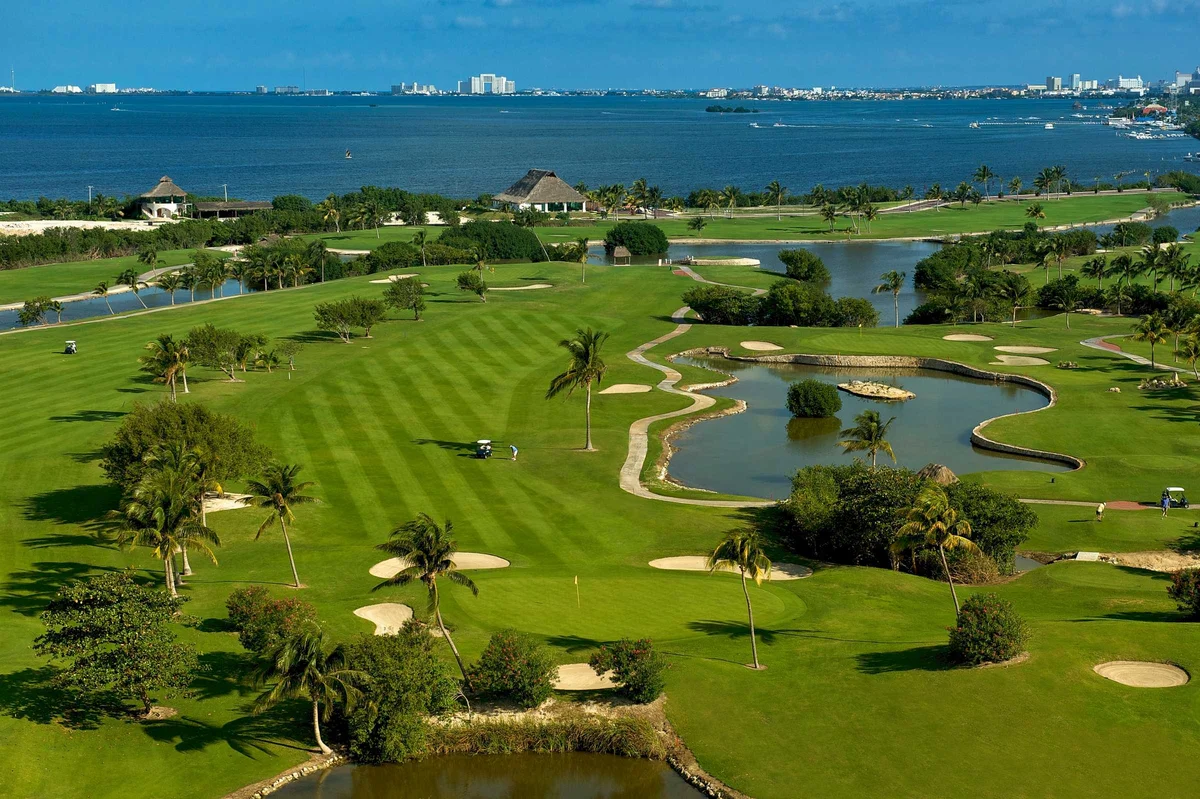
Quick answer: First-time foreign buyers succeed in Mexico when they pick a liquid market (Playa del Carmen for most STR buyers), budget 5-10% closing (often 10% under $200K), hire independent counsel, and buy resale with clean HOA, not the cheapest jungle tower. Fideicomiso is normal; ejido discounts are not.
This playbook follows three real first-purchase archetypes we see in 2026, not abstract advice. Use them to stress-test your own plan before wiring a deposit.
The legal and tax framework the three archetypes operate inside is laid out in the Mexico Property Investment Guide.
Who this guide is for (and who should wait)
First-time foreign buyers are US, Canadian, and European nationals purchasing their first Mexican residential asset, usually a Riviera Maya or Baja condo held via fideicomiso. This guide fits buyers with $200K-350K all-in who want STR income or a winter base, not developers or portfolio operators buying their fifth unit. If you need guaranteed yield or same-week flip liquidity, pause until you understand net math and resale depth.
| Buyer | Good first ticket | Wait if |
|---|---|---|
| US STR investor | Playa Centro 1BR resale | You need 8% net day one |
| Canadian snowbird | Playa or PV walkable | You refuse fideicomiso |
| Remote worker | Playa / Mérida hybrid | You skip independent lawyer |
| Lifestyle only | Select Tulum / PV | You buy cheapest listing |

Scenario a: mark and sarah: austin, first Mexico
Mark (42) and Sarah (39) own a rental in Austin. They want a Mexico condo that cash-flows modestly and hosts family two weeks a year. Budget: $280K all-in including closing and basic furnish. They almost bought a $165K Tulum Region 15 studio because the broker deck showed 7% gross.
What saved them: A yield worksheet showing $550/month HOA, 28% management, and 58% occupancy in a tower with 35 identical Airbnb listings, net near 2.7% on $178K all-in after 10% closing.
What they did instead: Centro Playa 1BR resale at $265K, $19K closing (7.2%), $12K furnish. Underwritten net 4.2% with a manager who had three buildings in the same colonia.
Their sequence:
- Read ownership basics: can foreigners buy property in Mexico
- Shortlist Playa only after comparing Tulum DOM data
- Hire Texas-based cross-border attorney referral + local Playa counsel
- Request HOA regime de condominio + 24-month statements
- Offer contingent on STR allowance in bylaws (written)
- Wire to notario-controlled account per How to Buy Mexico Property Step by Step
- Close fideicomiso at HSBC Mexico: $3,200 setup, $650/year
- Manager live in 45 days; year-one net matched model within 200 bps
Lesson: First ticket is about operational proof, not brochure gross.
Scenario b: diane: vancouver, remote winter base
Diane (58), retired teacher, wants November-March occupancy personally and LTR or STR the rest. Budget $240K. She will buy remotely using POA for a cousin in Guadalajara. Two constraints collide here and most first-time buyers hit the same pair: the months she wants are the months that pay best, and the power of attorney she needs has to be drawn narrowly enough to be safe while she is 4,000 km away. Both are solvable at signing and neither is fixable afterwards.
Constraint: No appetite for pre-construction delay or Tulum car dependency.
Path: Zazil-Ha Playa resale, quieter than Centro, still walkable, indicative net ~4.3% if STR, or stable LTR from digital nomad tenants.
Remote checklist she completed:
| Step | Diane’s action |
|---|---|
| Market filter | Ruled out Cabos (over budget), Tulum (execution) |
| Legal | Independent lawyer, not seller’s notario pitch |
| Video DD | Cousin filmed unit, HOA board, parking escritura |
| STR/LTR | Confirmed bylaws allow rentals; no pending ban vote |
| Wire | Notario letter + SWIFT only after contract execution |
| POA | Apostilled poder notarial limited to this transaction |
| Post-close | CFDI filed for future ISR basis |
Lesson: Remote first buys work when documentation replaces vibes.
Scenario C: James, Denver: the ejido lot he nearly bought
A price 40% below comparables is not a bargain, it is a description of the title. Three things stopped this purchase, and all three were visible before any money moved: no folio real in the seller’s name, “ejido regularization pending” in the small print, and a 48-hour deadline on the wire.
James (51) found a $95K “private” lot near Puerto Morelos marketed as beach walk. English contract. Seller pressured 48-hour wire.
Red flags he caught in time:
- No folio real in seller’s name
- “Ejido regularization pending” in fine print
- Price 40% below comps
- No fideicomiso feasibility letter from bank
He stopped. Total loss avoided: $95K.
How ejido title actually unwinds, and the other traps that catch ticket-one buyers, are covered in Ejido Land Risks Mexico and Mistakes Foreign Buyers Make.
Lesson: First-time buyers lose capital on land tenure, not on trust paperwork.
Step 1: choose market before floor plan
First-time buyers should default to liquidity over story. Playa del Carmen offers the deepest STR operator pool, fastest resale audience, and net yields that routinely beat Tulum Region 15 on risk-adjusted terms. Tulum can work selectively, Aldea Zama resale with DD, but is a poor default for ticket one.
Market choice decides more of your return than any unit-level decision available afterwards. Net yields across Mexican coastal markets run from 4.5% in Playa’s Gonzalo Guerrero to 2.6% in Tulum’s Region 15, on entry prices that overlap almost entirely, and no interior finish, dynamic pricing strategy or manager quality closes a 190 basis point gap. Pick the corridor first, then the colonia, then the building, and only then the floor plan; that is the order in which the decisions actually matter. On a $300,000 purchase the corridor choice alone is worth $5,700 a year.
| Market | First-timer fit | Why |
|---|---|---|
| Playa Centro / GG | Best default | Management, resale, net stability |
| Tulum Aldea Zama | Selective | Building DD mandatory |
| Tulum Region 15 | Avoid default | Oversupply, DOM 74+ days |
| Puerto Morelos | Budget only | Thinner resale |
| Mérida | Different thesis | Resident long-lets, not beach STR |
| Los Cabos | Premium budget | Lower net, higher ticket |
Step 2: understand Fideicomiso (30-minute version)
Coastal Mexico sits in the restricted zone, foreigners use a 50-year renewable bank trust. You are beneficiary: live, rent, renovate, sell, inherit. Annual fee $500-800. Setup $2,500-4,000. This is the same structure most neighbors use.
| Myth | Reality |
|---|---|
| ”You don’t own it” | Beneficiary rights are enforceable |
| ”Government can take it” | Renewal is standard with SRE permit |
| ”Corporation is easier” | Adds cost for one condo |
| ”Direct title on beach” | Not for foreigners in RZ |
Step 3: budget all-in, not sticker
Add 5-10% to whatever price you are looking at, and closer to 10% below $200,000 because trust setup and legal fees are largely flat. On a $250,000 resale that is roughly $20,000 of ISAI, notario, registry, trust and legal work, money that has to exist on closing day and that belongs in the yield denominator afterwards.
All-in budgeting is where first purchases most often fail at the notaría. On a $310,000 Playa condo, closing at 5% to 10% adds $15,500 to $31,000, furnishing a short-term-rental unit adds $15,000 to $30,000, and a six-month operating reserve covering HOA, predial, utilities and the trust fee adds $3,000 to $5,000. The realistic requirement is $343,500 to $376,000 in available cash. Arriving at the notaría with only the sticker price means the deal fails; arriving home with nothing in reserve after signing means the first low season fails instead.
$250K purchase is not $250K invested.
| Line | $250K resale | $175K resale |
|---|---|---|
| ISAI ~3% | $7,500 | $5,250 |
| Notary ~1.2% | $3,000 | $2,100 |
| Registry / certs | $2,000 | $1,500 |
| Fideicomiso setup | $3,200 | $3,200 |
| Legal review | $3,500 | $3,500 |
| Closing subtotal | ~$19,200 (7.7%) | ~$15,550 (~8.9%) |
| STR furnish | $12,000 | $10,000 |
| All-in | ~$281K | ~$200.5K |
Sub-$200K tickets hurt on percentage, plan 10% closing per national benchmarks.
Every line in these two columns is itemised with current ranges in Cost of Buying Property Mexico.
Step 4: build your professional team
First-time buyers need their own attorney ($1,500-5,000), a notario (mandatory neutral official), a bank for fideicomiso, and optionally a buyer’s broker (AMPI). The listing agent represents the seller. The team member people try to economise on is the one that matters: your own attorney, at $1,500-5,000, is the only party in the transaction paid by you. The notario is neutral by law, the broker is paid on completion, and the bank administers a trust it did not underwrite.
| Role | Your advocate? |
|---|---|
| Seller’s broker | No |
| Notario | Neutral-mandatory |
| Your attorney | Yes |
| Property manager | Operational, hire pre-close if STR |
Step 5: offer to close timeline
A first resale purchase runs 45-90 days from offer to keys, and the fideicomiso permit is the item most likely to extend it. The sequence below is fixed, diligence documents in the first fortnight, trust and registry work in the middle, notario signing at the end, so the useful question is which week you are in, not how long it will take.
Typical resale first purchase:
| Week | Milestone |
|---|---|
| 0 | Offer + DD list delivered |
| 1-2 | HOA docs, libertad de gravamen, bylaws |
| 2-3 | Attorney sign-off, price/trust terms |
| 3-4 | Fideicomiso application, deposit per contract |
| 4-8 | Notario calendar, ISR estimate if selling later |
| 8-12 | Closing, CFDI, trust registered |
30-90 days is normal. Pre-construction is not this timeline.
The full offer-to-escritura sequence, with what each professional does at each stage, is in How to Buy Mexico Property Step by Step.
Step 6: due diligence non-negotiables
Four documents before any money that is not refundable. Lien-free certificate, current predial, written rental permission in the regime, and the HOA minutes. Each takes days to obtain and none of them can be fixed after closing, which is exactly why sellers in a hurry would prefer you skipped them.
Before any deposit beyond refundable reservation:
- Libertad de gravamen: lien-free
- Predial: taxes current
- Regime de condominio: STR allowed in writing
- HOA minutes: special assessments, delinquency
- Ejido boundary: survey check on fringe product
- CFDI path: documented basis for future sale
- Manager quote: same-building references if STR
Step 7: STR setup reality for first owners
First-time STR owners underestimate management (20-35% gross), cleaning, HOA, and vacancy. Gross 6-7% marketing becomes 4-5% net in Playa and sometimes under 3% in oversupplied Tulum towers. Two more things first-timers miss: ninety days from keys to a stabilised rate while reviews accumulate, and $12,000-20,000 of furnishing before the first guest. Both belong in the yield denominator alongside closing costs.
| Cost | Playa Centro | Tulum R15 |
|---|---|---|
| Management 25% | on gross | on gross |
| HOA monthly | $150-400 | $450-700 |
| Net signal | 4.3-4.5% | 2.6-3% |
Step 8: financing: usually cash
Roughly 70% of foreign purchases in Mexico are cash, and the reason is arithmetic rather than preference: bank lending to a non-resident runs 9-14% against a property netting 4-5%, so borrowing locally turns a positive-carry asset negative. The realistic alternatives are cash, a US or Canadian home-equity draw priced at domestic rates, or developer financing on pre-construction, where no bank would lend anyway.
~70%+ of foreign deals are cash. Mexican mortgages exist (50-70% LTV, 9-14% rates) but add time and bank DD. First-timers often simplify with cash + home equity line in the US.
If you still want to test the lending route, Non-Resident Mortgage Mexico prices what is actually available by nationality.
Step 9: tax and reporting basics (US / Canada)
You will file in two countries from the first rented night. Mexico withholds on rental income and again at sale; the US and Canada both tax worldwide income and offer foreign tax credits against what Mexico already took. The credits only work if the Mexican filings exist, which is why the CPA conversation belongs before the first guest, not at the following April.
US owners: worldwide rental reporting, FBAR if foreign accounts exceed thresholds, FATCA awareness. Canada: worldwide income, potential MX treaty considerations. Mexico: lodging taxes when operating STR.
Not tax advice, engage cross-border CPA before first guest night.
US Taxes Mexico Rental Property · FBAR Mexico Real Estate.
Step 10: first-year operating calendar
| Month | Action |
|---|---|
| Close | CFDI, trust, insurance bound |
| +30 days | Furnish, photo, list |
| +60 days | Occupancy ramp, do not annualize week one |
| +90 days | HOA assembly, attend or proxy |
| +180 days | True net vs model |
| +12 months | Predial paid, permit renewals |
Mistakes first-timers still make in 2026
The recurring first-purchase errors are not exotic: believing a gross yield figure, paying pre-construction deposits outside escrow, and skipping the HOA minutes. Each is avoidable in an afternoon, and each costs between a year of net income and the entire investment.
Even informed buyers slip:
| Mistake | Fix |
|---|---|
| Gross yield faith | Model net with real HOA |
| Pre-con without escrow | Escrow Mexico Real Estate |
| HOA STR verbal OK | Written bylaws only |
| Skipping CFDI | Future ISR pain |
| Region 15 “value” | Count Airbnb comps in building |
Decision tree: ready to buy?
| Question | If no → |
|---|---|
| All-in budget incl. 8-10% closing? | Recalculate or raise ticket |
| Independent lawyer retained? | Pause |
| STR allowed in bylaws? | Walk |
| Net yield acceptable after HOA? | Renegotiate or new building |
| Can you hold 5+ years? | Reconsider market |
First purchase versus second
Treat the first purchase as buying a process, not a bargain. It proves your attorney, your notario, your HOA reading, your manager and your permit path, and once those are proven, the second purchase can chase value the first should not have touched, because you now have a reference for what normal looks like.
Ticket one proves process, trust, HOA, manager, permits. Ticket two can chase value plays (Tulum resale discount, pre-con with escrow) because you have reference experience. Do not optimize ticket one like ticket three.
Paperwork vault (keep 7+ years)
Every document below raises your cost basis or proves your compliance at sale, and Mexican tax authorities will not reconstruct any of it for you. Seven years is the minimum; keep the purchase CFDI and the trust contract for as long as you own the property, because ISR at exit is calculated against exactly these papers.
- Purchase CFDI and closing statement
- Fideicomiso contract and annual fee receipts
- HOA assessments and minutes
- Renovation invoices with CFDI
- STR permits and tax filings
- Insurance policies
Future sale ISR depends on this folder.
What that folder is worth at sale, often six figures of taxable basis, is worked through in Mexico Capital Gains Tax Foreign Seller.
Your first 90 days after closing
First-time owners often panic in month two when occupancy dips, that is normal seasonality, not a failed purchase. Use this calendar:
| Day | Task |
|---|---|
| 1-7 | Change locks, document unit condition video |
| 8-14 | Manager onboarding, utility transfers |
| 15-30 | Soft launch listing, friends/family discount OK |
| 31-60 | Review first guest feedback, adjust photos |
| 61-90 | Compare actual vs model, adjust pricing |
If actual net trails model by over 150 bps after 90 days, diagnose pricing, photos, or HOA restrictions before blaming the market.
Currency and wire discipline for first wires
Wire fraud on a Mexican closing is a real and recurring loss, and it works because the buyer accepts account details over messaging. Confirm SWIFT and CLABE against a notario letter and a phone call to a number you already had, send a test wire if your bank allows it, and record the USD/MXN rate on the contract date for your accountant.
US buyers wiring from Chase, Wells Fargo, or Schwab should:
- Confirm SWIFT and CLABE with notario letter, not WhatsApp screenshot
- Send test wire if bank allows
- Document USD/MXN rate on contract date for your CPA
- Keep FBAR thresholds in mind when opening MX accounts
Currency Risk Mexico Property USD · How to Buy Mexico Property Step by Step, wire instructions section with notario letter template.
When ticket two makes sense
After 18-24 months of clean operations, documented net, HOA paid, permits current, some first-time buyers add a second unit. Ticket two can be Tulum resale or a Playa upgrade. Ticket one is not the time to portfolio-build.
The three archetypes are composites of real 2026 first purchases with figures rounded; your own numbers need licensed counsel and a broker on the specific building. Mexico Invest publishes analysis, not brokerage.
What to verify next
Seven checks stand between a first-time buyer and a clean closing, and each has its own guide on this site: currency exposure if your income is in USD, the building’s HOA fee history, the real closing cost stack, lodging tax and STR registration where you plan to rent, the trust renewal calendar, ejido title risk on anything priced suspiciously low, and the developer’s track record on pre-construction. Work them in that order for a first purchase: new buyers rarely prioritise the wrong item, they skip one entirely because the seller’s agent said it was already handled.
Frequently Asked Questions
Most first-timers with STR intent land in Playa del Carmen Centro or Gonzalo Guerrero, deeper management, resale liquidity, and net yields near 4.3-4.5% on indicative 1BR data. Tulum and sub-$200K fringe markets carry higher execution risk for ticket one.
Plan 5-10% closing on coastal condos, often near 10% on purchases under $200K because fideicomiso setup ($2,500-4,000) and legal fees are partially flat. Add $8,000-20,000 for STR furnishing if renting immediately.
Yes via power of attorney and documented wires to notario or escrow, common for US and Canadian buyers. Remote is not a reason to skip independent counsel or HOA bylaws review.
It is standard for coastal Mexico, not a workaround. Banks hold title in trust; you retain use, rent, sell, and inherit rights. Confusion about trusts causes less loss than ejido purchases or skipped legal review.
Usually no. Resale with known HOA history and immediate STR path reduces delivery and permit risk. Pre-construction suits experienced buyers who verify developer escrow and track record.
Chasing the lowest sticker in oversupplied towers, especially Tulum Region 15, without building-level due diligence. Cheap purchase price often pairs with thin resale and net yields under 3%.
Expect 30-90 days from accepted offer to notarized escritura. Fideicomiso establishment at a new bank adds weeks. Pre-construction follows developer milestones over 18-36 months, different risk profile.
Rarely for one vacation condo. Default fideicomiso unless an accountant documents multi-asset business need. Corporations add compliance without simplifying STR for most individuals.

Get a vetted Mexico shortlist
US and Canadian buyers use this to skip the developer sales deck: tell us the budget and the market, and we come back with 3 to 5 options and the net yield maths behind each one.
Want options matched to your budget and risk profile?
Three questions, one screen. We reply within one business day.
Get a vetted Mexico shortlist