
Remote Workers Buying Property in Mexico: 2026 Guide
Buying Mexican property on a remote salary: the 183-day tax line, employer permission, fibre and power diligence, and rent-vs-buy math for five markets.
By Mexico Invest Editorial · Updated August 26, 2026 · 14 min read
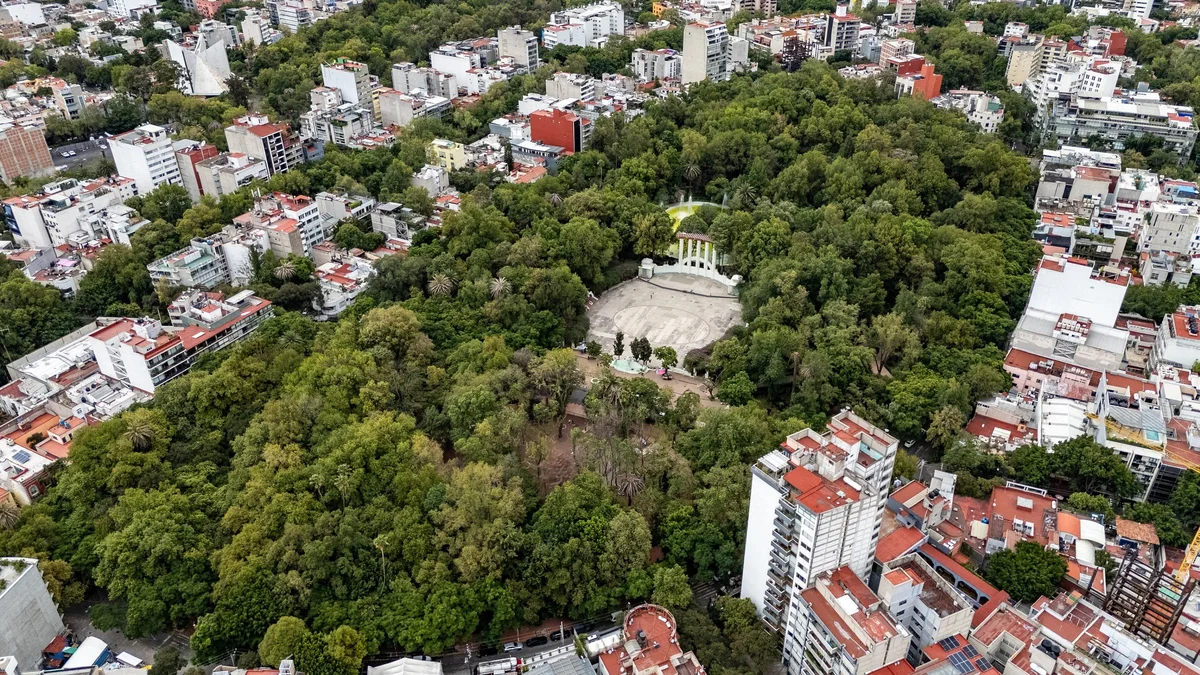
Quick answer: A remote worker buys Mexican property under the same rules as any foreign buyer, typically closing in 45-90 days, and the purchase itself is the easy half. The hard half is everything around it: the 183-day tax residency line, an employer whose policy probably caps foreign work, and infrastructure diligence, fibre, power, noise, that ordinary buyers never run.
This guide is written for the employed remote worker, salary, payroll, a boss, rather than the self-employed nomad-investor, who has a guide of their own. The difference matters more than it looks: an employee carries an employer’s tax exposure into every country they work from, and a purchase decision that is purely personal for a freelancer is a three-party negotiation for staff.
Can you buy while working remotely from Mexico?
Ownership and immigration run on entirely separate tracks in Mexico, so remote workers on a visitor entry buy with the same rights as all other foreign buyers: direct title inland, a fideicomiso within 50 km of the coast, and a closing that typically takes 45-90 days before a notario.
Nothing in the purchase asks how you earn. The SRE permit for a coastal trust with its MXN 21,650 duty, the escritura, the RFC you will eventually need if you let the property, none of it distinguishes a salary wired from Denver from a pension or a dividend. Closing costs run the standard 5-7%, and the diligence file is the standard file. The complications a remote worker faces are sequenced after the purchase, and they are worth naming before it:
- Time: the 180-day visitor allowance shapes how much of the year the property can actually be used without residency.
- Tax: the 183-day line and the centre-of-vital-interests test decide when Mexico starts taxing the salary itself.
- Permission: an employer’s remote-work policy, usually written for hotels and short stays, rarely contemplates an employee who owns a home abroad.
Buying the property is the most reversible of the three. Getting the other two wrong is what turns a good purchase into a forced sale.
Visitor entries or residency: which fits remote work?
A visitor entry grants up to 180 days at the officer’s discretion, and discretion is the operative word: shorter grants on arrival have become common enough that remote workers should stop planning around an automatic six months. Residency through consular economic solvency is the structural fix, and remote salaries usually clear the bar comfortably.
| Status | What it gives | What it asks | Fits |
|---|---|---|---|
| Visitor entry | Up to 180 days per entry | Nothing in advance | Testing a city, part-year use |
| Temporary resident | 1-4 years, renewable, CURP | Income ~$4,300-4,800/month or savings ~$72,000-75,000 at a consulate | A genuine base |
| Permanent resident | Indefinite | Higher solvency or 4 years temporary | The committed |
The consular thresholds track UMA multiples and vary between consulates, sometimes sharply, so treat the figures above as the centre of the range and confirm with the consulate you will actually use. Residency also brings the CURP and opens SAT registration for an RFC, paperwork a future landlord needs anyway. A typical mid-career remote salary documents cleanly with 6-12 months of statements, which makes this one of the easier visas a property owner will ever file. The residency guide covers the process step by step.
One sequencing point saves real friction: the initial temporary-resident application must be made at a consulate outside Mexico, not from inside a visitor stay. Remote workers who fall for a city mid-stay and want to formalise typically fly home once, file, and return with the visa; buying the property requires no such trip, which is exactly why people do these in the wrong order.
The 183-day line: when Mexico taxes the salary
Mexican tax residency turns on where your primary home and centre of vital interests sit, with presence beyond 183 days in a year as the practical trigger, and its consequence for foreign buyers on payroll is blunt: salary for work physically performed in Mexico becomes taxable in Mexico, employer location notwithstanding.
The mechanics deserve one careful paragraph, because this is the point where a lifestyle decision becomes a tax event. Work done from a desk in Roma Norte is Mexican-source labour income under Mexican law once residency attaches, even when the employer, the contract and the bank account all stay in the US, and SAT’s position does not soften because the arrangement feels foreign. The US-Mexico treaty and foreign tax credits generally stop the same dollar being taxed twice, and a US citizen who qualifies for the foreign earned income exclusion, around $130,000 per person and adjusted annually, may exclude much of the salary from US tax while paying Mexico instead. What no treaty removes is the obligation to file in both systems, at a combined accountancy cost of $1,500-3,500 a year.
Three positions keep the line manageable, in rising order of commitment:
- Stay under 183 days and keep the home-country centre of vital interests intact; the property is a part-year base and nothing changes.
- Cross deliberately: take residency, register with SAT, get the RFC, and let credits and the treaty do their work, with advice engaged the tax year before the move.
- Never cross accidentally. Day-counting across two calendars, Mexican and home, belongs in the same spreadsheet as the mortgage-free budget.
Does your employer actually allow this?
An employee habitually working from Mexican soil can create permanent-establishment and payroll exposure for the employer, which is why written policy at most companies caps foreign work at 30-90 days a year. A home purchase converts an invisible arrangement into a durable one, and buying before asking is the classic error in this market.
The employer conversation runs better with structure than with hope, and the possible outcomes are finite:
- A written exception naming Mexico and a day cap, the cleanest result and more common than remote workers expect at companies with existing international staff.
- An employer-of-record arrangement, where a Mexican entity technically employs you; this resolves the company’s exposure and moves your payroll into the Mexican system, with the tax residency consequences that implies.
- A contractor conversion, which trades employment protections for location freedom and suits senior specialists more than it suits anyone else.
- A no, which is better received before an escritura than after one.
Frame the purchase accordingly. A part-year base used 120 days a year sits comfortably inside most policies and under every tax line; a full relocation needs the employer solved first, the visa second and the property third. Buyers who run the order in reverse own a home they can visit 90 days a year, wondering why nobody warned them, and the honest answer is that the warning is this paragraph.
Where remote workers actually buy
Five markets absorb most remote-worker purchases in this market segment, and the ranking is set by fibre, power reliability and timezone rather than by beach quality. Mexico City runs on US Central time with symmetrical fibre of 500-1,000 Mbps widely available at MXN 400-700 a month, which is why it anchors every serious shortlist.
| Market | Entry point | Infrastructure read | Fit |
|---|---|---|---|
| Mexico City, Roma-Condesa | $223,000 for a 62 sqm 1BR | Multiple fibre providers, rare outages | US-schedule professionals |
| Guadalajara, Americana | $190,000 for a 90 sqm 2BR | Tech-city backbone, strong fibre | Value per square metre |
| Queretaro | $150,000 for a 90 sqm 2BR | Industrial-grade grid, new stock | Budget base, direct title |
| Merida | $280,000 for a 200 sqm house | Good fibre, heat drives design | Space and direct title |
| Playa del Carmen core | $200,000-280,000 for a 1BR | Workable in the core, backup advised | Beach non-negotiables |
Four of the five markets transfer direct title with no fideicomiso, which trims $2,700-5,000 from closing and $500-800 from every year; only Playa carries the trust layer. That difference belongs on the comparison checklist next to the fibre column.
The coast deserves its asterisk spelled out. Hurricane season interrupts power and connectivity in ways a Tuesday standup does not forgive, salt air shortens the life of every router and UPS, and much of the Riviera Maya depends on fewer providers than the capital. None of that disqualifies Playa for foreign buyers who want the beach; it means the backup line, Starlink or a second provider, moves from nice-to-have to part of the home office’s real cost, roughly $80-120 a month.
Timezone is the quiet filter. Mexico City sits with US Central: a 9 am Chicago standup is 9 am at your desk, and the whole US working day overlaps naturally. For Europe-facing roles the same maths runs backwards, afternoons and evenings consumed by CET meetings, which is why Europe-employed remote workers are rarer in this market than Americans.
Internet, power and the home office: the diligence layer
Ordinary property diligence checks title, taxes and structure; the diligence for foreign buyers who will work from the property adds a layer that typically takes two visits and costs nothing beyond attention. The unit, not the neighbourhood, is what gets verified, and every item below is decided before the notario sees a single page of the file.
- Run a speed test in the actual unit at 8 pm on a weekday, when the building’s load peaks, and screenshot the result; “fibre available in the area” is a statement about the street, not the apartment.
- Confirm which providers serve the building by asking the administrator for account examples, since installation into a building with no existing conduit can take 4-8 weeks.
- Ask for the CFE outage story: how often, how long, and whether the building has a generator or the unit supports a UPS on the work circuit.
- Sit in the unit for 30 minutes on a Friday evening. Roma, Condesa and Playa’s core are nightlife districts, and a bedroom that faces the street can be unusable as an office by any standard a colleague on a call would recognise.
- Check for a real second bedroom or separable space; a 62 sqm one-bedroom works until the first week of double calls, which is an argument for Guadalajara’s or Queretaro’s 90 sqm at the same money.
None of these five checks appears in a seller’s listing, and every one of them is decided before the notario ever sees the file. The remote purchase guide covers the transaction side; this list is what makes the transaction worth doing.
Rent first or buy now: the five-year arithmetic
Renting the exact neighbourhood for 6-12 months is the cheapest diligence available to foreign buyers who work remotely, and the arithmetic backs the patience. A Roma Norte one-bedroom rents at MXN 26,000 a month and costs about $237,500 all-in to buy, a gross price-to-rent ratio near 14 years.
| Position | Annual cost | What it buys |
|---|---|---|
| Rent the 1BR at MXN 26,000/month | about $17,100 | Total flexibility, zero exposure |
| Own the same unit, $237,500 all-in | roughly $3,300 in predial, HOA and upkeep | Stability, appreciation, sublet rights |
| Own and be wrong about the city | 6-8% round-trip transaction costs | The expensive lesson |
Ownership wins on a five-year horizon and loses on a two-year one, and the crossover is driven by transaction costs rather than by rent saved. Closing in at 6.5% and selling out at 4-6% of price means a round trip near $25,000 on this unit, which is 18 months of rent spent learning that Condesa was a phase. Against that, a five-year holder banks stability, any appreciation, and the right to sublet legally with an RFC and CFDI trail when travel or reassignment interrupts the plan.
The test is honest tenure, not enthusiasm. A remote worker two months into a city is measurably the worst judge of their own five-year intentions, which is why the rent-first rule survives contact with every exciting neighbourhood in Mexico.
Pros and cons of owning as a remote worker
Owning a base changes remote work in ways a lease does not, and the ledger below is specific to employed foreign buyers rather than to investors generally. The assumptions throughout are a salary in USD, spending in MXN at roughly a 40-60% discount to US city costs, and a home office that is genuinely used most weeks.
| For owning | Against |
|---|---|
| A fixed desk, chair and fibre contract beat every rental’s furniture | Capital locked 8,900 km from the employer who funds it |
| MXN 26,000 of rent stops leaving every month after year 14 | 6-8% round-trip costs punish a change of city |
| USD salary, MXN costs: the currency runs in your favour | The same peso strength that cut budgets 20-25% in 2023-24 can return |
| Sublet legally with RFC and CFDI when travel interrupts | Employer policy can end the arrangement faster than a lease could |
| Direct title inland: no fideicomiso on four of the five markets | Tax residency drift if day-counting gets casual |
| Appreciation in the strongest districts has outrun rent inflation | A desk near the beach still needs a backup line at $80-120/month |
Which remote-worker scenarios actually work?
Three buyer scenarios account for most sound remote-worker purchases in this market, and each is typically defined by days per year in the country rather than by budget, which runs $150,000-280,000 across all three. Every scenario assumes the employer conversation is finished and documented, because none of the three survives skipping it.
| Scenario | Days in Mexico per year | Structure needed |
|---|---|---|
| Part-year base | Under 183 | None; visitor entries |
| Committed resident | 250+ | Temporary residency, SAT, RFC |
| Tester | 180 rented first | A lease, then the decision |
The part-year base, under 183 days. The largest group buys a $150,000-240,000 unit in Mexico City, Queretaro or Guadalajara, works Mexican winters and home-country summers, and never touches Mexican tax residency. The visitor allowance covers each stay, the property sublets or sits cheap between them, and the whole structure needs no visa at all.
The committed resident. A remote worker who has crossed deliberately, temporary residency, SAT registration, credits running under the treaty, buys as a primary home, and the calculus shifts: space and neighbourhood quality outrank yield, direct title inland keeps costs down, and the eventual casa habitación exemption on sale becomes reachable in a way it never is for visitors.
The tester. Six months renting in the target neighbourhood, a purchase only if the city survives the honeymoon. This scenario has the best record of the three for the dullest reason: it converts the biggest unknown, your own tenure, into data before the capital commits.
The scenario that fails is the sprint: buying in week three, employer unaware, day count unplanned. Every element is fixable in advance and expensive afterwards.
What red flags should stop a remote-worker purchase?
Five patterns produce most remote-worker regret in this market, and none of them is about title: the escritura and the notario’s file can be perfect while the purchase still fails as a place to work. Foreign buyers should run this list separately from the ordinary diligence checklist, because no lawyer will run it for them.
- “Fibre-ready” with no account in the building. Availability at the street is not service in the unit; 4-8 week installations have broken probation-period arrangements.
- A first visit shorter than the longest planned stay. Two weeks of vacation enthusiasm is not evidence about month four.
- No written employer position. A purchase that depends on nobody in HR ever asking is not a plan; it is a countdown.
- Nightlife-district units judged at 11 am. The same street at 11 pm on Friday is the actual disclosure document.
- Budgets built at the strong-dollar rate. The 2023-24 peso rally cut USD purchasing power by 20-25%; a budget that only works at the decade’s best exchange rate is not a budget.
What belongs on the pre-offer checklist?
Ten items are what make a remote-worker purchase safe to sign, and they split evenly between the standard legal file and the layer specific to working from the property. Foreign buyers typically complete everything below in two visits and roughly $2,000-3,500 of professional fees, spread across three to five weeks.
- Certificado de libertad de gravamen dated within 30 days, ordered by your own lawyer.
- Escritura chain and, in Mexico City, the building’s seismic-era documentation.
- Predial receipts for 5 years and HOA minutes covering the last 2 assemblies.
- Fideicomiso quotes from two banks if coastal; nothing if inland direct title.
- Written employer approval, or the employer-of-record contract, filed with the same seriousness as the deed.
- Day-count plan against the 183-day line, with the accountant identified before the move.
- The 8 pm speed test, provider confirmation and outage history from the diligence layer above.
- A noise visit on Friday night for any unit in an entertainment district.
- Consular residency path and threshold confirmed if stays will exceed 180 days.
- RFC and CFDI plan for future subletting, since platform withholding without registration is punitive.
Frequently Asked Questions
Yes. Property ownership and immigration status are separate systems in Mexico, so a remote worker on a 180-day visitor entry buys under exactly the same rules as anyone else: direct title inland, fideicomiso within 50 km of the coast. The purchase itself raises no employment questions. The questions arrive later, from the 183-day tax residency line and from an employer who may never have approved work from Mexican soil in the first place.
Up to 180 days per entry as a visitor, at the immigration officer's discretion; grants of fewer days on arrival have become more common. Remote workers planning a genuine base usually move to a temporary resident visa, obtained at a consulate by showing economic solvency, commonly monthly income around $4,300-4,800 or savings around $72,000-75,000, thresholds that track UMA multiples and vary by consulate. Temporary residency runs up to four years and removes the border-run rhythm entirely.
Once you become a Mexican tax resident, broadly by making Mexico your primary home and centre of vital interests, with more than 183 days in a year as the practical trigger, salary for work physically performed in Mexico comes into the Mexican net even when the employer and the payroll stay abroad. Treaties and foreign tax credits generally prevent paying twice, but they do not prevent filing twice. Plan the threshold in advance; unwinding an accidental residency costs far more than advice.
In writing, yes. An employee habitually working from Mexico can create permanent-establishment and payroll exposure for the employer, which is why most companies cap foreign work at 30-90 days or route longer stays through an employer-of-record. Buying a home signals permanence that a laptop in a hotel does not. Remote workers who purchase first and disclose later have ended up choosing between the house and the job, an avoidable conversation to have in the wrong order.
Mexico City, Guadalajara and Queretaro lead on fibre, power reliability and US-timezone alignment, with symmetrical connections of 500-1,000 Mbps widely available. Merida adds direct title and low prices with more heat and a thinner late-night scene. Playa del Carmen offers the beach with workable infrastructure in the core. The coast generally carries more outage risk: hurricane season, salt-air wear and single-provider dependence argue for a backup line anywhere near the water.
Rent below five years of intended stay, buy above it, and test the specific unit either way. A Roma Norte one-bedroom that rents at MXN 26,000 a month costs about $237,500 all-in to buy, a gross price-to-rent ratio near 14 years, so ownership pays through stability and appreciation rather than avoided rent. Renting first in the exact neighbourhood for 6-12 months is the cheapest diligence a remote worker can run.
Effectively no. Peso mortgages price at 10-13% for the few non-residents who qualify, and foreign remote income documents poorly against Mexican bank requirements. Nearly all remote-worker purchases are cash, funded from savings, equity in a home-country property or staged developer payments on pre-construction. The practical consequence is a market with no financing contingency, where proof of funds moves negotiations more than any pre-approval letter would.




Get a vetted Mexico shortlist
US and Canadian buyers use this to skip the developer sales deck: tell us the budget and the market, and we come back with 3 to 5 options and the net yield maths behind each one.
Want options matched to your budget and risk profile?
Three questions, one screen. We reply within one business day.
Get a vetted Mexico shortlist