
Tren Maya Property Impact: Rail and Real Estate 2026
Tren Maya is operational, how rail connectivity affects Riviera Maya property values, Tulum airport spillover, and investor expectations in 2026.
By Mexico Invest Editorial · Updated June 8, 2026 · 5 min read
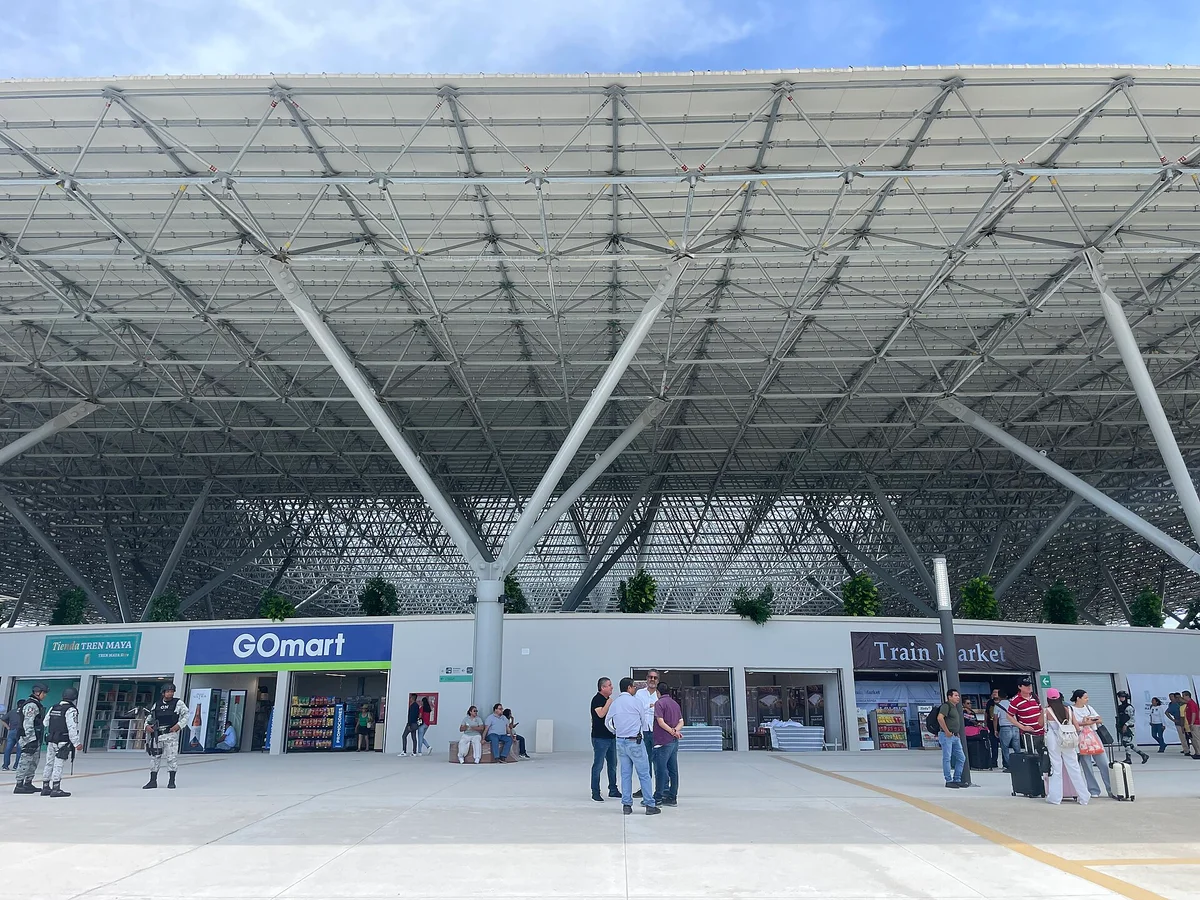
Quick answer: Tren Maya is live, linking Cancún, Playa del Carmen, and the Tulum corridor alongside Tulum International Airport. Expect long-term tourism support, not automatic rent bumps. Quintana Roo +14.68% state growth in 2025 and ~40,000+ foreign purchases/yr nationally show demand, but Tulum Region 15 still carries 74-day DOM and oversupply. Infrastructure helps destinations; colonia selection still decides returns.
For a decade, Riviera Maya investors priced “Tren Maya premium” into brochures before passengers bought tickets. Now the train runs, and 2026 data shows a more nuanced picture. Accessibility improved. Micro-market bifurcation intensified at the same time.
The honest investor question is not whether rail is good for Quintana Roo. It is whether your specific building captures guests who actually use the train, or whether you own the fifteenth identical Airbnb unit within walking distance of a station map pin.
Hub: Riviera Maya Property Investment Guide. Areas: Playa del Carmen · Tulum · Cancún.
What changed on the ground in 2024-2026
Mexico’s southeastern rail project moved from campaign promise to operational reality in the same cycle that brought Felipe Carrillo Puerto International Airport online near Tulum. Together they reframe how domestic and international visitors move across Quintana Roo without replacing Highway 307 entirely.
| Infrastructure | Status 2026 | Real estate relevance |
|---|---|---|
| Tren Maya | Operational | Regional connectivity |
| Tulum airport (FEL) | Operational | Direct luxury/nomad access |
| Cancún International (CUN) | Mature hub | Institutional liquidity |
| FIFA 2026 spillover | Expected | Tourism demand tailwind |
| Highway 307 | Primary road | Still dominates last-mile |
National context: ~40,000+ foreign purchases annually with US buyers ~65% of foreign share keep USD deals flowing into Quintana Roo despite macro noise. Banxico easing may help local mortgages; foreign coastal buyers remain cash-heavy (~70%+ in industry estimates).

Station geography and who wins
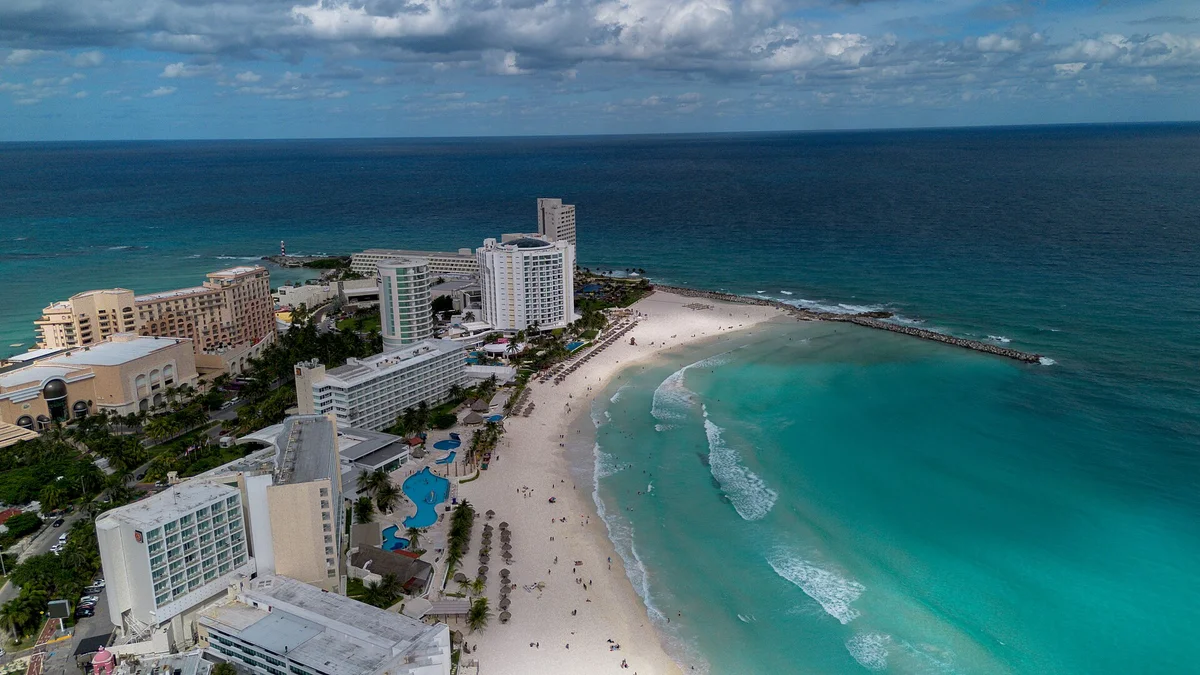
Cancún, Airport city with mature condo stock above $250K and institutional rental depth. Tren Maya adds intercity optionality; it does not redefine Cancún’s existing hub economics. Rail changes travel friction, not property fundamentals, and the three cities below start from very different fundamentals. Cancún already has institutional rental depth; Playa already clears 4.4-4.5% net on 70-78% occupancy; Tulum is carrying a three-year inventory high with 74 days on market. A station does not fix a supply overhang, and it does not create demand where the operating economics were already sound.
Playa del Carmen, Walkable Centro and Gonzalo Guerrero colonias already delivered 4.4-4.5% net yields on 70-78% annual short-term rental occupancy. Rail supports workers and tourists moving along the coast, reinforcing Playa’s liquidity leadership inside the corridor.
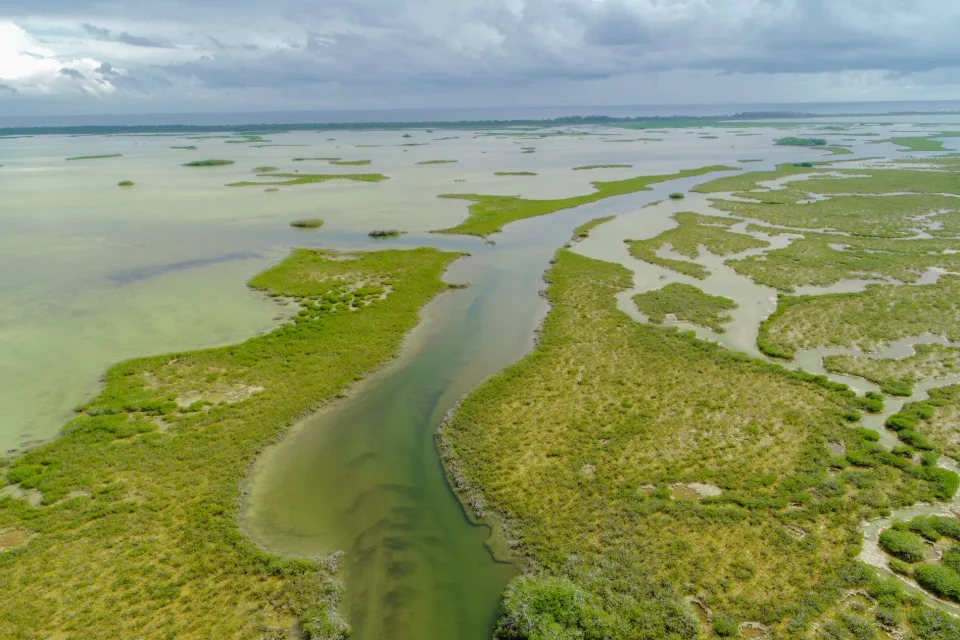
Tulum, Combined rail and airport access supports the brand long term. Near-term inventory is at a three-year high with median 1BR ~$285K and 74 days on market. Infrastructure lifts the destination; it does not clear Region 15 tower supply.
| City | Pre-rail thesis | Post-rail 2026 reality |
|---|---|---|
| Cancún | Hub scale | Still hub, incremental benefit |
| Playa | Walkable STR core | Liquidity + connectivity |
| Tulum | Nomad/luxury growth | Selective, oversupply persists |
How does this comparison stack up for Mexico investors?
The headline growth figures are real and they are also the reason to read the rest of this section carefully. Quintana Roo recorded +14.68% state-level price growth in 2025, the fastest among tracked states, with Nayarit close behind at +12.52%. Against that, national SHF growth was a much milder +3.8% year on year in Q2 2026. The dispersion is the story: two coastal states running at three to four times the national rate is a concentration of foreign and speculative capital, not a broad-based repricing, and concentrated moves reverse in ways broad ones do not. Rail infrastructure helped seller psychology in both states. It did not change any of the underlying cost lines below:
- Region 15 net yields near 2.6% in indicative tables
- HOA $300-900/month on new towers
- STR permit tightening in Tulum municipality
- Fideicomiso setup $2,500-4,000 plus 5-10% closing stack
Red flag: Paying “Tren Maya premium” on a condo with no rental history, rising HOA, and 15 competing units in the same phase.
STR and hospitality: second-order effects
Rail can expand the guest pool for week-long stays, nomads, domestic tourists, Cancún workers seeking weekend coast time. It may reduce car-rental friction for some traveler segments. The realistic gain is a longer booking window and a broader domestic guest mix, both of which help shoulder-season occupancy more than peak ADR. What it cannot touch is the cost stack below, which is where Riviera Maya net yields are actually determined, and a 20-35% management fee is unaffected by how your guest arrived.
It does not replace:
- 20-35% STR management fees
- Municipal lodging taxes and registration
- HOA bans on short-term rentals
- Differentiated interior design and reviews
Operators in Playa’s walkable grid still capture volume. Tulum operators need product differentiation, eco positioning, wellness, beach proximity, not a station name in the listing title.
STR guide: Airbnb Investment Mexico · Short-Term Rental Rules.
Fifa 2026 and the tourism stack
World Cup fixtures in Mexico add another demand-layer headline for 2026. Spillover into Quintana Roo is plausible for tourism operators, hotels, experiences, transport. Quantify it before you price it in: no group-stage matches are scheduled in Quintana Roo, so the state’s exposure is indirect overflow from Mexico City, Guadalajara and Monterrey, spread across a few weeks in June and July, the low season, when Riviera Maya occupancy sits in the low fifties. It is a useful fill, not a repricing event.
Property investors should treat event demand as temporary occupancy upside, not structural appreciation. A two-week occupancy spike does not fix a year-round oversupply problem in Region 15.
What checklist should run before you sign?
Rail proximity is the easiest thing to sell and the hardest to underwrite, because a station on a map generates no bookings by itself. The checklist below is built to separate the two. Score the walk to actual demand, the beach, Quinta Avenida, a proven café grid where remote workers already sit, rather than to the station pin. Model the net from colonia-level yield tables rather than developer gross. Verify short-term-letting legality at both HOA and municipal level. Then stress-test vacancy on the assumption that the rail delivers nothing at all, and see whether the deal still works.
- Walk score to real demand: beach, 5th Avenue, or proven nomad café grid beats map-pin proximity alone.
- Model net yield: Mexico Rental Yield Guide colonia tables, not developer gross.
- Verify STR legality: HOA bylaws + municipality; Due Diligence.
- Stress-test vacancy: assume soft summer weeks even with rail.
- Compare Playa liquidity: if rail is your bull case, ask why Playa is not the simpler execution.
Bottom line for 2026
Tren Maya is real infrastructure, not brochure fiction. It supports Quintana Roo’s long-run tourism economy alongside +14.68% 2025 state growth and sustained foreign buyer depth. The distinction that matters for a purchase decision is between connectivity, which is now real and permanent, and occupancy, which is still earned building by building. The corridor’s tailwinds are genuine; they accrue to operators with legal permits, differentiated product and verified operating statements, and they do nothing for an undifferentiated unit in an oversupplied tower.
It is not a substitute for colonia due diligence. The investors who benefit combine connectivity tailwinds with proven STR economics, the same discipline that worked before the first train left the station.
Frequently Asked Questions
Yes. The Tren Maya entered operational service in the 2024-2026 infrastructure cycle, connecting major Quintana Roo destinations including Cancún, Playa del Carmen, and Tulum corridor stations. It is part of a broader mobility upgrade alongside Tulum's Felipe Carrillo Puerto International Airport.
No. Rail improves regional accessibility and tourism catchment over time, but it does not fix oversupplied condo towers or weak HOA structures. Tulum Region 15 still shows 74-day median DOM despite infrastructure upgrades.
Cancún retains hub status. Playa del Carmen gains commuter and tourist flexibility on Highway 307. Tulum benefits from combined rail plus airport access, selectively for differentiated product, not generic inventory.
Broader guest access can support occupancy in well-positioned buildings. It does not eliminate 25-30% management fees, municipal STR permits, or identical-unit competition. Net yield still depends on colonia-level execution.
State-level price growth hit +14.68% in 2025, among Mexico's fastest, while national SHF index showed +3.8% YoY in Q2 2026. Infrastructure is one driver; foreign demand near 40,000+ purchases annually is another.
Oversupply in Tulum towers, hurricane exposure, STR regulation changes, and fideicomiso closing costs of 5-10% still define deals. Infrastructure raises the ceiling for good assets; it does not rescue weak ones.




Get a vetted Mexico shortlist
US and Canadian buyers use this to skip the developer sales deck: tell us the budget and the market, and we come back with 3 to 5 options and the net yield maths behind each one.
Want options matched to your budget and risk profile?
Three questions, one screen. We reply within one business day.
Get a vetted Mexico shortlist