
Cuernavaca Real Estate: Homes for Sale in Morelos
Homes for sale in Cuernavaca by colonia, indicative price bands, direct title inland, and what a weekend-house market means for a foreign buyer.
By Mexico Invest Editorial · Updated September 7, 2026 · 11 min read
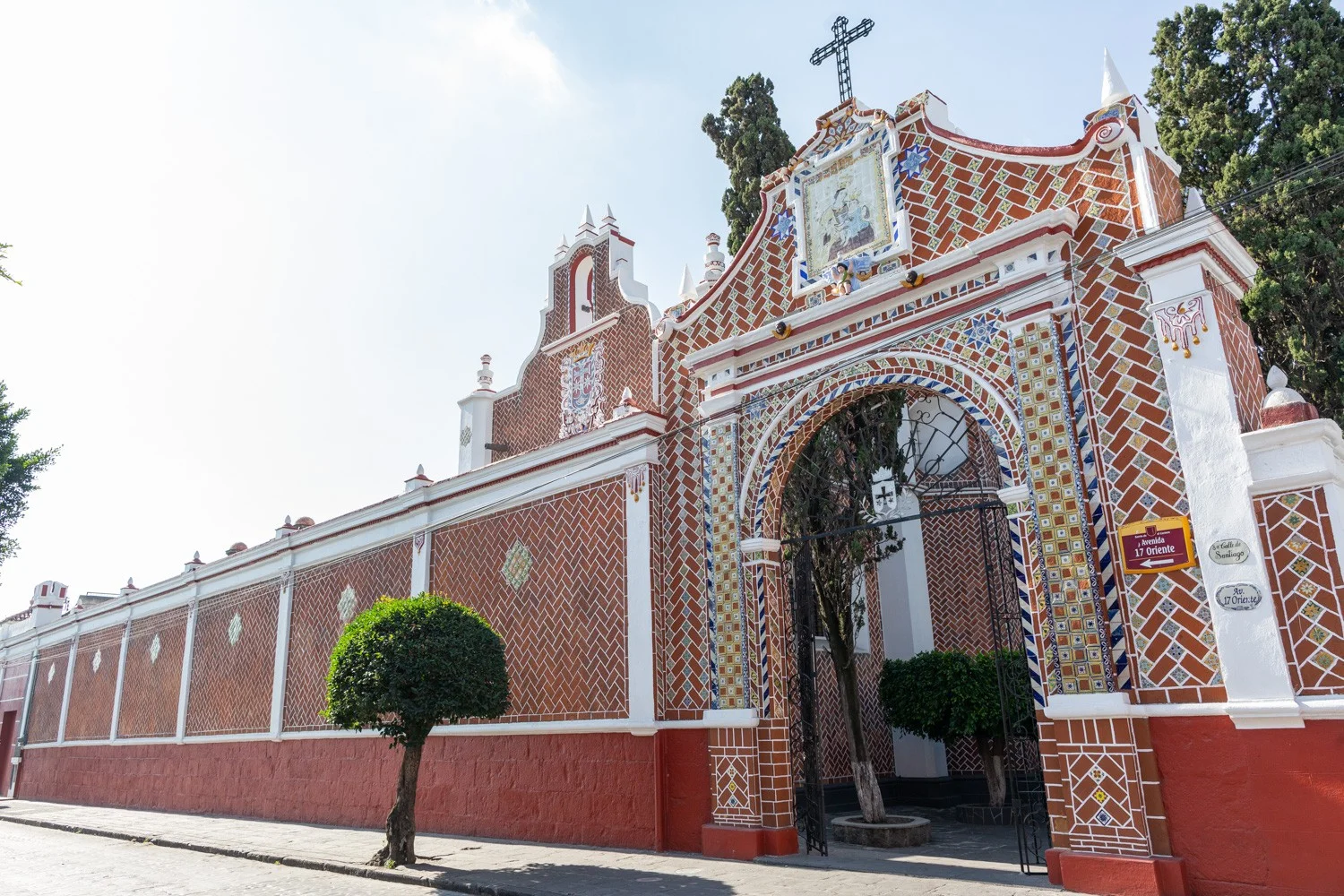
Quick answer: Cuernavaca is the weekend city for Mexico City, an hour and a half south at 1,500 metres with a mild climate year round. It sits inland, so foreign buyers take direct title with no bank trust. Houses in the established residential colonias ask roughly $120,000 to $250,000, and a garden house with a pool in the traditional weekend districts runs $250,000 to $600,000.
Most Mexican markets in this corpus are organised around a beach or an economy. Cuernavaca is organised around a climate, and around the fact that it is close enough to Mexico City to reach on a Friday evening.
That produced a housing stock unlike anywhere else in this research.
Colonias and indicative prices
The city’s geography runs from a colonial centre outward into districts of large walled properties. Asking levels observed in September 2026, given as ranges rather than valuations.
| Colonia | Indicative band | Character | Note |
|---|---|---|---|
| Centro | $90,000 to $220,000 | Cathedral, Palacio de Cortes, walkable | Older apartments, mixed streets |
| Reforma | $200,000 to $450,000 | Established, leafy, gardens | Long-standing residential |
| Vista Hermosa | $250,000 to $600,000 | Larger plots, pools, views | The classic weekend-house district |
| Rancho Cortes | $300,000 to $800,000 | Walled estates, mature gardens | Highest maintenance load |
| Delicias | $250,000 to $550,000 | Quiet, established, gardens | Popular with retirees |
| Lomas de Cortes | $180,000 to $400,000 | Hillside, views, car needed | Access road grade varies |
| Outer colonias | $90,000 to $200,000 | Local residential | Local tenants, not weekend stock |
The distinctive product here is the walled garden house: a large plot, a pool, mature planting and a high perimeter wall, built as a second home rather than as a primary residence. There is a great deal of it, some of it beautifully kept and some of it deferred for a decade, and the difference between those two states is where a buyer wins or loses.
What a garden house actually costs to keep
| Line | Indicative annual | Note |
|---|---|---|
| Gardener | $2,000 to $5,000 | Two or three days a week on a mature garden |
| Pool maintenance | $900 to $2,000 | Chemicals, pump, filter, seasonal repairs |
| Caretaker or housekeeper | $2,500 to $6,000 | Common on properties used at weekends |
| Water, where delivered | $400 to $1,500 | Depends entirely on the street |
| Predial property tax | $200 to $600 | Low by North American standards |
| Wall and structure upkeep | Variable | Rain and vegetation move fast here |
This is the honest heart of the Cuernavaca decision. The purchase price on a garden house looks remarkable against a coastal condo of the same money. The running cost is the other half of the sentence, and it is a staffing question rather than a fee schedule: gardens, pools and walls in a subtropical highland climate need people, not just money.
Insider tip: ask the current owner what they spend a month on the garden and the pool, and ask the gardener the same question separately. The gap between the two answers is one of the more informative numbers you can collect on a property here, and neither party has a reason to inflate it.
Direct title and the paperwork position
| Cost line | Cuernavaca | A coastal purchase |
|---|---|---|
| Fideicomiso setup | None | $2,500 to $4,000 |
| Annual trustee fee | None | $500 to $800 |
| SRE permit | Not required | Usually bundled into setup |
| Succession | Mexican will | Trust beneficiary substitution |
Morelos is far inland, so nothing about the restricted zone applies. The rule itself is in the restricted zone explained, the eligibility question in can Americans buy property in Mexico, and what the purchase adds in the closing cost breakdown.
One local caution worth stating: a substantial part of Morelos was ejido land historically, and the growth edges of the city are where that history meets private development. Anything on the outskirts or on a larger rural plot needs the registry chain checked properly rather than described, which is the same discipline that applies on any Mexican growth frontier.
The weekend rhythm, and what it does to a rental model
Cuernavaca fills on Friday evening and empties on Sunday night, and that pattern is the market rather than a feature of it.
For an owner letting the property, that means weekend and holiday bookings by Mexican families, often larger groups taking a whole house, booked at short notice and priced against other weekend options rather than against international nightly rates. Midweek demand is thin. Longer stays exist from people working remotely and from the Spanish-language schools the city has hosted for decades, and those tenancies are steadier but fewer.
The practical conclusion is that a Cuernavaca property is used, not operated. Owners who treat it as a weekend house that occasionally covers its costs are usually satisfied; owners who model it as a yield asset with year-round occupancy generally are not. Anyone in the second group should read homes for sale in Mexico and look at the markets where that model actually exists.
The 2017 earthquake, and what it means for the stock
The September 2017 Puebla-Morelos earthquake had its epicentre roughly forty kilometres from Cuernavaca, and Morelos was one of the two states that took the worst of it. That event is now part of the due diligence on any older property here.
What it means in practice is narrower than the headlines suggest. Damage was concentrated in older masonry, in unreinforced adobe and brick, in structures that had been extended informally over decades, and on unstable ground. Well-built reinforced concrete houses in the residential colonias mostly came through. The distinction that matters is not the age of the property but how it was built and how it was altered afterwards.
Three questions are worth asking on any house built before 2017. Was it damaged, and if so what was repaired and by whom. Were any of the extensions, added rooms or roof terraces built with permits and engineering, or added by a previous owner with a builder and no drawings. And has anyone looked at the property since, in the ordinary structural sense.
How the country’s seismic zones are mapped and what insurers do with them is in earthquake risk and Mexican property. None of it argues against buying here. It argues for a structural inspection by someone local who saw the aftermath, which costs a fraction of one month of the running costs above and settles a question that will otherwise sit unresolved for as long as you own the house.
Pros and cons
Pros. No bank trust, no trustee fee, no SRE permit. A climate that needs neither heating nor air conditioning most of the year. Large plots, gardens and pools at prices that would buy a small condo on the coast. An hour and a half from the capital’s airport, hospitals and cultural life. An established retiree and weekend community.
Cons. Running costs that are staffing costs, and they do not stop when the house is empty. Water supply that varies street by street. A rental pattern concentrated on weekends. Very little foreign buyer depth, which makes resale to a foreigner slow. Growth-edge parcels that need careful title work.
Which buyer this market suits
Someone who wants a garden rather than a view. The product here is space, planting and privacy behind a wall, and very little else in Mexico offers it at these prices.
A retiree who wants mild weather near a major city. The climate is the reason the city exists as a destination, and the capital’s medical infrastructure is ninety minutes away.
A buyer content to use rather than operate the property. Weekend use with occasional letting is the pattern the market supports.
It suits a yield investor least, and an absentee owner unwilling to arrange caretaking least of all. For the capital itself see Mexico City, for the other inland colonial option Puebla, and for the monthly numbers cost of living in Mexico.
Bands shown here reflect September 2026 asking prices rather than completed sales, and running costs vary widely with the size of the plot and the standard of the garden. Verify water supply, title and staffing costs directly before committing funds.
Frequently Asked Questions
Indicative asking bands in September 2026 run about $120,000 to $250,000 for a house in the established residential colonias, $250,000 to $600,000 with a garden and pool in the traditional weekend-house districts, and well beyond that for the walled estates in Rancho Cortes and Delicias. Apartments in the centre sit around $90,000 to $200,000.
No. Cuernavaca lies in Morelos at about 1,500 metres, well inland from both coasts and far from any border, so it falls outside the restricted zone. A foreign buyer holds direct title in their own name with no bank trust, no SRE permit and no annual trustee administration fee.
Because of the altitude and the latitude together. At roughly 1,500 metres Cuernavaca sits low enough to avoid Mexico City's cold nights and high enough to avoid coastal heat, producing daytime temperatures in the low to mid twenties for most of the year. That climate is the reason the city became a weekend and retirement destination for the capital's residents generations ago.
Roughly an hour to an hour and a half on the toll road, about 85 km, though the Friday evening and Sunday evening flows in each direction can extend that considerably. The proximity is the entire logic of the market: Cuernavaca is where Mexico City goes at the weekend, and the housing stock reflects that.
It is the practical question that decides comfort here, and it varies street by street. Some colonias are on reliable municipal supply, others supplement with cisterns and delivered water, and many of the larger properties rely on their own storage. Ask the source, the storage capacity in days, and how the property fared in the last dry season before you make an offer.
It is a weekend and medium-stay market rather than a nightly or a long-let one. Demand comes from Mexico City families taking houses for weekends and holiday periods, and from longer stays by people working remotely or studying Spanish. Occupancy is concentrated on Fridays to Sundays and Mexican holidays, so a projection built on nightly midweek demand will disappoint.

Get a vetted Mexico shortlist
US and Canadian buyers use this to skip the developer sales deck: tell us the budget and the market, and we come back with 3 to 5 options and the net yield maths behind each one.
Want options matched to your budget and risk profile?
Three questions, one screen. We reply within one business day.
Get a vetted Mexico shortlist