
Puebla Real Estate: Homes for Sale
Homes for sale in Puebla by district, indicative price bands, direct title inland, and what the automotive economy and the 2017 quake mean for buyers.
By Mexico Invest Editorial · Updated September 7, 2026 · 11 min read
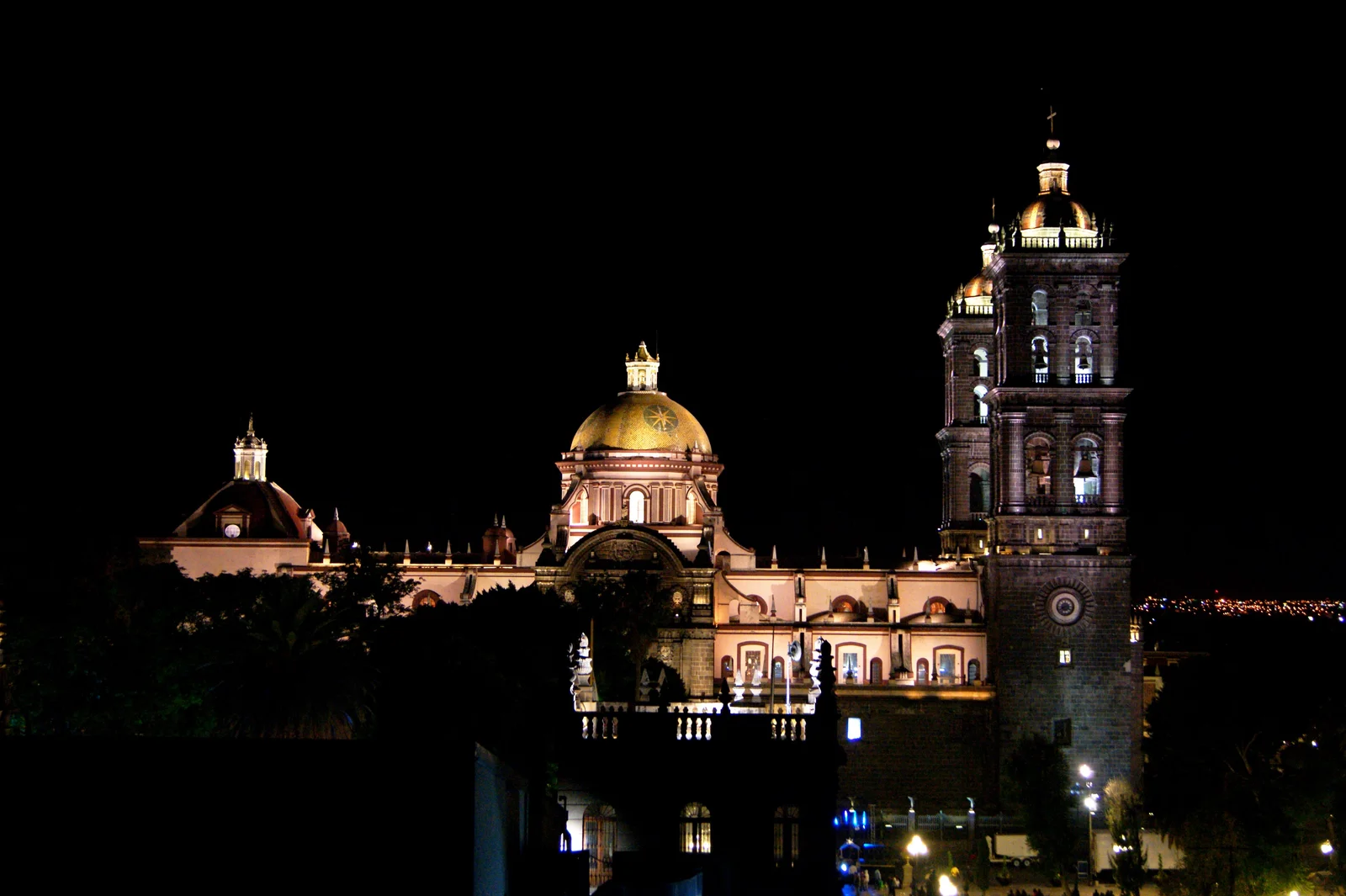
Quick answer: Puebla is a UNESCO colonial city and an automotive manufacturing centre two hours from Mexico City, sitting far inland so foreign buyers take direct title with no bank trust. Indicative asking bands run about $90,000 to $180,000 in the established colonias, $150,000 to $350,000 in Angelopolis, and $200,000 to $500,000 for a restored house in the centre.
Foreign buyers rarely reach Puebla, which is largely a function of how Mexican property is marketed abroad: coastal, resort, dollar-priced. Puebla is none of those. It is a working city of over three million in its metropolitan area, priced in pesos to people who live there.
Districts and indicative prices
The city runs west from the colonial core toward newer development, and the price gradient follows that axis. September 2026 asking levels, quoted as ranges.
| District | Indicative band | Character | Tenant base |
|---|---|---|---|
| Centro Historico | $200,000 to $500,000 | UNESCO core, Talavera facades, walkable | Short stays, students |
| La Paz and Zavaleta | $180,000 to $400,000 | Established, leafy, restaurants | Professionals, families |
| Angelopolis | $150,000 to $350,000 | Newer towers, malls, corporate | Corporate relocations |
| Lomas de Angelopolis | $200,000 to $450,000 | Gated, schools, planned | Managers, expatriate families |
| Cholula | $130,000 to $320,000 | The pyramid, university town, bars | Students, younger renters |
| Established colonias | $90,000 to $180,000 | Local residential | Local families |
| Industrial corridor east | $80,000 to $160,000 | Near the plants | Plant employees |
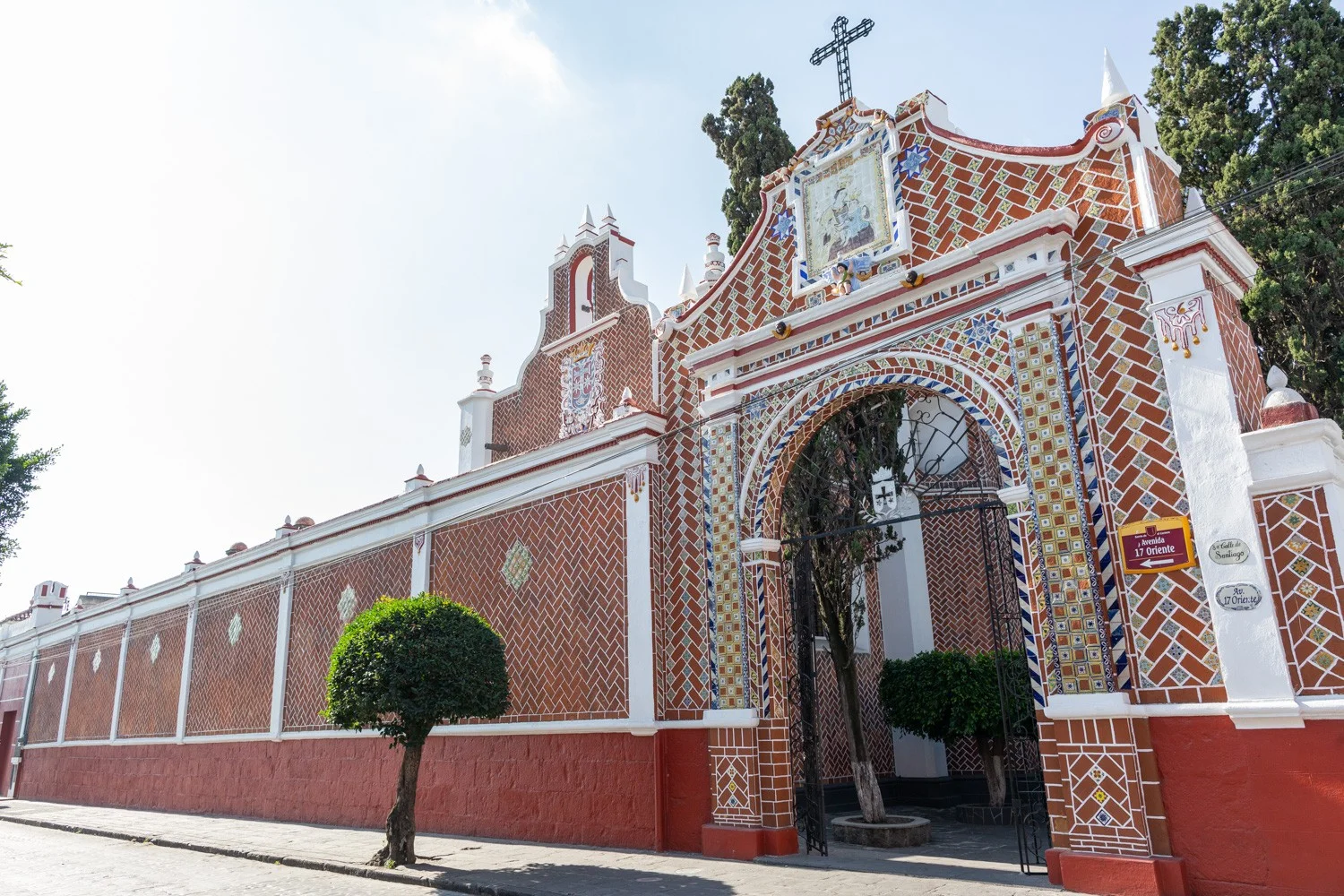
Angelopolis and Lomas de Angelopolis are where corporate relocations land, and they look like newer suburbs anywhere. The Centro is the reason people fall in love with the city and carries the heritage constraints that come with a UNESCO designation.
Direct title, and what it saves
| Cost line | Puebla | A coastal purchase |
|---|---|---|
| Fideicomiso setup | None | $2,500 to $4,000 |
| Annual trustee fee | None | $500 to $800 |
| SRE permit | Not required | Usually bundled into setup |
| Succession route | Mexican will | Trust beneficiary substitution |
On a $250,000 purchase that is roughly $3,000 less at closing and about $650 a year afterwards, plus a simpler estate position. The rule is set out in the restricted zone explained, the eligibility question in can Americans buy property in Mexico, and the transaction costs in the closing cost breakdown.
September 2017, and how to ask about it
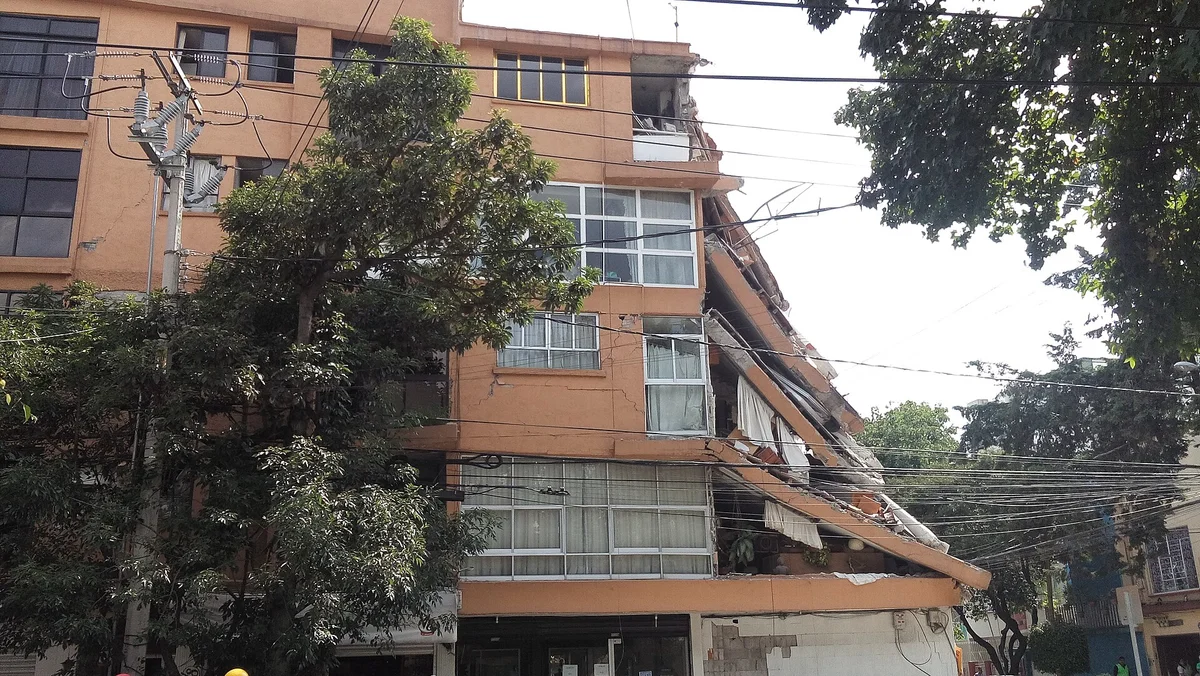
The earthquake of 19 September 2017 had its epicentre in the Puebla and Morelos region and caused real damage across the state, including to churches and historic buildings. Almost a decade on, it remains the single most useful question a buyer can ask about any building here.
Four questions, all with documentary answers.
- What year was it built, and under which code? Standards were tightened after 1985 and again after 2017.
- Was it assessed after September 2017, and by whom? For many buildings the report exists.
- What repairs were carried out, and were they permitted? Unpermitted structural work in a UNESCO buffer zone transfers to the buyer as a problem.
- What does the condominium administration hold on file? In a multi-unit building the administration usually has more than the seller does.
Insider tip: in the historic centre, ask specifically about the roof structure and any vaulting. Colonial buildings in this city carry a great deal of weight in ways modern surveys do not always address, and the 2017 damage pattern concentrated in exactly those elements. The wider engineering context is in earthquake risk for Mexican property.
An industrial city with a colonial centre
The two halves of Puebla’s economy rarely appear in the same sentence, and a buyer benefits from holding both.
The industrial half is automotive. One of Mexico’s largest vehicle assembly plants operates here alongside a dense network of suppliers, and the nearshoring build-out has added to it. That produces professional tenancies, corporate housing demand and a rental market with a floor under it that has nothing to do with tourism.
The colonial half is the UNESCO centre: Talavera-tiled facades, a cathedral, a food culture that Mexicans travel for, and the pyramid at Cholula fifteen minutes west. That supports a visitor economy, a restaurant scene and a stream of weekend arrivals from the capital.
For an owner the practical consequence is optionality. A property here can let long to a professional tenant, short to weekend visitors, or academically to the university population, and those three demand curves do not rise and fall together. Very few Mexican markets in this corpus offer that, and it is worth more than the headline yield on any one of them.
The trade is that this is not a place people buy for a view. Puebla rewards someone who wants a city, and disappoints anyone expecting a resort.
Cholula, and why buyers end up there
Fifteen minutes west of the city sits Cholula, which is administratively separate, culturally distinct and where a surprising share of foreign residents actually settle.
The town is built around the Great Pyramid of Cholula, a structure with a larger base than any other pyramid in the world, topped by a colonial church that the Spanish placed there deliberately. Around it are two university campuses, including one of the country’s better-known private institutions, which gives the town a young population and a nightlife that Puebla’s centre does not have.
For a buyer the practical differences are three. Housing is cheaper than the comparable Puebla districts while remaining fifteen minutes from them. The rental market is dominated by students, which means academic-year tenancies, furnished demand and a genuine summer void rather than a smooth twelve months. And building anywhere near the archaeological zone runs into INAH oversight, because the pyramid is far larger than the visible mound and the protected perimeter reflects that rather than what the eye suggests.
That last point is the one that catches people. A plot that looks like ordinary land on an ordinary street may sit inside the archaeological perimeter, and construction there is a permit exercise rather than a builder’s decision. Establish where the boundary runs on the official plan before making an offer on anything within a few blocks of the site, and treat a seller’s verbal assurance about it as an opening position rather than as information.
Pros and cons
Pros. Direct title with no trust and no annual fee. Among the lowest entry prices of any major Mexican city. Three separate rental demand curves that do not correlate. Two hours from the capital’s airport and hospitals. A food and cultural scene that gives the city a life independent of visitors.
Cons. Seismic exposure that requires genuine documentary diligence. Heritage rules on anything in or near the centre. Peso rents against a dollar purchase, so currency sits inside the return. Almost no foreign buyer depth, which makes resale to a foreigner slow. Altitude and cool nights in housing with little heating.
Which buyer this market suits
A long-let landlord who wants uncorrelated demand. Students, professionals and weekend visitors are three different tenant pools in one city.
A buyer relocating for work in the automotive corridor. The corporate housing market here is well established and priced accordingly.
Someone who wants colonial Mexico at a working-city price. Compared with San Miguel de Allende, the same money buys considerably more here, at the cost of a much smaller foreign community.
It suits a holiday buyer least. For the other inland industrial market see Queretaro, for the capital two hours away Mexico City, for national price context homes for sale in Mexico, and for what a month costs cost of living in Mexico. The other inland weekend market inside the capital’s orbit is Cuernavaca, which sells gardens where Puebla sells a city.
All figures on this page are indicative asking levels observed in September 2026, not appraisals. Structural, heritage and permit questions are property specific and must be answered by a qualified surveyor and an independent Mexican attorney before funds move.
Frequently Asked Questions
Indicative asking bands in September 2026 run about $90,000 to $180,000 in the established residential colonias, $150,000 to $350,000 in Angelopolis and the newer western developments, and $200,000 to $500,000 for a restored house in the historic centre. Cholula, fifteen minutes west, runs roughly $130,000 to $320,000.
No. Puebla sits in the central highlands at about 2,135 metres, hundreds of kilometres from any coast and far from any border, so it falls outside the restricted zone entirely. A foreign buyer takes direct title in their own name with no bank trust, no SRE permit and no annual trustee fee.
About two hours by road on the toll highway, roughly 130 km, and a similar time by the frequent coach services that run between the two cities. That proximity is central to the market: Puebla functions as a serious city in its own right while remaining inside the capital's economic orbit.
Yes, and it should be treated as a documentary question rather than a worry. The September 2017 earthquake had its epicentre in the Puebla and Morelos region and caused damage across the state, including to historic structures. For any purchase, ask the construction year, whether the building was assessed after 2017, what repairs were carried out and whether they were permitted, particularly on anything in the protected historic centre.
Automotive manufacturing above all: Puebla hosts one of the largest vehicle plants in the country along with a dense supplier network, and that industrial base has expanded with nearshoring. Alongside it sit several universities, a substantial services sector and a tourism economy built on the UNESCO historic centre and the pyramid at Cholula.
It is a long-let market with student and professional tenants, priced in pesos. Universities generate steady academic-year demand and the automotive corridor supplies professional tenancies. Nightly rental exists around the historic centre but is a small part of the picture. Model it as a residential rental business rather than a holiday let.
Get a vetted Mexico shortlist
US and Canadian buyers use this to skip the developer sales deck: tell us the budget and the market, and we come back with 3 to 5 options and the net yield maths behind each one.
Want options matched to your budget and risk profile?
Three questions, one screen. We reply within one business day.
Get a vetted Mexico shortlist