
Mexico vs Arizona Retirement Property: 2026 Compare
Mexico vs Arizona retirement real estate, COL, healthcare, ownership, yields in PV/Mérida vs Sun Belt, fideicomiso vs fee simple, and expat fit.
By Mexico Invest Editorial · Updated July 9, 2026 · 15 min read
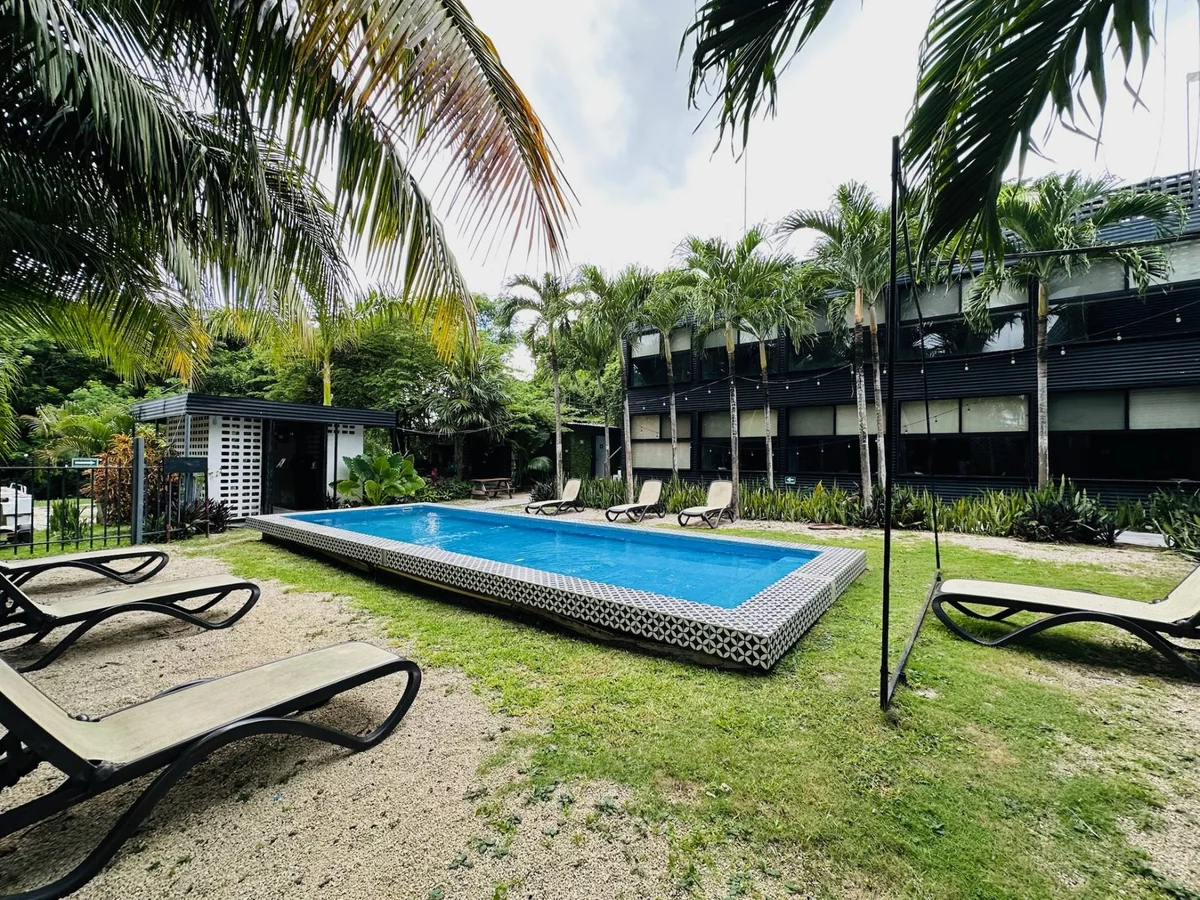
Quick answer: Mexico wins cost of living (40-60% lower), beach/colonial lifestyle, and entry from ~$165K (Mérida) to $300K-450K (PV). Arizona wins fee simple title, US healthcare proximity, and familiar closing. ~40,000+ foreign purchases/yr in Mexico with US ~65% share, retirement is a core driver. Neither is yield-first; match hassle tolerance.
Snowbirds debate this every November: Scottsdale lock-and-leave versus Puerto Vallarta marina walks, or Tucson quiet versus Mérida’s colonial grid. The comparison is not patriotism, it is total cost of ownership, healthcare access, and whether fideicomiso complexity is worth the lifestyle dividend.
Side-by-side retirement snapshot
Mexico delivers 40-60% lower living costs with coastal entry from $165K in Mérida to $300K-450K in Puerto Vallarta requiring fideicomiso on coast, while Arizona Sun Belt offers fee simple title and US healthcare proximity at generally higher entry tickets, foreign buyers in Mexico exceed 40,000 annually with Americans at 65% share.
| Factor | Mexico (retiree markets) | Arizona (Sun Belt) |
|---|---|---|
| Typical retiree focus | PV, Mérida, Chapala, RM | Scottsdale, Tucson, Phoenix metro |
| Entry condo/house | $165K-$450K indicative | Metro-dependent, verify MLS |
| Living cost vs US avg | 40-60% lower | US baseline |
| Coastal beach | PV, RM fideicomiso | Limited vs Mexico coast |
| Direct foreign title | Chapala yes, Mérida no | Fee simple |
| Coastal foreign title | Fideicomiso required | N/A |
| Medicare routine care | Not in Mexico | In-network |
| Private healthcare cost | 60-70% below US | US pricing |
| STR / rent net | 3-5% select MX zones | County-specific |
| Foreign buyer depth | 40K+/yr nationally | Domestic |
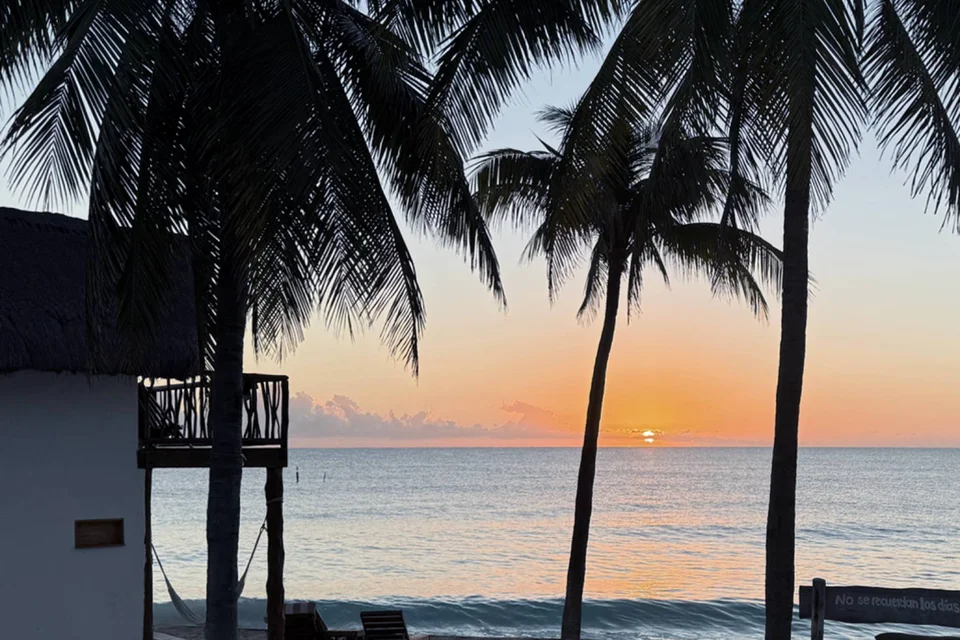
Cost of living: where Mexico compounds savings
The headline is 40-60% below a comparable US metro, and the saving is concentrated in three lines rather than spread evenly: housing at roughly 55% less, healthcare at 62% less, and domestic help and dining at a fraction of US cost. Imported goods, cars and electronics cost the same or more, which is why the saving depends on how you actually live.
Retiree guides cite 40-60% total living cost savings versus comparable US metros, housing, healthcare, dining, utilities, transport.
| Expense (monthly illustrative) | US average | Mexico retiree | Savings |
|---|---|---|---|
| Housing | $1,800 | $800 | ~55% |
| Healthcare | $400 | $150 | ~62% |
| Food & dining | $600 | $250 | ~58% |
| Utilities | $200 | $80 | ~60% |
| Transport | $300 | $100 | ~67% |
| Total | $3,300 | $1,380 | ~58% |
Property entry examples (Mexico KB 2026):
- Mérida: median 1BR ~$165K, +9.4% YoY, fideicomiso (inside the 50 km band)
- Lake Chapala: ~$330K average retiree home
- Puerto Vallarta: condos $300K-450K, stable median ~$412.5K
- Playa del Carmen: $200K-350K, more STR, less retiree-quiet
Arizona costs track US national averages, savings versus coastal California, not versus Mexico.
Budget Investor Under $200K · Tier Mid
Healthcare: the decisive fork
Medicare does not travel. That single fact decides this comparison for many retirees: Arizona keeps you inside the network you have paid into for decades, while Mexico offers private care at 20-40% of US prices that you pay for yourself, in hospitals staffed largely by US- and EU-trained doctors. Below 65 the maths favours Mexico; after 65 it depends on what you expect to need.
Healthcare is where the retirement decision is usually made and Medicare is the pivot. Medicare does not cover care received in Mexico, so a US retiree living there either self-pays at Mexican private rates, commonly 60% to 70% below US equivalents, or carries international cover, or keeps a US address and flies back for major treatment. Arizona keeps Medicare intact and the provider network familiar. Price the Mexican route honestly by budgeting both an annual international policy and the flights, rather than assuming the cost-of-living saving covers it.
Mexico: World-ranked private hospitals in PV, Mérida, Guadalajara (Chapala), CDMX. Doctors often US/EU trained. Prescriptions 20-40% of US prices.
Arizona: Full Medicare and US insurance networks. Snowbird specialists familiar with seasonal residents.
| Topic | Mexico | Arizona |
|---|---|---|
| Routine care | Private pay / MX insurance | Medicare Advantage etc. |
| Emergency evacuation | Plan US coverage | Domestic |
| Dental / elective | Major savings | US pricing |
| Long-term aging in place | Expat communities mature | Family proximity |
Planning rule: Mexico retirement requires private insurance budget, not assumed Medicare portability.
Ownership and legal path
Mexico coastal (PV, RM, Cabos): Fideicomiso bank trust, $2,500-4,000 setup, $500-800/year, 50-year renewable term. Full use, rent, sell, inherit rights. The three paths differ in cost more than in the rights they deliver. A coastal fideicomiso gives a foreign owner full use, rental, sale and inheritance rights for $2,500-$4,000 up front and $500-$800 a year, real money over a twenty-year retirement, roughly $12,500-$20,000, but not a limitation on what you can do with the property.
Mexico interior (Lake Chapala, San Miguel): Direct fee-simple title, no annual trust fee. Mérida looks interior but sits inside the 50 km coastal band, so budget the trust there; +9.4% YoY with 88-day DOM, quiet compounder.
Arizona: Standard US closing, title company, escrow, no SRE permit, no foreign ministry filing.
| Step | Mexico coast | Mexico interior | Arizona |
|---|---|---|---|
| Foreign buyer path | Fideicomiso | Direct title | Domestic |
| Closing costs | 5-10% | 3-5% typical | 2-4% typical |
| Ejido risk | Screen coast | Lower | N/A |
| Annual trust fee | $500-800 | $0 | $0 |
Fideicomiso Explained · Restricted Zone
Climate and lifestyle
Arizona offers one climate; Mexico offers a choice of three. Dry desert heat with an October-to-April season in Scottsdale and Tucson, against tropical coastal humidity in Puerto Vallarta, dry-winter tropics in Mérida, or the temperate 65-80°F highland year-round at Lake Chapala. Retirees who dislike Arizona summers usually dislike Mérida summers too, Chapala is the answer to that specific complaint.
Arizona: Desert dry heat, Scottsdale/Tucson snowbird season Oct-Apr. Golf, hiking, US cultural familiarity.
Mexico: Multiple climate profiles:
- PV/Nayarit: Tropical coastal, humid summers
- Mérida: Tropical with dry winters
- Chapala: Temperate highland 65-80°F year-round
- Riviera Maya: Beach + hurricane season awareness
Expat infrastructure: Chapala 15,000+ US/Canadian retirees cited in guides; Mérida American influx +9.4% price signal; PV established bilingual services.
Investment and yield angle (secondary to the retirement case)
If the property is mainly for you, treat rental income as cost offset rather than yield, and separate the two in the model. A Playa Centro unit nets around 4.4% with active management; a Puerto Vallarta resort condo nets 3-4.5% with a heavier HOA. Both fall substantially once your own weeks come out of the calendar.
Retirees often buy for use first, rent second. If offsetting costs matters:
| Market | Indicative net | Notes |
|---|---|---|
| Playa Centro STR | 4.4% | Active management |
| PV resort condo | 3-4.5% | HOA-heavy |
| Mérida LTR | 3.5-5% | Year-round residential |
| Arizona LTR | Varies | Insurance, HOA, county rules |
Mexico ~40,000+ foreign purchases/yr, 65% US, supports resale liquidity in established retiree zones. Tulum-style speculation is not retiree-default.
Tax and reporting
Moving to Mexico does not end your US tax obligations. US citizens file on worldwide income wherever they live, rental income goes on Schedule E, Mexican accounts above $10,000 trigger FBAR, and ISR is withheld at the Mexican closing when you sell. What changes is Arizona state tax, which turns on domicile, and that is a CPA question, not a plane ticket question.
US citizens: Worldwide income tax regardless of residence. Rental income → Schedule E. Mexican property ≠ IRS exemption.
Arizona: State income tax applies to residents. Snowbirds maintain domicile planning, CPA determines residency.
Mexico sale: ISR withholding at closing. FBAR if Mexican accounts over $10,000.
Critical: Mexico is not a tax haven despite lower COL.
Safety and community
Security in both countries is neighbourhood-specific, and the established Mexican retiree zones have built the infrastructure that matters, English-speaking doctors, legal referrals, community organisations. The genuine risks are different in kind: in Mexico they are transactional (ejido land, seller-only lawyers), in Arizona they are financial (HOA and insurance trajectories nobody modelled).
Established Mexico retiree zones invest in expat services, English-speaking doctors, legal referrals, community groups. Security is neighborhood-specific in both countries.
Red flags in Mexico: Ejido “cheap land,” seller-only lawyers, uninsured developers. Red flags in Arizona: assuming Mexico-level COL without verifying HOA + insurance trajectory.
Due Diligence Mexico · Ejido Risks
Macro context: why Mexico retiree demand persists
Roughly 40,000 foreign purchases a year, about a tenth of all Mexican transactions, with Americans making up around 65% of that. Coastal states grew fastest in 2025, Quintana Roo +14.68%, Nayarit +12.52%, while Mérida’s +9.4% shows the interior compounding more slowly and more steadily. The post-2022 market has handed negotiating power back to buyers in select segments.
- ~40,000+ foreign purchases annually (~10% of national deals)
- US ~65% of foreign share
- Quintana Roo +14.68% and Nayarit +12.52% 2025 state growth, coastal appreciation tailwind
- Mérida +9.4% YoY, interior retiree compounder
- National market buyer-friendly post-2022 peak, negotiation power returned in select segments
Scenario matrix: who picks which
| Your priority | Mexico | Arizona |
|---|---|---|
| Lowest COL | Yes | No |
| Beach retirement | PV, RM | Limited |
| US title simplicity | Interior MX only | Yes |
| Medicare primary care | No | Yes |
| Colonial culture | Mérida, San Miguel | No |
| Golf + desert | Cabos/PV possible | Strong |
| Rent offset | Select MX STR/LTR | AZ LTR |
| Family proximity US | Flight-dependent | Domestic |
| Fideicomiso OK? | Required coast | N/A |
Hybrid strategies retirees use
Most retirees who consider both end up doing some of each, and the four patterns below cover almost all of it. All four live or die on domicile planning: where you are tax-resident determines what you owe on which income, and it is decided by days and intent rather than by which property you own.
- Rent Arizona summer / own PV winter: domicile and tax planning critical.
- Mérida long-let + US rental income: interior-city stability at a lower ticket.
- Chapala year-round + US Medicare supplement travel: classic pattern.
- RM condo personal use + STR peak weeks: compliance-heavy; Schedule E.
What checklist should run before you sign?
Two different lists, because the failure modes differ. In Mexico the checks are transactional, independent counsel, a trust quote, written rental rules, and health cover arranged before you move. In Arizona they are financial, the HOA and insurance trajectory over a decade, not the current bill.
Mexico:
- Notario + independent lawyer
- Fideicomiso bank quote
- HOA STR rules if renting
- Healthcare insurance plan before move
- CFDI for future ISR basis
Arizona:
- Title insurance
- HOA docs
- Insurance catastrophe modeling
- Residency/domicile CPA review
Bottom line
Mexico wins on cost and lifestyle for retirees willing to handle a fideicomiso or buy inland with direct title and to arrange private healthcare. Arizona wins on legal familiarity, Medicare networks and fee-simple ownership. The wrong way to choose is on sticker price, run the all-in figure including care, insurance, flights and cross-border compliance.
Mexico wins retirees who want lower COL, beach or colonial life, and can navigate fideicomiso or choose interior direct title, with private healthcare planning.
Arizona wins retirees who prioritize US legal familiarity, Medicare networks, and fee simple ownership without cross-border friction.
The wrong choice is picking either based on sticker price alone. Run all-in lifestyle math, housing, care, insurance, flights, tax compliance, then decide whether Scottsdale sunsets or Mérida cenotes fit the next chapter.
Visa and residency considerations
Owning property in Mexico grants no residency right, so the visa question is entirely separate from the deed. Living there full time means a temporary or permanent resident visa with income or savings thresholds set by INM; 180-day tourist cycles are for seasonal use and are increasingly scrutinised for people who obviously live there.
Retirement moves trigger visa planning separate from deed type.
| Path | Mexico | Arizona |
|---|---|---|
| Tourist entry | 180-day FMM cycles | US citizen domestic |
| Temporary resident visa | Income/asset thresholds, verify current INM rules | N/A |
| Permanent resident | Multi-year path | N/A |
| Work / business income | Tax residency questions | State domicile rules |
Mexico does not offer Gulf-style “golden visa via property” simplicity, residency and tax residency are counsel-led, not deed-led.
Digital Nomad Mexico Property · Mexico Property for Americans
Sample monthly retiree budget (illustrative)
| Item | PV Mexico | Arizona Sun Belt |
|---|---|---|
| Housing (owned, carrying) | $900 | $1,600 |
| Healthcare insurance | $200 | $450 |
| Food & dining | $280 | $650 |
| Utilities + internet | $90 | $220 |
| Transport (car + gas) | $120 | $350 |
| Monthly total | ~$1,590 | ~$3,270 |
The figures below are illustrative and individual results vary, but the shape of the comparison is the point rather than any single number. Mexico’s cost advantage over Arizona is structural and spread across categories rather than concentrated in housing, healthcare insurance, food and dining, domestic help and transport each run materially cheaper, and they compound. That matters for a retirement decision because a housing-only comparison understates the gap while also overstating its reliability: housing costs are fixed once you buy, whereas the recurring categories are where a peso devaluation or a US dollar rally actually changes your monthly position.
Property tax comparison
Predial is the clearest cost advantage Mexico holds over Arizona and it is large: 0.05-0.3% of assessed value against Arizona county rates that typically land near 0.6% of a much higher assessed base. On a $400K property that difference is often $2,000-$3,000 a year, which over a retirement horizon offsets a substantial share of the fideicomiso’s lifetime cost.
| Tax | Mexico predial | Arizona property tax |
|---|---|---|
| Rate style | 0.05-0.3% assessed value | County assessed, verify |
| Payment | Municipal annual | County semi-annual |
| US deductibility | Schedule E if rental | Schedule A if primary, CPA |
Mexico Property Taxes Explained
Exit strategy: selling when health changes
Mexico ISR withholding on sale affects net proceeds, 25% gross or 35% net methods with CFDI cost basis critical. Arizona sales use familiar US title company escrow with US federal capital gains rules. This is the line item that most often surprises retiring owners, and it is administrative rather than financial. Mexican ISR withholding is calculated by the notario at closing against a cost basis built from CFDI invoices you collected years earlier, so the sale you may need to complete quickly for health reasons depends on paperwork filed at purchase. Assemble that file now, not when the house goes on the market.
Budget 90-day Mexico sale timeline with notario coordination versus Arizona MLS norms.
How to Sell Mexico Property From Abroad · Capital Gains Tax Mexico
Social security and pension income
Social Security follows you to Mexico, most retirees keep US direct deposit and spend by card, and so does the US tax on it. The US-Mexico treaty governs which country taxes what, and Arizona state tax turns on whether you have actually severed domicile. Nothing about living in Mexico removes a federal obligation on pension income.
US Social Security payments generally continue in Mexico, many retirees direct deposit to US accounts and use cards locally. Taxation follows US-Mexico treaty rules; Arizona state tax applies based on domicile, not beach location.
Do not assume Mexico residence eliminates US federal obligations on pension income.
Community depth: where expats actually live
Retirement abroad succeeds or fails on whether there is a community already there, and both countries have one, the question is what kind. Lake Chapala is the closest structural analogue to an Arizona retirement community, with 15,000-plus cited US and Canadian retirees, English-language services and an established social infrastructure that a newcomer can join in weeks rather than years. Mérida attracts a different profile: an American influx drawn by colonial architecture and safety rather than by an expatriate enclave, with prices up 9.4% as a result. Puerto Vallarta sits between them, with mature bilingual services and a year-round resident base.
| Mexico zone | Expat signal | Arizona analog |
|---|---|---|
| Lake Chapala | 15,000+ US/Can retirees cited | Green Valley / Sun City |
| Mérida | American influx, +9.4% prices | Not direct, culture/colonial |
| Puerto Vallarta | Bilingual services mature | Scottsdale entertainment |
| San Miguel | DOM 110 days, lifestyle | Arts communities |
San Miguel Property · Puerto Vallarta
Climate risk: heat, humidity, and hurricanes
Arizona retirees manage extreme dry heat and occasional dust storms. Mexico coastal retirees manage humidity, rainy season, and Atlantic hurricane windows in Quintana Roo. Interior Mérida and Chapala reduce hurricane exposure while keeping lower COL, a common compromise for risk-aware retirees who still want Mexico.
Mexico Beachfront Property Investment
Retirement cash-flow comparison (indicative 2026)
On a $350,000 home, the monthly carry diverges most on the two lines Americans assume are fixed: property tax, which is $180-280 a month in the Maricopa corridor against a nominal predial in Mérida, and HOA, which is $250-450 against $80-180. Insurance moves the same way. The purchase price is the least of the differences.
Arizona retirees often compare Sun City-style HOA communities with Merida or Chapala lower cost bases. Indicative monthly carry on a $350K home:
| Line item | Arizona (Maricopa corridor) | Merida (colonial zone) |
|---|---|---|
| Property tax | $180-$280/mo | Minimal ISR on rental use |
| HOA / vigilancia | $250-$450/mo | $80-$180/mo typical |
| Insurance | $120-$200/mo | Specialist coastal if rented |
| Healthcare proximity | Medicare network dense | Private hospitals; travel for specialists |
Merida wins on carry cost; Arizona wins on healthcare network and resale liquidity. Pair with American Retiree Mexico Real Estate and Lake Chapala Real Estate Americans.
What to verify next
Frequently Asked Questions
Mexico offers lower living costs (often 40-60% below comparable US metros), coastal lifestyle in PV/Riviera Maya, and entry near $165K-$400K in key retiree markets. Arizona provides fee simple title, Medicare-adjacent US healthcare access, and no fideicomiso, match to hassle tolerance and budget.
Mexico: Mérida ~$165K median 1BR, Lake Chapala ~$330K, Puerto Vallarta condos $300K-450K. Arizona Sun Belt entry varies widely by metro, verify local MLS; Mexico coastal often lower ticket for beach access.
Yes. Major retiree zones offer private hospitals at 60-70% below US equivalents. Medicare generally does not cover routine Mexico care, plan private insurance or IMSS if eligible.
Mexico coastal STR can net 3-5% in prime zones (Playa ~4.4%). Arizona long-term rent varies by county, neither market is pure yield-first for retirees; lifestyle and COL often dominate.
Mexico coast requires fideicomiso ($2,500-4,000 setup, $500-800/yr). Lake Chapala sits far inland and allows direct title; Mérida does not, its centre being roughly 35 km from the Gulf and inside the 50 km band. Arizona: fee simple, familiar title company process.
Both require neighborhood selection. Established Mexico retiree communities (Chapala, Mérida, PV zones) have large expat infrastructure. Stick to vetted areas; avoid frontier deals.
US citizens owe US tax on worldwide income regardless. Arizona has state income tax; Mexico is not a US tax haven. Mexico ISR on property sale; US Schedule E on Mexican rent. CPA required.
Retirees prioritizing lower COL, beach or colonial lifestyle, and acceptance of cross-border legal steps. Choose Arizona for US title simplicity and domestic healthcare networks.

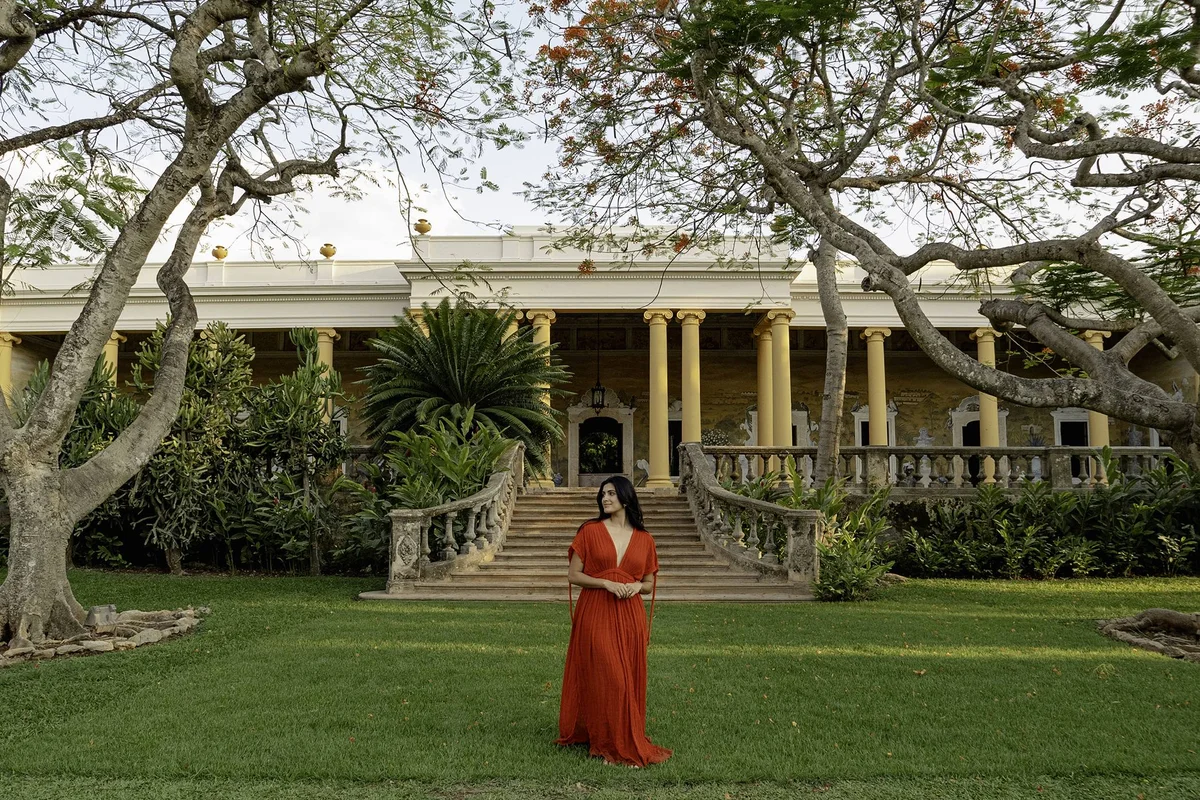
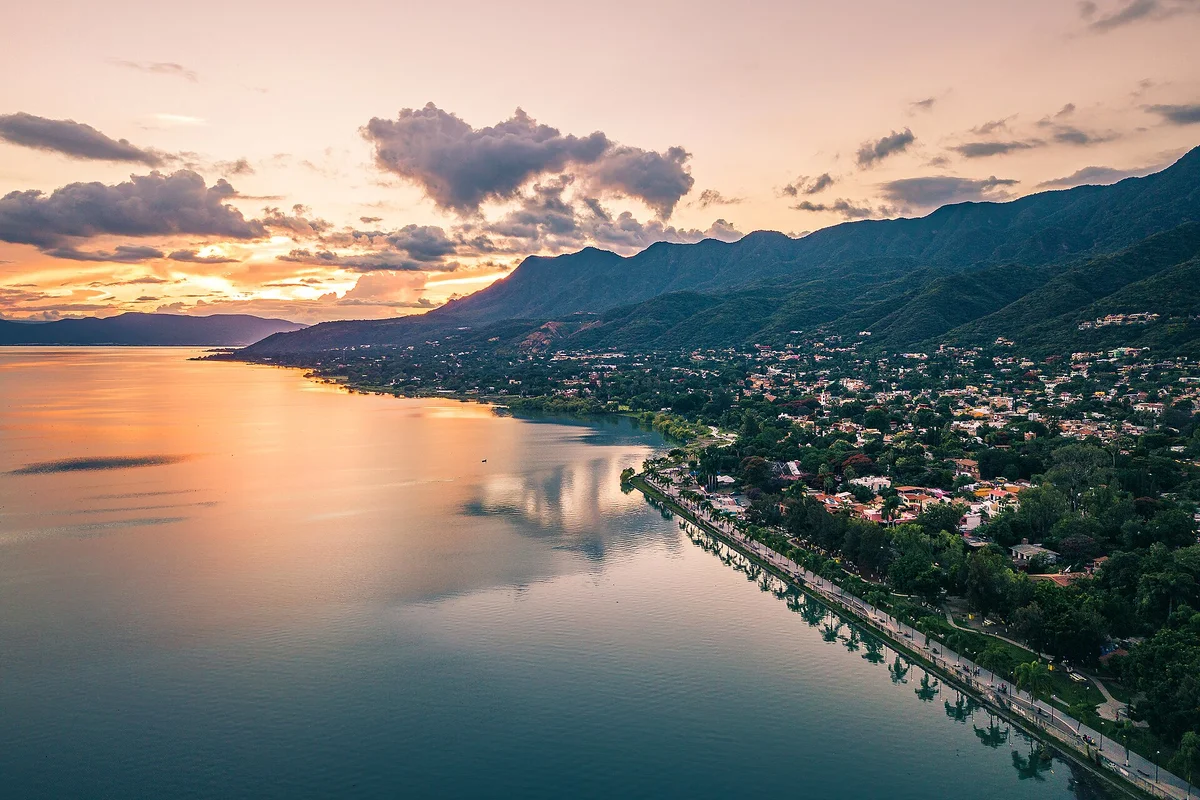




Get a vetted Mexico shortlist
US and Canadian buyers use this to skip the developer sales deck: tell us the budget and the market, and we come back with 3 to 5 options and the net yield maths behind each one.
Want options matched to your budget and risk profile?
Three questions, one screen. We reply within one business day.
Get a vetted Mexico shortlist