
Mexico vs Thailand Property Investment: 2026 Guide
Mexico vs Thailand real estate, ownership rules, rental yields, costs, and liquidity compared for US and Canadian buyers in 2026.
By Mexico Invest Editorial · Updated July 9, 2026 · 17 min read
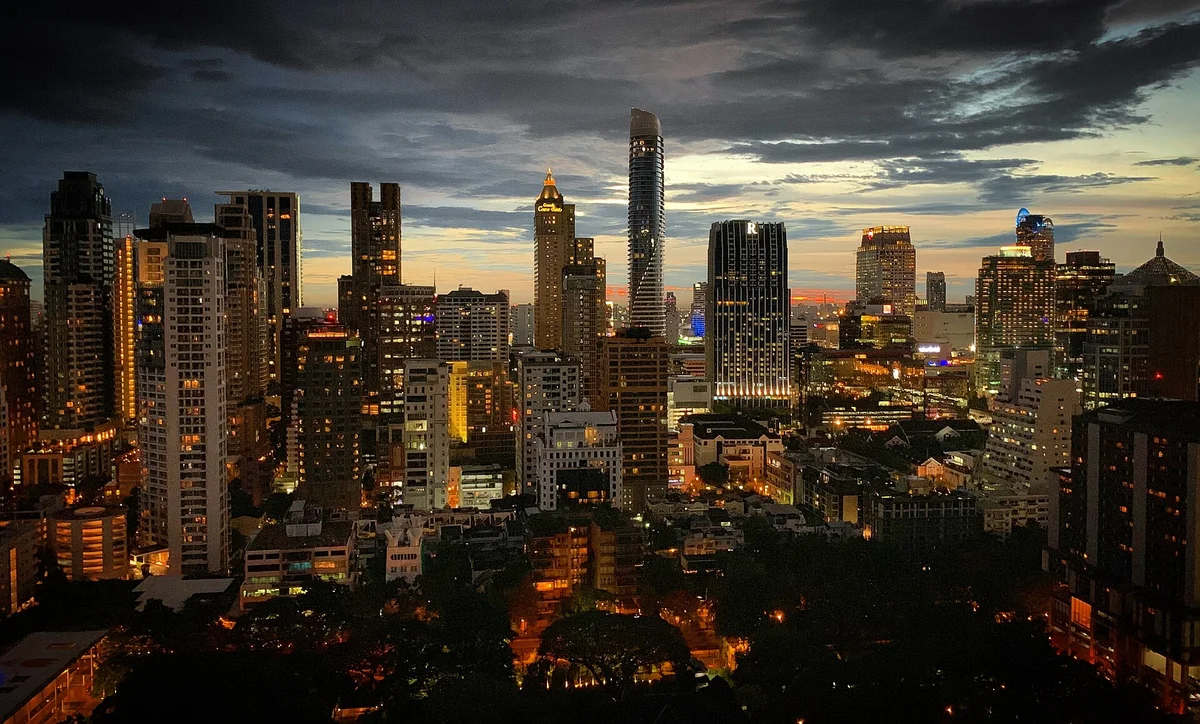
Quick answer: Mexico wins for North American buyers, 2-5 hour flights, USD coastal deals, fideicomiso maturity, and indicative 4-5% net in Playa del Carmen. Thailand wins Asia tourism scale and lower THB entry, but 49% foreign condo quota, leasehold land, and 18+ hour travel from the US change the thesis. Compare net yield in USD and exit buyer pool, not Instagram aesthetics.
US and Canadian buyers often cross-shop Mexico’s Riviera Maya against Thailand’s Phuket and Samui, both tourism giants, different legal stacks. Mexico sits in US time zones with USMCA-linked macro narrative; Thailand anchors Southeast Asian tourism with Bangkok financial depth. This guide compares ownership, yields, costs, liquidity, and buyer fit.
Hub: Mexico Property Investment Guide · Yields: Mexico Rental Yield Guide · Legal: Fideicomiso Explained.
Head-To-head summary
Mexico optimizes for North American STR operators, USD deals, Cancún airport hub, mature property managers. Thailand optimizes for Asia-Pacific lifestyle and tourism volume, with foreign ownership constrained to condo quota structures and leasehold land arrangements.
| Factor | Mexico | Thailand |
|---|---|---|
| US flight time | 2-5 hours | 18+ hours typical |
| Timezone vs US East | 0-2 hours | 11-12 hours |
| Coastal ownership | Fideicomiso (RZ) | Condo 49% quota; land leasehold |
| USD transactions | Common RM/Cabos | THB typical |
| Closing costs | 5-10% | 2-3% indicative |
| Net yield prime STR | 4.3-5.2% Playa | 3.5-6% USD-modeled variable |
| Foreign buyer leader | US ~65% | Mixed Asia/Europe |
| Annual tourism | ~42M+ (national) | ~35M+ pre-pandemic peak |
| Hurricane / monsoon | East coast hurricane | Monsoon seasonality |
Ownership: the decisive difference
Mexico foreign buyers in coastal restricted zones use fideicomiso, Mexican bank holds title, foreigner is beneficiary for 50 years renewable. Setup $2,500-$4,000, annual $500-$800. Rights include rent, sell, improve, inherit, bank-dependent mortgage rules apply.
Thailand foreign freehold applies only to condo units in buildings where foreigners hold under 49% of sellable space, verify quota before purchase and before resale. Land requires leasehold (typically 30+30 years) or Thai company structures carrying legal risk if used to circumvent rules. Quota-constrained buildings trap sellers when foreign allocation fills.
Mexico’s restricted zone covers most vacation markets, but the fideicomiso path is standardized with ~40K foreign annual volume. Thailand’s quota system creates building-level cliff risk Mexico fideicomiso does not replicate.
Legal: Can Foreigners Buy Property Mexico · Due Diligence Mexico · Ejido Risks Mexico.
Rental yield comparison
Mexico May 2026 yield methodology: Playa Centro 6.6% gross / 4.4% net, Gonzalo Guerrero 4.5% net, Riviera Maya aggregate net ~3.7%. Tulum Region 15 2.6% net, oversupply caution. Los Cabos branded ~3.8% net.
Net yields land in the same band on both sides, which means the yield table is not where this decision gets made. Playa Centro at 4.4%, Los Cabos at roughly 3.8% and Tulum Aldea Zama at 3.4% sit inside the 3.5% to 6% range a Phuket or Bangkok condo produces after 20% to 35% management, CAM fees and monsoon vacancy. What differs is what sits under the number: a Mexican fideicomiso is a prescribed statutory mechanism, while Thai land ownership by foreigners runs through quota limits and nominee structures with genuinely unsettled legal standing.
Thailand Phuket and Bangkok STR listings often market 5-8% gross, net after 20-35% management, CAM fees, platform costs, and monsoon-season vacancy may land 3.5-6% USD-equivalent. Patong and Kamala differ from Bang Tao luxury, colonia matters equally.
| Market | Mexico net (indicative) | Thailand net (USD-modeled) |
|---|---|---|
| Playa Centro | 4.4% | N/A |
| Phuket beach STR | N/A | 4-6% variable |
| Tulum Aldea Zama | 3.4% | N/A |
| Bangkok condo | N/A | 3-5% variable |
| Los Cabos | ~3.8% | N/A |
Calculate: How to Calculate Rental Yield Mexico · Gross vs Net Yield Mexico.
Entry price and transaction costs
Mexico investor 1BR: $150K-285K Tulum fringe to $350K+ Los Cabos, plus 5-10% closing. Mérida median near $165K with +9.4% YoY signal, on the same fideicomiso structure as the coast since the city sits inside the 50 km band. Thailand entry is lower on the sticker and comes with the freehold constraint: foreigners may own condominium units outright but not land, and the workarounds involve structures Mexican buyers do not have to consider. Mexico’s fideicomiso is more paperwork and less legal ambiguity.
Currency denomination is the structural difference a US balance sheet should weigh. Riviera Maya contracts are written in dollars, so the asset’s nominal value does not move with the peso and only operating costs, HOA, predial, management, carry local-currency exposure. A Phuket purchase priced at THB 3M to 15M puts the whole asset value on the baht, so a 10% currency move is a 10% move in your dollar position before the property does anything. Mexico charges 5% to 10% in closing costs for that; Thailand’s transfer fees are lower but the quota premium and CAM structures close much of the gap.
Thailand Phuket entry varies, THB 3-15M+ depending on district and quota status, USD equivalent moves with baht. Transfer fees often lower percentage than Mexico, but quota premium and CAM structures affect all-in economics.
Mexico USD contracts eliminate baht-style FX on asset nominal for RM buyers, significant for US balance sheets.
Geography and operational access
Mexico Cancún to Playa del Carmen: 50 minutes. US hubs fly nonstop year-round. Owner-use weekends and emergency trips are feasible from Texas, Florida, and Midwest in half a day. Thailand is a 20-30 hour journey from most of North America, which effectively removes owner use and emergency site visits from the model. For a US buyer that single fact reshapes every other comparison on this page.
Thailand from US East Coast: 18+ hours with connections, operational friction for absentee STR owners. Bangkok hub excels for Asia-Pacific travelers, not Chicago or Toronto weekend trips. Management quality matters more when you cannot inspect quarterly.
Mexico STR managers in Riviera Maya compete on US client service, English contracts, USD reporting common. Thailand managers excel for Asian tourist calendars, verify US-owner reporting if repatriating USD.
Tourism demand drivers
Mexico national tourism ~42M+ visitors annually, Cancún corridor absorbs US holiday, spring break, and digital nomad overflow. Quintana Roo state price growth +14.68% in 2025 per industry citing, verify current. Thailand draws a more globally diversified visitor base, which is genuine diversification against a US downturn. Mexico’s concentration in North American demand is a risk in a recession and an advantage in a strong dollar, the two markets hedge different things.
Thailand tourism recovered toward 35M+ annual visitors pre-pandemic benchmarks, Chinese, European, and regional Asian mix. Phuket competes with Bali and Vietnam for tourism investment narrative, different source-market concentration than Mexico’s US dominance.
| Demand driver | Mexico edge | Thailand edge |
|---|---|---|
| US holiday calendar | Strong | Weaker direct |
| Chinese tourism | Growing | Historical strength |
| Digital nomads | Tulum, Playa | Bangkok, Chiang Mai |
| Luxury second home | Los Cabos | Phuket west coast |
| Medical tourism retiree | Mérida | Bangkok hospitals |
Currency and repatriation
Mexico USD-denominated Riviera Maya deals hold nominal USD asset value, expenses mix USD HOA and MXN services. THB depreciation or appreciation changes USD returns on Thai condos materially, model FX on exit. Thai condos price in baht, so a US buyer takes full currency exposure on the asset value itself rather than only on the cost base. Repatriating sale proceeds from Thailand also requires documentation of the original inbound foreign transfer, which Mexico does not.
Thailand requires Foreign Exchange Transaction (FET) documentation for condo purchases, parallel complexity to Mexico fideicomiso paperwork. Both countries require compliance discipline, shortcuts create sale problems.
Tax and US reporting
Mexico ISR withholding at sale: 25% gross or 35% on net documented gain. Thailand taxes rental income and transfer, verify current Revenue Department rules for non-residents. US citizens: worldwide income, FBAR, FATCA regardless of property country.
Mexico 2026 SAT digital platform reporting increased, Airbnb income compliance enforced. Thailand STR income similarly monitored, cross-border CPA essential.
Financing for foreigners
Mexico: 70%+ cash closes; foreign LTV 50-70% at 9-14% when available. Thailand: foreign mortgage limited, cash and developer installment plans dominate. Neither offers US-style 30-year fixed broadly to non-residents. Neither market gives a foreigner useful leverage, so both are effectively cash purchases and the comparison is unlevered on both sides. That makes the net yield comparison cleaner than it would be between two financeable markets.
Risk comparison
Mexico risks: Tulum Region 15 oversupply, ejido fraud, STR permit tightening, hurricane season east coast, ISR documentation on exit. Thailand risks: the freehold ceiling on land, foreign-quota limits within each condominium building, political and regulatory volatility, and a distance that makes remote management genuinely remote. Neither list is shorter; they are different in kind.
Thailand risks: 49% quota fill trapping resale, leasehold land expiry, company-structure ownership crackdowns, monsoon occupancy dips, political cycle headlines affecting sentiment.
Both punish buyers who skip independent legal review. Thailand quota due diligence is non-optional, verify foreign ownership percentage and house rules in juristic person documents.
When Mexico wins
Mexico wins for US/Canadian STR investors seeking USD assets, 4%+ net in Playa, short flights, and deep US buyer resale pools. Mexico wins when your family vacations in Quintana Roo, operational knowledge reduces risk. Mexico wins on foreign buyer volume (~40K annually) and fideicomiso standardization versus quota cliff risk.
Mexico wins when timezone-aligned management calls and same-day travel matter for absentee ownership.
When Thailand wins
Thailand wins for Asia-Pacific lifestyle buyers, Bangkok urban rental, and lower THB entry when FX acceptable. Thailand wins when your travel network centers on Southeast Asia, not Cancún. Thailand wins for medical tourism retiree infrastructure in Bangkok, different from beach STR thesis.
Thailand does not win as default substitute for US-focused Riviera Maya STR, quota, distance, and buyer pool differ.
Decision framework
Both markets are viable for a foreign investor and they fail at different points, so work the framework below in order rather than jumping to yield. Closing costs separate them immediately: Mexico at 5-10% against Thailand’s 2-3% plus any foreign-quota premium, which changes the denominator on every return figure. The ownership path is the second fork, a Mexican fideicomiso is a bank trust over registered property, while a Thai condominium quota certificate is a different instrument with a different resale market. Then model net yield in USD with 25-30% management on both sides, and price the flight burden for owner-use and oversight trips honestly.
- Identify primary guest: US tourists vs Asian tourism mix
- Model net yield in USD: 25-30% management both markets
- Compare closing: Mexico 5-10%, Thailand 2-3% plus quota premium
- Verify ownership path: fideicomiso vs condo quota certificate
- Assess flight burden for owner-use and oversight trips
- Stress-test exit: US buyer pool (Mexico) vs quota remaining (Thailand)
- Cross-border CPA on rental income and capital gains
The question that settles most versions of this: will you ever visit the property? If yes, Mexico wins on access before any other factor is weighed. If genuinely not, Thailand’s yield and demand diversification become real considerations.
How does this comparison stack up for Mexico investors?
Phuket Bang Tao and Playa Gonzalo Guerrero both target beach STR, but guest origins differ. Phuket pulls Asian and European tourism; Playa pulls US ~65% foreign buyer share nationally. A $280K Playa 1BR fideicomiso versus $250K USD-equivalent Phuket condo requires quota check; if building foreign allocation nears 49%, resale traps. Playa resale pool depth from US buyers is structural advantage for North American sellers.
| Signal | Playa Gonzalo Guerrero | Phuket Bang Tao |
|---|---|---|
| Net yield | 4.5% indicative | 4-6% variable |
| Ownership | Fideicomiso | Quota condo |
| US flight | 2-5 hrs | 18+ hrs |
| USD asset | Common | THB typical |
| Resale to US buyer | Strong | Quota-dependent |
Bangkok condo vs Mexico City: urban not vacation
Bangkok Sukhumvit condos serve Asian urban rental, Mexico City Roma/Condesa appeals to nomads but is not mexico-invest.com core vacation thesis. US buyers comparing Thailand to Mexico for beach STR should not use Bangkok data, compare Phuket to Riviera Maya only. Mexico City industrial tightness from nearshoring differs from Bangkok financial district condos, cross-city within each country confuses the comparison further.
Long-stay visas and owner-use weeks
Thailand long-term resident visas and Mexico temporary resident permits both evolve, verify 2026 rules before buying for visa linkage alone. Property purchase alone rarely guarantees residency in either country. Owner-use planning: Mexico 2-5 hour flights enable monthly owner visits from US hubs; Thailand monthly visits from US are impractical, local manager mandatory.
Sample five-year USD return stub
Illustrative only, $250K Playa 1BR at 4.4% net = $11K/year USD cash flow, fideicomiso $650/year, closing amortized $5K/year on $25K at 5 years. $250K USD-equivalent Phuket at 4.5% net with 2% THB depreciation on exit = similar cash flow but $5K+ FX loss on repatriation, sensitivity matters. Replace stubs with your notario and manager quotes.
Samui and Tulum: wellness brand compare
Koh Samui and Tulum both sell wellness lifestyle, but Tulum Region 15 74+ day DOM and 2.6% net warn against brand-only buying. Samui foreign quota and ferry access add friction Mexico fideicomiso does not replicate. Brand premium supports ADR in select niches; oversupply punishes generic towers in both markets. Underwrite building-level economics, not hashtag trends.
Closing timeline and remote purchase
Mexico closing 30-90 days with remote POA common, fideicomiso banks familiar with US buyers. Thailand transfers require FET documentation and quota verification, timeline varies. Remote buyers managing Thailand from US timezones face harder oversight, Mexico RM aligns with North American business hours for notario and broker calls.
Bottom line
Mexico vs Thailand is primarily a buyer geography decision. North American STR investors typically underwrite Mexico first, USD deals, fideicomiso path, Playa 4.4% net indicative, and 2-5 hour access. Thailand suits Asia-linked lifestyle capital with condo quota discipline and THB FX acceptance.
Do not assume equal liquidity, Mexico’s US buyer share (~65% of foreign volume) creates resale depth Thailand rarely matches for North American sellers. Verify all figures with licensed counsel in both jurisdictions. Indicative mid-2026.
What to verify next
Frequently Asked Questions
Mexico offers US-timezone proximity, USD-denominated coastal deals, fideicomiso ownership path, and ~40K annual foreign purchases with deep Cancún STR markets. Thailand offers strong tourism and lower entry in THB but restricts foreign freehold land, condos limited to 49% foreign quota per building.
Mexico Riviera Maya prime colonias show indicative net 4.3-5.2%. Thailand Phuket and Bangkok marketed gross yields often cite 5-8%, net after management, CAM fees, and occupancy varies. Mexico USD deals simplify return math for North American buyers.
Mexico: fideicomiso in coastal restricted zone; direct title interior. Thailand: foreign freehold only in qualifying condo units within 49% building quota; land requires leasehold or Thai company structures with legal risk. Both require strict due diligence.
Mexico: 5-10% including ISAI, notary, fideicomiso. Thailand: roughly 2-3% transfer plus legal, varies. Thailand quota verification and FET transfer documentation add steps Mexico fideicomiso process parallels in complexity.
Mexico wins flight time (2-5 hours vs 18+ to Bangkok), timezone overlap, and USD transaction prevalence in Riviera Maya. Thailand wins for Asia-Pacific lifestyle buyers and lower THB entry, not for absentee North American STR optimization alone.
Mexico fideicomiso is a 50-year renewable bank trust with established foreign-buyer volume. Thailand condo freehold requires quota verification, buying into a building at 48% foreign quota risks illiquidity. Thai land leaseholds expire, term and renewal critical.
Mexico for US/Canadian sellers, Cancún corridor resale pools are deep. Thailand resale to foreigners depends on remaining condo quota and tourism cycles. Mexico ~65% US foreign buyer share vs Thailand's broader Asian and European mix.
Some investors hold Mexico STR cash flow and Thailand lifestyle hybrid, but each requires local counsel, management, and tax reporting. Diversification adds operational load; most retail buyers should master one market first.


Get a vetted Mexico shortlist
US and Canadian buyers use this to skip the developer sales deck: tell us the budget and the market, and we come back with 3 to 5 options and the net yield maths behind each one.
Want options matched to your budget and risk profile?
Three questions, one screen. We reply within one business day.
Get a vetted Mexico shortlist